Attractions and Places To See around Gelligaer - Top 20
Best attractions and places to see around Gelligaer include a variety of historical sites and natural landscapes. This community in Caerphilly County Borough, Wales, features ancient Roman remains and significant natural elevations. Visitors can explore a landscape rich in history, offering opportunities for outdoor exploration and panoramic views. The area combines cultural heritage with diverse natural features.
Best attractions and places to see around Gelligaer
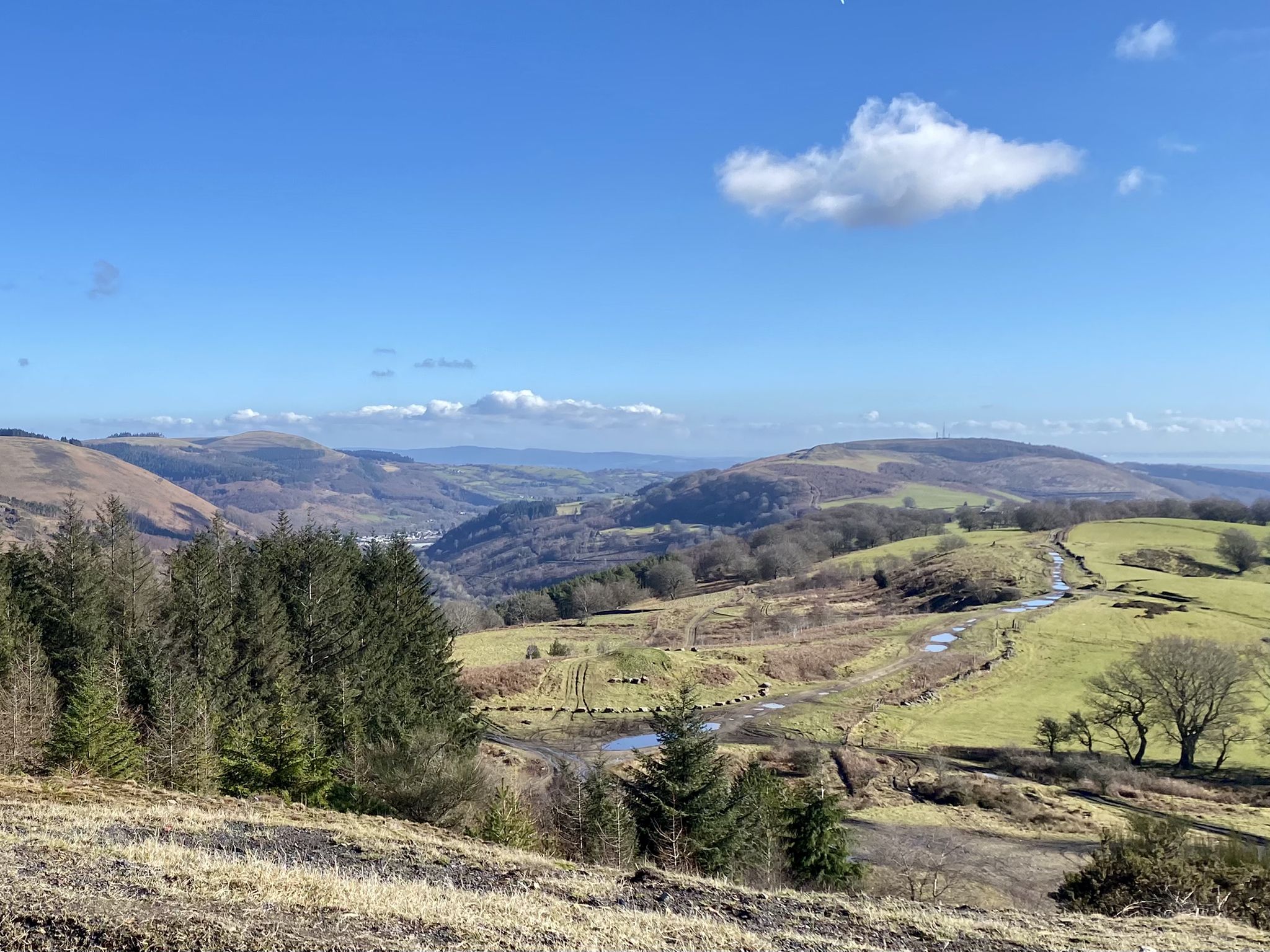
- The most popular attractions is Garth Summit, a viewpoint that offers commanding views just outside Cardiff with a trig pointed summit. It is a UK listed Marilyn.
- Another must-see spot is Craig yr Allt, a trail and summit overlooking Caerphilly to the east and the villages of Nantgarw and Taff's Well to the west. The Taff Ely Ridgeway Walk passes over this hill.
- Visitors also love Twmbarlwm Hill and Iron Age hillfort, a hill rich in history and folklore. From the summit, visitors are afforded views of the Severn Estuary, and an Iron Age hillfort is located on the summit.
- Gelligaer is known for its historical sites, viewpoints, and summits. The area offers a variety of attractions to see and explore, from ancient Roman forts to natural monuments.
- The attractions around Gelligaer are appreciated by the komoot community, with 59 upvotes and 26 photos shared across 9 highlights.
Last updated: October 9, 2026
Twmbarlwm Hill and Iron Age hillfort
Highlight • Historical Site
Tip by

Mynydd Machen Summit
Highlight • Viewpoint
Tip by
Sign up now to discover places like this
Get recommendations on the best single tracks, peaks, & plenty of other exciting outdoor places.
Garth Summit
Highlight • Viewpoint
Tip by

Caerphilly Mountain Summit
Highlight • Viewpoint
Tip by
Craig yr Allt
Highlight • Trail
Tip by
Sign up for free to discover even more attractions around Gelligaer.
Already have an account?
Start today with a free account
Your next adventure awaits.
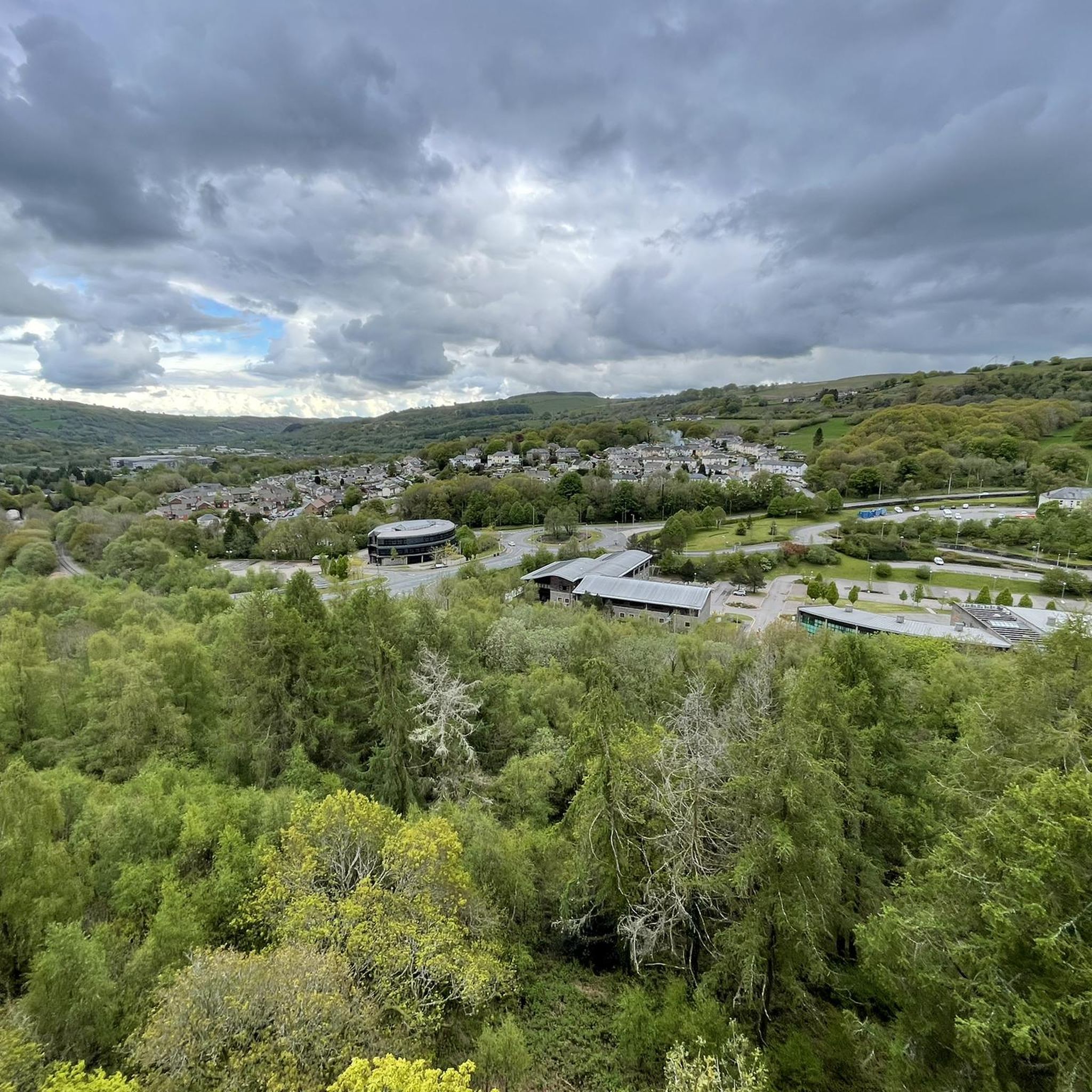
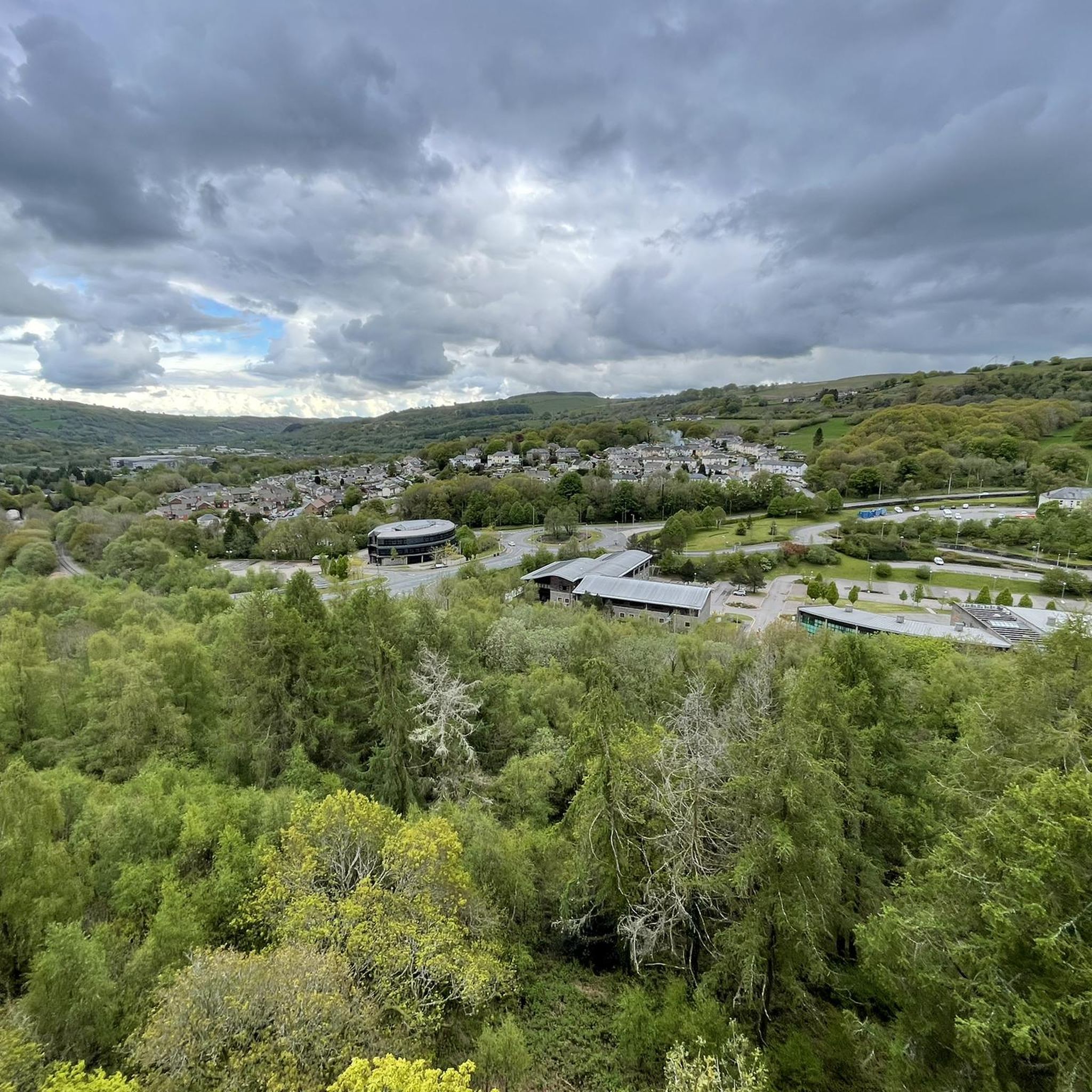
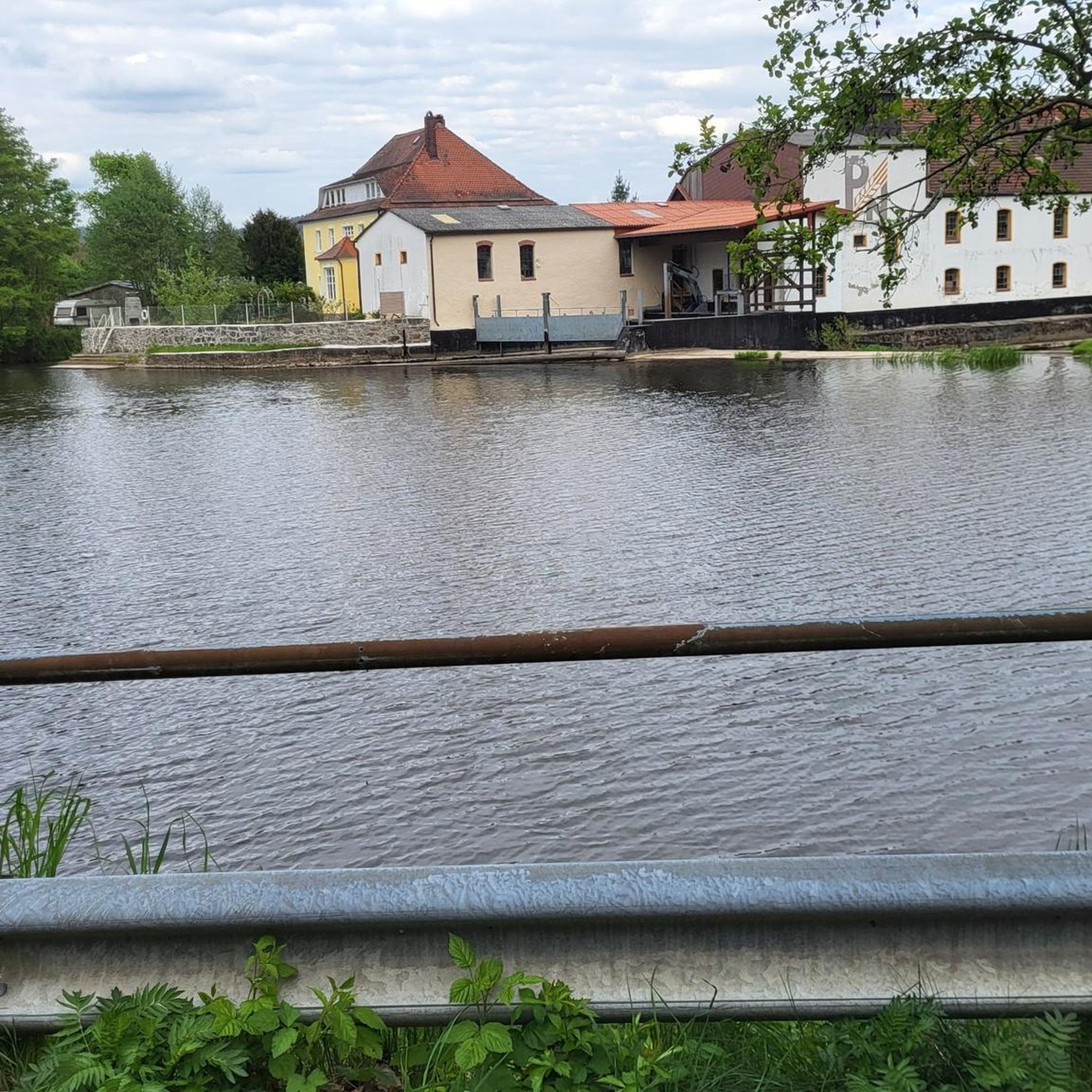
Other adventures around Gelligaer

Tips from the Community

Nice ascent from Crosskeys, but watch out for very overgrown pathways on the Machen side. Great views from the top!
1
0
The Garth has a nice flat top with views across the valleys. Lots of sheep grazing too (March). Also a number of mounds provide some cover from the wind if a break is in order
0
0

Twmbarlwm is a prominent hill and archaeological site located near the town of Cwmcarn in South Wales. It is part of the Caerphilly County Borough and is known for both its natural beauty and historical significance. Here are some key points about Twmbarlwm: Key Features: Hillfort: Twmbarlwm is home to the remains of an ancient hillfort, dating back to the Iron Age. The fortifications, which include earthworks and ramparts, suggest it was a significant settlement during that period. Celtic Connections: The name "Twmbarlwm" is thought to derive from Welsh, with "Twm" being a diminutive of "Tudur" and "barlwm" referring to a mound or hill. The site is associated with Celtic history and mythology. Natural Beauty: The hill offers stunning views of the surrounding landscape, including the nearby valleys and mountains. It is a popular destination for walkers, hikers, and outdoor enthusiasts. Archaeological Significance: Twmbarlwm has been the subject of various archaeological studies, which have revealed insights into ancient settlement patterns, defensive strategies, and daily life in prehistoric Wales. Access: The hill is accessible via footpaths, making it a popular spot for local residents and visitors. There are several trails that lead to the summit, offering a rewarding hike. Cultural Heritage: The site is connected to local folklore and legends, contributing to its cultural significance in the region. Visiting: If you plan to visit Twmbarlwm, it’s a good idea to check local resources or hiking guides for specific trails and information about the area. The site is a great way to experience the natural beauty and historical richness of South Wales.
1
0

A small summit above Risca. Known locally as the "Twmp" (the hump), the pimple or the nipple, due to the shape of the mound on the summit.
1
0

Caerphilly Mountain is located in the Vale of Glamorgan in Caerphilly and stands at 271 m above sea level. There are some magnificent panoramic views on offer here across Cardiff and Caerphilly, Feet, and on a sunny day, even over to Flat Home and Steep Home Islands, a pair of welsh islands lying in the Bristol Channel.
2
0

plenty of free parking in Machen next to the village hall and library
1
0

Twmbarlwm is a 1,375 foot (419 m) hill that is rich in beauty, history and folklore. From the summit, you are afforded wonderful views of the Severn Estuary. There is an Iron Age hill fort on the summit, too.
2
0
Mynydd Machen is a 1,188-foot (362 m) hill in South Wales which affords glorious views over Newport, Cardiff, Steep Holm, Flat Holm, Brean Down, and the Severn Estuary. The summit is marked by the rock 10 feet (3 m) northwest of the trig point.
2
0
Frequently Asked Questions
What historical sites can I explore in Gelligaer?
Gelligaer is rich in history, particularly its Roman connections. You can visit the Gelligaer Roman Fort, which features stone walls and interpretive panels detailing its construction between 103 and 111 A.D. Other significant sites include the ancient St. Catwg Parish Church, the Ancient Standing Stone (Maen Cattwg), and the foundations of Capel Gwladys on Gelligaer Common. The common itself is a Cadw Historic Landscape with Roman and Medieval remains, including a megalithic burial mound at Carn Bugail.
Where can I find panoramic views around Gelligaer?
Several summits and viewpoints offer extensive views. Garth Summit provides commanding views just outside Cardiff. Mynydd Machen Summit, at 1,188 feet, offers glorious views over Newport, Cardiff, and the Severn Estuary. Twmbarlwm Hill and Iron Age hillfort also provides wonderful views of the Severn Estuary from its summit. Additionally, Caerphilly Mountain Summit offers magnificent panoramic views across Cardiff and Caerphilly.
Are there hiking trails near Gelligaer?
Yes, Gelligaer is surrounded by various hiking opportunities. You can find a range of trails, from easy to difficult, that explore the local landscape. For detailed routes, including options like the 'Twyn Castell – Hengoed Viaduct loop' or the 'Penallta Park signpost loop', refer to the Hiking around Gelligaer guide. There are also easy hikes available, such as the 'Penallta Park signpost – Willow Tunnel loop'.
What natural features can I explore in the Gelligaer area?
Beyond its historical sites, Gelligaer offers diverse natural landscapes. Gelligaer Common is an upland moor with unique archaeological resources. You can also explore significant natural elevations like Twmbarlwm Hill and Mynydd Machen Summit, which provide scenic views. The area also features remnants of a Roman road and well-preserved Roman practice camps on the open moorland of Fforest Gwladys.
Are there any family-friendly attractions or walks in Gelligaer?
While specific family-friendly attractions are not detailed, the area offers natural spaces suitable for family walks. Easy hiking routes, such as the 'Penallta Park signpost loop' (3.4 km) or the 'Taff Bargoed Country Park loop' (5.5 km), are available and can be found in the Easy hikes around Gelligaer guide. These provide opportunities for outdoor exploration with children.
What is <a href="https://www.komoot.com/highlight/561742" target="_blank" rel="noopener">Twmbarlwm Hill</a> known for?
Twmbarlwm Hill is a 1,375-foot hill renowned for its beauty, history, and folklore. It features an Iron Age hillfort on its summit and offers wonderful views of the Severn Estuary. Locally known as 'the Twmp' or 'the Pimple' due to the mound at its peak, it's a well-known landmark in South Wales.
Can I find running trails around Gelligaer?
Yes, there are several running trails available. You can explore routes ranging from moderate to difficult, such as the 'Hengoed Viaduct – Hengoed Viaduct loop' or the 'Old Quarry – Woodland Trail loop'. For more options and details, consult the Running Trails around Gelligaer guide.
What is <a href="https://www.komoot.com/highlight/2811099" target="_blank" rel="noopener">Craig yr Allt</a>?
Craig yr Allt is a hill in South Wales that features an unmarked summit. It offers views overlooking Caerphilly to the east and the villages of Nantgarw and Taff's Well to the west. The Taff Ely Ridgeway Walk passes over this hill, making it a notable point for hikers.
What do visitors enjoy most about the attractions around Gelligaer?
Visitors particularly appreciate the stunning views from the various summits and the rich historical context of the area. The combination of ancient sites like the Roman Fort and Iron Age hillforts with the natural beauty of the uplands and panoramic vistas makes for a rewarding experience. The komoot community has shared 26 photos and given 59 upvotes across the highlights, indicating strong positive engagement with the scenic and historical offerings.
Are there any specific Roman remains to see apart from the fort?
Beyond the Gelligaer Roman Fort, the area also features a Roman road that linked various forts. Along this road, particularly on the open moorland of Fforest Gwladys, you can find well-preserved Roman practice camps. These camps were used by soldiers for training exercises and offer another glimpse into the Roman presence in Wales.
Where can I find information about Gelligaer Common?
Gelligaer Common is a significant upland moorland designated as a Cadw Historic Landscape. It's known for its diverse archaeological resources, including Roman and Medieval remains like a megalithic burial mound at Carn Bugail and the Cen Gelligaer Stone. For more information on its historical and natural significance, you can visit visitmerthyr.co.uk.
Most popular routes around Gelligaer
Most popular attractions around Gelligaer

Get inspired with the komoot mobile app


Explore more
Still not found the Highlight you’re looking for? See guides of the top attractions in other regions:
