Attractions and Places To See around Llancillo - Top 20
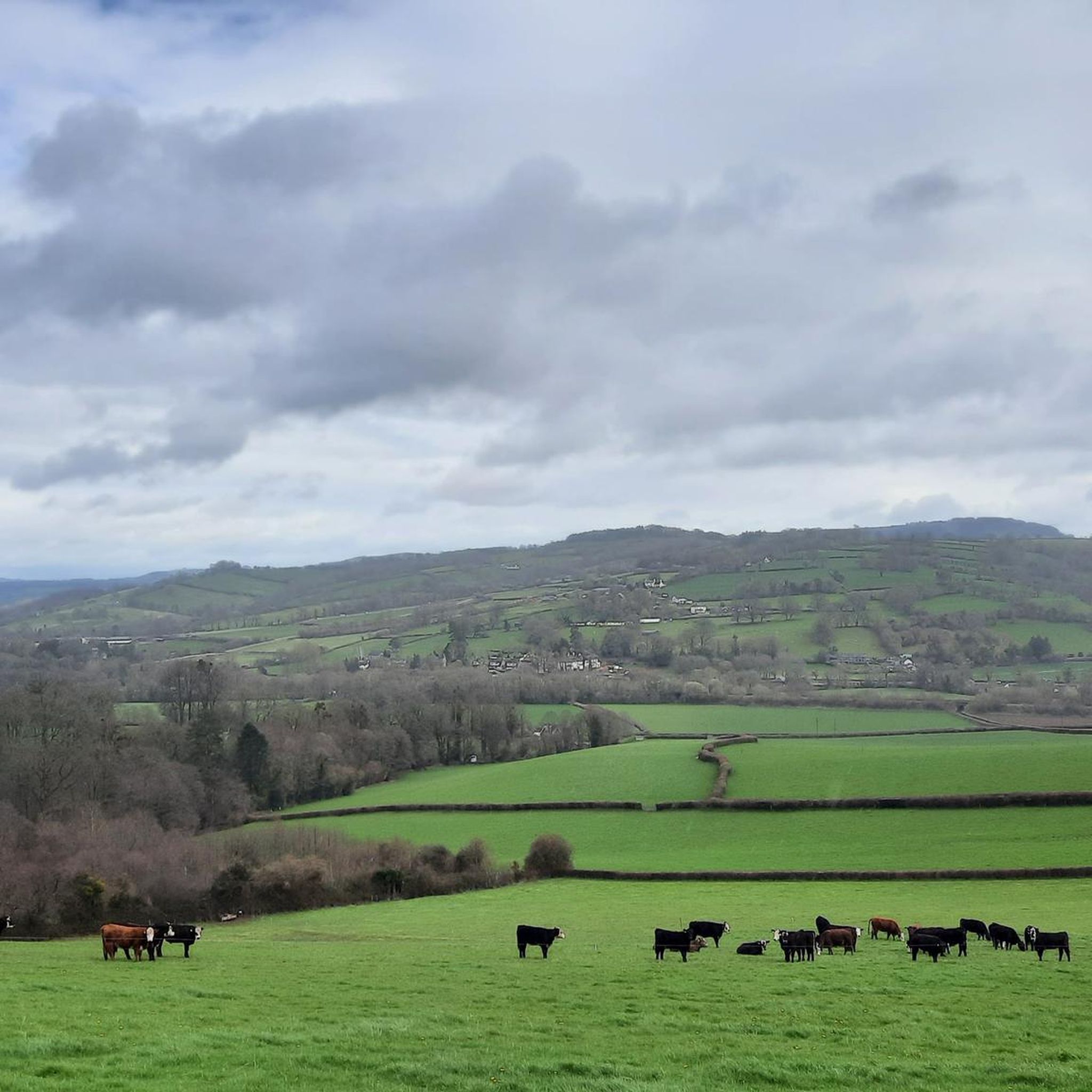
Attractions and places to see around Llancillo offer a blend of historical sites and natural beauty in southwest Herefordshire, England. This civil parish is situated within the Welsh Marches, a region known for its historical significance and diverse landscapes. Visitors can explore ancient castles, historic churches, and access notable natural features nearby. The area provides opportunities to discover both cultural landmarks and scenic outdoor environments.
Best attractions and places to see around Llancillo
- The most popular attractions is Skirrid Fawr summit, a climb that is an iconic mountain on the edge of the Brecon Beacons National Park. The summit features the ruins of an Iron Age hill fort and a medieval chapel.
- Another must-see spot is Llanthony Priory Ruins, a historical site. This partly ruined former Augustinian priory is located in the Black Mountains area of the Brecon Beacons National Park and serves as a starting point for hikes.
- Visitors also love Skenfrith Castle, a Norman castle redeveloped in 1219. This National Trust property offers free entry and is set in a riverside location.
- Llancillo is known for its historical sites, including castles and religious buildings, as well as access to significant natural features. The area offers a variety of attractions to see and explore, from ancient ruins to scenic viewpoints.
- The attractions around Llancillo are appreciated by the komoot community, with over 150 upvotes and 60 photos shared by visitors.
Last updated: June 22, 2026
Skirrid Fawr summit
Highlight • Climb
Tip by

Skirrid Ridge (Ysgyryd Fawr)
Highlight (Segment) • Trail
Tip by

Sign up now to discover places like this
Get recommendations on the best single tracks, peaks, & plenty of other exciting outdoor places.
Sign up for free
Llanthony Priory Ruins
Highlight • Historical Site
Tip by
Skenfrith Castle
Highlight • Castle
Tip by

Offa's Dyke Path
Highlight • Trail
The earthwork, which was up to 65 feet (20 m) wide (including its flanking ditch) and 8 feet (2.4 m) high, traversed low ground, hills and rivers. Today it is protected as a scheduled monument. Some of its route is followed by the Offa's Dyke Path; a 176-mile (283 km) long-distance footpath that runs between Liverpool Bay in the north and the Severn Estuary in the south.
Although the Dyke has conventionally been dated to the Early Middle Ages of Anglo-Saxon England, research in recent decades – using techniques such as radioactive carbon dating – has challenged the conventional historiography and theories about the earthwork, and show that it was started in the early fifth century, during the sub-Roman period.
Tip by

Sign up for free to discover even more attractions around Llancillo.
Sign up for free
Already have an account?
Start today with a free account
Your next adventure awaits.
Login or Signup
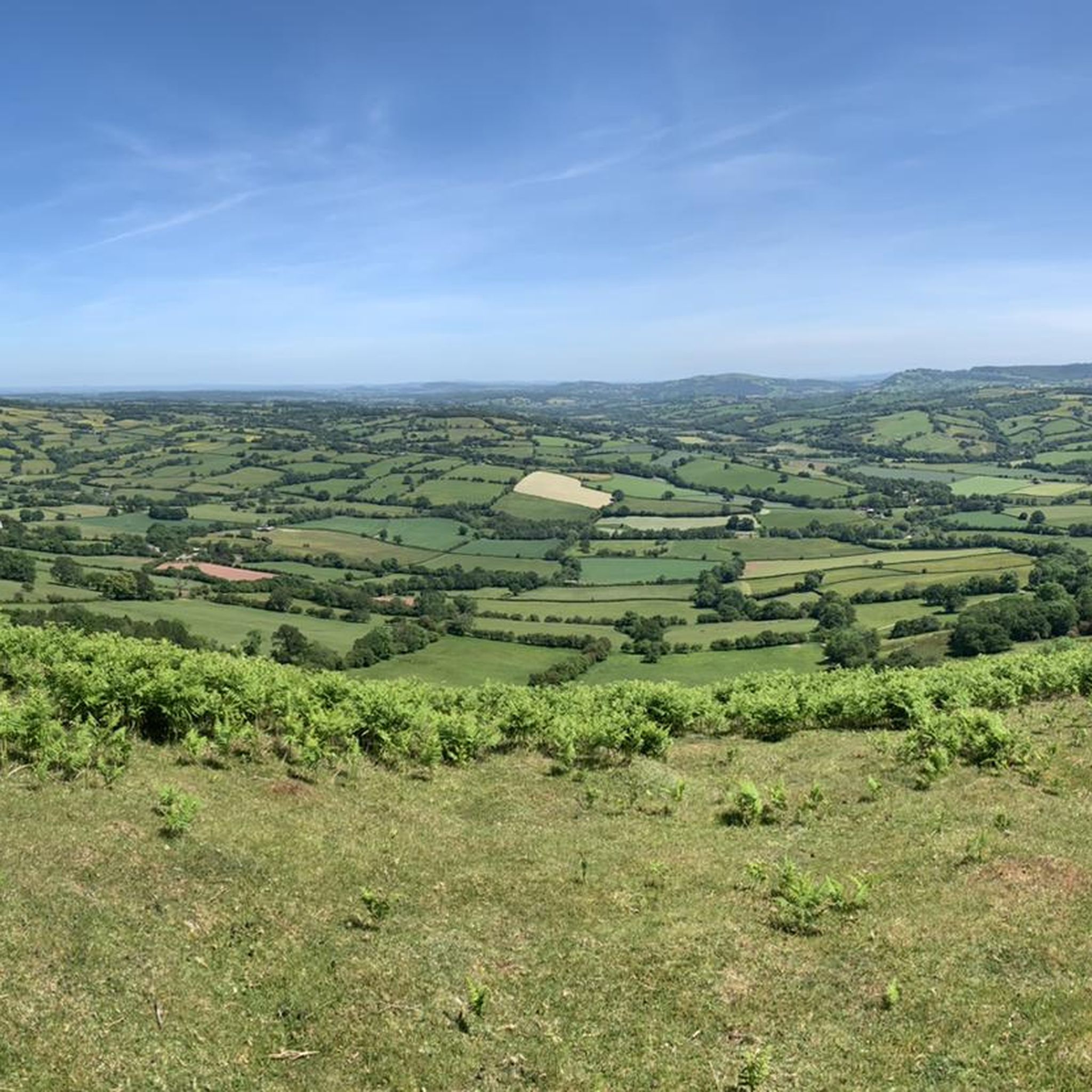
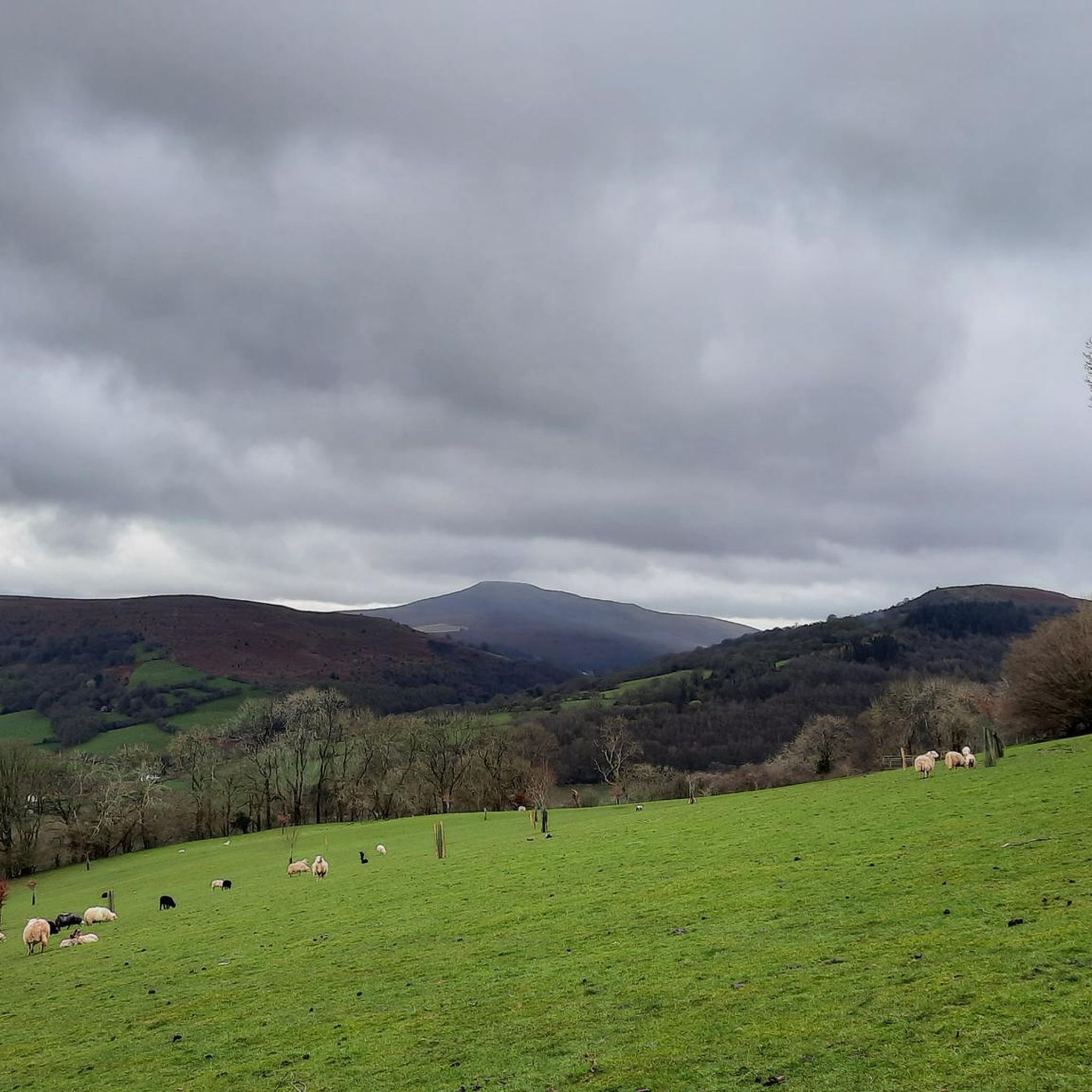
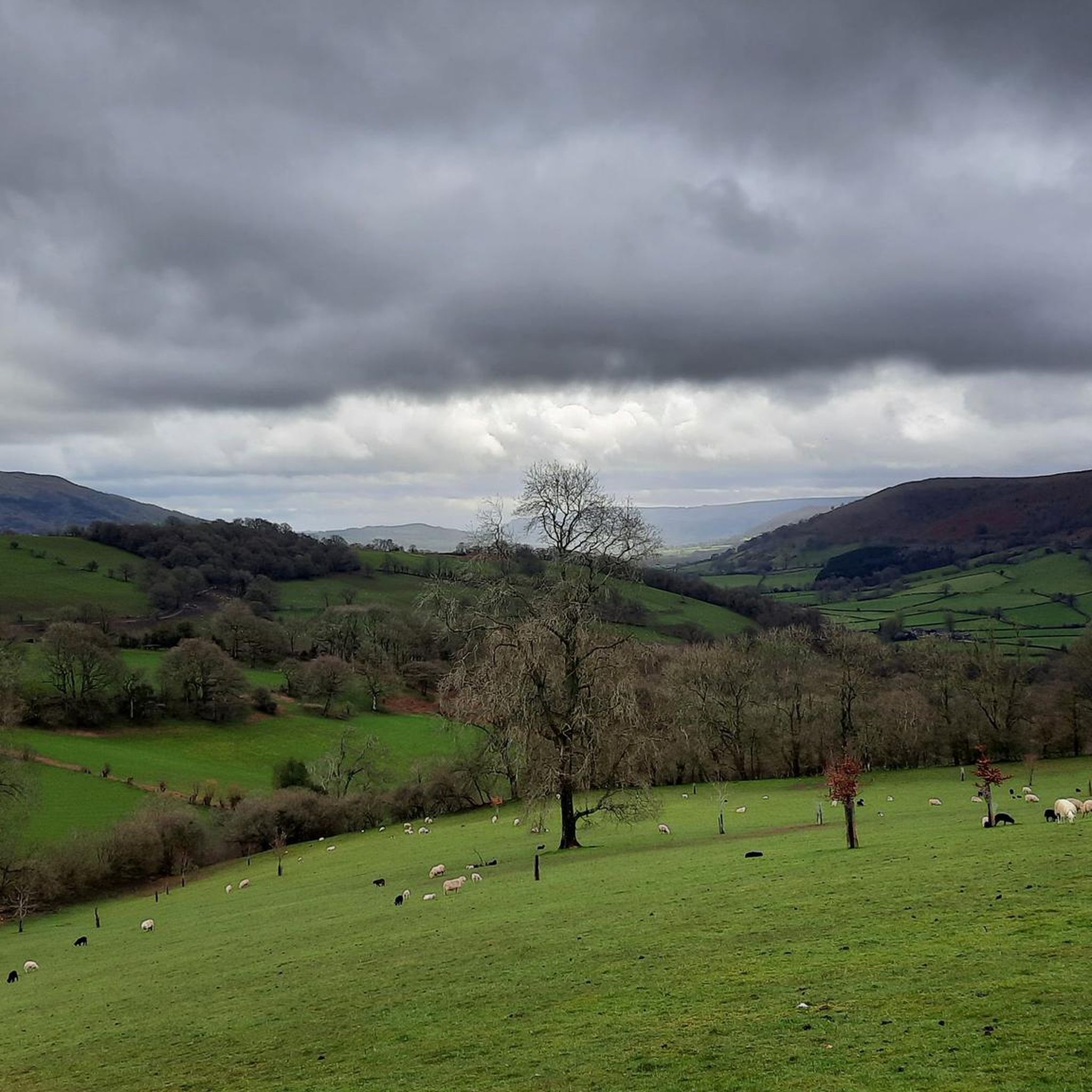
Tips from the Community

Skenfrith Castle is a beautiful ruined castle owned and run by the National Trust in the quaint village of Skenfrith. It's a lovely valley setting next to the River Monnow, and right next door is the equally charming St Bridget's Church. The castle was originally established by the Normans in the wake of the invasion of England in 1066 to protect the route from Wales to Hereford. In 1135, a major Welsh revolt took place, and in response, King Stephen brought together Skenfrith Castle and its sister fortifications of Grosmont and White Castle to form a lordship known as the "Three Castles", which continued to play a role in defending the region from Welsh attack for several centuries. It is obviously a ruin now, but the walls are still substantial, and the fulcrum of the place is the imposing, commanding keep. This is a three-storey, 12-metre-high circular keep built around 1219–1244 by Hubert de Burgh. There is good parking there and plenty of green space for picnics and parking. There is also no charge for entry. A great place to visit, along with nearby Grosmont and White Castle.
0
0

Fine little hill, Black Mountains outlier. Steepish at first but a straightforward and rewarding outing.
0
0

Easy accent if climbing from the side of the national trust carpark. For a more challenging climb, accend from the opposite side.
0
0

This 13th century Norman Castle is set in a beautiful riverside location. It's managed by the National Trust and has free parking and free entry. It's also a good starting point for exploring the area.
1
0

everyone who's been here knows this ..views are 360 and amazing. almost blown off the ridge on this occasion
0
0

This summit with beautiful views over the Black Mountains on the border between Wales and England, felt like the real start of the Beacon Way.
0
0
Although you can barely walk about 2.5m above the surrounding land on this 12-century-old dike, you still get a nice picture of the area. For those walking the Beacons Way, this is a nice run-up to the hills of Brecon Beacon National Park.
1
0
Not too difficult a climb on the multi-day Beacons Way: fairly level walking path that leads over the southern flank and offers beautiful views of the Black Mountains on the border of Wales and England. The northern flank is a bit steeper and - as I experienced - quite slippery in rainy weather.
1
0
Frequently Asked Questions
What historical sites can I explore around Llancillo?
Llancillo and its surroundings are rich in history. You can visit the ancient Llanthony Priory Ruins, a partly ruined Augustinian priory in the Black Mountains, which also serves as a starting point for hikes. Another significant site is Skenfrith Castle, a Norman castle redeveloped in 1219, offering free entry. Additionally, the Church of St Issui, Partrishow, is a remarkable Grade I-listed building dating from 1060, known for its 16th-century rood screen and medieval mural paintings. Within Llancillo itself, you can find St. Peter's Church, a Grade II* listed church from the 11th or 12th century, and the remains of Llancillo Castle, a motte and bailey castle mound.
Are there opportunities for hiking and walking near Llancillo?
Yes, the area around Llancillo offers excellent hiking and walking opportunities. The iconic Skirrid Fawr summit provides a rewarding climb with amazing views and is considered part of a local 'Three Peaks challenge'. You can also explore sections of the historic Offa's Dyke Path, a long-distance footpath that roughly follows the England-Wales border. For more specific routes, you can find various options, including moderate hikes like the 'Dore Abbey – Ewyas Harold Church loop' or more challenging ones such as the 'St. Bridget's Church – Garway Hill summit loop'. Discover more hiking routes on the dedicated guide page: Hiking around Llancillo.
What natural features can I see around Llancillo?
Llancillo is situated amidst the natural beauty of the Welsh Marches. A prominent natural feature is Skirrid Fawr, an 'iconic little mountain' on the edge of the Brecon Beacons National Park, offering stunning views from its summit. Nearby, Hatterrall Hill, a rounded peak on the Wales-England border, also provides excellent vistas. The region itself is characterized by diverse landscapes, from rolling hills to river valleys, making it ideal for appreciating the outdoors.
Are there any family-friendly attractions in the Llancillo area?
Yes, there are family-friendly options. Skenfrith Castle is a National Trust property with free entry, set in a beautiful riverside location, which can be enjoyable for families to explore. The atmospheric Llanthony Priory Ruins also welcomes families and offers ample access to fine walking paths, with facilities like toilets and refreshments on site.
What kind of cycling routes are available near Llancillo?
For cyclists, the area around Llancillo offers a variety of road cycling routes. You can embark on scenic rides such as the 'Llanthony Priory Ruins – Gospel Pass loop from Pandy', which covers over 50 km and includes the famed Gospel Pass, the highest pass in Wales. Other routes include challenging climbs like 'The Tumble Climb from Govilon' or more moderate rides like the 'St Peter's Church, Peterchurch – Hay-on-Wye loop'. Find more details and routes on the dedicated guide page: Road Cycling Routes around Llancillo.
What do visitors enjoy most about the attractions around Llancillo?
Visitors particularly enjoy the blend of historical significance and natural beauty. The challenging yet rewarding climbs like Skirrid Fawr are praised for their amazing views. The atmospheric ruins of Llanthony Priory are loved for being stunning places to visit and excellent starting points for hikes. The historical depth of sites like Skenfrith Castle and the ancient churches also captivate visitors, offering a glimpse into the region's past.
Are there any easy walking trails near Llancillo?
Yes, there are several easy walking trails suitable for a more relaxed experience. Examples include 'The Skirrid Inn – The Moat loop from Llanvihangel Crucorney' and 'Hopes of Longtown Village Shop loop from Longtown', both offering manageable distances. These routes are perfect for enjoying the scenery without strenuous effort. You can explore more easy hikes on the dedicated guide page: Easy hikes around Llancillo.
Where can I find amenities like pubs or camping near the attractions?
Near the Llanthony Priory Ruins, you'll find a great little pub/tavern on site, as well as nearby camping facilities, making it a convenient stop for refreshments and overnight stays. For Skirrid Fawr, there is a pub called The Skirrid Mountain Inn just north of the mountain in Llanvihangel Crucorney.
What is the historical significance of Llancillo Castle?
Llancillo Castle is a historic motte and bailey castle believed to date from the late 11th century, likely built around the 1090s. Today, all that remains is a circular mound, approximately 25 feet high, surrounded by a dry ditch and outer rampart. Traces of masonry from a shell keep can still be found. It reflects the region's historical importance along the Welsh Marches, an area known for its dense concentration of such castles. For more historical context, you can refer to resources like eCastles.co.uk.
Can I find any ancient churches in the Llancillo area?
Absolutely. Llancillo is home to St. Peter's Church, a Grade II* listed building with origins in the late 11th or 12th century, featuring a 13th-century font and ancient bells. Further afield, the Church of St Issui, Partrishow, is another remarkable ancient church dating from 1060, known for its beautifully carved rood screen and medieval mural paintings.
Is there public transport available to reach attractions around Llancillo?
Due to Llancillo's rural location in southwest Herefordshire, public transport options to specific attractions may be limited. It is generally recommended to travel by car to access many of the historical sites and trailheads. Some popular spots like Llanthony Priory Ruins do offer parking facilities.
What is the best time of year to visit Llancillo for outdoor activities?
The best time to visit Llancillo for outdoor activities like hiking and cycling is typically during the spring, summer, and early autumn months (April to October). During these periods, the weather is generally milder and more predictable, making conditions more favorable for exploring the natural features and historical sites. Always check local weather forecasts before your visit.
Most popular attractions around Llancillo

Get inspired with the komoot mobile app


Explore more
Still not found the Highlight you’re looking for? See guides of the top attractions in other regions:
