Attractions and Places To See around Covingham - Top 20
Best attractions and places to see around Covingham, a neighborhood in eastern Swindon, include historical sites and access to natural landscapes. The area is notable for the site of Durocornovium, a possible Roman small town with evidence of occupation from the mid-1st century. Covingham provides a starting point for exploring both local landmarks and broader regional attractions in Wiltshire and Oxfordshire. Visitors can find a mix of ancient history and outdoor activities within reach.
Best attractions and places to see…
Last updated: August 16, 2026
Wayland's Smithy Long Barrow
Highlight • Historical Site
Tip by

Chiseldon and Marlborough Railway Path
Highlight (Segment) • Cycleway
Despite to the gravel makeup, the surface is so smooth that it's a pleasure to ride even a 23mm tire sized road bike.
Tip by

Sign up now to discover places like this
Get recommendations on the best single tracks, peaks, & plenty of other exciting outdoor places.
Sign up for free
Ashdown House
Highlight • Monument
Tip by

The Ridgeway at Barbury Castle
Highlight (Segment) • Viewpoint
Tip by

Blake's Kitchen at the Old Carpenters' Yard
Highlight • Cafe
Tip by

Sign up for free to discover even more attractions around Covingham.
Sign up for free
Already have an account?
Start today with a free account
Your next adventure awaits.
Login or Signup
Tips from the Community

It can get very busy but the food and drinks are worth the wait when it is.
0
0

Name changed as Now owned by Blake’s Kitchen (sister cafe in Clanfield)
0
0

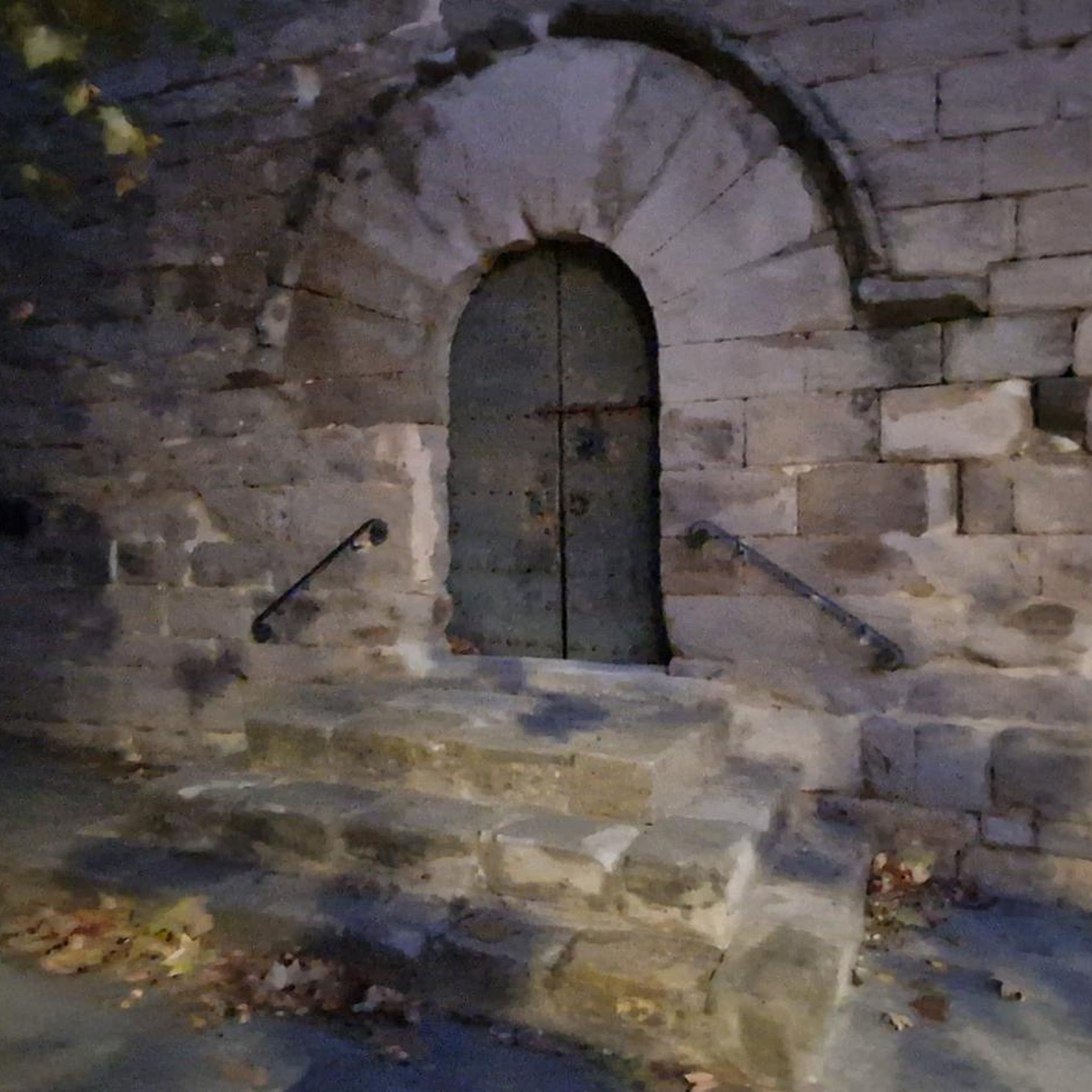
Open all day and night. A very intriguing place. I sat for around half an hour one morning, had some breakfast and moved on. didn't see anybody else. found it very peaceful. unbelievable just how old it actually is.
1
0
Ashdown House (also known as Ashdown Park) is a 17th-century country house in the civil parish of Ashbury in the English county of Oxfordshire. Until 1974 the house was in the county of Berkshire, and the nearby village of Lambourn remains in that county. It is a Grade I listed building and the grounds are included in the Register of Historic Parks and Gardens at Grade II*. The house features 8,000 square feet of living space, a large central staircase, reception rooms, interlinking drawing and sitting rooms, a kitchen, a dining room and eight bedrooms. The property includes two lodges, three cottages and a hundred acres of land. The house was originally built at the junction of the four rides in Craven's hunting park – the four avenues no longer survive as they once did, but portions of them remain. The house is isolated, and the view from the roof includes park-like grounds and gardens, and beyond, woods and pastures. At least one of the woods of Ashdown Park predates the house. Glastonbury Abbey held the manor of Ashbury until the Dissolution of the monasteries in 1539. A deer park was established for the Abbey in the south of the parish. It is bounded by an ancient embankment enclosing a rounded area characteristic of Medieval deer parks. The embankment would have been topped by a park pale, probably of cleft oak stakes. The park may equate to the Aysshen Wood that a terrier of the parish in 1519 recorded as covering 415 acres. The former deer park is now the Upper Wood of Ashdown Park. Ashdown Park is a Site of Special Scientific Interest. Although a few alterations were made to the house, the building remained largely as-built until it was requisitioned for use by the army during World War II. The occupation left it in a near derelict state. The National Trust has owned Ashdown House since 1956 when it was donated to the trust by Cornelia, Countess of Craven (wife of William Craven, 4th Earl of Craven). The house is tenanted, and has been renovated by recent lease holders. In 2010 Pete Townshend bought a 41-year lease on the property and in 2011 a structural renovation was begun. Public access is restricted to the stairs and roof, with broad views of Berkshire Downs. There is also public access to the neighbouring Ashdown Woods. Admission to the house is by guided tour on Wednesdays and Saturdays from April to October.
2
1

This is a veritable hub for visitors going to visit Coleshill Estate, run by the National Trust. The Old Carpenters Yard in Coleshill is home to Blake's Kitchen, which serves a yummy selection of cakes, savoury foods, sandwiches, or hot food. It has a large outside seating area and is a dog-friendly venue.
0
0

Popular cycling stop with their legendary Cinnamon Buns! Closed Mondays otherwise open 9-4pm.
0
0

Interesting rock formations - didn't feel the need to get naked though
0
0

Wayland's Smithy is an atmospheric historic site about a mile's walk along the Ridgeway from the Uffington White Horse. A Neolithic chambered long barrow, it was once believed to have been the home of Wayland, the Saxon god of metal working. Human remains found on the site indicate that 14 people were interred in an earlier burial structure between 3590 and 3550 BC. Between 3460 and 3400 BC a second far larger barrow was constructed on top. It is the ruins of this that can be explored by visitors to the site today.
1
0
Frequently Asked Questions
What historical sites can I explore in and around Covingham?
Covingham is rich in history. You can visit the site of Durocornovium, a possible Roman small town with evidence of occupation from the mid-1st century. Further afield, explore Wayland's Smithy Long Barrow, a Neolithic chambered long barrow, or the ancient route of The Ridgeway at Barbury Castle, an Iron Age hillfort. Ashdown House, a 17th-century country house, also offers a glimpse into the past.
Are there any Roman sites near Covingham?
Yes, Covingham is home to the site of Durocornovium, a possible Roman small town located on Ermine Street. Excavations have uncovered evidence of Roman occupation from the mid-1st century, including artifacts like a late 2nd-century coin hoard and a stone statue of Mercury. It's believed to have been a military camp that evolved into a merchant town.
Where can I find natural features or viewpoints near Covingham?
For natural beauty and sweeping views, head to The Ridgeway at Barbury Castle, which offers open grassland and a sense of ancient landscapes. Coate Water Country Park, though not directly in Covingham, is a significant natural area with a large lake, ideal for walks and wildlife observation, and is a Site of Special Scientific Interest.
Are there good hiking or walking trails around Covingham?
Yes, there are several options for hiking and walking. The Chiseldon and Marlborough Railway Path offers a comfortable, mostly flat route. For more hiking ideas, you can explore various trails listed in the Hiking around Covingham guide, which includes routes like those around Coate Water Country Park.
What cycling routes are available near Covingham?
Covingham offers access to several cycling routes. The Chiseldon and Marlborough Railway Path is a popular shared-use cycleway. For more dedicated cycling, check out the Road Cycling Routes around Covingham guide for options like the 'Quiet Road to Swindon' loop. If you prefer off-road, the Gravel biking around Covingham guide features routes like 'The Ridgeway Trail'.
Are there family-friendly attractions in the Covingham area?
Absolutely. The historical site of Wayland's Smithy Long Barrow is listed as family-friendly. Coate Water Country Park, with its lake and open spaces, is excellent for family outings. Lydiard Park, a historic estate with parkland, is also a great option for families in the wider Swindon area.
Are there dog-friendly walking options near Covingham?
Many of the outdoor areas around Covingham are suitable for dog walking. The Chiseldon and Marlborough Railway Path is a good option, as are the various trails around Coate Water Country Park. Always ensure dogs are kept under control, especially near wildlife or livestock, and check local signage for any specific restrictions.
What is the best time to visit attractions around Covingham?
The best time to visit outdoor attractions around Covingham is generally during the spring, summer, and early autumn months (April to October) when the weather is milder and days are longer. This is ideal for exploring historical sites and enjoying walks or cycles. Winter can also offer atmospheric walks, but some paths may be muddy.
What is Ashdown House and can I visit it?
Ashdown House is a 17th-century country house, a Grade I listed building with historic grounds. It was built by the 1st Earl of Craven and is now owned by the National Trust. Public access to the house is restricted to guided tours on Wednesdays and Saturdays from April to October, offering views from the stairs and roof. There is also public access to the neighboring Ashdown Woods.
Are there places to eat or drink near Covingham's attractions?
While Covingham itself has local establishments like The Messenger pub on Covingham Drive, many attractions are surrounded by rural areas. It's advisable to check for cafes or pubs in nearby villages or towns like Swindon, Marlborough, or those along specific routes. For example, some cycling routes in the Road Cycling around Covingham guide mention coffee shops like T T Linnet Coffee Shop.
What is there to do for outdoor activities near Covingham?
Beyond historical sites, Covingham is a great base for outdoor activities. You can enjoy hiking on trails like those around Coate Water Country Park, as detailed in the Hiking around Covingham guide. Cycling is also popular, with road cycling options in the Road Cycling Routes around Covingham guide and gravel biking routes, including sections of The Ridgeway Trail, found in the Gravel biking around Covingham guide.
What do visitors enjoy most about the attractions around Covingham?
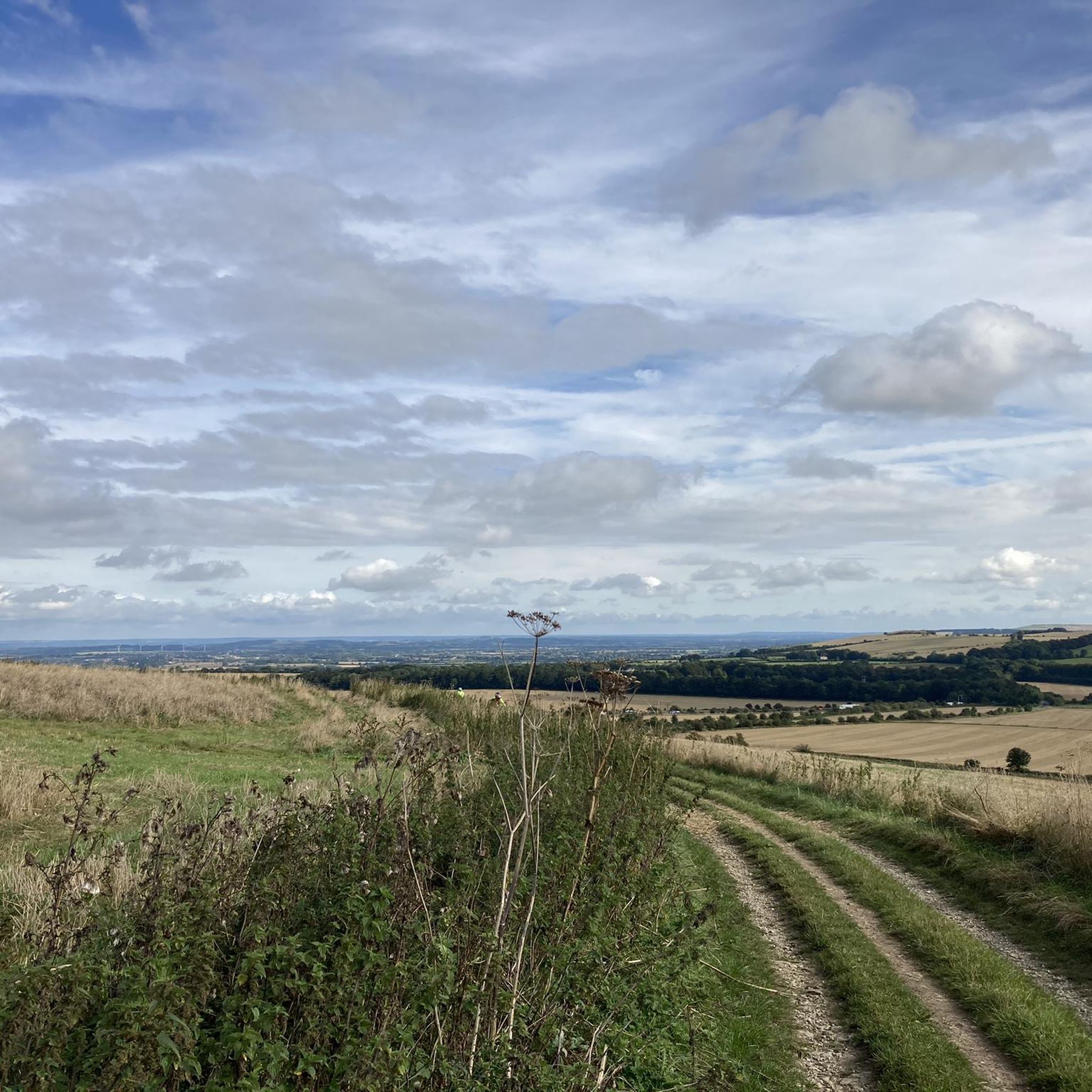
Visitors particularly appreciate the blend of ancient history and natural beauty. Highlights like Wayland's Smithy Long Barrow are noted for their atmospheric historical significance, while The Ridgeway at Barbury Castle is loved for its sweeping grassland and open views, offering a sense of walking in ancient footsteps. The well-maintained surfaces of paths like the Chiseldon and Marlborough Railway Path are also frequently praised by cyclists.
Most popular attractions around Covingham

Get inspired with the komoot mobile app


Explore more
Still not found the Highlight you’re looking for? See guides of the top attractions in other regions:
