Attractions and Places To See around Down Ampney - Top 20
Attractions and places to see around Down Ampney, a village in the Cotswolds of Gloucestershire, offer a blend of historical landmarks and natural beauty. The area is characterized by its rolling hills and limestone bedrock, typical of the wider Cotswolds region. Visitors can explore ancient buildings, cultural sites, and enjoy the surrounding natural landscape. Ampney Brook also runs through the area, contributing to its local charm.
Best attractions and places to see around Down Ampney
- The most popular attractions is Arlington Row, Bibury, a man-made monument consisting of a row of 17th-century cottages overlooking the tranquil River Coln. It is a nationally notable architectural conservation area depicted on the inside cover of some British passports.
- Another must-see spot is St Mary's Church, Bibury, a historical site. This Grade I-listed Anglo-Saxon church was built in the 11th century with further additions over the centuries. Visitors can observe Norman doorway arches, a 13th-century font, and a 15th-century roof.
- Visitors also love Cirencester Amphitheatre, the remains of one of the largest Roman amphitheatres in Britain. Built in the early 2nd century, this monument would have held around 8,000 spectators.
- Down Ampney is known for historical sites, religious buildings, and cycle ways. The area offers a mix of historical landmarks, natural features, and opportunities for outdoor activities.
- The attractions around Down Ampney are appreciated by the komoot community, with over 150 upvotes and 95 photos shared.
Last updated: June 18, 2026
Arlington Row, Bibury
Highlight • Monument
Tip by

Arlington Row, Bibury
Highlight • Monument
Tip by

Sign up now to discover places like this
Get recommendations on the best single tracks, peaks, & plenty of other exciting outdoor places.
Sign up for free
St Mary's Church, Bibury
Highlight • Historical Site
Tip by

NCN Route 45: South Cerney to Cricklade
Highlight (Segment) • Cycleway
Tip by

St John the Baptist Church, Inglesham
Highlight • Religious Site
Tip by

Sign up for free to discover even more attractions around Down Ampney.
Sign up for free
Already have an account?
Start today with a free account
Your next adventure awaits.
Login or Signup
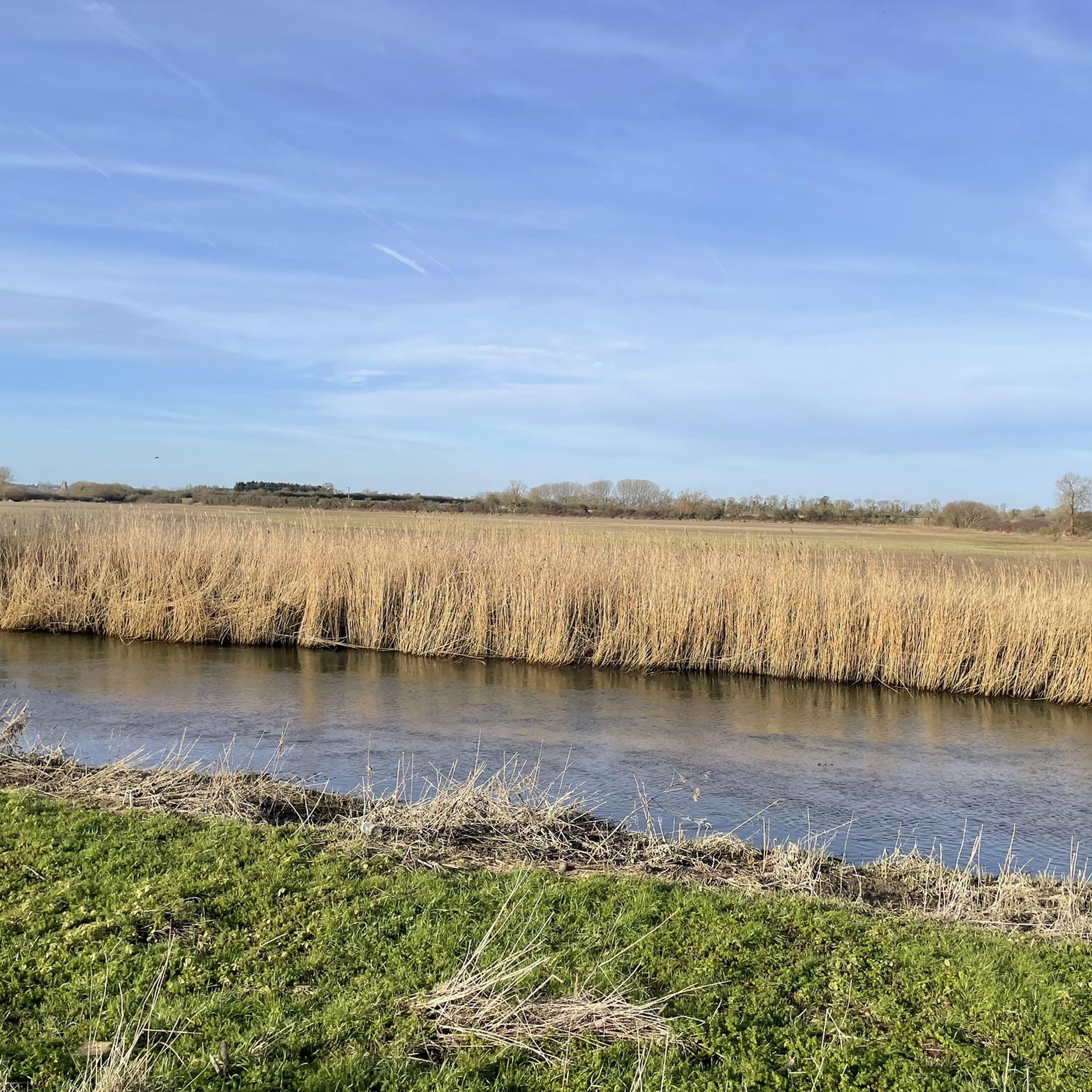
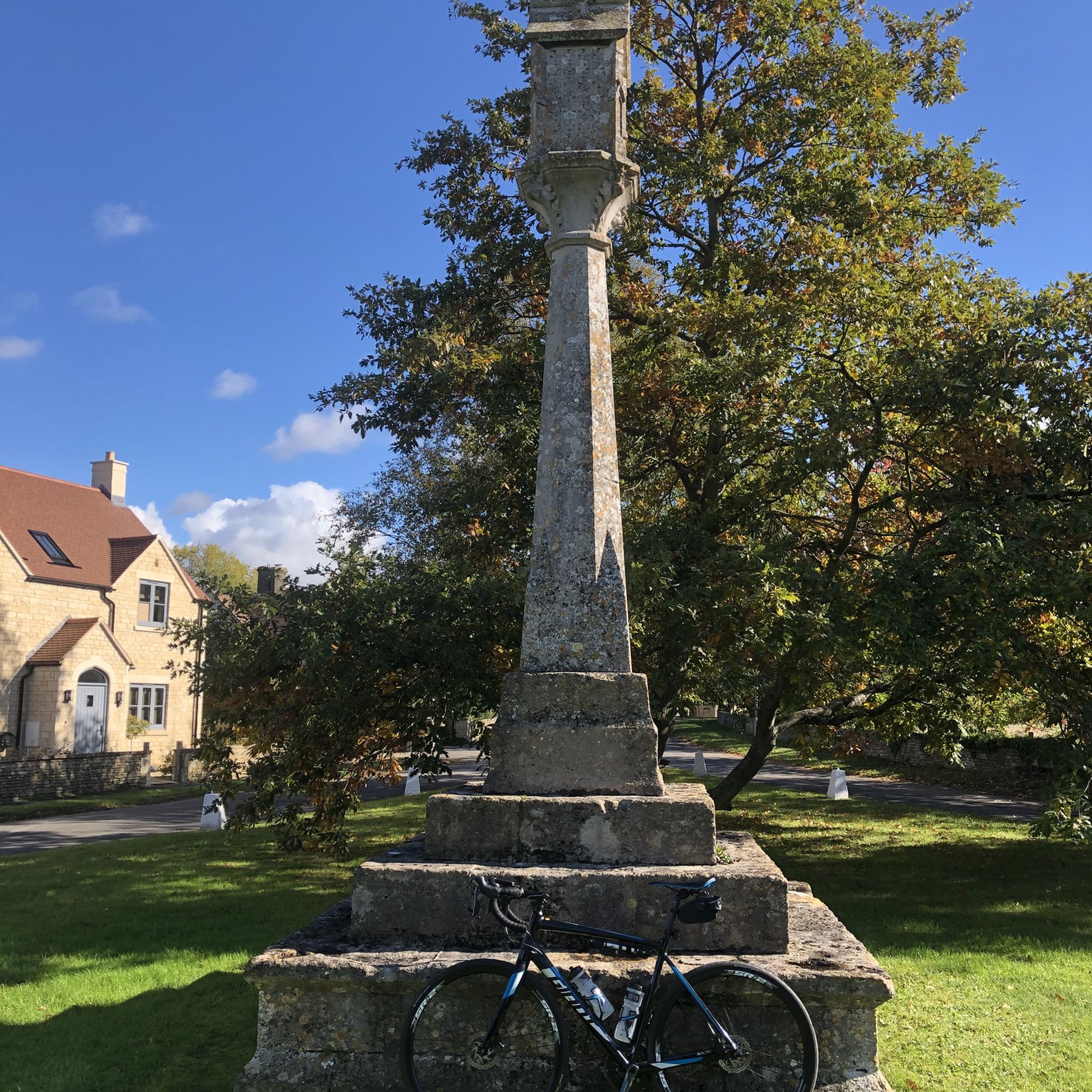
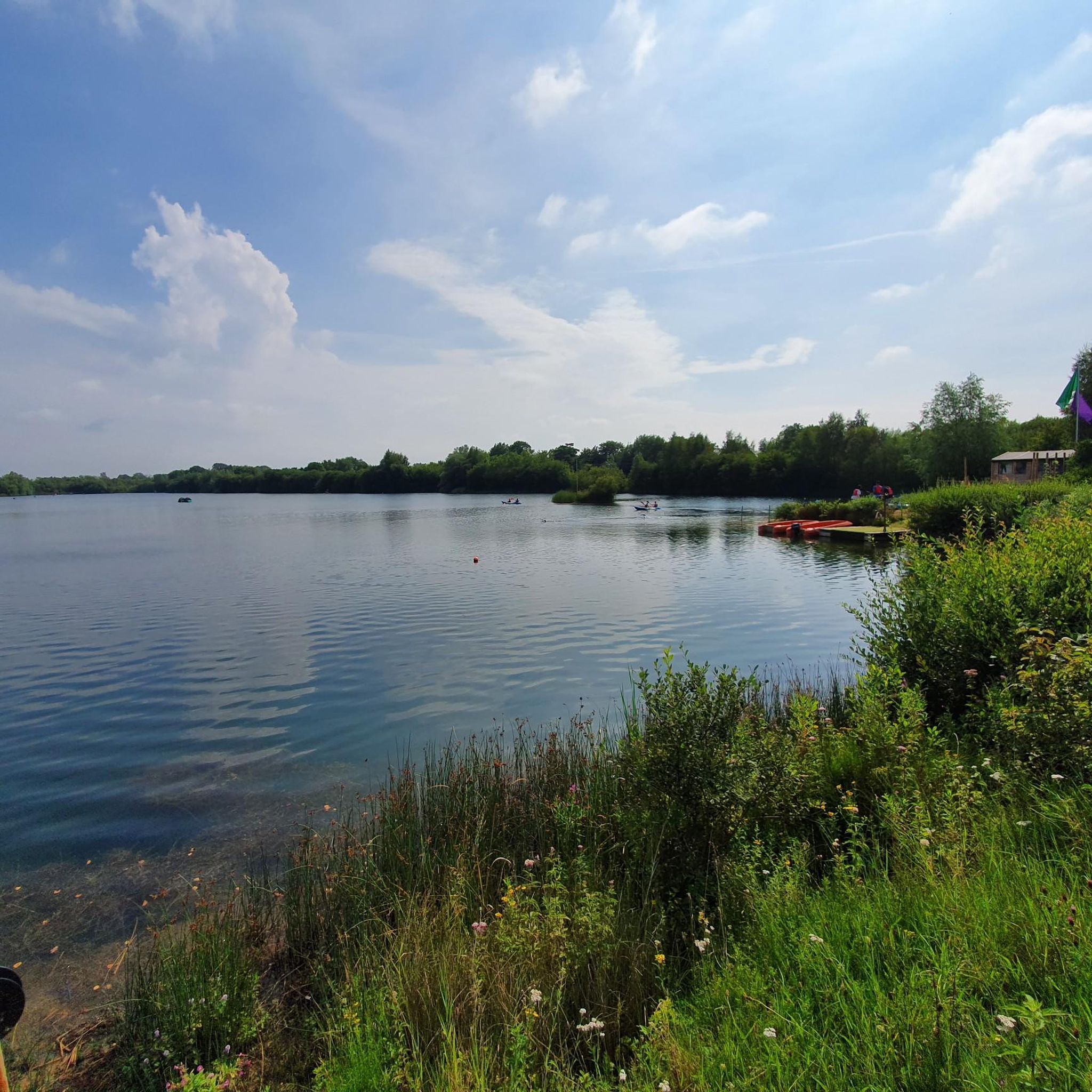
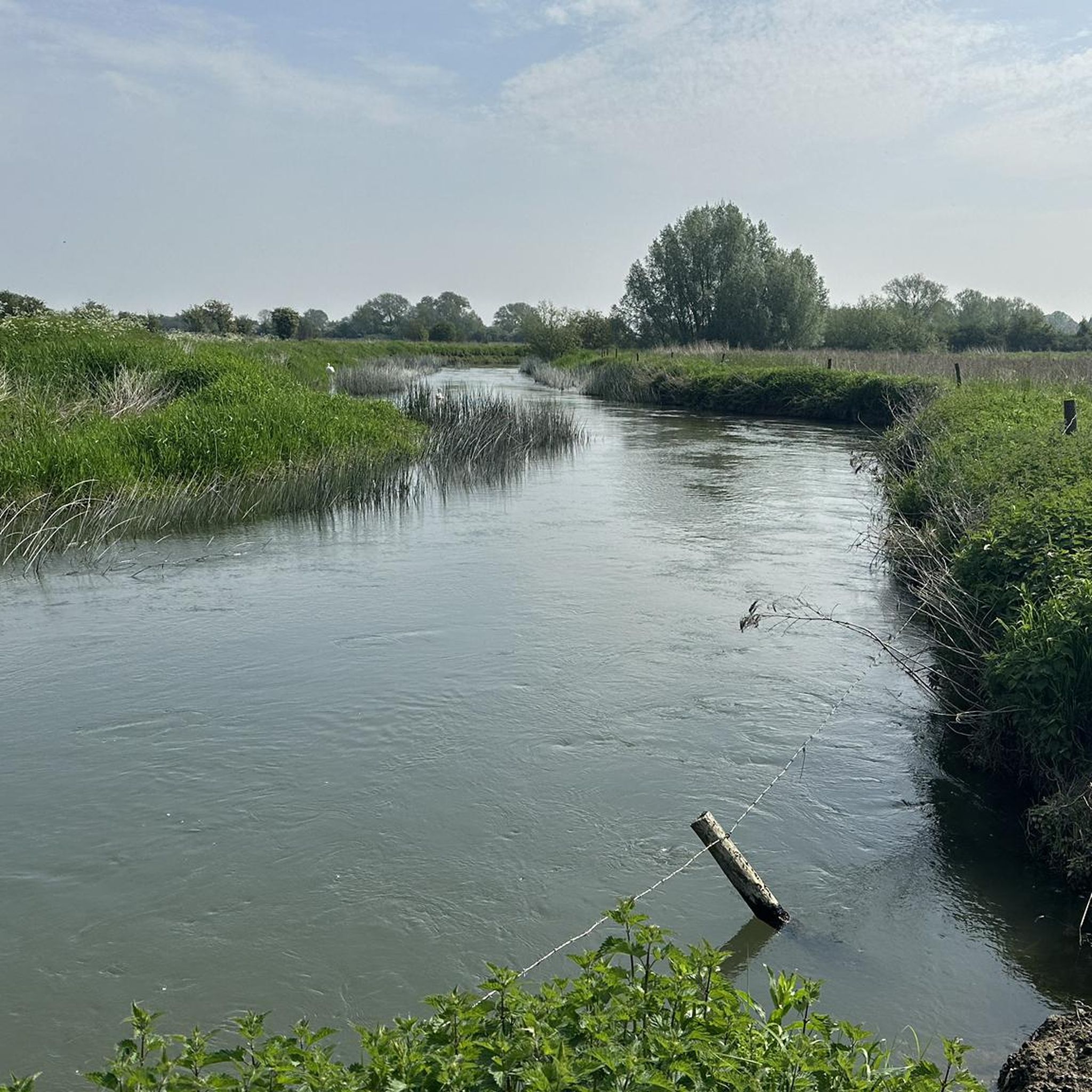
Tips from the Community

You feel like you've been transported back a few centuries and are reminded of Little Lord Fauntleroy...
0
0

Beautiful, peaceful church with a long and fascinating history, first established in 899 and now a Grade I-listed Anglo-Saxon church built in the 11th century and added to over the centuries.
1
0

Very popular with tourists. In particular those from Japan as apparently Emperor Hirihito once stayed in Bibury as he conducted his European tour.
1
0
"Bibury is a village and civil parish in Gloucestershire, England. It is on the River Coln, a Thames tributary that rises in the same (Cotswold) District. The village centre is 6+1⁄2 miles (10.5 kilometres) northeast of Cirencester. Arlington Row is a nationally notable architectural conservation area depicted on the inside cover of some British passports. It is a major destination for tourists visiting the traditional rural villages, tea houses and many historic buildings of the Cotswold District; it is one of six places in the country featured in Mini-Europe, Brussels. In the Domesday Book (1086), a record of survey done under William the Conqueror, the place is named Becheberie, and it is recorded that the lands and church in Bibury were held by St. Mary's Priory at Worcester, from whom it passed in 1130 to the Abbey of Osney, near Oxford: the Abbey continued to hold it until its dissolution in 1540." Source: Wikipedia https://en.m.wikipedia.org/wiki/Bibury
1
0
"The Cotswolds is home to some fine churches, and Bibury is no exception. The first church in Bibury was established in 899 and the Grade I listed Anglo-Saxon church which stands today was built in the middle to late 11th century with further work in subsequent centuries. Bibury is best known for Arlington Row and the Bibury Trout Farm, but make sure you wander down the river, past the almshouses, and make your way to the oldest part where you will find the Church. This lovely church, away from the honeypot of Arlington Row, can feel like an oasis of calm where you can take in Norman doorway arches, a 13th century font, Saxon chancel columns, capitals and gravestones, 17th-century table tombs a 15th-century roof and 18th-century wall monuments." Source: Explore Bibury
1
0

Saint JOHN BAPTIST, to whom this church is dedicated, is a person on the threshold of the Old and New Testaments (just like the Holy Family with Mary and Joseph). His parents are Zacharias and Elizabeth. After the announcement of the Incarnation of God through them, the Mother of God visits her relative Elizabeth, who will give birth to a son in old age, namely John the Baptist. He is half a year older than Jesus and is considered his forerunner/pioneer. He lives in the desert, preaches repentance from sins to the Jewish population and baptizes them in the Jordan. Jesus also comes there to be baptized, and is filled with the Holy Spirit who descends upon him from heaven. The memorial day of Saint John Baptist in the calendar of saints is June 24th, exactly half a year before 'Christmas Eve'.
0
0

Bibury is often titled the most beautiful village in the whole of the UK, and for good reason, Its idyllic beauty and quintessential British charm make it really stand out from the crowd. Perhaps the most iconic feature of this delightful little village is Arlington Row, a row of 17th century cottages which overlook the tranquil River Coln.
3
0

Frequently Asked Questions
What historical sites can I visit in Down Ampney itself?
Within Down Ampney village, you can explore All Saints' Church, founded in 1265, which features a 14th-century spire and monuments to the Hungerford family. It also houses an exhibition dedicated to composer Ralph Vaughan Williams, who was born in the village. Other historical points include the War Memorial and the base of an old preaching cross.
Are there any notable churches or religious buildings to explore near Down Ampney?
Yes, beyond All Saints' Church in Down Ampney, you can visit St Mary's Church, Bibury, an 11th-century Anglo-Saxon church with Norman doorway arches and a 15th-century roof. Another significant site is St John the Baptist Church, Inglesham, a Grade I-listed church with Anglo-Saxon origins, largely unchanged since the medieval era.
What Roman historical sites are accessible from Down Ampney?
You can visit Cirencester Amphitheatre, the remains of one of Britain's largest Roman amphitheatres. Built in the early 2nd century, it once held around 8,000 spectators when Cirencester (then Corinium) was the second-largest city in England.
Where can I learn about the composer Ralph Vaughan Williams in Down Ampney?
Ralph Vaughan Williams was born in Down Ampney in 1872 at The Old Vicarage. You can find an exhibition dedicated to him within All Saints' Church in the village.
What walking routes are available around Down Ampney?
The area around Down Ampney offers several walking routes, including sections of the Thames Path and trails within the Cotswold Water Park. For specific routes, you can explore options like the 'All Saints Church, Down Ampney loop from Down Ampney' or the 'Traffic-Free Bridleway – Cricklade Path loop from Elmlea Meadows'. More details can be found in the Hiking around Down Ampney guide.
Are there cycling routes near Down Ampney?
Yes, the area features cycling routes such as NCN Route 45: South Cerney to Cricklade, which follows a section of an old railway line. You can find various loops around the Cotswold Water Park, like the 'Lake 26 loop from Cricklade'. For more cycling options, refer to the Cycling around Down Ampney guide.
What natural features characterize the area around Down Ampney?
Down Ampney is situated within the Cotswolds, known for its rolling hills and limestone bedrock. The Ampney Brook runs through the village, adding to its natural charm. The wider area includes parts of the Cotswold Water Park and opportunities to observe local wildlife and wildflowers, such as the rare snake's head fritillaries in North Meadow National Nature Reserve during late April to early May.
Are there opportunities for running near Down Ampney?
Yes, there are several running trails available. Options include the 'Traffic-Free Bridleway – Cricklade Path loop from Elmlea Meadows' and the 'Thames and Severn Canal Lock – Stream and Lake View loop from Elmlea Meadows'. You can discover more routes in the Running Trails around Down Ampney guide.
Are there family-friendly attractions around Down Ampney?
Absolutely. The Arlington Row, Bibury, with its picturesque cottages, is a popular family spot. St Mary's Church, Bibury, and Cirencester Amphitheatre are also listed as family-friendly historical sites. Additionally, the Down Ampney Millennium Recreation Area offers play equipment for children.
What is the best time of year to visit Down Ampney and its attractions?
The Cotswolds region, including Down Ampney, is beautiful year-round. Spring (late April to early May) is particularly special for spotting wildflowers like snake's head fritillaries in nearby North Meadow National Nature Reserve. Summer offers pleasant weather for outdoor activities, while autumn brings vibrant foliage. Many historical sites are accessible throughout the year.
Are there any hidden gems or lesser-known spots worth visiting near Down Ampney?
Beyond the more popular sites, consider visiting St John the Baptist Church, Inglesham. This Grade I-listed church is mostly unchanged since the medieval era and offers a glimpse into over 1,000 years of religious history, including Anglo-Saxon carvings and medieval wall paintings.
What do visitors enjoy most about the attractions around Down Ampney?
Visitors frequently appreciate the idyllic beauty and quintessential British charm of places like Arlington Row, Bibury. The historical depth of sites such as Cirencester Amphitheatre is also highly rated, with many feeling the atmosphere of these ancient monuments. The peacefulness of churches like St Mary's Church, Bibury, is also a highlight.
Most popular attractions around Down Ampney

Get inspired with the komoot mobile app


Explore more
Still not found the Highlight you’re looking for? See guides of the top attractions in other regions:
