The best walks and hikes around Pilton
4.6
(318)
1,764
hikers
118
hikes
Hiking around Pilton offers a network of trails through the gentle, rolling landscapes of Northamptonshire. The region is characterized by woodlands, open fields, and historical sites such as Lyveden New Bield and Wadenhoe Castle. Elevations are generally modest, providing accessible walking experiences across varied terrain. The area's trails often follow river valleys and ancient pathways, connecting villages and natural areas.
Best hiking trails around Pilton
- The most popular hiking route is King's Head Tea Room – Wadenhoe Castle Close loop…
Last updated: June 22, 2026
4.8
(8)
22
hikers
13.3km
03:30
120m
120m
Moderate hike. Good fitness required. Easily-accessible paths. Suitable for all skill levels.
5.0
(2)
25
hikers
4.38km
01:10
40m
40m
Easy hike. Great for any fitness level. Easily-accessible paths. Suitable for all skill levels.

Sign up for free
5.0
(2)
27
hikers
3.40km
00:54
30m
30m
Easy hike. Great for any fitness level. Easily-accessible paths. Suitable for all skill levels.
13
hikers
8.83km
02:16
30m
30m
Moderate hike. Good fitness required. Easily-accessible paths. Suitable for all skill levels.
5.0
(2)
11
hikers
10.6km
02:48
100m
100m
Moderate hike. Good fitness required. Easily-accessible paths. Suitable for all skill levels.
Get access to more routes and recommendations from other explorers.
Sign up for free
Already have an account?
Our route recommendations are based on thousands of hikes, rides, and runs completed by other people on komoot.
Start today with a free account
Your next adventure awaits.
Login or Signup

Tips from the Community

The Kings Head is currently closed. Don't turn up here expecting refreshments!
1
0

A pleasant stroll through the ancient woodland of Fermyn Woods.
1
1
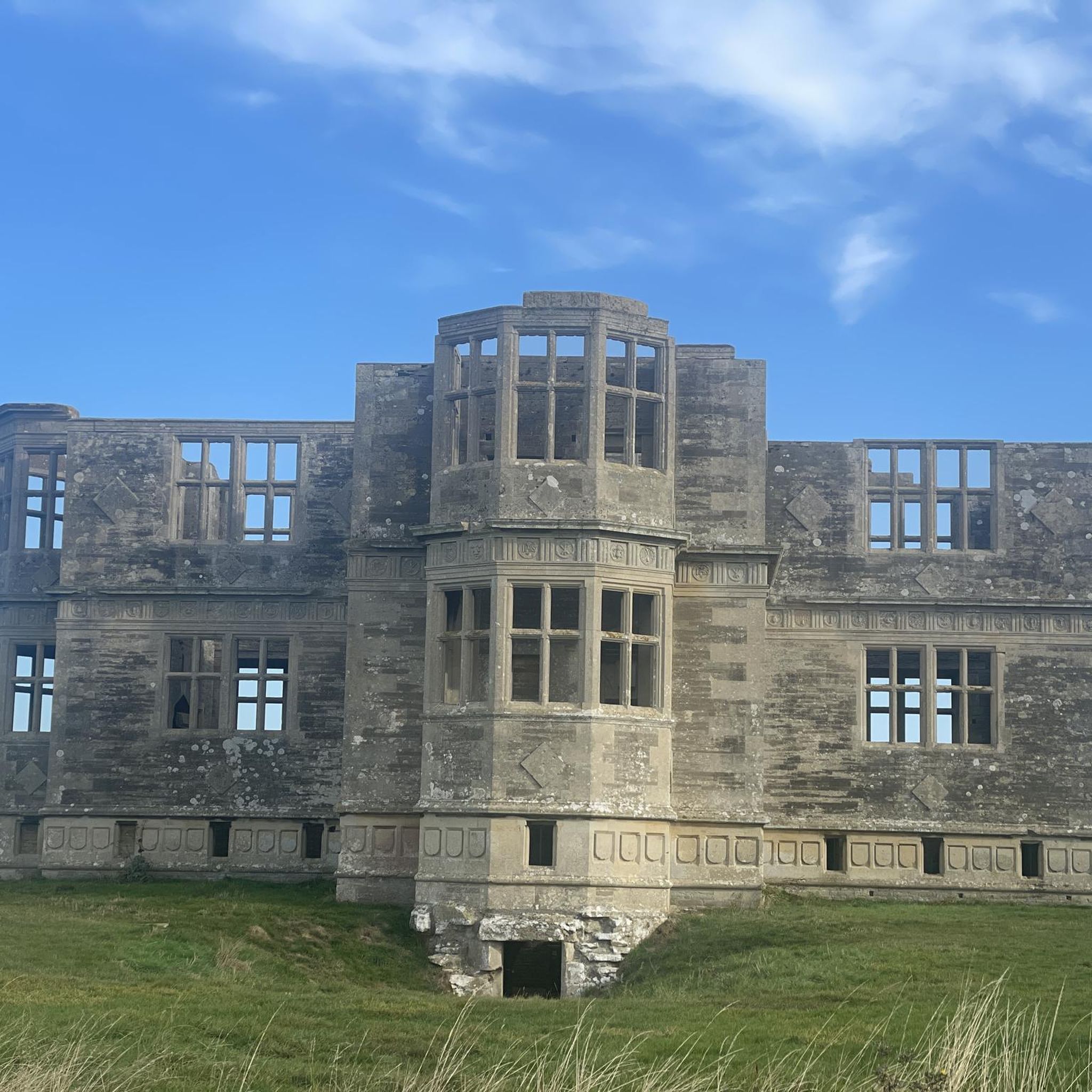
This unfinished Elizabethan summer house is a magnificent Grade I listed building open to the public to explore. Feel free to roam the rest of the beautiful grounds whilst you're here, there is plenty to discover.
1
0

Parking at the back of the woods means free parking, and you avoid the more populated areas of the woods
0
0

King's Head pub also operates a tea room, with a good selection of coffee and cakes. You can also order from the breakfast and lunch pub menus. Beautiful garden right on the river, lovely stop on a bike ride.
0
0

Lyveden New Bield (sometimes called New Build) is an unfinished Elizabethan summer house in the parish of Aldwincle in North Northamptonshire, England, owned by the National Trust. It is a Grade I listed building, classing it as a 'building of exceptional interest.' It was constructed for Sir Thomas Tresham, the fervent Roman Catholic of Rushton Hall, and is thought to have been designed by Robert Stickells. The exact date is unknown but can be estimated to circa 1604–05, the year of Tresham's death. The New Bield was on the estate of Tresham's second home, Lyveden Manor House, also known as Lyveden Old Bield. Just as at Tresham's smaller folly Rushton Triangular Lodge, his principal estate, the New Bield has a religious design full of symbolism. Designed on a plan reminiscent of a Greek cross, the facades have a strict symmetry. The building has two floors above a raised basement, with mullioned and transomed windows. Each floor had three rooms with a staircase in the south projection of the cross. The exterior of the building is decorated by friezes of a religious nature. The metopes contain the emblems and motifs found also at the triangular lodge, such as the "IHS" christogram. The house was obviously meant for occupation, as it has a great hall and parlour on the first floor, kitchen and buttery in the basement, and a bedroom on the upper floor. However, it was probably never intended for full-time occupation. Too close to the main house for use as a hunting lodge, it may have been intended for use as a "Secret House"—keeping a secret house was a custom of the 16th century. Often within a mile of the main house, the secret house was a place where the head of the household would retire for a few days with a minimum of servants, while the principal house was thoroughly cleaned and, bearing in mind the sanitation of the time, fumigated. Similar examples of "secret houses" exist at Leconfield and Warkworth, where their use for this purpose has been well documented. Lyveden New Bield was never completed. It remains as it was when the builders left following Sir Thomas Tresham's death. Today, it is in the care of the National Trust
0
0
Sir Thomas Tresham planned ‘Lyveden House’ to be the starting place for Elizabethan visitors to experience the pleasure grounds and his garden lodge. The house is grade one listed and was owned by the Tresham family until 1649 when it was sequestered during the Civil War because of continued Catholic links. In 1660 Charles II granted Lyveden to the Earl of Sandwich and from then the house passed through various family members including the Earls of Ossory and Robert Vernon Smith, 1st Lord Lyveden who acquired the house in 1841. Sometimes referred to as ‘Lyveden Old Bield’ the house is in fact newer than the ‘New Bield’. This refers to the garden lodge at the top of the hill. It is believed that the manor house is built on the footprint of an older Elizabethan house, possibly built by Sir Thomas’ great grandfather around 1570. The manor itself was built by Lewis Tresham, Sir Thomas' second son, and completed around 1615. It has changed a lot since this date, including the removal of an extensive wing to the north of the current building, the modernisation of the historic interiors and the addition of modern extensions to house the kitchen and additional guest suites. The original oak staircase was removed from Lyveden House around 1920. It's believed this was in payment of a gambling debt to the Ford motor family. Henry Ford’s son Edsel Ford, built his country house around the staircase which still stands and can be seen in the Edsel & Eleanor Ford House in Michigan, USA. An exact replica of the original was re-built within the house at Lyveden in 2000. In 2013 the National Trust was successful in acquiring Lyveden House and 27 acres of grounds. The Lyveden Reconnected project is going to offer visitors the opportunity to experience the Elizabethan garden as Tresham once envisaged; beginning at the manor and journeying through his symbolic garden to the lodge at the top of the hill.
0
0

Fascinating Elizabethan Lodge that was never completed following the death of the builder, Sir Thomas Tresham, in 1605. It is operated by The National Trust so, unless you are a member, there is an admission charge to look round the grounds. You probably won't get bothered if you rest on the picnic benches in the car park, which you come to at the end of the outward leg of the ride and you can get a view of the building from a distance from there.
3
4
Frequently Asked Questions
How many hiking trails are available around Pilton?
Pilton and its surrounding area offer a wide selection of hiking opportunities, with over 120 trails recorded on komoot. These routes cater to various preferences, from easy strolls to more moderate excursions through the Northamptonshire countryside.
Are there easy or beginner-friendly hiking routes in Pilton?
Yes, Pilton is well-suited for beginners and those seeking easy walks. There are 39 easy routes available. A great option is the Lyveden Manor House loop from Lyveden New Bield, a 2.1-mile (3.4 km) trail that takes about 54 minutes, leading through historical parkland and woodlands.
What kind of historical sites can I explore on hikes near Pilton?
The Pilton area is rich in history. Many trails pass by significant landmarks. For example, the popular King's Head Tea Room – Wadenhoe Castle Close loop from Lyveden New Bield features historical landmarks and riverside paths. You can also visit the Lyveden Manor House or the Fotheringhay Castle Ruins, both accessible via various routes.
Are there any circular walking routes around Pilton?
Yes, many of the trails around Pilton are circular, offering convenient starting and ending points. A notable circular route is the King's Head Tea Room loop from East Northamptonshire, an easy 2.7-mile (4.4 km) path that provides a pleasant walk through rural scenery.
What do other hikers say about the trails in Pilton?
The hiking trails in Pilton are highly regarded by the komoot community, holding an average rating of 4.6 stars from over 270 reviews. Hikers often praise the tranquil woodlands, open countryside paths, and the well-maintained nature of the routes, making for enjoyable and accessible experiences.
Are there any trails suitable for families with children?
Pilton's gentle, rolling landscapes and numerous easy routes make it ideal for family-friendly walks. The Lyveden Manor House loop from Lyveden New Bield is a short and engaging option, perfect for families looking to explore historical parkland without a strenuous climb.
Can I find walks that pass by cafes or places to eat in Pilton?
Yes, several routes in the Pilton area offer opportunities to stop for refreshments. The King's Head Tea Room loop from East Northamptonshire is known for passing by local eateries. Additionally, the Beans, Oundle cafe is a popular stop in the vicinity.
What is the best time of year to go hiking in Pilton?
Pilton offers enjoyable hiking experiences throughout the year. Spring brings blooming wildflowers and lush greenery, while autumn showcases beautiful foliage. Summer is perfect for longer days, and even winter walks can be charming, especially through the woodlands, offering crisp views of the Northamptonshire countryside.
Are there opportunities for wildlife spotting on hikes around Pilton?
The diverse landscapes of Pilton, including woodlands, open fields, and river valleys, provide excellent opportunities for wildlife spotting. Keep an eye out for local bird species, small mammals, and various insects, especially along the more secluded paths and near water sources.
Are there any longer, moderate hikes for more experienced walkers?
Yes, for those seeking a more challenging experience, Pilton offers 72 moderate routes. The King's Head Tea Room – Wadenhoe Castle Close loop from Lyveden New Bield is a moderate 8.3-mile (13.3 km) trail that takes approximately 3 hours 30 minutes, featuring varied terrain and historical points of interest.
Where can I find parking for hiking trailheads in Pilton?
Parking availability varies by trailhead. Many routes, especially those starting near villages or popular attractions like Lyveden New Bield, offer designated parking areas. It's advisable to check specific route details on komoot for parking information before you set out.
Are there any hidden gem walking routes in the Pilton area?
While many routes are well-known, the extensive network of trails means there are always quieter paths to discover. Exploring the less-trafficked sections of woodlands or following ancient pathways that connect smaller villages can often lead to a more secluded and 'hidden gem' experience, away from the main popular routes.
Most popular attractions around Pilton

Get inspired with the komoot mobile app


Explore more
Browse the best Hikes in other regions.
