The 20 Most Amazing Peaks around Derwent
Best mountain peaks around Derwent are primarily located within the Peak District, characterized by rolling hills, moorlands, and gritstone edges. This region offers diverse terrain for hiking, from well-maintained paths to challenging ascents. The area provides extensive views across the landscape, making it a popular destination for outdoor activities.
Best mountain peaks around Derwent
- The most popular mountain peaks is Mam Tor summit and trig point, a summit that offers views over the Peak District. In clear conditions, the…
Last updated: October 9, 2026
Mam Tor
Highlight • Summit
Tip by

Hollins Cross
Highlight • Mountain Pass
Tip by
Sign up now to discover places like this
Get recommendations on the best single tracks, peaks, & plenty of other exciting outdoor places.
Lose Hill Summit
Highlight • Viewpoint
Tip by
Kinder Low Trig Point
Highlight • Summit
Tip by
Trig point at Win Hill summit
Highlight • Natural Monument
Tip by

Sign up for free to discover even more peaks around Derwent.
Already have an account?
Start today with a free account
Your next adventure awaits.
Popular around Derwent
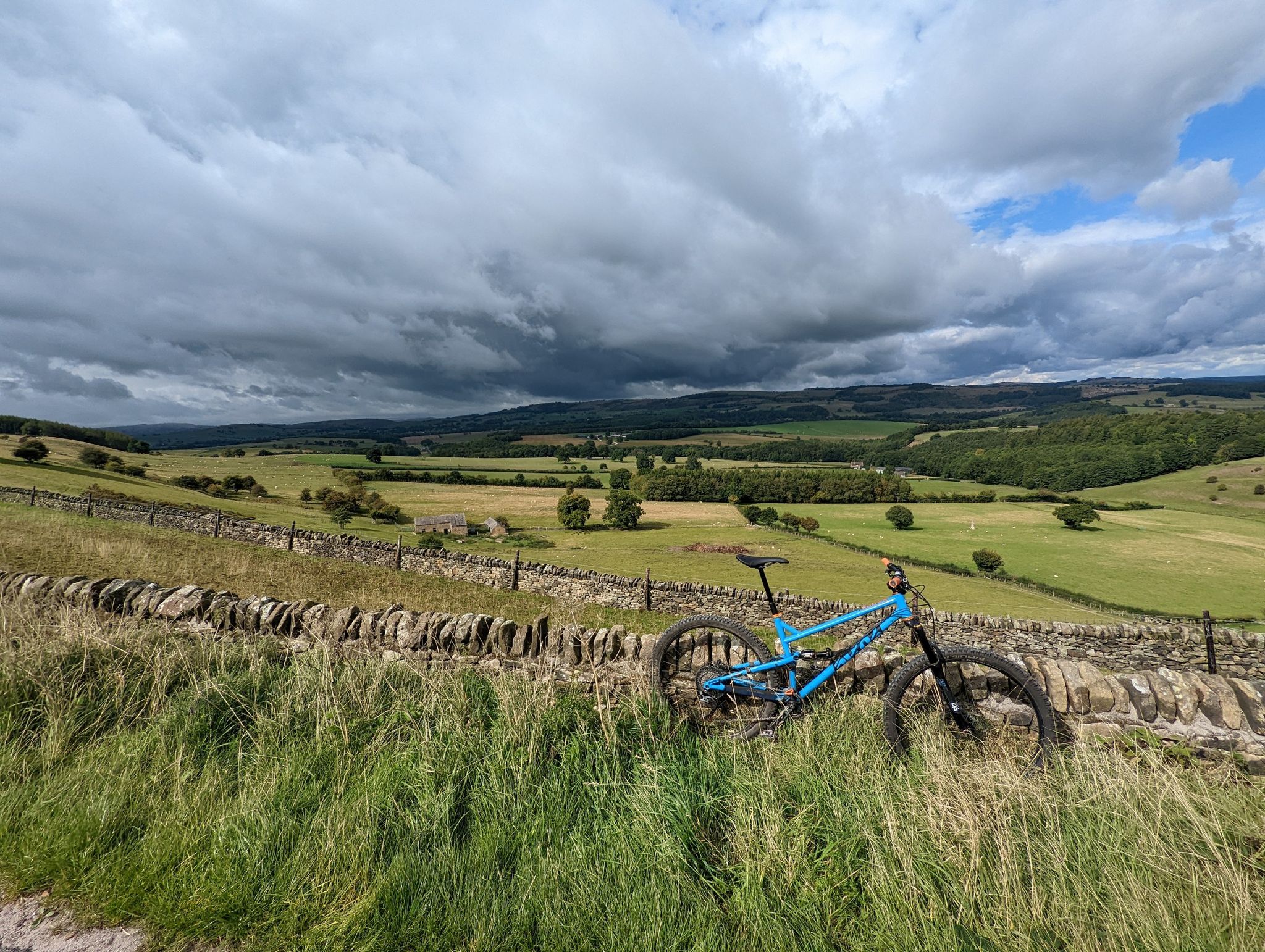
MTB Derbyshire — A proper mixed bag of goodies!
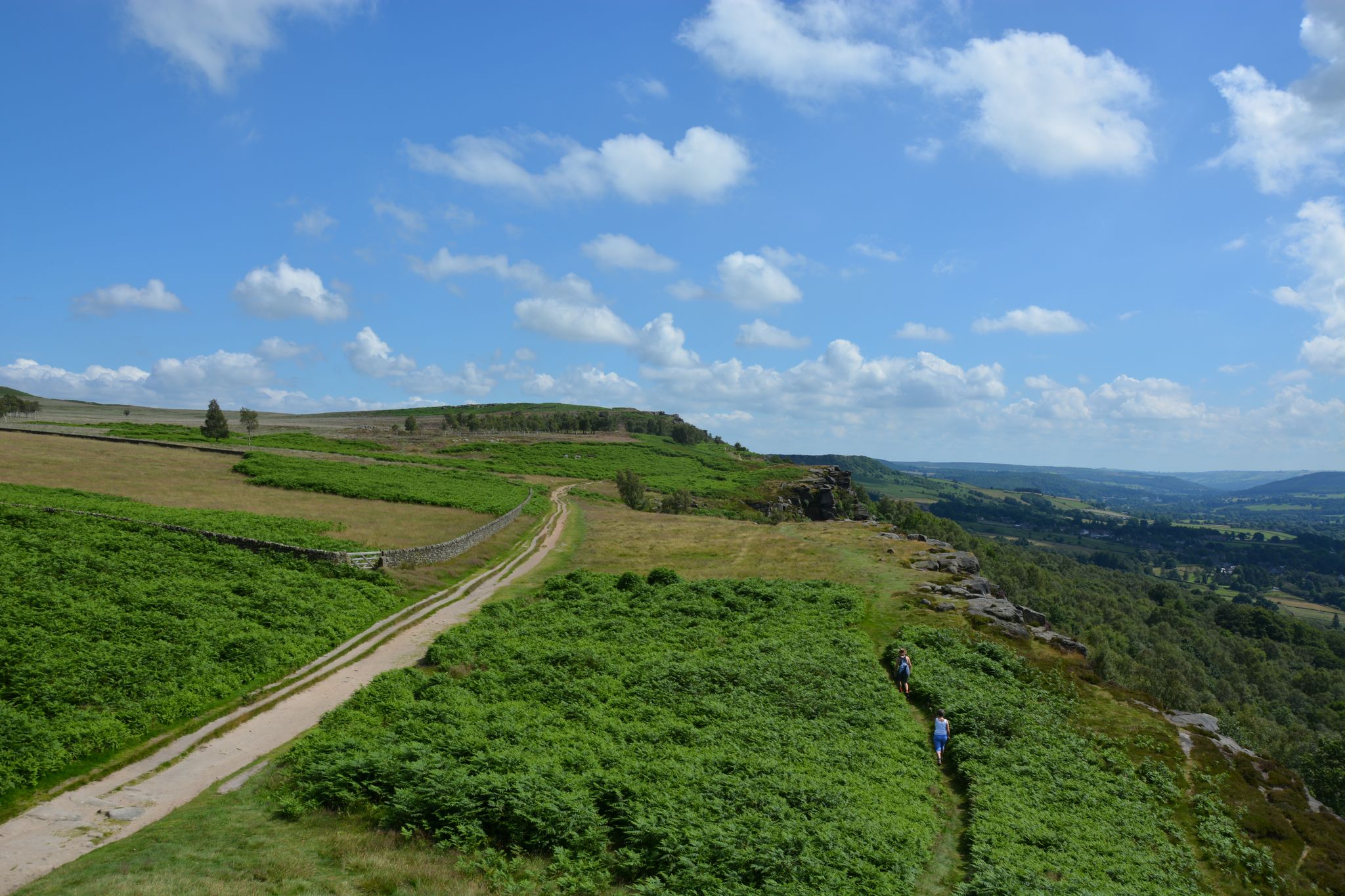
10 Stunning trail runs in the Dark Peak — Peak District National Park
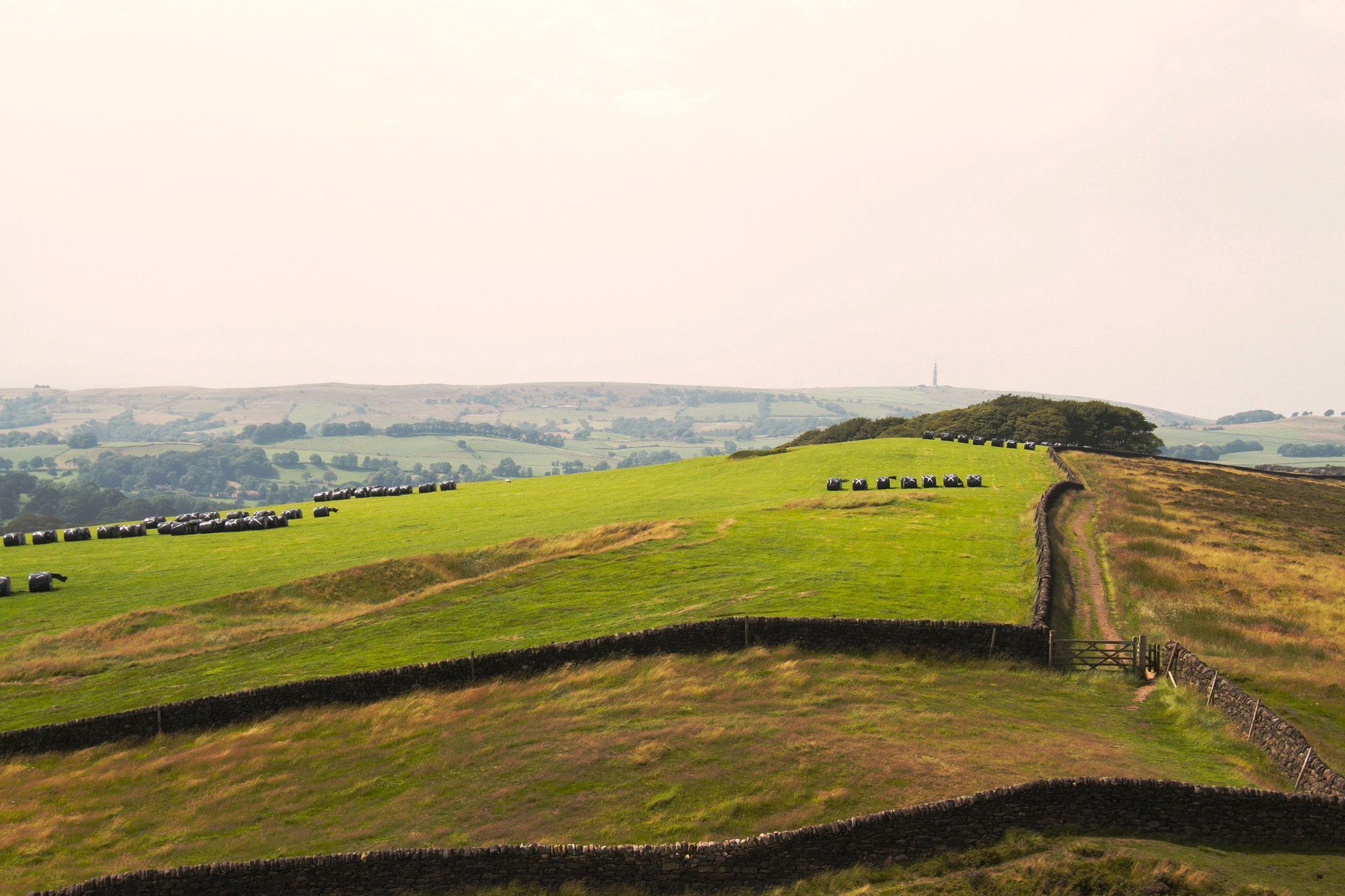
The Dark Peak — true northern grit in the Peak District
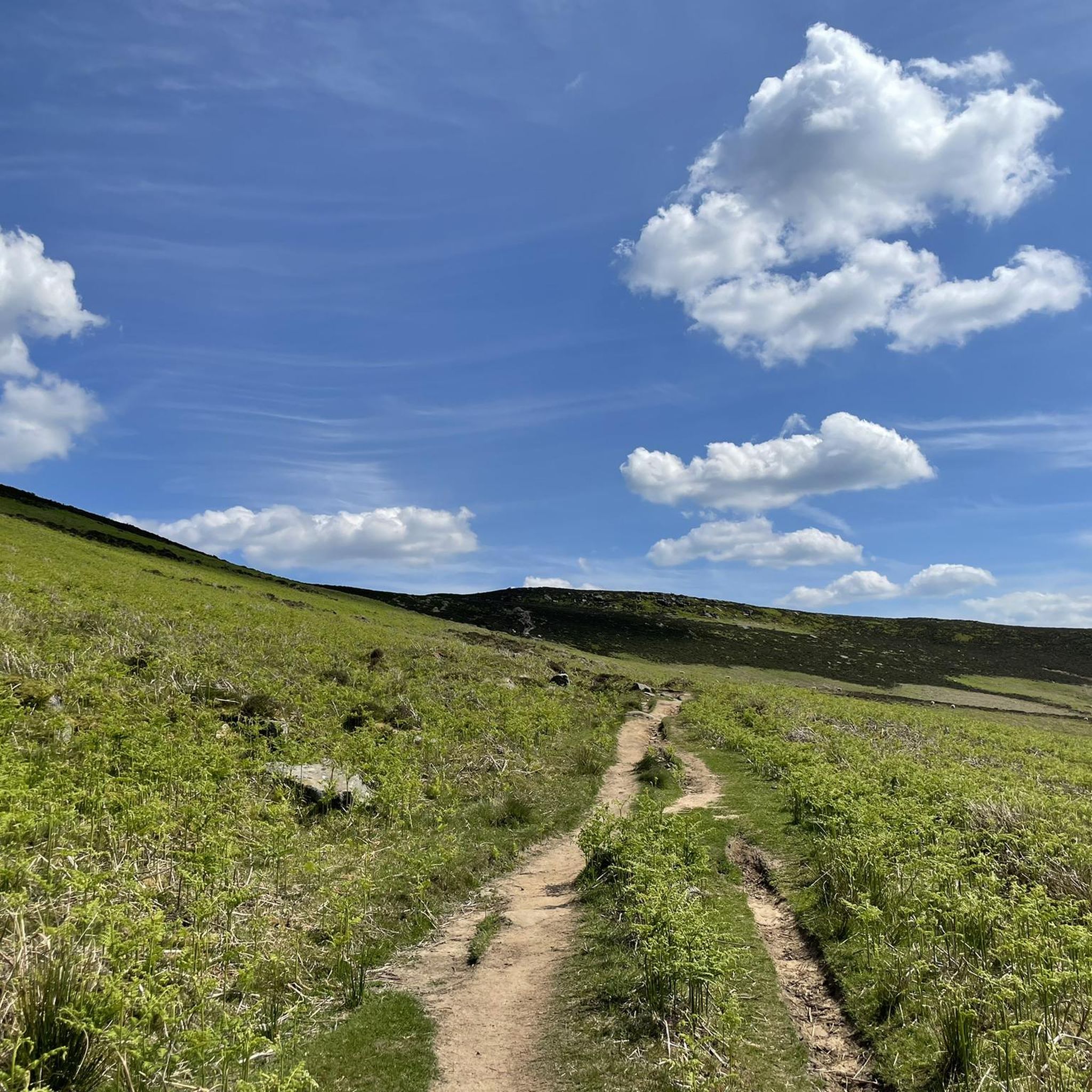
Hiking around Derwent
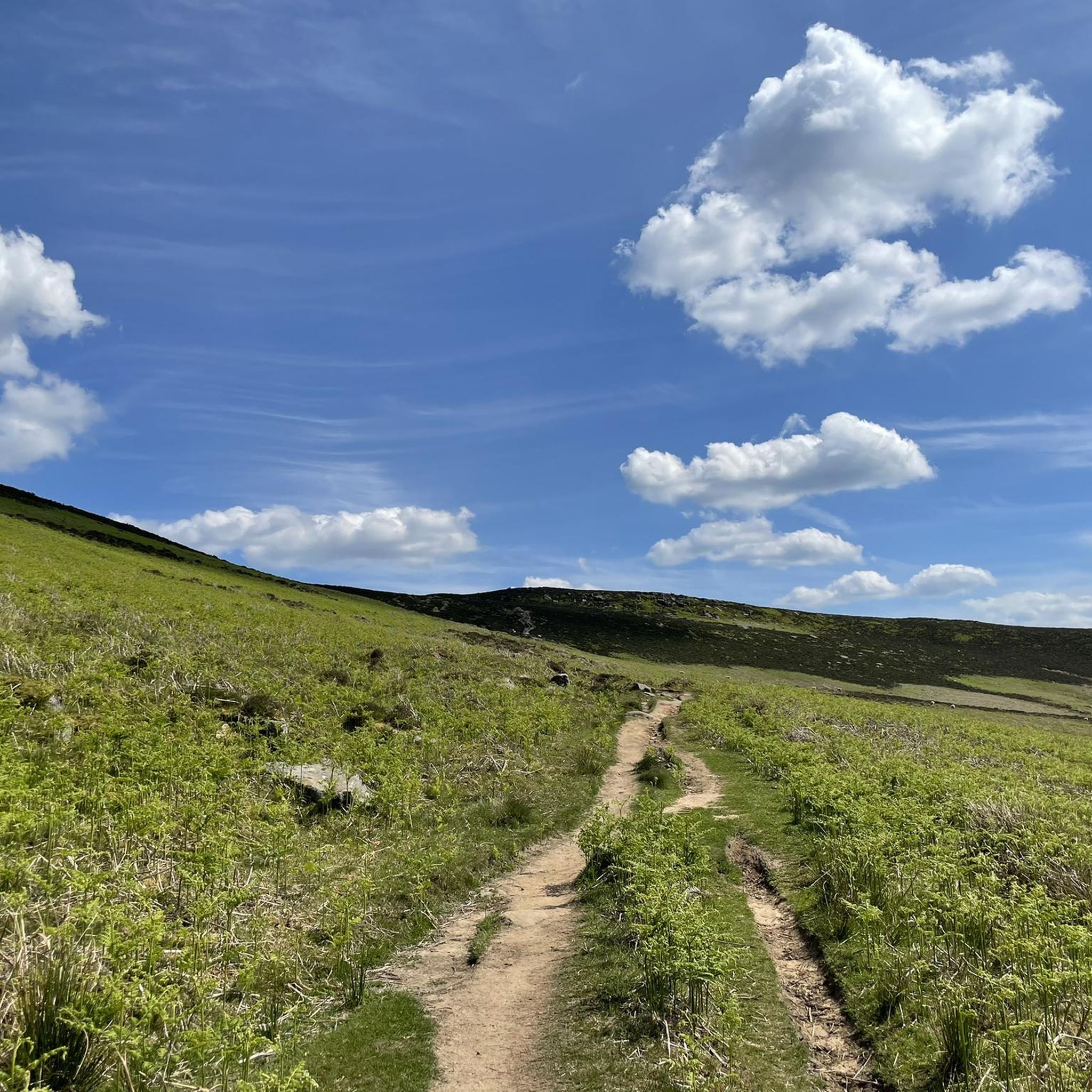
Cycling around Derwent
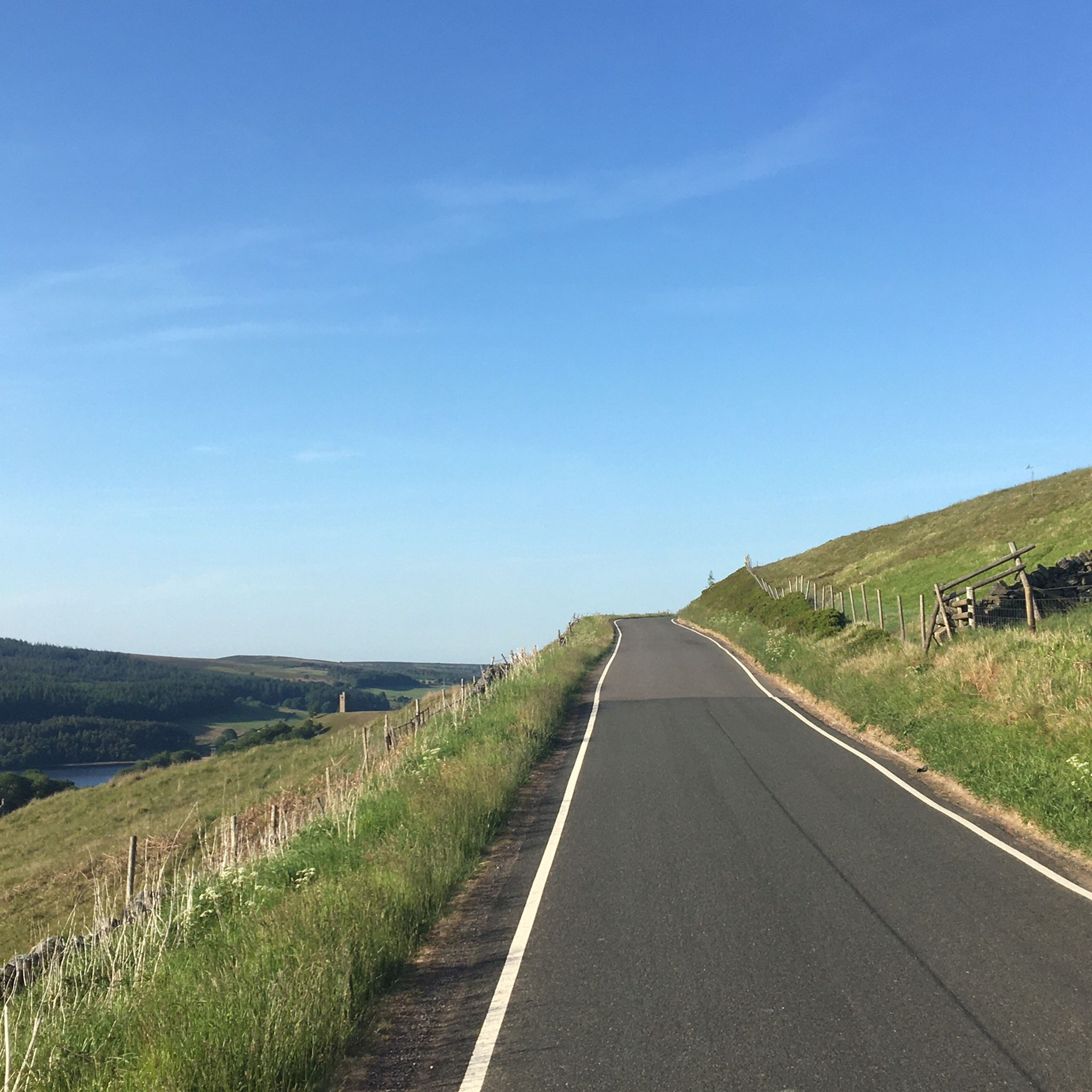
Road Cycling Routes around Derwent
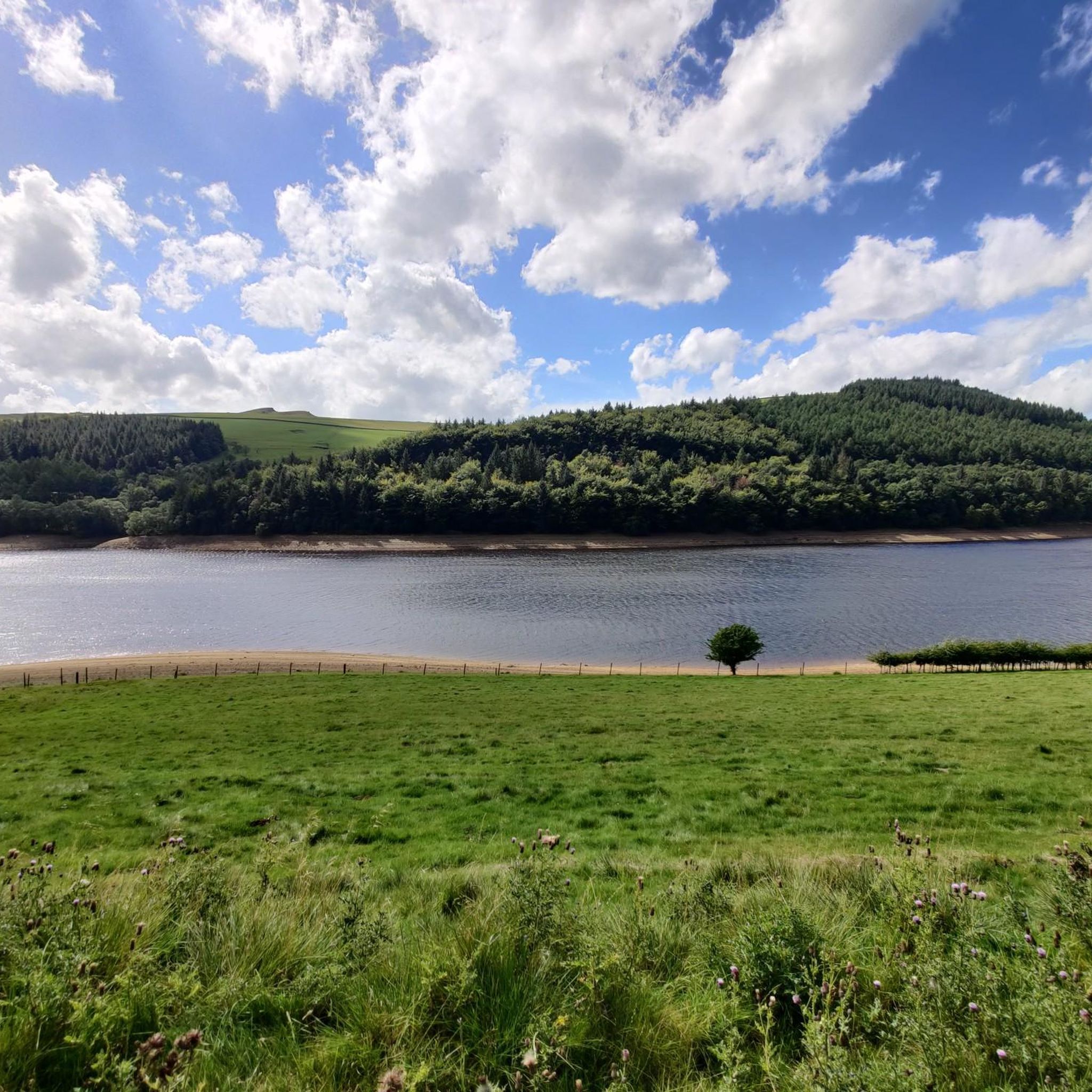
MTB Trails around Derwent
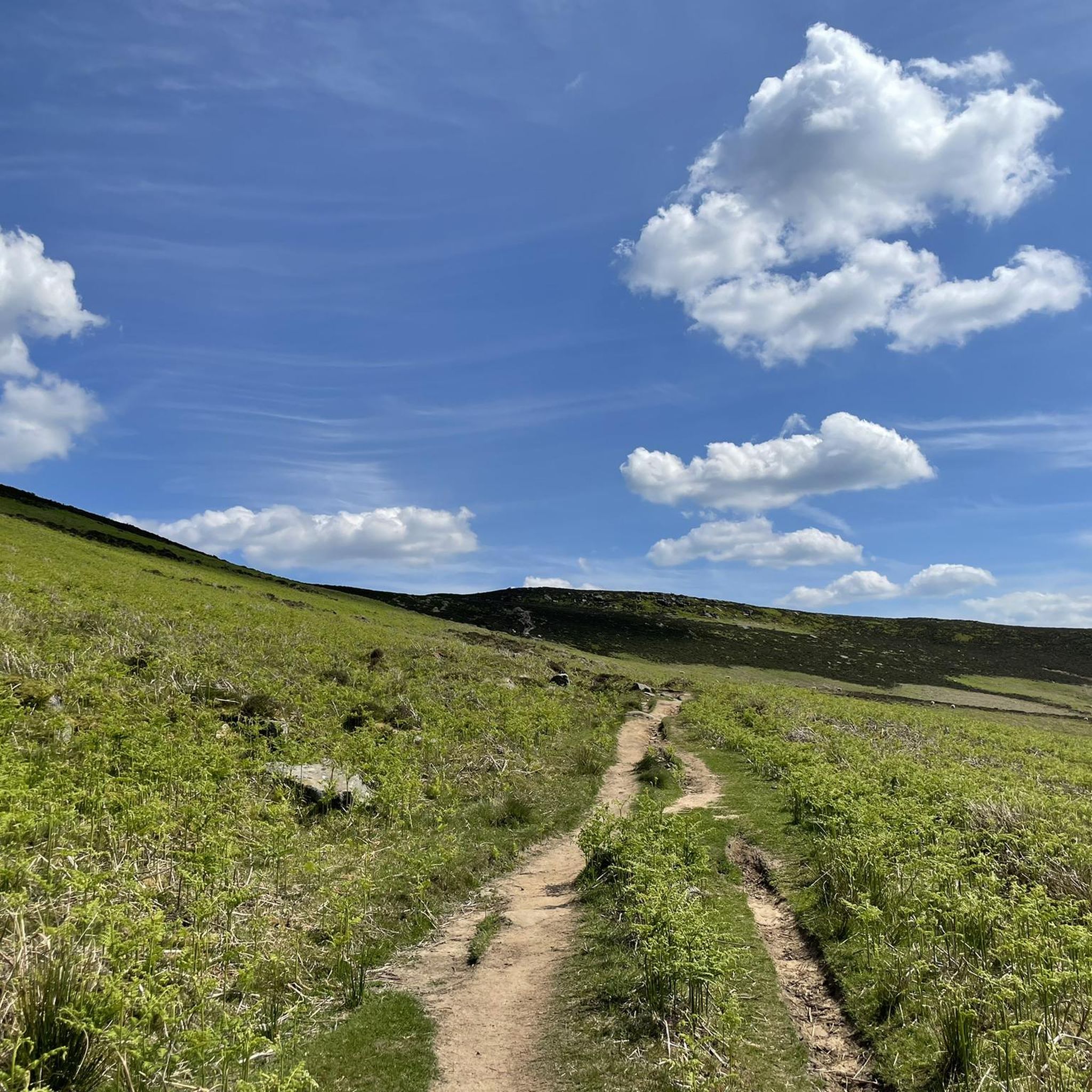
Running Trails around Derwent

Gravel biking around Derwent

Mountain Hikes around Derwent
Other adventures around Derwent


Tips from the Community

A place I walk regularly, whether to start the great ridge toward Mam Tor, or coming back from that direction to head down into hope. A gradual gradient with stone steps so manageable in all weather, just very windy a lot of the time!
1
0

A great way to do this walk is to drive to Edale Car Park, take the train one stop from Edale to Hope and then follow the walk and descending back to Edale Car Park from Hollins Cross
2
1

If you love the Peak District, this is the walk for you. Allow a full day so that you can stop, sit and take in the wonderful scenery
2
1

The Kinder Low trig pillar (633m) is a very popular destination sitting on the plateau of Kinder Scout. The trig pillar doesn't mark the actual summit of Kinder Scout, which actually lies north-east of here, further into the heart of the plateau, and is not marked by a trig pillar.
1
0

One of the most famous routes in the Peak District, The Great Ridge has stunning views on a clear day down to Castleton and Edale, and over to the peaks of Grindslow Knoll and Kinder Scout. It gets quieter as you travel further along the ridge to Lose Hill, with many people just nipping up to the Mam Tor summit. It's a lovely place for a sunrise and cloud inversions, popular with photographers, so get there early! Parking is at the National Trust Mam Tor car park, just down the hill from Mam Tor (S33 8WA).
3
0
A bit of a cross roads on the Great Ridge. It's around halfway between Mam Tor and Back Tor and from here you can head down into Edale or Castleton. There is a Monument near the gate.
1
0
Used by many people as the summit of Kinder Scout (as the actual summit is hard to find), the trig point is high up on some rocks.
2
0
Situated at the end of The Great Ridge with spectacular views back towards Mam Tor, Lose Hill tends to be a lot quieter than Mam Tor. There is a short steep climb if approaching from Mam Tor but the views are worth it.
3
1
Frequently Asked Questions
What are the most popular mountain peaks to visit around Derwent?
The most popular mountain peaks in the Derwent area, primarily located in the Peak District, include Mam Tor summit and trig point, known for its breathtaking views over the Peak District, and Lose Hill Summit, which offers expansive views over Mam Tor and the Hope and Edale valleys. Another highly visited spot is Kinder Low Trig Point on the Kinder Scout plateau, popular with hikers and part of iconic trails like the Pennine Way.
Are there family-friendly mountain peaks or walks in the Derwent region?
Yes, the Derwent area offers several family-friendly options. Mam Tor summit and trig point is considered family-friendly, with options for shorter walks from the road. In the Lake District, Catbells is often recommended as an easy-to-climb mountain suitable for beginners and families, offering stunning views across Derwent Water.
What kind of natural features can I expect to see on the mountain peaks around Derwent?
The mountain peaks around Derwent showcase diverse natural features. In the Peak District, you'll find gritstone edges, moorlands, and unique rock formations like those on Derwent Edge, such as the 'Cakes of Bread' and 'Salt Cellar'. The area also offers panoramic views of valleys and reservoirs. In the Lake District, mountains like Catbells and Skiddaw provide views of lakes, fells, and flowing gills.
What outdoor activities can I do near the mountain peaks in the Derwent area?
The Derwent area is excellent for various outdoor activities. You can enjoy extensive hiking on trails like the Great Ridge Path to Mam Tor, or explore longer routes such as the Derwent Reservoir, Back Tor & Derwent Edge loop. Mountain biking is also popular, with trails like the Ladybower and Derwent Reservoir loop. For runners, there are challenging routes like The Peak District Nine Edges. You can find more details on hiking, MTB, and running guides.
Are there any challenging mountain climbs in the Derwent region?
Yes, for those seeking a challenge, the Derwent region offers several options. While Hollins Cross on the Great Ridge can be part of a challenging route, the true summit of Kinder Scout (near Kinder Low Trig Point) provides a more demanding experience. In the Lake District, Skiddaw, the sixth highest mountain in England, offers a significant ascent with rewarding views from its 931-meter summit.
What are the best viewpoints in the Derwent area?
The Derwent area is rich in stunning viewpoints. Mam Tor summit and trig point offers enchanting views over the Peak District, stretching to Manchester on clear days. Lose Hill Summit provides breathtaking vistas over Mam Tor and the Hope and Edale valleys. Additionally, Hollins Cross, a mountain pass along the Great Ridge, is known for its spectacular panoramic views.
Can I bring my dog on hikes around the Derwent mountain peaks?
Many trails and peaks in the Derwent area are dog-friendly, but it's always advisable to keep dogs on a short lead, especially near livestock or in busy areas. The Great Ridge Path, including sections around Mam Tor and Lose Hill, is generally suitable for dogs.
What is the terrain like on the mountain peaks in the Peak District's Derwent Valley?
The terrain in the Peak District's Derwent Valley is varied. You'll encounter rolling hills, expansive moorlands, and distinctive gritstone edges. Paths can range from well-maintained and easy to navigate, such as parts of the Great Ridge, to more rugged and challenging sections, especially on higher ground or less-trafficked routes. Some areas, like Mam Tor, are known for unstable shale, earning it the nickname 'Shivering Mountain'.
Are there any unique natural landmarks on the mountain peaks in the Derwent region?
Yes, the Derwent region features several unique natural landmarks. Derwent Edge, above the Upper Derwent Valley, is famous for its unusual gritstone tors, such as the 'Cakes of Bread,' the 'Coach and Horses' (also known as the 'Wheel Stones'), and the 'Salt Cellar,' all shaped by centuries of erosion. These formations provide striking photographic opportunities and add character to the landscape.
What do visitors enjoy most about the mountain peaks around Derwent?
Visitors consistently praise the spectacular views and diverse hiking opportunities. Many appreciate the breathtaking panoramas from summits like Mam Tor and Lose Hill. The variety of trails, from short walks to full-day excursions, is also a highlight. The tranquility found on less crowded peaks and the chance to explore iconic routes like the Pennine Way near Kinder Low are frequently mentioned as reasons for repeat visits.
What is Honister Pass and how does it relate to the Derwent area?
Honister Pass is a significant mountain pass in the Lake District, reaching an elevation of 1,167 feet (356 m) with steep gradients. While not a peak itself, it's a key route linking the Derwent Water area with other valleys. Footpaths from the summit lead to nearby peaks like Fleetwith Pike, Grey Knotts, and Dale Head. It's also home to the Honister Slate Mine. More information can be found on Wikipedia.
Are there any mountain peaks in the Derwent Valley in Tasmania, Australia?
Yes, the Derwent Valley in Tasmania, Australia, is home to several significant mountains. The highest and most prominent is Mount Field West, standing at 1,434 meters (4,705 feet), offering challenging climbs and panoramic views within Mount Field National Park. Other notable peaks in the region include Mount Anne, Clear Hill, Frankland Peak, and The Thumbs. You can learn more about the region on Wikipedia.
Most popular routes around Derwent
Most popular attractions around Derwent

Get inspired with the komoot mobile app


Explore more
See even more amazing summits around Derwent with these guides:
