Top 20 Natural Monuments in North East England
Best natural monuments in North East England feature a diverse landscape, from dramatic waterfalls and ancient geological formations to rugged hilltops and unique coastal areas. The region encompasses significant natural landmarks, including the Northumberland National Park, which offers extensive opportunities for outdoor activities. Geological features like the Whin Sill and distinctive hills contribute to the area's varied topography. These sites provide diverse wildlife habitats and offer scenic views across the landscape.
Best natural monuments in North East England
- The most popular natural monuments is Roseberry Topping Summit, a summit known for its distinctive jagged profile. This landmark offers panoramic views across the Cleveland Hills and is a popular spot for walkers.
- Another must-see spot is Simonside Summit, a natural monument located within the Northumberland National Park. It provides 360-degree views of the Cheviot Hills and the Northumbrian coastline.
- Visitors also love High Force Waterfall, a waterfall where the River Tees plunges 21 meters into a plunge pool. The surrounding woodland offers walking opportunities, making it a notable natural attraction.
- North East England is known for its summits, waterfalls, and geological features. The region offers a variety of natural monuments to see and explore, from coastal formations to inland hills.
- The natural monuments in North East England are appreciated by the komoot community, with more than 370 upvotes and over 220 photos shared by visitors.
Last updated: October 13, 2026
Roseberry Topping Summit
Highlight • Summit
Roseberry Topping is known locally as the ‘Yorkshire Matterhorn’ because its shape reminds people of the pyramidal peak that straddles the Swiss and Italian border. There are a few different route options to the top, of varying difficulties.
Tip by

Simonside Summit
Highlight • Natural Monument
In close reach from Rothbury, Simonside is a top pick for epic views. Bring a flask of tea, settle in and relish the perfect scenery surround you.
Tip by

Sign up now to discover places like this
Get recommendations on the best single tracks, peaks, & plenty of other exciting outdoor places.
The Cheviot Summit
Highlight • Volcano
Tip by
Cairn Hill
Highlight • Viewpoint
Tip by
Summit of Windy Gyle
Highlight • Viewpoint
Tip by
Sycamore Gap (Robin Hood Tree)
Highlight • Natural Monument
bbc.co.uk/news/uk-england-tyne-66947040
Tip by

Steel Rigg and Hadrian's Wall
Highlight • Historical Site
Showing Translation
Tip by

Ros Castle Hill Fort
Highlight • Viewpoint
Tip by

High Force Waterfall
Highlight • Viewpoint
Tip by
Holy Island (Lindisfarne)
Highlight • Historical Site
Tip by

Sign up for free to discover even more natural monuments in North East England.
Already have an account?
Start today with a free account
Your next adventure awaits.
Popular around North East England
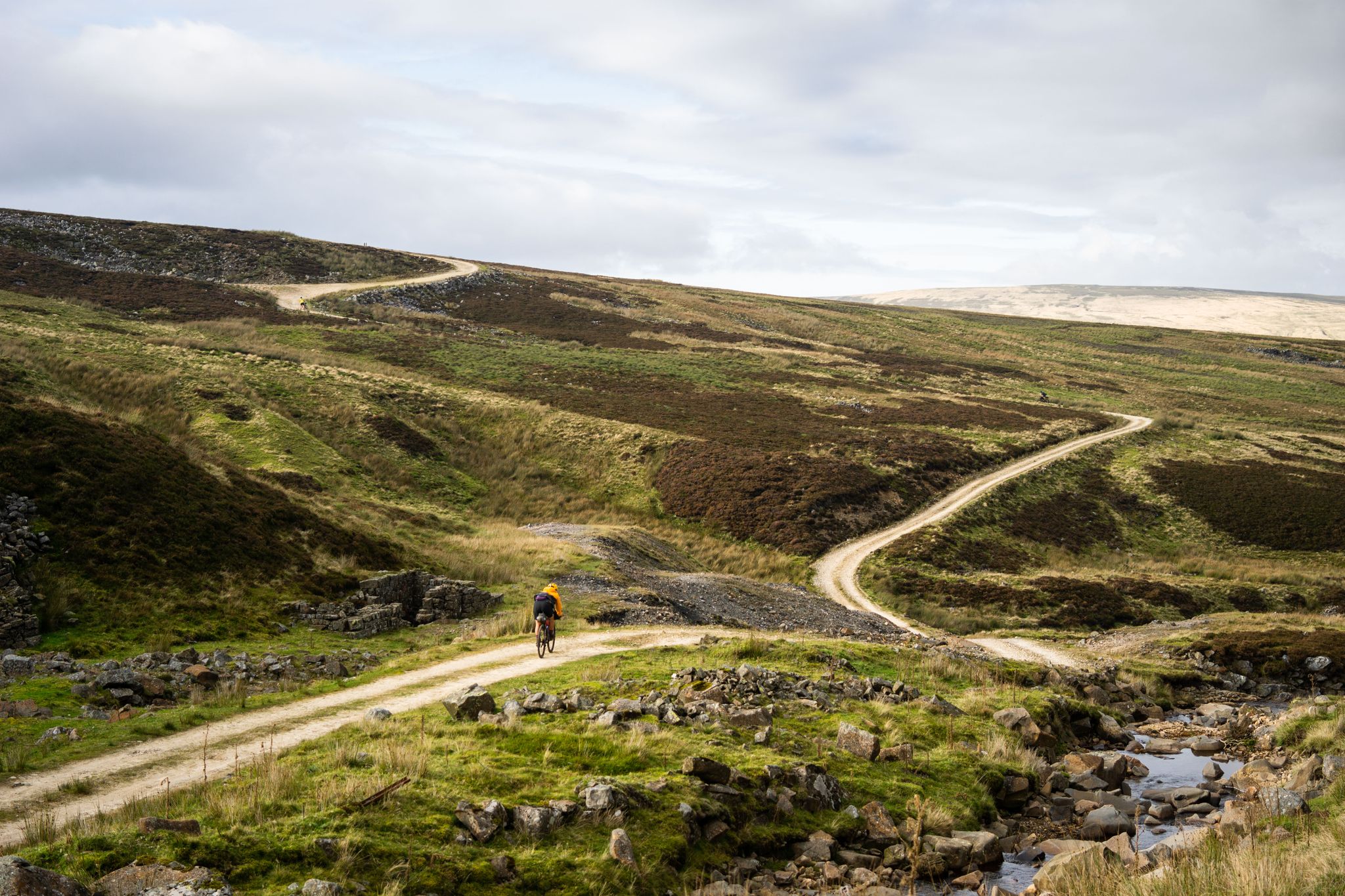
Second City Divide — Rough Stuff Of The North
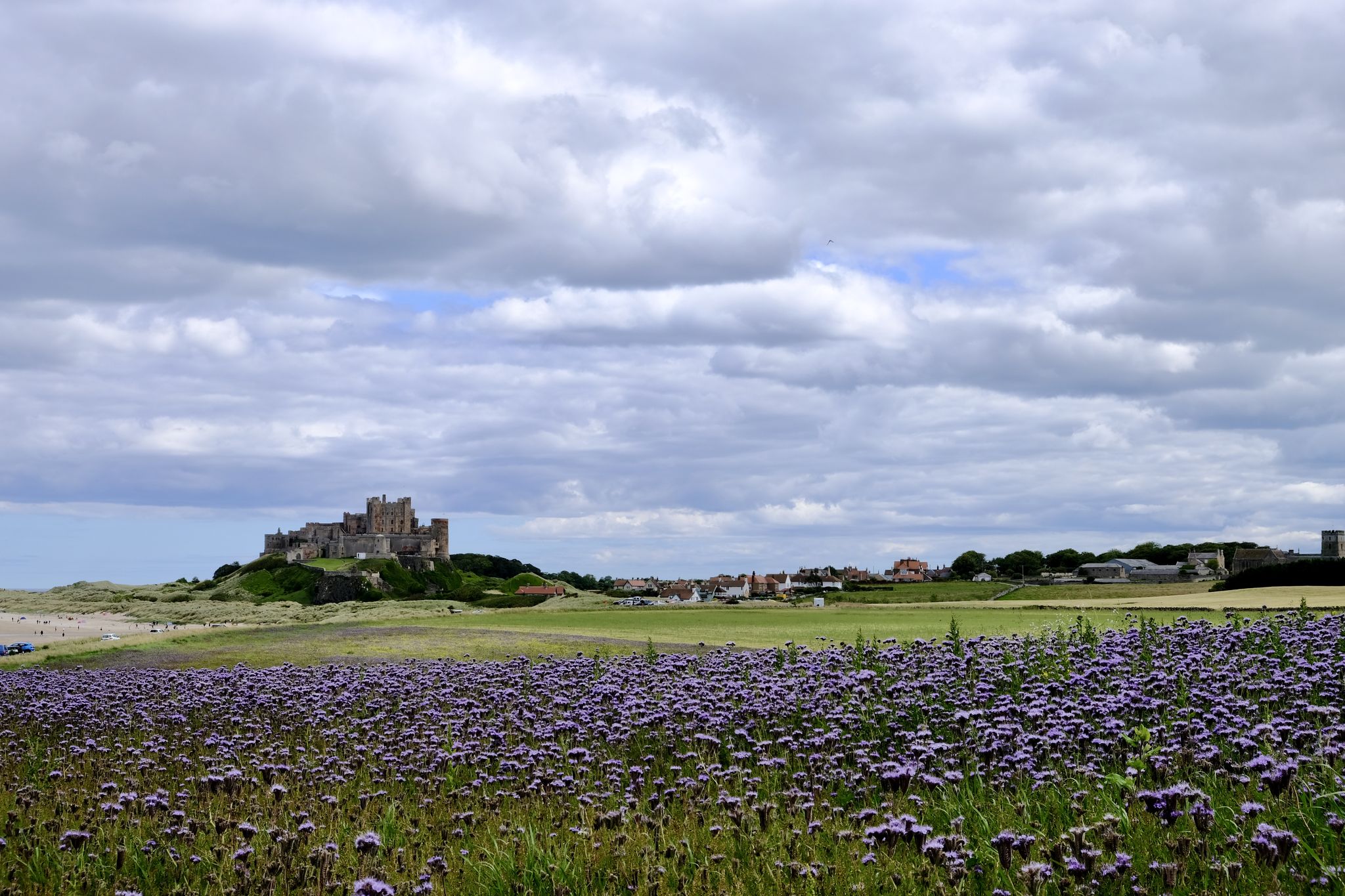
Hike the Northumberland Coast Path – Castles and coastlines

Northumberland National Park – A Walk in the Parks
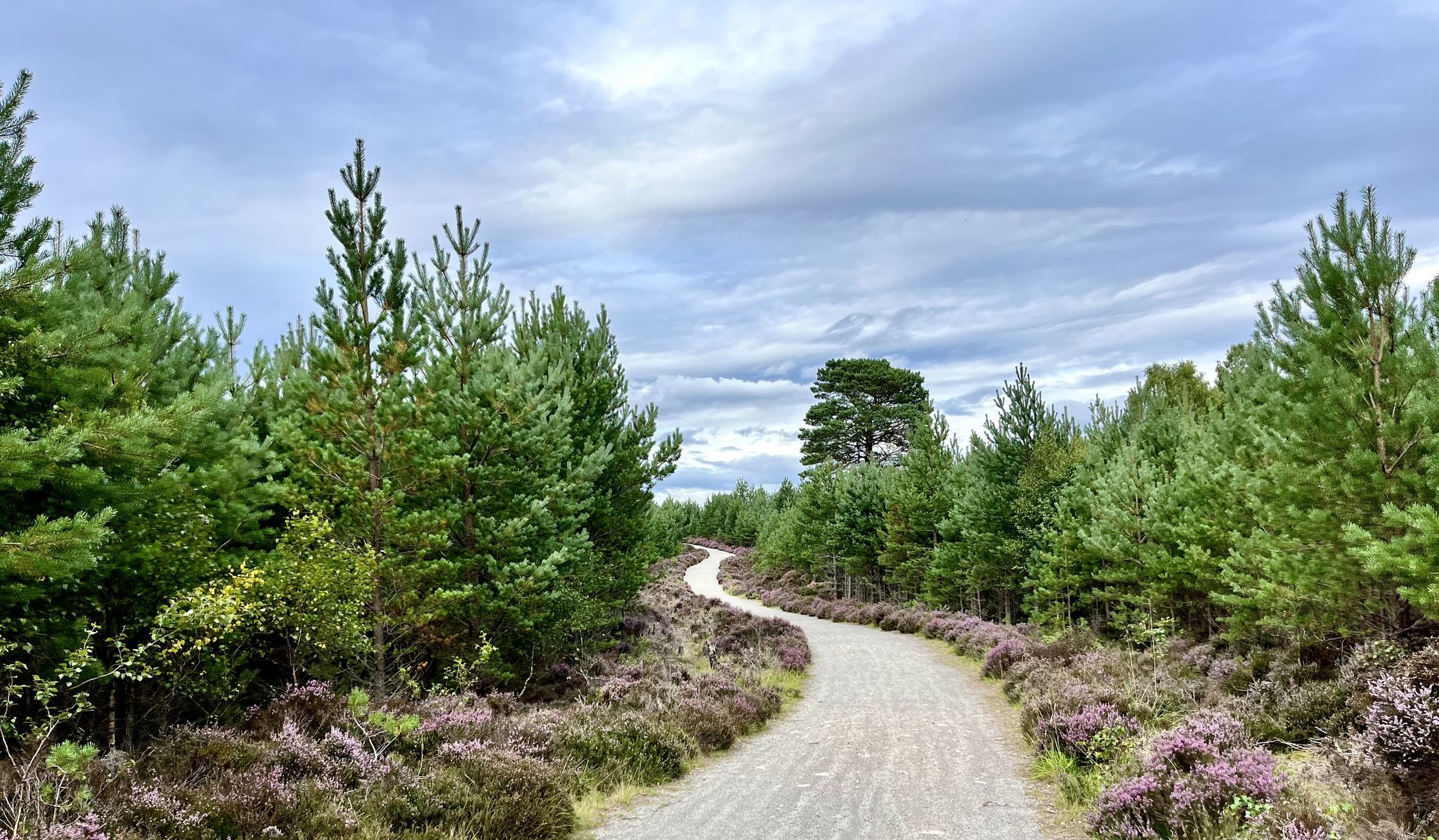
National Cycle Network Route 7 – Sunderland to Inverness
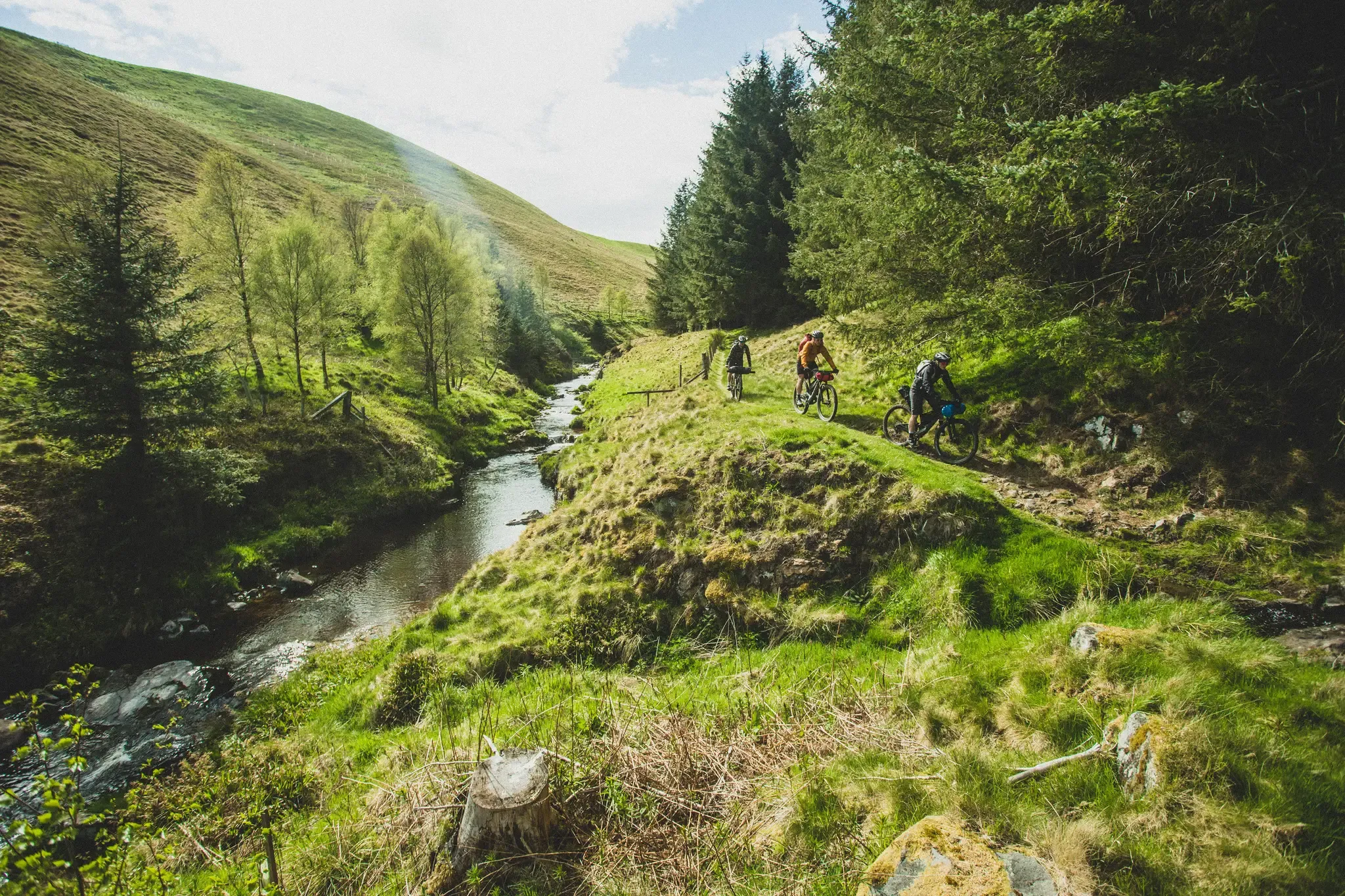
Slymefoot Slide — bikepacking the Breamish and Coquet rivers
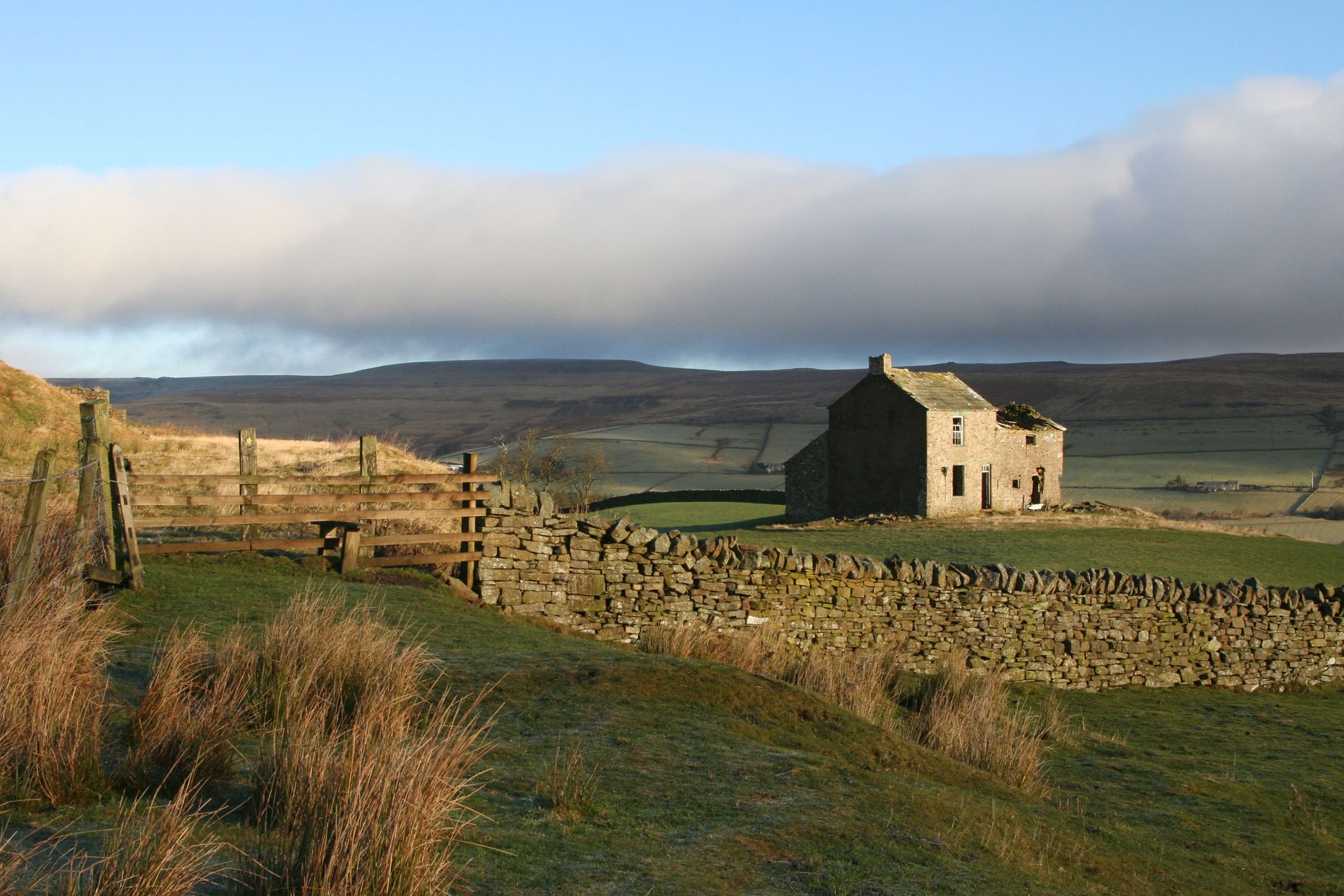
Weardale Way — Hike from the North Sea to the wild Pennines
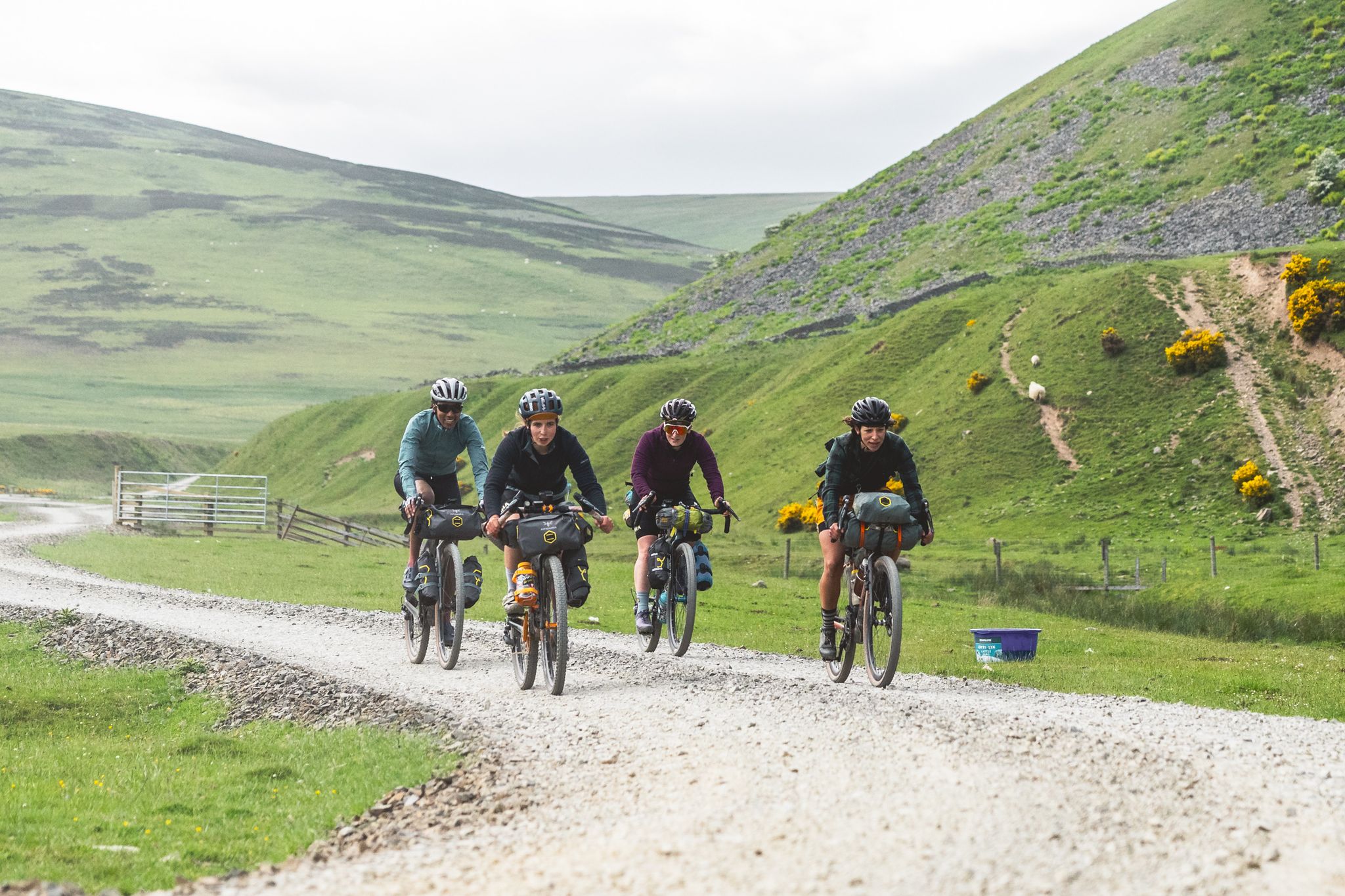
The Pennine Rally — Bikepacking Edinburgh to Manchester
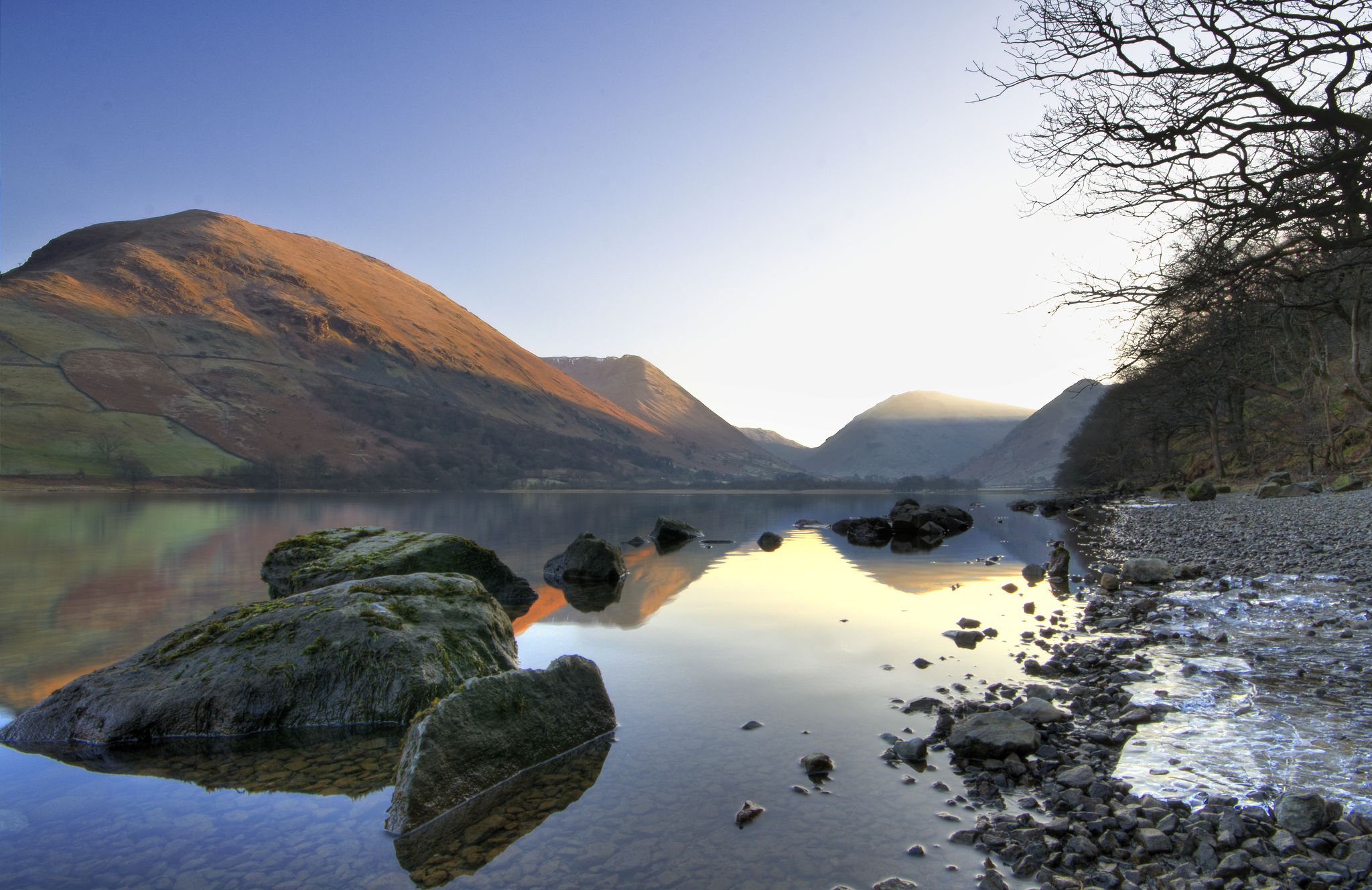
Lake to Lake Walk — Windermere to Kielder across the beautiful North
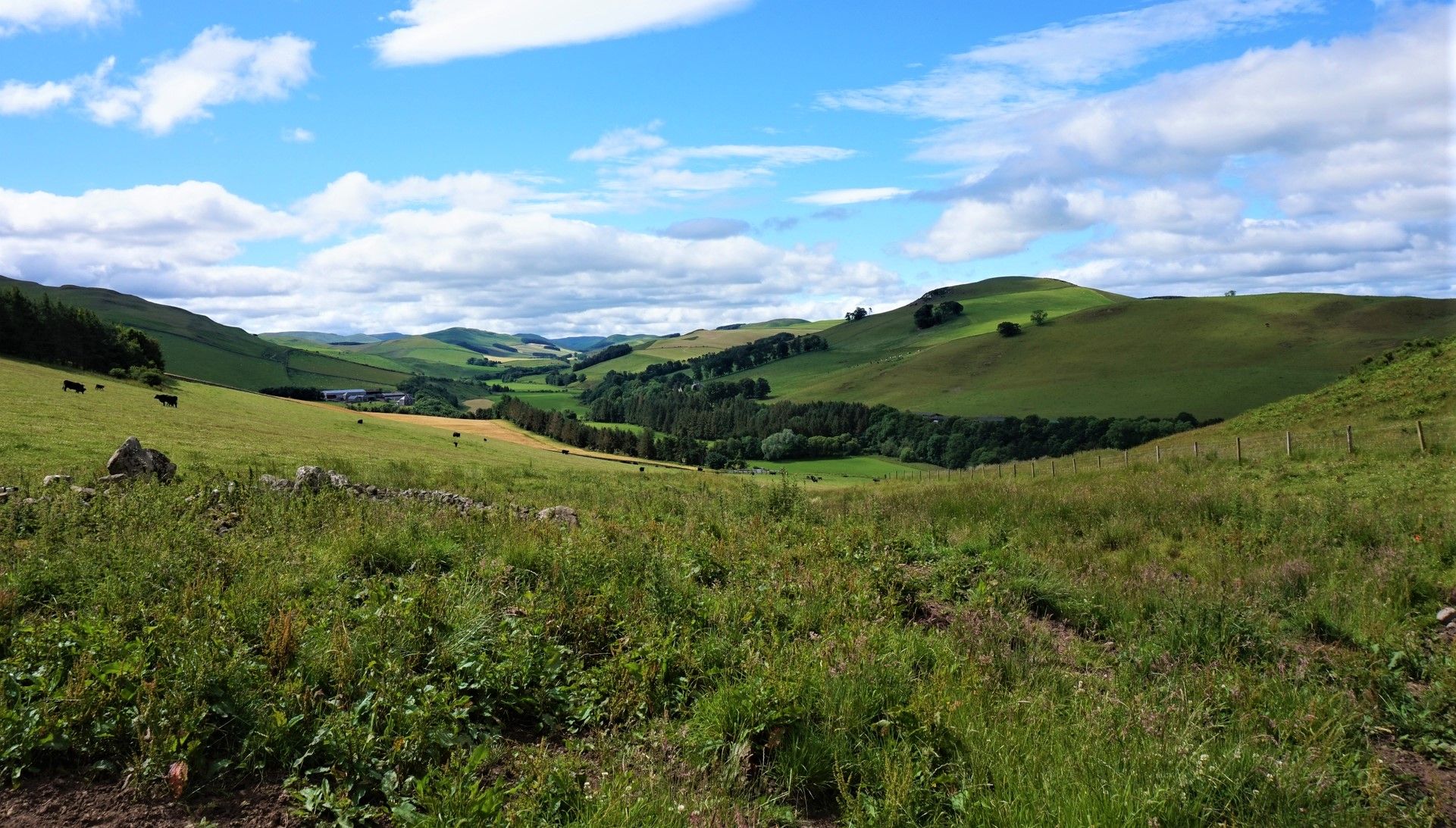
St Cuthbert's Way — Hike wild moors, historic hills and heavenly coast
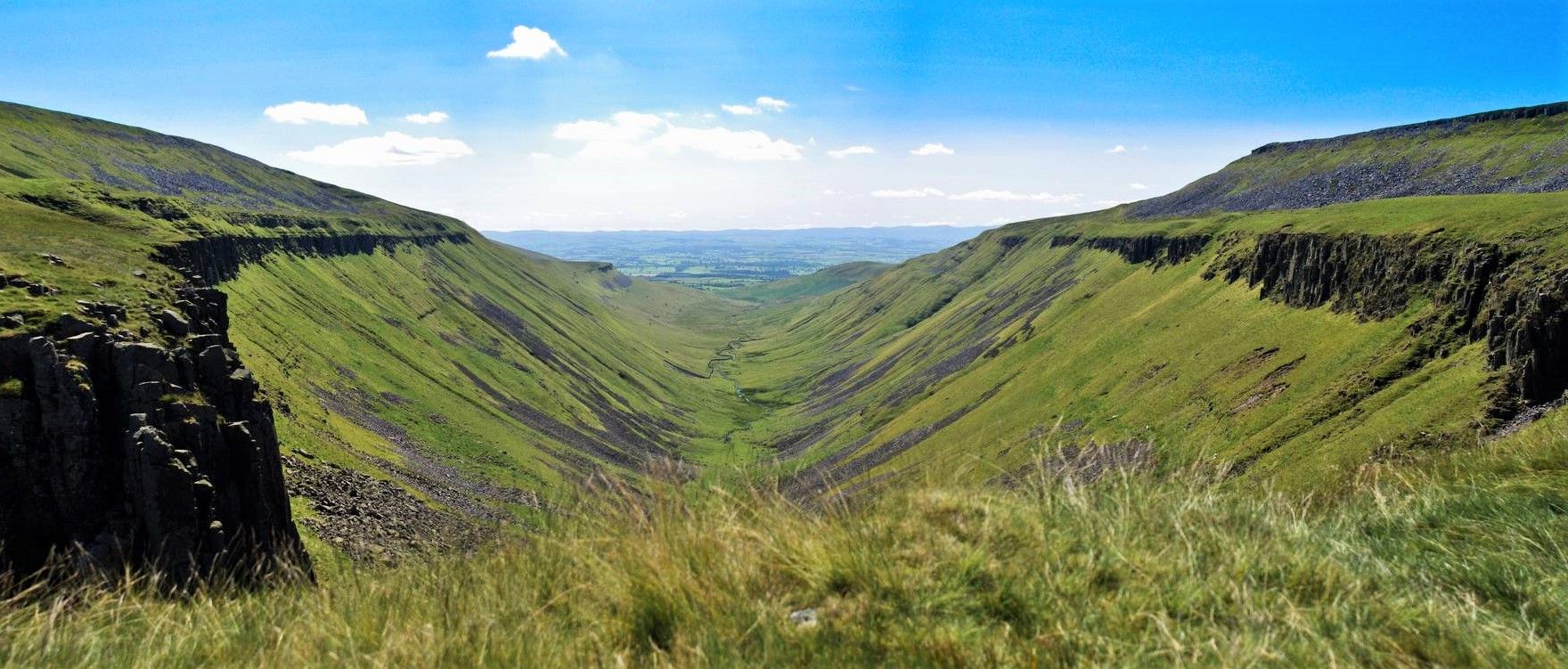
Teesdale Way — A riverside hike from wild Pennines to the North Sea
Other adventures in North East England


Tips from the Community

Steel Rigg is one of the most beautiful viewpoints along the high, central part of Hadrian's Wall.
5
0

Until 1912, Roseberry Topping had a smooth, sugarloaf‑like peak. A geological fault combined with underground mining caused a massive collapse, giving the summit its modern jagged profile. The climb up from the car park is steep and can be very busy, even before sunrise in winter where you can see a small procession of torches slowly ascending.
1
0

can be easy or difficult, depends which side you ascend from. so choose wisely
2
0


Ros Castle (Ros Hill) 316m P221 (1037ft) (DoBIH Hill ID: 2317) [JNSA 12818] County of Northumberland Definitive List summit.
0
0

Highest mountain in Northumberland national park, a decent path runs through to the summit as its a complete bog fest and there's not really any views as its a large plateau, but the views on the way back down are beautiful.
1
0
Frequently Asked Questions
What are some of the most impressive natural monuments in North East England?
North East England offers a diverse range of impressive natural monuments. Among the most notable are High Force Waterfall, where the River Tees plunges 21 meters, and the distinctive Roseberry Topping Summit, often called 'Yorkshire's Matterhorn' due to its unique shape. The Simonside Summit in Northumberland National Park also provides sensational 360-degree views.
What unique geological features can be found among North East England's natural monuments?
The region is rich in geological wonders. The Whin Sill, a 295-million-year-old volcanic intrusion, forms dramatic escarpments, famously seen along Hadrian's Wall at Steel Rigg. Roseberry Topping's jagged profile is a result of a geological fault and mining collapses. The Cheviot Hills are formed from Devonian age volcanic rocks and granite, while the Simonside Hills feature natural rock formations and caves.
Are there any natural monuments with significant historical connections?
Yes, several natural monuments are intertwined with history. Steel Rigg and Hadrian's Wall showcase how the Romans integrated the natural landscape into their defenses. The Holy Island of Lindisfarne, a tidal island, has a rich history alongside its natural beauty. The Summit of Windy Gyle features Russell's Cairn, a Bronze Age burial site.
What kind of wildlife can I expect to see at these natural monuments?
North East England's natural monuments are havens for wildlife. The Farne Islands are an internationally significant breeding colony for seabirds, including puffins, and host a large colony of Atlantic grey seals. The Holy Island of Lindisfarne is also a haven for diverse bird species, with seals and dolphins spotted offshore. In the Simonside Hills, you might encounter curlews, red grouse, wild goats, and red squirrels in the surrounding forests.
Are there easy walking routes suitable for beginners or families?
Yes, many natural monuments offer accessible paths. For example, the area around High Force Waterfall has well-maintained tracks suitable for families. You can find several easy hikes, such as the Roseberry Topping loop or the Sycamore Gap & Crag Lough loop, which are detailed in the Easy hikes in North East England guide.
Where can I find challenging hikes among the natural monuments?
For more challenging hikes, consider exploring the Cheviot Hills, including the Cheviot Summit and Cairn Hill, which offer spectacular views over wild landscapes. The ascent to Roseberry Topping Summit is also considered a relatively challenging but manageable climb.
What outdoor activities are available near the natural monuments in North East England?
Beyond hiking, the region offers various outdoor activities. Northumberland National Park, which encompasses many natural monuments, is ideal for walking and climbing. You can find cycling routes in the area, such as the Kielder Water loop or the River Tyne loop, detailed in the Cycling in North East England guide. Road cycling options are also available, as seen in the Road Cycling Routes in North East England guide.
When is the best time to visit the natural monuments in North East England?
Many natural monuments, like High Force Waterfall, are spectacular at any time of year, especially after heavy rain when the waterfall is at its most powerful. Spring and summer offer pleasant weather for hiking and wildlife viewing, particularly for seabirds on the Farne Islands. Autumn provides beautiful foliage, while winter can offer dramatic, wild landscapes, though some areas may be boggy, requiring appropriate footwear.
Are there natural monuments accessible by public transport in Northumberland?
While many natural monuments in Northumberland are best reached by car, some areas have limited public transport options. For specific routes and accessibility, it's advisable to check local bus services or consider guided tours that include transport to more remote locations like the Holy Island of Lindisfarne (which has tidal access restrictions) or parts of Northumberland National Park.
Are the natural monuments in North East England generally dog-friendly?
Many natural monuments and their surrounding trails are dog-friendly, especially those within Northumberland National Park and areas like the Simonside Hills. However, it's always best to keep dogs on a lead, especially in areas with livestock or ground-nesting birds, and to check specific site regulations. For example, nature reserves like the Farne Islands may have restrictions to protect wildlife.
What makes the Holy Island of Lindisfarne a unique natural monument?
The Holy Island of Lindisfarne is unique due to its tidal nature, accessible only by a 3-mile causeway during low tide, cutting it off from the mainland for hours. Beyond its historical significance, it's a haven for diverse bird species and offers opportunities to spot seals and dolphins. Its dramatic landscape, including the Whin Dyke geological formation, adds to its captivating natural appeal.
What do visitors particularly enjoy about the natural monuments in North East England?
Visitors frequently praise the spectacular scenery, from the powerful cascades of High Force to the panoramic vistas from the Cheviot Hills. The unique geological features, such as the distinctive shape of Roseberry Topping and the Whin Sill, are also highly appreciated. Many enjoy the sense of isolation and wildness, especially in areas like the Cheviots and the tidal Holy Island, and the abundant opportunities for outdoor activities like hiking.
Most popular routes in North East England
Most popular attractions in North East England

Get inspired with the komoot mobile app


Didn’t find what you were looking for?
Find even more amazing natural monuments in North East England by checking out the top Highlights region by region:
Explore more
Extend your search for the best caves by checking out these guides of the top ones in North East England:
