The 20 Most Amazing Peaks in North East England
Best mountain peaks in North East England offer diverse landscapes and rewarding experiences. The region features prominent peaks like The Cheviot, distinctive formations such as Roseberry Topping, and historical sites including Iron Age hill forts. These areas provide opportunities for exploration across Northumberland, the North York Moors, and the North Pennines. From the highest points in Northumberland and County Durham to accessible summits, the area caters to various hiking interests.
Best mountain peaks in North East England
- The most popular mountain peaks is Roseberry Topping Summit, a summit known for its distinctive pyramidal shape. This peak offers spectacular views from its top after a manageable hike and is often referred to as the 'Yorkshire Matterhorn'.
- Another must-see spot is Simonside Summit, a natural monument within Northumberland National Park. This 429-meter summit provides views of the Cheviot Hills and the Northumbrian coastline.
- Visitors also love The Cheviot Summit, a natural monument and the highest point in Northumberland National Park. On a clear day, its summit offers expansive views stretching as far as the Lake District.
- North East England is known for its diverse range of summits, historical hill forts, and prominent natural monuments. The region offers a variety of mountain peaks to see and explore, from challenging climbs to more accessible walks.
- The mountain peaks in North East England are appreciated by the komoot community, with more than 380 upvotes and over 220 photos shared across various highlights.
Last updated: October 9, 2026
Roseberry Topping Summit
Highlight • Summit
Roseberry Topping is known locally as the ‘Yorkshire Matterhorn’ because its shape reminds people of the pyramidal peak that straddles the Swiss and Italian border. There are a few different route options to the top, of varying difficulties.
Tip by

Simonside Summit
Highlight • Natural Monument
In close reach from Rothbury, Simonside is a top pick for epic views. Bring a flask of tea, settle in and relish the perfect scenery surround you.
Tip by

Sign up now to discover places like this
Get recommendations on the best single tracks, peaks, & plenty of other exciting outdoor places.
The Cheviot Summit
Highlight • Volcano
Tip by
Cairn Hill
Highlight • Viewpoint
Tip by
Summit of Windy Gyle
Highlight • Viewpoint
Tip by
Hedgehope Hill Summit
Highlight • Viewpoint
Tip by

Ros Castle Hill Fort
Highlight • Viewpoint
Tip by

Yeavering Bell summit and hillfort
Highlight • Historical Site
Tip by
Penshaw Monument
Highlight • Monument
Tip by

Northumberlandia (Lady of the North)
Highlight • Structure
In total around 1.5 million tonnes of soil and clay from Shotton Surface Mine has been used to create this piece of public art.
Tip by

Sign up for free to discover even more peaks in North East England.
Already have an account?
Start today with a free account
Your next adventure awaits.
Popular around North East England
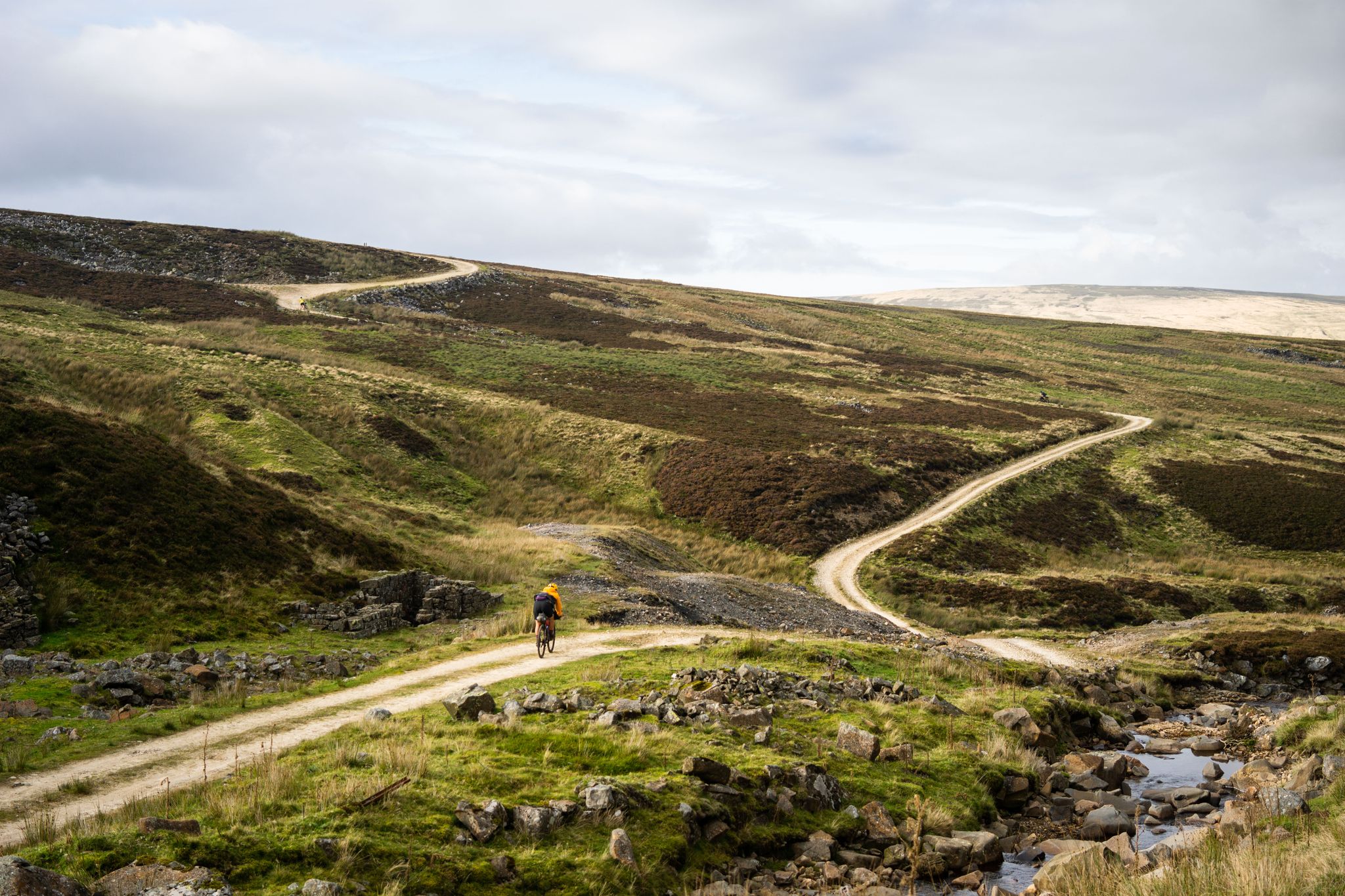
Second City Divide — Rough Stuff Of The North
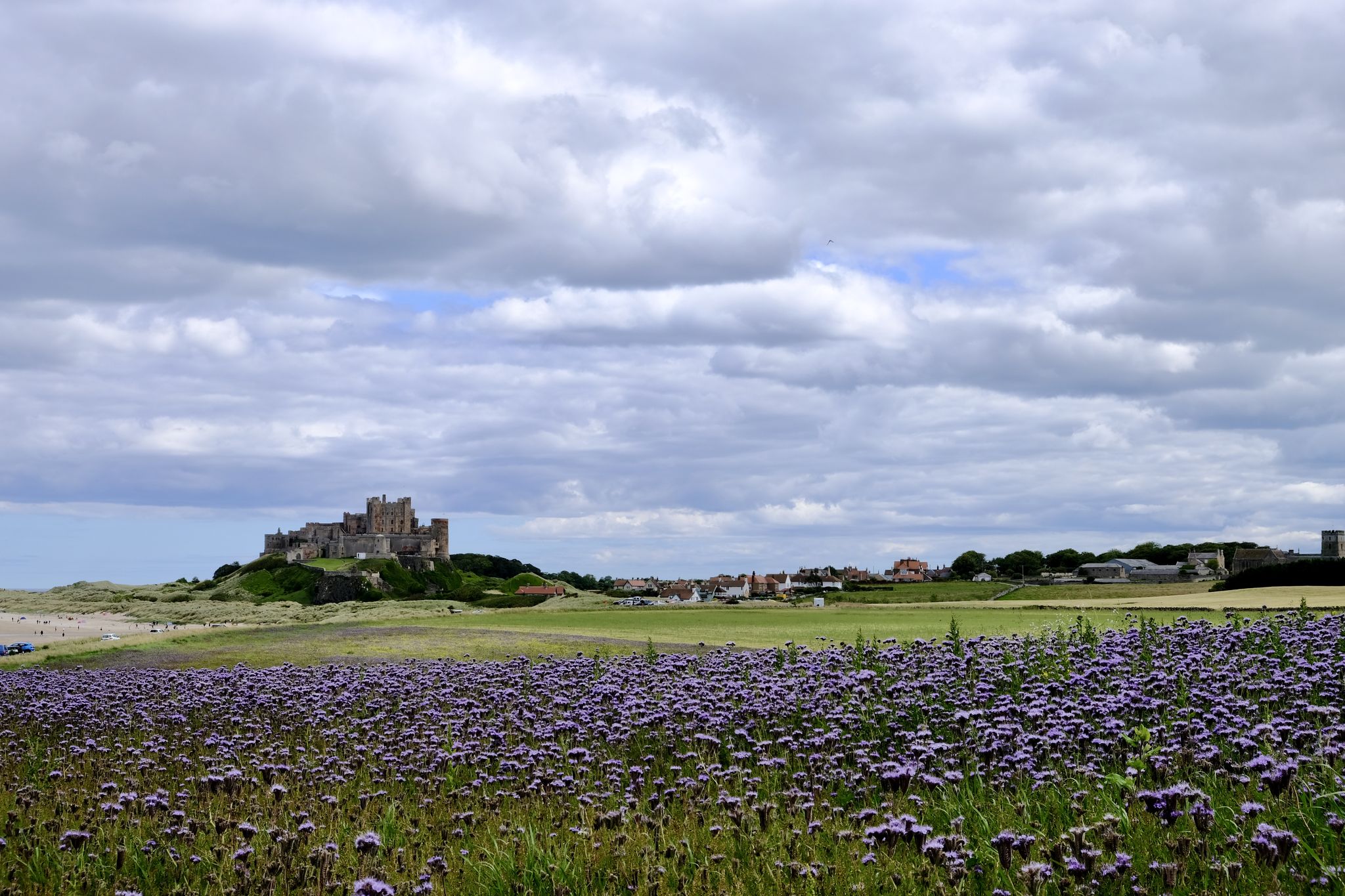
Hike the Northumberland Coast Path – Castles and coastlines

Northumberland National Park – A Walk in the Parks
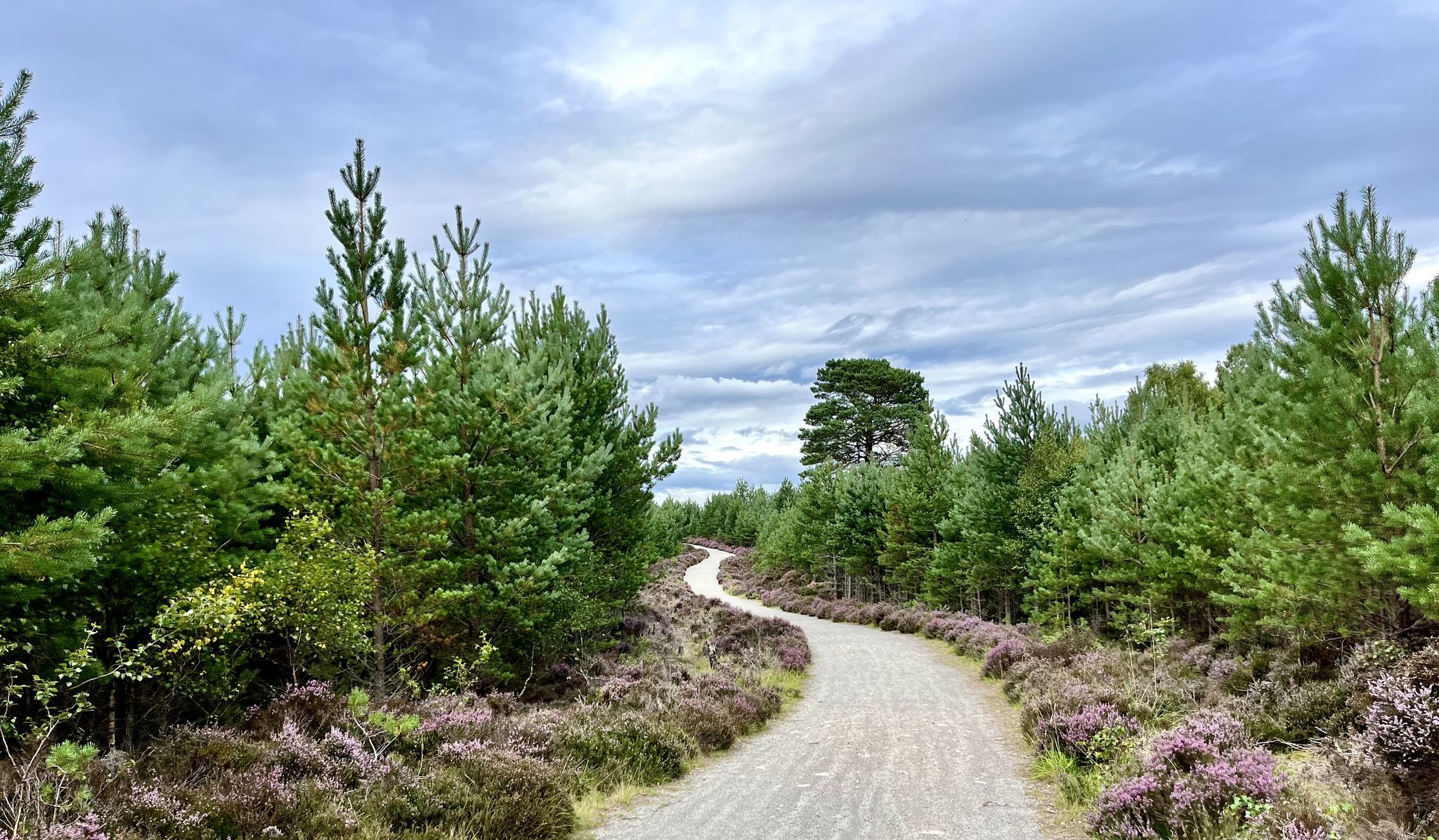
National Cycle Network Route 7 – Sunderland to Inverness
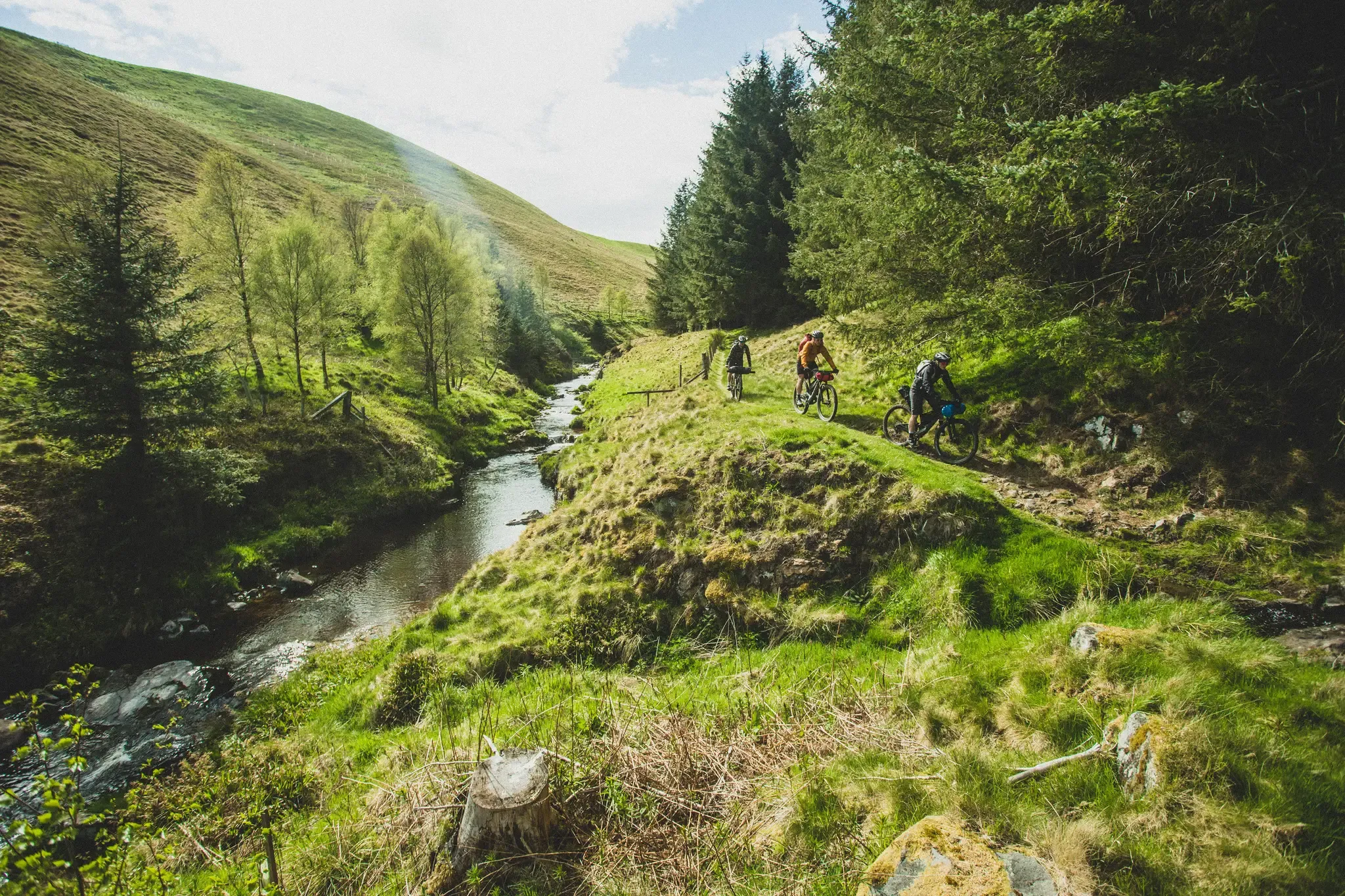
Slymefoot Slide — bikepacking the Breamish and Coquet rivers
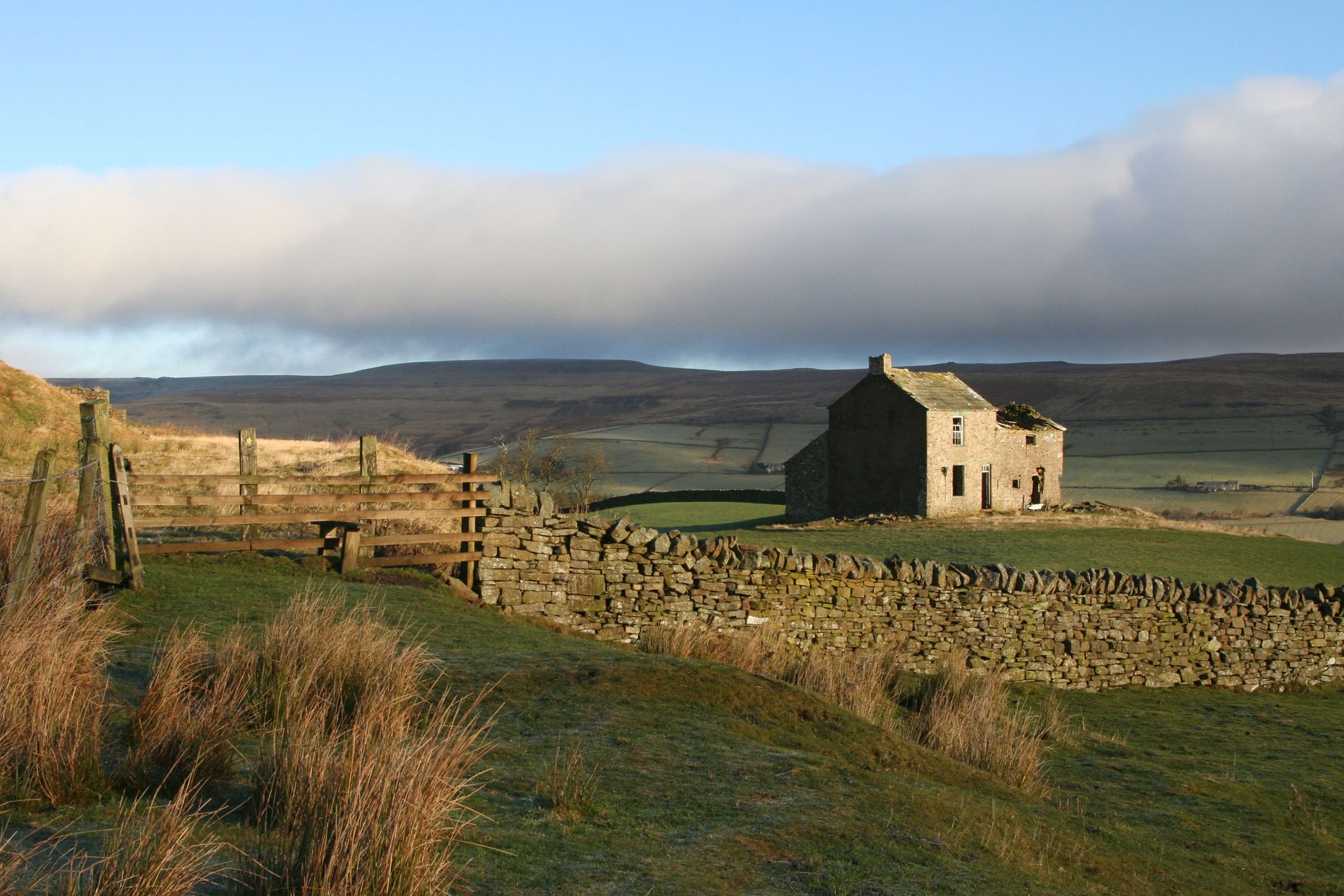
Weardale Way — Hike from the North Sea to the wild Pennines
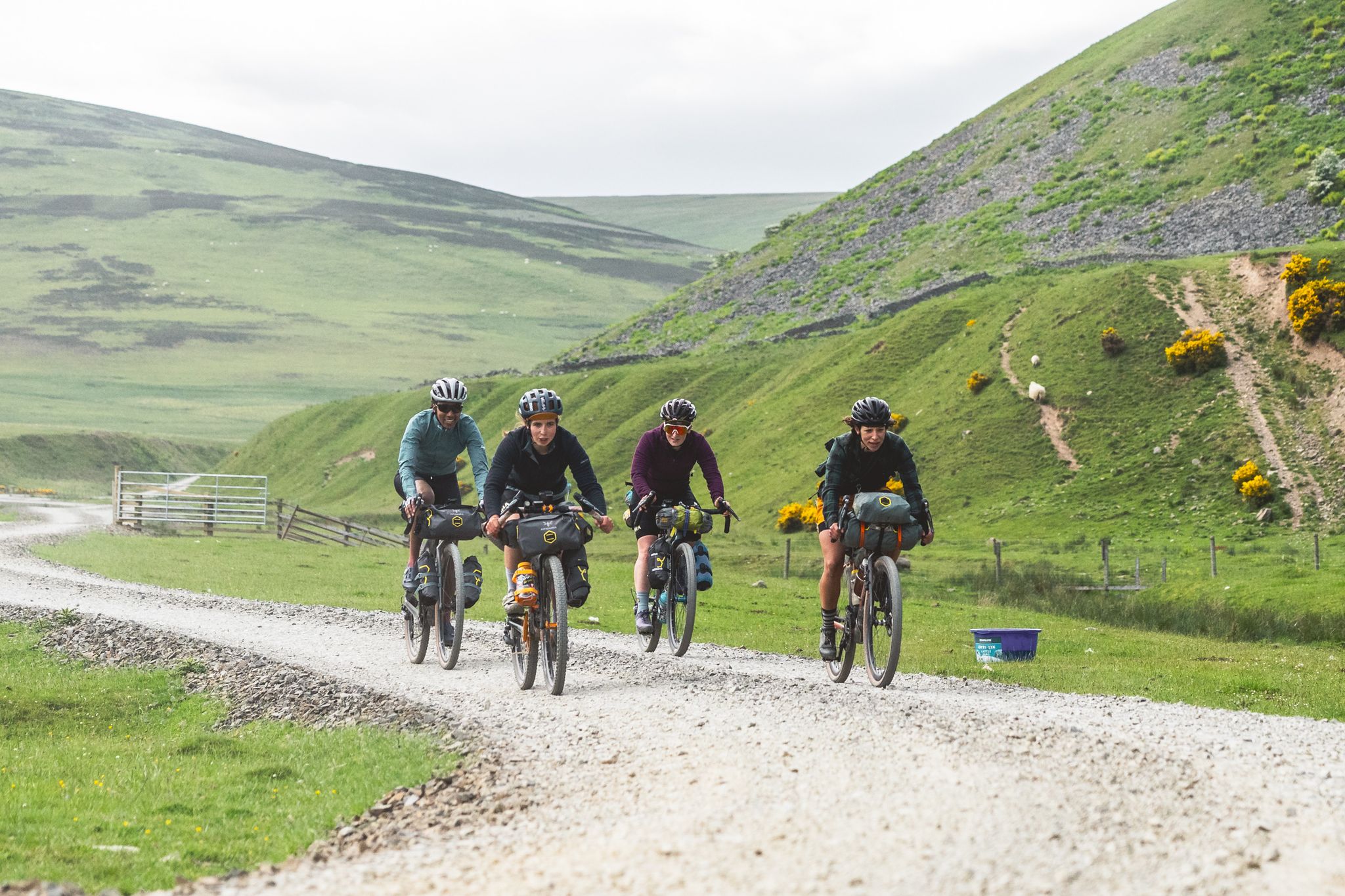
The Pennine Rally — Bikepacking Edinburgh to Manchester
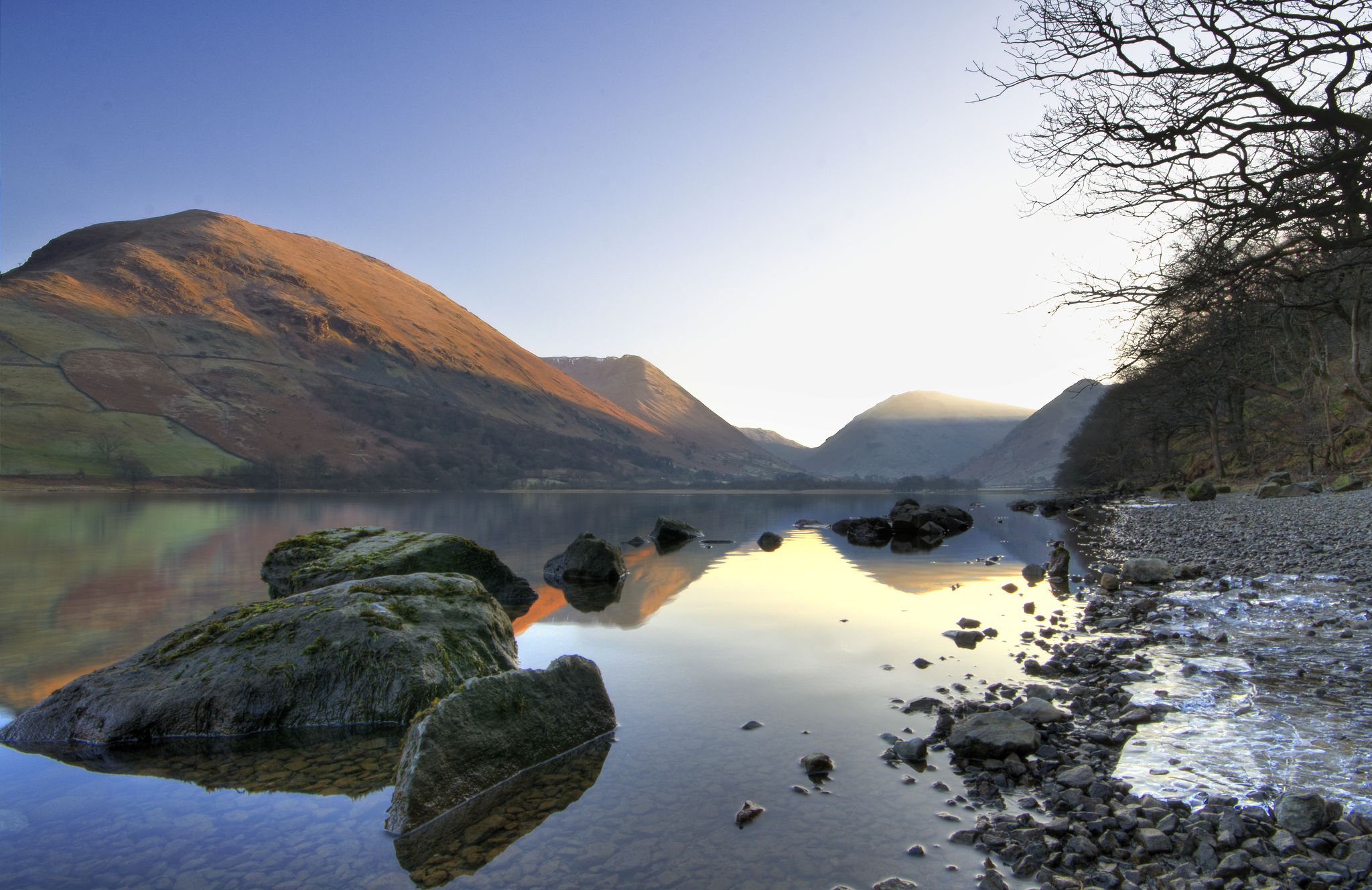
Lake to Lake Walk — Windermere to Kielder across the beautiful North
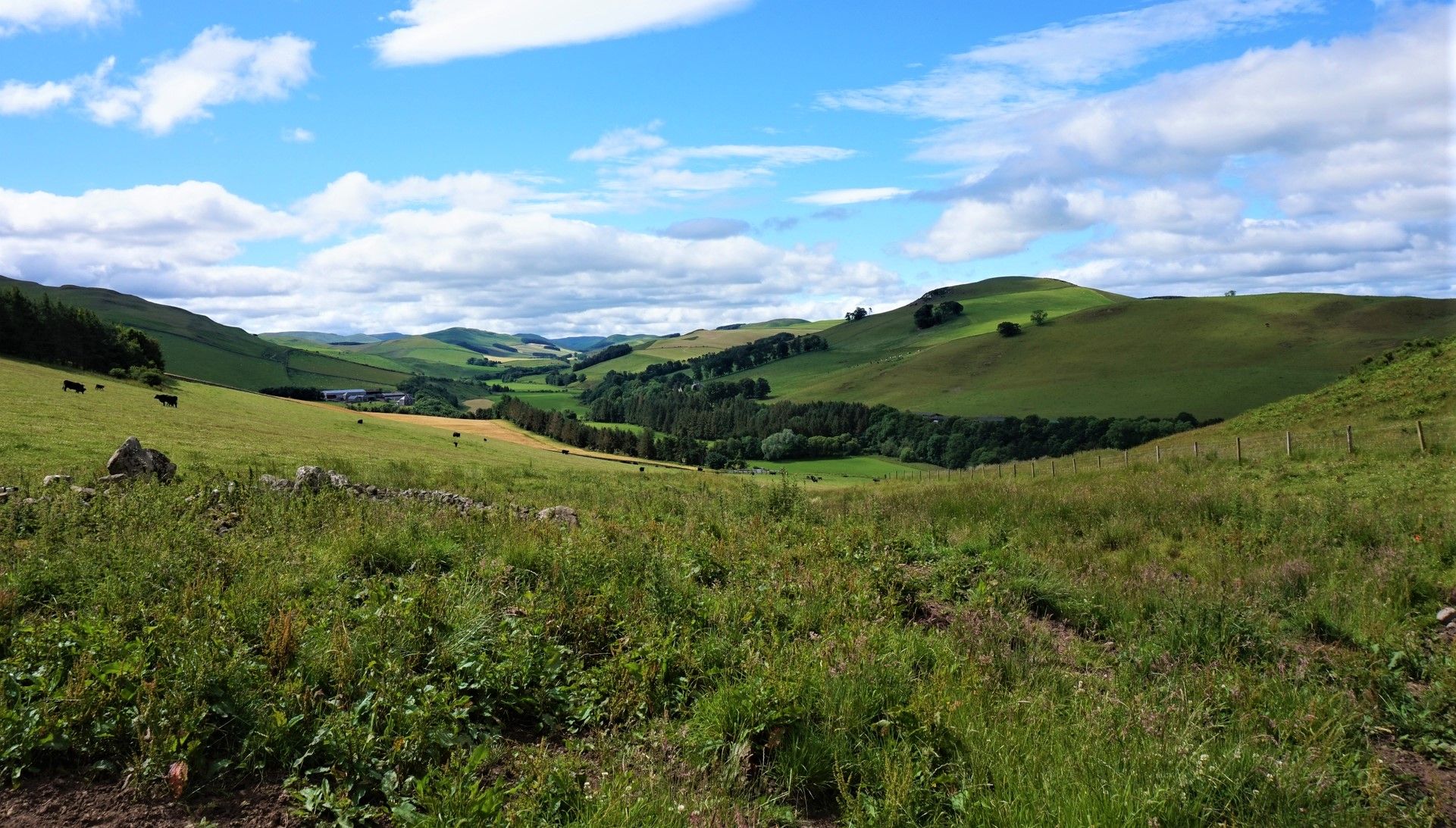
St Cuthbert's Way — Hike wild moors, historic hills and heavenly coast
Teesdale Way — A riverside hike from wild Pennines to the North Sea
Other adventures in North East England


Tips from the Community

Northumberlandia (Lady Of The North) 115.3m P55.3 (378ft) (DoBIH Hill ID: 16083) [JNSA 23759] County of Northumberland Definitive List summit.
0
0

Until 1912, Roseberry Topping had a smooth, sugarloaf‑like peak. A geological fault combined with underground mining caused a massive collapse, giving the summit its modern jagged profile. The climb up from the car park is steep and can be very busy, even before sunrise in winter where you can see a small procession of torches slowly ascending.
1
0

can be easy or difficult, depends which side you ascend from. so choose wisely
2
0

The climb up to the trig pointed top of Hedgehope from the direction of The Cheviot, is not too bad and was a real highlight of my walking day. The summit is one of the best in the Cheviots — a cairned shelter from the wind, big skies, a sense of space, and on a clear day you can pick out the coastline, the Cheviot Hills rolling away into Scotland, and even the Lake District in the distance. The route is a bit boggy underfoot, so try and pick a dry period if possible.
0
0

Ros Castle (Ros Hill) 316m P221 (1037ft) (DoBIH Hill ID: 2317) [JNSA 12818] County of Northumberland Definitive List summit.
0
0

The "Northumberlandia" project owes its origins to open-cast mining: The earth lying above the mineral resources to be mined (e.g., coal seams) – known in technical terms as "overburden" – is typically stored on a so-called "overburden dump." Europe's largest artificial mountain, "Sophienhöhe," was created this way in North Rhine-Westphalia, Germany. As a landscape project, the overburden was used to create a reclining female figure called "Northumberlandia." However, from a ground perspective, little will be visible on site. To experience the outline of the sculpture of the lady, also known as the "Lady of the North," there is a plan sketch on the official website, which I have imported into the komoot image gallery (source: https://www.northumberlandia.com/ ).
0
0

Highest mountain in Northumberland national park, a decent path runs through to the summit as its a complete bog fest and there's not really any views as its a large plateau, but the views on the way back down are beautiful.
1
0
Frequently Asked Questions
Which mountain peaks in North East England offer the most expansive views?
For truly expansive views, consider The Cheviot Summit, the highest point in Northumberland National Park. On a clear day, you can see as far as the Lake District and Edinburgh. Another excellent choice is Simonside Summit, which provides sensational views of the Cheviot Hills and the Northumbrian coastline. Cairn Hill also offers spectacular views over the wild Cheviots landscape.
Are there any mountain peaks in North East England with significant historical importance?
Yes, several peaks boast rich history. Yeavering Bell summit and hillfort is home to Northumberland's largest Iron Age hill fort, with remains of over 100 roundhouses. Ros Castle Hill Fort also features a 3,000-year-old Iron Age hill fort and offers views of up to seven castles. Additionally, Summit of Windy Gyle is home to Russell's Cairn, a Bronze Age burial site.
What are some family-friendly mountain walks in North East England?
While many peaks offer challenging routes, Roseberry Topping Summit is often considered achievable even for families, with various route options of differing difficulties. Its distinctive shape and rewarding views make it a popular choice. For a more accessible option with extensive panoramic views, Currock Hill is a good choice, known for its relatively easy climb.
Which mountain peaks are known for their unique natural features or geological formations?
Roseberry Topping Summit is famous for its distinctive pyramidal shape, often called the 'Yorkshire Matterhorn'. Simonside Summit is known for its rugged ridge and dramatic views. Shaftoe Crags, while not a peak itself, offers a 'Tolkienesque' landscape with crags and boulders, providing sweeping views of the Simonside Hills.
What is the highest mountain peak in North East England?
The highest point in Northumberland National Park and the wider Northumberland county is The Cheviot Summit, standing at 815 meters (2,674 feet). For County Durham, Mickle Fell is the highest point at 788 meters (2,586 feet).
Are there challenging hiking routes available in the North East England mountains?
Yes, for those seeking a challenge, the Cheviot range offers several demanding routes. The Cheviot Summit itself is a significant undertaking, and Hedgehope Hill Summit provides additional opportunities for challenging walks within the Cheviots. The final section of the iconic Pennine Way long-distance route also passes over The Cheviot.
What outdoor activities can I do near the mountain peaks in North East England?
Beyond peak bagging, the region offers a variety of outdoor activities. You can find numerous hiking trails, including easy hikes like the 'Roseberry Topping loop' or 'Steel Rigg & Hadrians Wall Walk'. For cycling enthusiasts, there are road cycling routes such as the 'Kielder & Wauchape Forest' loop. Runners can explore trails like the 'Kielder Lakeside Way' or 'The Cheviot Horseshoe Fell Race'. You can find more details on these activities in the easy hikes, road cycling, and running trails guides for North East England.
What do visitors enjoy most about the mountain peaks in North East England?
Visitors frequently praise the stunning panoramic views from the summits, the sense of accomplishment from reaching the highest points, and the opportunity to explore historical sites like Iron Age hill forts. The diverse landscapes, from rugged ridges to distinctive geological formations, also contribute to a rewarding experience. Many appreciate the accessibility of some peaks, allowing for relatively easy-going walks with epic scenery.
Are there any peaks that offer a unique cross-border experience?
Yes, Summit of Windy Gyle lies directly on the border between England and Scotland. This gives it classifications as an English Mountain (Hewitt), an English Nuttall, and a Scottish Donald, offering a unique geographical distinction along with breathtaking views.
Where can I find a peak that is more sheltered from the wind?
If you're looking for a spot that might offer a bit more protection from the elements, Cairn Hill is noted for being more sheltered than The Cheviot, making it a good spot for a break from the wind while still enjoying spectacular views over the wild Cheviots landscape.
What is the best time of year to visit the mountain peaks in North East England?
The best time to visit generally depends on your preferred activity and weather tolerance. Spring and summer (May to September) offer longer daylight hours, milder temperatures, and usually clearer paths, making them ideal for hiking and enjoying the views. Autumn brings beautiful foliage, though weather can be more unpredictable. Winter hiking is possible for experienced individuals, but requires appropriate gear due to potential snow, ice, and boggy conditions, especially on higher peaks like The Cheviot.
Are there any peaks that are particularly good for spotting wildlife?
The Simonside Hills area, including Simonside Summit, is a Special Area of Conservation teeming with wildlife such as curlews, red grouse, and wild goats. Red squirrels can also be found in the forests below. At Yeavering Bell summit and hillfort, you might spot the elusive herd of wild goats that graze the area.
Most popular routes in North East England
Most popular attractions in North East England

Get inspired with the komoot mobile app


Didn’t find what you were looking for?
Discover North East England’s best peaks and summits by region:
Explore more
See even more amazing summits in North East England with these guides:
