Top 20 Castles in South West England
Castles in South West England are situated amidst diverse landscapes, from rugged coastlines to rolling hills and river estuaries. The region's history is reflected in its fortifications, which range from medieval ruins to Tudor coastal defenses. These sites offer insights into centuries of English heritage and provide opportunities to explore varied natural environments. The South West features a blend of historical significance and scenic beauty.
Best castles in South West England
- The most popular castles is St Michael's Mount,…
Last updated: October 9, 2026
Tintagel Castle and Merlin's Cave
Highlight • Castle
Tip by

Tintagel Castle Bridge
Highlight • Viewpoint
Tip by

Sign up now to discover places like this
Get recommendations on the best single tracks, peaks, & plenty of other exciting outdoor places.
St Michael's Mount
Highlight • Castle
Tip by

Ashton Court Mansion
Highlight • Settlement
Tip by

Corfe Castle Town Hall
Highlight • Historical Site
Tip by

Dartmouth Castle
Highlight • Historical Site
Tip by

St Mawes Castle
Highlight • Historical Site
Tip by

Longleat House
Highlight • Monument
Tip by

Durlston Castle
Highlight • Viewpoint
Translated by Google •
Tip by

Wells Cathedral
Highlight • Religious Site
Tip by
Sign up for free to discover even more castles in South West England.
Already have an account?
Start today with a free account
Your next adventure awaits.
Popular around South West England

Scenic hikes to stand-up paddleboarding locations in the UK
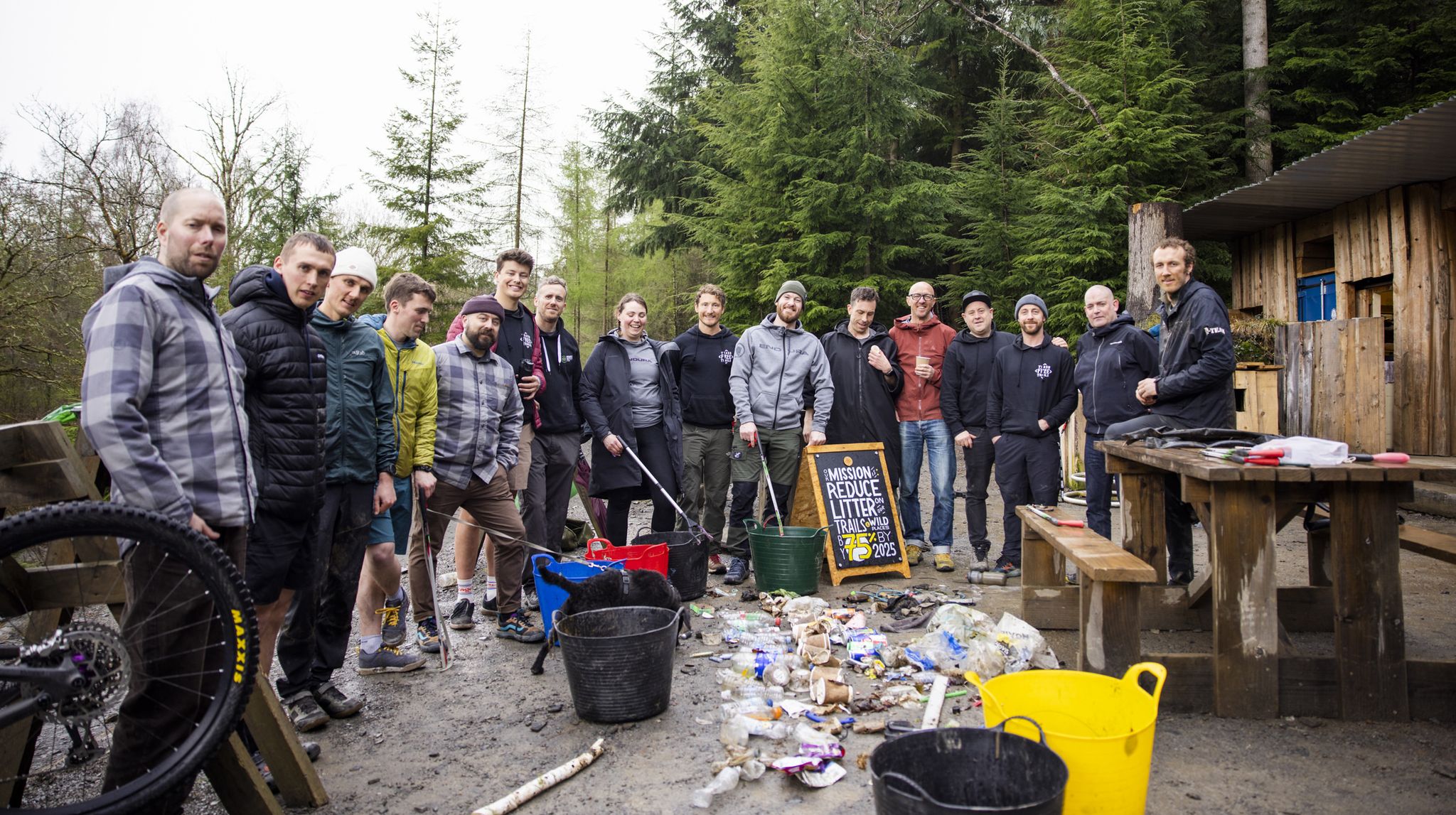
Adventures with a Purpose – our A-TEAMers’ best routes

Bedtime Adventure Stories for Grown Ups
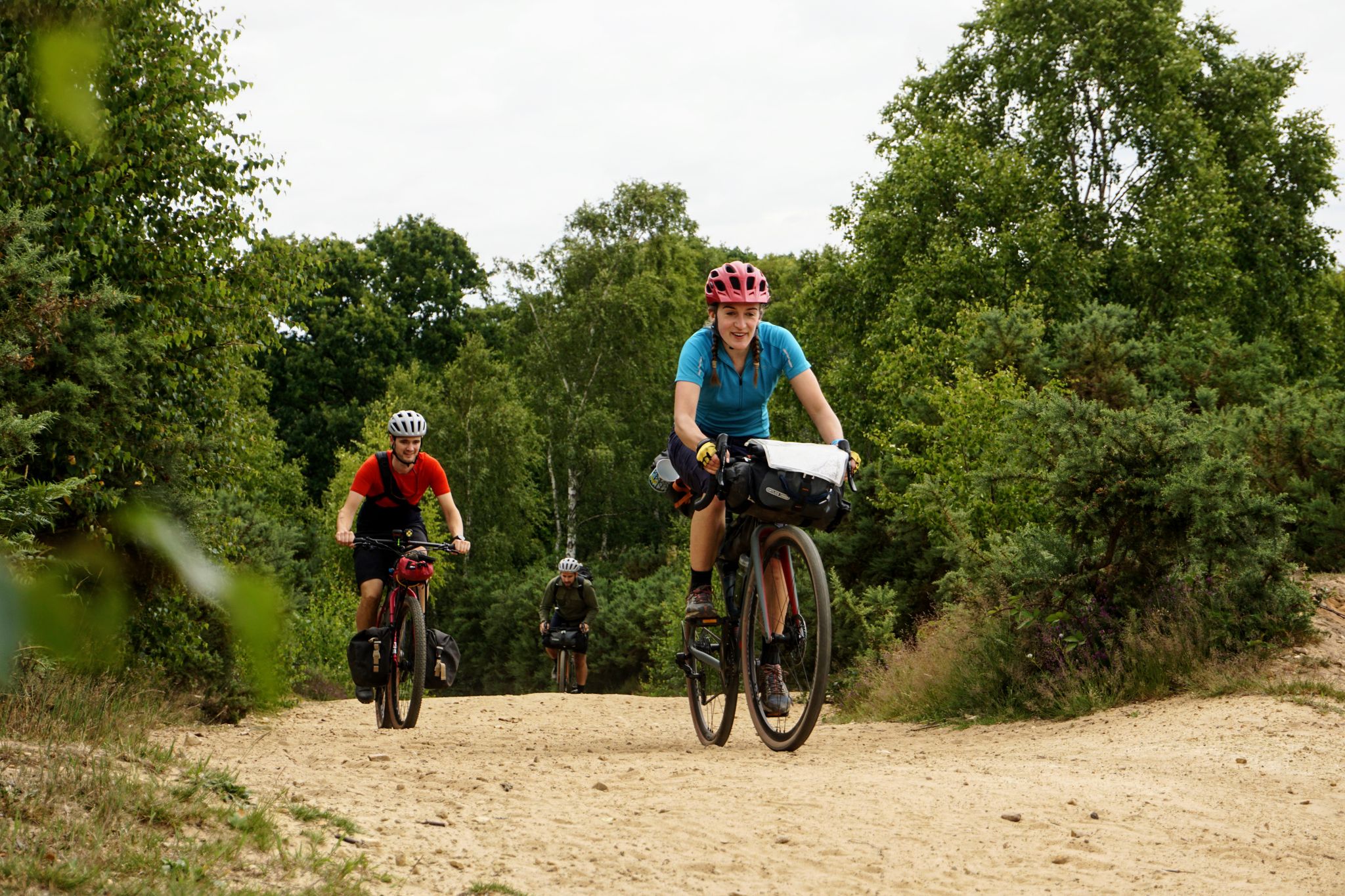
King Alfred's Way — History, chalk, grassland and forest
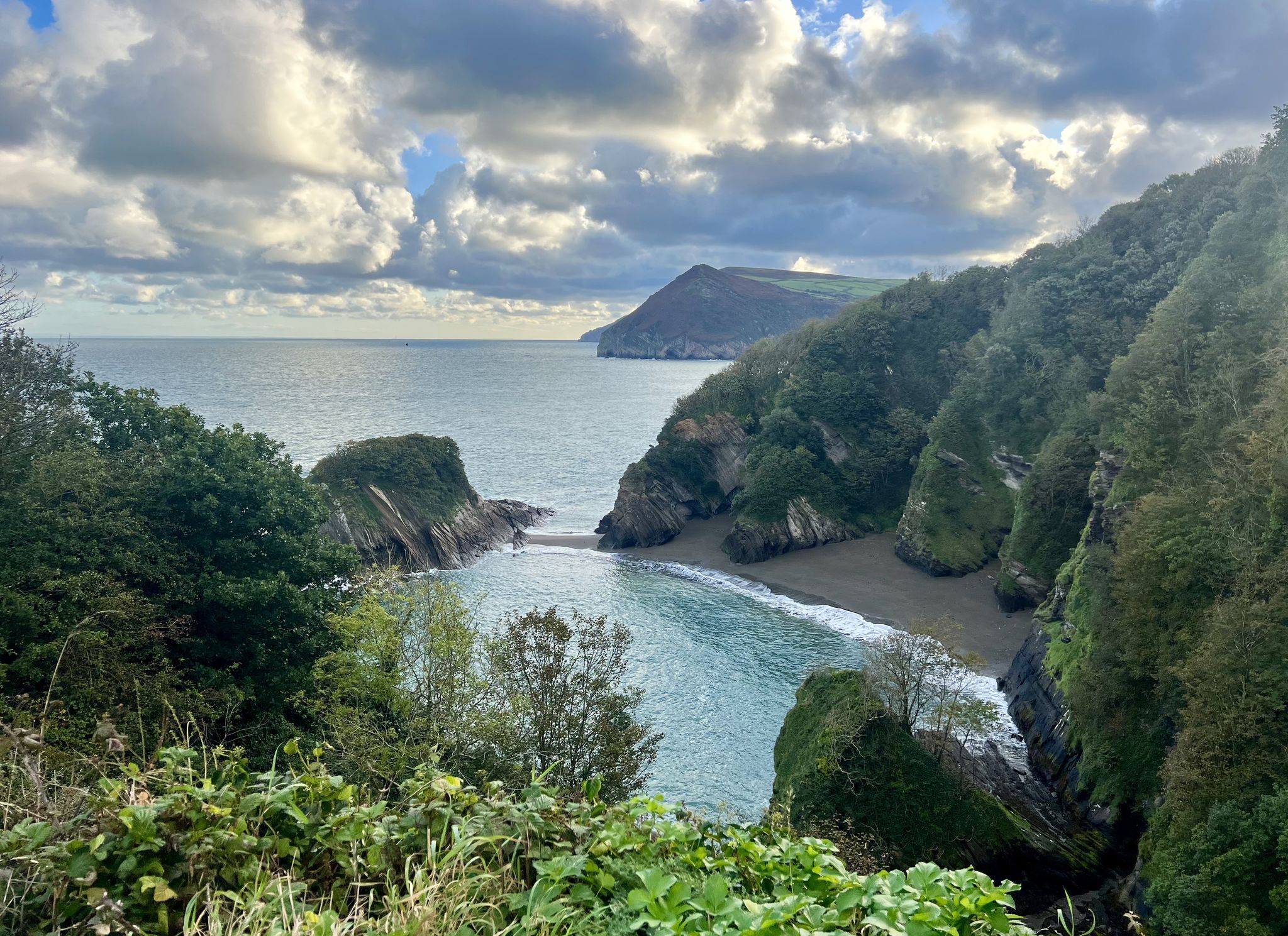
Exmoor National Park – A Walk in the Parks
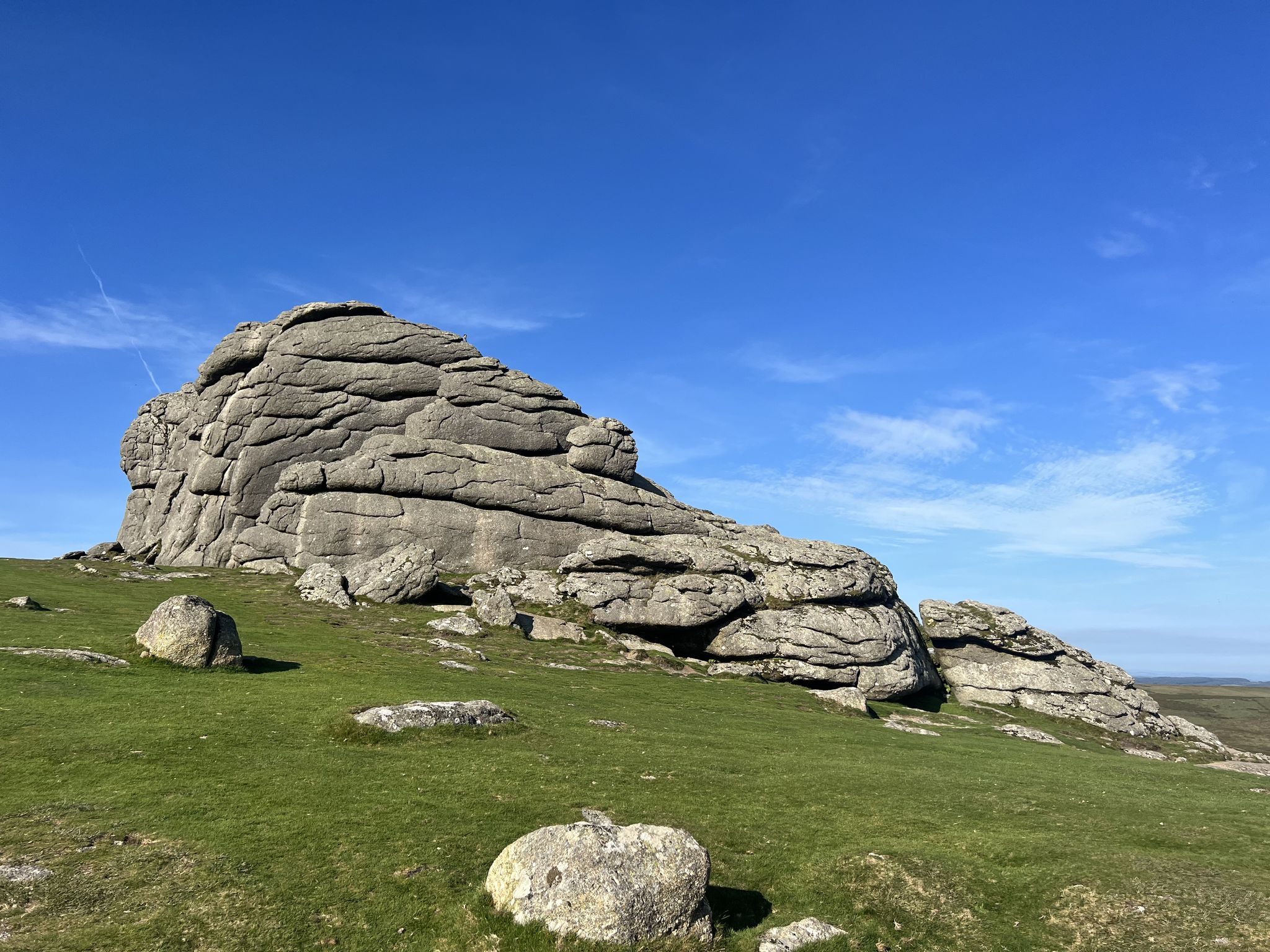
Dartmoor National Park – A Walk in the Parks
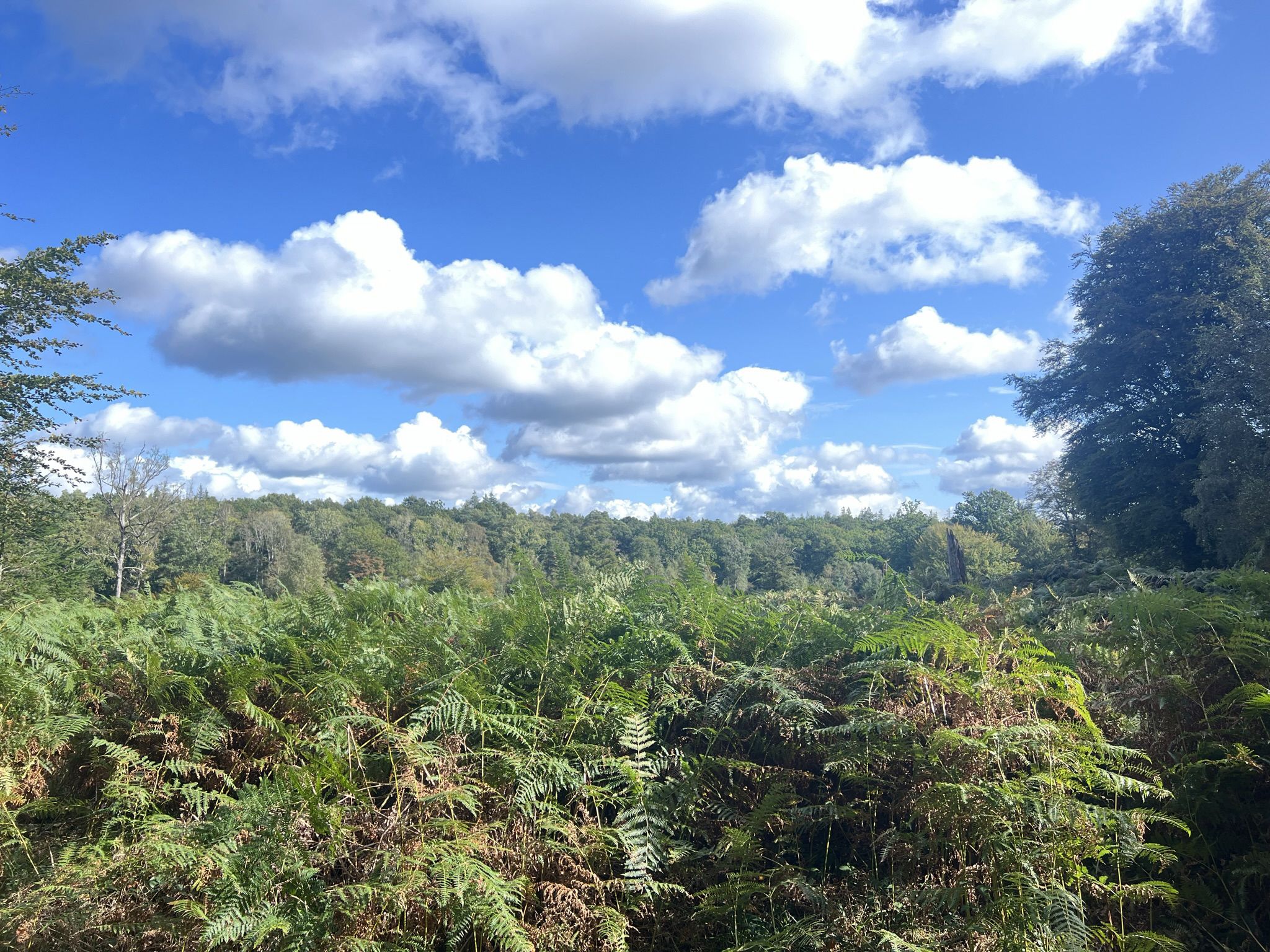
New Forest National Park – A Walk in the Parks
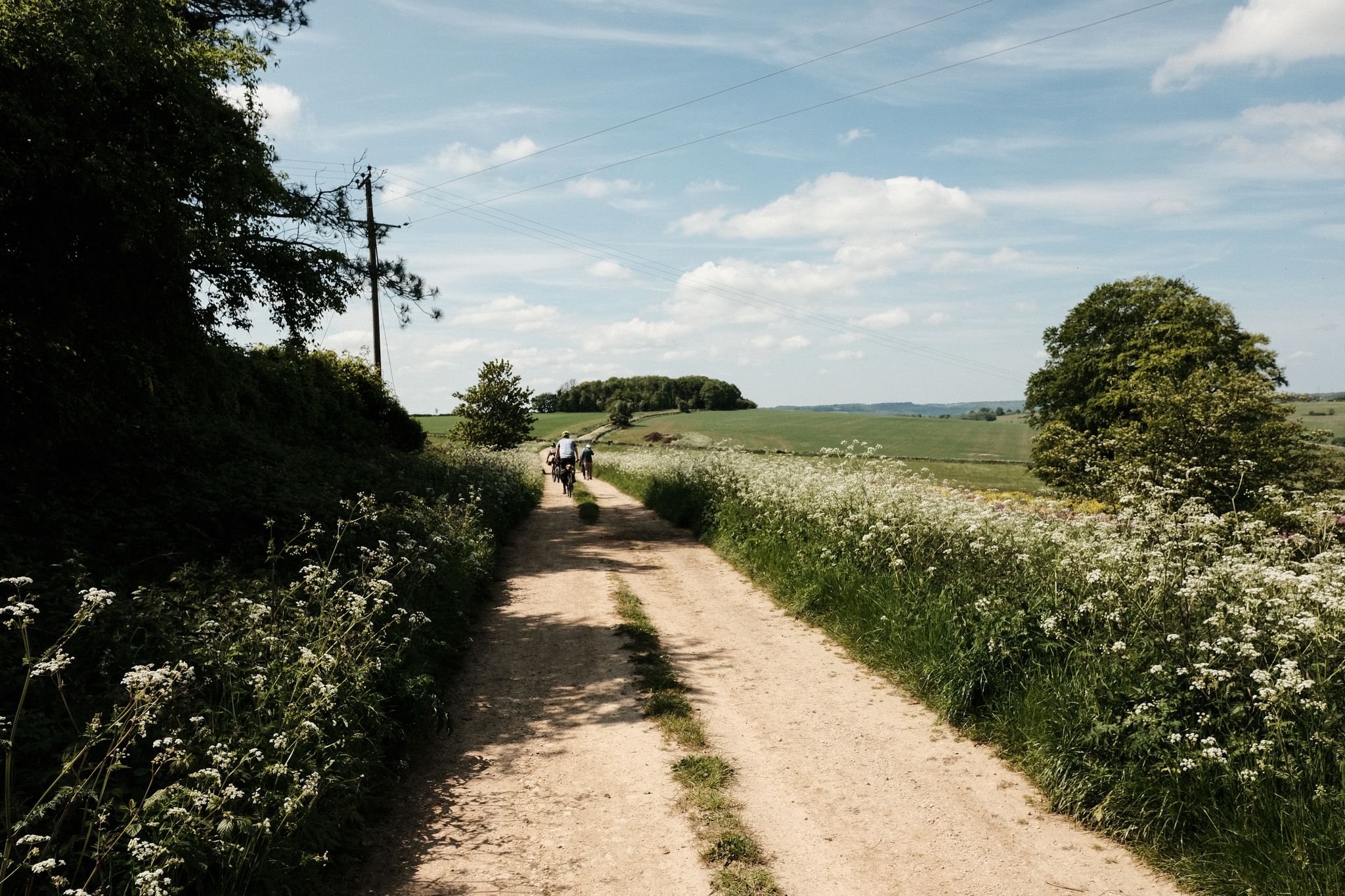
Middle Earth Loop — bikepacking the Wye, Malverns and Cotswolds
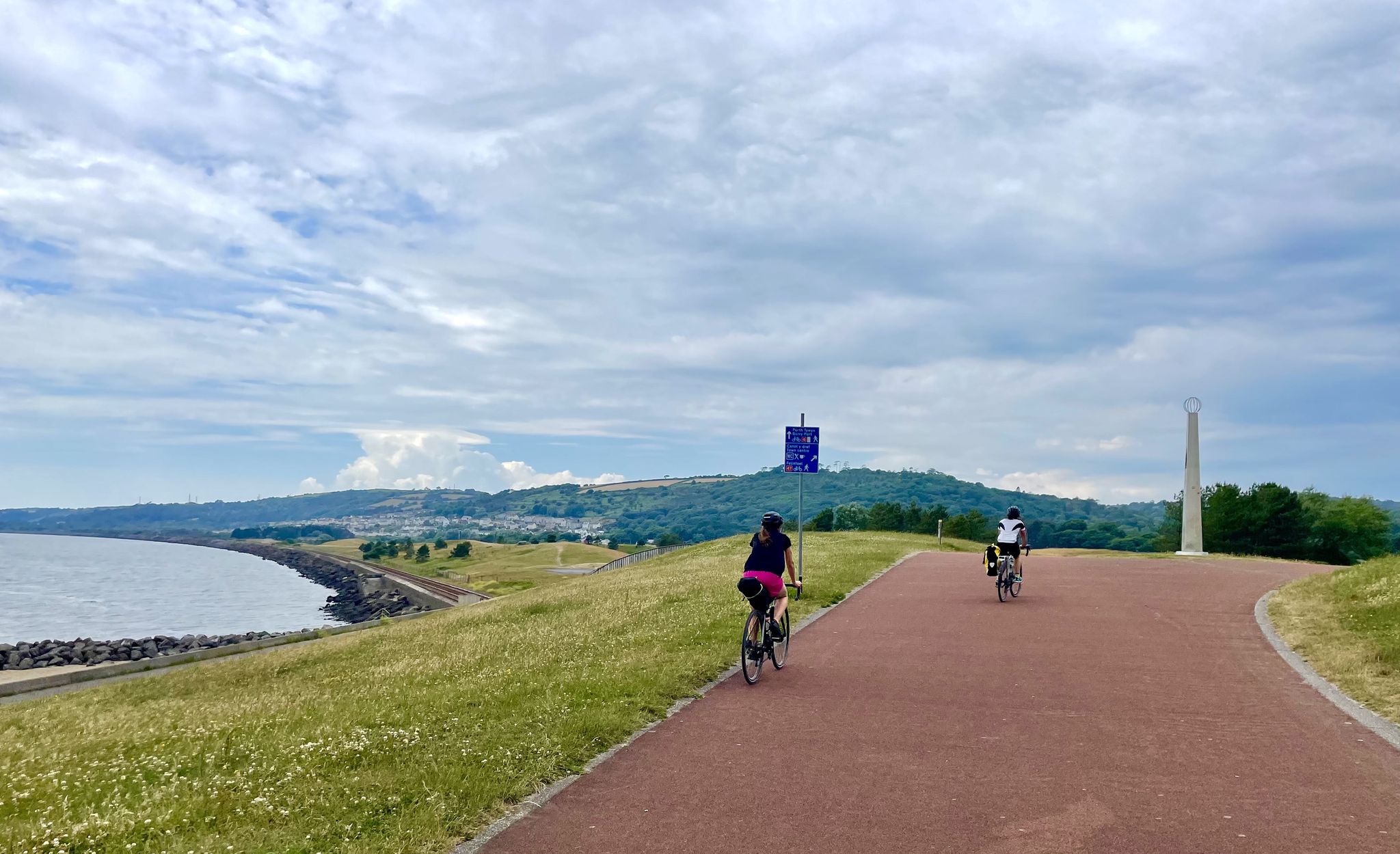
National Cycle Network Route 4 — Greenwich to Fishguard
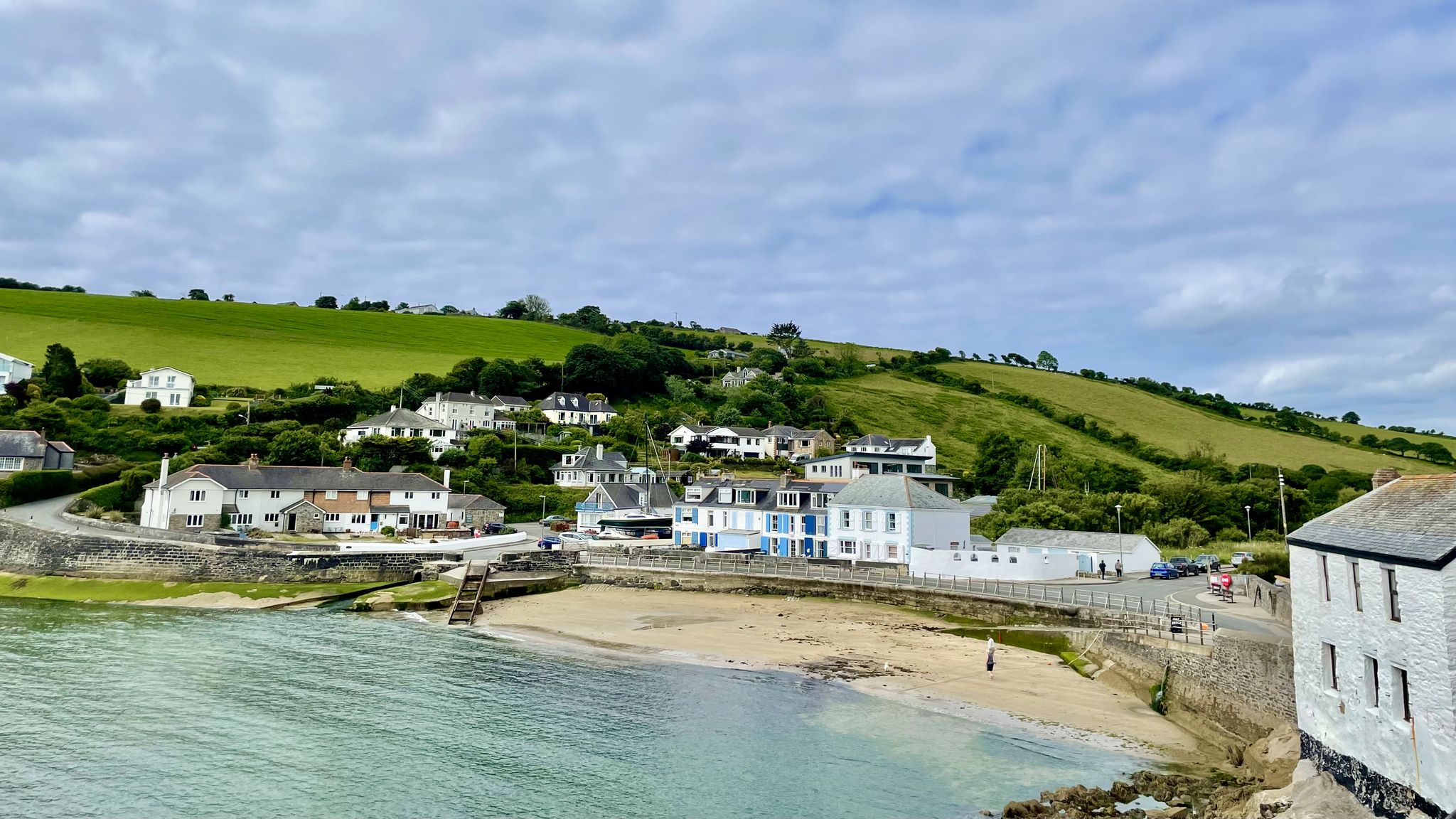
National Cycle Network Route 3 — Land's End to Bristol
Other adventures in South West England


Tips from the Community

The Old Town Hall in Corfe Castle, Dorset, is famous as the smallest town hall in England. Rebuilt around 1774 following a fire, its ground floor utilizes stone salvaged from the historic castle ruins. The tiny building features a 350-square-foot former council chamber on the first floor. Today, it is managed by the Corfe Castle Town Trust and houses a free local history museum on its ground floor.
0
0


Nice cafe. Usually art installations downstairs. Walks along coast and not far to Swanage. https://www.durlston.co.uk/
0
0

Make your Bakewell Slice last at the cafe. £3.80 and its a two-chomper :-)
0
0

Built by W.M. Hardy in 1886-87 entirely of local stone. The 'castle' was never a real castle: it was purpose-built by Burt as a restaurant for the visitors to his estate. The castle played a part in the evolution of radio and telecommunications. A team of Marconi's engineers used the roof of the castle in the 1890s for some of their early wireless experiments to transmit to the Isle of Wight. The castle passed through the hands of many owners until in 1973 it was bought by Dorset County Council. It was designated as a listed building at Grade II in 1983.
0
0

amazing visitor centre, views, galleries, exhibtions shop etc
0
0

One of the fortifications and defensive positions built by Henry VIII to defend the country.
0
0
Frequently Asked Questions
What are some of the most popular castles to visit in South West England?
Among the most popular castles in South West England are St Michael's Mount, a unique tidal island castle off the coast of Cornwall, and Tintagel Castle, famed for its dramatic coastal setting and Arthurian legends. Ashton Court Mansion, while a mansion, also features castle elements and is highly appreciated by visitors for its extensive estate and views across Bristol.
Are there family-friendly castles in South West England?
Yes, many castles in South West England offer family-friendly experiences. Ashton Court Mansion is noted for its family-friendly amenities, including a deer park and woodland. Longleat House, an Elizabethan estate with castle elements, is also very family-oriented, featuring a safari park and other attractions. Dartmouth Castle offers interactive exhibits and medieval tunnels that can engage younger visitors.
Which castles offer stunning natural views or coastal settings?
South West England's castles are often set in breathtaking natural environments. Tintagel Castle is dramatically perched on Cornwall's rugged coastline, offering panoramic views. St Michael's Mount is another coastal gem, accessible by causeway at low tide. Dartmouth Castle provides stunning clifftop views across the River Dart estuary. Corfe Castle, though inland, sits on a high ridge in the Purbeck Hills, offering commanding views of the surrounding landscape.
Can I find castles with historical significance beyond medieval times?
Absolutely. While many castles have medieval roots, South West England also features significant Tudor coastal forts. Pendennis Castle and St Mawes Castle in Cornwall, and Portland Castle in Dorset, were all built by Henry VIII to guard against invasion. These sites offer insights into 16th-century military architecture and coastal defense strategies.
Are there opportunities for outdoor activities like cycling or hiking near these castles?
Yes, the region offers numerous outdoor activities. For cycling, you can explore routes like the 'Bradford on Avon, Bath and the Two Tunnels Greenway' or 'The Exe Estuary trail loop from Exeter to Exmouth.' Mountain hikes are also popular, with trails such as the 'Godrevy Cove – Godrevy Lighthouse loop' in Cornwall or the 'View of Cheddar Gorge loop.' For more details on routes, visit the Cycling in South West England or Mountain Hikes in South West England guides.
What are the accessibility options for visitors with mobility concerns?
Accessibility varies by site due to the historical nature and terrain of many castles. While some sites like Wells Cathedral (which has castle elements) are noted as wheelchair accessible, others like Tintagel Castle involve steep climbs and many stairs. It is advisable to check the specific castle's official website for detailed accessibility information before your visit.
When is the best time of year to visit castles in South West England?
The spring and summer months (April to September) generally offer the best weather for exploring castles, with longer daylight hours and milder temperatures. This is ideal for enjoying coastal views and outdoor grounds. However, popular sites can be busy. Visiting in late spring or early autumn can provide pleasant weather with fewer crowds. Some castles, like Okehampton Castle, are particularly lovely in spring and early summer with wildflowers.
Are there castles where I can explore both historical sites and natural landscapes?
Many castles in South West England perfectly blend history with natural beauty. Tintagel Castle combines Arthurian legend with dramatic coastal scenery. Okehampton Castle offers significant ruins within a beautiful wooded setting, ideal for nature walks and riverside picnics. Dunster Castle provides magnificent views over Exmoor and includes river gardens with a working watermill.
What are the options for food and drink near these castle sites?
Many castle sites offer on-site cafes or are located near villages with dining options. Ashton Court Mansion has the 'Courtyard Cafe.' Dartmouth Castle also features a tearoom. Corfe Castle village, for instance, is built from local limestone and offers numerous places to eat and drink. Durlston Castle also has a cafe.
Are dogs allowed at castles in South West England?
Dog policies vary significantly between different castle sites, especially regarding access to indoor areas or specific grounds. While some sites may welcome dogs on leads in outdoor areas, others might have restrictions. It is always best to check the individual castle's official website for their specific dog-friendly policies before planning your visit.
How long should I plan for a visit to a castle?
The duration of a castle visit depends on its size and the extent of its grounds and exhibits. For smaller ruins like Okehampton Castle, 1-2 hours might suffice. Larger sites such as St Michael's Mount or Longleat House, especially with gardens or additional attractions, could easily take half a day or even a full day to explore thoroughly. Consider allowing extra time for travel, parking, and any on-site cafes.
How can I reach these castles using public transport?
Public transport options vary by location. Major towns like Falmouth (for Pendennis Castle) or Dartmouth (for Dartmouth Castle) are generally well-served by buses or trains. However, more remote sites like Tintagel Castle or Corfe Castle may require a combination of public transport and a local bus or taxi, or a longer walk. Always check local bus and train schedules in advance for the specific castle you plan to visit.
Are there any lesser-known or 'hidden gem' castles worth exploring?
Beyond the most famous sites, South West England offers several intriguing castles that might be considered hidden gems. Farleigh Hungerford Castle in Somerset provides insights into medieval life and religious art. St Mawes Castle, while a Tudor fort, is often overshadowed by its larger counterpart Pendennis, yet it is one of the best-preserved and elaborately decorated. Okehampton Castle, the largest 14th-century fortress in Devon, offers significant ruins in a scenic, wooded setting.
Most popular routes in South West England
Most popular attractions in South West England

Get inspired with the komoot mobile app


Didn’t find what you were looking for?
Explore South West England’s best castles region by region:
Explore more
Looking for the best castles somewhere else? Discover other guides in South West England:
