The 20 Most Amazing Peaks in Cantabria
Best mountain peaks in Cantabria are found within the Cantabrian Mountains range, offering diverse landscapes and challenging climbs. This northern Spanish region is characterized by its Carboniferous limestone and marl geology, leading to spectacular karst formations and deep river gorges. The area features a dramatic escarpment that drops sharply to the coastal plains, providing unique panoramic views. Cantabria is also a UNESCO Biosphere Reserve, rich in biodiversity.
Best mountain peaks in Cantabria
- The most popular mountain peaks is El Cable Viewpoint, a viewpoint that is the top station of the Fuente Dé cable car. This location, at 1,847 meters, offers panoramic views of the Picos de Europa and the Liébana Valley.
- Another must-see spot is La Viorna Cross, a summit and man-made monument. From its 1,086-meter altitude, visitors can see the eastern massif of the Picos de Europa and several villages.
- Visitors also love Jano Peak, a summit and viewpoint. This peak is the highest point of the Sierra de Collaín, providing an extraordinary 360º panorama over the Liébana region and the Picos de Europa.
- Cantabria is known for rugged, limestone, and karst peaks. The region offers a variety of mountain peaks to see and explore, from the dramatic "torres" of Picos de Europa to the long ridges of Sierra de Peña Sagra.
- The mountain peaks in Cantabria are appreciated by the komoot community, with more than 340 upvotes and 170 photos shared across various highlights.
Last updated: October 10, 2026
El Cable Viewpoint
Highlight • Viewpoint
Translated by Google •
Tip by

La Viorna Cross
Highlight • Summit
Translated by Google •
Tip by

Sign up now to discover places like this
Get recommendations on the best single tracks, peaks, & plenty of other exciting outdoor places.
Jano Peak
Highlight • Summit
Translated by Google •
Tip by

Torre de los Horcados Rojos
Highlight • Summit
Translated by Google •
Tip by

Tres Mares Peak
Highlight • Summit
Translated by Google •
Tip by
Castro Valnera Summit
Highlight • Summit
Translated by Google •
Tip by
Brusco (Mijedo)
Highlight • Summit
Translated by Google •
Tip by

Punta Ballota
Highlight • Viewpoint
Translated by Google •
Tip by

Pico Vizmaya
Highlight • Summit
Translated by Google •
Tip by

Peñas Blancas Summit
Highlight • Summit
Translated by Google •
Tip by

Sign up for free to discover even more peaks in Cantabria.
Already have an account?
Start today with a free account
Your next adventure awaits.
Popular around Cantabria
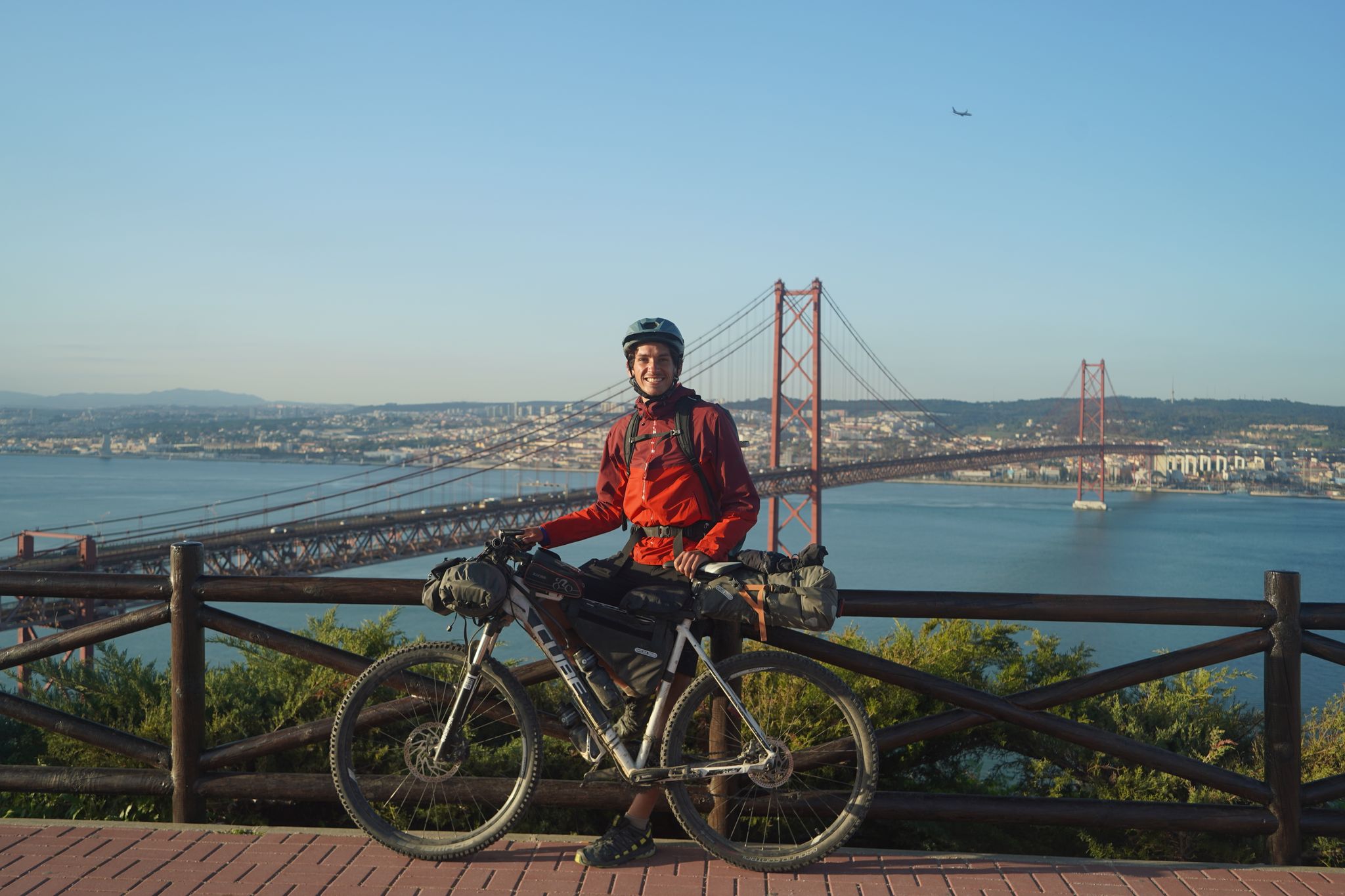
Road to Lisbon – bikepacking the Alps, Pyrenees and Picos de Europa
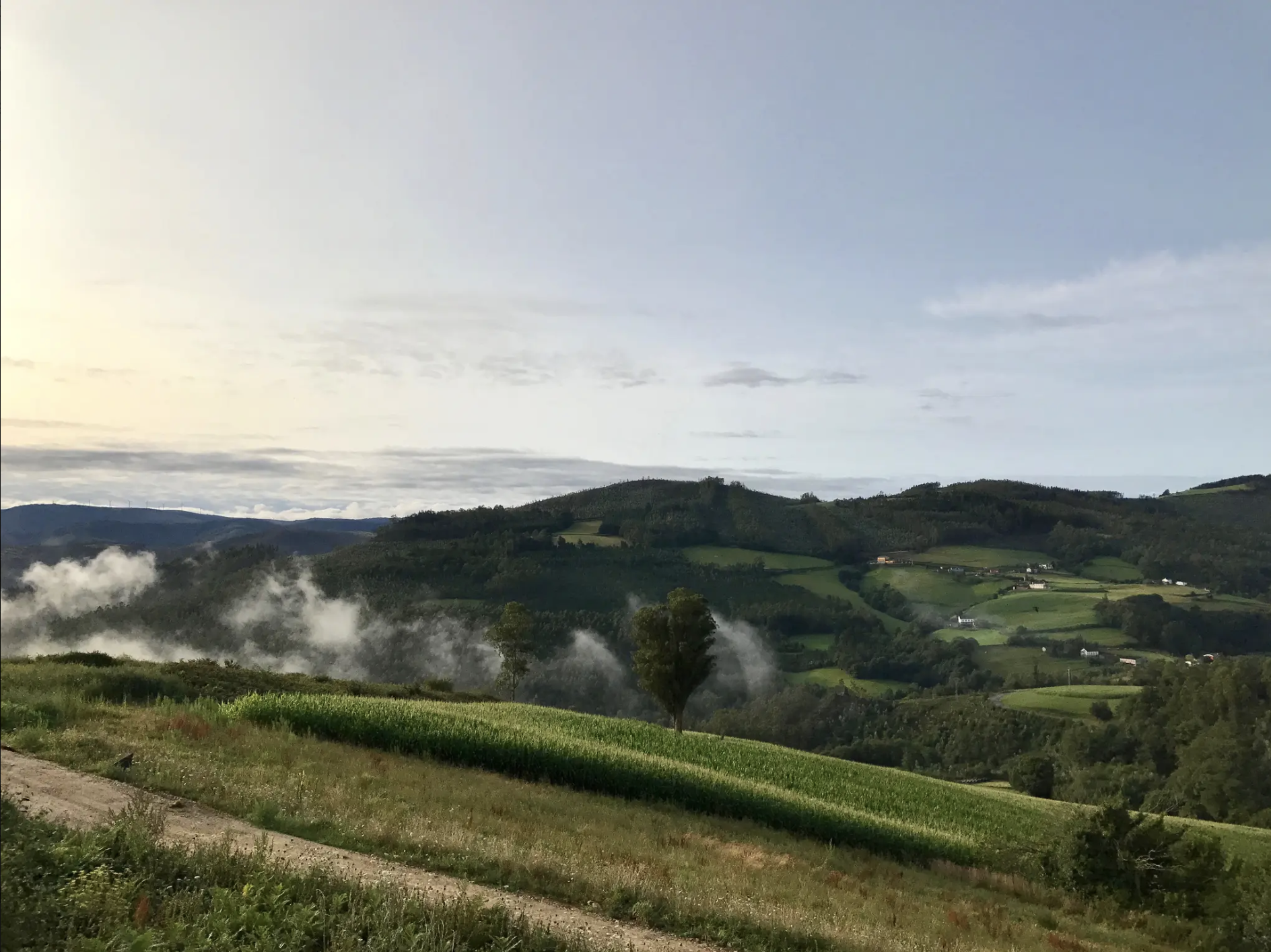
Camino del Norte (in reverse) – Discovering northern Spain's stunning coastline
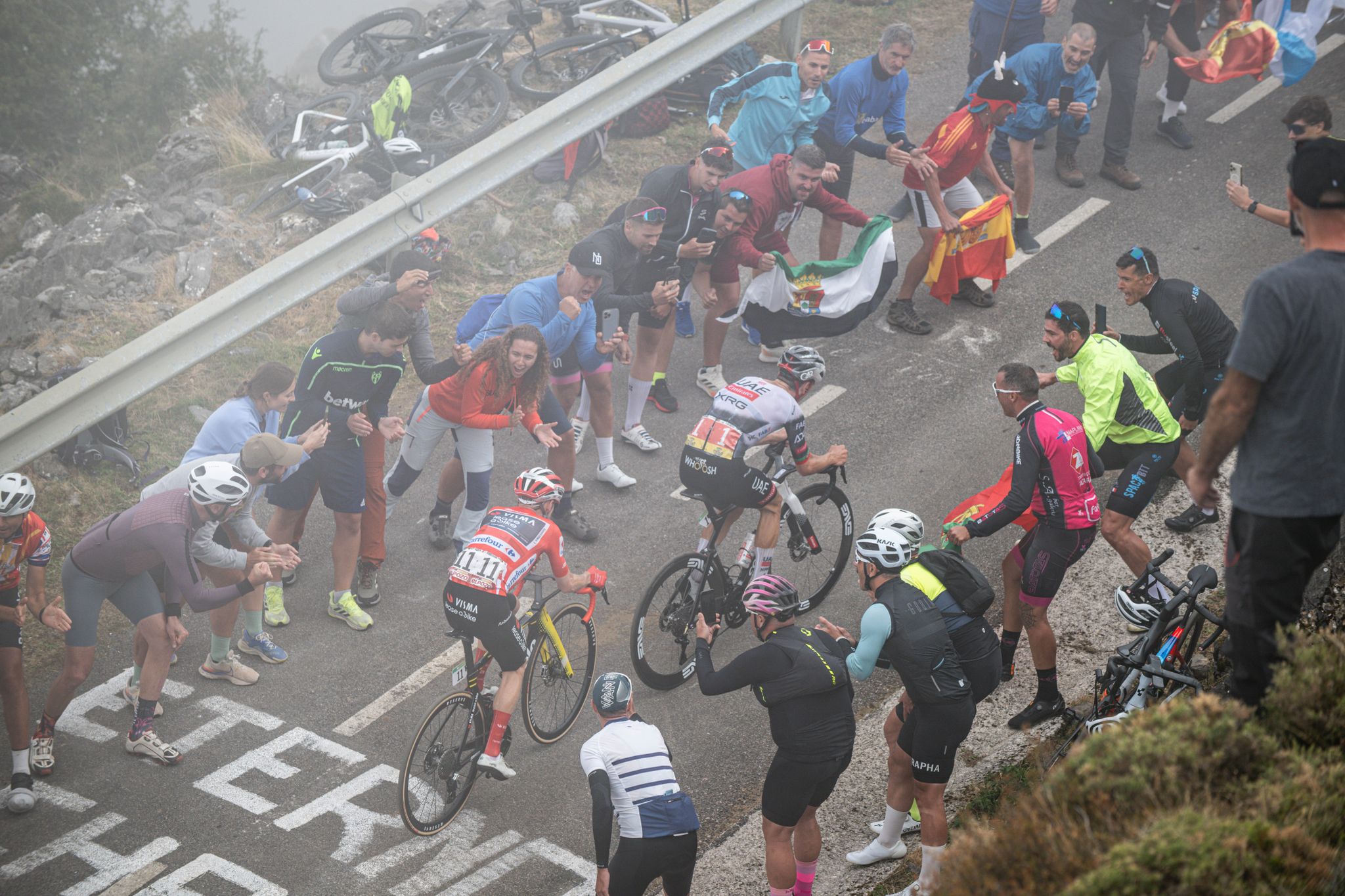
Mythical Passes and Sections of La Vuelta
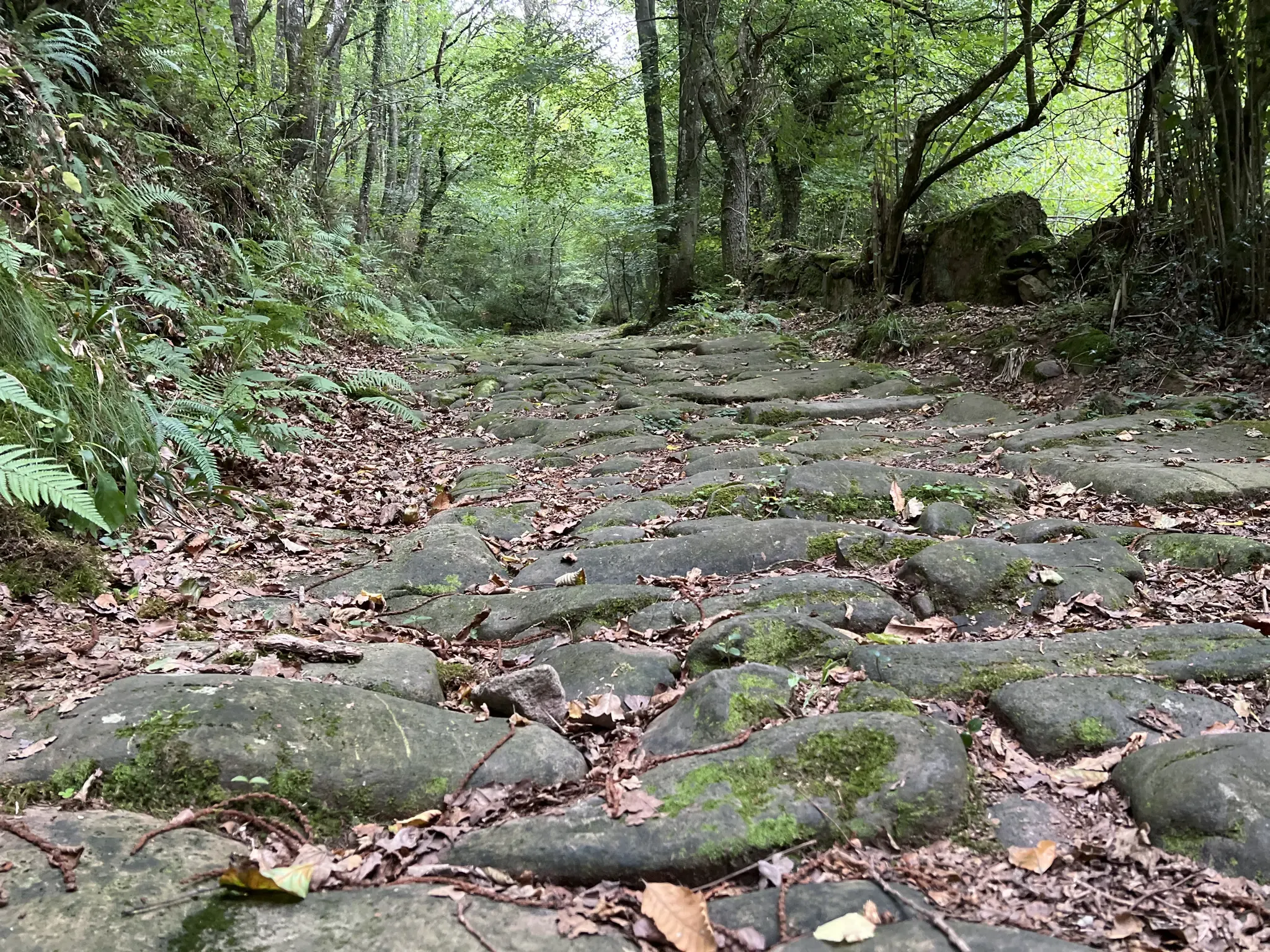
La Calzada de los Blendios (GR 73) — From the plateau to the sea
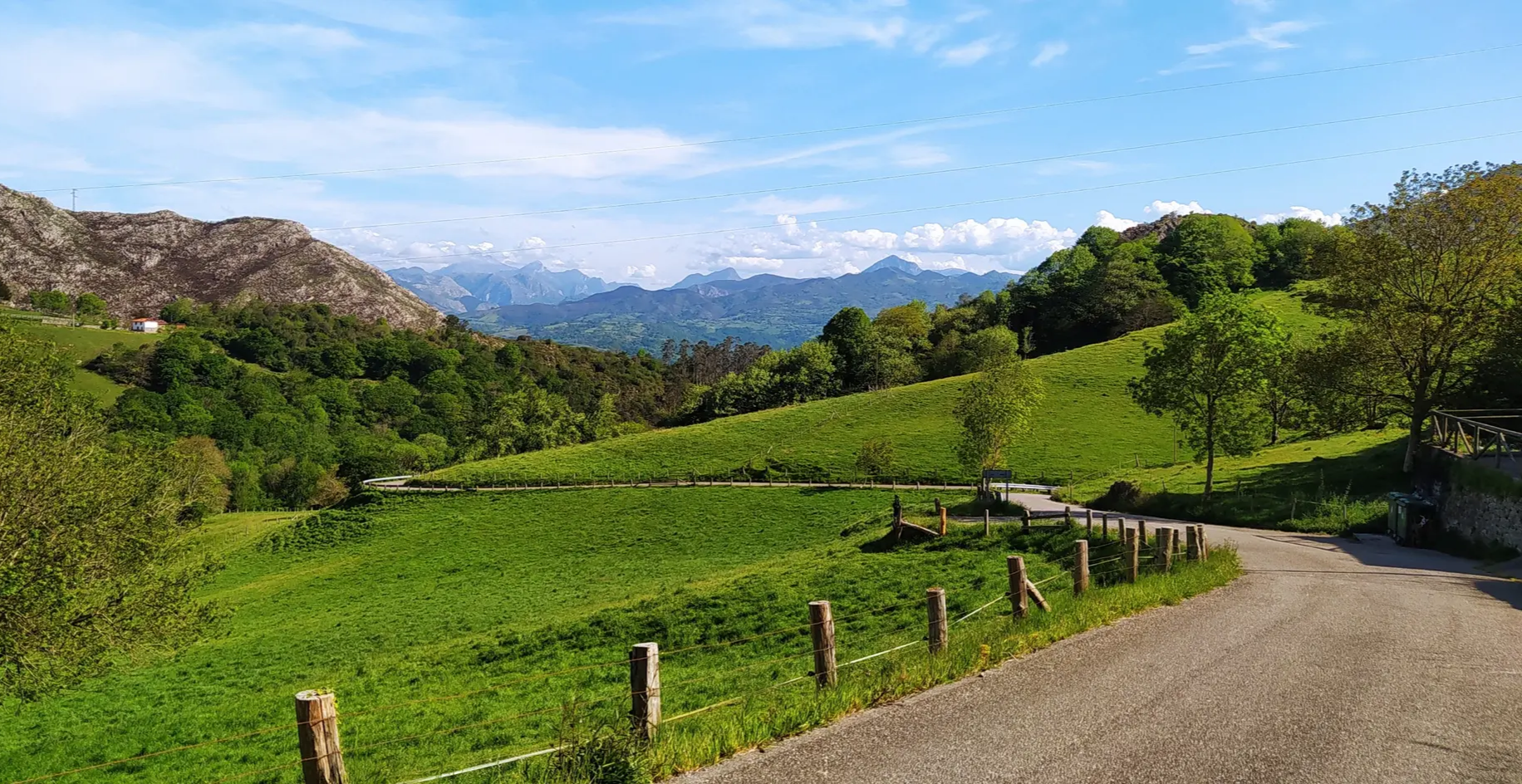
Great mountain passes of Picos de Europa on road bikes
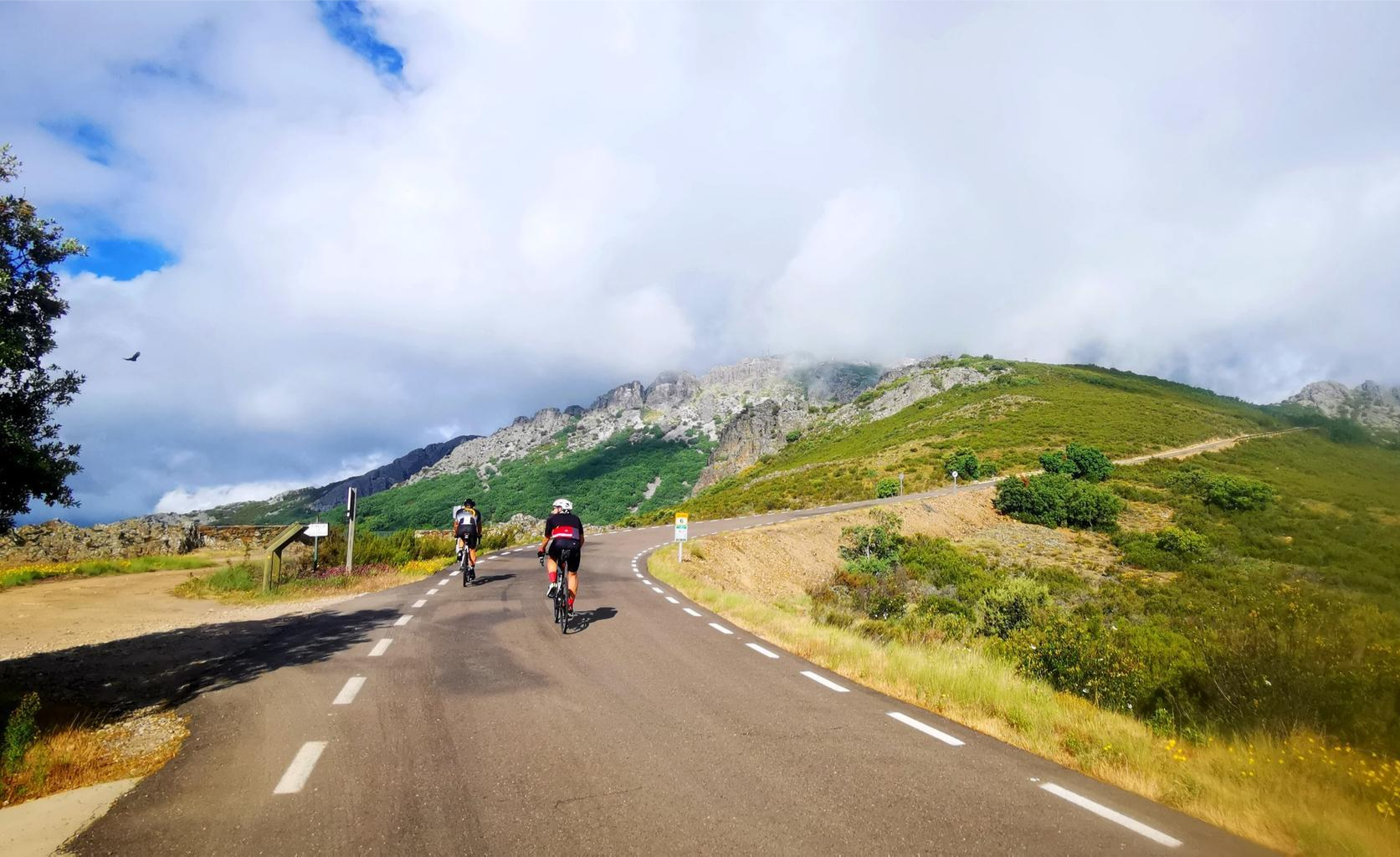
Legendary climbs - Ports of La Vuelta a España
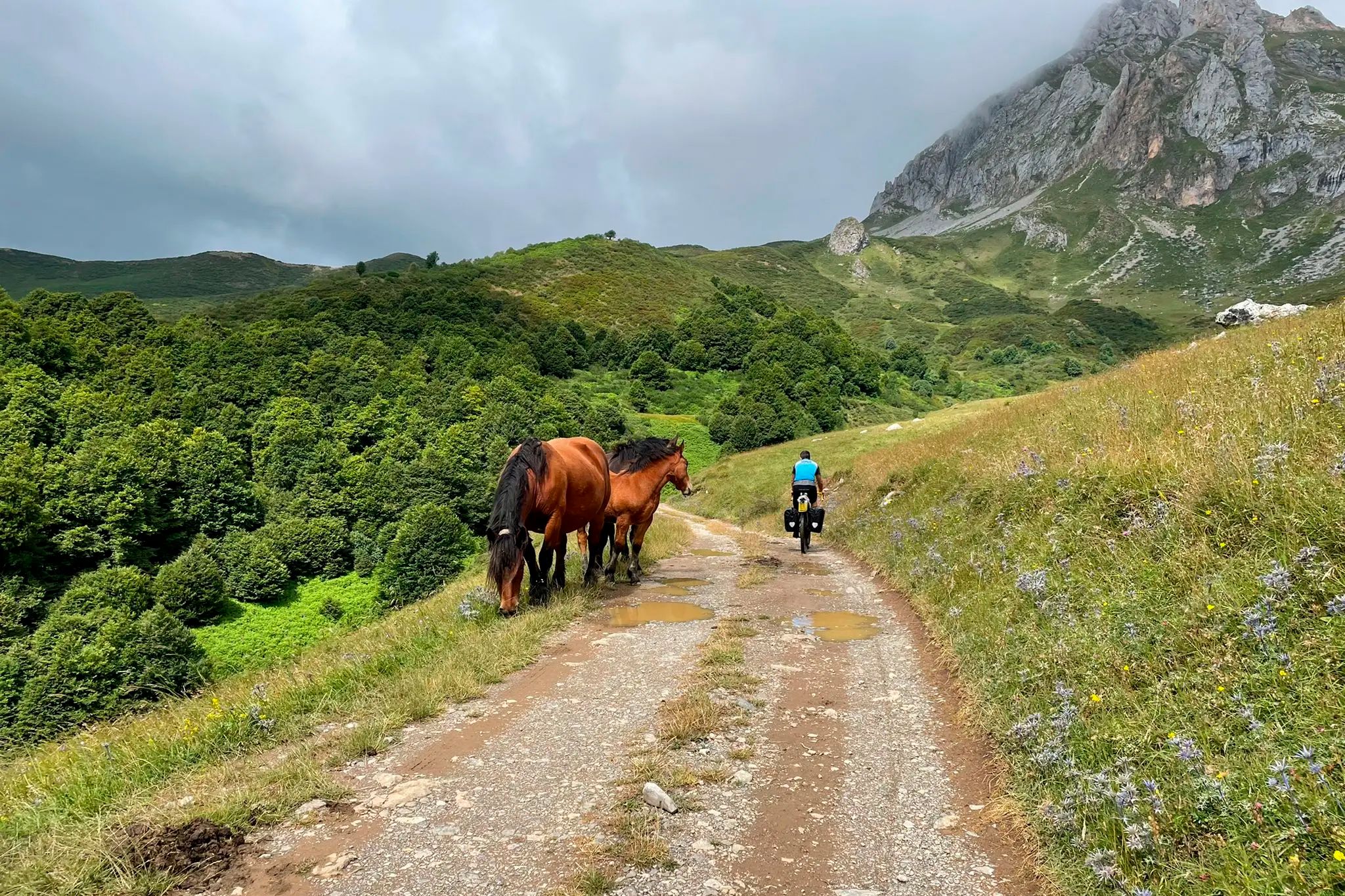
TransCantabrica – Extreme mountain biking in northern Spain
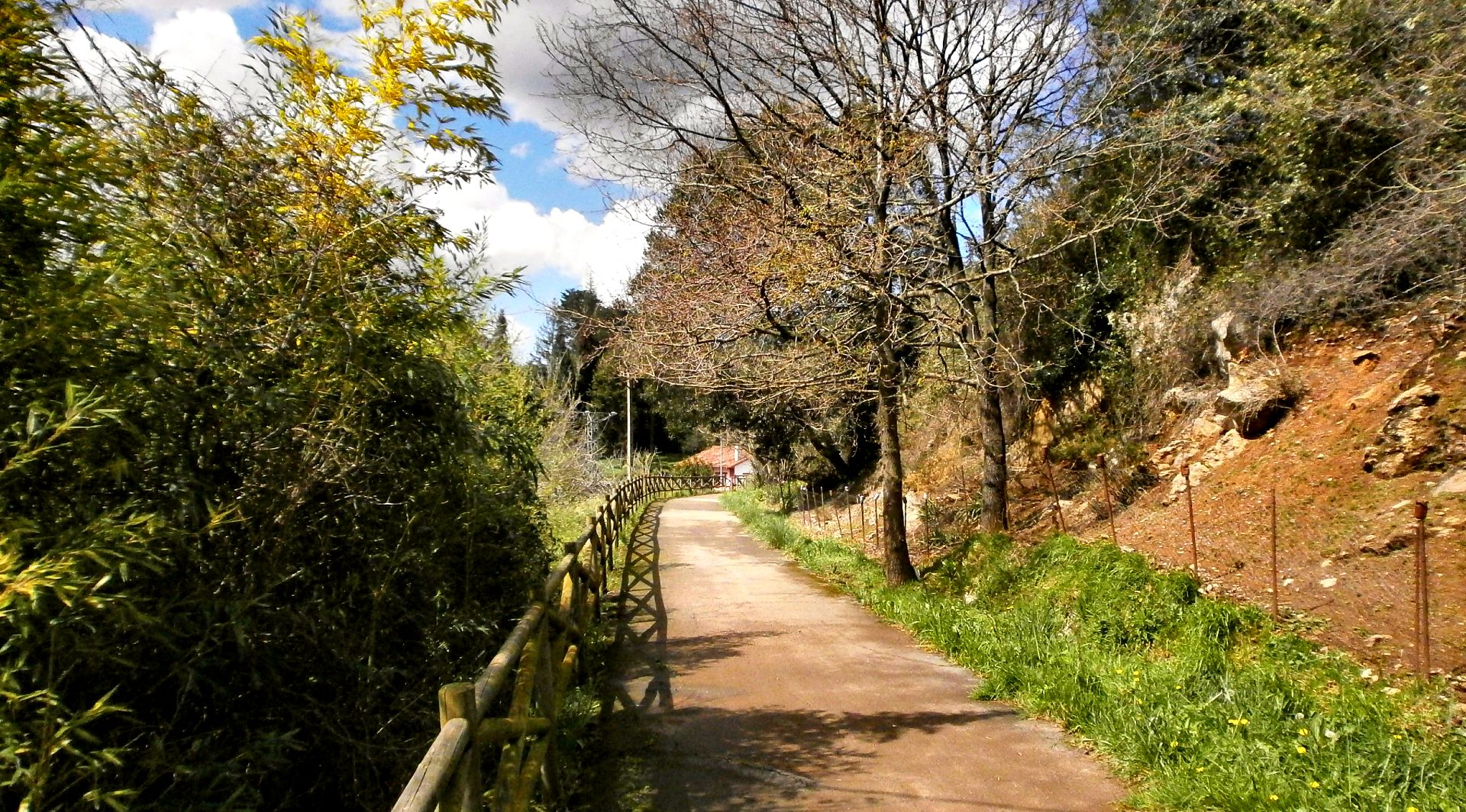
Vía Verde del Pas - Along the Riverbank through Cantabria
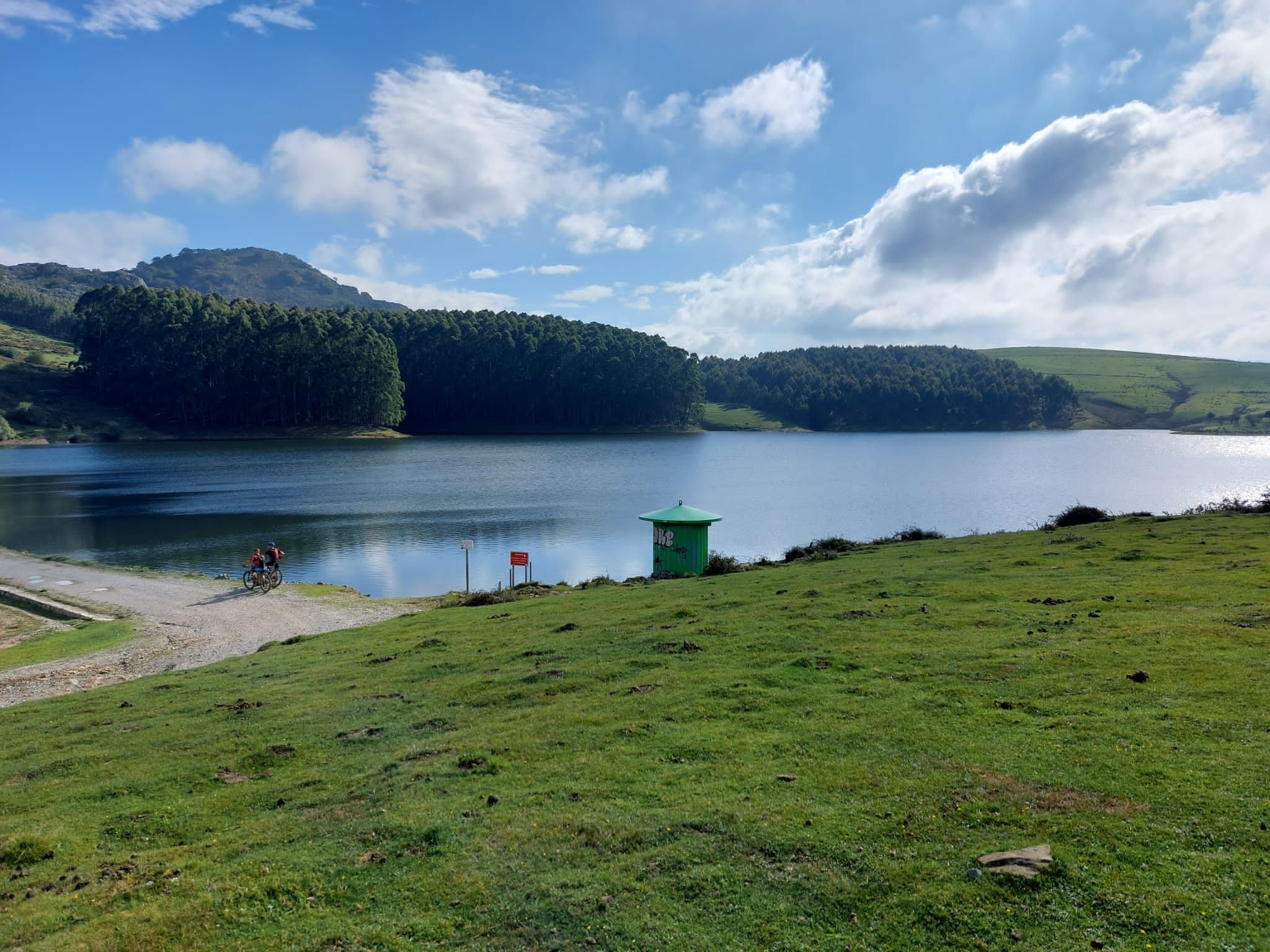
Cycle between land and sea in northern Spain – Pedales de Cantabria
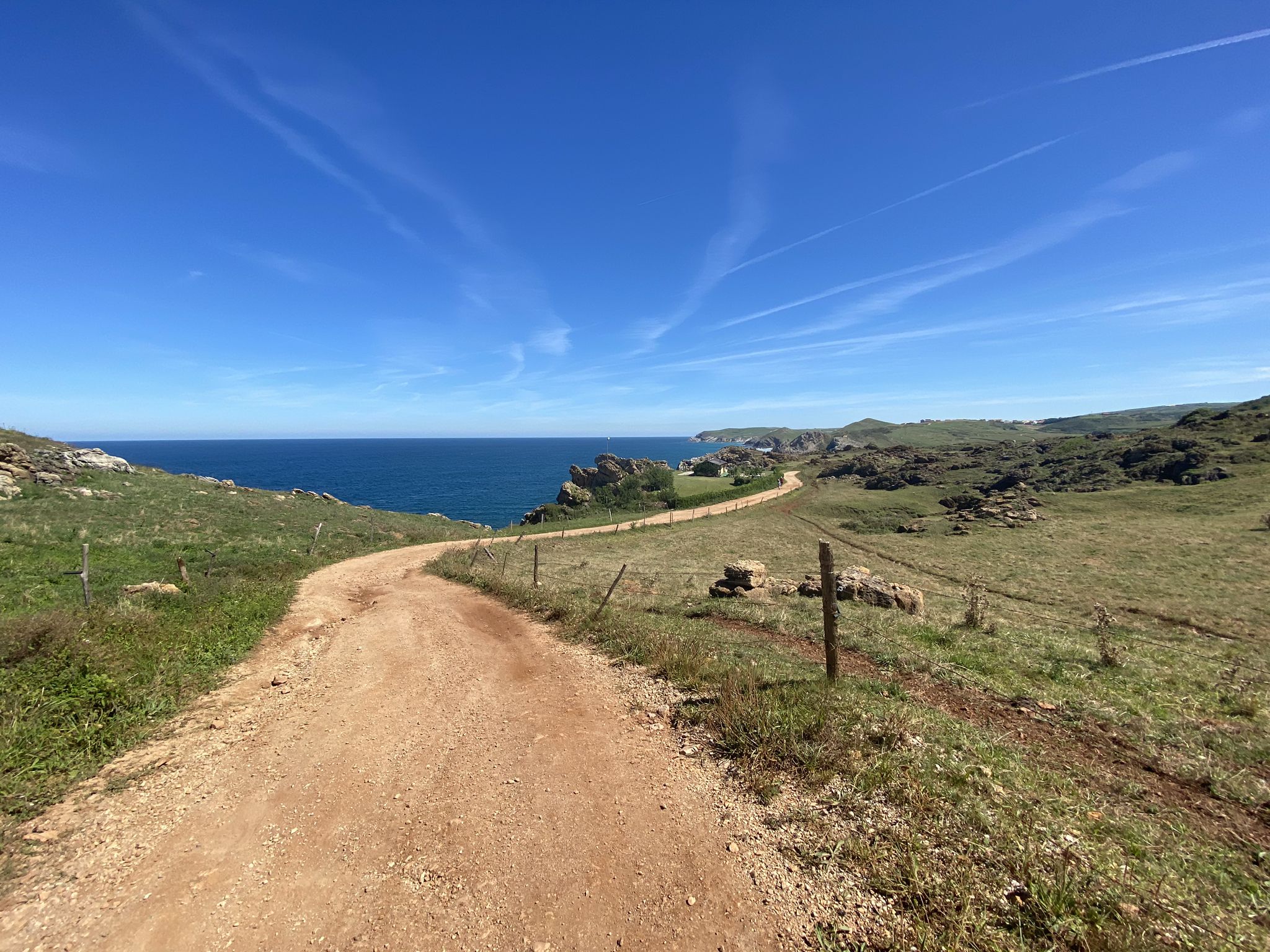
Paths and waves – surf trip by bike in Cantabria
Other adventures in Cantabria


Tips from the Community

The 2500m high Torre de los Horcados Rojos was quite challenging for me but doable, a great destination at the end of an obviously very popular tour starting from the mountain station of the Fuente Dé cable car - the king tour of my holiday this year. Partially breathtaking views in all directions, even if you don't stand dangerously close to the edge. Shortly before the summit, there is a somewhat hairy crossing from a fore-summit to the very top - I went to the left and then up, but some others also went straight up on the right side.
0
0
The Pico Tres Mares offers a great view of the surrounding peaks and valleys. The three valleys, each separated by mountain ridges, drain via their respective river systems into the Mediterranean Sea (Rio Hijar / Ebro), the Cantabrian Sea (Rio Nansa), and the Atlantic Ocean (Rio Pisuerga), from which the summit gets its name. From up here, you can also clearly see the beginning of the path to Peña Labra, which essentially runs along or near the ridge to the west - and with reasonably good visibility, the Picos de Europa are clearly visible to the northwest, standing out distinctly from the surrounding mountains of the Cordillera Cantabrica, even if some are not that much lower. There is a viewing platform at the summit - not pretty, but it allows even visitors without mountain experience to look around safely.
0
0

Today, unusually, there weren't hundreds of mosquitoes at the summit.
1
0

Impressive views from this point, be careful when you reach the end of the trail, there is a lot of vegetation and the edge is not clearly visible.
0
0

In front of this summit cross crowning the heights of La Viorna, the following thoughts from Pope Francis – who died on Easter Monday this year – may be helpful to those who linger on the summit after the climb: "In the Resurrection of Christ, each of our destinies finds its place in the infinite horizon of eternity. Only from his death and resurrection does the certainty arise that nothing will be able to separate us from the love of God [as the Apostle Paul writes in his Letter to the Romans, chapter 8]. From this great hope comes every other glimmer of light with which we can overcome life's trials and obstacles. And not only that: the Risen One also walks with us and becomes our companion, as with the disciples on the road to Emmaus."
0
0

Cross of Viorna. From the summit, situated at an altitude of 1,151 metres, you can see the eastern massif of the Picos de Europa, the villages of Mieses, Argüébanes, San Pelayo, Brez; some houses in Tanarrio, Mogrovejo and, travelling along the summit, you can also see the monastery of Santo Toribio de Liébana, the roofs of Congarna, Beares, Redo and Bodia, in the municipality of Camaleño.
1
0

A varied tour with a box seat view of the southern Picos in Spain: This circular hike does not run through the Picos de Europa itself, but it has everything that makes a hiker's heart beat faster in Cantabria: Comfortable, wide paths alternate with short, steep climbs on narrow paths, sometimes it goes through sparse forests, sometimes the eye can hardly get enough of the views. The whole thing is spiced up with two small ponds that invite you to have a picnic along the way, a small, Stone Age megalithic tomb and the (albeit barely visible) remains of an Iron Age settlement. The brilliant highlight of the tour is the Pico Jano. From the almost 1,500 m high summit and the subsequent short ridge hike, you can look out over the entire south side of the Picos de Europa, the Liébana valley and to the south over the Cantabrian divide as if from a box seat.
2
0
Frequently Asked Questions
What are some of the most notable mountain peaks in Cantabria?
Cantabria is home to diverse and impressive peaks. The Picos de Europa, shared with Asturias and León, feature rugged, jagged 'torres' like Peña Vieja (the highest point in Cantabria at 2,619 m) and Pico Tesorero. Further east, Castro Valnera stands as the highest summit in that sector. The Sierra de Peña Sagra offers peaks like Cornón (2,047 m), known for its panoramic views.
Where can I find the best panoramic views of the Picos de Europa from Cantabria?
For breathtaking views of the Picos de Europa, consider visiting the Sierra de Peña Sagra, often called the 'Balcony of the Picos'. Another excellent spot is El Cable Viewpoint, which is the top station of the Fuente Dé cable car, offering spectacular vistas of the Picos and the Liébana Valley. From Jano Peak, you can also enjoy an extraordinary 360º panorama over the Liébana region and the Picos de Europa.
What kind of terrain can I expect when hiking in Cantabria's mountains?
The Cantabrian mountains are characterized by rugged, Carboniferous limestone and marl geology, leading to spectacular karst formations, deep river gorges, and dramatic escarpments. You'll encounter steep, rocky, and jagged peaks, especially in the Picos de Europa. Areas like Castro Valnera also feature rugged terrain with limestone outcrops and evidence of glacial morphology.
Are there family-friendly mountain peaks or trails in Cantabria?
Yes, several spots offer family-friendly experiences. El Cable Viewpoint is accessible via cable car, making it easy for families to enjoy high-altitude views. La Viorna Cross is another summit with family-friendly access, offering views of the Picos de Europa and surrounding villages. The hermitage of San Esteban (Monte Corona) also provides beautiful panoramic views from a recreational area with tables.
What unique natural features characterize the Cantabrian mountains?
The Cantabrian mountains are renowned for their Carboniferous limestone and marl geology, resulting in spectacular karst formations, deep river gorges, and a dramatic escarpment that drops sharply to the coastal plains. The Picos de Europa is a UNESCO Biosphere Reserve, rich in biodiversity, including deciduous woodlands and alpine grasslands. Pico Tres Mares is a unique hydrological marvel, acting as a tripartite watershed where waters flow to the Atlantic, Cantabrian, and Mediterranean seas.
When is the best time to visit the mountain peaks in Cantabria?
The best time largely depends on your desired activity. For hiking and enjoying the scenic views, the warmer months from late spring to early autumn are ideal. However, be aware that higher routes can still have snow or ice outside of summer. For winter sports, the Alto Campoo ski resort peaks are popular from December to April. Always check local weather conditions, especially in the Picos de Europa, as fog can descend rapidly, and routes can become dangerous with wet ground or snow.
What outdoor activities can I do near Cantabria's mountain peaks?
The region offers a wide range of outdoor activities. You can find numerous hiking trails, from moderate to challenging, including routes like the 'Viewpoint – Horcados Rojos loop from Fuente Dé'. For mountain biking, there are challenging trails such as the 'Ándara Massif Loop'. You can explore more options for hiking, mountaineering, and MTB on the respective guide pages: Mountain Hikes in Cantabria and MTB Trails in Cantabria.
Are there any historical or cultural sites associated with the mountain peaks?
Yes, beyond natural beauty, you can find cultural elements. La Viorna Cross is a prominent man-made monument on a summit. The hermitage of San Esteban on Monte Corona offers historical context alongside its views. Additionally, Pico Vizmaya is noted as a summit with historical significance.
Which peaks offer challenging climbs for experienced mountaineers?
For experienced mountaineers, the Picos de Europa offer challenging climbing routes, particularly on peaks like Pico Tesorero. The ascent to Castro Valnera Summit is rated as challenging due to steep ascents and potentially dangerous conditions with fog or wet ground. Peña Prieta, located in the Fuentes Carrionas Massif, also attracts mountaineers with its high summits and deep valleys.
Can I enjoy winter sports in the Cantabrian mountains?
Yes, the Cantabrian mountains are a popular destination for winter sports. The Alto Campoo Ski Resort, with its highest point at Cuchillón (2,250 m), offers 28 kilometers of marked pistes for skiing and snowboarding during the winter months. Even outside of winter, these peaks provide excellent hiking opportunities.
What is the highest point entirely within Cantabria?
While Peña Vieja (2,619 m) is the highest point in Cantabria within the Picos de Europa, Peña Prieta (2,539 m) is one of the highest peaks located entirely within the Cantabrian region, specifically in the Fuentes Carrionas Massif.
Are there coastal mountain peaks in Cantabria?
Yes, Cantabria's unique geography means some peaks offer views combining mountains with glimpses of the Cantabrian Sea. The Picos de Europa, for instance, are only about 15 kilometers from the coast. From Castro Valnera Summit, on a clear day, you can see the Cantabrian Sea and Santander. Brusco (Mijedo) is another summit that offers views of the beach and coast.
Most popular routes in Cantabria
Most popular attractions in Cantabria

Get inspired with the komoot mobile app


Didn’t find what you were looking for?
Discover Cantabria’s best peaks and summits by region:
