Top 8 Castles around Cabanabona
Castles around Cabanabona, a municipality in the province of Lleida, Catalonia, Spain, offer insights into medieval history. The area is known for its historical sites, including remnants of defensive architecture from the 11th and 12th centuries. Visitors can explore 8 castles, many of which played a role as border fortifications during the Reconquista. This region provides a tangible connection to the past, showcasing early military architecture and historical landscapes.
Best castles around Cabanabona
- The most popular castles is Florejacs Castle…
Last updated: October 10, 2026
Florejacs Castle
Highlight • Castle
Translated by Google •
Tip by

Les Pallargues Castle
Highlight • Castle
Translated by Google •
Tip by
Sign up now to discover places like this
Get recommendations on the best single tracks, peaks, & plenty of other exciting outdoor places.
Concabella Castle
Highlight • Castle
Translated by Google •
Tip by

Sanaüja Castle
Highlight • Castle
Located at the top of the town. Currently in dilapidated condition.
We cannot leave without visiting Sanahuja and its streets. Easy access
Translated by Google •
Tip by
Grialó Castle
Highlight • Castle
Translated by Google •
Tip by
Start today with a free account
Your next adventure awaits.
Tips from the Community

Sanahuja Castle is an impressive fortress located in the Segarra region, in the province of Lérida. This castle, which stands on a hill overlooking the town of Sanahuja, has a rich history dating back to the 11th century. Over the centuries, the castle has undergone various construction phases, including its transformation into a bishop's palace in the 16th and 17th centuries. Noteworthy from this period is the five-eyed bell tower, which served as a bell tower until 1929.
5
0

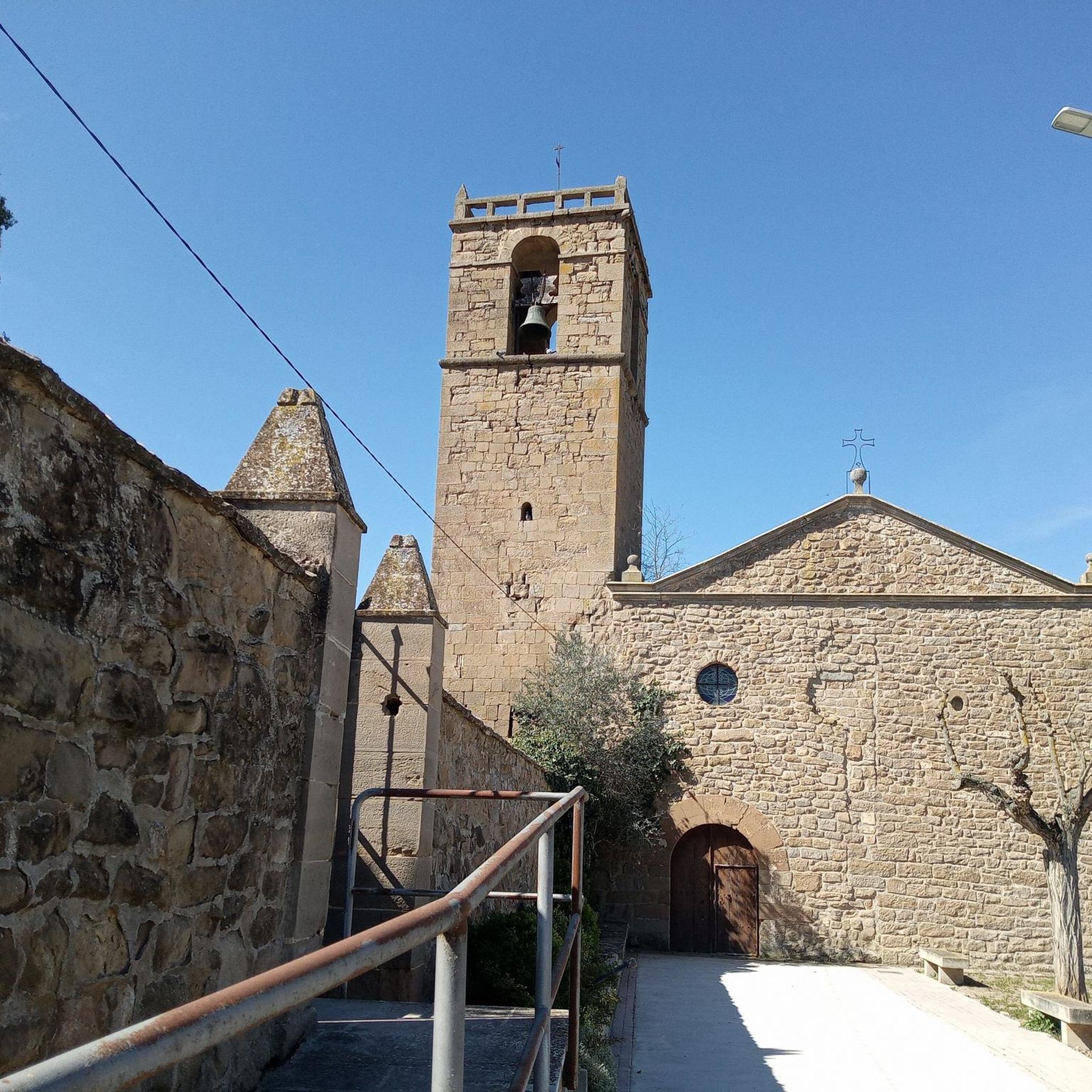
Castle that is located at the top of the same nucleus and that has been one of the key points for the development of the population until today. Nowadays only the bell tower can be seen, but in the past it was a large wall that surrounded the mountain. It is found taking the road heading east.
0
0


Les Pallargues Castle, which is part of the Sió Castles Route, is a place that transports you to the medieval past. The guided tour is highly recommended to get an idea of what it was like and how people lived there throughout its thousand years of history.
0
0
In the Segarra region, which forms part of the Sió Castles route, we come across the Florejacs castle, which was part of the Reconquest as a border line between Arabs and Christians. Can visit.
1
0
The castle of Sanahuja is part of the Segarra castles route. Located at the top of the town. Currently in dilapidated condition. We cannot leave without visiting Sanahuja and its streets. Easy access
0
0
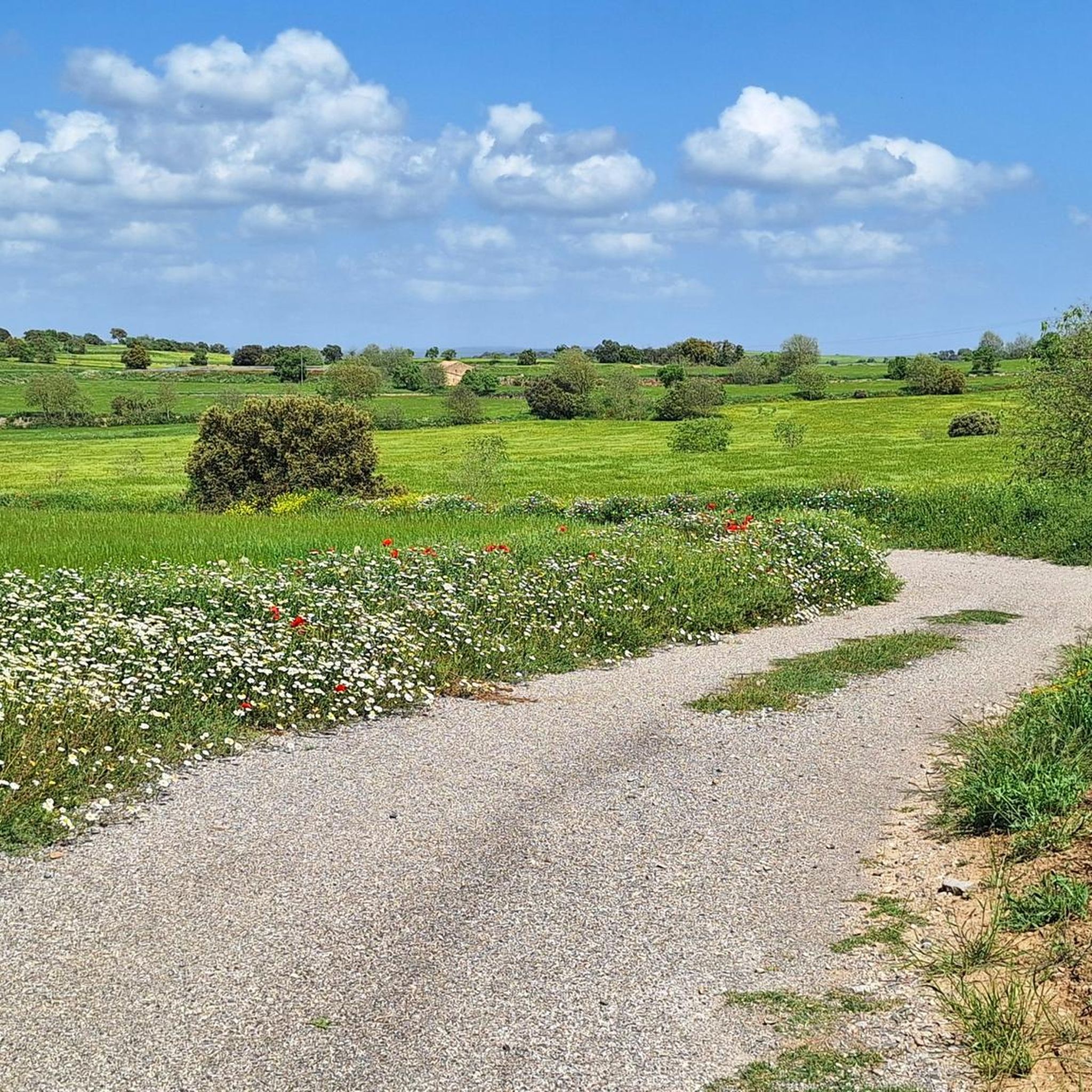
Florejacs castle is part of the Segarra castles route. Located in the homonymous town that stands on a small hill, in the middle of cultivated fields. This building was part of the border line between the Arab world and the Christian world at the time of the Reconquest. We can visit it, but we must inform ourselves of the schedules.
1
0
At present only the bell tower of the Sanaüja castle is preserved, but even this can be seen from the town of Sanaüja itself.
0
0
Frequently Asked Questions
Where is Cabanabona located?
Cabanabona is a municipality situated in the province of Lleida, within Catalonia, Spain. It's known for its historical sites, particularly its medieval castles.
What is the historical significance of the castles around Cabanabona?
The castles in this region, such as Florejacs Castle, played a crucial role as border fortifications during the Reconquista, marking the line between Arab and Christian territories. They offer a tangible connection to medieval defensive strategies and daily life.
Are there any family-friendly castles to visit in the area?
Yes, Concabella Castle is noted as a family-friendly historical site. Many castles in the region offer insights into history that can be engaging for all ages.
What is the Torre de Vilamajor and why is it worth visiting?
The Torre de Vilamajor is a prominent 11th or 12th-century circular watchtower, representing the remains of the former Castell de Vilamajor. It's worth visiting for its well-preserved medieval architecture, including its imposing size, thick walls, and a historically high entrance requiring a ladder. The site also features remnants of a moat and a 'vila closa' (closed village) concept, offering a unique historical landscape. Exterior access is free.
Are there any castles that are part of a specific route or trail?
Yes, several castles are part of regional routes. Florejacs Castle and Ribelles Castle are part of the Segarra castles route. Ratera Castle and Concabella Castle are part of the Castells del Sió route.
What kind of outdoor activities can I do near the castles?
The area around Cabanabona offers various outdoor activities. You can find numerous cycling routes, such as the 'Bridges - Oliola - Cabanabona' loop, and running trails like the 'Circular Route of the Castillo de Sanahuja'. There are also hiking opportunities, including the 'La Pleta de la Segarra - Circular Route'. For more details, explore the cycling, running, and hiking guides for the region.
Are there hiking trails that include castles?
Yes, you can find hiking trails that pass by or near castles. For example, the 'Ribelles (Vilanova de l'Aguda) – Ribelles Castle loop from Sanaüja' is a moderate 10.3 km hike. You can find more hiking options in the Hiking around Cabanabona guide.
What do visitors enjoy most about the castles in Cabanabona?
Visitors appreciate the historical depth and architectural styles of the castles, many of which served as border fortifications. The opportunity to explore sites like Florejacs Castle, set amidst cultivated fields, and the small town surrounding Ratera Castle, are frequently mentioned highlights.
Can I visit the castles in winter?
While the exterior of many castles, like the Torre de Vilamajor, can be explored year-round, specific opening hours for interiors, such as at Florejacs Castle, may vary seasonally. It's advisable to check schedules in advance, especially during the colder months, as some sites might have reduced hours or be closed.
Are there any castles in ruins that still offer a good experience?
Yes, Ribelles Castle, though currently in ruins, is part of the Segarra castles route and offers a historical complex to explore from the outside. Similarly, Grialó Castle, dating from the 11th century, is in poor condition but provides a historical viewpoint from the top of Grialó hill.
What is the best time of year to visit the castles around Cabanabona?
The region generally experiences pleasant weather during spring and autumn, making these seasons ideal for exploring the castles and engaging in outdoor activities. Summers can be hot, while winters are milder but may have limited access to some indoor castle areas.
Most popular routes around Cabanabona
Most popular attractions around Cabanabona

Get inspired with the komoot mobile app


Explore more
Looking for the best castles somewhere else? Discover other guides around Cabanabona:
