Top 9 Caves around Altura
Caves around Altura, a region in Portugal, offer a diverse range of underground explorations. The area features natural rock formations, historical sites, and accessible cave systems. These locations provide insights into both geological processes and human history, from ancient shelters to more recent wartime constructions. The landscape around Altura is characterized by its rugged terrain, which has contributed to the formation and use of these subterranean spaces.
Best caves around Altura
- The most popular caves is View of Olocau and…
Last updated: May 1, 2026
Ruins of Las Cuevas Calientes
Highlight • Cave
Translated by Google •
Tip by

Caves
Highlight • Cave
Translated by Google •
Tip by

Sign up now to discover places like this
Get recommendations on the best single tracks, peaks, & plenty of other exciting outdoor places.
Sign up for free
Cueva de Sacañé
Highlight • Cave
Translated by Google •
Tip by

View of Olocau and the Cliffs of Cova del Cavall
Highlight • Viewpoint
Translated by Google •
Tip by

Civil War shelters
Highlight • Historical Site
Translated by Google •
Tip by

Sign up for free to discover even more caves around Altura.
Sign up for free
Already have an account?
Start today with a free account
Your next adventure awaits.
Login or Signup

Tips from the Community

Almedíxer is located in the heart of the Sierra de Espadán and was occupied by the Republican army under the command of General Leopoldo Menéndez. The XYZ line (or Matallana line) crossed it, and several historical vestiges remain of it. This XYZ line was made up of a network of trenches and shelters dug to take advantage of the rough terrain of the hills located to the north and northeast of Valencia, which made it difficult to destroy them only by means of air attacks. Given the danger of bombers, frequent during the time of the confrontation between the two armies around the XYZ line, shelters were built where the inhabitants of Almedíjar could hide from the presence of the "Pava", the sound of which alerted the population and preceded the dropping of bombs. The "Pava" was the name by which the Heinkel He 46 combat aircraft, a German monoplane that participated in the bombings carried out during the Civil War, was popularly known. Today, a large part of the defensive constructions of the Civil War, such as parapets or observation points, are preserved. Among these, the shelters of Castillet, Mosquera and Canyar stand out. This last shelter has the typical structure of this type of war construction, since it had three entrances, a corridor that connected them and a rectangular room where people sat down to wait for the bombing to end. Currently, only one entrance and the room where people waited for the bombing to end are preserved.
1
0

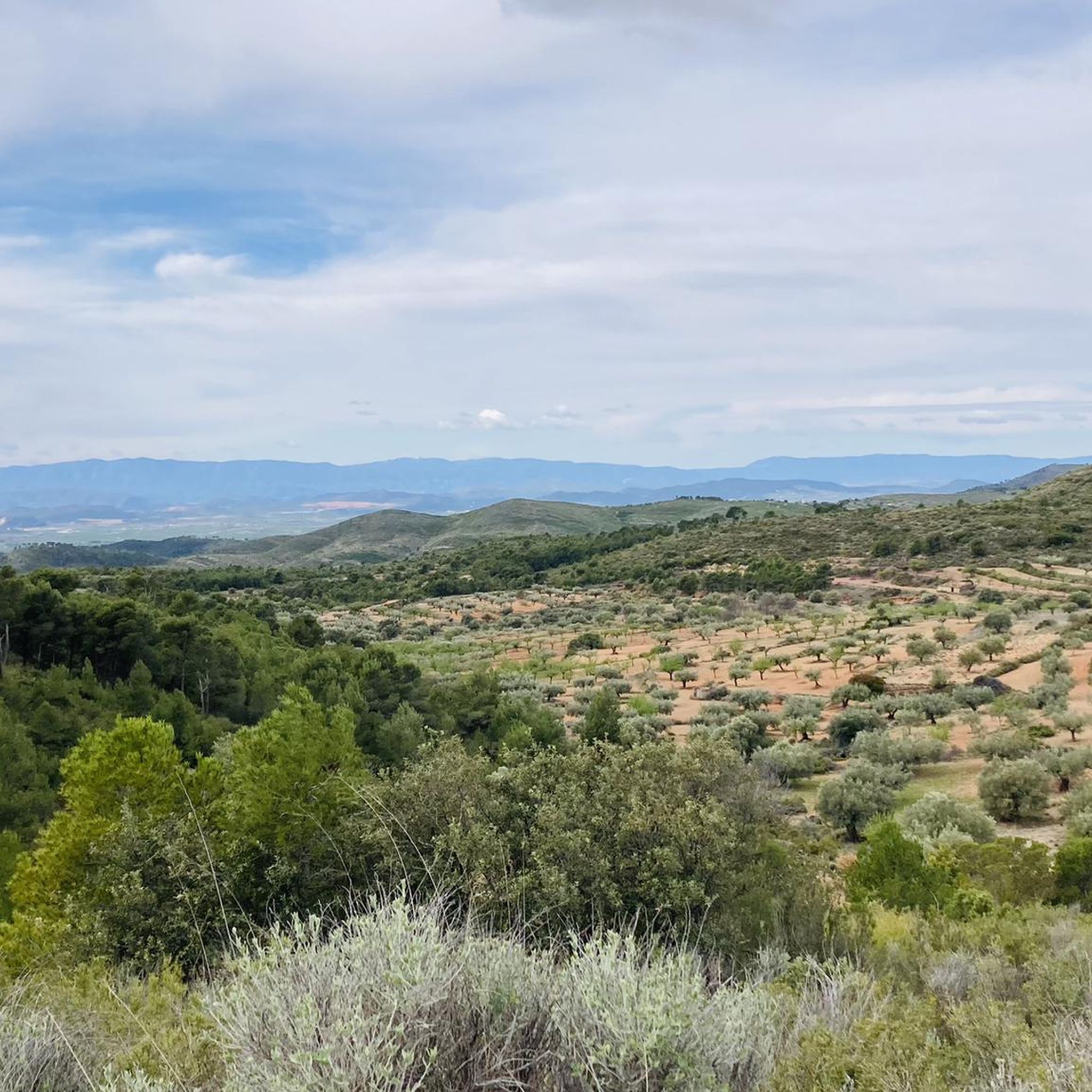
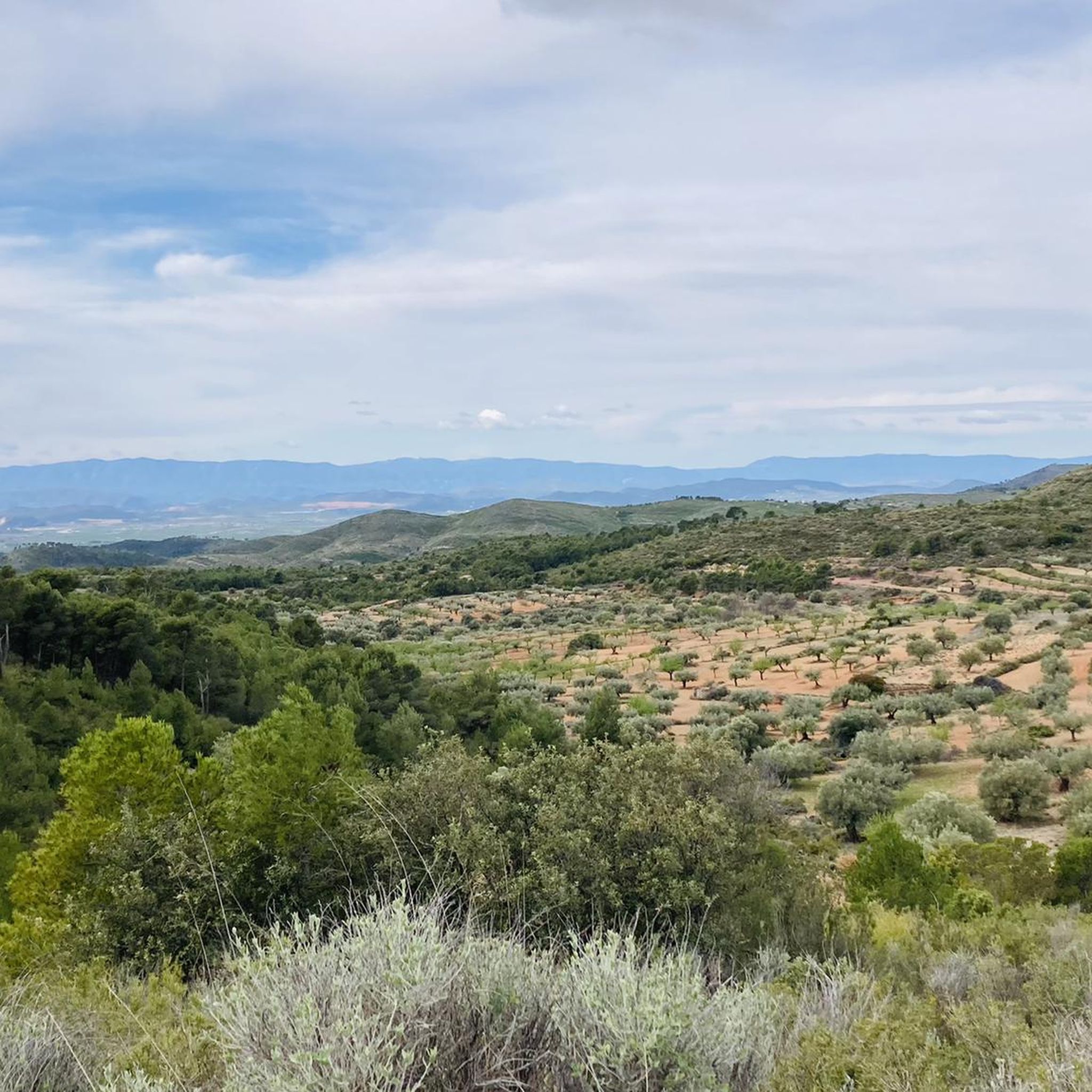
Point from which you can see Olocau and its orchard area in the bed of the Barranco de Olocau. You get there by climbing a path with wooden steps just outside the town, in the park where L'Arquet is. Be careful with the cliff at the top.
0
0

Cueva, you have to be careful, from the track you can see the fence, but the crossing is not indicated, but easy to find
0
0

These caves are located just off the path. Most were used to preserve food. They are currently in disuse.
2
0

Also known as the "Crestas del Conde", these are very curious caves that usually go unnoticed unless you look up. Their history is unknown but it is believed that they were used a long time ago for shelter and mainly as a storage place.
4
0

A nice view, also of the rocks.
2
0

there are spectacular views and cliffs that give vertigo. wear good hiking boots because the route is quite steep at times
2
0

Rocky ridges with holes, like small caves. Visually very beautiful and curious mountainous formation.
3
1
Frequently Asked Questions
What types of caves can I explore around Altura?
The Altura region offers a mix of natural rock formations, historical shelters, and accessible cave systems. You can find ancient sites believed to be used for storage and shelter, as well as more recent wartime constructions that utilized the natural terrain.
Are there any natural caves with unique geological features near Altura?
Yes, the Ruins of Las Cuevas Calientes are known for their curious appearance, featuring rocky ridges with holes that resemble small caves. Another site, simply called Caves, showcases interesting washed-out rock formations.
Where can I find caves that offer scenic views?
For spectacular views that include a natural monument with cave features, visit the View of Olocau and the Cliffs of Cova del Cavall. This viewpoint offers impressive vistas of Olocau and its surrounding orchard area, alongside dramatic cliffs.
Are there historical caves or shelters to visit in the Altura region?
Altura has several sites with historical significance. The Ruins of Las Cuevas Calientes are believed to have been used as ancient shelters and storage. Additionally, you can explore the Civil War shelters, which are defensive constructions like those at Castillet, Mosquera, and Canyar, offering a glimpse into wartime history and the strategic use of terrain.
Are there any easily accessible caves for exploration?
The Cueva de Sacañé is a large cave that is not fenced, allowing for direct exploration. It's considered accessible for those looking to venture inside.
What kind of historical use did some of the caves in Altura have?
Many of the caves in the Altura region, such as the site simply named Caves, were historically used to preserve food. The Ruins of Las Cuevas Calientes are also thought to have served as shelters and storage places long ago.
What outdoor activities can I do near the caves around Altura?
The area around Altura offers various outdoor activities. You can find numerous routes for hiking, including easy to moderate trails like the 'Route of the Springs' from Navajas to Segorbe. There are also extensive options for gravel biking and challenging MTB trails, such as the 'Ojos Negros Greenway' loops.
Are there specific hiking trails that pass by or near caves?
While specific trails directly entering caves aren't detailed, many hiking routes in the region will take you through the rugged terrain where these caves are located. For instance, the 'Route of the Springs' offers scenic views and passes through areas with natural formations. You can explore various hiking routes around Altura to discover the landscape.
What do visitors enjoy most about the caves around Altura?
Visitors appreciate the historical mystery and curious appearance of sites like the Ruins of Las Cuevas Calientes. The opportunity to explore ancient formations and the unique washed-out rock formations at other cave sites are also highly valued. The spectacular views from locations like the View of Olocau and the Cliffs of Cova del Cavall are also a major draw.
Are there any caves in Altura that are part of a larger natural monument?
Yes, the View of Olocau and the Cliffs of Cova del Cavall is a viewpoint that is categorized as a natural monument and includes mention of a cave within its features. The Cueva de Sacañé is also designated as a natural monument.
Can I find any information about the Civil War history related to caves in Altura?
Yes, the Civil War shelters in the Almedíxer area, within the Sierra de Espadán, are significant historical sites. These shelters, part of the XYZ line, were dug to take advantage of the rough terrain for protection against bombings. You can see preserved structures like those at Castillet, Mosquera, and Canyar, which offer insight into wartime strategies and the resourcefulness of the local population.
Most popular attractions around Altura

Get inspired with the komoot mobile app


Explore more
Extend your search for the best caves by checking out these guides of the top ones around Altura:
