The best walks and hikes around Dobskie
4.5
(99)
1,127
hikers
42
hikes
Hiking around Dobskie offers routes through a protected fauna and landscape reserve in Poland's Masuria region. The area is characterized by the tranquil Lake Dobskie, surrounded by lush forests and rolling moraine hills. Hikers will encounter diverse terrain, including fresh, moist, and mixed swamp forests, as well as areas dotted with erratic boulders. This environment provides a serene setting for outdoor activities, focusing on its ecological value.
Best hiking trails around Dobskie
- The most popular hiking route is Swimming Spot…
Last updated: August 19, 2026
3.0
(1)
2
hikers
4.33km
01:08
30m
30m
Easy hike. Great for any fitness level. Easily-accessible paths. Suitable for all skill levels.
3
hikers
3.90km
01:01
30m
30m
Easy hike. Great for any fitness level. Easily-accessible paths. Suitable for all skill levels.

Sign up for free
4.3
(3)
14
hikers
6.91km
01:46
30m
30m
Easy hike. Great for any fitness level. Easily-accessible paths. Suitable for all skill levels.
4.5
(2)
29
hikers
5.76km
01:28
10m
10m
Easy hike. Great for any fitness level. Easily-accessible paths. Suitable for all skill levels.
21
hikers
4.18km
01:03
10m
10m
Easy hike. Great for any fitness level. Easily-accessible paths. Suitable for all skill levels.
Get access to more routes and recommendations from other explorers.
Sign up for free
Already have an account?
Our route recommendations are based on thousands of hikes, rides, and runs completed by other people on komoot.
Start today with a free account
Your next adventure awaits.
Login or Signup
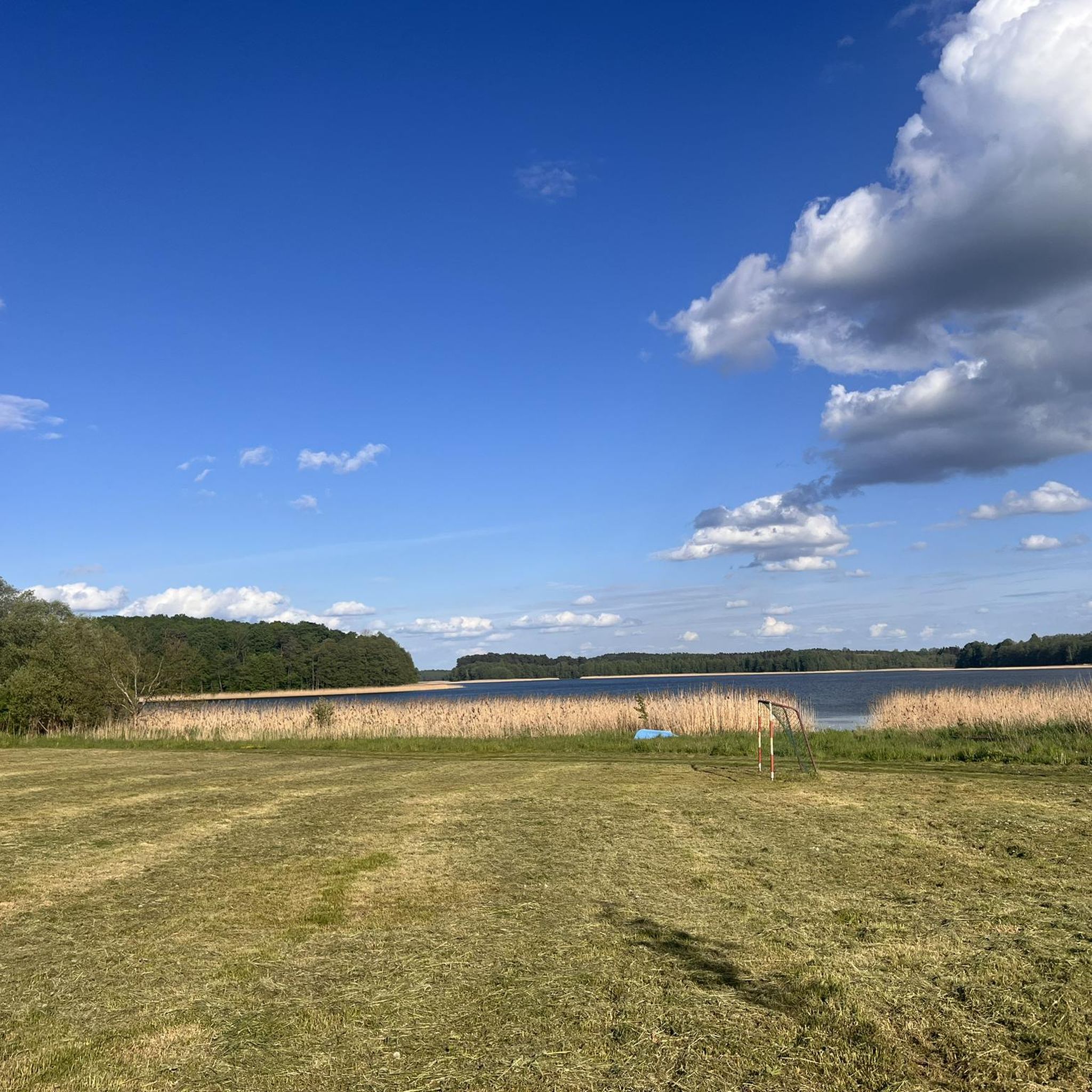
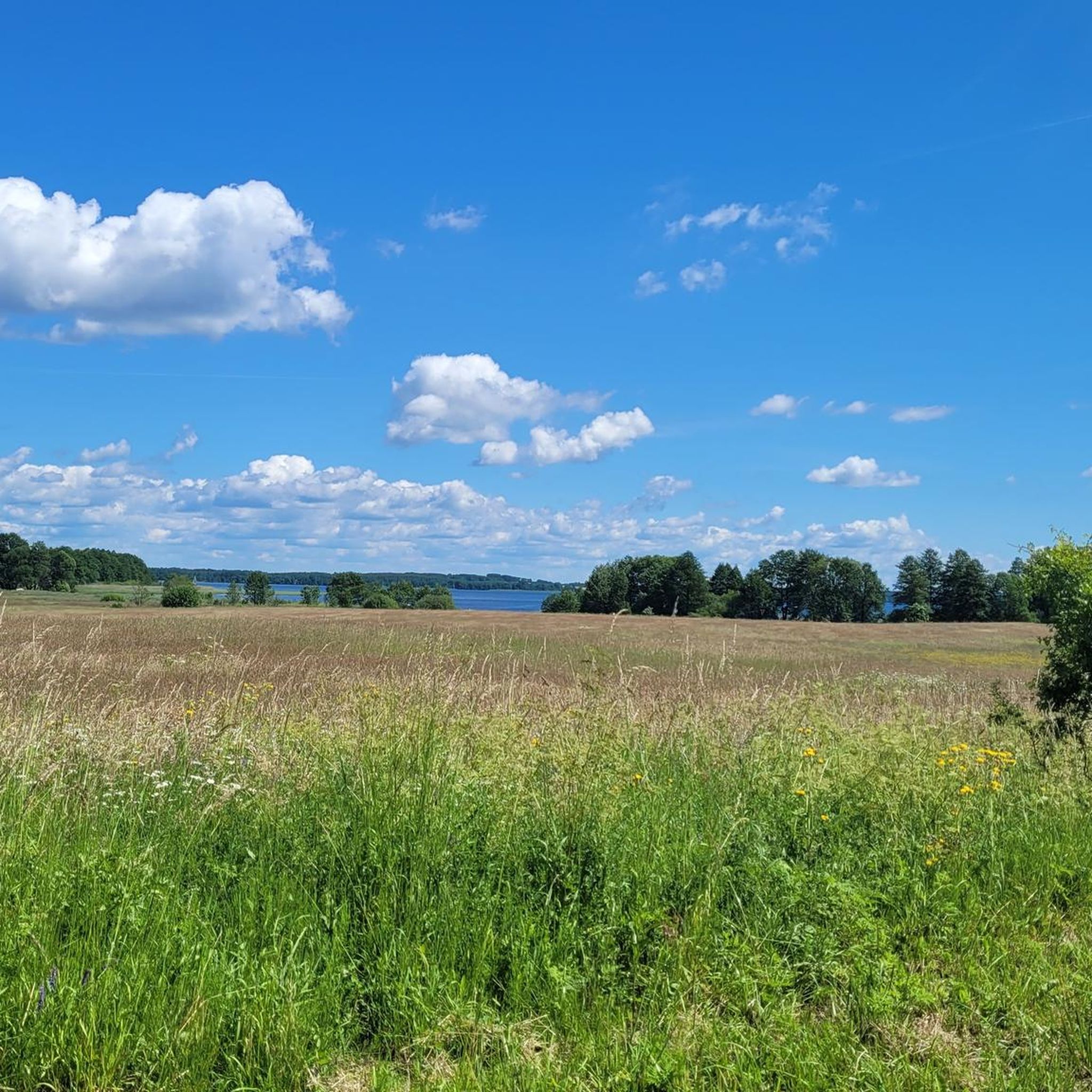
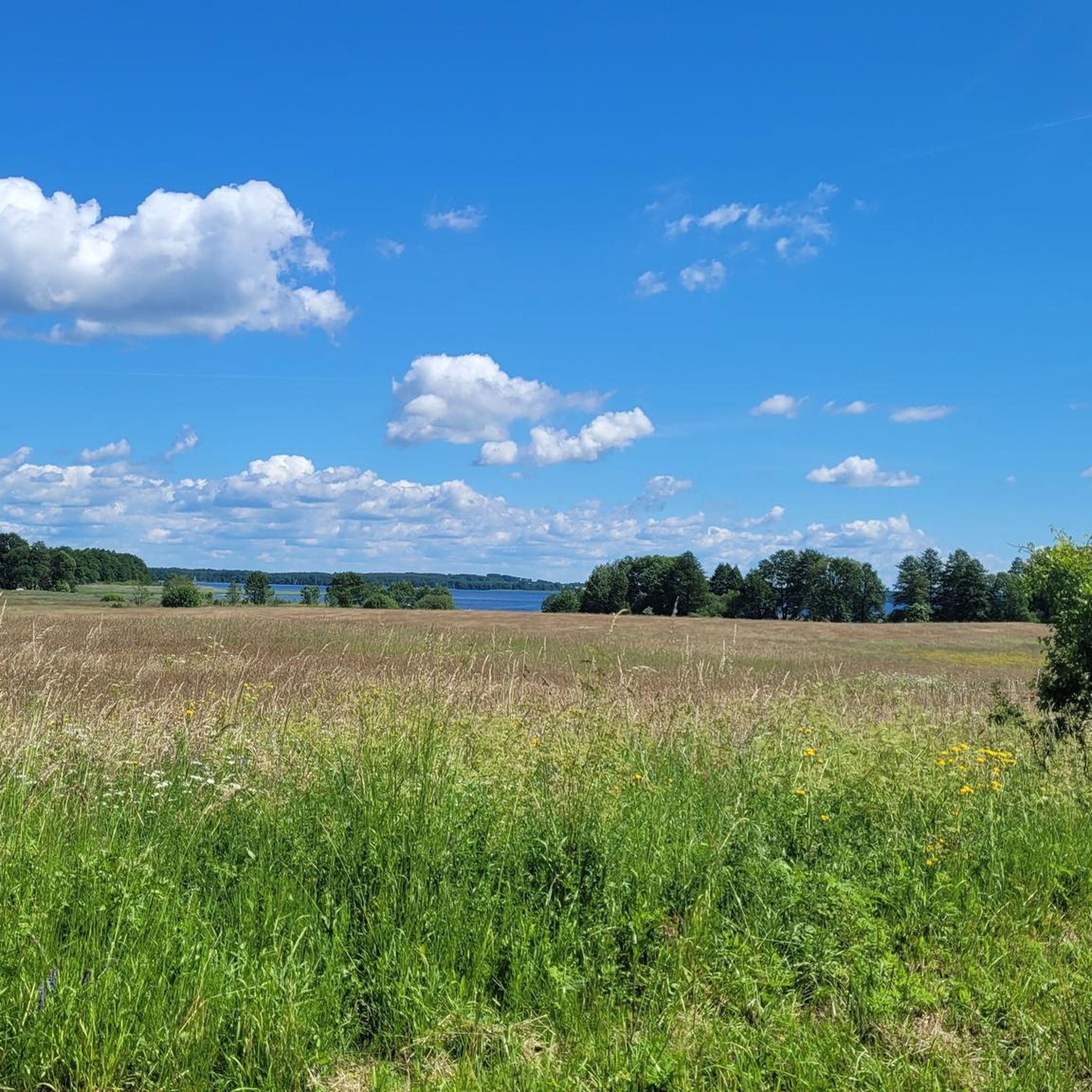
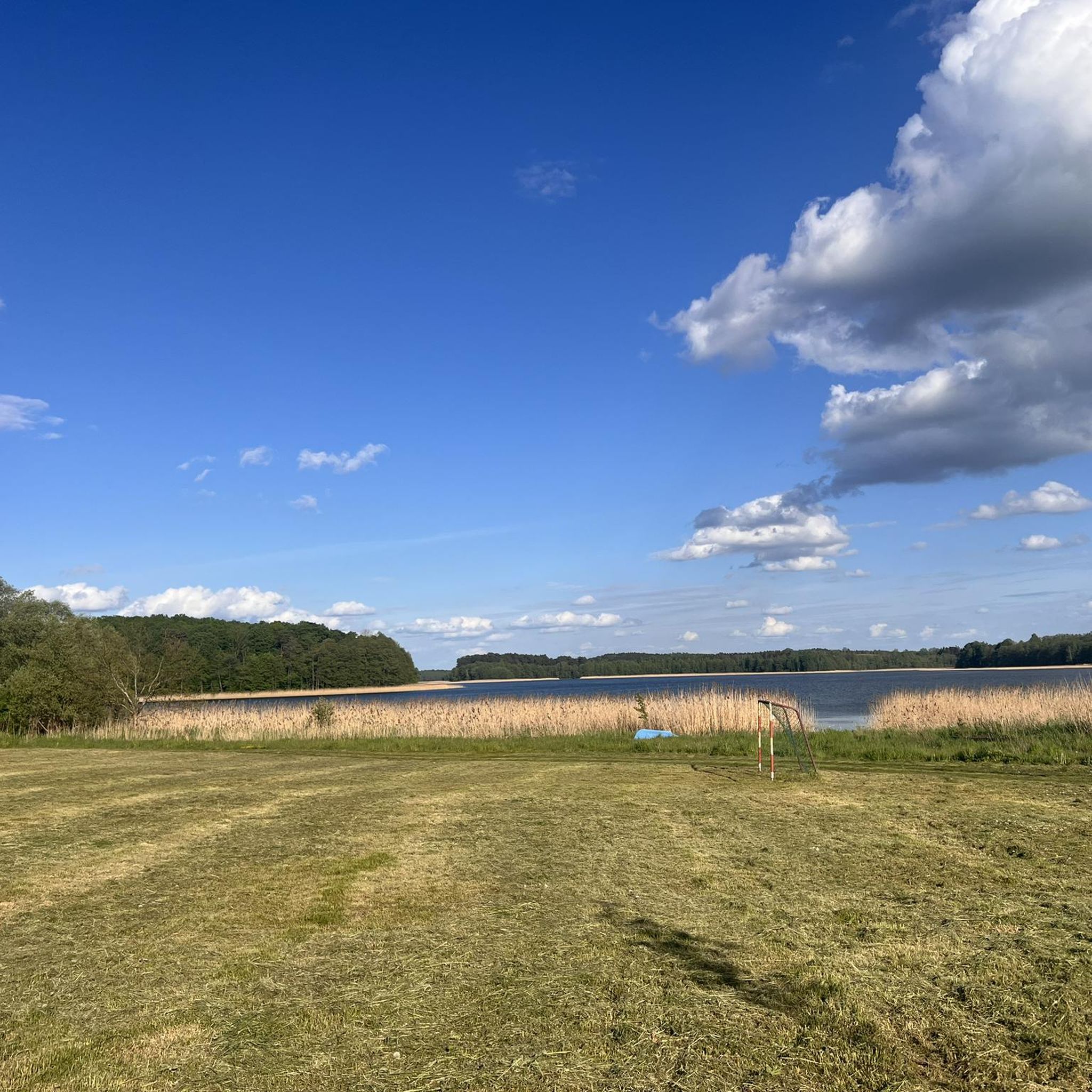

Tips from the Community

The view is great, but Śniardwy is somewhere else ;-)
1
0

There is a museum here and the main building has long been under renovation.
0
0
On either side of the bridge are two beautiful lakes.
0
0

Lake Dargin is one of the larger lakes in Masuria, located on the Great Masurian Lakes Trail, ideal for cyclists planning a longer route surrounded by water and forests. On the shore you will find numerous wild beaches and quiet bays, which are great for a break on the route. In the area, it is worth seeing the Sztynort bridges and visiting the nearby port in Sztynort, where you can eat something warm and relax. The roads around the lake are varied - asphalt, gravel and forest, so a trekking bike with solid tires will be the best choice. In summer, it is worth taking mosquito repellent and a supply of water, because the sections between towns can be quite empty.
1
0

Lovely view from both the bridge and the boats passing under it. :)
1
0

A trip into history is definitely worth it
1
0

Palace (a pearl among the architectural monuments of Warmia and Mazury), a historical park and the remains of the former Lehndorff family estate, a historic oak avenue, a cult sailing port, compact, orderly buildings in the village, a nature reserve in the immediate vicinity and the largest bridge in Masuria, erected between the lakes of Dargin and Kirsayts. The palace was built in the years 1689-1691 on the initiative of Countess Maria Eleonora von Dӧnhoff, wife of Ahasverus Gerhard Lehndorff. The seat of the family was established on the foundations of a building erected here earlier, in the years 1554-1572 (the remains of the previous palace are basements with cross and barrel vaults, as well as the three-bay layout of the building). At the end of the 17th century, a two-story palace was built, covered with a hipped, steep roof. A small break is topped with a high, flattened pediment. In the hall, there are representative two-speed oak stairs. Countess von Dӧnhoff also arranged an 18-hectare park, surrounding the palace from the north. Near the palace there were flower floors, then regular oak alleys. The park was decorated with numerous sculptures. On the clearing, on the main axis, there was a sundial from 1741 (currently located in the courtyard of the museum in Morąg). In the years 1829-1880, the palace was rebuilt (also side wings were added). The west wing was closed with a tower covered with a hipped roof. The elevation of the façade was rebuilt in the neo-Gothic style. From the side of the garden elevation, alcove towers were added to both corners. In the 19th century, a number of buildings were also erected in the park: a neoclassical teahouse (designed by Langhans from 1816) in the eastern part, a neo-Gothic chapel (around 1830) in the western part, an octagonal, neo-Gothic tomb chapel of the Lehndorffs on the western tip of Lake Sztynorcki 1830, builder Staudener, design by Schinkel). The chapel is two-story and there is a crypt in the basement. The upper storey served as a chapel, used not only by the inhabitants of the palace, but also by the town. In 1941, the palace was taken over by the Ministry of Foreign Affairs of the German Reich. Minister Joachim von Ribbentrop was here. During the war in 1945, Sztynort escaped destruction. Until 1947, the headquarters of the Soviet army was located in the palace. https:// Klimatyzacjacje.mazury.pl/palac-sztynort/ https://wegorzewo.pl/ Klimatyzacjacje/awodcja/736/palac_lehndorffow_w_sztynorty https://www.youtube.com/watch?v=EDm4alvCnII
3
0
Sztynort Zęza - the legendary tavern in the basement under the guesthouse in the Sztynort port is reopened! After more than 20 years of break, the legendary Zęza "returned" to its place! The new owners of the Sztynort port definitely focus on tradition and Sztynort's strengths. One of them is the sentiment that Masurian sailors gave to a certain tavern, located in the basement under the historic building of the guesthouse. What exactly is the tavern of Zęza famous for? The Sztynort Zęza tavern was once a legendary place on the Masurian shipping route. In times when there were virtually no taverns, only single white sails appeared on the lakes, Zęza united sailors. Evening meetings with guitars and singing shanties until dawn were commonplace here. In fact, every sailor going on a voyage in Masuria treated the visit to Zęza for granted. https://marigo.pl/sztynort-zeza/ https://www.youtube.com/watch?v=7ORZ7OFo8Ow
3
0
Frequently Asked Questions
How many hiking trails are available around Dobskie?
There are over 30 hiking trails around Dobskie, offering a variety of experiences. These routes are highly rated by the komoot community, with an average score of 4.4 stars from over 80 reviews.
What types of terrain can I expect on hikes in the Dobskie area?
Hikes around Dobskie feature diverse terrain, including tranquil lake environments, lush green forests, and rolling moraine hills. You'll encounter fresh, moist, and mixed swamp forests, as well as areas dotted with unique erratic boulders, particularly in reserves like Głazowisko Fuledzki Róg.
Are there any easy or family-friendly hiking options in Dobskie?
Yes, Dobskie offers many easy routes suitable for families. Out of the 34 available trails, 24 are classified as easy. An example of an easy route is the Zęza Club – Sztynort Palace loop from Sztynort, which is 3.4 miles (5.5 km) long and takes about 1 hour 23 minutes to complete.
Can I bring my dog on the hiking trails around Dobskie?
The Dobskie area, being a protected fauna and landscape reserve, is generally welcoming to dogs on trails, provided they are kept on a leash to protect the local wildlife. Always ensure your dog is under control and respect any specific signage regarding pet access in certain sensitive areas.
What unique natural features can I observe while hiking in Dobskie?
Dobskie is known for its rich biodiversity and geological features. You can observe a variety of bird species, especially waterfowl, as the islands in Lake Dobskie are crucial breeding grounds. The area also features moraine hills and numerous erratic boulders, particularly notable in the Głazowisko Fuledzki Róg reserve.
Are there any circular hiking routes in the Dobskie region?
Yes, many of the trails around Dobskie are circular, allowing you to start and end at the same point. For instance, the Sztynort Palace – Zęza Club loop from Sztynort is a moderate 5.2-mile (8.3 km) circular path that winds through forested areas and along the lake.
What is the best time of year to go hiking in Dobskie?
The best time to hike in Dobskie is generally during the spring, summer, and early autumn months. During these periods, the weather is pleasant, the forests are lush, and the wildlife is most active. The 'silence zone' on Lake Dobskie ensures a peaceful experience year-round, but warmer months are ideal for enjoying the full natural beauty.
Are there any places to explore or points of interest near the hiking trails?
Yes, the area offers several points of interest. For example, the Sztynort Palace – Zęza Club loop from Sztynort passes by Sztynort Palace. Another route, The Giant Bunker in Mamerki – Mamerki - Zone I Quelle loop from Kietlice, takes you to historical bunkers.
Is there parking available for hikers in Dobskie?
While specific parking spots are not detailed for every trail, popular starting points for routes, especially near villages like Sztynort or Bogacko, typically offer designated or informal parking areas. It's advisable to check local maps or komoot route details for specific parking recommendations near your chosen trailhead.
What makes Lake Dobskie special for hikers?
Lake Dobskie is a central feature of the hiking experience, known for its tranquility. It's a designated 'silence zone,' prohibiting motor yachts and restricting access to islands, which preserves its natural calm and protects its ecosystem. This creates an ideal atmosphere for quiet contemplation and enjoying nature during your hikes.
Are there any challenging hikes in the Dobskie area?
While Dobskie is known for its serene and accessible trails, there are options for those seeking a bit more challenge. Out of the 34 routes, 10 are classified as moderate. These trails often feature longer distances or more varied terrain, such as the The Giant Bunker in Mamerki – Mamerki - Zone I Quelle loop from Kietlice, which is 9.2 miles (14.8 km) long.
Can I access the hiking trails around Dobskie using public transport?
Public transport options to reach trailheads directly might be limited in this protected reserve area. While some larger towns in the Masuria region have bus connections, reaching specific, more remote trail starting points often requires personal transport. It's recommended to research local bus schedules to nearby villages if relying on public transport.
Most popular routes around Dobskie

Get inspired with the komoot mobile app


Explore more
Browse the best Hikes in other regions.
