Attractions and Places To See around Valle De Las Navas - Top 20
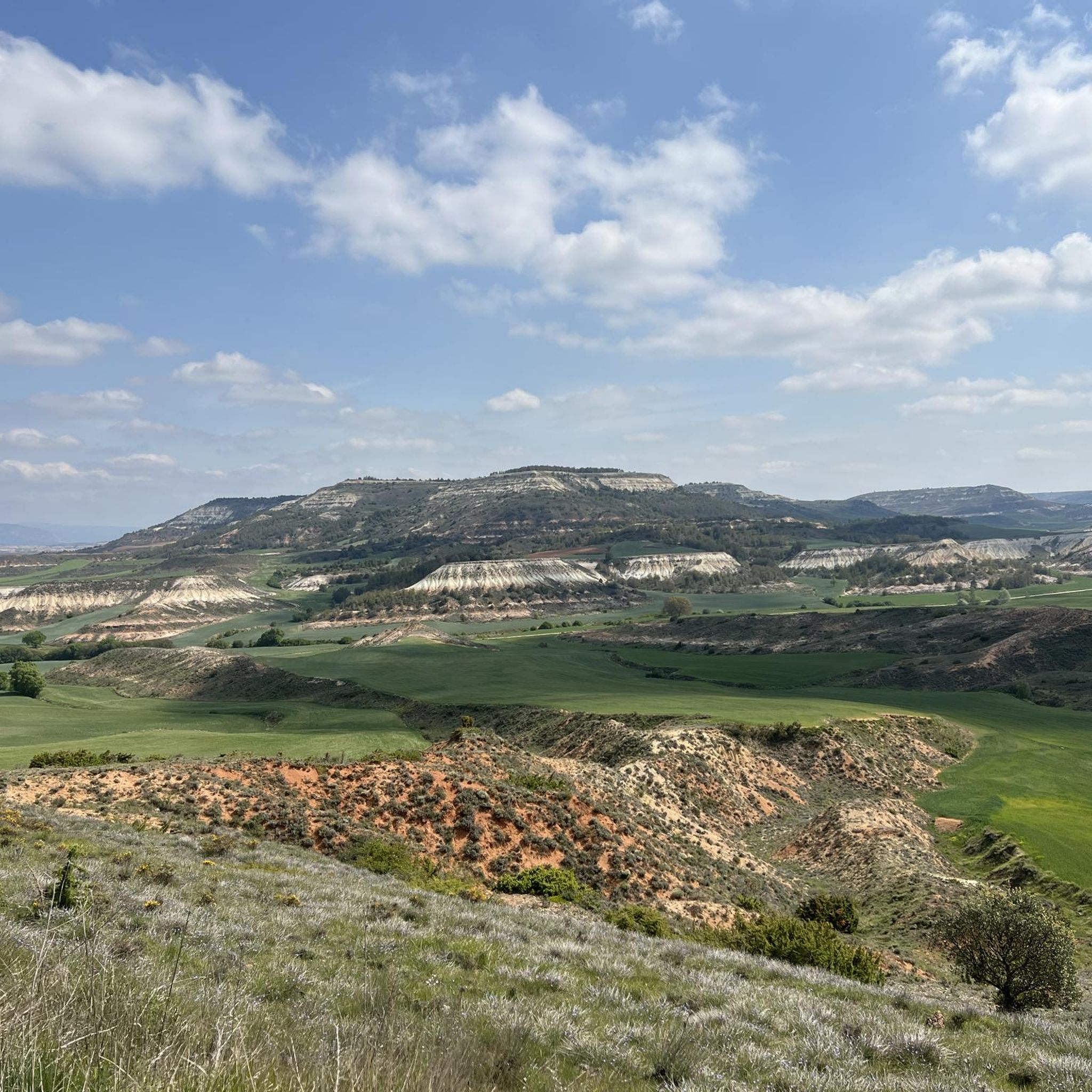
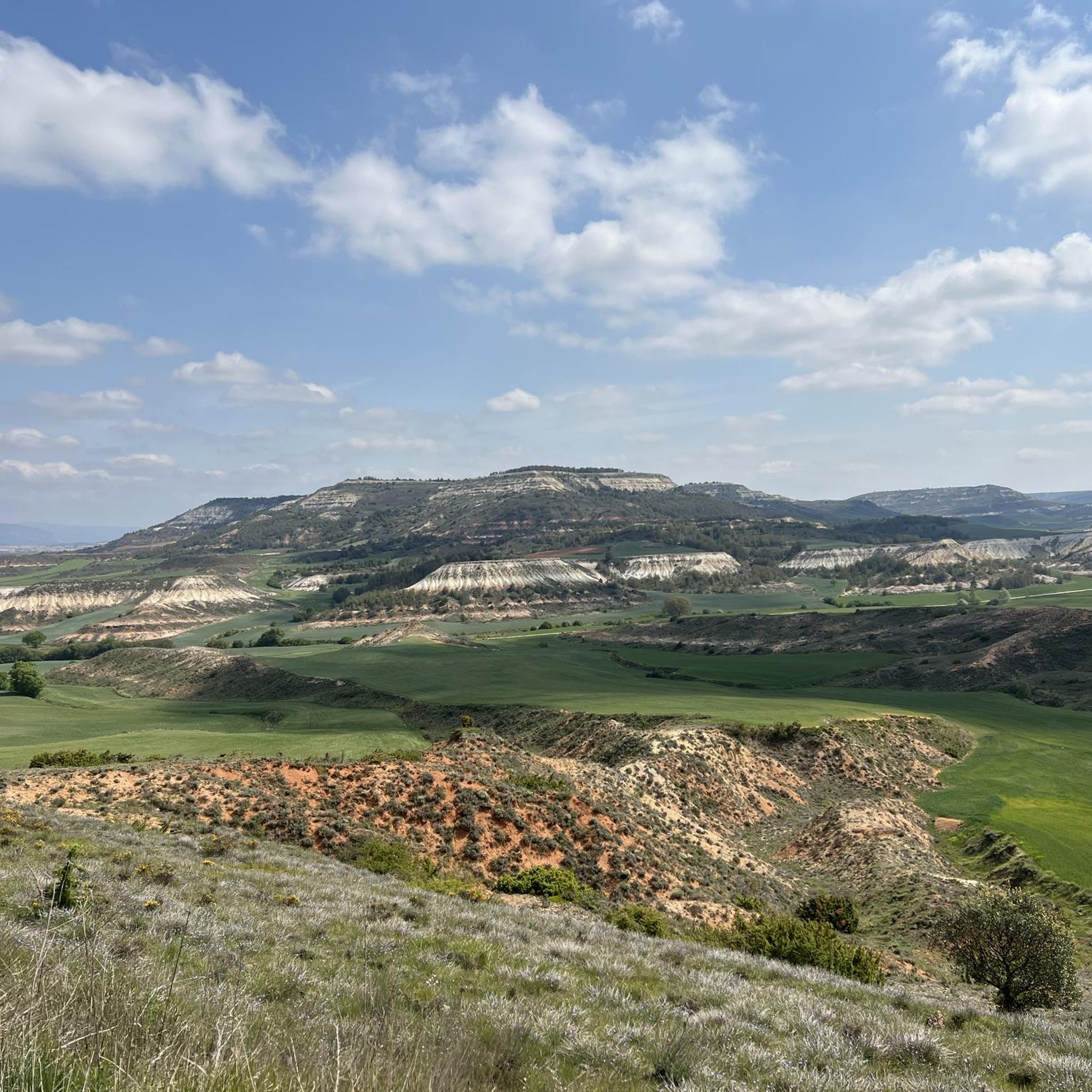
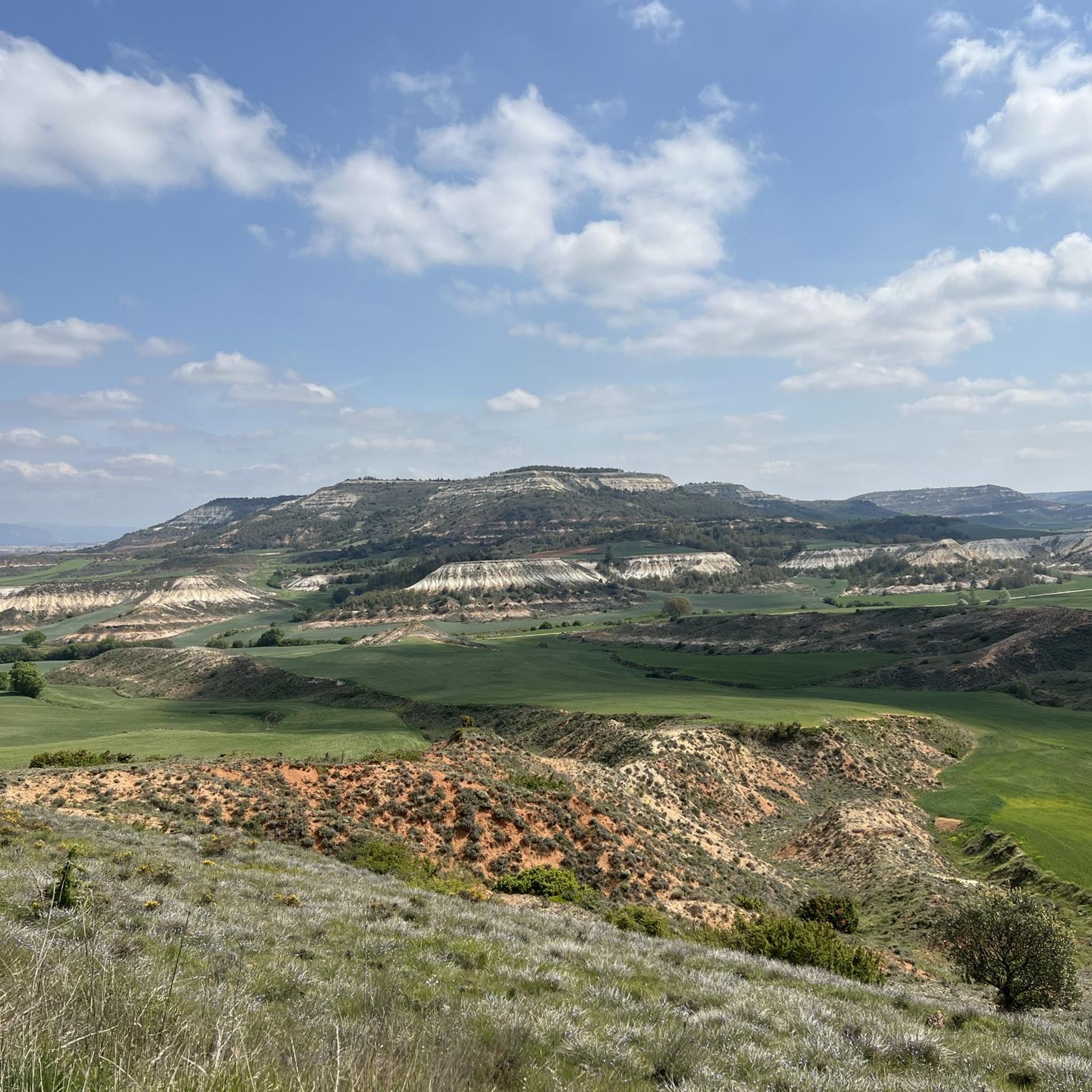
Best attractions and places to see around Valle De Las Navas are characterized by a distinctive semi-arid, eroded landscape, often referred to as the "Burgos Arizona." This region, located in the province of Burgos, Spain, features a unique geological composition of red clays, sandstones, and marls, creating a varied color palette. Beyond its natural formations, the area encompasses several villages known for their Romanesque churches and traditional architecture. It offers a blend of natural beauty and historical sites for exploration.
…Last updated: July 6, 2026
Burgos Cathedral
Highlight • Religious Site
Translated by Google •
Tip by

Arch of Santa María
Highlight • Monument
Translated by Google •
Tip by
Sign up now to discover places like this
Get recommendations on the best single tracks, peaks, & plenty of other exciting outdoor places.
Sign up for free
Plaza Mayor of Burgos
Highlight • Settlement
Translated by Google •
Tip by
Matagrande Cross
Highlight • Monument
Translated by Google •
Tip by

Burgos Cathedral
Highlight • Religious Site
Translated by Google •
Tip by

Sign up for free to discover even more attractions around Valle De Las Navas.
Sign up for free
Already have an account?
Start today with a free account
Your next adventure awaits.
Login or Signup

Tips from the Community

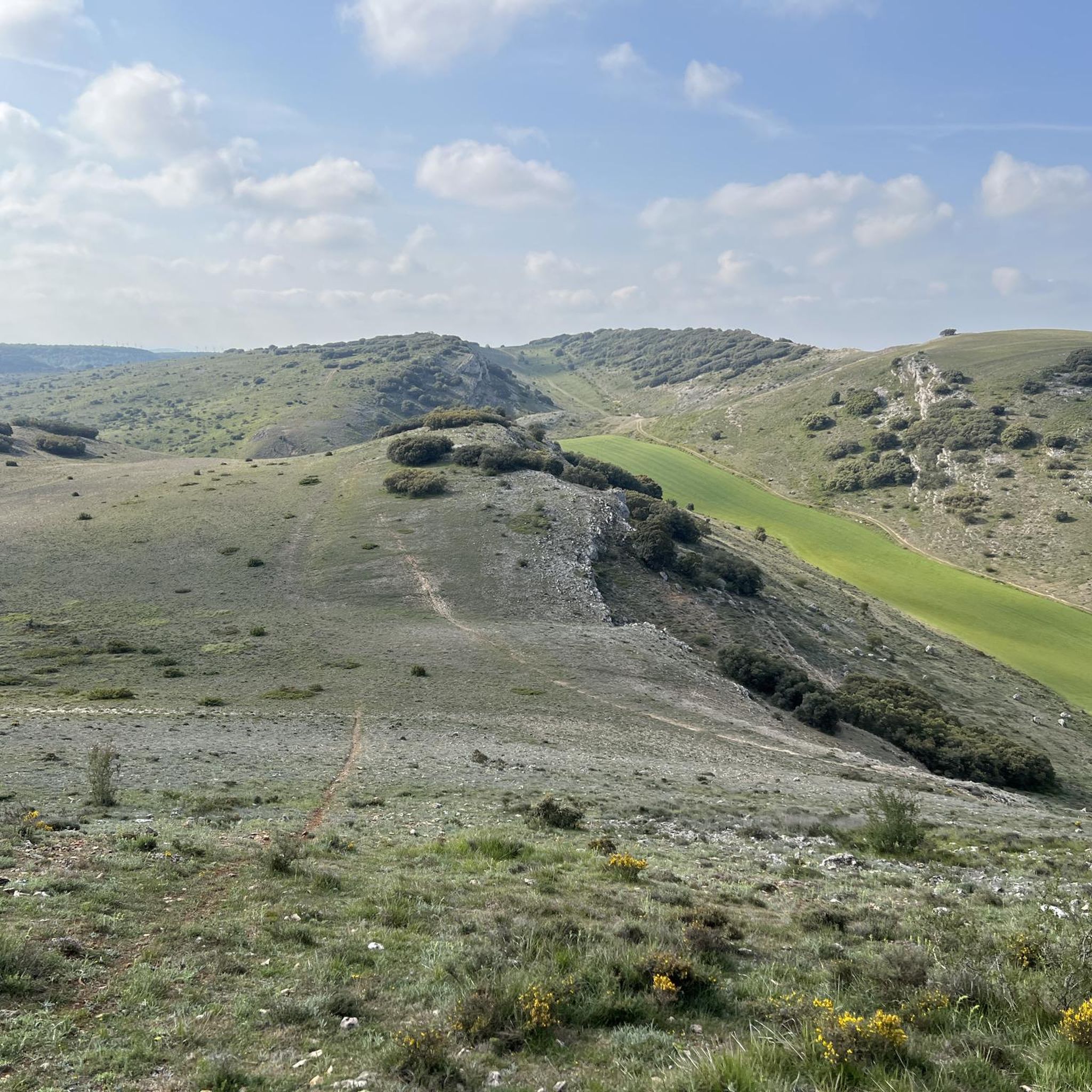
Spectacular area for hiking routes
0
1

Even though this small sacred monument isn't located on the classic route of the Way of St. James through northern Spain, in view of the summit cross standing here, some thoughts by Hape Kerkeling might be helpful as inspiration. The entertainer, who is particularly famous in Germany, walked the Camino Frances in 2001 and kept a diary, which was published under the title "Ich bin dann mal weg" (I'm off then). In it, he describes his personal encounter with God along the way as follows: "Yesterday, something inside me struck a huge gong. And the sound will reverberate. Sooner or later, this path shakes everyone to their very foundations. I know the sound will slowly fade, but if I listen carefully, I'll be able to hear this reverberation for a very long time to come."
0
0
The Cathedral of Burgos, one of the most important and magnificent stops for pilgrims on the Camino Frances, is immensely impressive and a wonderful testament to the faith of its builders. If you'd like to see more photos, you can find them in the komoot system under the corresponding hiking highlight at the following link =>> https://www.komoot.com/de-de/highlight/171220
0
1

It's not like the one in Salamanca, but it's also worth it.
3
2

With one of the most beautiful Gothic churches on the Way of St. James, it's definitely worth a visit.
8
0

The Arch of Santa Maria is one of the twelve medieval gates that the city had during the Middle Ages. It was rebuilt by the Holy Roman Emperor, Charles V, during the 16th century after the local rulers of the city supported him during the Revolt of the Comuneros.
11
0

Burgos Cathedral, a UNESCO World Heritage Site, is a gem of Spanish Gothic architecture. Construction began in 1221 and lasted for several centuries, giving it a unique mix of styles. Its sharp spires, stunning rose window, and richly decorated interior—home to artwork, chapels, and the tomb of El Cid Campeador himself—make it a must-see for lovers of history, art, and architecture. English: Burgos Cathedral, a UNESCO World Heritage Site, is a gem of Spanish Gothic architecture. Construction began in 1221 and lasted for several centuries, resulting in a unique mix of styles. Its sharp spires, stunning rose window, and richly decorated interior—home to artwork, chapels, and the tomb of El Cid—make it a must-see for lovers of history, art, and architecture.
1
1

The Church of San Nicolás de Bari in Burgos is a gem of Castilian Gothic architecture, located right on the Camino de Santiago, next to the Cathedral. It was built in 1408 on the site of an earlier Romanesque church.
32
0
Frequently Asked Questions
What makes the landscape of Valle de las Navas distinctive?
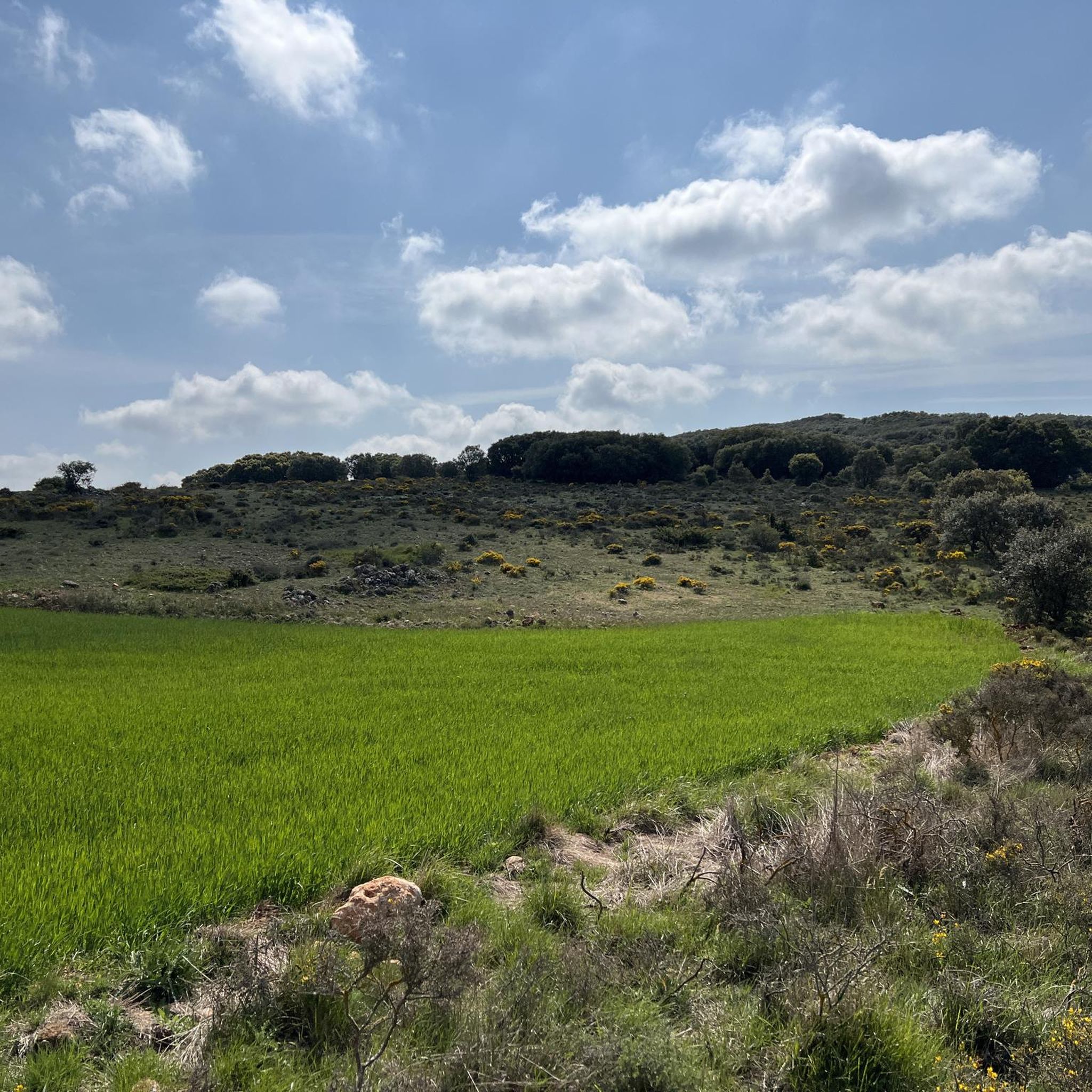
Valle de las Navas is renowned for its unique semi-arid, eroded landscape, often called the "Burgos Arizona." This terrain features a striking palette of reds, yellows, and whites, shaped by millions of years of erosion into gullies, ravines, and small hills. You'll find a fascinating geological mix of calcareous conglomerates, red clays, and sandstones, dotted with green juniper, savin, and oak trees.
Where can I best experience the unique "Burgos Arizona" landscape?
For a particularly spectacular view of the eroded landscape, head towards Tobes y Rahedo and Melgosa. The headwaters of the Arroyo de Fuente Monte, accessible from Tobes y Rahedo, offer an impressive perspective, dominated by the hills of Prado Tajada and La Mayor.
What historical and cultural sites can I visit in the area?
Beyond the natural beauty, the region offers several historical sites. The Arch of Santa María in Burgos is a significant man-made monument, serving as a historical gateway. Many villages within Valle de las Navas also feature Romanesque churches, such as the 15th-century Church of Santa María La Mayor and the Church of San Miguel, showcasing various architectural styles.
Are there any notable religious buildings to visit?
Yes, the area is home to several significant religious structures. The most prominent is Burgos Cathedral, a UNESCO World Heritage Site celebrated for its detailed Gothic, Renaissance, and Baroque architecture. Additionally, many villages in Valle de las Navas boast charming Romanesque churches, offering a glimpse into the region's historical religious heritage.
What outdoor activities are available near Valle de las Navas attractions?
The diverse landscape of Valle de las Navas is ideal for various outdoor activities. You can explore numerous running trails, with options ranging from moderate to difficult, such as the Alto de Santimia – Cerro de La Cogullada loop. For cyclists, there are extensive road cycling routes like the Sotopalacios Loop, and gravel biking options including the Monument to El Cid – Town Hall Arch loop. You can find more details on these routes in the Running Trails, Road Cycling Routes, and Gravel Biking guides around Valle de las Navas.
Are there family-friendly attractions in the area?
Yes, several attractions are suitable for families. The Arch of Santa María and the Burgos Cathedral are both listed as family-friendly. Exploring the unique natural landscapes, such as those around Tobes y Rahedo, can also be an engaging experience for all ages.
What kind of wildlife can I expect to see in Valle de las Navas?
Despite its arid appearance, Valle de las Navas is rich in biodiversity. It's an important habitat for steppeland birds like the Sardinian warbler, calandra lark, and little bustard. Raptors such as Montagu's harrier and even golden eagles nest here. Mammals like wild boar, roe deer, foxes, badgers, and occasionally the elusive Iberian wolf can also be found.
Are there any wheelchair-accessible attractions?
Yes, the Plaza Mayor of Burgos is noted as wheelchair-accessible, offering a central historical square to enjoy. The Statue of El Cid is also listed as wheelchair-accessible.
What do visitors particularly enjoy about the attractions around Valle de las Navas?
Visitors appreciate the blend of natural beauty and historical significance. The unique semi-arid landscapes and geological formations are a major draw, offering stunning views and photography opportunities. The historical sites, like Burgos Cathedral, are admired for their architectural grandeur and rich history. The Plaza Mayor of Burgos is also a favorite for its vibrant social atmosphere and diverse buildings.
Can I find viewpoints to appreciate the landscape?
Yes, the region offers several spots for panoramic views. The eroded landscapes around Tobes y Rahedo and Melgosa provide natural viewpoints. Additionally, the Matagrande Cross is a highlight that serves as a viewpoint, offering a perspective of the surrounding area after a climb.
Are there any specific villages worth visiting for their charm or architecture?
Absolutely. Rioseras is known for its beautiful stone houses, offering a glimpse into traditional rural Spanish life. Many villages within the Valle de las Navas municipality also boast well-preserved Romanesque churches, adding to their local charm and historical appeal.
What is the best time to visit Valle de las Navas for outdoor activities?
The region's semi-arid climate means that spring and autumn generally offer the most pleasant temperatures for hiking, cycling, and exploring the natural landscapes. These seasons avoid the intense heat of summer and the colder, potentially wetter conditions of winter, making outdoor activities more enjoyable.
Most popular routes around Valle De Las Navas
Most popular attractions around Valle De Las Navas

Get inspired with the komoot mobile app


Explore more
Still not found the Highlight you’re looking for? See guides of the top attractions in other regions:
