Attractions and Places To See around Fuenterrebollo - Top 20
Best attractions and places to see around Fuenterrebollo include historical landmarks, natural features, and cultural sites. The town is situated in the province of Segovia, characterized by extensive pine forests and proximity to the Hoces del Río Duratón Natural Park. This region offers diverse landscapes, from river canyons to lagoons, providing varied points of interest for visitors.
Best attractions and places to see around Fuenterrebollo
- The most popular attractions is Talcano Bridge, a bridge that allows crossing the Duratón…
Last updated: July 1, 2026
Talcano Bridge
Highlight • Bridge
Translated by Google •
Tip by

Vulture Cliff
Highlight • Natural Monument
Translated by Google •
Tip by

Sign up now to discover places like this
Get recommendations on the best single tracks, peaks, & plenty of other exciting outdoor places.
Sign up for free
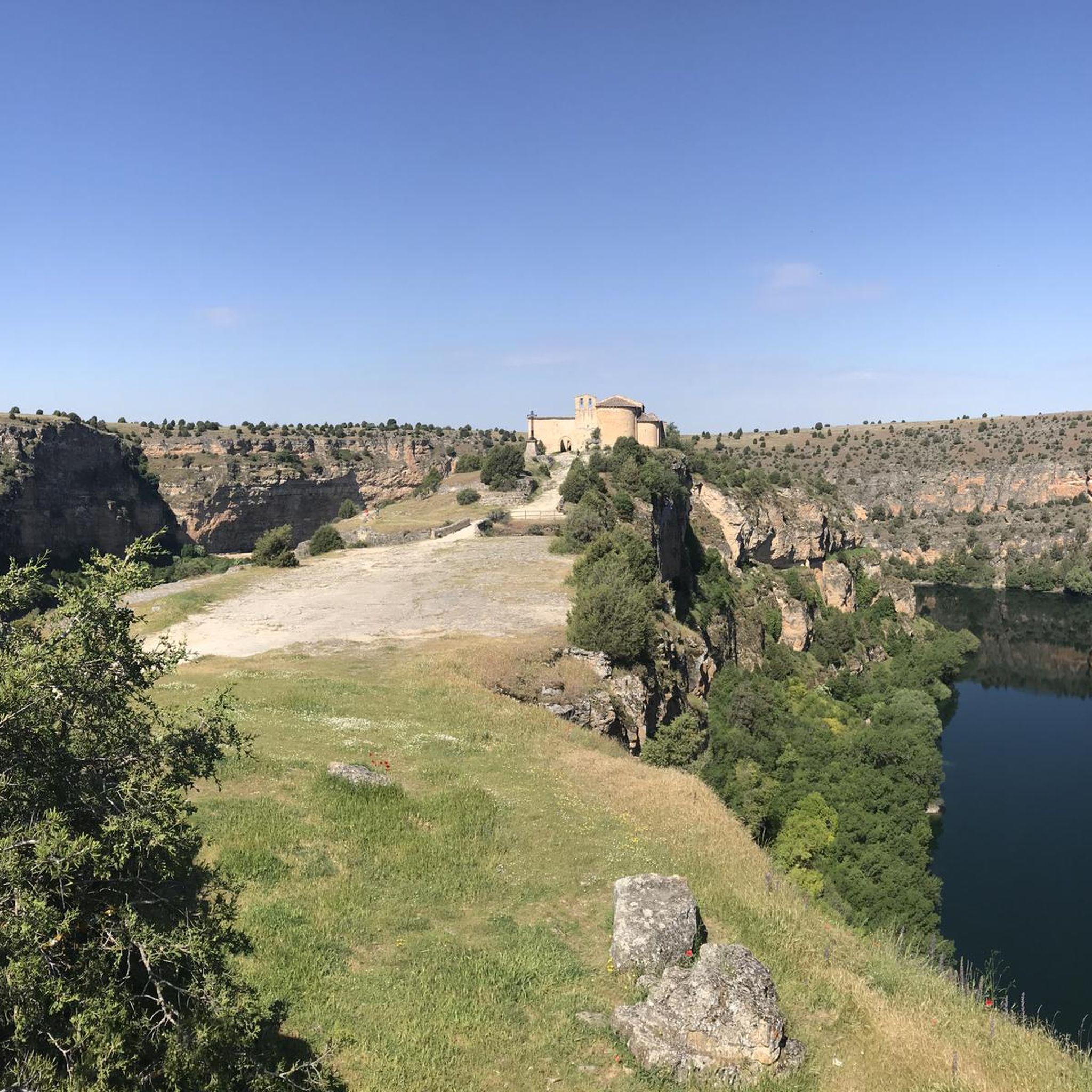
Ermita de San Frutos
Highlight • Religious Site
Translated by Google •
Tip by

Tombs of the Saints
Highlight • Historical Site
The three brothers San Frutos, San Agustin and Santa Engracia, who were hermits who lived in caves in the Hoces del Río Duraton, are buried here.
Translated by Google •
Tip by
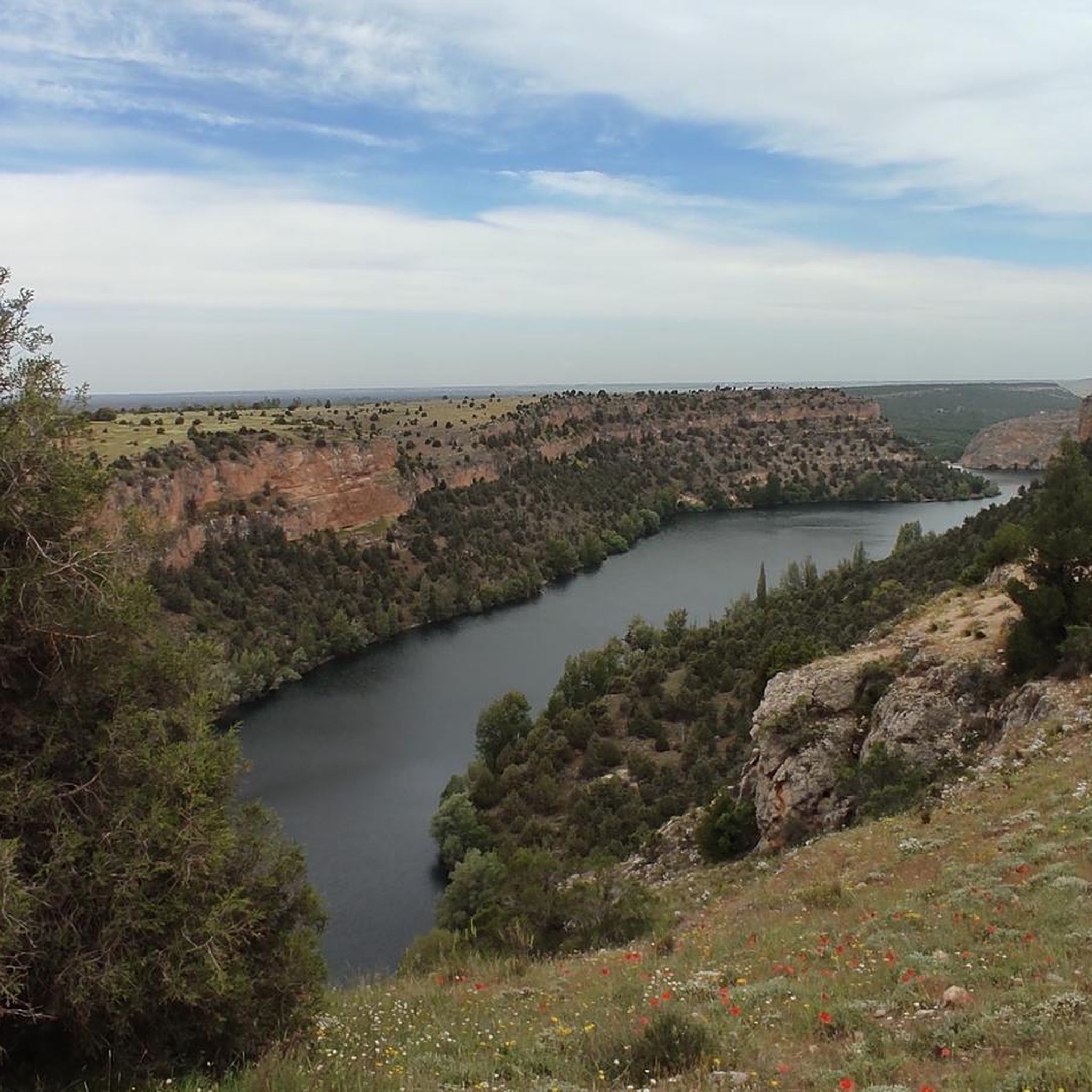
Hoces del Duratón Natural Park
Highlight • Gorge
Translated by Google •
Tip by

Sign up for free to discover even more attractions around Fuenterrebollo.
Sign up for free
Already have an account?
Start today with a free account
Your next adventure awaits.
Login or Signup


Tips from the Community

The medieval Talcano Bridge is located in Sepúlveda, in the province of Segovia. Although of Roman origin, the current structure probably dates back to the Middle Ages. Today, only one arch of the original bridge remains, as the course of the Duratón River has been altered and no longer passes beneath it.
1
0
The medieval Talcano Bridge is located in Sepúlveda, in the province of Segovia. Although of Roman origin, the current structure probably dates back to the Middle Ages. Today, only one arch of the original bridge remains, as the course of the Duratón River has changed and no longer passes beneath it.
0
0

dedicate more than 6 hours to do sports and see landscapes
0
0

It is near the Hermitage of San Frutos. The three brothers San Frutos, San Agustin and Santa Engracia, who were hermits who lived in caves in the Hoces del Río Duraton, are buried here.
0
0
I have gone through the gorges of the Duraton River, but you can go by car to a parking lot 500 meters away. Next to the Hermitage of San Frutos are the ruins of the Hermitage of San Valentín, its brother.
0
0

Above the Río Duratón there are these immense rocks, a gorge formed by the river, where we can see these huge animals.
0
1
Thanks to this simple construction, since time immemorial, the inhabitants near the town of Sepúlveda have been able to cross the river and approach the other side of the riverbed that crosses close to the town.
1
0

The Talcano bridge is near a waterfall with the remains of an old light factory. The original bridge had four bridges and completely spanned the river basin. Now there are remains of a semicircular arch with carved ashlars and the original medieval stones outside the riverbed.
0
0
Frequently Asked Questions
What natural attractions can I explore near Fuenterrebollo?
Fuenterrebollo is surrounded by diverse natural beauty. You can visit the Hoces del Río Duratón Natural Park, known for its deep canyons and abundant birdlife. The area also features several lagoons, such as those of Herrero and San Roque, which are important natural habitats. Additionally, the region is part of 'Tierra de Pinares,' offering extensive resin pine forests to explore.
Are there historical or cultural sites to visit in Fuenterrebollo itself?
Yes, Fuenterrebollo offers several historical and cultural sites. The prominent Church of Nuestra Señora de la Virgen de la Asunción, with its Baroque expansion and stork's nest, is a key landmark. You can also explore the rehabilitated Fuenterrebollo Washhouses and Ethnological Museum, which provides insight into the region's past. The town's streets also feature a well-preserved Vía Crucis with its 14 crosses.
Where can I see griffon vultures near Fuenterrebollo?
The best place to observe griffon vultures is at the Hoces del Río Duratón Natural Park, located approximately 4 kilometers from Fuenterrebollo. Specifically, the Vulture Cliff offers an excellent viewpoint to see these majestic birds soaring above the Duratón River gorges. The park is home to a large colony of griffon vultures, along with other birds of prey.
What is the significance of the Fuenterrebollo Washhouses and Ethnological Museum?
The Fuenterrebollo Washhouses (Lavaderos de Fuenterrebollo) are rehabilitated stone buildings where women traditionally washed clothes, offering significant ethnographic interest. Adjacent to them, the Ethnological Museum 'Los Lavaderos' displays a wide array of tools, farming implements, and even an old fire pump, providing a fascinating glimpse into the daily life and history of the region.
Are there hiking opportunities around Fuenterrebollo?
Absolutely. The area around Fuenterrebollo is ideal for hiking. You can find various trails, including those within the Hoces del Río Duratón Natural Park. For more detailed routes and options, you can explore the Hiking around Fuenterrebollo guide, which features trails like the 'Convento de la Hoz Loop Trail' and the 'Way of Saint Frutos Loop'.
What kind of cycling routes are available near Fuenterrebollo?
Fuenterrebollo offers a variety of cycling routes for different skill levels. You can find mountain biking trails and touring bicycle routes that explore the pine forests and scenic landscapes. For specific routes and their difficulty, refer to the MTB Trails around Fuenterrebollo and Cycling around Fuenterrebollo guides.
Can I visit the Hoces del Río Duratón Natural Park from Fuenterrebollo?
Yes, the Hoces del Río Duratón Natural Park is easily accessible from Fuenterrebollo, located just about 4 kilometers away. You can reach the edge of the park to enjoy excellent views of the Priory and the majestic gorges. The park is a significant draw for its dramatic canyon landscapes and rich wildlife.
What are the unique features of the Church of Nuestra Señora de la Virgen de la Asunción?
The Church of Nuestra Señora de la Virgen de la Asunción in Fuenterrebollo is notable for its large dimensions and square tower, which dominate the town's skyline. Built on Romanesque foundations, it features an 18th-century Baroque expansion and houses a significant collection of paintings. A unique sight is the stork's nest on its tower, often home to several storks.
Are there any family-friendly activities or trails in the area?
The natural surroundings of Fuenterrebollo offer family-friendly options, particularly easy walking trails. The Lagunas de Fuenterrebollo provide a gentle environment for walks and birdwatching. For a specific easy hiking option, consider the 'Ermita de San Frutos – Hermitage of San Frutos loop from Aparcamiento Ermita de San Frutos' trail, which is approximately 2.4 km long.
What is the Fuente del Rebollo and why is it special?
The Fuente del Rebollo is a circular spring considered the origin of the village, nestled among oak and rebollo trees. Its unique characteristic is that the water is naturally warm in winter and refreshingly cold in summer, making it a fascinating natural curiosity.
What is the best time of year to visit Fuenterrebollo for outdoor activities?
The spring and autumn months are generally ideal for outdoor activities in Fuenterrebollo. During these seasons, the weather is pleasant for hiking, cycling, and exploring the natural parks and pine forests. Spring brings blooming flora, while autumn offers a beautiful display of colors in the woodlands.
Are there any ancient structures or bridges to see?
Yes, you can visit the Talcano Bridge, a medieval structure of Roman origin near Sepúlveda. Although only one arch remains today, it's a historical landmark that once allowed crossing the Duratón River. It's an interesting site for those interested in ancient engineering and history.
What can I expect to see at the Lagunas de Fuenterrebollo?
The Lagunas de Fuenterrebollo, including those of Herrero, San Roque, Las Cerradas, and Zorrera, are small bodies of water protected by the Z.E.C. Lagunas de Cantalejo. They create an ideal environment for various aquatic species like tench, frogs, and water snakes, and are a great spot for birdwatching, supporting diverse birdlife.
Are there any religious historical sites near the Duratón River gorges?
Yes, near the Duratón River gorges, you can find the Ermita de San Frutos, a religious building and historical site offering scenic views. Nearby are also the Tombs of the Saints, believed to be the burial place of San Frutos, San Agustin, and Santa Engracia, who were hermits living in caves in the Hoces del Río Duratón.
Most popular routes around Fuenterrebollo
Most popular attractions around Fuenterrebollo

Get inspired with the komoot mobile app


Explore more
Still not found the Highlight you’re looking for? See guides of the top attractions in other regions:
