The best road cycling routes around La Calzada De Béjar
4.9
(16)
2,842
riders
100
rides
Road cycling around La Calzada De Béjar offers diverse terrain within the Sierra de Béjar region, characterized by a mix of mountains and meadows. The area features the historic Vía de la Plata, a preserved Roman road that serves as a scenic cycling path. Cyclists can expect varied landscapes, including glacial phenomena and granite peaks, providing both challenging ascents and picturesque routes. The region's natural environment, part of the western massif of the Sierra de Gredos, is well-suited for road cycling exploration.
Best road cycling routes around La Calzada De Béjar
- The most popular road cycling route is Climb to La Covatilla (CE pass) — circular from Béjar, a 45.3 miles (72.9 km) trail that takes 4 hours 20 minutes to complete, featuring a significant mountain climb.
- Another top favourite among local road cyclists is Puerto de Béjar – Honduras Pass loop from Béjar, a difficult 73.6 miles (118.5 km) path, known for its extensive climbs and varied mountain scenery.
- Local road cyclists also love the Molinos de Pichón – Ascent to Puerto de Cristóbal loop from La Calzada de Béjar, a 16.5 miles (26.5 km) trail leading through the local countryside, often completed in about 1 hour 16 minutes.
- Road cycling around La Calzada De Béjar is defined by the historic Vía de la Plata, the varied terrain of the Sierra de Béjar, and the granite peaks of the Sierra de Gredos. The network offers options for different ability levels, from moderate loops to difficult mountain ascents.
- The routes in La Calzada De Béjar are highly rated by the komoot community with an average score of 4.9 stars from more than 10 reviews. More than 2,000 road cyclists have used komoot to explore La Calzada De Béjar's varied terrain.
Last updated: October 14, 2026
9
riders
72.9km
04:21
1,640m
1,640m
Hard road ride. Very good fitness required. Mostly well-paved surfaces and easy to ride.
226
riders
70.7km
03:59
1,460m
1,460m
Hard road ride. Very good fitness required. Mostly well-paved surfaces and easy to ride.

124
riders
119km
07:08
2,700m
2,700m
Hard road ride. Very good fitness required. Mostly well-paved surfaces and easy to ride.
87
riders
116km
06:12
1,960m
1,960m
Hard road ride. Very good fitness required. Mostly well-paved surfaces and easy to ride.
5.0
(2)
86
riders
36.9km
02:24
1,100m
1,100m
Hard road ride. Very good fitness required. Some segments of this route may be unpaved and difficult to ride.
Get access to more routes and recommendations from other explorers.
Already have an account?
Our route recommendations are based on thousands of hikes, rides, and runs completed by other people on komoot.
Start today with a free account
Your next adventure awaits.
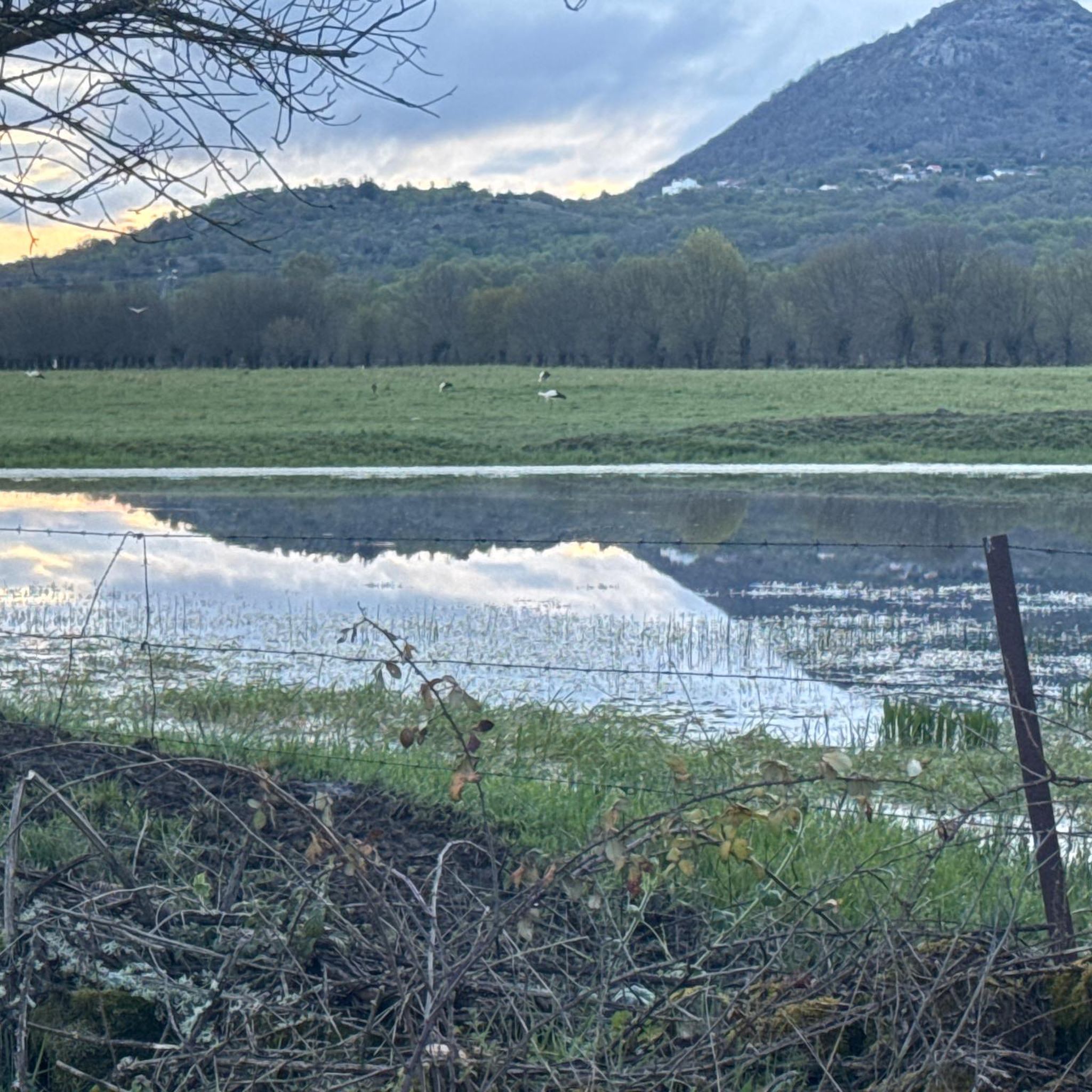
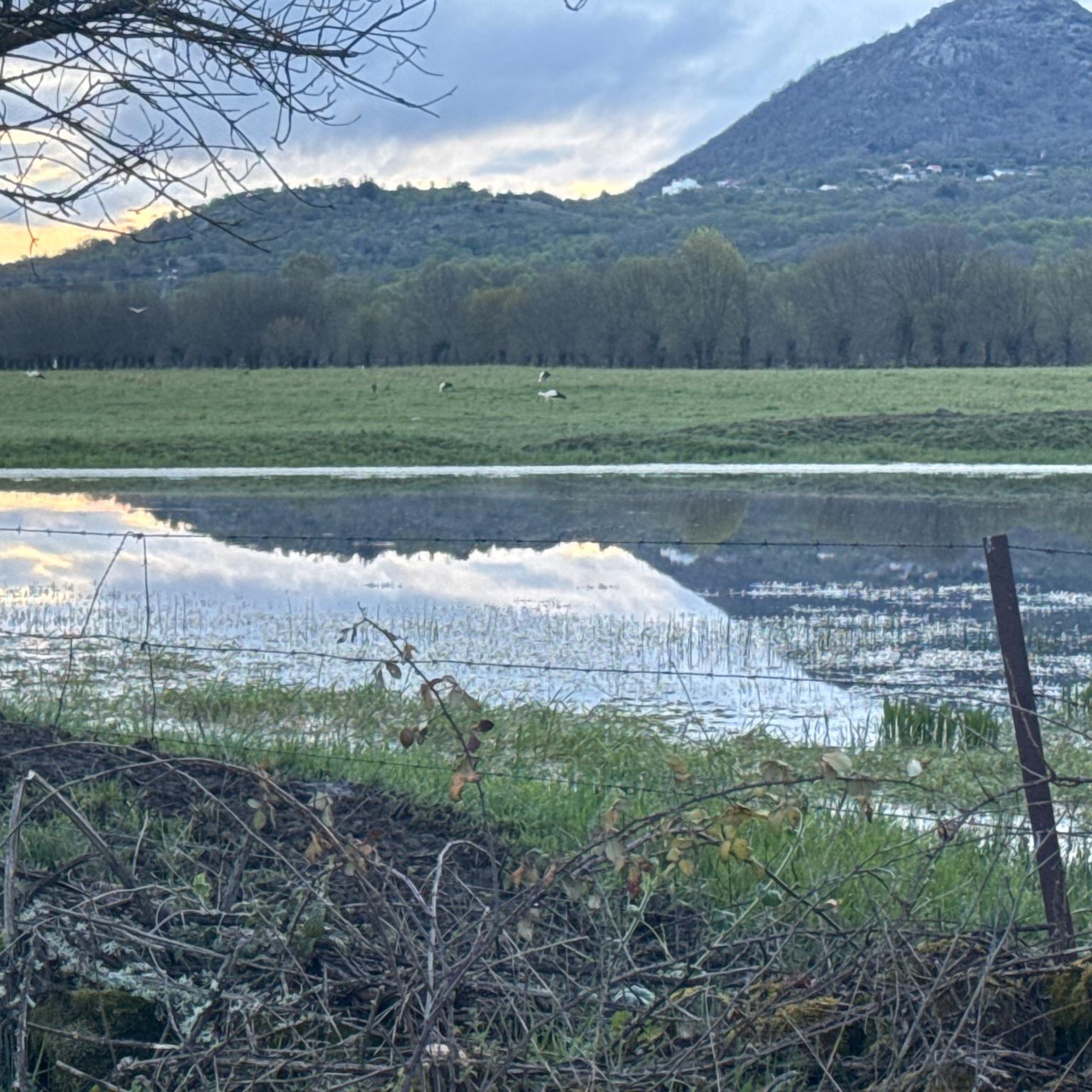
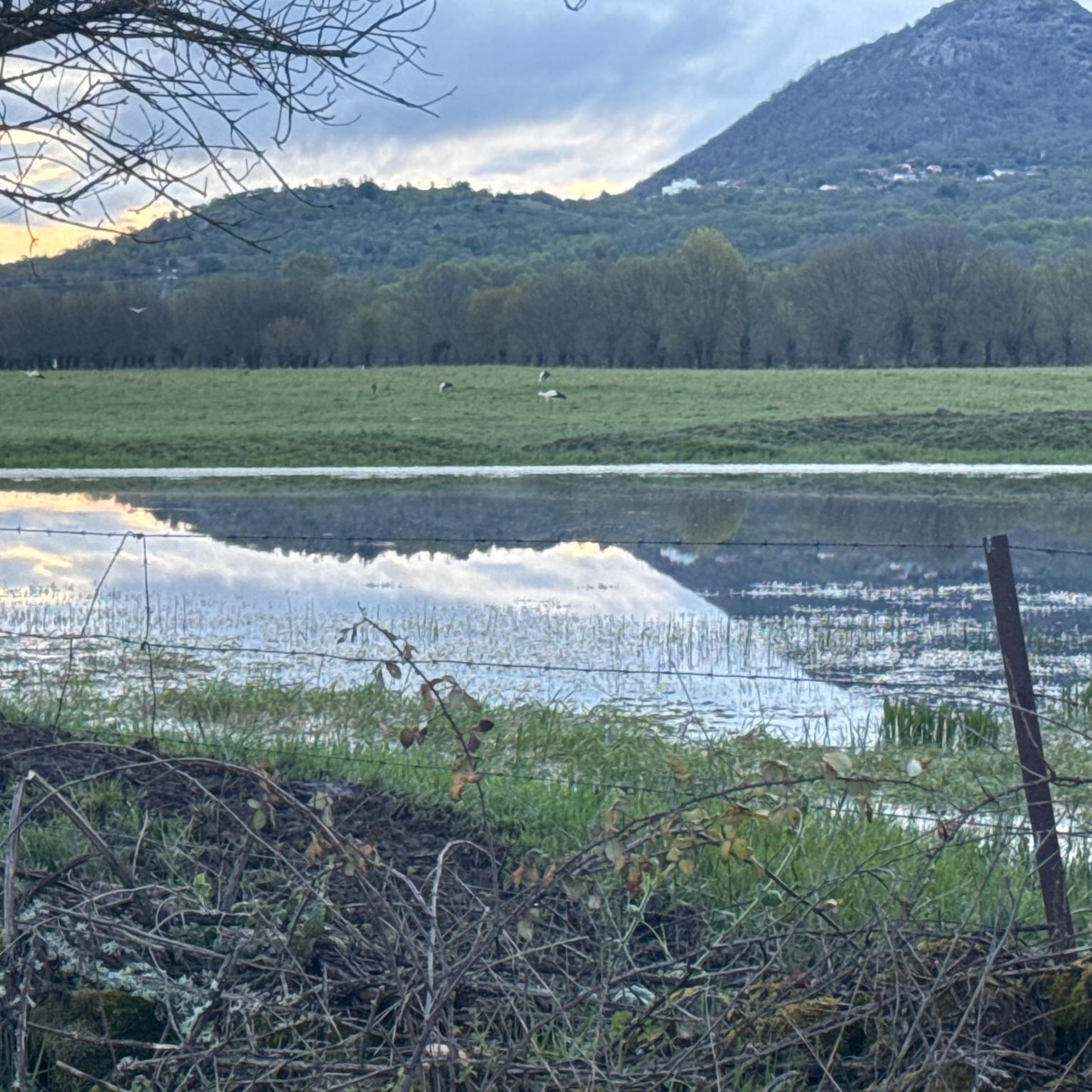

Tips from the Community

Hervás has beautiful architectural heritage such as the Davila palace, a parish church, the convent of the Trinitarian fathers etc. The largest collection of classic motorcycles in Europe!
15
0

What to see in Miranda del Castañar Medieval Walls: Over 600 meters remain intact, with four gates facing the cardinal directions: San Ginés, Nuestra Señora, La Villa, and El Postigo. Zúñiga Castle: A 15th-century fortress, symbol of the former County of Miranda. Although the interior is not open to the public, its exterior and keep are impressive. Square Bullring: Considered one of the oldest in Spain, built in the 16th century on the site of the former parade ground. Church of Santiago and San Ginés: Gothic in style (13th-16th centuries), with a detached 17th-century bell tower. Houses with Coats of Arms: More than 80 noble coats of arms adorn the facades, reflecting the town's aristocratic past.
8
0
Miranda del Castañar, one of the most beautiful villages in Spain, is located in the Sierra de Francia (Salamanca): Founded in 1213 by Alfonso IX of León as a town and council, it was the administrative capital of the Sierra de Francia. In the 15th century, the County of Miranda was created under the control of the Zúñiga family, consolidating its strategic importance.
9
0
It is the only granite theme park in Spain, created to pay homage to the quarrying tradition of the municipality. It occupies a former quarry transformed into an artistic and natural space. Monumental sculptures made from granite blocks by the Salamanca artist Amable Diego. Recreations that evoke menhirs, dolmens, and megalithic structures, including the famous "Salamanca Stonehenge." Explanatory panels on the history of quarrying, from Roman roads to modern industry.
6
0

17 kilometers of mountain pass (on both sides, Ambroz Valley from Hervás or Jerte Valley from Cabezuela del Valle). From Cabezuela del Valle, the first 12 kilometers average an average gradient of 7%, with some 10% gradients, and from the 12th kilometer onward, there are some rest stops with wonderful views. This side has a gradient of approximately 900 meters, up to 1,430 meters.
0
0

an ideal place to stop to get supplies and rest while admiring the views.
0
0

Very steep climb of about 15 km (4% on average with some sections at 7%). The asphalt is good and with many trees that provide pleasant shade on hot days.
0
0
Small town a stone's throw from Bejar and La Covatilla, ideal for stopping to rest before climbing La Covatilla
0
0
Frequently Asked Questions
How many road cycling routes are available around La Calzada De Béjar?
There are over 100 road cycling routes around La Calzada De Béjar, offering a wide range of options for different preferences and skill levels. The komoot community has explored these routes more than 2,000 times.
What kind of terrain can I expect when road cycling in La Calzada De Béjar?
The region offers diverse terrain, characterized by a mix of mountains and meadows within the Sierra de Béjar. You'll encounter varied landscapes, including glacial phenomena and granite peaks, providing both challenging ascents and picturesque routes. The historic Vía de la Plata, a preserved Roman road, also serves as a scenic cycling path.
Are there road cycling routes for different skill levels?
Yes, the routes around La Calzada De Béjar cater to various abilities. While the majority are classified as difficult (59 routes) or moderate (42 routes), there are also a couple of easier options available for those seeking a less strenuous ride.
What historical landmarks can I see while cycling in the region?
The area is rich in history. You can cycle along the ancient Roman road, the Vía de la Plata, which features remnants like miliarios (milestones). Other notable historical points include the Roman Fort near the Roman road, and "La Cruz" on the ancient Roman road Calzada Baños de Montemayor.
Are there scenic viewpoints along the road cycling routes?
Absolutely. The region boasts several viewpoints offering stunning vistas. The Mirador de la Estación provides idyllic views of La Calzada de Béjar village and the Baños reservoir. Other scenic spots include the View of the Ambroz Valley and Reservoir and the Navamuño Reservoir Views.
What natural features define the cycling landscape around La Calzada De Béjar?
The landscape is primarily defined by the Sierra de Béjar, part of the western massif of the Sierra de Gredos. This mountain range features beautiful natural environments, including glacial phenomena and granite peaks, which contribute to the challenging and scenic nature of the cycling routes.
Are there any circular road cycling routes in the area?
Yes, there are several circular routes available. For instance, you can try the challenging "Climb to La Covatilla (CE pass) — circular from Béjar" or the moderate "Molinos de Pichón – Ascent to Puerto de Cristóbal loop from La Calzada de Béjar".
What is the best time of year for road cycling in La Calzada De Béjar?
While specific data isn't provided, the region's mountainous terrain suggests that spring and autumn generally offer the most pleasant conditions for road cycling, with milder temperatures and less extreme weather. Summer can be hot, especially at lower elevations, and winter may bring colder temperatures and potential snow in higher mountain passes.
Is parking available for road cyclists in La Calzada De Béjar?
As a small village, La Calzada De Béjar typically offers various parking options within or near the village center, especially for visitors exploring the Vía de la Plata or starting local routes. Specific designated cyclist parking areas are not detailed, but general public parking should be available.
How can I reach La Calzada De Béjar using public transport?
While direct public transport links to La Calzada De Béjar might be limited, nearby larger towns like Béjar often have bus connections. From there, local services or a short taxi ride might be necessary to reach La Calzada De Béjar. It's advisable to check local bus schedules for the most up-to-date information.
What do other road cyclists enjoy the most about road cycling in La Calzada De Béjar?
The komoot community highly rates the road cycling experience in La Calzada De Béjar, with an average score of 4.9 stars from over 10 reviews. Cyclists often praise the varied terrain, the historic Vía de la Plata, and the stunning natural beauty of the Sierra de Béjar and Sierra de Gredos.
Are there any challenging road cycling routes for experienced riders?
Yes, the region is well-suited for experienced riders seeking a challenge. Many routes feature significant elevation gains, such as the "Climb to La Covatilla (CE pass) — circular from Béjar" with over 1,600 meters of ascent, or the "Puerto de Béjar – Honduras Pass loop from Béjar" which covers over 2,600 meters of climbing.
Can I find amenities like cafes or restaurants along the routes?
While specific routes are not detailed with amenities, villages and towns along the way, including La Calzada De Béjar itself, will offer places to stop for refreshments. For example, the "La Pequeña Estación Bar Restaurant Café" is a highlight in the area, providing a potential stop for cyclists.
Most popular routes around La Calzada De Béjar
Most popular attractions around La Calzada De Béjar

Get inspired with the komoot mobile app


Explore more
Browse the best Road cycling routes in other regions.
