Attractions and Places To See around Cimballa - Top 18
Best attractions and places to see around Cimballa, a municipality in the Comunidad de Calatayud, Province of Zaragoza, Spain, offer a blend of natural features and historical sites. The region is characterized by its mountainous terrain, part of the Iberian System, with major rivers like the Jalón, Piedra, and Jiloca flowing through the area. Visitors can explore diverse environments, from religious buildings to natural monuments, set amidst dramatic rock formations and verdant natural parks.
Best attractions and places to see…
Last updated: July 1, 2026
Sanctuary of the Virgin of Jaraba
Highlight • Religious Site
Translated by Google •
Tip by

La Caprichosa Waterfall
Highlight • Waterfall
Translated by Google •
Tip by
Sign up now to discover places like this
Get recommendations on the best single tracks, peaks, & plenty of other exciting outdoor places.
Sign up for free
Monasterio de Piedra Monastery Ruins
Highlight • Historical Site
Translated by Google •
Tip by
Chorreaderos Waterfall
Highlight • Waterfall
In addition to the waterfalls, you can also visit the monastery, …
Translated by Google •
Tip by
Espejo Lake, Monasterio de Piedra
Highlight • Lake
Translated by Google •
Tip by
Sign up for free to discover even more attractions around Cimballa.
Sign up for free
Already have an account?
Start today with a free account
Your next adventure awaits.
Login or Signup
Popular around Cimballa

Tips from the Community

The Jaraba Sanctuary is a very popular site. The only requirement is to know the opening hours, which are shown in the photos.
0
1

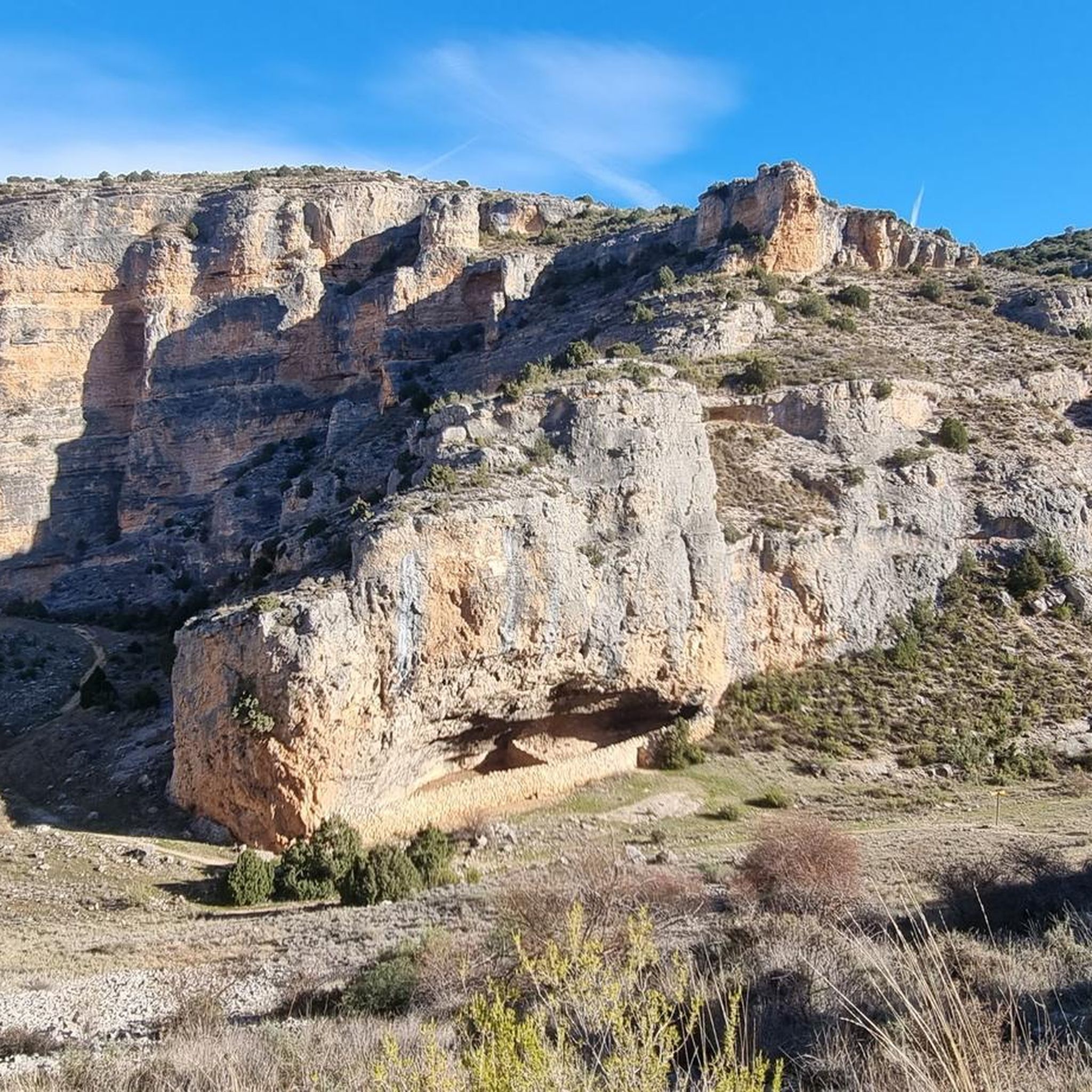
The natural environment surrounding the sanctuary is stunning, with dramatic rock formations and winding trails ideal for hikers of all levels. To visit the interior of the sanctuary, please contact the Jaraba Tourist Office.
3
0
The Sanctuary of the Virgin of Jaraba is a medieval sanctuary located on the walls of the Cañón de la Hoz Seca, also known as the Barranco de la Hoz Seca, in Jaraba, Zaragoza. This sanctuary is dedicated to the Virgin Mary, and it is said that a shepherd had a vision of the Virgin at this location in the 12th century. The sanctuary, which blends perfectly into the rocky surroundings, features a Baroque chapel that houses a venerated image of the Virgin of Jaraba. The complex also includes an original altar and several altarpieces donated by nearby towns.
3
0
The Sanctuary of the Virgin of Jaraba is a place of great historical and spiritual interest, located in the stunning setting of the Barranco de la Hoz Seca. Built in the 18th century, the sanctuary is known for its architecture and natural setting. It is said that the Virgin of Jaraba appeared on a rock oozing oil, giving it a miraculous quality.
3
0

Stunning views of the Hoz Seca ravine. The Sanctuary was closed when we arrived, so it is important to check the opening hours beforehand if you want to visit.
1
0

Beyond the monastery and its park, the route is mainly on the road, which is a shame.
1
0
Definitely a beautiful place to enjoy nature and panoramic views! 🏞️🌅
4
0
The Chorreaderos Waterfall is one of the nine named waterfalls in the Monasterio de Piedra Natural Park, near Nuévalos. In addition to the waterfalls, you can also visit the monastery, which was built in 1194. The Monasterio de Piedra Natural Park offers a surprising landscape with paths and trails that cross waterfalls, streams, lakes and caves, all in the shade of trees. centuries-old and an exceptional variety of flora and fauna. Definitely a place to explore! 🌿🏞️
2
0
Frequently Asked Questions
What natural wonders can I explore around Cimballa?
The region around Cimballa is rich in natural beauty, featuring dramatic rock formations, canyons, and verdant natural parks. You can discover impressive waterfalls like La Caprichosa Waterfall, known for its 30-meter fall and jungle-like atmosphere within the Monasterio de Piedra natural park. Another notable waterfall is the Monasterio de Piedra Waterfall, part of an idyllic park with lakes, caves, and trails. The Chorreaderos Waterfall is also a beautiful spot within the same natural park.
Are there historical or religious sites to visit in the Cimballa area?
Yes, Cimballa offers significant historical and religious sites. The Monasterio de Piedra Monastery Ruins is a restored Cistercian monastery from the 13th century, showcasing a transition from Romanesque to Cistercian Gothic architecture, including a spectacular cloister. Additionally, the Sanctuary of the Virgin of Jaraba, an 18th-century religious building, is nestled in the stunning Barranco de la Hoz Seca, blending perfectly into its rocky surroundings.
What are some family-friendly attractions near Cimballa?
The Monasterio de Piedra Natural Park is an excellent choice for families. It features several waterfalls, including La Caprichosa Waterfall and Monasterio de Piedra Waterfall, along with lakes, caves, and beautiful walkways. The park offers a marked trail of about 5 kilometers, which can be explored at a leisurely pace, making it suitable for children. The diverse environment with abundant water and vegetation provides an engaging experience for all ages.
Are there hiking opportunities near Cimballa's attractions?
Absolutely. The area around Cimballa is ideal for hiking. You can find trails like the 'Monasterio de Piedra Waterfalls Trail' and the 'La Caprichosa Waterfall – Iris Waterfall loop from Monasterio de Piedra,' both rated as easy. For more challenging options, consider 'Hoces del Rio Piedra y Barranco de Montecillo desde Aldehuela de Liestos — (GR-24)'. You can explore more hiking routes in the area by visiting the Hiking around Cimballa guide.
What is the best time of year to visit Cimballa's attractions?
The Monasterio de Piedra Natural Park, a major attraction, is beautiful year-round. However, spring and autumn generally offer the most pleasant weather for exploring the outdoor attractions and hiking trails, with lush vegetation and comfortable temperatures. During these seasons, the waterfalls are often at their most impressive. Summer can be warm, while winter offers a different, often quieter, experience.
Are there any less crowded or 'hidden gem' attractions in the region?
While the Monasterio de Piedra Natural Park is popular, its extensive trails and various waterfalls like Chorreaderos Waterfall allow for moments of tranquility. For a unique blend of history and nature away from the main crowds, the Sanctuary of the Virgin of Jaraba offers a serene experience in a dramatic natural setting, often feeling like a hidden gem due to its remote location within the Barranco de la Hoz Seca.
What kind of outdoor activities, besides hiking, are available?
Beyond hiking, the Cimballa region also offers excellent opportunities for road cycling. You can find routes such as the 'Maranchón Juniper Forest – Maranchón loop from Milmarcos' or the 'Hermitage of the Virgen de la Hoz – Castle of Molina de Aragón loop from Milmarcos.' These routes vary in difficulty from moderate to difficult. Discover more options in the Road Cycling Routes around Cimballa guide.
What should I wear for hiking near Cimballa?
For hiking around Cimballa, especially in areas like the Monasterio de Piedra Natural Park, it's advisable to wear comfortable walking shoes or hiking boots suitable for varied terrain, including paths that can be wet or uneven near waterfalls. Layered clothing is recommended to adapt to changing temperatures, and a waterproof jacket can be useful, particularly during spring or autumn. Don't forget sun protection and plenty of water.
Are there any dog-friendly walks or areas around Cimballa?
While specific dog-friendly policies can vary for individual attractions, many natural trails and outdoor areas around Cimballa are suitable for walks with dogs, provided they are kept on a leash. It's always best to check the specific rules for places like the Monasterio de Piedra Natural Park before visiting, as some areas might have restrictions to protect wildlife or maintain the environment. Generally, open-air trails outside of ticketed attractions are more accommodating.
What do visitors particularly enjoy about the attractions in Cimballa?
Visitors to Cimballa particularly enjoy the stunning natural landscapes and the rich historical heritage. The 'jungle-like atmosphere' and 'great beauty' of waterfalls like La Caprichosa Waterfall are frequently praised. The blend of natural beauty with historical sites, such as the restored Cistercian architecture of the Monasterio de Piedra Monastery Ruins and its spectacular cloister, also receives high acclaim. The overall experience of exploring diverse environments, from religious buildings to natural monuments, is highly appreciated by the komoot community.
How long does it take to visit the Monasterio de Piedra Natural Park?
The Monasterio de Piedra Natural Park features a marked trail of about 5 kilometers. A visit at a leisurely pace, allowing time to enjoy the waterfalls, lakes, caves, and the monastery itself, typically takes around 2 to 3 hours. This allows ample time to appreciate the natural beauty and historical significance without feeling rushed.
Is there an entrance fee for the Monasterio de Piedra Natural Park?
Yes, the Monasterio de Piedra Natural Park is not free. It is a private park that requires an entrance fee. It is important to check their official website for current prices and opening schedules before planning your visit to ensure you have the most up-to-date information.
Can I find cafes or places to eat near the hiking trails?
Within the Monasterio de Piedra Natural Park, there are facilities that include dining options. For trails outside the park, it's advisable to check local villages like Nuévalos or Jaraba, which often have cafes and restaurants. Packing snacks and water is always a good idea, especially for longer hikes, as amenities might not be directly adjacent to all trailheads.
Most popular routes around Cimballa
Most popular attractions around Cimballa

Get inspired with the komoot mobile app


Explore more
Still not found the Highlight you’re looking for? See guides of the top attractions in other regions:
