Attractions and Places To See around Adanero - Top 6
Attractions and places to see around Adanero offer a glimpse into traditional Castilian life in the province of Ávila, Castile and León. Situated in the La Moraña region, the area is characterized by cereal fields and livestock farms. Visitors can explore historical landmarks, traditional architecture, and natural features. The region provides opportunities to experience the local culture and landscape.
Best attractions and places to see around Adanero
- The most popular attractions is El Bohodón, a settlement that is a…
Last updated: June 17, 2026
El Bohodón
Highlight • Settlement
Translated by Google •
Tip by

Vega de Santa Maria
Highlight • Settlement
Translated by Google •
Tip by

Sign up now to discover places like this
Get recommendations on the best single tracks, peaks, & plenty of other exciting outdoor places.
Sign up for free
Tiñosillos
Highlight • Settlement
Translated by Google •
Tip by
Muñopedro Straights
Highlight • Cycleway
Translated by Google •
Tip by
Bridge
Highlight • Bridge
Translated by Google •
Tip by
Sign up for free to discover even more attractions around Adanero.
Sign up for free
Already have an account?
Start today with a free account
Your next adventure awaits.
Login or Signup


Tips from the Community

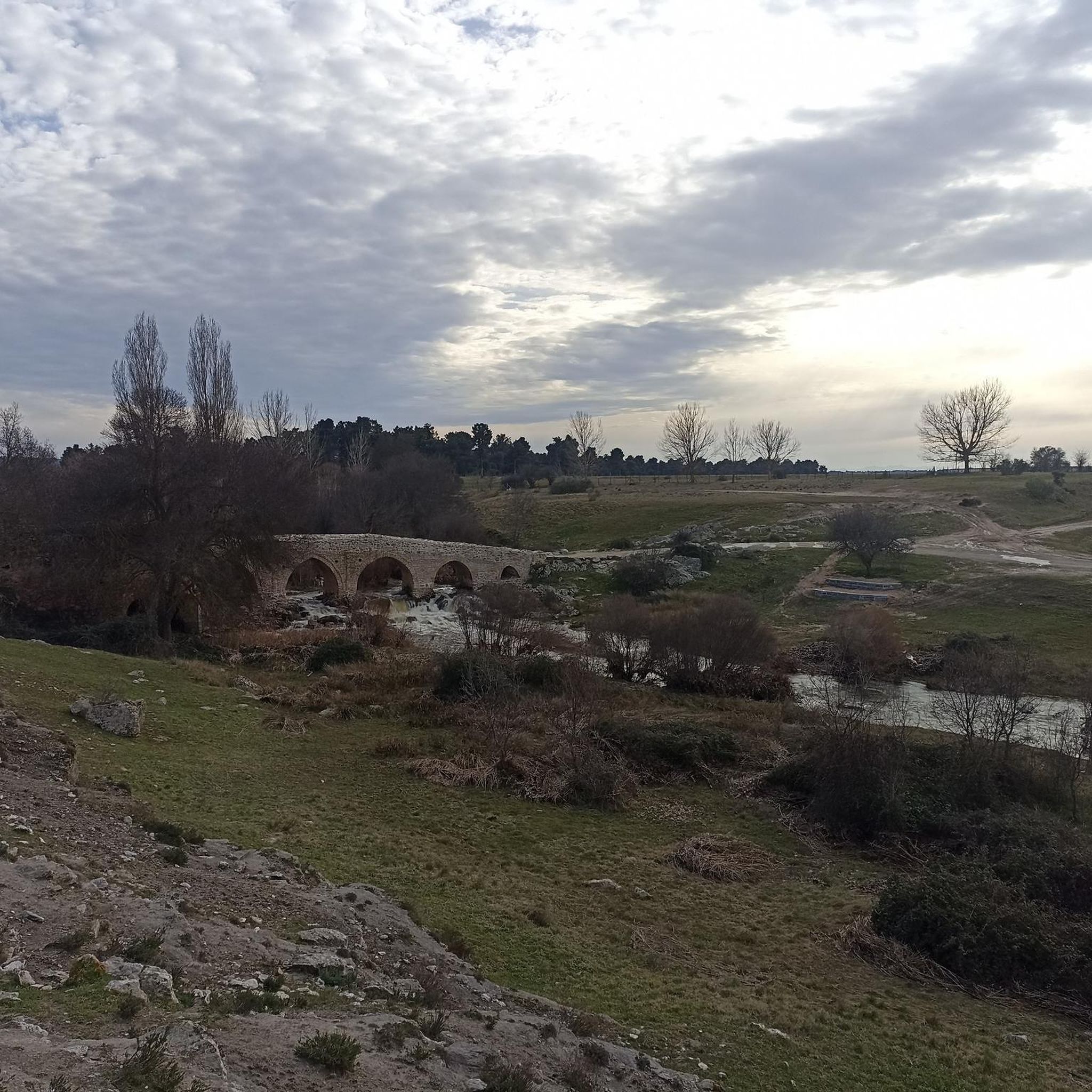
The bridge located in Moñibas (Segovia) is a small stone bridge, very characteristic of traditional Castilian rural architecture.
4
0
El Bohodón is a municipality in Spain belonging to the province of Ávila, in the autonomous community of Castilla y León. It is located in the La Moraña region, in the north of the province. It is located 35 kilometers from the capital and 17 kilometers from Arévalo.
5
0

Small population where two rivers bathe the lands of the municipality, to the east the Adaja river and to the west the Arevalillo river, a tributary of the previous one.
1
0
Population that is located at the gates of what is called Campo de Pajares on its eastern side. Pine forests that occupy a large area.
1
0
Small town located north of the city of Ávila and that offers views of the plains of Avila in the area. At the beginning of the town is the Iglesia de Nuestra Señora de la Asunció, a little away from the center.
0
0
Huge straights that are there before reaching Muñopedro and that are surrounded by agricultural fields. Watch if the wind blows!
0
1
Small bridge that is close to the town of Moñibas and that crosses the Río Voltoya, on the border between Segovia and Álava.
0
0
Frequently Asked Questions
What historical landmarks can I explore in Adanero?
Adanero offers several historical sites. The most prominent is the Church of Nuestra Señora de la Asunción, a Property of Cultural Interest with origins in the 13th century, showcasing Romanesque, Mudéjar, Renaissance, and Baroque styles. You can also visit the Palace of the Counts of Adanero, an elegant 15th-century Renaissance building, and the modest 17th-century Hermitage of Jesús Nazareno on the town's outskirts.
Are there any natural areas for birdwatching or enjoying nature around Adanero?
Yes, the Lavajo de San Antón, a small permanent lagoon on the outskirts of town, is an excellent spot for birdwatching. It's a haven for various bird species, including migratory ones, and is part of the Natura 2000 network. Additionally, the area is surrounded by extensive cultivation fields and isolated pine forests, such as the Pinar Veinte Fuentes, offering opportunities to enjoy nature and fresh air.
What kind of traditional architecture can be seen in Adanero?
Adanero's urban layout features numerous examples of traditional Castilian architecture. You can appreciate this style in areas like Calle Real, Plaza de la Constitución, and Plaza El Castillo, which display well-integrated older and newer constructions.
Are there family-friendly attractions in the Adanero area?
Yes, several spots are suitable for families. Vega de Santa Maria is a small town north of Ávila that offers views of the plains and features the Iglesia de Nuestra Señora de la Asunción. The Bridge near Moñibas, a small stone bridge crossing the Río Voltoya, is also noted as family-friendly and wheelchair accessible, perfect for a short stroll.
Can I find places for cycling or mountain biking near Adanero?
Absolutely! The region around Adanero is great for outdoor activities. For mountain biking, you can explore routes like the 'Maello – Muñopedro Straights loop from Sanchidrián' or the 'Sandy Dirt Road loop from Urb. Coto de Puenteviejo'. For road cycling, options include the 'Muñopedro, Maello y Hernansancho — circular desde Sanchidrián' or the 'Bridge loop from Urb. Coto de Puenteviejo'. You can find more details and routes in the MTB Trails around Adanero, Cycling around Adanero, and Road Cycling Routes around Adanero guides.
What is the Church of Nuestra Señora de la Asunción known for?
The Church of Nuestra Señora de la Asunción is Adanero's primary architectural landmark. It's known for its blend of Romanesque, Mudéjar, Renaissance, and Baroque styles, reflecting centuries of reforms. Key features include an imposing bell tower, an 18th-century organ by Juan Francisco Verdalonga Romero, an excellent granite baptismal font, and a notable Baroque altarpiece inside, along with some ancient, well-preserved frescoes.
Is there an interesting historical communication site in Adanero?
Yes, you can visit the Optical Telegraph Tower. This historic brick and granite tower was part of a 19th-century communication line that connected Madrid with Valladolid, serving as an important vestige of early communication networks in Spain.
What is El Bohodón, and what makes it notable?
El Bohodón is a municipality in the province of Ávila, located in the La Moraña region. It's notable for its natural setting, as its lands are bathed by two rivers: the Adaja river to the east and the Arevalillo river to the west, a tributary of the Adaja.
What are the "Muñopedro Straights" and what activities are popular there?
The Muñopedro Straights are extensive, flat sections of road surrounded by agricultural fields, located before reaching the town of Muñopedro. They are particularly popular for cycling, offering long, open stretches, though cyclists should be mindful of the wind.
What are the surrounding landscapes like in Adanero?
Adanero is situated in the La Moraña region, characterized by extensive cultivation fields, including large cereal plantations and smaller orchards, alongside livestock farms. The flat, agricultural landscape is also interspersed with isolated pine forests, such as the Pinar Veinte Fuentes, located a few kilometers from the town.
What other cities can I visit easily from Adanero?
Adanero serves as a convenient base for exploring other significant cities in the region. Ávila, Salamanca, Valladolid, and Segovia are all within approximately an hour's drive, making them ideal for day trips.
Are there any accessible attractions in the region?
Yes, the Bridge near Moñibas is noted as being wheelchair accessible. This small stone bridge crosses the Río Voltoya and is characteristic of traditional Castilian rural architecture, offering an easy and pleasant visit.
What is the best time of year to visit Adanero?
The best time to visit Adanero generally aligns with pleasant weather for exploring historical sites and enjoying the natural surroundings. Spring (April-June) and early autumn (September-October) typically offer mild temperatures, ideal for walking and cycling without the intense heat of summer or the chill of winter.

Get inspired with the komoot mobile app


Explore more
Still not found the Highlight you’re looking for? See guides of the top attractions in other regions:
