Attractions and Places To See around Torrecilla De Alcañiz - Top 20
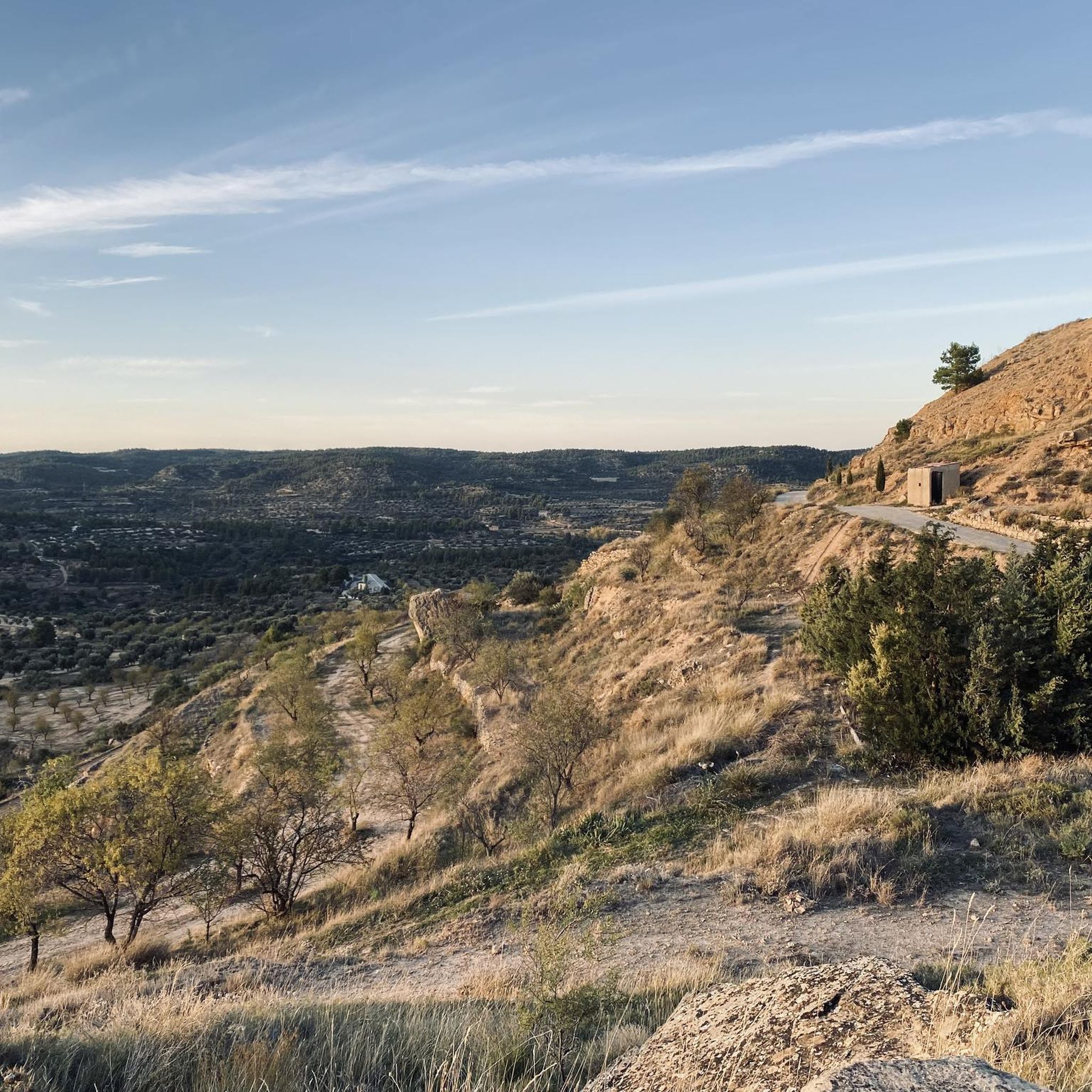
Best attractions and places to see around Torrecilla De Alcañiz include historical landmarks, cultural sites, and natural features. Situated on the right bank of the Mezquín River, the town offers a blend of architecture and archaeological finds, including Bronze Age burial caves. The surrounding landscape provides opportunities for exploring botanical routes and hiking trails. This region in Teruel, Spain, features diverse points of interest for visitors.
Best attractions and places to see around Torrecilla De Alcañiz
- The most popular attractions…
Last updated: October 10, 2026
Valdealgorfa
Highlight • Trail
40.2 kilometers. 320 positive meters.
The end of the bikepacking trip has a magnificent closure. The route leaves the Horta de Sant Joan station, …
Translated by Google •
Tip by

Equinox Tunnel
Highlight (Segment) • Structure
Translated by Google •
Tip by

Sign up now to discover places like this
Get recommendations on the best single tracks, peaks, & plenty of other exciting outdoor places.
Convent of Our Lady of Grace, La Fresneda
Highlight • Historical Site
Translated by Google •
Tip by

Abandoned Valljunquera Railway Station
Highlight • Monument
Translated by Google •
Tip by

Castle of the Calatravos
Highlight • Castle
Translated by Google •
Tip by

Sign up for free to discover even more attractions around Torrecilla De Alcañiz.
Already have an account?
Start today with a free account
Your next adventure awaits.

Tips from the Community

The Parador de Sto. Domingo Bernardo de Fresneda consists of 3 parts: the church, the studio-museum and the hotel.
3
0

Stage 4. Horta de Sant Joan/Valdealgorfa 40.2 kilometers. 320 positive meters. The end of the bikepacking trip has a magnificent closure. The route leaves the Horta de Sant Joan station, passes through one of the last tunnels on the way and the Algars River Viaduct appears, impressive, 170 meters long and four large arches 20 meters high. At the bridge you cross the Matarraña-Algars Natural Trail. The path advances through a landscape of crops, vines and scrubland until the Cretas station. The town leaves the mountains on the right and the route runs along the highest section of the old railway route, at the old Valderrobres station. The descent through the Canaleta valley is fantastic, the bikes launch at full speed towards the plain of the Matarraña river. On some hills to the left, the silhouette of the Torre del Compte houses appears attached to the crest of a lookout hill, like most of the towns in the region. The path passes through the old station, converted into a rural hotel, and crosses the Matarraña viaduct, 275 meters long, one of the great works of the railway. The meadow is a beautiful agricultural area of impeccable crops, adapted to the soil and relief of the valley. The Matarraña River marks the end of the mountain landscapes. The road passes through a new curved tunnel and immediately the Valdeltorno station appears, where the detour to the Matarraña Natural Path that we used three days before in the first stage towards Fayón departs. Now the route continues straight on through familiar terrain, it crosses the straight that goes up to the attractive Valjunquera station and shortly after the decisive moment of the stage arrives. On the first day of the trip we leave the Equinox Tunnel for the return and it is time to face the experience. The milestones of the Natural Trail indicate the route outside the tunnel for safety, since it is not conditioned or maintained, landslides and waterlogged sections may appear, the ground is stony and it is easy to suffer incidents, it is a 2.4 kilometer journey of darkness and It is the responsibility of each person to make the decision to travel through the old railway tunnel. In our case we asked in the town and at that time it was in acceptable condition. And we chose the direction from east to west so that it was downhill because there is a 60 meter difference in altitude. The surface has sections with quite a few stones and you have to hone in on the gravel to avoid skidding, it is a matter of patience, good light and skill. The exit hole grows little by little and finally the fence installed at the mouth of the tunnel appears to control the passage and a few meters later the Valdealgorfa station, the end of a new and intense bikepacking adventure.
0
0

The Calatravos castle is today a national tourist stop. Its oldest part dates back to the 13th century, although the cloister and palace date from the 14th century. The outer wall was renovated in the 19th century.
0
0

Calatravos Castle is located on a ridge at the southern end of the town of Alcañiz. This castle was built strategically, it is said, possibly in Roman and later Muslim times.
0
1

It is essential to bring light, it is totally dark. It has some doors, it may be closed at some point.
1
1

The station is in a spectacular location and relatively well preserved. Very easy access from the N-420 at the junction to go to Valljunquera. Ideal for walking along the greenway or for cycling along the route.
3
1

From here you have a good view of the surroundings. Today the castle is a hotel (Parador).
1
0

Spectacular ruins of the convent and the Church lost in the middle of the forest.
3
0
Frequently Asked Questions
What historical landmarks can I explore in Torrecilla de Alcañiz?
Torrecilla de Alcañiz boasts several significant historical landmarks. You can visit the impressive Church of San Miguel Archangel, which features Renaissance and Baroque architecture. The Town Hall (Casa Consistorial), a 16th-century Renaissance building, is also notable. For panoramic views and historical context, explore the Hermitage of Santa Bárbara, located on a hill overlooking the area.
Are there any natural features or viewpoints to visit near Torrecilla de Alcañiz?
Yes, the region offers beautiful natural features and viewpoints. The confluence area of the Mezquín and Guadalope rivers provides pleasant walks. For stunning panoramic views of the surrounding landscape, including the Estanca and Alcañiz, head to the Hermitage of Santa Bárbara. Additionally, the pine-crowned summit of El Calvario offers a scenic spot after following its Stations of the Cross route.
What kind of outdoor activities can I do around Torrecilla de Alcañiz?
The area around Torrecilla de Alcañiz is excellent for outdoor enthusiasts. You can enjoy hiking on trails like the Barranco Fondo del Mezquín Trail or the Desert of Calanda Trail. For cycling, there are numerous MTB and road cycling routes available. Explore options such as the Hiking around Torrecilla De Alcañiz, MTB Trails around Torrecilla De Alcañiz, and Road Cycling Routes around Torrecilla De Alcañiz guides for detailed routes.
Are there family-friendly attractions or activities in the area?
Families can enjoy several attractions. The Abandoned Valljunquera Railway Station is easily accessible and ideal for walking or cycling along the greenway. The town of Alcañiz, a short distance away, also offers family-friendly sights and serves as a starting point for the Val de Zafán Greenway, which is suitable for all ages.
Where can I find unique cultural heritage sites related to the region's history?
Beyond the main landmarks, you can discover fascinating cultural heritage sites. Explore ancient water engineering works, including a fountain, dam, irrigation canal, and reservoir. The countryside also features historical rural structures like circular stone sheds, the remains of an old textile mill near Santa Bárbara, and an ancient lime kiln in El Chinebral. Don't miss the complex of a well and the remains of four old olive oil mills, highlighting the historical production of Bajo Aragón olive oil.
What is the Equinox Tunnel and why is it significant?
The Equinox Tunnel is a unique 2-kilometer long railway tunnel. It's named for the phenomenon where, twice a year around the autumn and spring equinoxes, the sun fully illuminates its interior. While it can be a chilling experience due to its darkness, it's a recommended adventure for those with proper lighting. There is also a path enabled to skirt it if you prefer not to go through.
Can I find archaeological sites in Torrecilla de Alcañiz?
Yes, the area has a rich archaeological history. Evidence of human activity dates back to the Bronze Age, with burial caves discovered in La Cortada II and Balsa Nueva. You can also find remnants from the ancient Iberian civilization, offering a glimpse into the region's distant past.
Are there any botanical routes or areas for nature study?
Torrecilla de Alcañiz offers dedicated botanical routes that honor famous botanists José Pardo Sastrón and Loscos, both connected to the region. These routes feature various species of trees and shrubs, identifiable by informative panels, providing an excellent opportunity for nature study and appreciation of local flora.
What is the best time of year to visit Torrecilla de Alcañiz for outdoor activities?
The best time to visit Torrecilla de Alcañiz for outdoor activities like hiking and cycling is generally during spring (April-May) and autumn (September-October). During these seasons, the weather is typically mild and pleasant, making it ideal for exploring the natural landscapes and historical sites without the extreme heat of summer.
What is there to see in the nearby town of Alcañiz?
The nearby town of Alcañiz offers several notable sights. These include the impressive Church of Santa María la Mayor with its medieval Gothic tower, the Lonja de Alcañiz, and the historic Casa Consistorial (Town Hall). Alcañiz is also a popular starting point for road bike routes and the Val de Zafán Greenway.
What do visitors enjoy most about the attractions around Torrecilla de Alcañiz?
Visitors particularly enjoy the blend of historical sites, natural landscapes, and unique infrastructure. Highlights like the spectacular ruins of the Convent of Our Lady of Grace, La Fresneda, lost in the forest, and the well-preserved Abandoned Valljunquera Railway Station are highly appreciated. The opportunity for walking or cycling along greenways and exploring ancient churches and scenic river areas also receives positive feedback from the komoot community.
Most popular routes around Torrecilla De Alcañiz

Get inspired with the komoot mobile app


Explore more
Still not found the Highlight you’re looking for? See guides of the top attractions in other regions:
