Attractions and Places To See around León - Top 20
Best attractions and places to see around León offer a rich blend of history and natural beauty in northwest Spain. The city is characterized by its significant architectural landmarks and proximity to diverse natural landscapes. Visitors can explore ancient Roman heritage, medieval structures, and modernist architecture. The region provides a variety of experiences, from urban exploration to outdoor adventures.
Best attractions and places to see around León
- The most popular attractions is León Cathedral, a religious building described as "the most outstanding and stylistically pure early Gothic building on Spanish soil". It is renowned for its impressive stained-glass windows, one of the largest collections of medieval stained glass in the world.
- Another must-see spot is San Marcelo Square and the Lion Sculpture, a man-made monument that features a sculpture symbolizing the city's Roman origins and sanitation system. This lively square is a central point in the old town.
- Visitors also love Roman City Walls of León, a historical site dating back to the 1st century, built by the Legio VI. These fortifications mark the old town and offer insight into the city's past defensive capabilities.
- León is known for its historical landmarks, architectural gems, and natural features. The city and its surroundings offer a variety of attractions to see and explore, from ancient Roman walls to Gothic cathedrals and modernist buildings.
- The attractions around León are appreciated by the komoot community, with more than 400 upvotes and over 600 photos shared.
Last updated: October 11, 2026
León Cathedral
Highlight • Religious Site
Translated by Google •
Tip by

San Marcelo Square and the Lion Sculpture
Highlight • Monument
We go back to Roman times to understand part of the theme of this sculpture. Cloacina, in Roman mythology, was the goddess who ruled over the Cloaca Máxima, the sewer system of Rome. The sewer name comes from the name of this goddess, because thanks to the origin of sewer systems, a quality of life was achieved in terms of sanitation of urban environments and public health from the beginning to the present day.
It should be remembered that the origin of the name of this city and province of León comes from the word legio ("legion"). Legio VII Gemina was the Roman camp that settled here and with it the origin of the city of León.
A lion with strength and claws as a symbol of the sanitation system (the modern version of Cloacina Máxima) in constant renewal and maintenance.
The goal was achieved: to do something symbolic and reflect the efforts and human work of so many years, to give solidity to our public health and the health of the environment.
Translated by Google •
Tip by

Sign up now to discover places like this
Get recommendations on the best single tracks, peaks, & plenty of other exciting outdoor places.
Roman City Walls of León
Highlight • Historical Site
Roman wall: Its origin dates back to the 1st century and was built by the Legio VI to control the Asturian population in the area.
Medieval wall: It dates back to the 14th century and protected the city.
León Castle: Currently houses the provincial historical archive.
In short, the walls of León are silent witnesses of the history and evolution of this beautiful city. 🏰🌆
Translated by Google •
Tip by
Plaza de Santo Domingo Fountain, León
Highlight • Monument
Translated by Google •
Tip by
Casa Botines Gaudí Museum
Highlight • Monument
Translated by Google •
Tip by

Sign up for free to discover even more attractions around León.
Already have an account?
Start today with a free account
Your next adventure awaits.
Popular around León
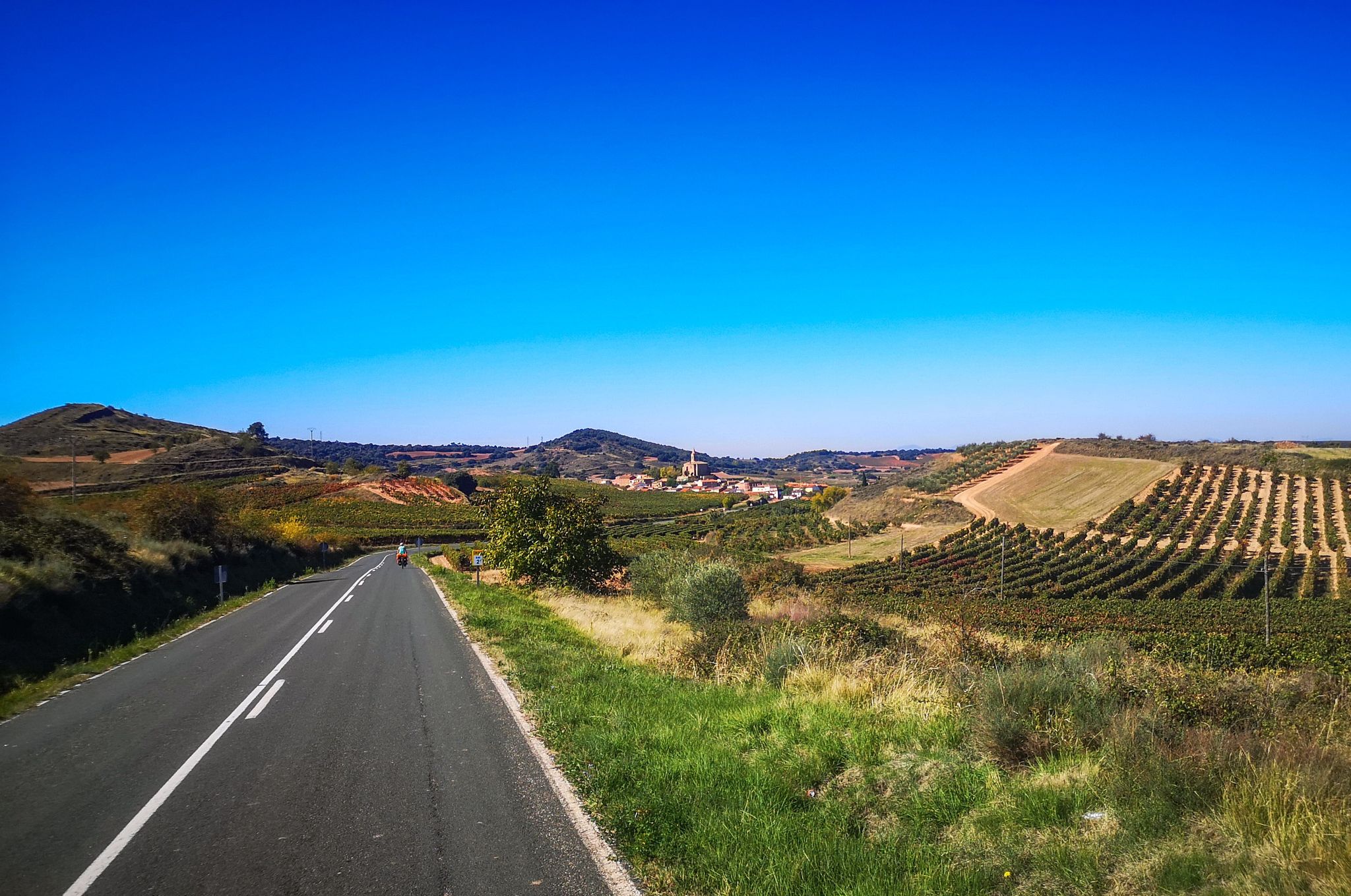
Santiago de Compostela – A journey through northern Spain (10 days)
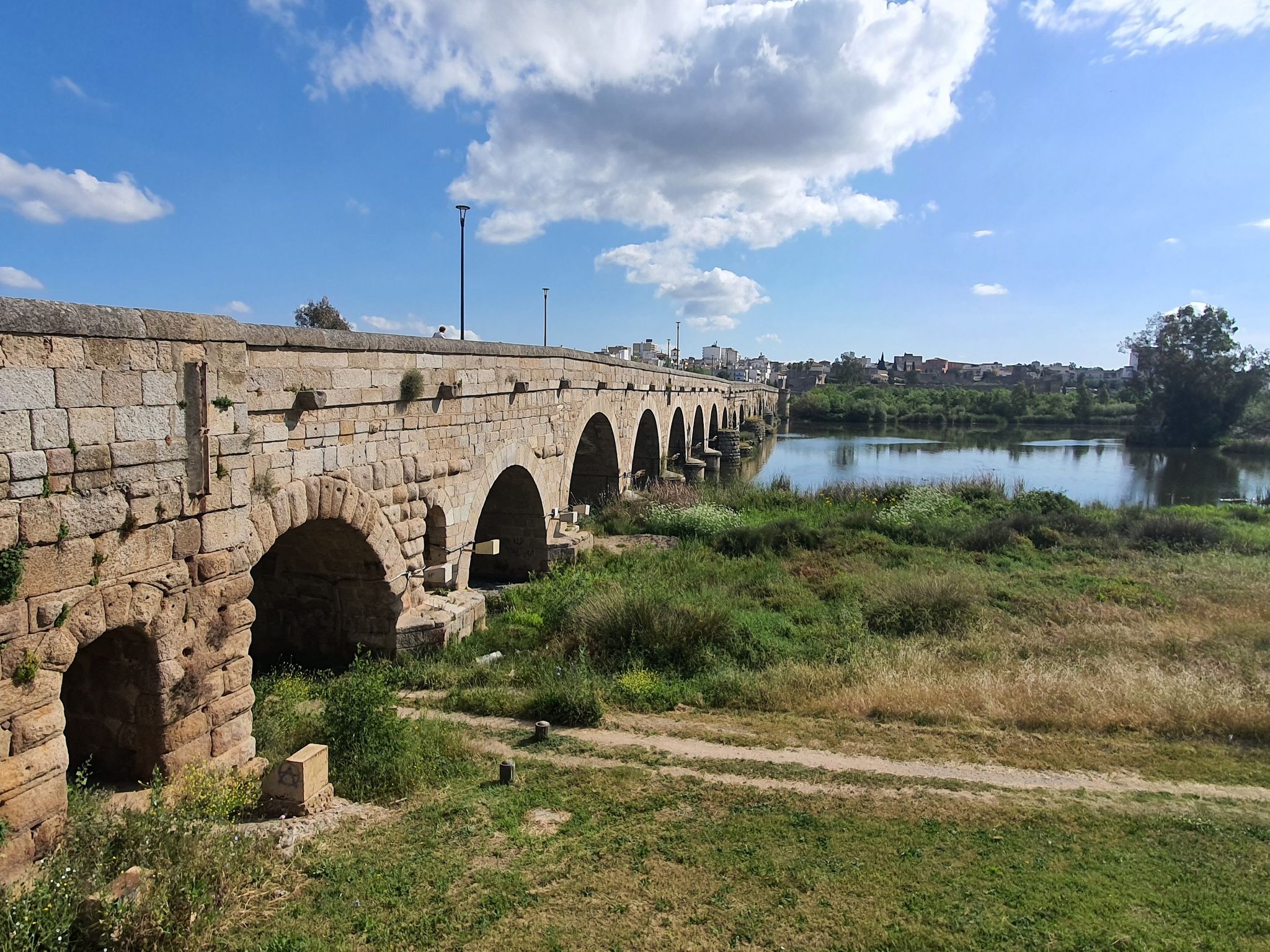
Gijón to Sevilla in Spain – Vía de la Plata (GR 100)
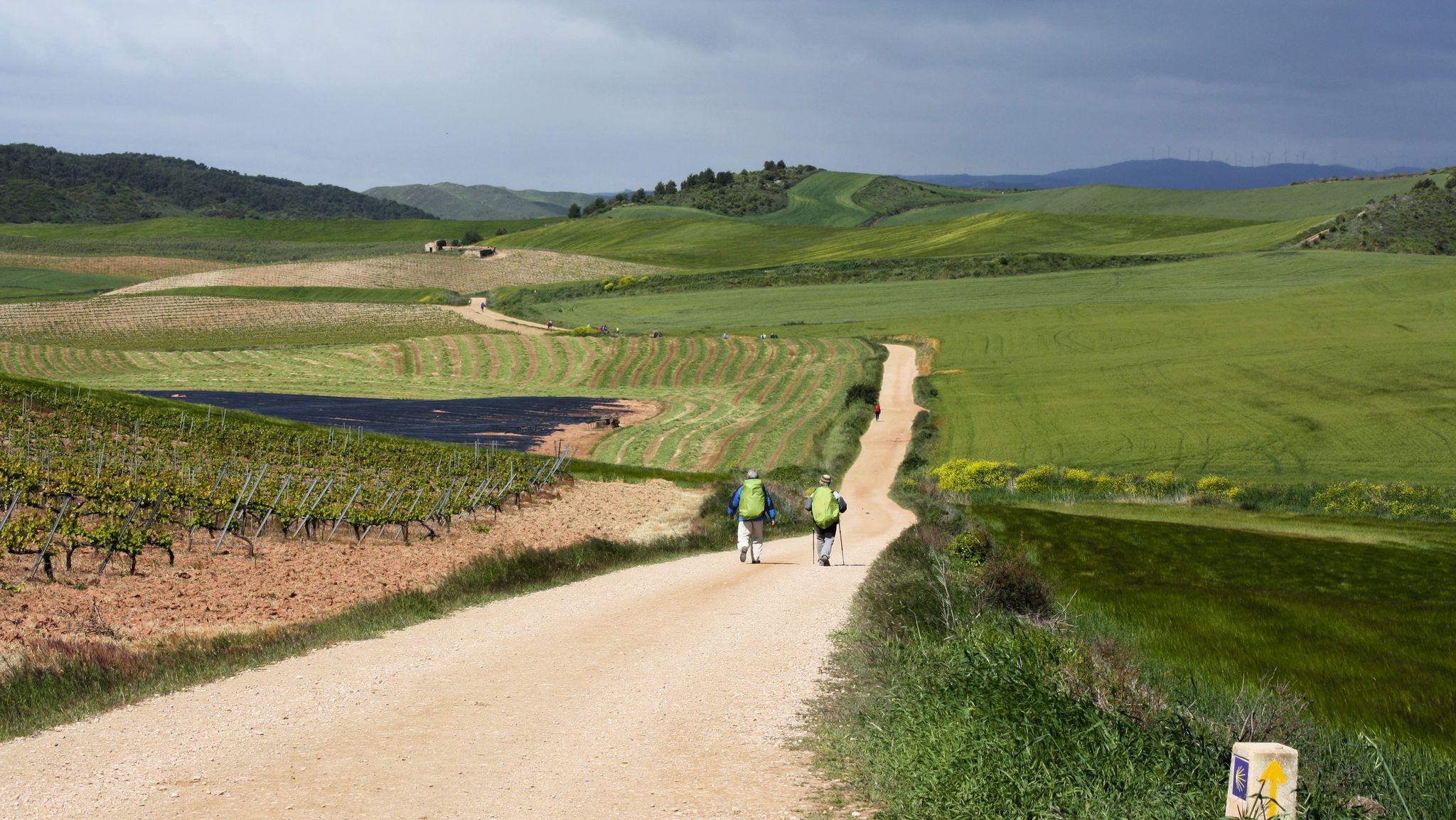
An Iberian pilgrimage – French Way of Saint James
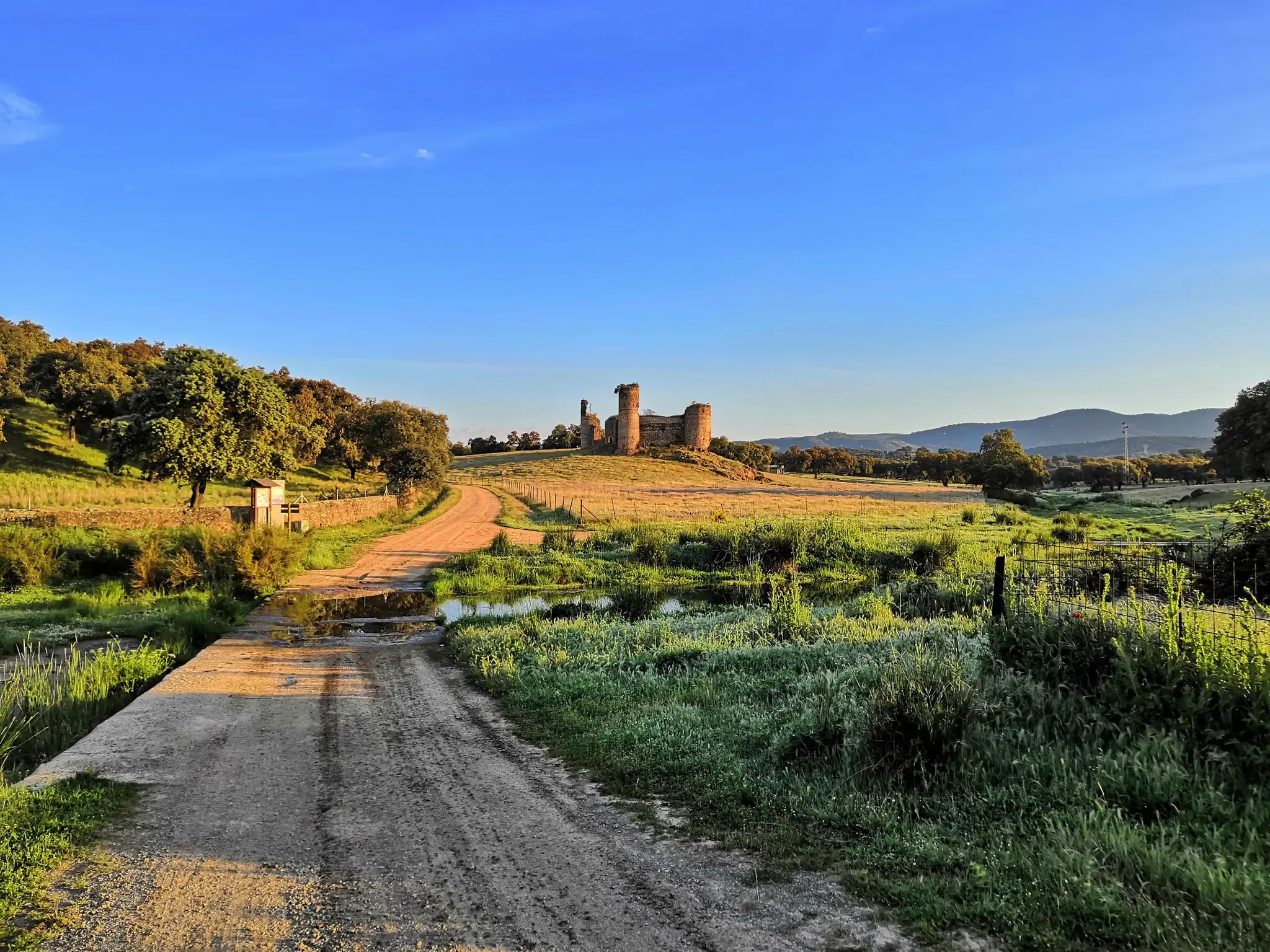
A romantic journey in the footsteps of the Romans – Via de la Plata
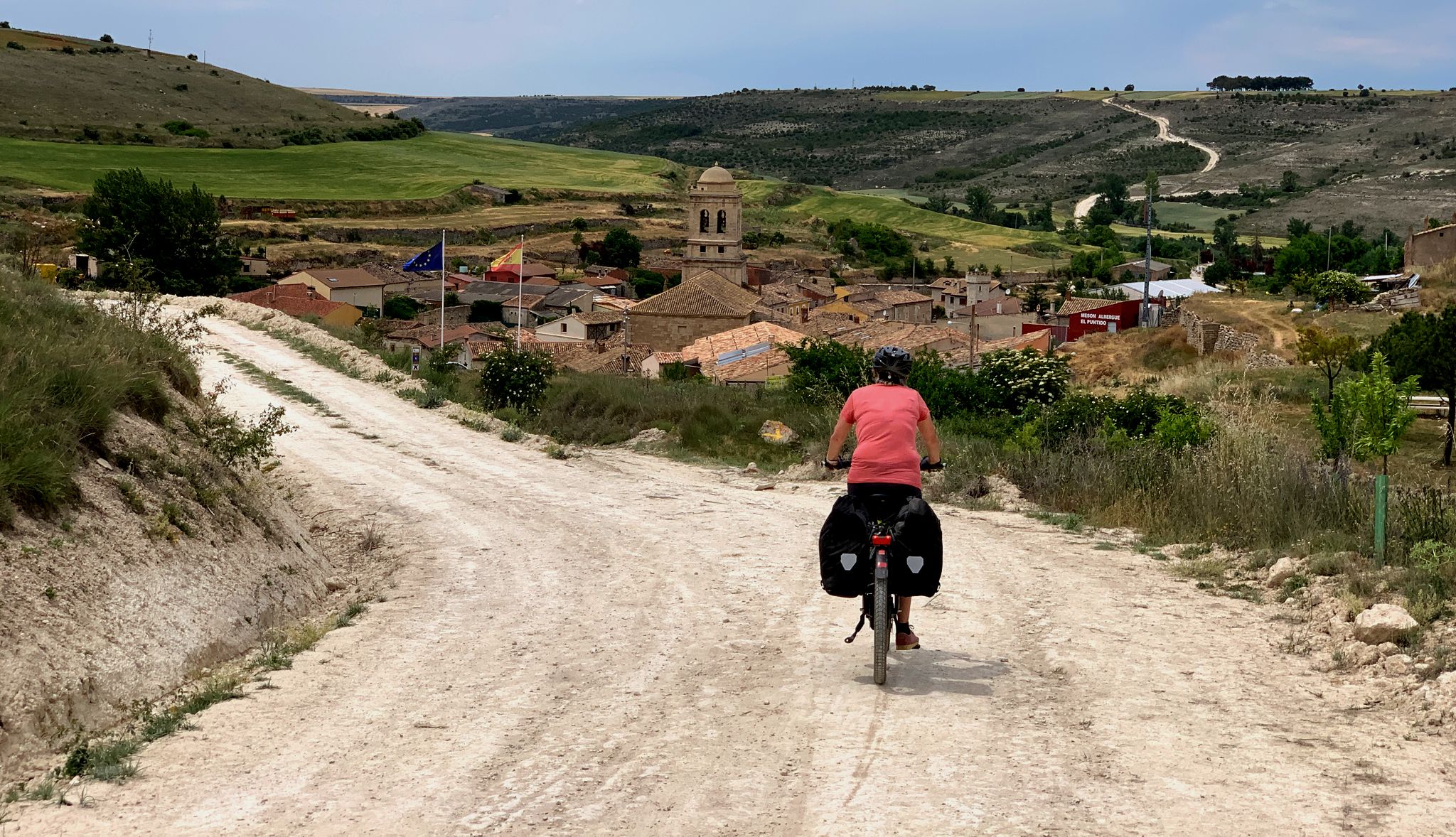
The Pilgrim Route — EuroVelo 3 through Spain
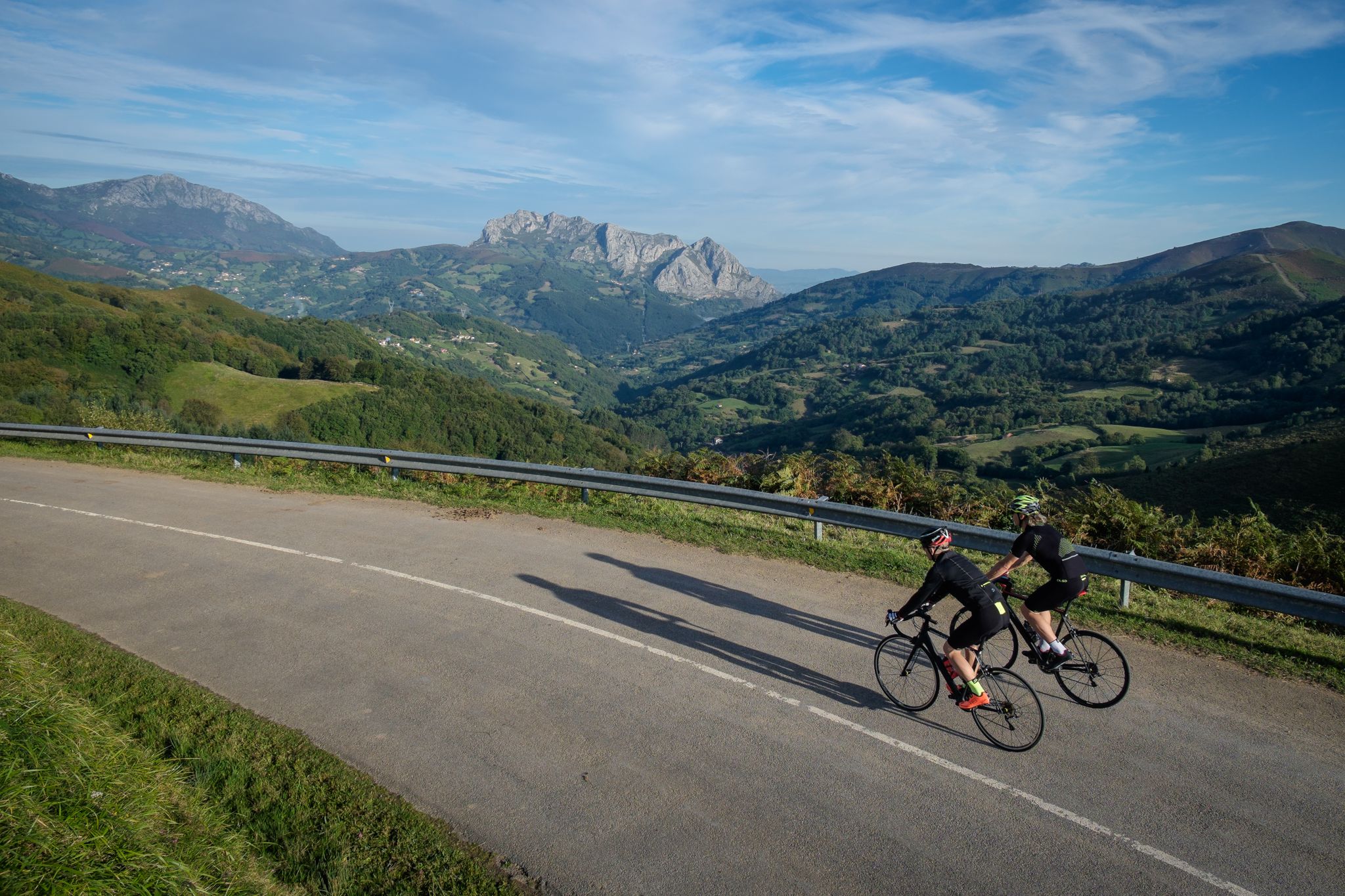
Explore Spain’s monuments and landscapes – cycle the Via de la Plata
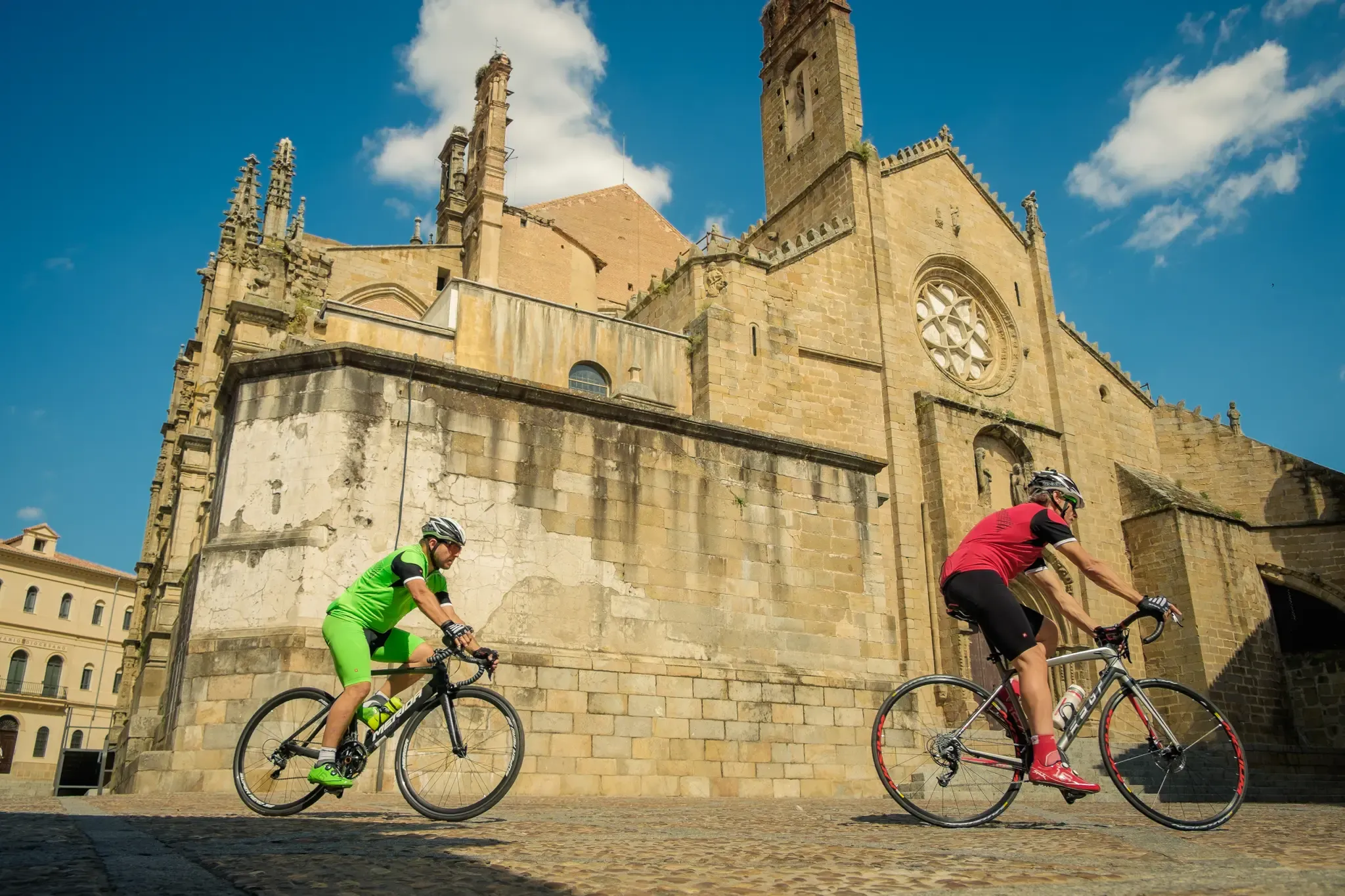
Vía de la Plata – from Seville to Gijón by bike
Road Cycling Routes around León
MTB Trails around León
Running Trails around León
Other adventures around León


Tips from the Community

By choosing this name, the bishopric of Leon pays tribute to a saint whose name will be familiar to the many pilgrims who pass through here on the “Camino frances”, because some time before (in the autonomous region of La Rioja) they reached the town named after him, Santo Domingo de la Calzada, also a very famous destination on the approximately 800-kilometer-long pilgrimage route from the Pyrenees to the tomb of the apostle in Santiago de Compostela in Galicia.
6
0

A beautiful, lively square right at the entrance to the old town of Leon.
4
0

EL LEÓN DE SALEAL: We go back to Roman times to understand part of the theme of this sculpture. Cloacina, in Roman mythology, was the goddess who ruled over the Cloaca Máxima, the sewer system of Rome. The sewer name comes from the name of this goddess, because thanks to the origin of sewer systems, a quality of life was achieved in terms of sanitation of urban environments and public health from the beginning to the present day. It should be remembered that the origin of the name of this city and province of León comes from the word legio ("legion"). Legio VII Gemina was the Roman camp that settled here and with it the origin of the city of León. A lion with strength and claws as a symbol of the sanitation system (the modern version of Cloacina Máxima) in constant renewal and maintenance. The goal was achieved: to do something symbolic and reflect the efforts and human work of so many years, to give solidity to our public health and the health of the environment.
6
0
Very well done how the lion climbs out of the drain here
5
0
Here you can still admire part of the impressive Roman city wall.
1
1
The building was designed by Gaudi. Inside there is a museum that displays some of his works.
2
0

Above the entrance door there is a sculpture of Saint George killing the dragon. The building was designed for the weaving workshop on the ground floor and semi-basement, while the remaining four floors were used for rental apartments. Designed by the architect with a cubic shape, the four corners are highlighted with pointed elements.
10
0
It is the great Gothic cathedral. Over the centuries it has been rebuilt several times under the direction of numerous famous architects, giving it its own character.
10
0
Frequently Asked Questions
What historical landmarks can I explore in León?
León is rich in history. Beyond the renowned León Cathedral and the Roman City Walls, you can visit the Casa Botines Gaudí Museum, a unique neo-Gothic building by Antoni Gaudí. The Basílica de San Isidoro is another significant Romanesque site, housing the Pantheon of the Kings of León with exquisite 12th-century frescoes. The Convent of San Marcos, a historic pilgrims' shelter, also showcases Spanish Renaissance architecture.
Are there any unique architectural sites in León?
Yes, León boasts several unique architectural sites. The León Cathedral, known as 'la Pulchra Leonina,' is a prime example of early Gothic architecture with one of the world's largest collections of medieval stained glass. Antoni Gaudí's Casa Botines Gaudí Museum is a striking neo-Gothic building with modernist influences, one of only a few Gaudí works outside Catalonia. Additionally, the MUSAC (Castile and León Museum of Contemporary Art) is notable for its colorful facade inspired by the Cathedral's stained-glass windows.
What natural attractions are there near León?
The province of León offers diverse natural beauty. You can explore Las Médulas, a UNESCO World Heritage Site featuring impressive red-hued mountains that are ancient Roman gold mines. The northwestern end of León borders the stunning Picos de Europa National Park, offering breathtaking mountain landscapes and deep valleys. Other natural highlights include the Cuevas de Valporquero cave system and the Montaña de Riaño, known for its diverse wildlife and scenic views over the Riaño reservoir.
Are there opportunities for hiking or cycling around León?
Absolutely. The region around León is excellent for outdoor activities. For hiking, you can explore routes like the 'French Way: León City Loop' or the 'Parque de la Candamia y Las Lomas – circular by León'. Cyclists can enjoy road cycling routes such as 'La Robla from León' or 'Villanueva del Árbol from Leon'. There are also gravel biking options like the 'Casa Botines Gaudí Museum – La Candamia Park loop'. You can find more details on these and other routes in the Hiking around León, Road Cycling Routes around León, and Gravel biking around León guides.
Where can I find easy hiking trails near León?
For easy hiking, several trails are accessible near León. Options include the 'French Way: León City Loop' (5.2 km), 'Parque de la Candamia y Las Lomas – circular by León' (7.1 km), and the 'San Salvador Way' (4.9 km). These routes are generally flat and suitable for a relaxed walk. More details can be found in the Hiking around León guide.
Are there family-friendly attractions in León?
Many of León's historical sites are family-friendly, offering an educational and engaging experience. The León Cathedral, San Marcelo Square, and the Roman City Walls are great for exploring history. The Casa Botines Gaudí Museum can also be fascinating for older children interested in art and architecture. For outdoor family fun, the numerous easy walking paths and parks around the city provide space for children to play and explore.
What is the best time to visit León for sightseeing and outdoor activities?
The best time to visit León for both sightseeing and outdoor activities is generally during the spring (April to June) and autumn (September to October). During these months, the weather is pleasant, with mild temperatures ideal for exploring the city's historical sites and enjoying hiking or cycling in the surrounding natural areas. Summers can be hot, while winters are colder but offer a different charm for city exploration.
Where can I experience local cuisine and nightlife in León?
For an authentic taste of León's local cuisine and vibrant nightlife, head to the Barrio Húmedo. This historic neighborhood is famous for its countless tapas bars, where you can enjoy traditional Leonese dishes and local wines in a lively atmosphere. It's a central point for socializing and experiencing the city's culinary culture.
What is the significance of the Camino de Santiago in León?
León holds significant importance as a crucial stop on the historic Camino de Santiago pilgrimage route. Its presence has profoundly influenced the city's religious architecture, cultural heritage, and overall atmosphere. Pilgrims from all over the world pass through León, contributing to its unique blend of history and spiritual journey.
Can I see wildlife in the León province?
Yes, the León province offers opportunities for wildlife viewing, particularly in its natural parks and reserves. The Montaña de Riaño, part of the Cantabrian mountain range, is known for its diverse wildlife. The Babia Biosphere Reserve also boasts a unique high-mountain landscape where you might spot various species in their natural habitat.
Are there any challenging outdoor activities for experienced adventurers near León?
For experienced adventurers, the Picos de Europa National Park, bordering the León province, offers challenging mountain landscapes and deep valleys. The famous Cares Gorge (Ruta del Cares) is a popular, more demanding hiking trail within the park. Additionally, some of the gravel biking routes listed in the Gravel biking around León guide, such as the 'Casa Botines Gaudí Museum – Plaza Mayor loop from Asunción-Universidad' (87.8 km) or 'León Cathedral – Plaza Mayor loop from Venta los Ajos' (67.2 km), are rated as difficult.

Get inspired with the komoot mobile app


Explore more
Still not found the Highlight you’re looking for? See guides of the top attractions in other regions:
