Attractions and Places To See around Roncal/Erronkari - Top 20
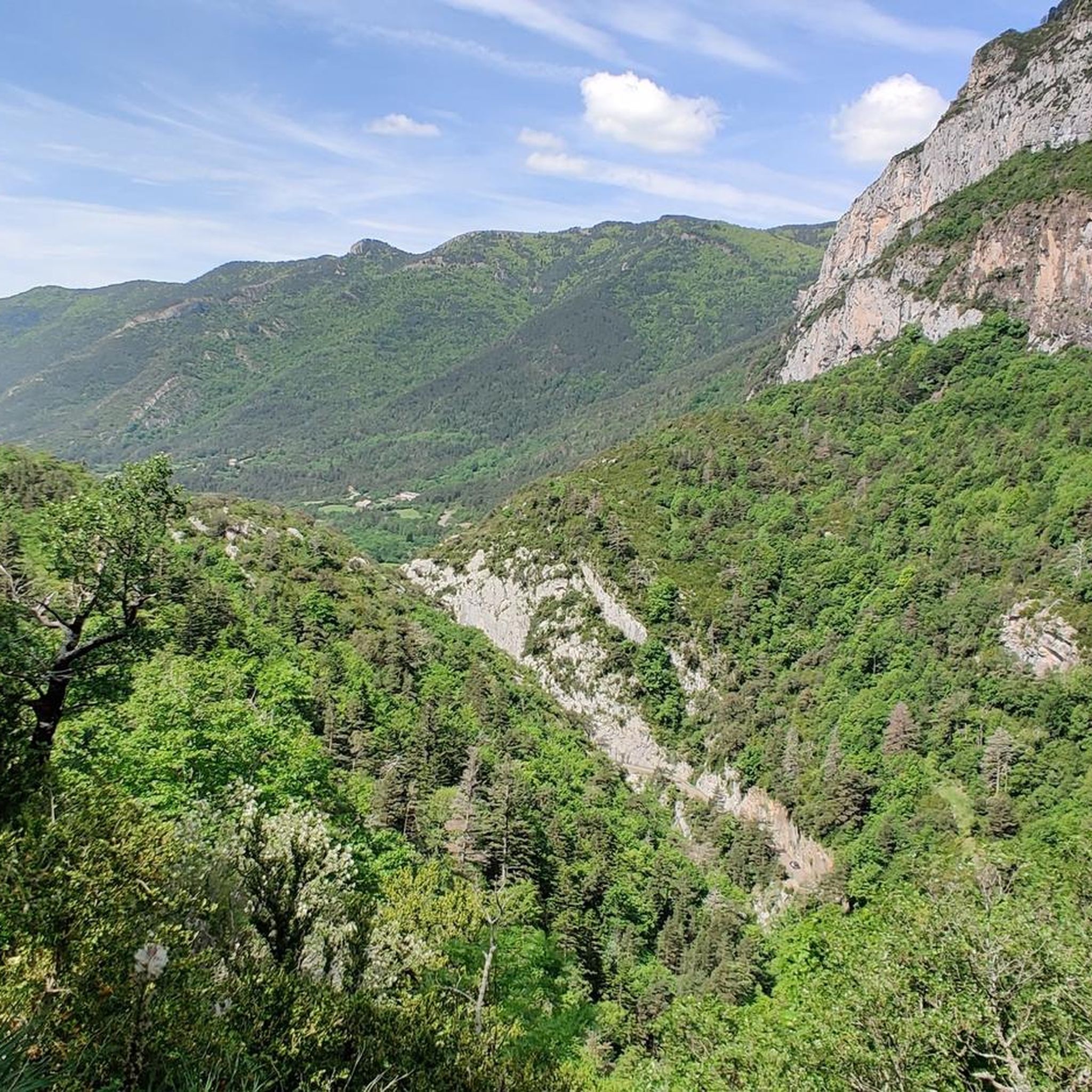
Best attractions and places to see around Roncal/Erronkari. This region is situated in the Navarrese Pyrenees, characterized by its valleys, mountains, and traditional architecture. The Roncal Valley offers a natural environment with pine and beech forests, high mountain pastures, and the Esca River. Visitors can explore historical landmarks, cultural sites, and diverse natural features.
Best attractions and places to see around Roncal/Erronkari
- The most popular attractions is Belabarzeko Urjausia - natural swimming pool, a waterfall that forms a natural…
Last updated: July 2, 2026
Laza Pass (1,129 m)
Highlight • Mountain Pass
Translated by Google •
Tip by

Collado de Argibiela
Highlight • Mountain Pass
Translated by Google •
Tip by

Sign up now to discover places like this
Get recommendations on the best single tracks, peaks, & plenty of other exciting outdoor places.
Sign up for free
Ansó
Highlight • Settlement
Translated by Google •
Tip by

Belabarzeko Urjausia - natural swimming pool
Highlight • Waterfall
Translated by Google •
Tip by

Isaba Village
Highlight • Settlement
Showing Translation
Tip by
Sign up for free to discover even more attractions around Roncal/Erronkari.
Sign up for free
Already have an account?
Start today with a free account
Your next adventure awaits.
Login or Signup
Tips from the Community

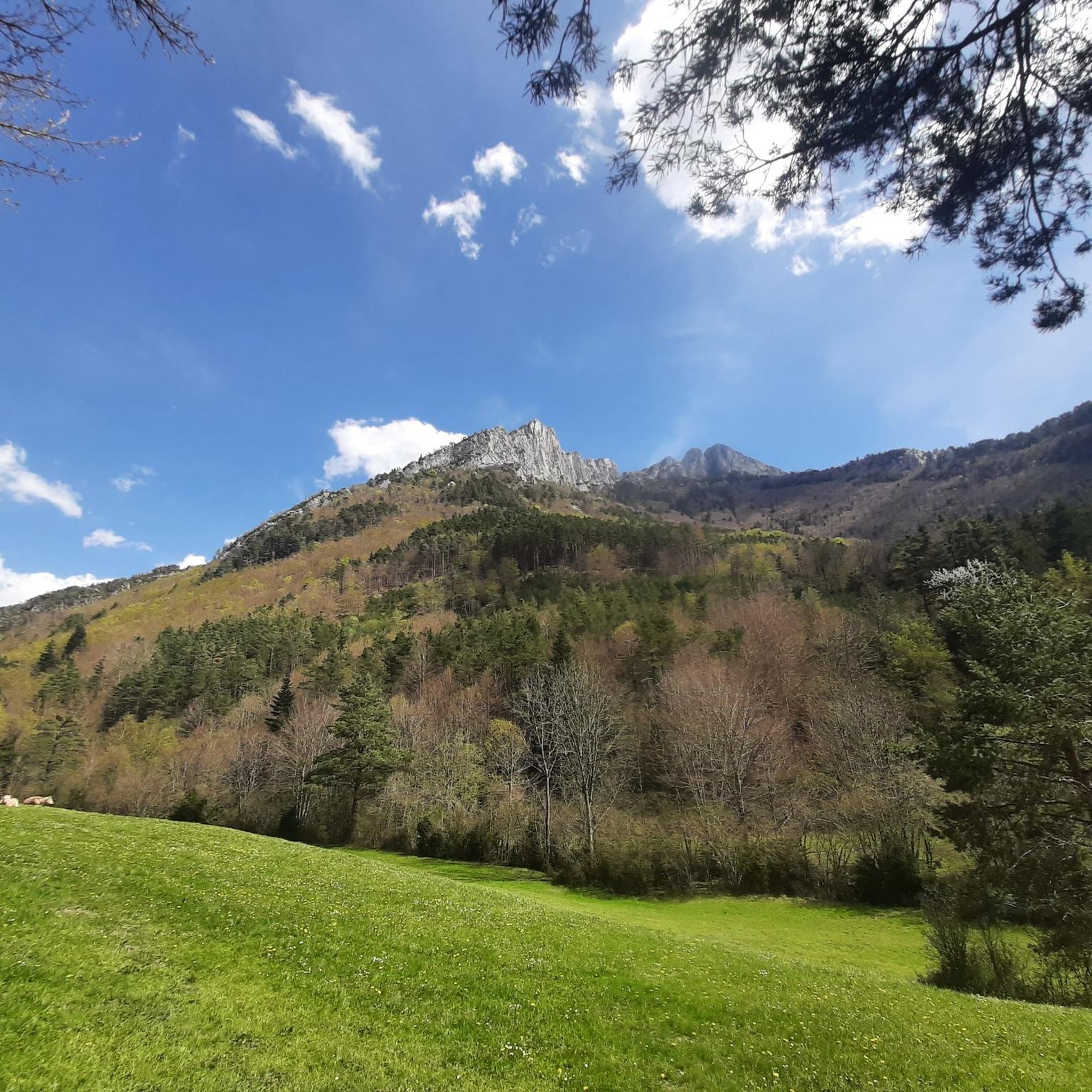
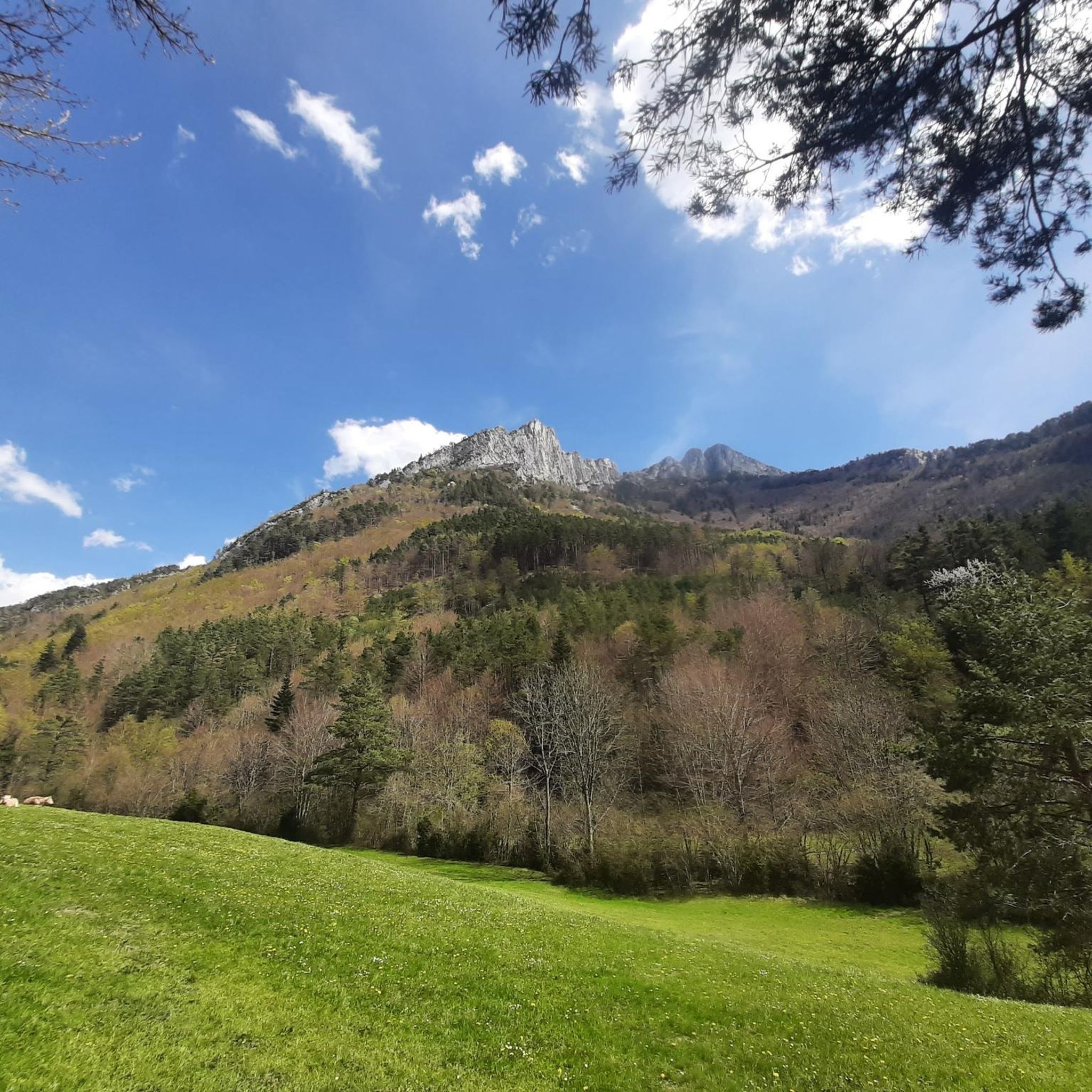
Isaba, also known as Izaba in Basque, is a picturesque village located in the Roncal Valley in the Navarrese Pyrenees, northern Spain. This charming village is known for its rich history dating back to the Middle Ages, when it was a strategic outpost for the Kingdom of Navarre. Isaba offers breathtaking scenery with lush green meadows in spring, colorful autumn leaves and snow-capped mountains in winter.
1
0

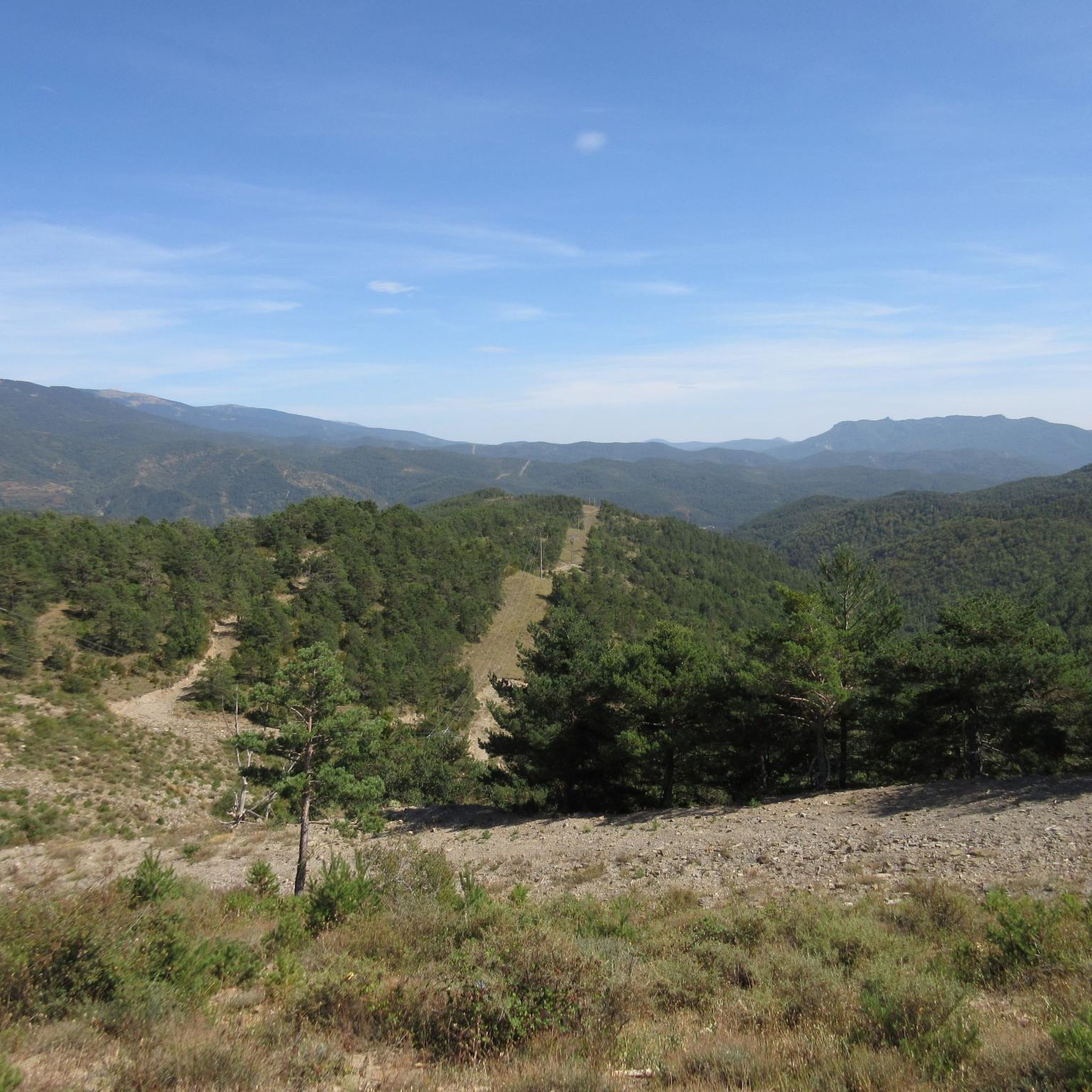
The Puerto de Laza is a small and beautiful hill that joins the valleys of Roncal (starting from Isaba) and Salazar (starting from Ochagavía) in the Navarrese Pyrenees. Both sides are very similar: a very easy start on a winding road, in perfect condition but without a hard shoulder, passing through small towns and going up the course of the respective rivers Anduña (Salazar valley) and Urbi (Roncal valley); a final stretch of 2 - 3 kms that is harder without being too much so, although there are some slopes above 10%. The Salazar valley side becomes harder when leaving behind the detour to the Larrau port. From here to the port there are 3 km with an average gradient of 7%. On the other hand, the Roncal valley side becomes harder when overcoming a bridge over the river that has been with us since we left Isaba behind. From here it is barely 2 km with an average gradient of 7%. From a landscape perspective, it is a port that I love because you can enjoy the exuberance of the vegetation of the Pyrenees, crossing narrow valleys and only with panoramic views when you reach the top, where there is a viewing point that is worth looking out at. A port that I always recommend for enjoying cycle tourism. I leave you the profile of both sides produced by the website www.cyclingcols.com --> http://www.cyclingcols.com/col/Laza
0
1
A beautiful port that unites the communities of Navarra and Aragón, specifically the towns of Ansó and Isaba. Specifically, it connects the Zuriza valley with the Roncal valley. It is a very affordable port and highly recommended because it allows you to travel through spectacular landscapes, on both sides. The Navarrese slope is shorter but more difficult than the Aragonese slope, which is very steep, except for the final kilometer which is 7 - 8%. What has been said, I reaffirm that it is a beautiful port that must be enjoyed.
0
0

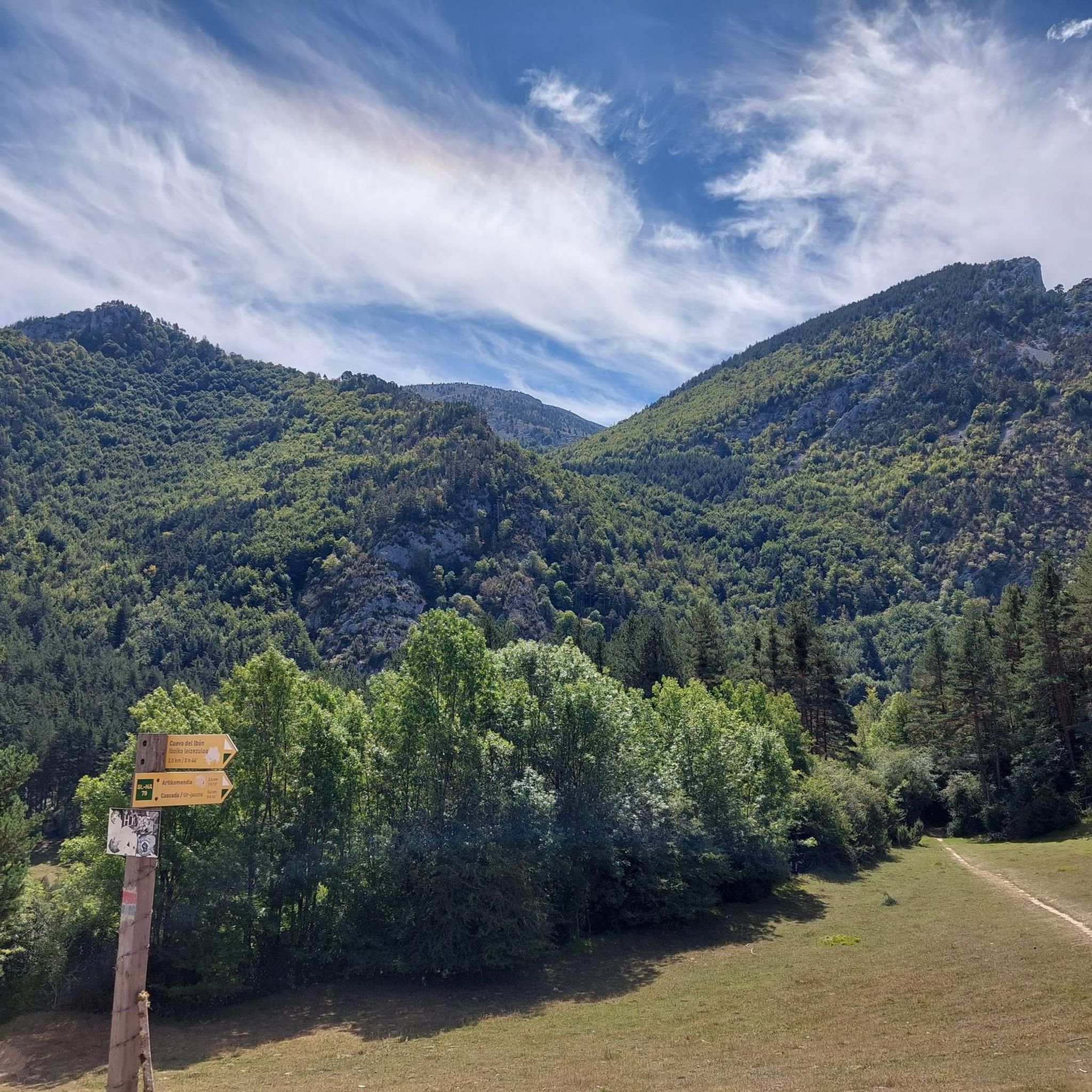
Path frequented by hikers respect everyone. It is worth coming to see the waterfall, it is very easy to access.
1
0

Magnificent waterfall in the Belabarce valley. After a good walk, a place to refresh.
0
0

This pass, both from the Ansó slope and the Isaba slope, presents the cyclist with a long climb (13 and 12 kilometres, respectively). On both slopes, the hardest part is at the end, highlighting the final kilometer of the ascent from Ansó, with an 8% unevenness. It is a quiet road with magnificent views of both the valleys and the nearby peaks.
1
0

The Col de Laza is located in Spain not far from the French border and the port of Larrau. Shorter than its neighbour, its ascent takes place in the middle of a beautiful forest which opens onto lovely views of the surrounding mountains.
1
0

Ansó is a municipality in La Jacetania that is crossed by the Veral river. It is very close to the border with Navarra and France, and has a little over 400 inhabitants. Thanks to its location, Ansó has become a very touristic town, which brings great economic benefits to the locals.
2
0
Frequently Asked Questions
What natural features can I explore around Roncal/Erronkari?
The region is rich in natural beauty. You can visit the Belabarzeko Urjausia - natural swimming pool, a beautiful waterfall on the Belabarze river that forms a natural pool perfect for summer swimming. The Roncal Valley itself is characterized by stunning natural environments, pine and beech forests, and high mountain pastures. Don't miss the Belagua Valley, Navarre's only glacial valley, or the Larra-Belagua Nature Reserve, known for its karstic massif and diverse wildlife.
What historical and cultural landmarks are there in Roncal/Erronkari?
Roncal/Erronkari offers several significant historical and cultural sites. The 16th-century Gothic-Renaissance Church of San Esteban is a prominent landmark with its impressive altarpieces. You can also visit the Julián Gayarre House-Museum, dedicated to the famous opera tenor, and his magnificent Mausoleum in the town's cemetery. The area also features several elegant stone palatial houses and ancient hermitages like the Hermitage of Our Lady of the Castle.
Are there family-friendly attractions in Roncal/Erronkari?
Yes, Roncal/Erronkari has several family-friendly options. The Belabarzeko Urjausia - natural swimming pool is a great spot for families to cool off in summer. The medieval village of Ansó, with its traditional architecture and museums, is also considered family-friendly. Additionally, the Nature Interpretation Center provides engaging audiovisual displays and exhibits about the local flora, fauna, and customs, suitable for all ages.
What outdoor activities can I do near these attractions?
The region is ideal for outdoor enthusiasts. You can enjoy road cycling on routes like the 'Matamachos and the Western Valleys Loop' or the 'Larrau – Larrau Pass loop'. For running, consider trails such as the 'Arnaia loop from Isaba / Izaba' or the 'Ateas de Belabarze Pass – Belabarzeko Urjausia loop'. General cycling options include the 'Ansó and Roncal Valleys Loop'. You can find more details on these activities in the Road Cycling Routes, Running Trails, and Cycling guides around Roncal/Erronkari.
What is the best time to visit Roncal/Erronkari for outdoor activities?
The Roncal Valley offers different experiences throughout the year. Spring and autumn are particularly beautiful for hiking and cycling, with lush green meadows in spring and vibrant autumn leaves. Summer is perfect for enjoying natural swimming spots like the Belabarzeko Urjausia - natural swimming pool. Winter transforms the landscape into snow-capped mountains, offering opportunities for winter sports, though some higher passes might be challenging.
Are there any picturesque villages to visit nearby?
Absolutely. The village of Ansó is a beautiful medieval village known for its traditional Pyrenean architecture, including a 16th-century tower and historic churches. Another charming option is Isaba Village, a picturesque settlement in the Roncal Valley, notable for its hermitages and traditional architecture, offering amenities like restaurants and supermarkets.
Where can I find panoramic views of the valleys and mountains?
For magnificent views, head to the mountain passes. Collado de Argibiela offers extensive views of both the Roncal and Zuriza valleys and nearby peaks. Similarly, Laza Pass (1,129 m) provides lovely views of the surrounding mountains, especially beautiful in the fall.
What archaeological sites can be found in the area?
The region holds archaeological interest with sites like the Lubrakieta Dolmen, an ancient archaeological remain located in the Belabarce Valley, discovered in 1943. This offers a glimpse into the prehistoric past of the area.
What do visitors enjoy most about Roncal/Erronkari?
Visitors frequently praise the stunning natural landscapes, particularly the opportunities for refreshing dips in natural pools like Belabarzeko Urjausia. The quiet roads and magnificent views from mountain passes like Collado de Argibiela are highly appreciated by cyclists. The charm of traditional villages such as Ansó, with its cobbled streets and local cuisine, also leaves a lasting impression.
Are there any unique cultural traditions or gastronomy in the Roncal Valley?
Yes, the Roncal Valley is renowned for its traditional festivals and gastronomy, most notably Roncal cheese. This sheep's milk cheese is a protected designation of origin product and a staple of the region's culinary heritage. Exploring the local culture often involves experiencing these traditions and tasting the local specialties.
Where can I learn more about the local environment and customs?
The Nature Interpretation Center in Roncal provides comprehensive information about the flora, fauna, customs, and way of life in the Roncal Valley. It features audiovisual displays, panels, models, and videos, offering an insightful overview of the region's natural and cultural heritage.
Are there any historical public facilities worth seeing?
Yes, Roncal offers a glimpse into daily life of the past through its historical public laundries. These traditional washhouses, featuring stone pylons, provide an interesting insight into the community's history and daily routines before modern conveniences.
Most popular routes around Roncal/Erronkari
Most popular attractions around Roncal/Erronkari

Get inspired with the komoot mobile app


Explore more
Still not found the Highlight you’re looking for? See guides of the top attractions in other regions:
