Attractions and Places To See around Segura De León - Top 20
Best attractions and places to see around Segura De León include a rich blend of historical, cultural, and natural sites in the province of Badajoz, Extremadura. The town is known for its medieval fortress, religious architecture, and the expansive Dehesa landscape. Visitors can explore ancient landmarks and picturesque natural environments, offering a variety of experiences.
Best attractions and places to see around Segura De León
- The most popular attractions is The Dehesa along the Vía de la Plata, a…
Last updated: July 2, 2026
The Dehesa along the Vía de la Plata
Highlight (Segment) • Trail
Translated by Google •
Tip by

Parish Church of Our Lady of Granada
Highlight • Religious Site
Translated by Google •
Tip by

Sign up now to discover places like this
Get recommendations on the best single tracks, peaks, & plenty of other exciting outdoor places.
Sign up for free
Bonales Summit (1,055 m) – Highest Point of Huelva
Highlight • Summit
Translated by Google •
Tip by

Monastery of Tentudía
Highlight • Religious Site
Translated by Google •
Tip by
Section approaching Monasterio
Highlight • Trail
Translated by Google •
Tip by

Sign up for free to discover even more attractions around Segura De León.
Sign up for free
Already have an account?
Start today with a free account
Your next adventure awaits.
Login or Signup
Tips from the Community

The church was built on the site of a 14th-century hermitage and has undergone several phases of reconstruction, especially in the 15th and 18th centuries. In the 18th century, the interior was reorganised and the current tower was built, which was completed in 1799. The church is located in the heart of Fuente de Cantos, opposite the town hall, and is a must-see for pilgrims and tourists interested in history and religious art.
2
0
The Parish Church of Our Lady of Granada in Fuente de Cantos is an impressive temple with a rich history dating back to the 15th century. This building has witnessed numerous renovations and extensions over the centuries, giving it a mix of architectural styles, mainly Baroque.
2
0
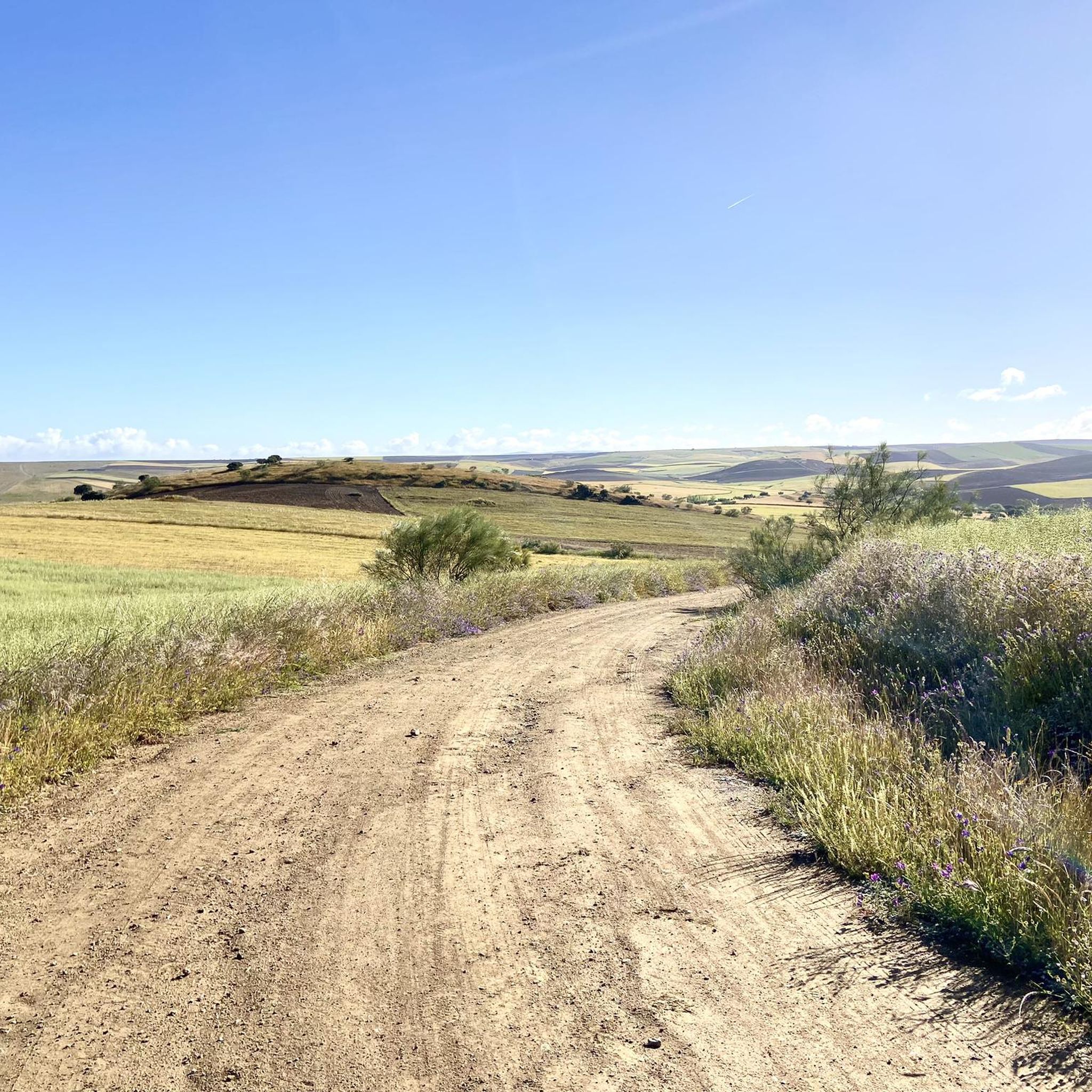
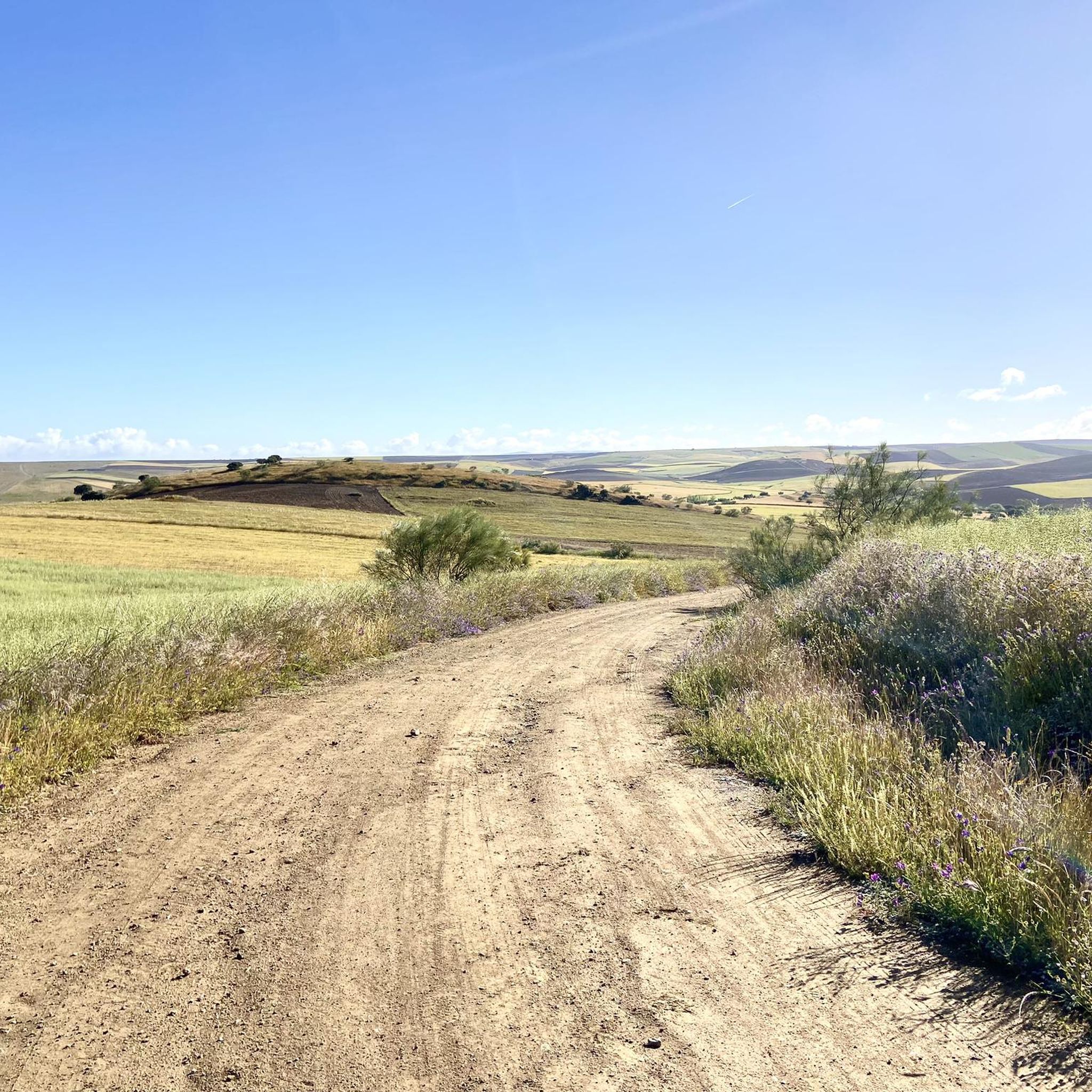
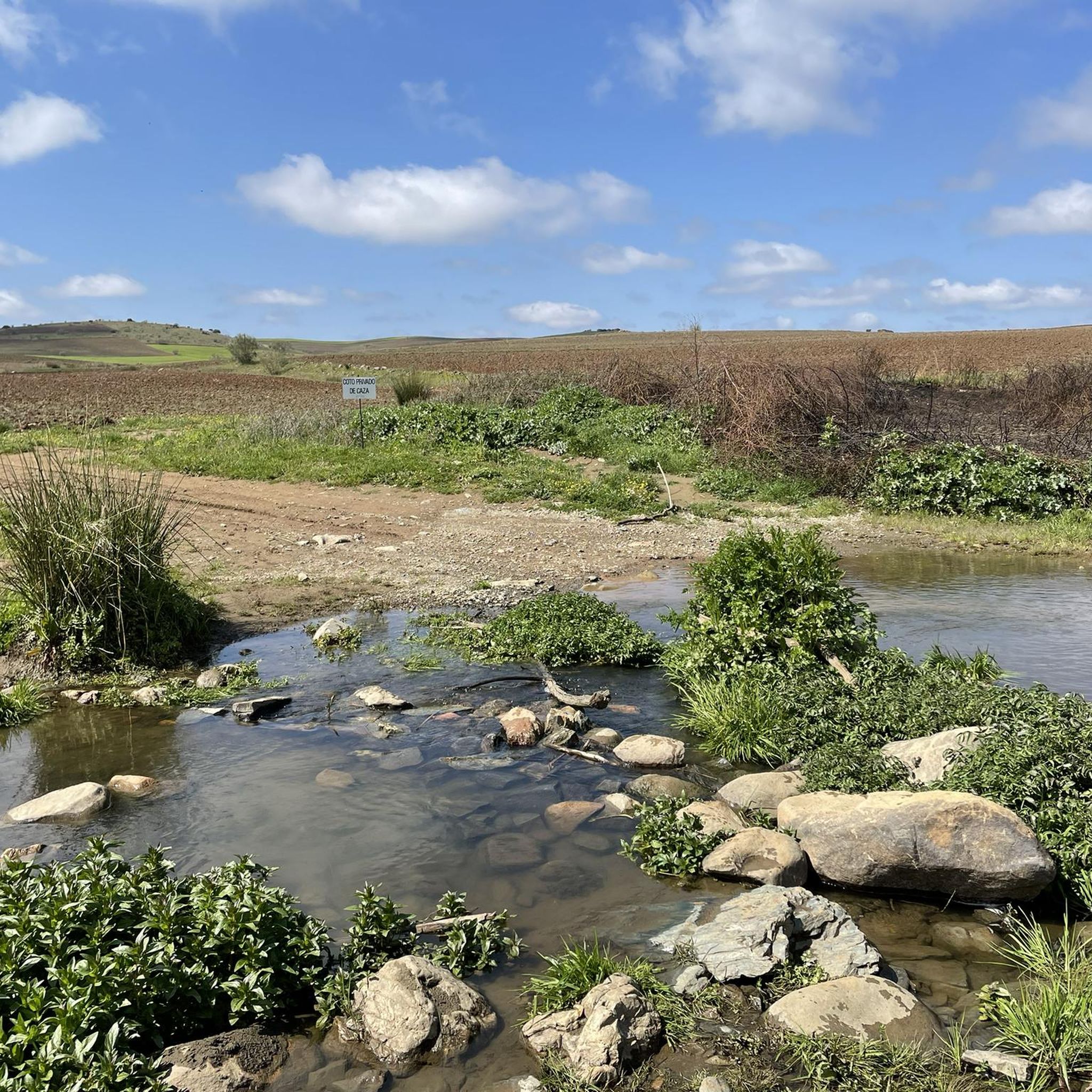
The La Dehesa route along the Vía de la Plata in Monesterio is a wonderful experience for hiking lovers. This section of the Vía de la Plata crosses the beautiful Dehesa de Calera de León, offering a picturesque landscape of the Extremaduran interior. One of the popular routes is the one that goes from Monesterio to Fuente de Cantos. It is a gentle stage of about 20 km, ideal for enjoying a day outdoors. The path begins in Monesterio and passes through oak pastures, delimited by stone walls, and farmland.
6
0

The church is located in the Plaza de la Conción in Fuente de Cantos.
2
0

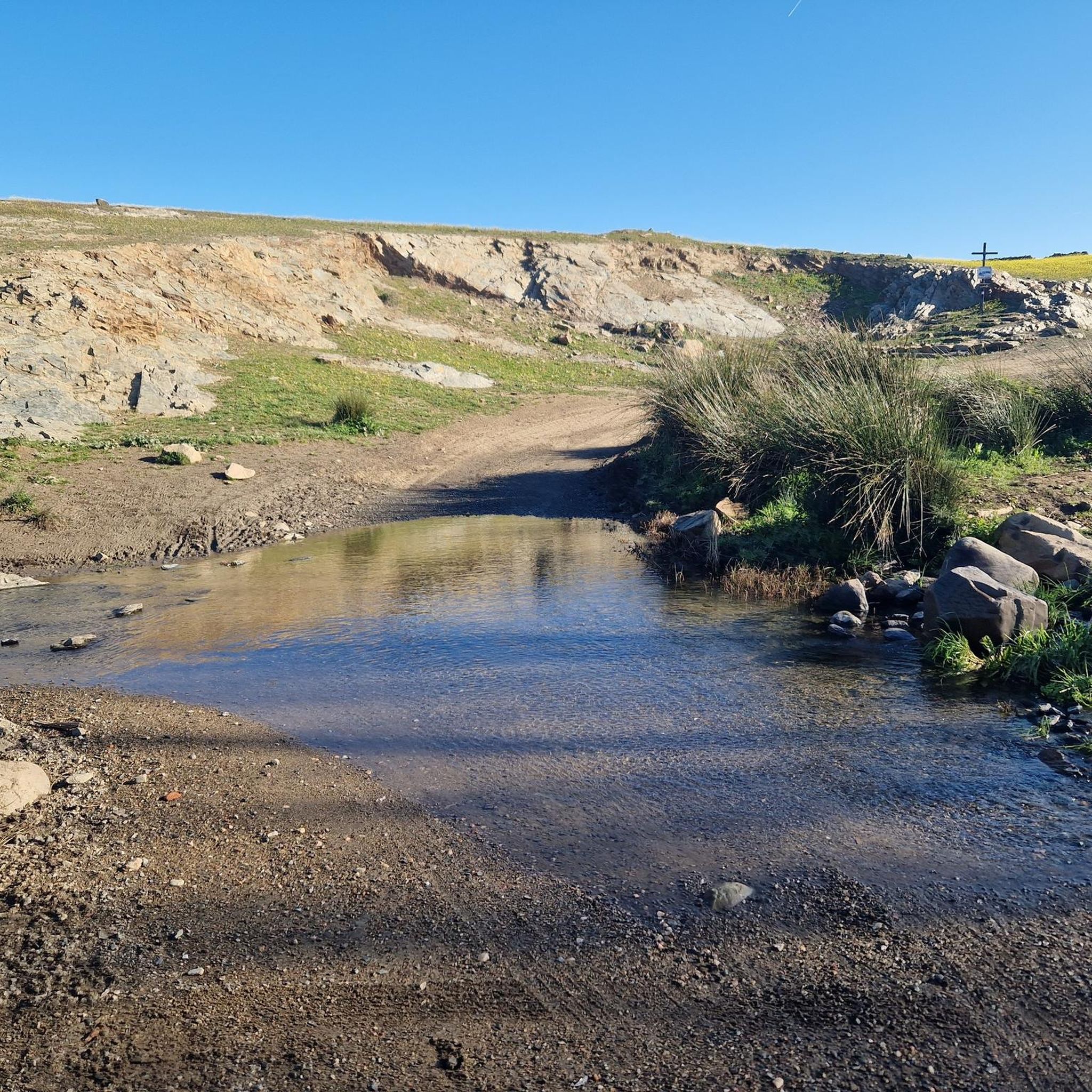
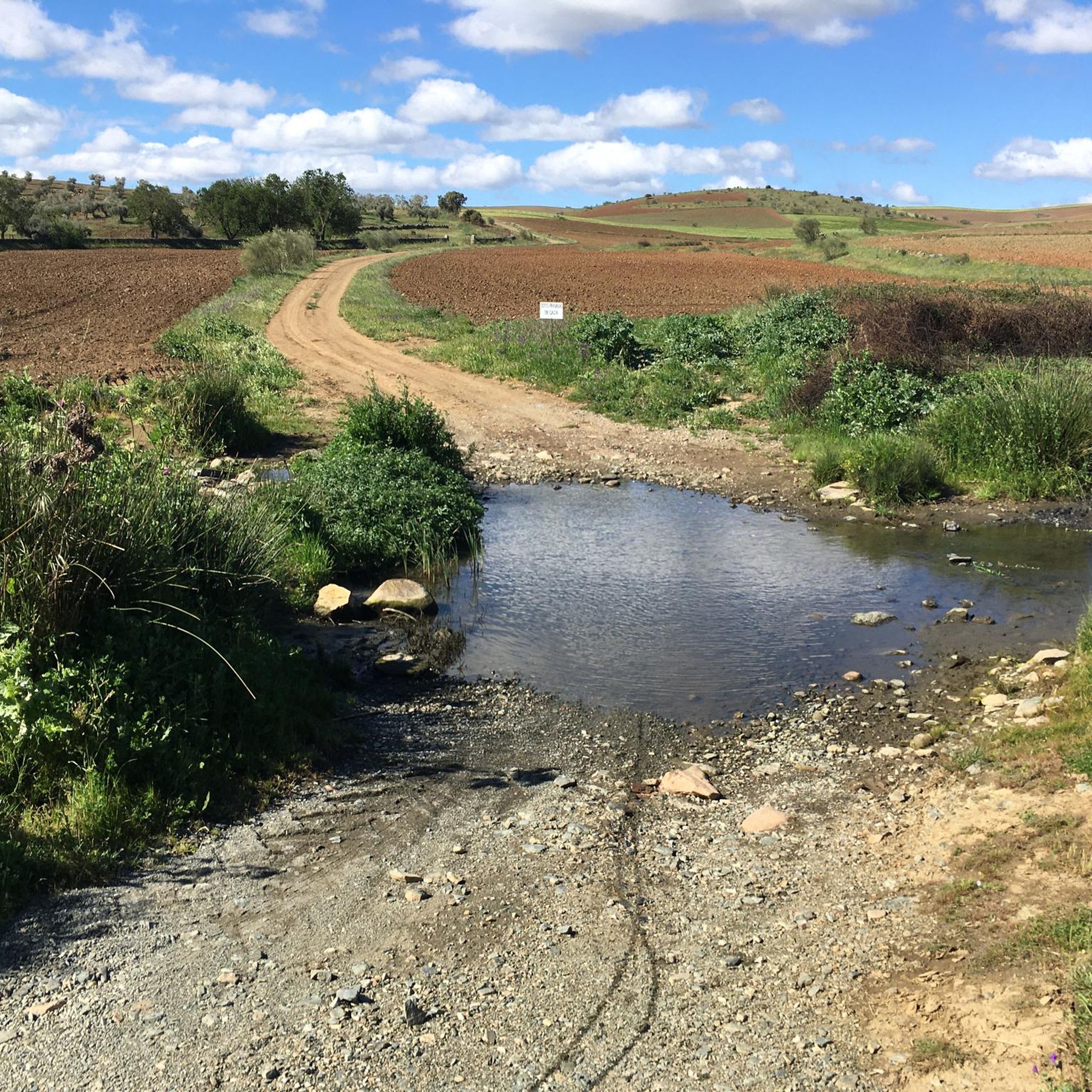
The road that reaches the town of Monasterio offers sections that are interspersed between the Dehesas Extremadura and its characteristic fields that never end. Beautiful scenery!
0
1

Mount Bonales (also known as Cerro Bonales or Cumbre Bonales) is, at 1,055 meters, the highest elevation in the Spanish province of Huelva. A fantastic tour of the natural park, enjoying cork oaks, holm oaks, oaks, meadows, and enjoying its flora and fauna.
1
1
The legend about the Tentudía Monastery has its origin in the 13th century, during the Reconquest, when the monarch Fernando III El Santo commissioned the master Pelay Pérez Correa, of the Order of Santiago, to take the mountains of the Tentudía region from the Saracens. .
11
0

This section of the Vía de la Plata runs through La Dehesa de Calera de León, a beautiful setting with lots of trees and a picturesque landscape of the interior of Extremadura.
4
1
Frequently Asked Questions
What historical sites can I visit in Segura de León?
Segura de León is rich in history. You can explore the majestic Segura de León Castle, a 14th-century fortress built by the Order of Santiago. Other significant historical sites include the Convent of San Benito with its Mudejar cloister, the Church of Nuestra Señora de la Asunción which contains Visigothic remains, and the Casa del Gobernador with its Mannerist facade. Don't miss the Monastery of Tentudía, a historical religious building with a fascinating legend, located nearby.
Where can I experience the natural beauty of Segura de León?
The region is dominated by the well-preserved Dehesa, characterized by Mediterranean forests of holm oaks, cork oaks, and pines. You can experience this landscape along The Dehesa along the Vía de la Plata, a trail offering picturesque views of the Extremaduran interior. The Sierra de la Martela also offers natural beauty and is home to an Iron Age archaeological site.
Are there good viewpoints in the area?
Yes, for panoramic views, visit the Monumento del Sagrado Corazón de Jesús on Cerro de la Piedra Gorda, which offers spectacular sunrises and sunsets, and even views of the Sierra de Aracena. The garden area of the Convent of San Benito also provides a beautiful panoramic view of the castle. Additionally, Bonales Summit (1,055 m) – Highest Point of Huelva offers a fantastic tour through a natural park with excellent vistas, and the Section approaching Monasterio provides beautiful scenery with its characteristic fields.
What kind of outdoor activities can I do near Segura de León?
The area around Segura de León is ideal for outdoor enthusiasts. You can explore various routes for hiking and cycling. For detailed hiking options, check out the Hiking around Segura De León guide, which includes routes like the 'Calera de León Dehesa and Vía de la Plata Loop'. For cycling, there are options in the Cycling around Segura De León guide and the Road Cycling Routes around Segura De León guide.
Are there family-friendly attractions or activities in Segura de León?
Many of the natural and historical sites can be enjoyed by families. The expansive Dehesa offers opportunities for gentle walks and exploring nature. The The Dehesa along the Vía de la Plata is noted as family-friendly. Historical sites like the Segura de León Castle and the Parish Church of Our Lady of Granada also offer engaging experiences for families interested in history and culture.
What religious landmarks are prominent in Segura de León?
Segura de León features several important religious sites. The Convent of San Benito, dating back to the 15th century, is known for its Mudejar cloister. The Church of Nuestra Señora de la Asunción is a significant monument with Visigothic remains. Other notable churches include Iglesia de Fátima and the Ermita de Nuestra Señora de las Angustias, as well as the Ermita de la Virgen de los Remedios with its magnificent main altarpiece. Nearby, the Monastery of Tentudía is a must-see religious and historical site.
What is the significance of the Dehesa in Segura de León?
The Dehesa is a defining natural feature of Segura de León, a well-preserved Mediterranean forest ecosystem with holm oaks, cork oaks, and pines. It's significant both historically and culturally, giving locals the nickname "piñoneros" (pine nut gatherers). This landscape supports diverse flora and fauna, including rockrose, rosemary, wild mushrooms, amphibians, reptiles, and various birds, making it a vital natural habitat.
What is the best time of year to visit Segura de León?
While specific data isn't provided, the region's Mediterranean climate suggests spring (April-May) and autumn (September-October) are ideal. During these seasons, temperatures are milder, making it comfortable for exploring historical sites and enjoying outdoor activities in the Dehesa and surrounding trails. Summers can be very hot, and winters are generally mild but can be damp.
Are there any unique local traditions or historical connections in Segura de León?
Segura de León has a deep historical past, with archaeological finds from Roman villas and Visigothic remains. The town is also part of the "Ruta de los Conquistadores," linking it to Extremaduran conquerors who played a role in the Spanish Empire's expansion. The Fuente de Santa María is a historical fountain known for its water, traditionally used for cooking chickpeas, and is a local gathering spot.
What do visitors enjoy most about the attractions around Segura de León?
Visitors particularly appreciate the blend of historical depth and natural beauty. The picturesque landscapes of the Dehesa, especially along the Vía de la Plata, are highly rated for their scenic views and opportunities for outdoor activities. The historical significance of sites like the Monastery of Tentudía and the impressive architecture of the Parish Church of Our Lady of Granada also draw considerable interest, offering a rich cultural experience.
Can I find easy hiking trails around Segura de León?
Yes, there are hiking options suitable for various levels. For an easier experience, consider the 'Natural Monument Caves of Fuentes de León – circular walk' which is rated as easy. You can find more details and other routes in the Hiking around Segura De León guide.
Are there any hidden gems or less-known spots worth visiting?
Beyond the main landmarks, exploring the smaller squares like Plaza del Párroco Don Carmelo or Plaza de la Virgen de los Remedios can offer a glimpse into local life. The historical Fuente de Santa María, where locals traditionally collect water, provides a unique cultural insight. While few vestiges remain, the believed location of La Judería (Jewish quarter) between Calle Castillo, Portugalejo, Santa Cruz, and Mesones offers a sense of the town's diverse past.
Most popular attractions around Segura De León

Get inspired with the komoot mobile app


Explore more
Still not found the Highlight you’re looking for? See guides of the top attractions in other regions:
