Attractions and Places To See around Mancomunidad De Campoo-Cabuérniga - Top 20
Best attractions and places to see around Mancomunidad De Campoo-Cabuérniga include a blend of natural beauty, cultural heritage, and historical sites within Cantabria, Spain. This communal territory is characterized by its extensive pasturelands and traditional way of life. The region features mountain peaks, river sources, and traditional villages, offering a diverse landscape. It is known for its connection to traditional livestock farming and its preserved natural environment.
Best attractions and places to see around Mancomunidad De Campoo-Cabuérniga
- The most popular…
Last updated: July 2, 2026
El Moral Plateau
Highlight • Viewpoint
Translated by Google •
Tip by

Source of the Ebro River
Highlight • River
Translated by Google •
Tip by
Sign up now to discover places like this
Get recommendations on the best single tracks, peaks, & plenty of other exciting outdoor places.
Sign up for free
Piedrasluengas Viewpoint
Highlight • Viewpoint
Translated by Google •
Tip by

Fallen Oak of Brujilices
Highlight • Natural Monument
Translated by Google •
Tip by

Bárcena Mayor
Highlight • Settlement
Translated by Google •
Tip by

Sign up for free to discover even more attractions around Mancomunidad De Campoo-Cabuérniga.
Sign up for free
Already have an account?
Start today with a free account
Your next adventure awaits.
Login or Signup
Popular around Mancomunidad De Campoo-Cabuérniga
Tips from the Community

Added to the collection: komoot.com/de-de/collection/3600632/-naturdenkmaeler-besondere-baeume-und-weitere-schaetze-der-natur
0
0

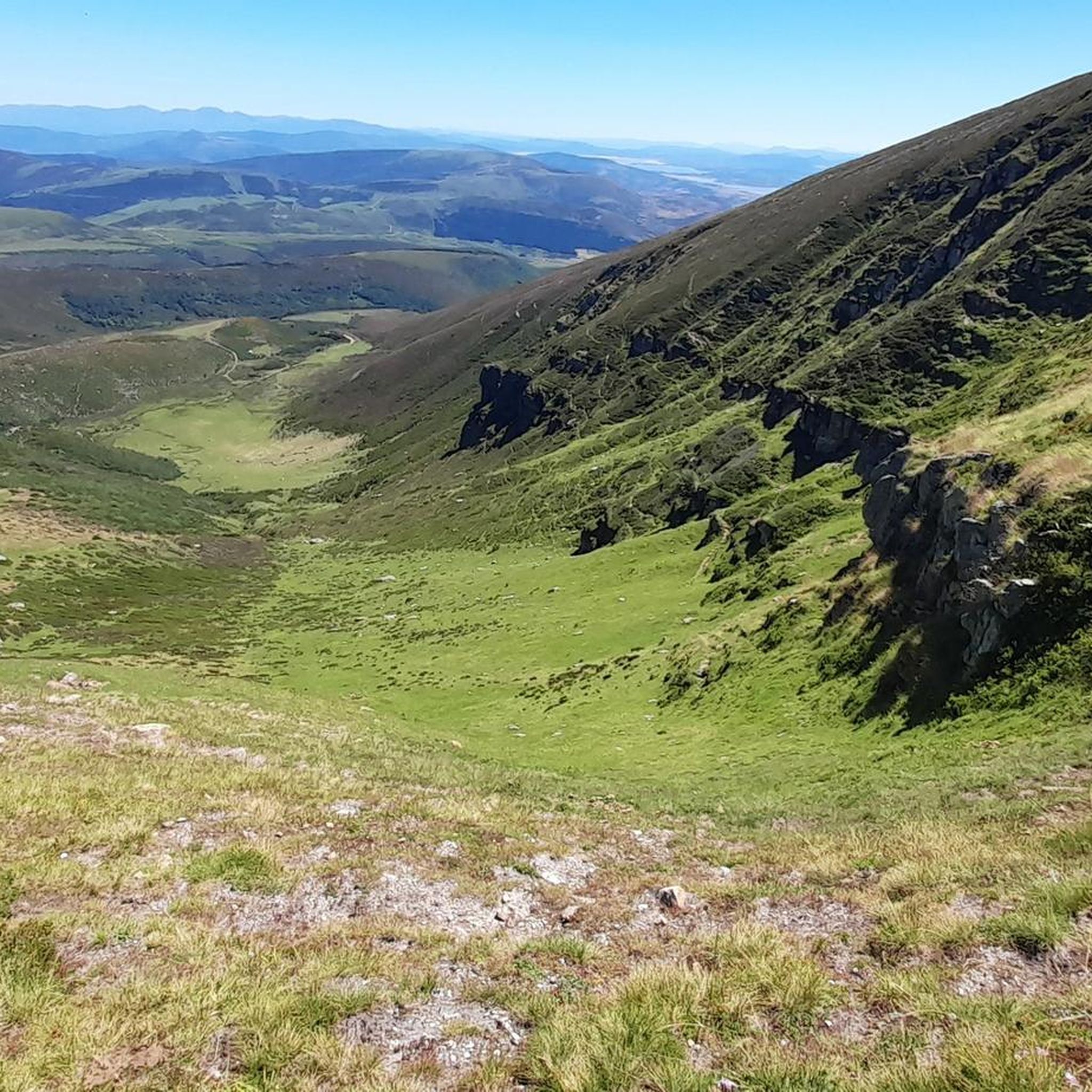
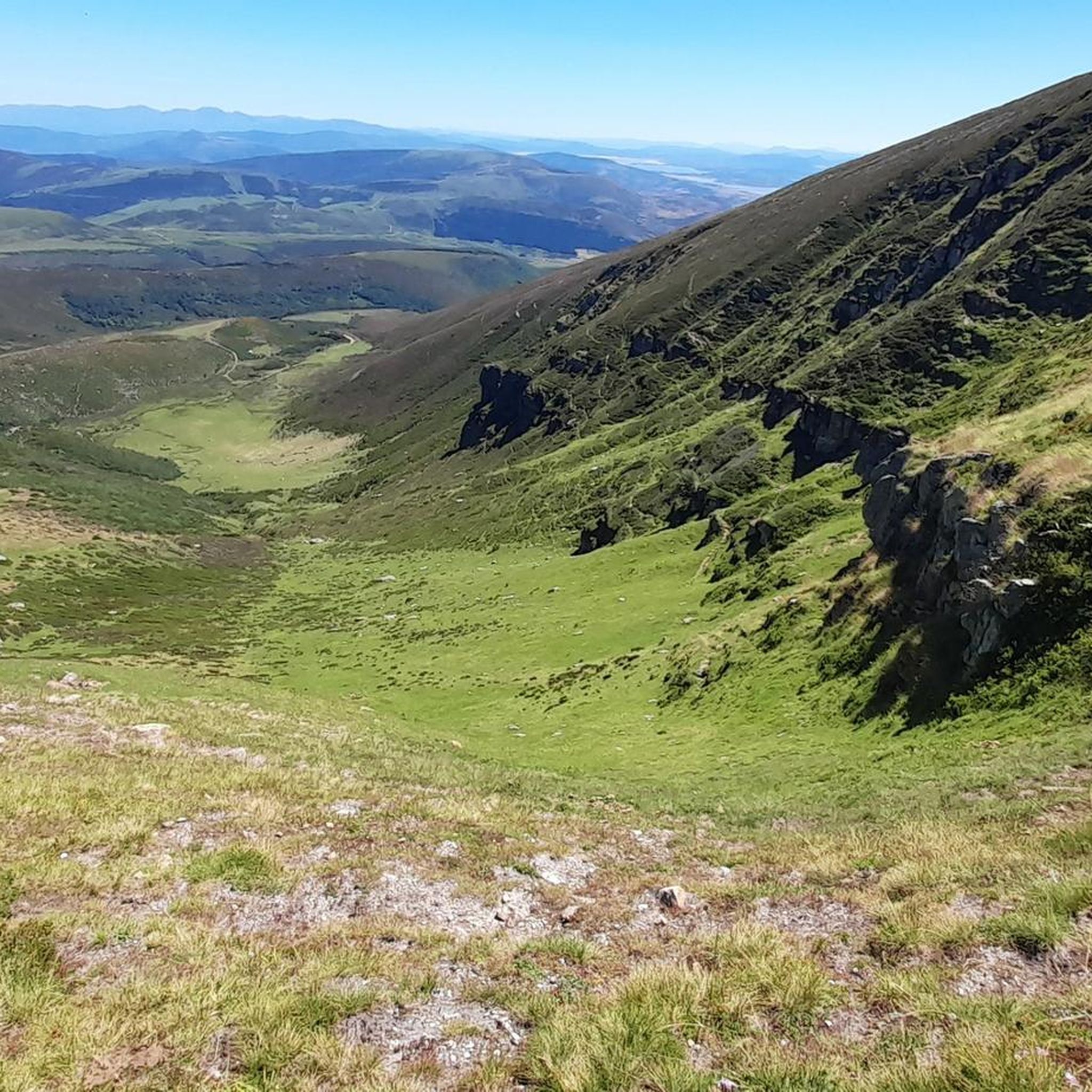
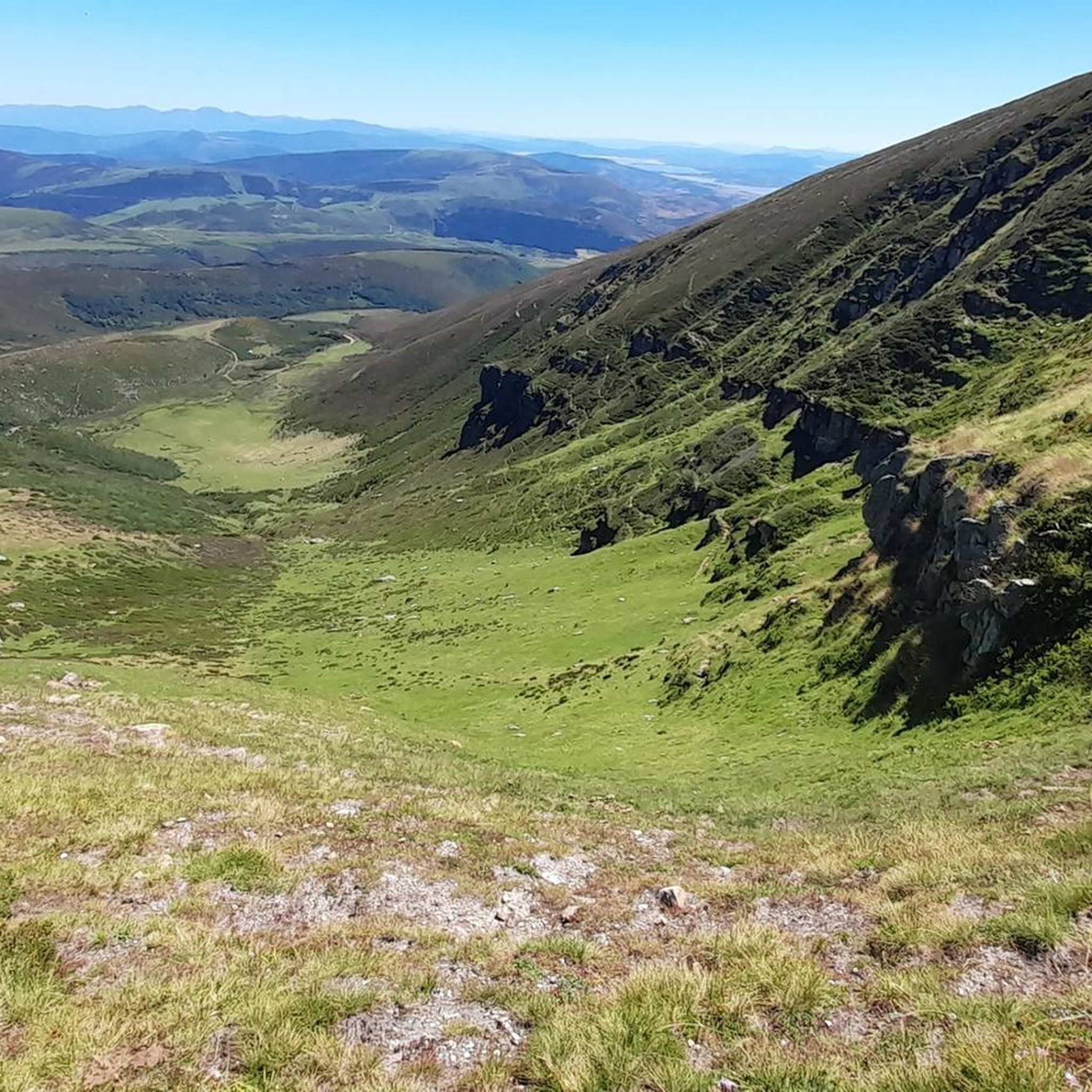
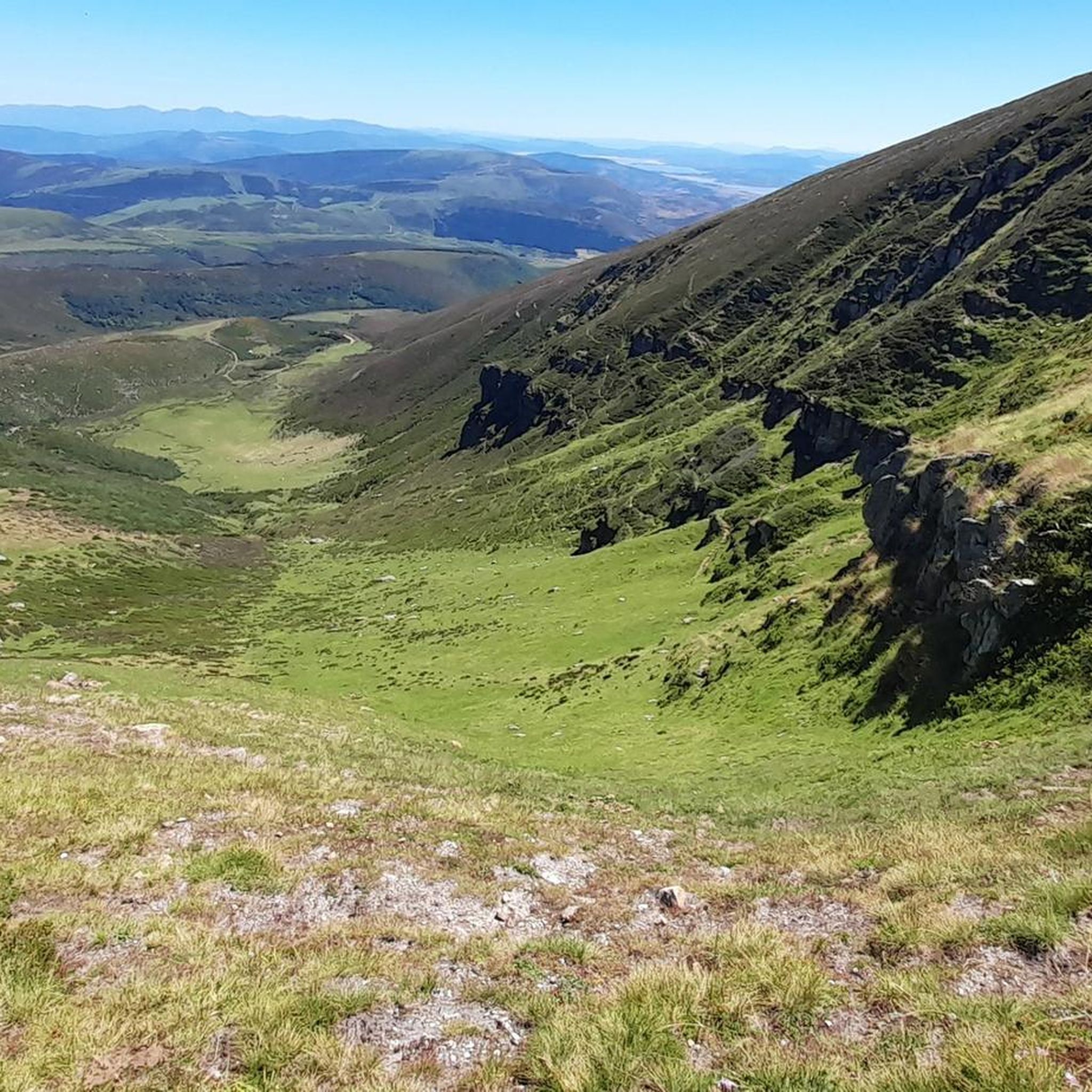
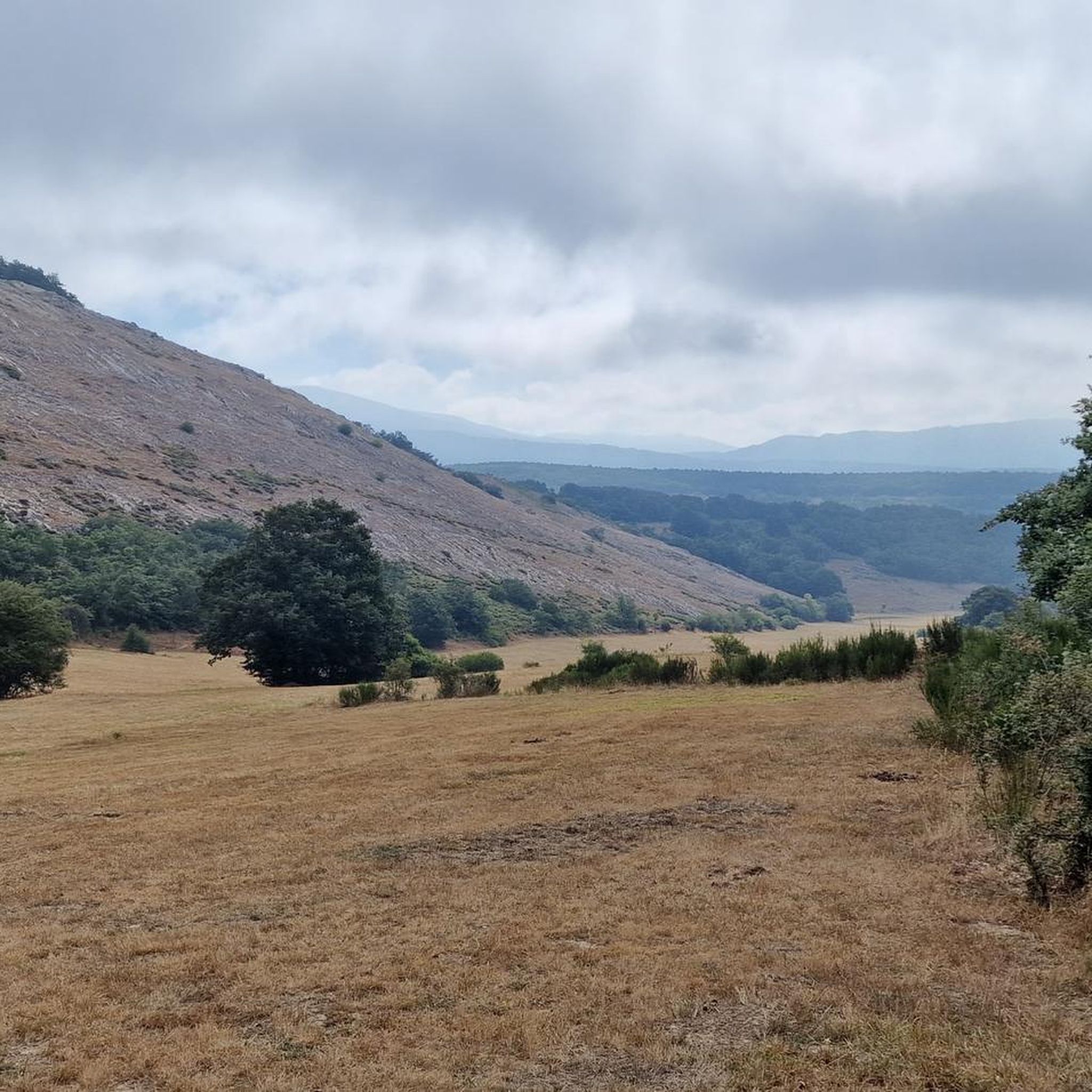
After a beautiful gravel climb, you reach this plateau with stunning views (including the Picos de Europa in the distance). The path then continues for a long time at altitude, with many cows and horses. Take a look: https://www.youtube.com/watch?v=OgEcgF17RDw
0
0
Indeed, a beautiful spot with breathtaking views, both towards the Picos de Europa and other Cantabrian mountains. The (gravel) road there is also stunning; just take a look: https://www.youtube.com/watch?v=OgEcgF17RDw
0
0

And it's also the starting point for a ton of really cool routes.
2
0

The Bujilices "Tumbao" Oak, located in Ucieda (Ruente) within the Saja-Besaya Natural Park, is one of Cantabria's most unique and magical trees. The tree fell under the weight of snow and wind at the end of the 19th century, but it didn't die. Four vertical branches sprouted from the fallen trunk, developing as if they were independent trees, creating a unique and spectacular shape.
2
0

Officially, it's the source of the Ebro River, in Fontibre. However, according to what we were told at the tourist office, the waters of the spring pools come underground from the Hijar River, which rises in Alto Campoo. Specifically, in Tresmares, where the Hijar-Ebro begins, flowing into the Mediterranean; the Pisuerga (a tributary of the Duero) flows into the Atlantic; and the Nansa flows into the Cantabrian Sea.
0
0

Bujilices fallen oak tree in Ucieda. Bucolic place to make a stop along the way, read life.
0
0
Frequently Asked Questions
What natural features can I explore in Mancomunidad De Campoo-Cabuérniga?
The region offers a rich variety of natural landscapes. You can visit the source of one of Spain's most important rivers at the Source of the Ebro River in Fontibre. Explore parts of the Saja-Besaya Natural Park with its Atlantic forests, or discover unique natural monuments like the Fallen Oak of Brujilices. The area also features impressive mountain peaks and high-mountain plateaus such as Pico Tres Mares and El Moral Plateau.
Are there any significant historical or cultural sites to visit?
Yes, the region is rich in history and culture. You can explore the Ecomuseo "José María de Cos" in Valle de Cabuérniga, which showcases traditional activities and ethnographic heritage. Other notable sites include the Castillo de Argueso and the Parque Arqueológico Poblado Cántabro, offering insights into the region's past. The traditional villages themselves, like Bárcena Mayor and Carmona, are cultural highlights with their unique architecture.
What kind of outdoor activities are available near these attractions?
The Mancomunidad De Campoo-Cabuérniga is ideal for outdoor enthusiasts. You can find numerous opportunities for hiking, cycling, and road cycling. For detailed routes and trails, explore the dedicated guides for hiking, cycling, and road cycling in the area.
Are there family-friendly attractions in the region?
Many attractions in Mancomunidad De Campoo-Cabuérniga are suitable for families. The Piedrasluengas Viewpoint and the Source of the Ebro River are easily accessible and offer pleasant experiences for all ages. Exploring traditional villages like Bárcena Mayor also provides an engaging cultural outing for families.
Where can I find panoramic views of the landscape?
For breathtaking panoramic views, visit the Piedrasluengas Viewpoint, located over 1,300 meters above sea level. It offers magnificent vistas of the Picos de Europa, Peña Labra, and the Liébana and Valdeprado Valleys. Another excellent spot is El Moral Plateau, which provides stunning high-mountain landscapes.
What traditional villages are worth visiting for their architecture?
The Valley of Cabuérniga is particularly known for its traditional Cantabrian architecture. The village of Bárcena Mayor is a Historic-Artistic Site renowned for its well-preserved mountain-style houses. Carmona is another village celebrated for its popular and cultured architecture, including the Palacio de los Rubín de Celis.
Can I go hiking in the area?
Absolutely! The Mancomunidad De Campoo-Cabuérniga offers diverse hiking opportunities. You can find trails leading to mountain peaks like Peña Labra and Pico Tres Mares, or explore forest paths and river routes. For a comprehensive list of trails, including easy and difficult options, refer to the Hiking around Mancomunidad De Campoo-Cabuérniga guide.
What about cycling opportunities?
The region provides excellent routes for both touring and road cycling. You can embark on scenic rides through the Saja-Besaya Natural Park, explore routes around the Source of the Ebro River, or tackle challenging mountain passes. Discover detailed routes in the Cycling around Mancomunidad De Campoo-Cabuérniga and Road Cycling Routes around Mancomunidad De Campoo-Cabuérniga guides.
Is there anything to do during winter?
Yes, for winter sports enthusiasts, the Alto Campoo ski resort is a popular destination in the region. Beyond skiing, the snow-covered landscapes offer unique opportunities for winter hikes and enjoying the serene beauty of the Cantabrian mountains.
What do visitors particularly enjoy about the attractions here?
Visitors consistently praise the stunning natural beauty and the sense of tranquility. The panoramic views from spots like Piedrasluengas Viewpoint are frequently highlighted. The charm of traditional villages like Bárcena Mayor, with its well-preserved architecture and local gastronomy, is also a major draw. Many appreciate the opportunity for peaceful walks and the connection to nature, such as at the Source of the Ebro River.
What is the best time of year to visit Mancomunidad De Campoo-Cabuérniga?
The best time to visit largely depends on your interests. Spring and autumn offer pleasant temperatures for hiking and cycling, with vibrant foliage or blooming wildflowers. Summer is ideal for enjoying the outdoors and traditional festivals. Winter attracts those interested in skiing at Alto Campoo. The region's natural beauty can be appreciated year-round, with each season offering a different charm.
Are there any archaeological sites in the region?
Yes, the region has historical depth. You can visit the Parque Arqueológico Poblado Cántabro, which provides insights into the ancient Cantabrian settlements. Additionally, the area near the Source of the Ebro River is close to the Roman city of Julióbriga, indicating a long history of human presence.
Most popular routes around Mancomunidad De Campoo-Cabuérniga
Most popular attractions around Mancomunidad De Campoo-Cabuérniga

Get inspired with the komoot mobile app


Explore more
Still not found the Highlight you’re looking for? See guides of the top attractions in other regions:
