Attractions and Places To See around Trescasas - Top 20
Best attractions and places to see around Trescasas include a tranquil setting within the province of Segovia, Castile and León, Spain. The municipality, comprising Tres Casas, Sonsoto, and La Atalaya, is situated at the foothills of the Sierra de Guadarrama. It offers access to natural beauty and serves as a base for exploring the rich historical and natural attractions of the surrounding Segovia province. Trescasas holds historical importance due to its location along ancient cattle trails and its proximity to…
Last updated: June 22, 2026
Peñalara Peak
Highlight • Summit
Translated by Google •
Tip by

Lake of the Birds
Highlight • Lake
Translated by Google •
Tip by
Sign up now to discover places like this
Get recommendations on the best single tracks, peaks, & plenty of other exciting outdoor places.
Sign up for free
Aqueduct of Segovia
Highlight • Monument
Translated by Google •
Tip by
Segovia Cathedral
Highlight • Religious Site
Translated by Google •
Tip by
Puente de los Canales
Highlight • Bridge
Translated by Google •
Tip by

Sign up for free to discover even more attractions around Trescasas.
Sign up for free
Already have an account?
Start today with a free account
Your next adventure awaits.
Login or Signup

Tips from the Community

Information about the “Acueducto de Segovia” and many more photos can be found in the corresponding hiking highlight at => https://www.komoot.com/de-de/highlight/4225055
3
0

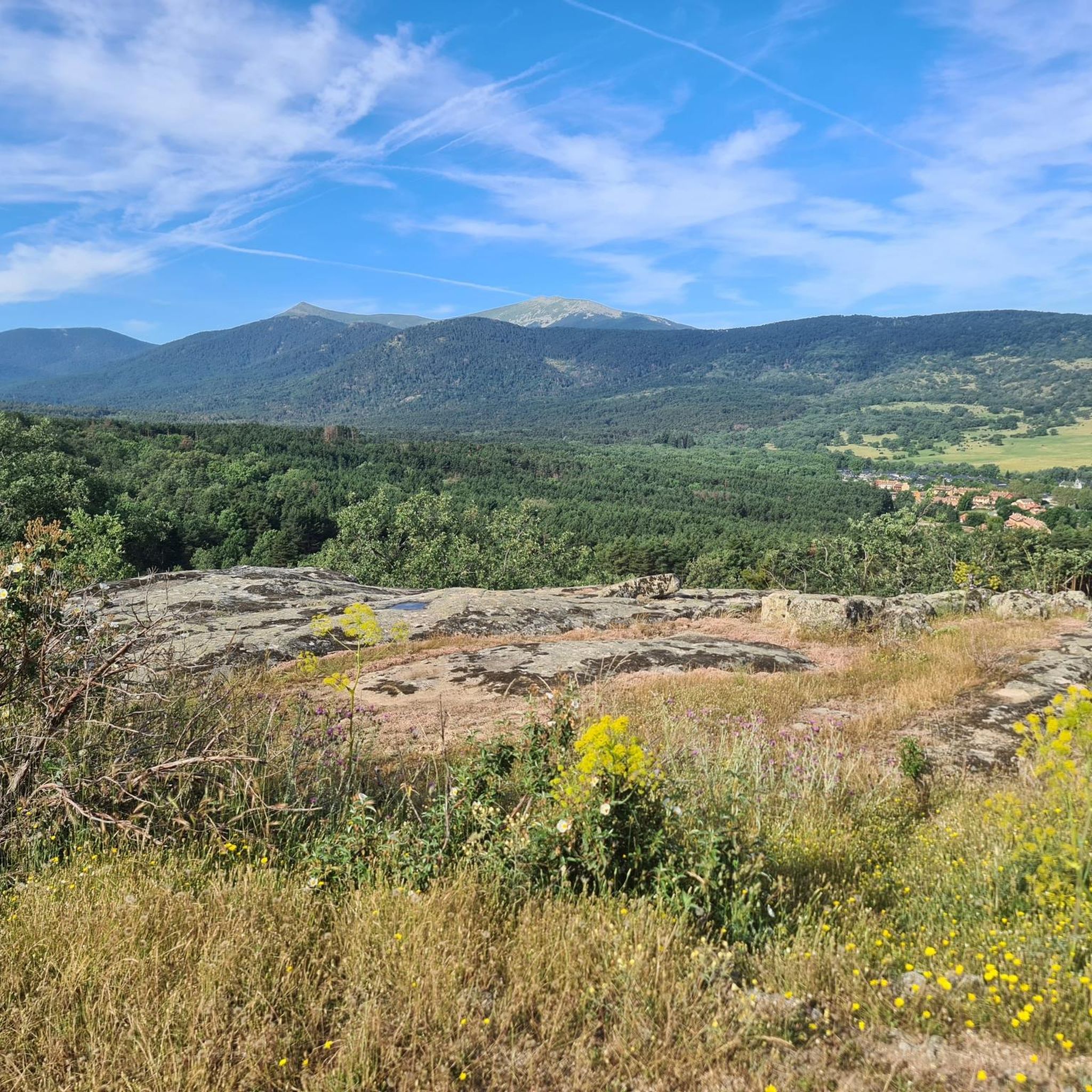
Laguna de los Pájaros is a beautiful glacial lagoon located on the northeast slope of Peñalara Peak, in the Sierra de Guadarrama, within the Sierra de Guadarrama National Park. It is located at an altitude of 2,170 meters above sea level, making it the highest lagoon in the park. During the winter, the lagoon remains frozen, and in summer, although its level fluctuates, it does not disappear completely. It is a popular place for hiking, with routes that offer spectacular views of the surrounding alpine landscape.
4
0

Fantastic construction, it impressed me as much as the first time I saw it as a child.
3
0

The Bridge of the Canals is a fascinating place in the Royal Site of San Ildefonso. This bridge, built in the 16th century, consists of a single arch and is made of granite ashlar stone. Columns rise above it that support a wooden channel. Guess what that channel was for? To bring water to the Royal Palace of Valsaín and also for irrigation of the El Parque estate! 😊 You can still see the sculpted shield of the Casa de los Asturias with the double-headed eagle on the bridge. It is a place that is reminiscent of the Segovia Aqueduct due to its worn granite pillars. Although it is actually an aqueduct, since it carries water, the similarity with “La Puente Seca” in Segovia ends here 🌞
2
0

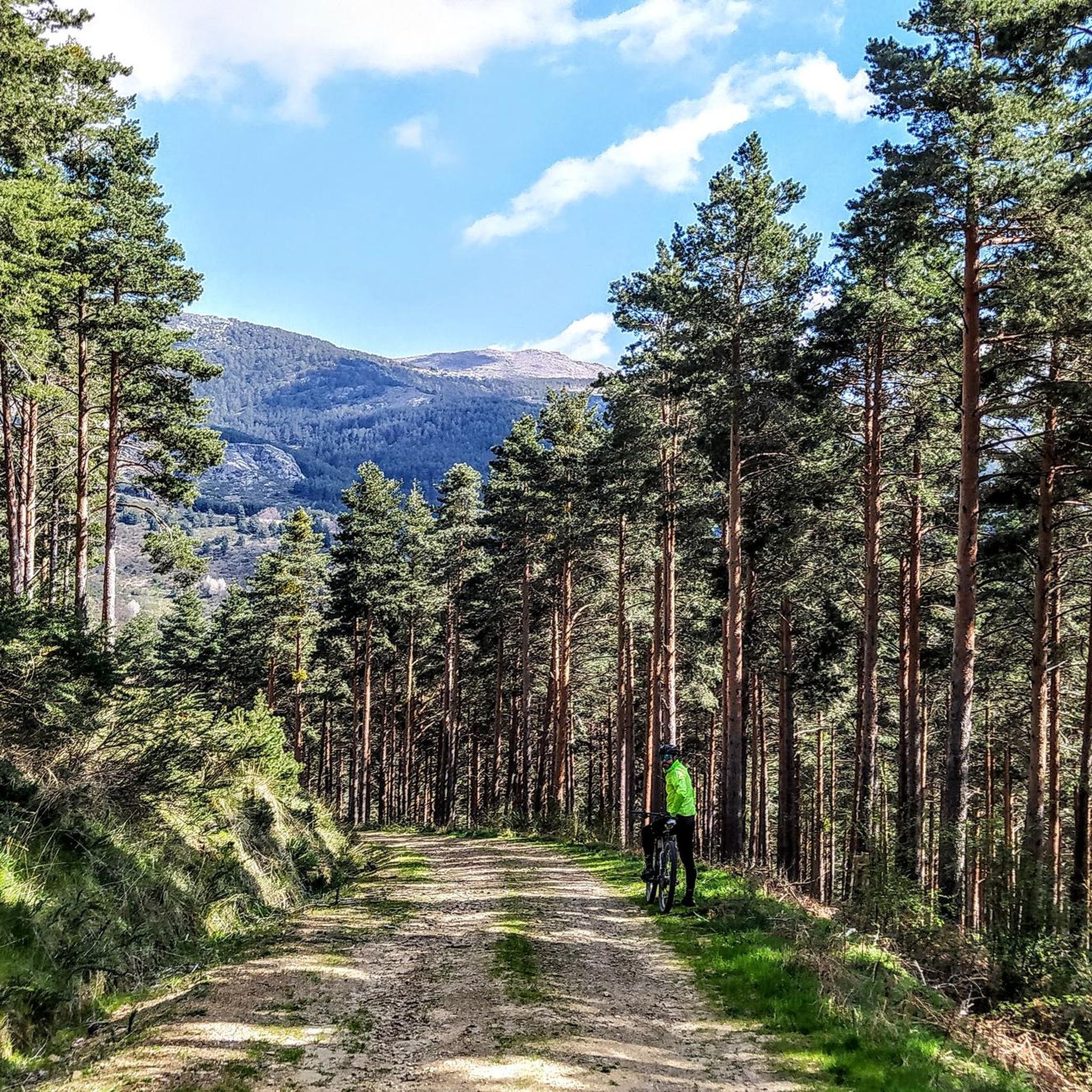
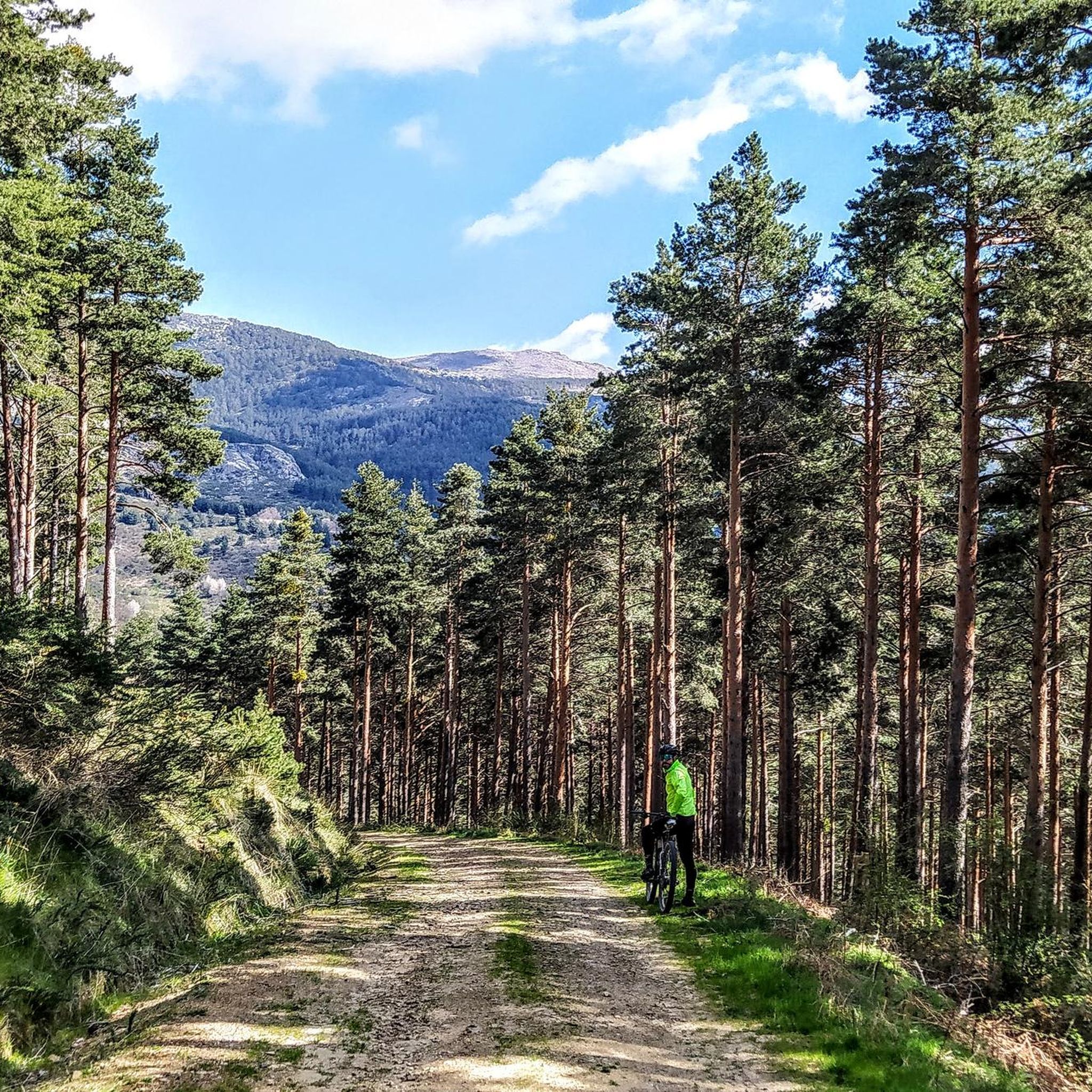
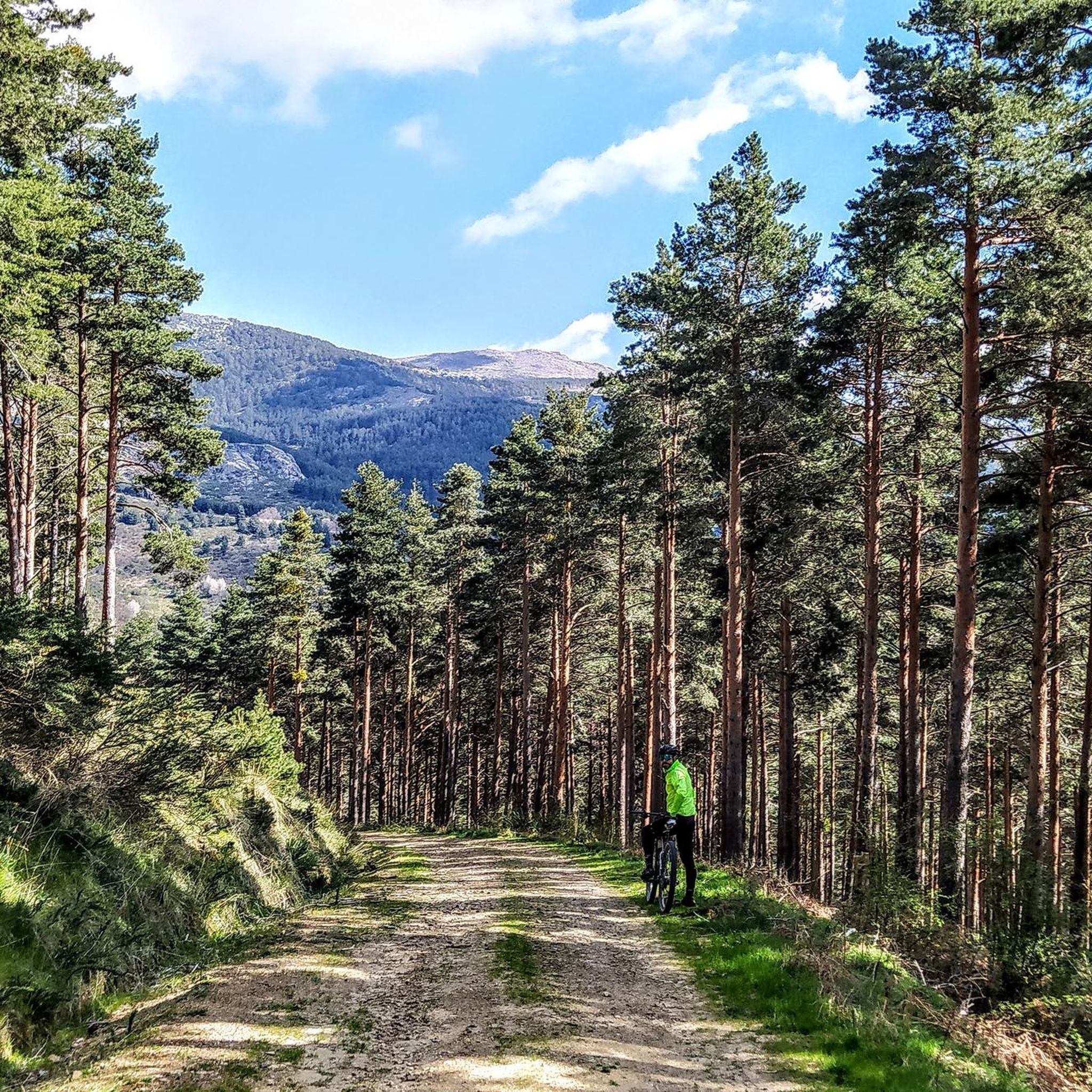
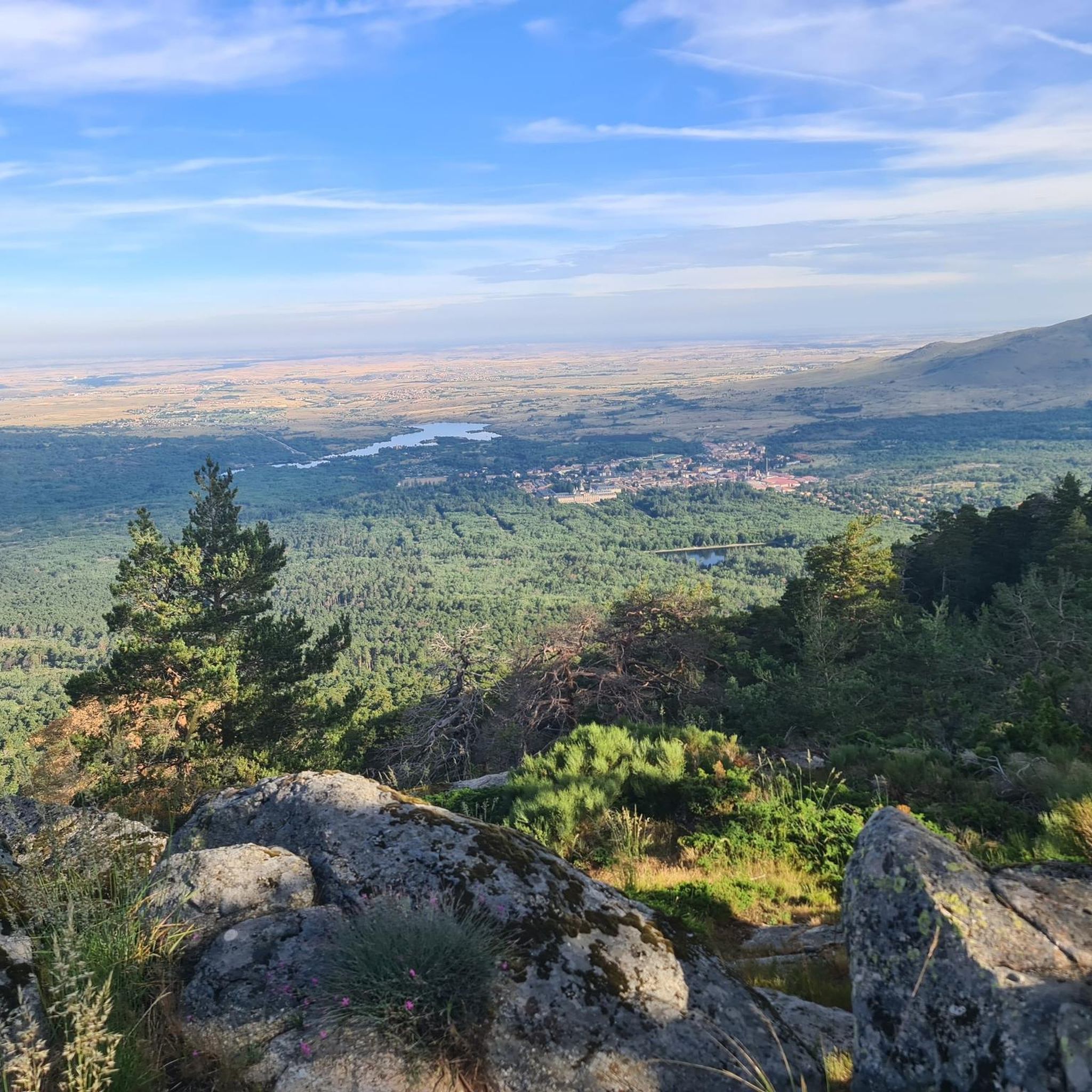
Highest peak in Madrid and Segovia. A privileged environment of Nature.
1
0

Easy access from the recreational area of “Los Asientos”
1
0
Frequently Asked Questions
What historical sites can I explore near Trescasas?
The region around Trescasas is rich in history. You can visit the impressive Aqueduct of Segovia, a Roman engineering marvel from the 1st century AD, or the majestic Segovia Cathedral, one of Spain's last Gothic cathedrals. Additionally, the Puente de los Canales, an aqueduct bridge from the 16th century, offers a glimpse into historical water management.
Are there natural attractions or viewpoints to visit?
Absolutely. Trescasas is at the foothills of the Sierra de Guadarrama. A notable natural feature is the Lake of the Birds, a beautiful glacial lagoon located on Peñalara Peak at 2,170 meters, offering spectacular alpine views. The wider Sierra de Guadarrama National Park also provides numerous opportunities for mountain walks and enjoying diverse wildlife.
What outdoor activities are available around Trescasas?
The area is excellent for various outdoor activities. You can find numerous options for hiking, road cycling, and running. For detailed routes, explore the Hiking around Trescasas, Road Cycling Routes around Trescasas, and Running Trails around Trescasas guides.
Are there family-friendly attractions near Trescasas?
Yes, several attractions are suitable for families. Both the Aqueduct of Segovia and the Segovia Cathedral are considered family-friendly historical sites. The Puente de los Canales also offers an easy, flat route perfect for a family picnic.
What is the best time to visit Trescasas and its surrounding attractions?
The best time to visit largely depends on your preferred activities. Spring and autumn offer pleasant temperatures for hiking and exploring historical sites. During winter, the Lake of the Birds remains frozen, offering a unique snowy landscape, while summer is ideal for enjoying the mountain air and outdoor activities.
Are there any easy hiking trails suitable for beginners or families?
Yes, there are easy hiking options. For instance, the 'Trail along the Eresma – Pontón Alto Dam loop from Palazuelos de Eresma' and the 'Pontón Alto Reservoir loop from Palazuelos de Eresma' are rated as easy. You can find more details and other routes in the Hiking around Trescasas guide.
What unique historical significance does Trescasas itself hold?
Trescasas has historical importance due to its location along ancient cattle trails, making it a crucial point for transhumant livestock farming. Its name, 'Tres Casas' (Three Houses), is believed to originate from three sheep-shearing houses established centuries ago. The local Church of the Inmaculada Concepción is also a notable architectural landmark.
Can I find challenging trails or advanced routes in the area?
For those seeking more challenging experiences, the Sierra de Guadarrama offers routes with higher difficulty. The path to the Lake of the Birds, for example, involves intermediate terrain, and routes like 'View of Sepúlveda – Sepúlveda loop from Torrecaballeros' for road cycling are rated as difficult. The Chozo de Aranguez, a refuge at the foot of Peñalara, is also part of more demanding mountain excursions.
What do visitors particularly enjoy about the attractions near Trescasas?
Visitors frequently praise the impressive architecture and historical depth of sites like the Aqueduct of Segovia and Segovia Cathedral. The natural beauty of the Sierra de Guadarrama, especially the spectacular setting of the Lake of the Birds, is also highly appreciated for its stunning views and serene atmosphere.
Are there any attractions accessible for wheelchair users?
Yes, the Aqueduct of Segovia is listed as wheelchair accessible, allowing visitors with mobility challenges to experience this iconic Roman structure.
Beyond Segovia city, what other natural parks are accessible from Trescasas?
Trescasas provides good access to several significant natural areas. Besides the Sierra de Guadarrama National Park, you can explore the Hoces del Río Duratón Natural Park, known for its dramatic gorges and griffon vultures, as well as the Cuenca del Río Pirón, the Lagunas de Cantalejo, and various holly and juniper forests.
What cultural events or festivities take place in Trescasas?
The local community in Trescasas celebrates its patron saint festivities dedicated to Nuestra Señora del Rosario every last weekend of September. These festivities include various activities like a costume contest, a foam party, and a popular paella, drawing visitors from the surrounding area.
Most popular routes around Trescasas
Most popular attractions around Trescasas

Get inspired with the komoot mobile app


Explore more
Still not found the Highlight you’re looking for? See guides of the top attractions in other regions:
