The best MTB trails around Abaurrepea/Abaurrea Baja
4.7
(53)
800
riders
53
rides
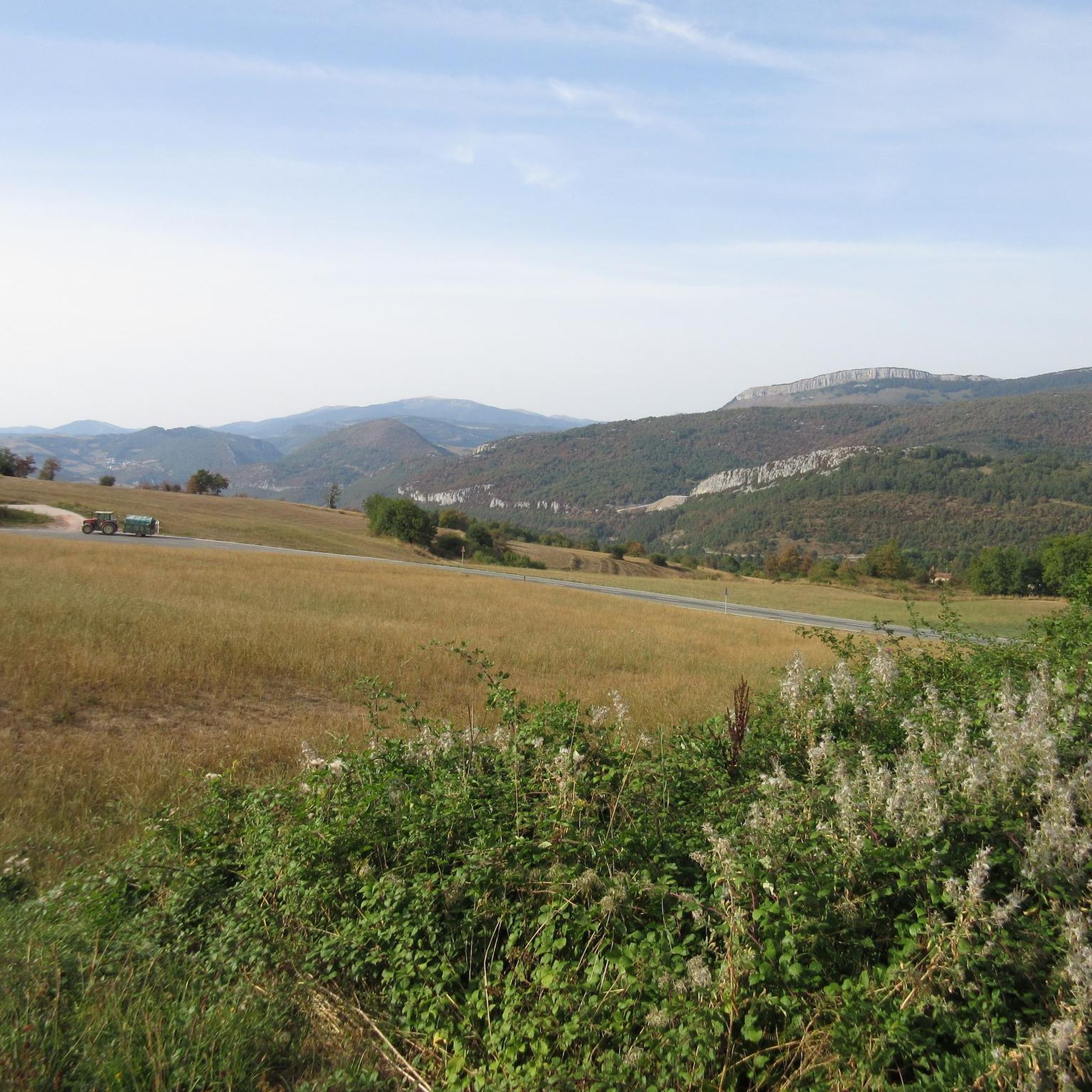
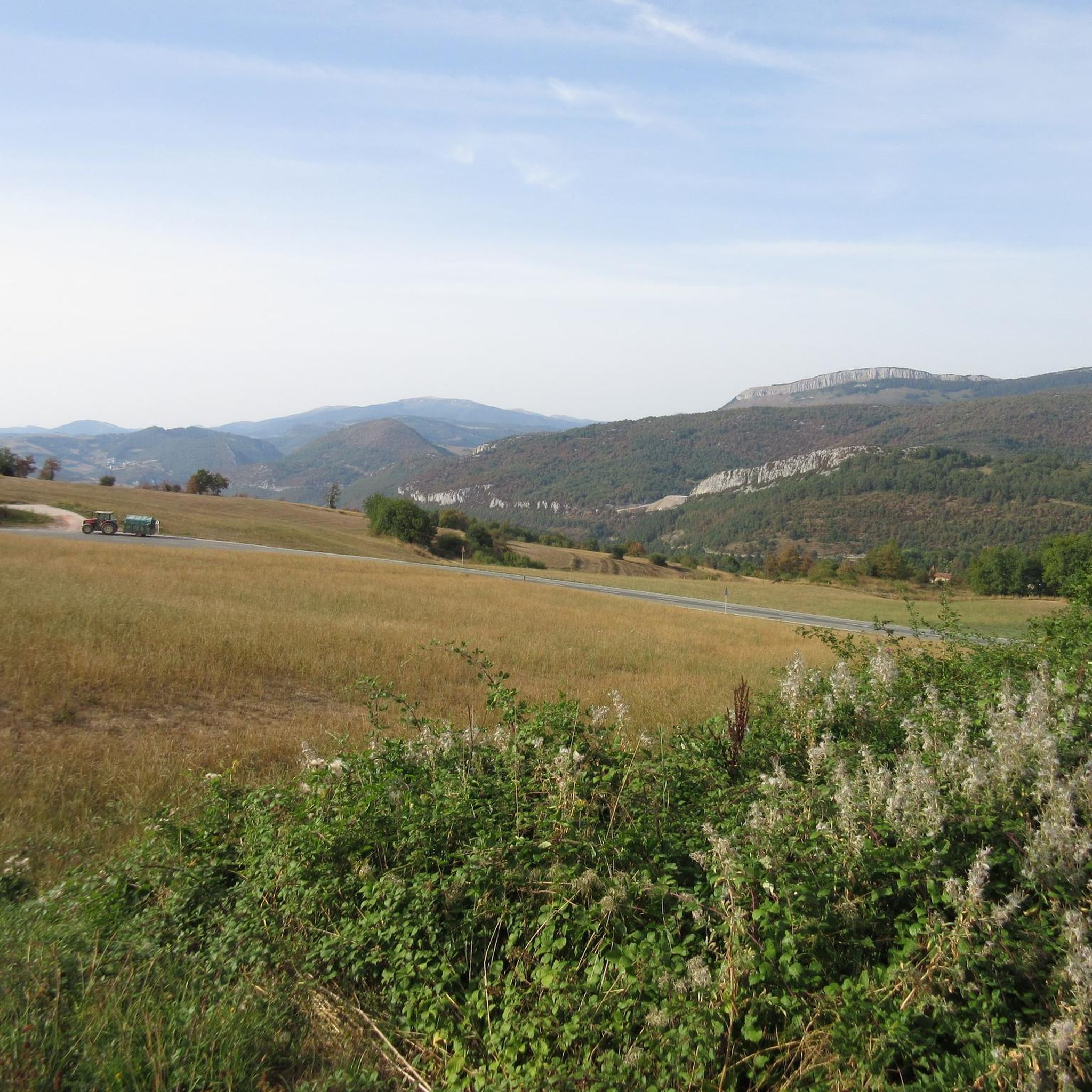
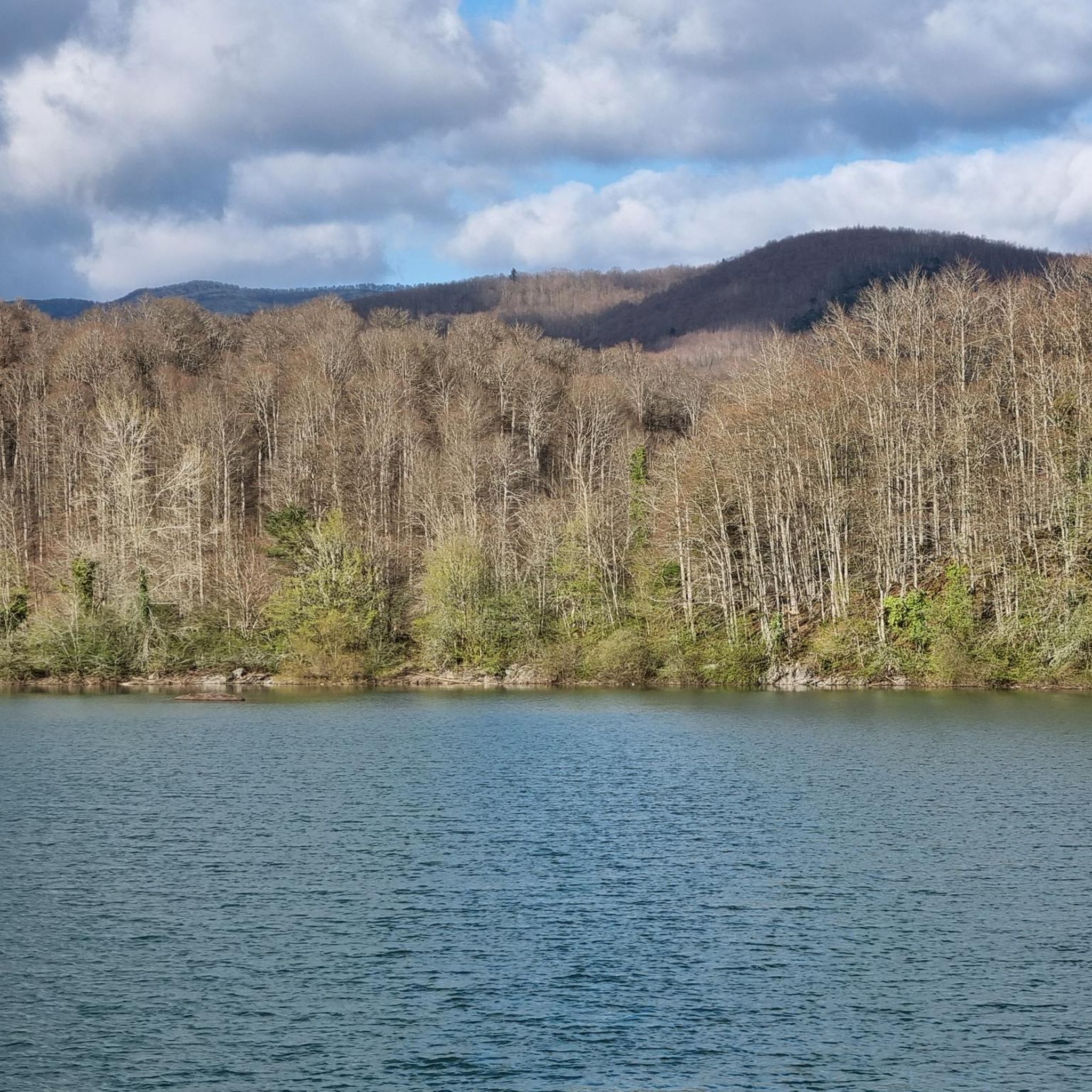
Mountain biking around Abaurrepea/Abaurrea Baja is characterized by its location within the Navarrese Pyrenees, featuring rugged and mountainous terrain with elevations ranging from 800 to 1200 meters. The region includes the Irati Forest, one of Europe's largest beech and fir forests, offering varied mountain scenery. Expansive open valleys and gorges along the Umazondoa River contribute to the diverse landscape.
Best mountain bike trails around Abaurrepea/Abaurrea Baja
- The most popular mountain bike trail is Irabia Reservoir – Irati Houses loop from…
Last updated: August 13, 2026
5.0
(5)
76
riders
41.6km
03:57
760m
760m
Hard mountain bike ride. Good fitness required. Advanced riding skills necessary. Some portions of the route may require you to push your bike.
5.0
(2)
57
riders
46.3km
04:20
1,200m
1,200m
Hard mountain bike ride. Very good fitness required. Advanced riding skills necessary.

Sign up for free
5.0
(3)
61
riders
60.7km
05:03
1,110m
1,110m
Hard mountain bike ride. Very good fitness required. Advanced riding skills necessary. Some portions of the route may require you to push your bike.
4.3
(4)
31
riders
47.0km
03:45
1,080m
1,080m
Hard mountain bike ride. Very good fitness required. Advanced riding skills necessary.
11
riders
40.9km
03:41
900m
900m
Hard mountain bike ride. Good fitness required. Advanced riding skills necessary. Some portions of the route may require you to push your bike.
Get access to more routes and recommendations from other explorers.
Sign up for free
Already have an account?
Our route recommendations are based on thousands of hikes, rides, and runs completed by other people on komoot.
Start today with a free account
Your next adventure awaits.
Login or Signup

Tips from the Community

Casas de Irati is the entry point to Irati through the Irati river area, which leads to the Irabia reservoir. There are parking areas, an interpretation center, a bar, and an information point for the Irati btt center, as well as many other walking routes. From this point, access is gained to the Nuestra Señora de las Nieves hermitage.
1
0

Reaching Roncesvalles meant the luxury of sleeping in a real bed at the famous pilgrim hostel (albergue de peregrinos). Marking the end of the legendary first stage of the Camino Francés from Saint-Jean-Pied-de-Port into Spain, this impressive, well-organized facility is wonderfully run by Dutch volunteers. Since there is no grocery store in Roncesvalles itself, a necessary 5 km round-trip walk was required to stock up, loading down my backpack with enough supplies for 5 breakfasts, 7 lunches, and 5 dinners for the demanding days ahead.
2
0
At the foot of the Pyrenees on the Spanish side of the border, Roncesvalles is one of the most iconic and historic stops on the entire Camino de Santiago. Famous for its magnificent 13th-century Royal Colegiata of Saint Mary, this small hamlet has welcomed weary pilgrims and hikers for centuries after their demanding trek over the mountain pass from Saint-Jean-Pied-de-Port. Beyond its rich medieval history and legendary link to the Song of Roland, Roncesvalles offers essential comforts for travelers today, including pilgrim hostels, warm meals, and a deeply atmospheric sanctuary where you can rest, reflect, and prepare for the road ahead.
2
0
The Izandorre Bivouac (Refugio de Izandorre) is a small but incredibly important stone shelter located high up on the Route of Napoleon, situated on the challenging stretch between Saint-Jean-Pied-de-Port and Roncesvalles. While it isn't a place you should plan to spend the night under normal circumstances, it is a literal lifesaver for those crossing the Pyrenees in bad weather. Here is what you should know. This is a very spartan, basic hut designed specifically to provide immediate shelter from the sudden snowstorms, freezing winds, or blinding fog that can unexpectedly roll into this high-altitude pass. SOS Capabilities: Because this section of the trail can be dangerous in poor conditions, the shelter is equipped with an emergency communication system so hikers can contact mountain rescue if things go wrong.
1
0
The Ibañeta Chapel is a moving and highly anticipated milestone for anyone walking the Camino de Santiago. After the grueling, steep ascent from the French side of the Pyrenees, crossing the border into Spain, and finally beginning your descent, this small chapel and the large stone cross beside it are a spectacular sight. The First Spanish Waypoint: It serves as the very first visible intermediate destination on the Spanish side of the mountains, signaling that the hardest part of the climb is officially behind you. Once you reach this point, you are almost done! Just a short walk further down the trail lies the day's final stage destination: the mighty and magnificent monastery complex of Roncesvalles.
1
0

Orreaga-Roncesvalles preserves the memory of heroic songs, ancient paths, and exhausted pilgrims on the way to Compostela. Kings who built hospitals, churches, monasteries, and chapels, innkeepers for whom welcoming strangers was and is sacred, and the love for their Holy Virgin, their brotherhood, and their pilgrims and their many crosses. Since the 10th century, Roncesvalles has been a place where pilgrims on the Camino de Santiago to Santiago de Compostela can rest after their arduous ascent. Santa María de Roncesvalles is above all a place for spirituality and pilgrimage. Pilgrim masses, pilgrimages, Brotherhood of Nuestra Señora. At the 1057m high Puerto Roncesvalles pass, Augustinians founded the Colegiata de Roncesvalles abbey in 1130. As early as 778, a battle took place here between the Franks under Charlemagne and the Basques. The warrior Roland was killed, and the Song of Roland was created.
0
0

They have the best accessible toilet within a 20 km radius.
0
0

In choosing San Salvador as the patron saint of this church, the patronage was not placed under the protection of one of the many people we venerate as blessed or saints and ask for their heavenly intercession with God. Rather, the patronage was entrusted to God himself—in the person of his incarnate Son, Jesus Christ—who is venerated here under the honorary title of "San Salvador" (Redeemer and Savior).
3
0
Frequently Asked Questions
What kind of terrain can I expect on mountain bike trails around Abaurrepea/Abaurrea Baja?
The region is part of the Navarrese Pyrenees, offering rugged and mountainous terrain with elevations typically ranging from 800 to 1200 meters. You'll encounter diverse landscapes, including dense beech and fir forests, expansive open valleys with panoramic views, and charming gorges along the Umazondoa River. Trails can range from unpaved roads to more technical sections with rocks and banked corners.
Are there any easy mountain bike trails suitable for beginners in Abaurrepea/Abaurrea Baja?
Yes, while many routes are moderate to difficult, there are options for beginners. The extensive trail network in the Navarrese Pyrenees caters to various skill levels. You can find easier paths, particularly within the Irati Forest, which offers routes suitable for bikes with wider tires on unpaved roads.
What natural features or landmarks can I see while mountain biking in this area?
The region is rich in natural beauty. You can explore the vast Irabia Reservoir, ride through the ancient Irati Forest, or visit the picturesque El Cubo Waterfall, surrounded by beech trees. The Tapla Pass and Abodi Range also offer stunning viewpoints.
Are there any facilities or amenities available for mountain bikers in the Irati Forest?
Yes, the Irati Houses (Casas de Irati) serve as a key hub within the Irati Forest. Here, you'll find a bar, restaurant, a bike shop, and a water fountain, making it a convenient stop for cyclists. It's also a common starting point for many trails.
Can I find circular mountain bike routes around Abaurrepea/Abaurrea Baja?
Many of the mountain bike trails in the area are designed as loops. For example, the Irabia Reservoir – Irati Houses loop from Orbaizeta is a popular difficult route that takes you through the Irati Forest. Another option is the Irati River Trail – Irati Houses loop from Orbaizeta.
What is the best time of year for mountain biking in Abaurrepea/Abaurrea Baja?
The Navarrese Pyrenees region is generally best for mountain biking from spring through autumn. During these seasons, the weather is more stable, and the trails are typically clear of snow, allowing for optimal riding conditions and access to the full network of routes.
Are there any historical sites accessible by mountain bike?
Yes, you can ride through scenic natural settings that include historical remnants. The Orbaizeta Royal Arms Factory is a notable historical site in the area that can be explored as part of a mountain biking adventure.
What do other mountain bikers enjoy most about the trails in Abaurrepea/Abaurrea Baja?
The area is highly rated by the komoot community, with an average score of 4.7 stars from over 40 reviews. Reviewers often praise the diverse and captivating landscapes, the extensive trail network, and the unique experience of riding through one of Europe's largest beech and fir forests.
Is there public transport available to reach the mountain biking areas, especially the Irati Forest?
While Abaurrepea/Abaurrea Baja is well-connected by existing pathways, public transport options directly into the heart of the Irati Forest for mountain biking can be limited. It's advisable to check local bus schedules or consider driving to key trailheads like the Irati Houses or Orbaizeta for easier access.
Where can I find parking for mountain biking in Abaurrepea/Abaurrea Baja or the Irati Forest?
Designated parking areas are available at popular trailheads, particularly around the Irati Houses within the Irati Forest and in villages like Orbaizeta. These spots serve as convenient starting points for many routes.
Are there any specific mountain bike centers or support services in the region?
Yes, the region supports cyclists with MTB Centers in areas like the Salazar and Aezkoa Valleys (Arrazola). These centers offer services such as bike maintenance, rentals, and essential trail information, enhancing the mountain biking experience.
Can I find trails that connect to other villages or regions?
The extensive trail network in the Navarrese Pyrenees includes paths that connect local villages, such as Hiriberri/Villanueva de Aezkoa and Abaurrepea/Abaurrea Baja. The region's strategic location along the Camino de Santiago also means there are existing pathways that can be incorporated into rides.
Most popular routes around Abaurrepea/Abaurrea Baja
Most popular attractions around Abaurrepea/Abaurrea Baja

Get inspired with the komoot mobile app


Explore more
Browse the best MTB trails in other regions.
