The best cycling routes around Alfoz
4.6
(61)
426
riders
24
rides
Touring cycling routes around Alfoz navigate a landscape characterized by river valleys, such as the Tronceda and Rio Ouro, and rolling terrain that often includes significant elevation changes. The region features a mix of rural roads, historical sites like the Monastery of San Salvador, and proximity to coastal areas, offering diverse scenery for cyclists. These routes frequently involve climbs and descents, providing challenging yet rewarding experiences for those seeking to explore the area by bike.
Best touring cycling routes around…
Last updated: October 5, 2026
4.3
(3)
7
riders
14.7km
01:02
180m
180m
Moderate bike ride. Good fitness required. Mostly paved surfaces. Suitable for all skill levels.
1
riders
25.2km
02:11
700m
700m
Hard bike ride. Very good fitness required. Mostly paved surfaces. Suitable for all skill levels.

48.1km
03:56
1,420m
1,420m
This difficult 29.9-mile (48.1 km) touring cycling route around Mondoñedo features the historic Monastery of San Salvador and scenic Galicia
32.1km
02:21
730m
730m
Hard bike ride. Very good fitness required. Mostly paved surfaces. Suitable for all skill levels.
4.0
(2)
42
riders
23.2km
01:37
230m
230m
Moderate bike ride. Good fitness required. Mostly paved surfaces. Suitable for all skill levels.
Get access to more routes and recommendations from other explorers.
Already have an account?
Our route recommendations are based on thousands of hikes, rides, and runs completed by other people on komoot.
Start today with a free account
Your next adventure awaits.
Tips from the Community


Buen Camino, always inspiring 🤙
0
0


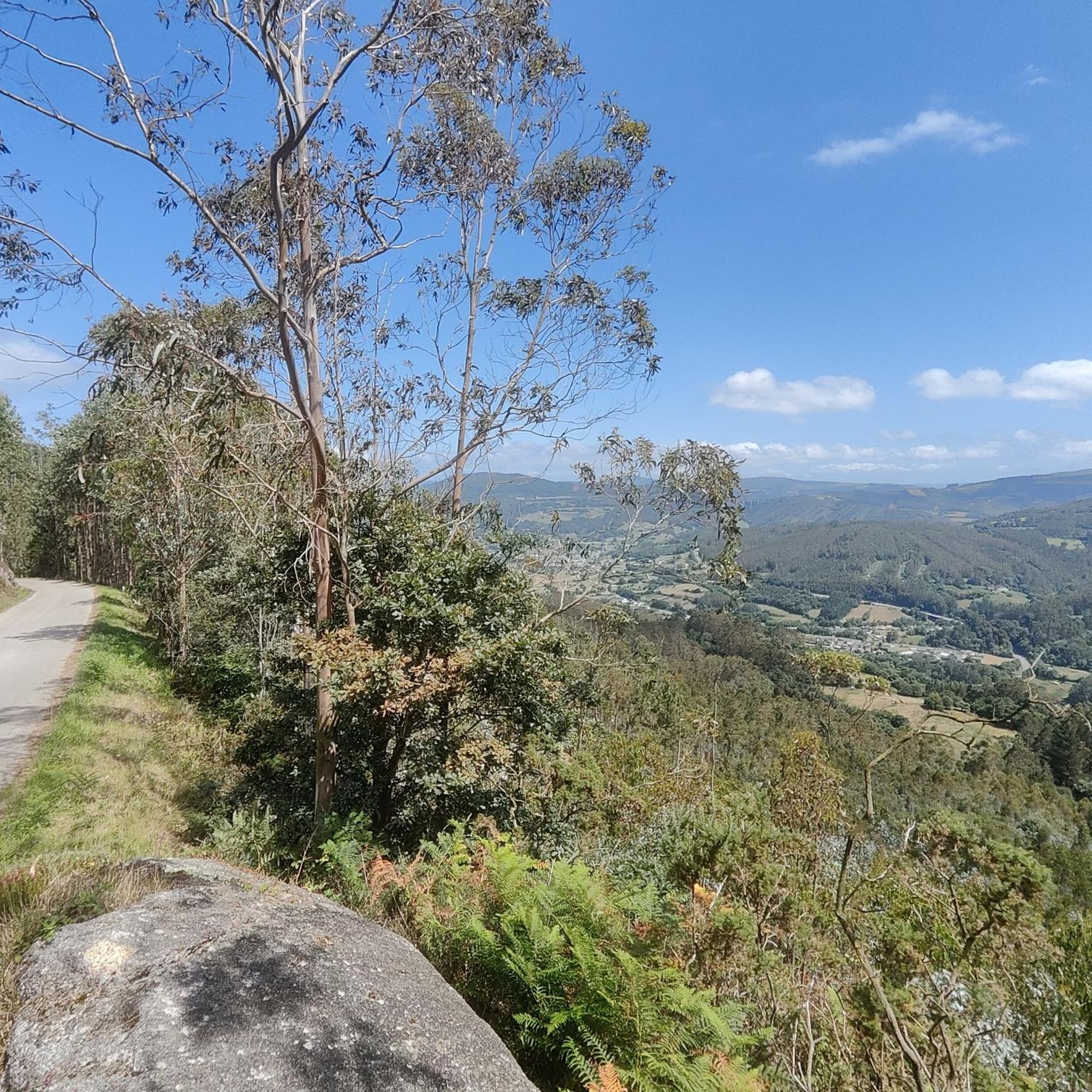
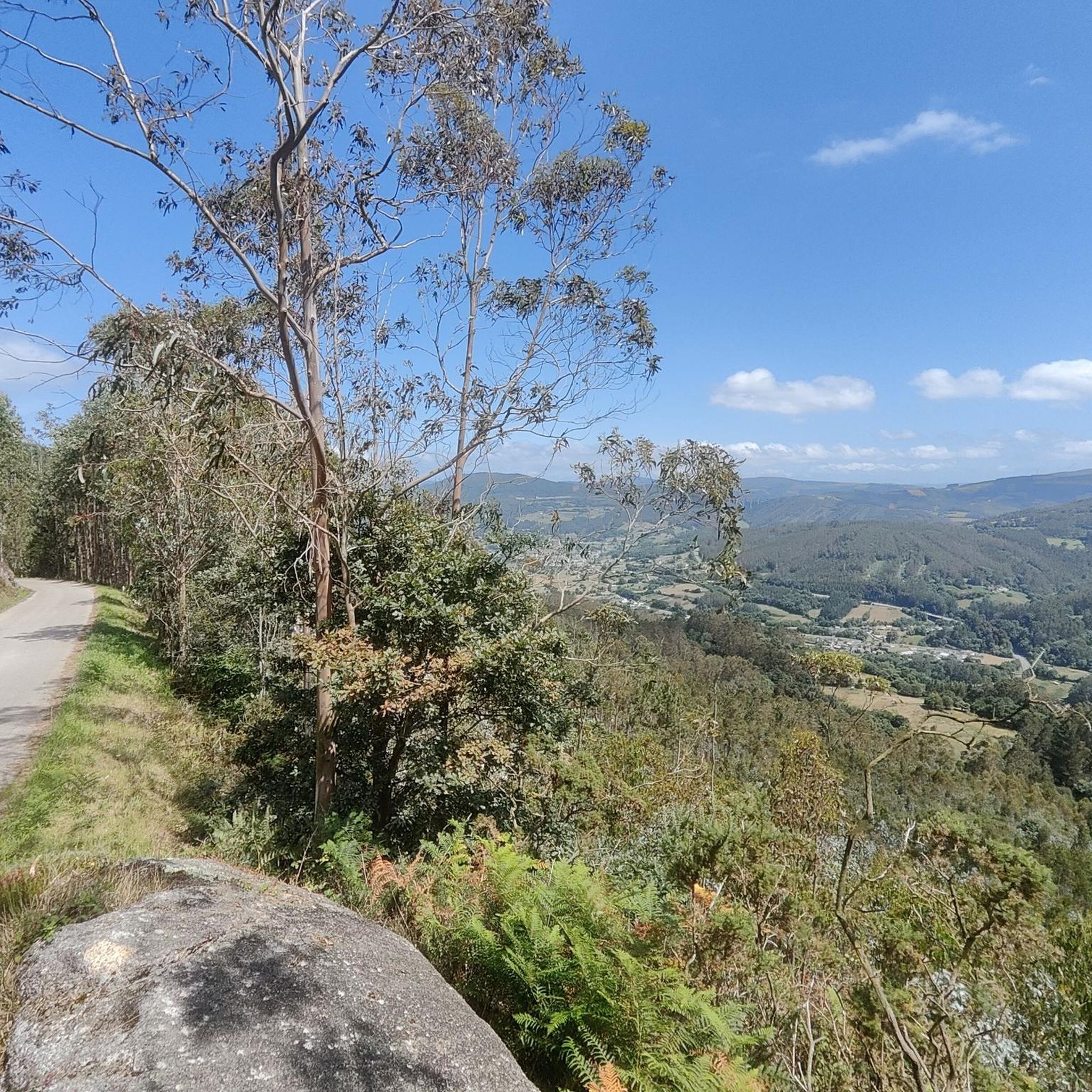
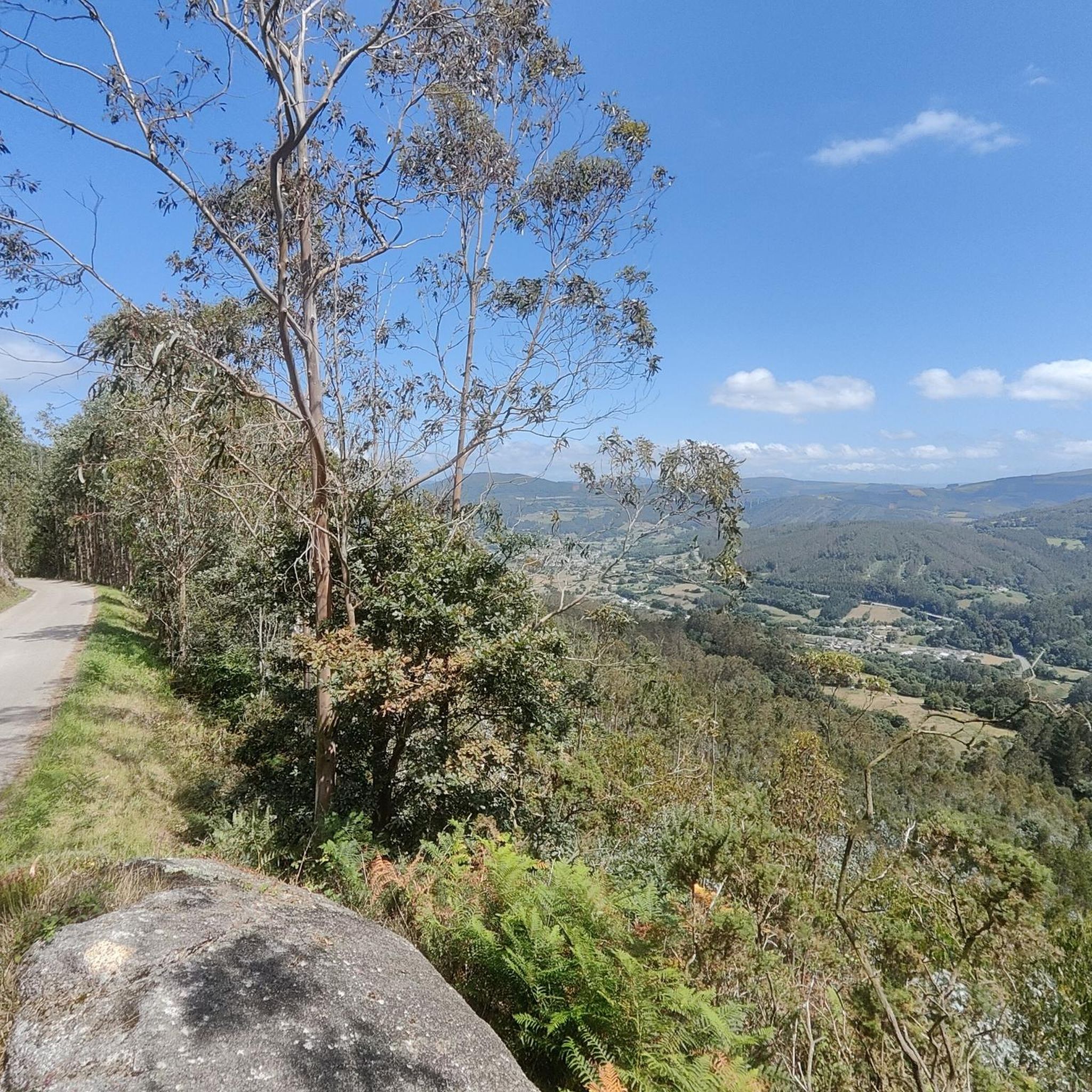
A good way to find inspiration at the start of a cycle touring trip is to cycle unhurriedly following the universal yellow arrows of the Camino de Santiago. In Ribadeo begins the Natural Route of the Cantabrian Route and it is also the entrance to Galicia of the Camino del Norte or Camino de la Costa from Asturias, in both ways it is known the Camino de Santiago that runs along the Cantabrian coast from Irún to Santiago de Compostela. The Jacobean route leaves the Cantabrian coast and faces the first stage through the interior of Galicia, the landscape, the language and the cultural signs change but the faithful yellow arrows remain along with the inseparable Compostelan scallop shell along the Camiño Norte. The main purpose of including this variant in the trip is to connect with the Natural Route of San Rosendo and to discover the landscapes and villages that this ancient pilgrimage route travels between Mondoñedo and Foz. The connection point between the Camino de Santiago and the Natural Route is in Vilanova de Lourenzá, an ancient town of the Bridge from other times, when pilgrims sought asylum and protection in the hospitium of the Benedictine monastery of San Salvador. The meeting of the two routes is precisely at the medieval bridge over the Baos river, at the entrance to the town, and one could continue directly along the Natural Route of San Rosendo towards the coast, but the visit to the historic city of Mondoñedo is fundamental, former seat of courts, lordships and bishoprics, it has an old town declared a Historic-Artistic Site with arcades, cobbled streets and facades decorated with coats of arms and crests. The two routes coexist in the villages of the route until the Plaza de la Catedral de Mondoñedo, then you have to return along the same route and in Lourenzá undertake the descent towards the coast through the parishes of Casolga and Celeiro, in the mountains of the Masma river valley, the river collector that flows into the estuary of Foz. The landmarks of the Natural Route of San Rosendo pass through the basilica of San Martiño de Mondoñedo, the ancient site of Mindumneto, refuge of the bishop of Braga, Sabarico, in the mid-9th century and seat of the diocese until the year 1112, it is the oldest preserved cathedral in Spain and the first raised in southern Europe, built in the 6th century. The signs of the Route continue through the forests that lead to the panoramic spot of the hermitage of Obispo Santo and finally descend to the coastal platform, connecting with the Natural Route of the Cantabrian Route on the outskirts of Foz to finish the cycling stage by touring the coast of the Gulf of Masma to Cape Burela.
0
0

The two routes coexist in the villages on the way to the Mondoñedo Cathedral Square, then you have to return along the same route and in Lourenzá begin the descent towards the coast through the parishes of Casolga and Celeiro, in the mountains of the river valley. Masma, the river collector that flows into the Foz estuary. The milestones of the San Rosendo Natural Trail pass by the basilica of San Martiño de Mondoñedo, the ancient place of Mindumneto, refuge of the bishop of Braga, Sabarico, in the mid-9th century and seat of the diocese until the year 1112, it is the cathedral oldest preserved in Spain and the first built in southern Europe, built in the 6th century. The signs of the Camino continue through the forests that lead to the panoramic spot of the Obispo Santo hermitage and finally go down to the coastal platform, connecting with the Natural Path of the Cantabrian Route on the outskirts of Foz to finish the cycling stage along the coast. from the Gulf of Masma to Cape Burela.
0
0

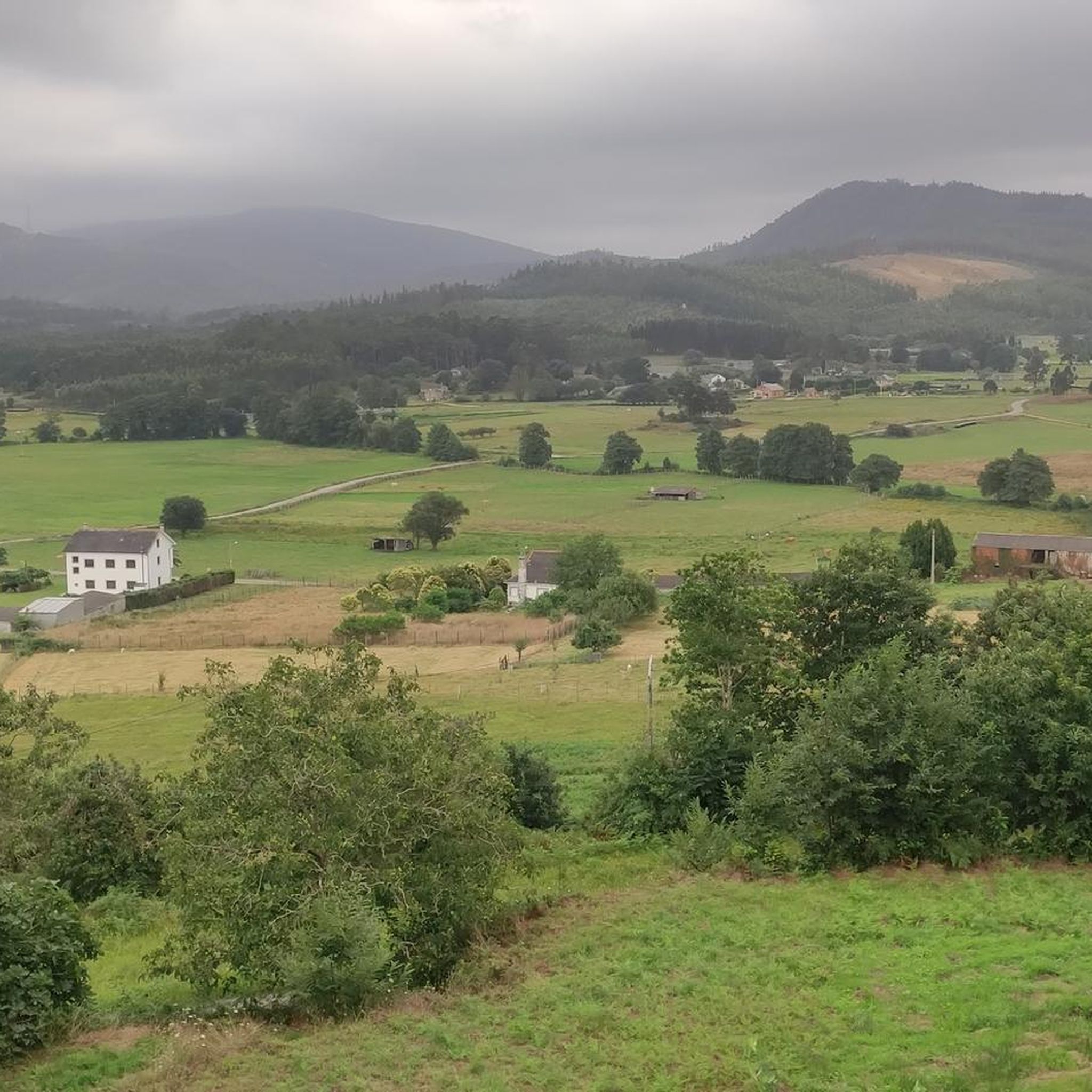
Natural recreational space with multiple trails for activities along the Tronceda River. Don't forget to see the waterfall and the water channel.
2
0
Frequently Asked Questions
What is the overall difficulty level of touring cycling routes in Alfoz?
Touring cycling in Alfoz is primarily suited for experienced cyclists. The region's routes are characterized by significant elevation changes, with 14 out of 18 routes classified as difficult. There are 4 moderate routes available, but no easy routes for absolute beginners.
Are there any moderate touring cycling routes in Alfoz?
Yes, while most routes are difficult, there are 4 moderate touring cycling routes in Alfoz. One such option is the A Rapadoira Beach – Foz Promenade loop from As Teixoeiras, which covers 24.4 miles (39.3 km) with a more manageable elevation gain.
What kind of terrain can I expect on touring cycling routes around Alfoz?
The terrain in Alfoz features a mix of rural roads, river valleys like the Tronceda and Rio Ouro, and rolling landscapes. Cyclists should be prepared for frequent climbs and descents, offering a challenging yet rewarding experience through diverse scenery.
Are there any circular touring cycling routes in Alfoz?
Yes, many touring cycling routes in Alfoz are designed as loops. For example, the Monastery of San Salvador – Beach of the Cathedrals loop from Lourenzá is a challenging 45.5 miles (73.2 km) circular route that takes you through historical sites and coastal areas.
What historical sites or natural attractions can I see along the touring cycling routes?
Alfoz offers a blend of historical and natural sights. You can explore the historic Monastery of San Salvador, visit the Mondoñedo Cathedral, or discover traditional Galician hórreos. For natural beauty, routes often pass by the Tronceda River Waterfalls or the Río Ouro and Escouridal Waterfall.
What is the best time of year for touring cycling in Alfoz?
The region's climate is generally mild, but for the most comfortable touring cycling experience, spring and autumn are ideal. These seasons offer pleasant temperatures and less extreme weather, making the significant climbs more enjoyable. Summer can be warm, and winter may bring cooler, wetter conditions.
Are there any routes that feature waterfalls?
Yes, several routes incorporate the region's beautiful waterfalls. The Mondoñedo – return via Tronceda river Waterfalls route is a prime example, specifically designed to showcase the scenic Tronceda River Waterfalls.
What do other touring cyclists say about the routes in Alfoz?
The touring cycling routes in Alfoz are highly regarded by the komoot community, with an average rating of 4.3 stars from over 40 reviews. Cyclists often praise the challenging ascents, the diverse scenery encompassing river valleys and historical sites, and the rewarding views.
Is public transport available to access the touring cycling routes in Alfoz?
While specific public transport links directly to trailheads are not detailed, major towns like Mondoñedo and Valadouro, which serve as starting points for many routes, are generally accessible by regional bus services. It's advisable to check local transport schedules for connections to your chosen starting point.
Where can I park my car when starting a touring cycling route in Alfoz?
Parking is typically available in the towns and villages that serve as common starting points for these routes, such as Mondoñedo, Valadouro, or Lourenzá. Look for designated public parking areas within these communities.
Are there any touring cycling routes that pass through the Alfoz region itself?
Yes, the Valadouro – tour through Alfoz and Rio Ouro is a notable route that directly traverses the Alfoz region. This 19.9 miles (32.1 km) trail offers an immersive experience of the area's river valleys and local landscapes.
What are the typical distances and elevation gains for touring cycling in Alfoz?
Routes in Alfoz vary in length, generally ranging from around 15 miles (25 km) to over 45 miles (70 km). Elevation gains are significant, often exceeding 700 meters (2,300 feet) and reaching up to 1,400 meters (4,600 feet) on longer, more challenging tours, reflecting the region's hilly topography.
Most popular attractions around Alfoz

Get inspired with the komoot mobile app


Explore more
Browse the best Cycling routes in other regions.
