Attractions and Places To See around Les Coves De Vinromà - Top 20
Best attractions and places to see around Les Coves De Vinromà, a municipality in Castellón, Spain, offers a blend of historical, natural, and cultural sites. The region features ancient rock art, significant religious architecture, and diverse natural landscapes. Visitors can explore a variety of landmarks and natural features that reflect its rich heritage and environment.
Best attractions and places to see around Les Coves De Vinromà
- The most popular attractions is Castillo de Xivert, a castle that is one…
Last updated: October 9, 2026
Hermitage of Saint Lucy and Saint Benedict
Highlight • Religious Site
The Hermitage of Santa Lucía …
Translated by Google •
Tip by

Castillo de Xivert
Highlight • Castle
Translated by Google •
Tip by

Sign up now to discover places like this
Get recommendations on the best single tracks, peaks, & plenty of other exciting outdoor places.
Bandereta Pass
Highlight • Mountain Pass
Showing Translation
Tip by
Puerto de la Serratella
Highlight (Segment) • Mountain Pass
Showing Translation
Tip by
Fortified Hermitage of Albalat
Highlight • Historical Site
On August 15th at 11 a.m. it is the only day of the year when a fair is celebrated in this small building.
Translated by Google •
Tip by

Sign up for free to discover even more attractions around Les Coves De Vinromà.
Already have an account?
Start today with a free account
Your next adventure awaits.

Tips from the Community


Built in the 14th century at the foot of the Albalat Castle (currently in ruins) so that, in addition to greater comfort for those attending the cult, it also served, like the other towers existing in the same area, as a safe refuge for the people who They were surprised by the frequent raids of the Barbary pirates.
0
0

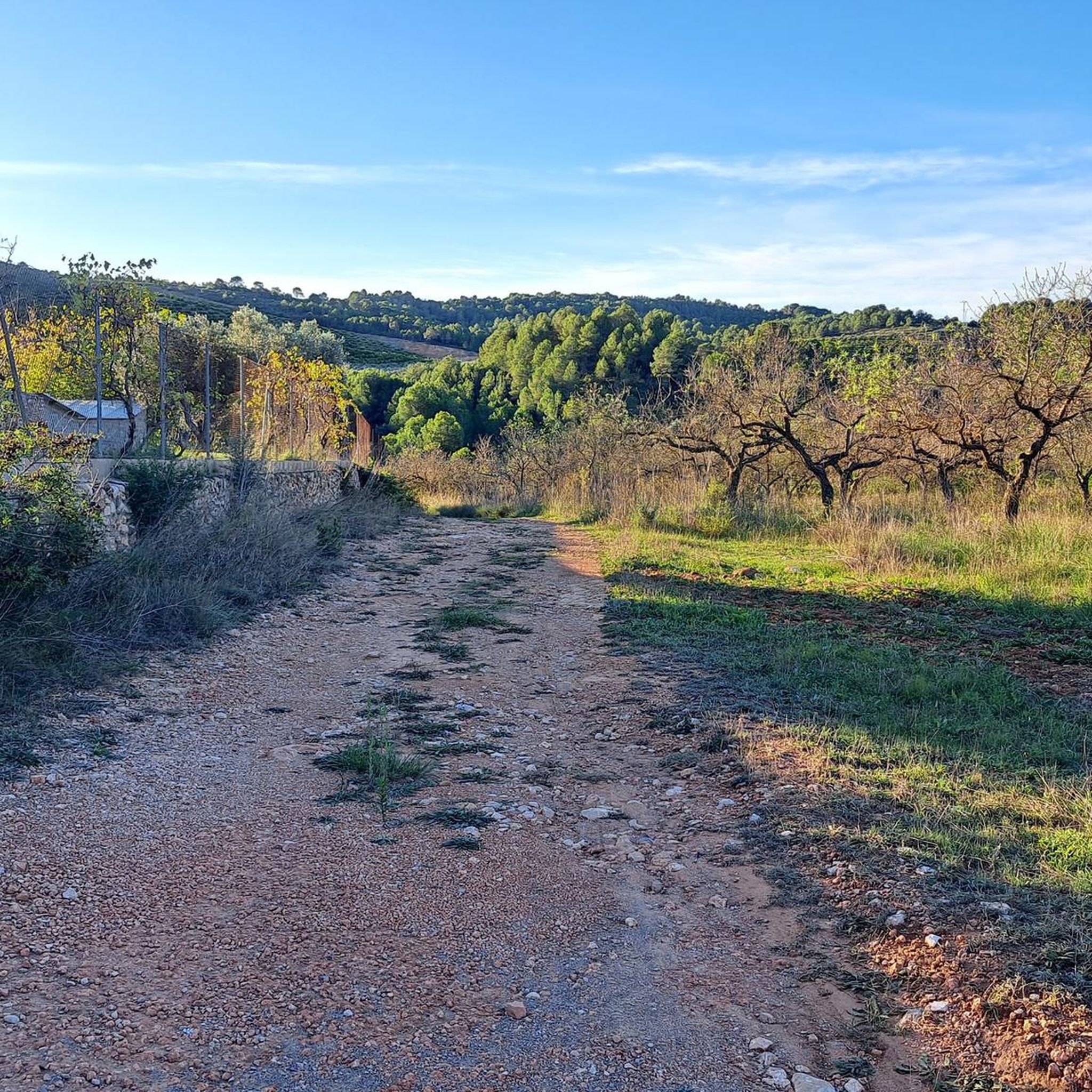
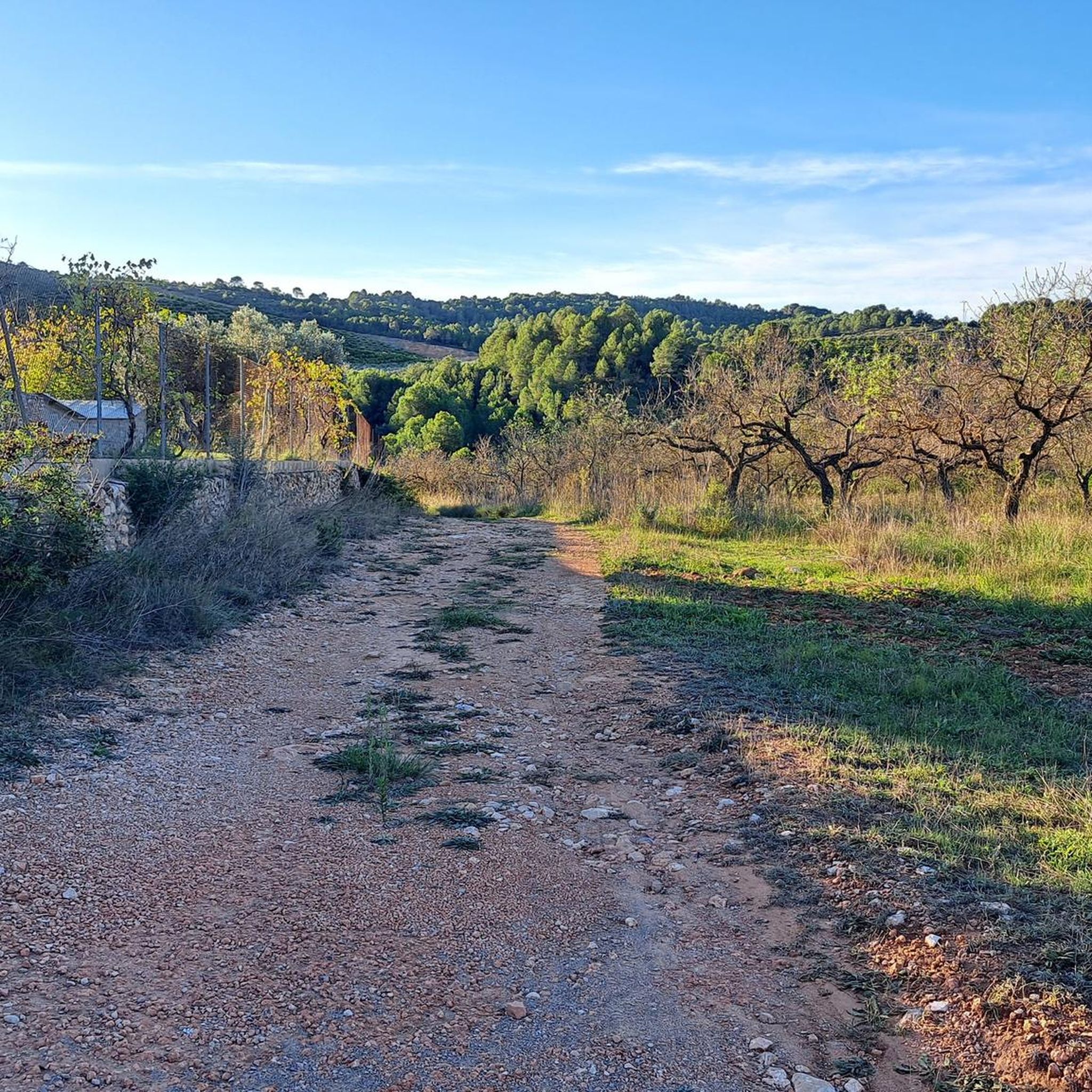
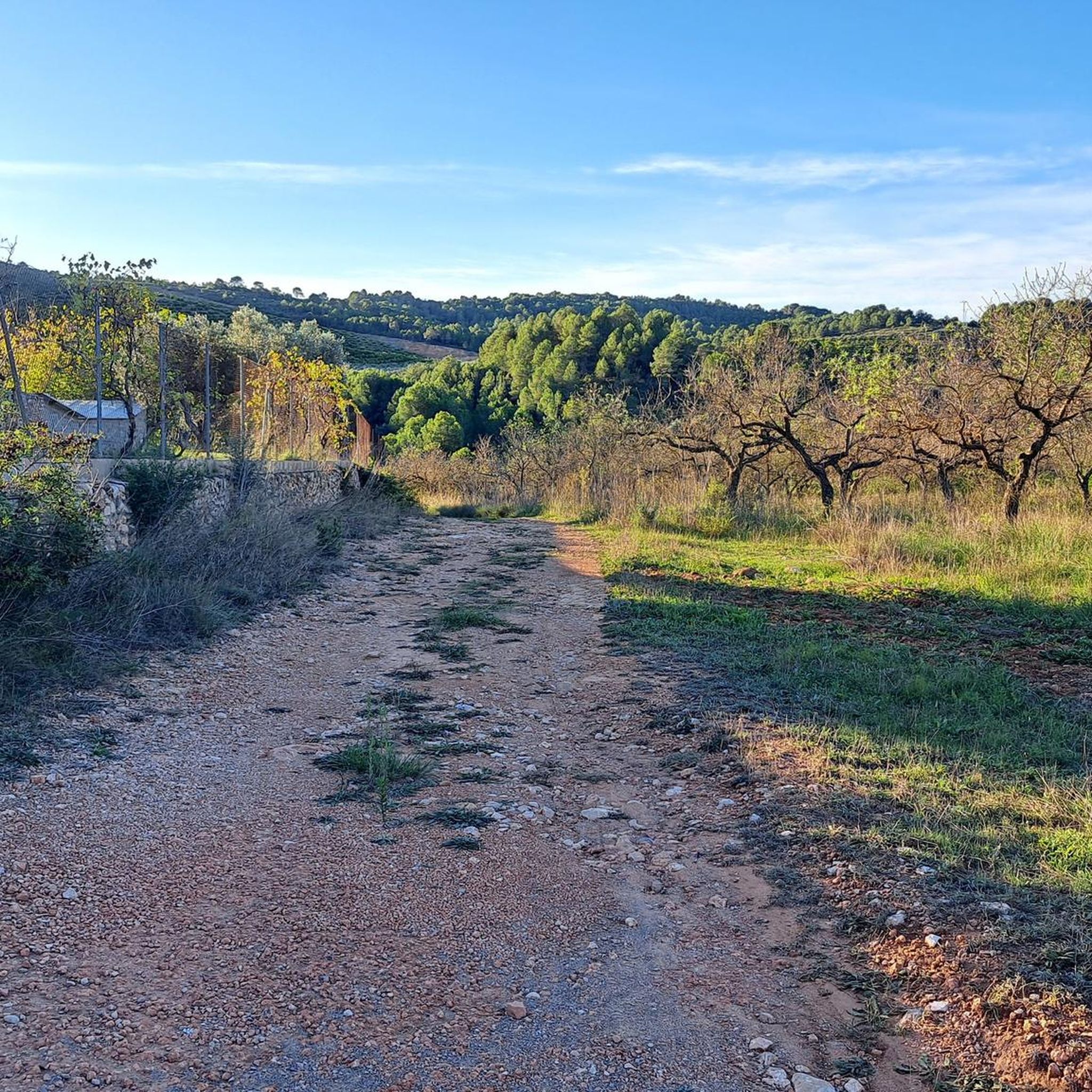
The steep 20% driveway is worth it for a short time😉. Here you can enjoy a 360° panoramic view. The peace and color nuances of the fields in their red, ocher and brown tones are wonderfully beautiful.
1
0
Hermitage of Santa Lucia located on the side of a mountain with exceptional views and great panoramic views of Alcossebre and part of the Plana Alta.
2
0

It is a beautiful and entertaining climb, without major complications and with magnificent views. In the first part, we start with gentle slopes, which will be very useful for "warming up" the legs, as from km. 4 things get a bit more serious. The gradient will start to increase, with some ramps close to 10%, and hairpin bends will appear, until we reach a first pass at km. 12. Afterwards, we will have a short rest with a descent included to the village of Serratella, and we will only have the final stretch, quite gentle, until we reach the summit at 844 m. altitude. At that point, we can decide between descending towards Albocàsser, or giving ourselves a little "warm-up" by climbing to the hermitage of S. Juan Nepomuceno via a paved track that goes off to our left, about 500 m. long and with ramps of 20%, until we reach an altitude of 920 m.
1
0
It is a short but very hard ascent, which will probably surprise us with its difficulty. We will start the climb with an initial section up to the crossroads of the CV-15 with some hard ramps already, we will cross the town of Rosildos, going around the church to look for the street that leads us towards Mas de Cervera, where we will join the "main" road towards Serra Engarcerán. Upon reaching a somewhat more wooded area, we will find a small rest, but let's not be overconfident, because after taking a left turn and the trees disappear, we will encounter the hardest part of the ascent, where the gradient reaches a maximum of 16% on a 500 m section that does not drop below 10%. We will finish somewhat more easily, but undoubtedly this climb will have pleasantly surprised us.
0
0
Fortified hermitage located in the municipality of Cabanes next to the AP7 and next to the Prat de Cabanes - Torreblanca Natural Park
1
1

On Mount San Benito there is a small hermitage that offers, from its viewpoint, one of the best views in the entire province of Castellón. The Hermitage of Santa Lucía and San Benito is located in the Sierra de Irta at 312 meters above sea level and was built at the end of the 17th century.
8
0
Frequently Asked Questions
What historical sites can I explore in Les Coves de Vinromà?
Les Coves de Vinromà is rich in history. You can visit the Old Church of Our Lady of the Forsaken, a 13th-century church that was originally a mosque, now hosting cultural events. Another significant site is the Castillo de Xivert, an Islamic fortification from the 10th-11th centuries, offering impressive views. Don't miss the Boix Moliner Manor House, a stately home dating back to the Middle Ages, or El Portalet, the last remaining arch from the town's medieval castle.
Are there any natural attractions or viewpoints to visit?
Yes, the region offers several natural highlights and scenic viewpoints. The Valltorta Ravine is a UNESCO World Heritage Site, famous for its ancient rock paintings. You can also explore the Sierra Engarcerán mountain range for spectacular landscapes. For breathtaking panoramic views, visit the Hermitage of Saint Lucy and Saint Benedict, located on Mount San Benito, or the Coll de la Bandereta, a mountain pass known for its picturesque scenery.
What cultural experiences does Les Coves de Vinromà offer?
Beyond historical sites, Les Coves de Vinromà has several cultural points of interest. The Valltorta Museum in nearby Tírig is dedicated to the rock art of the Valencian Community and organizes guided tours to the cave painting sites. You can also visit the Almirez Museum, a unique collection focused on the evolution of mortars, and the La Vila Museum Collection, which showcases archaeological remains from local heritage sites.
Are there family-friendly attractions in the area?
Many attractions in Les Coves de Vinromà are suitable for families. Exploring the ancient rock art in the Valltorta Ravine (with a visit to the Valltorta Museum for context) can be an educational adventure. Historical sites like the Castillo de Xivert and the Hermitage of Saint Lucy and Saint Benedict offer engaging historical insights and impressive views that children often enjoy. The natural landscapes of Sierra Engarcerán also provide opportunities for family walks.
Can I find opportunities for hiking near Les Coves de Vinromà?
Absolutely! The natural surroundings of Les Coves de Vinromà, including Sierra Engarcerán, offer ample hiking opportunities. You can find various trails, from easy to moderate, such as the 'Ruins of a Watermill – Molino de l'Olm Ruins loop' or the 'Dry Stone Hut – Calçiner Stone Well loop'. For more detailed routes and options, explore the Hiking around Les Coves De Vinromà guide.
What about cycling routes around Les Coves de Vinromà?
Les Coves de Vinromà is a great base for cyclists, offering a variety of road and touring cycling routes. You can tackle challenging mountain passes like Puerto de la Serratella or enjoy scenic loops like the 'The Hermitage of Santa Barbara — Circular via the Via Augusta'. For a comprehensive list of routes, check out the Road Cycling Routes around Les Coves De Vinromà and Cycling around Les Coves De Vinromà guides.
What is the best time of year to visit Les Coves de Vinromà for outdoor activities?
The region generally enjoys a Mediterranean climate. Spring (April-May) and autumn (September-October) are often considered the best times for outdoor activities like hiking and cycling, as the temperatures are milder and the landscapes are vibrant. Summers can be hot, especially for strenuous activities, while winters are generally mild but can be cooler for outdoor pursuits.
Are there any unique or hidden gems in Les Coves de Vinromà?
Beyond the well-known sites, you might discover unique spots like the Vila Fountain, with historical ties to Saint Vincent Ferrer and a water system from the 15th century, or the Company Fountain, a place of historical significance from 1885. The Riu de Sant Miquel (River of Saint Michael) and La Moreria Area are also known for their natural beauty and local legends, offering a glimpse into the area's folklore.
What kind of religious architecture can I see in Les Coves de Vinromà?
Les Coves de Vinromà features impressive religious architecture. The Church of Our Lady of the Assumption, built from 1744, stands out with its Baroque and Neoclassical styles and intricate interior. You can also visit the Hermitage of Calvary, known for its blue-tiled dome and frescoes, and the ancient Hermitage of Saint Vincent. The Fortified Hermitage of Albalat is another unique site with Gothic elements.
Are there any dog-friendly walking options in the area?
While specific dog-friendly trails are not explicitly listed, the natural areas around Les Coves de Vinromà, such as the trails in Sierra Engarcerán and along the Riu de Sant Miquel, generally offer opportunities for walks with dogs. It's always advisable to keep dogs on a leash and respect local regulations regarding pets in natural parks or protected areas.
What do visitors particularly enjoy about the attractions in Les Coves de Vinromà?
Visitors frequently praise the stunning views from locations like the Hermitage of Saint Lucy and Saint Benedict and the Castillo de Xivert. The picturesque landscapes along mountain passes such as Coll de la Bandereta are also highly appreciated. Many enjoy the well-preserved historical sites and the blend of natural beauty with cultural heritage.
Is the Barranco de Valltorta accessible, and what can I see there?
The Valltorta Ravine is a UNESCO World Heritage Site renowned for its significant rock paintings. While the ravine itself is a natural area, the Valltorta Museum in nearby Tírig serves as an ideal starting point. The museum provides information about the cultural park and organizes guided tours to the rock art sites, making the experience more accessible and informative.
Are there any mountain passes for scenic drives or challenging climbs?
Yes, the area around Les Coves de Vinromà features several notable mountain passes. The Coll de la Bandereta is known for its picturesque landscapes and is a popular spot for cyclists. Another demanding but rewarding pass is Puerto de la Serratella, offering extensive views throughout its almost 14 km length.
Most popular routes around Les Coves De Vinromà
Most popular attractions around Les Coves De Vinromà

Get inspired with the komoot mobile app


Explore more
Still not found the Highlight you’re looking for? See guides of the top attractions in other regions:
