The best road cycling routes around Sueca
4.6
(229)
10,189
riders
40
rides
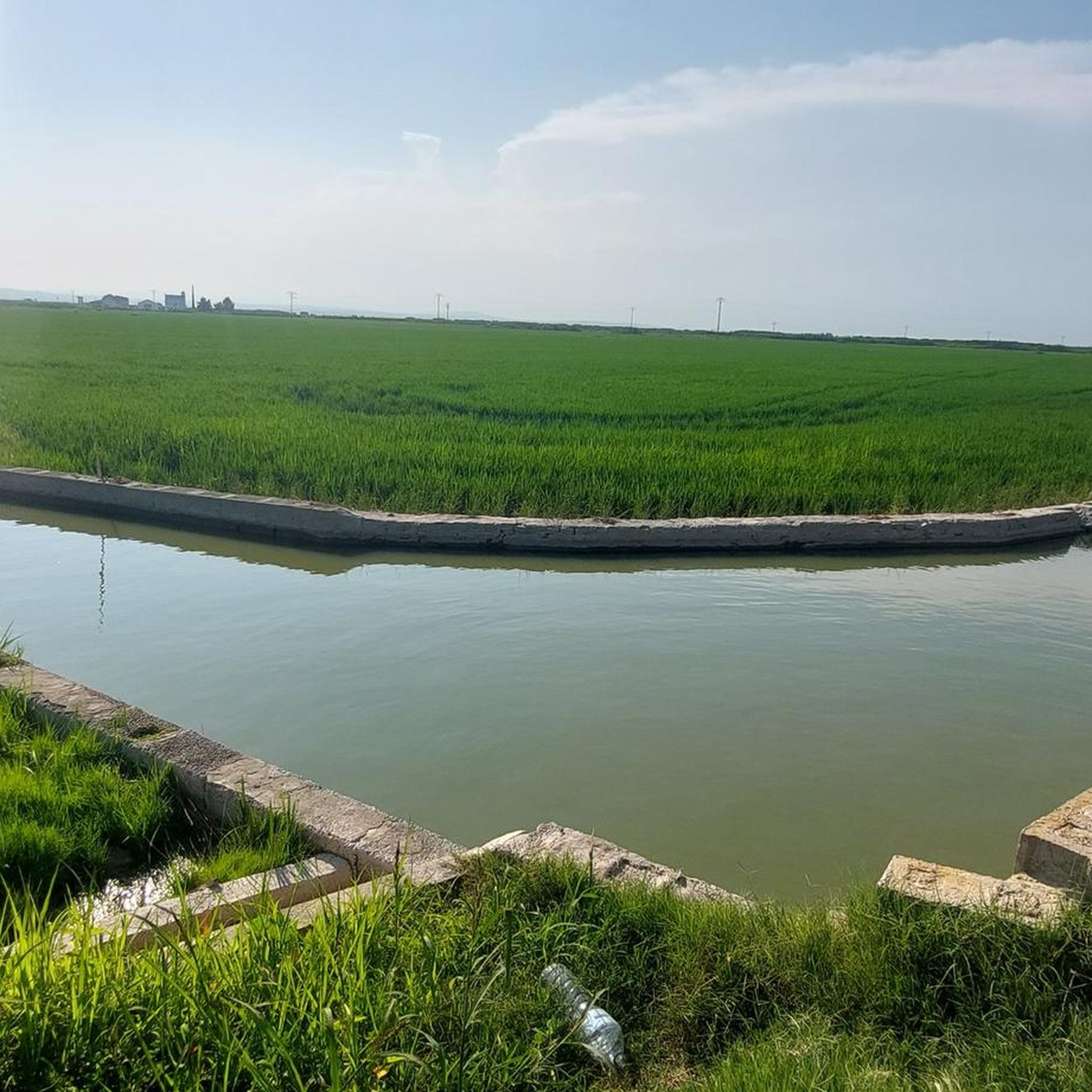
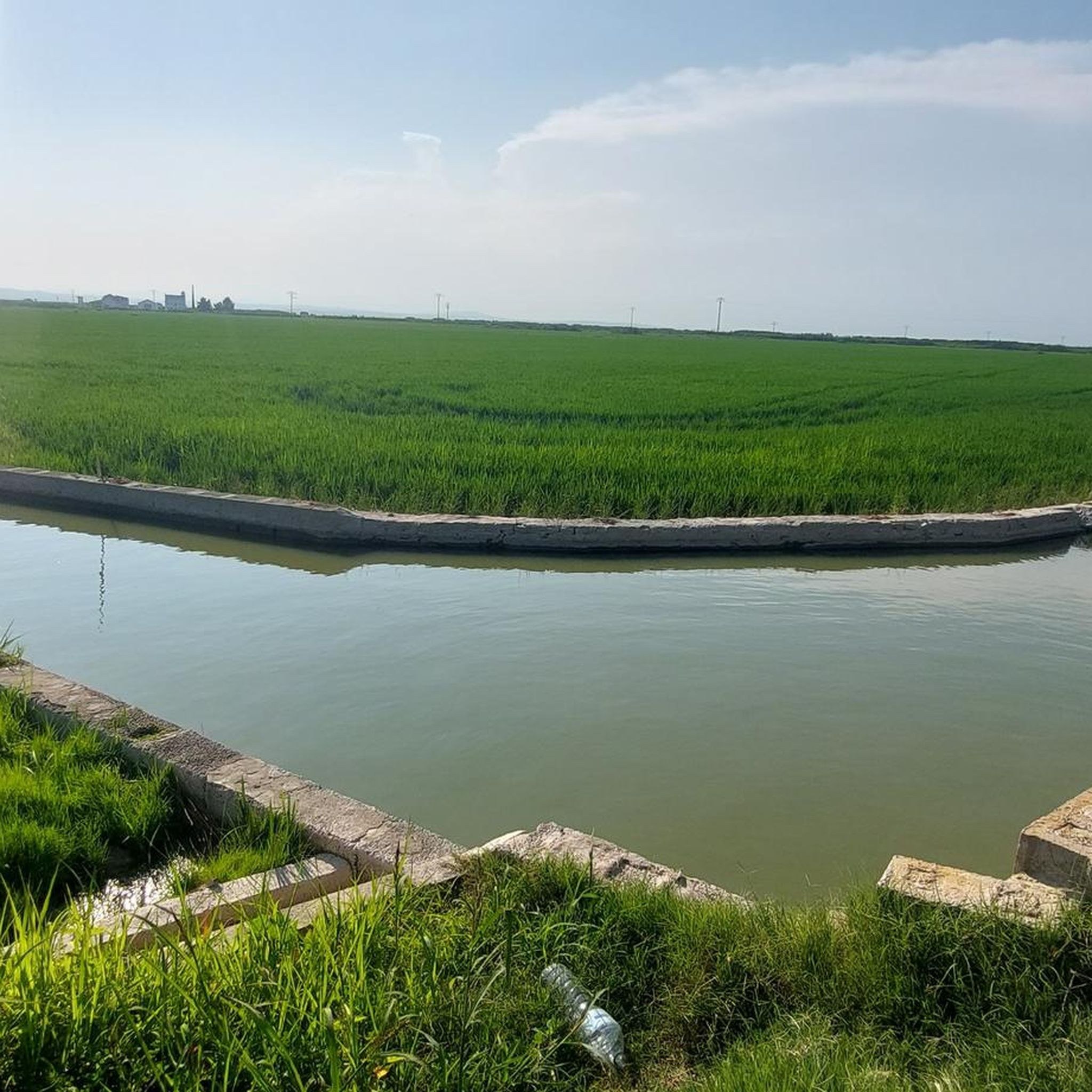
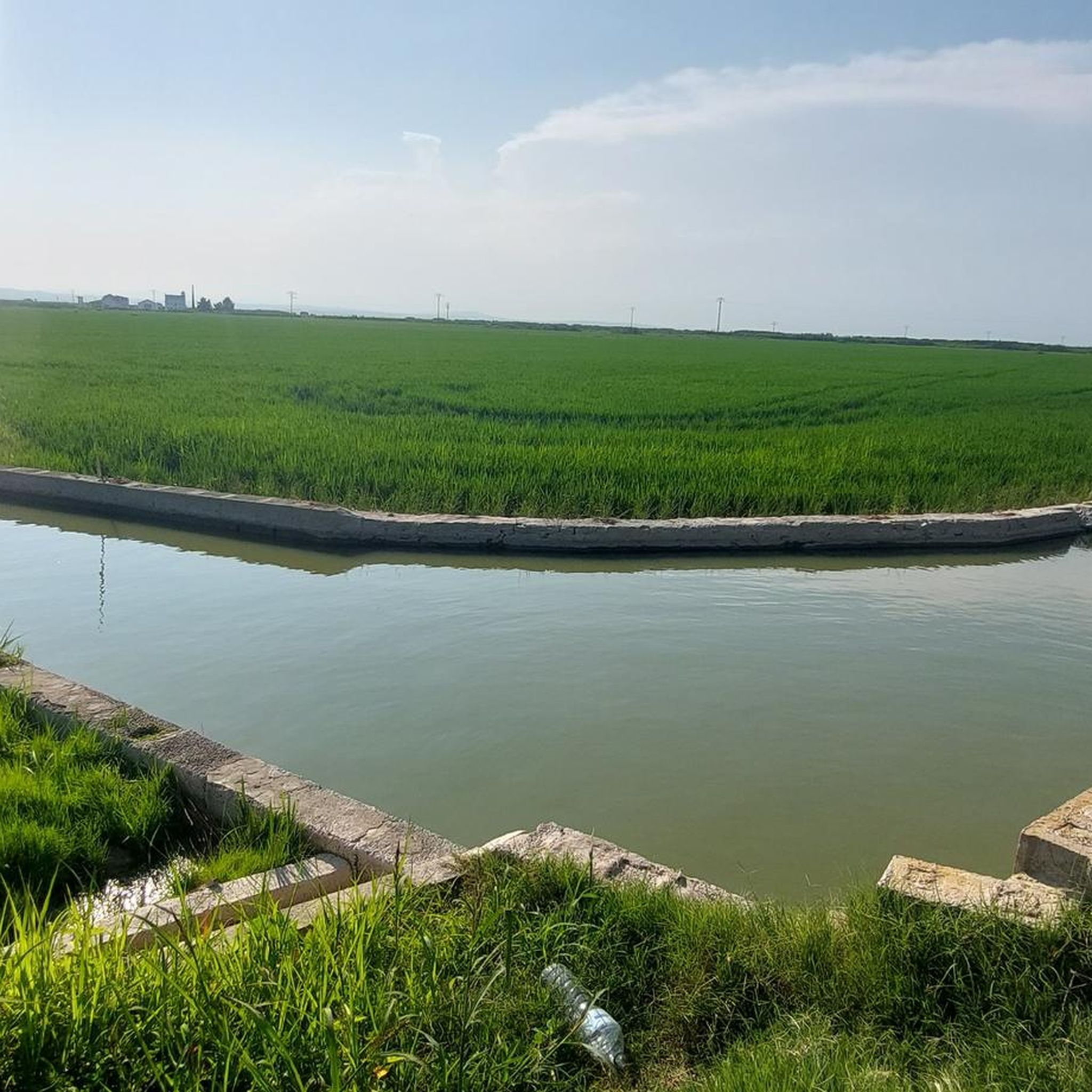
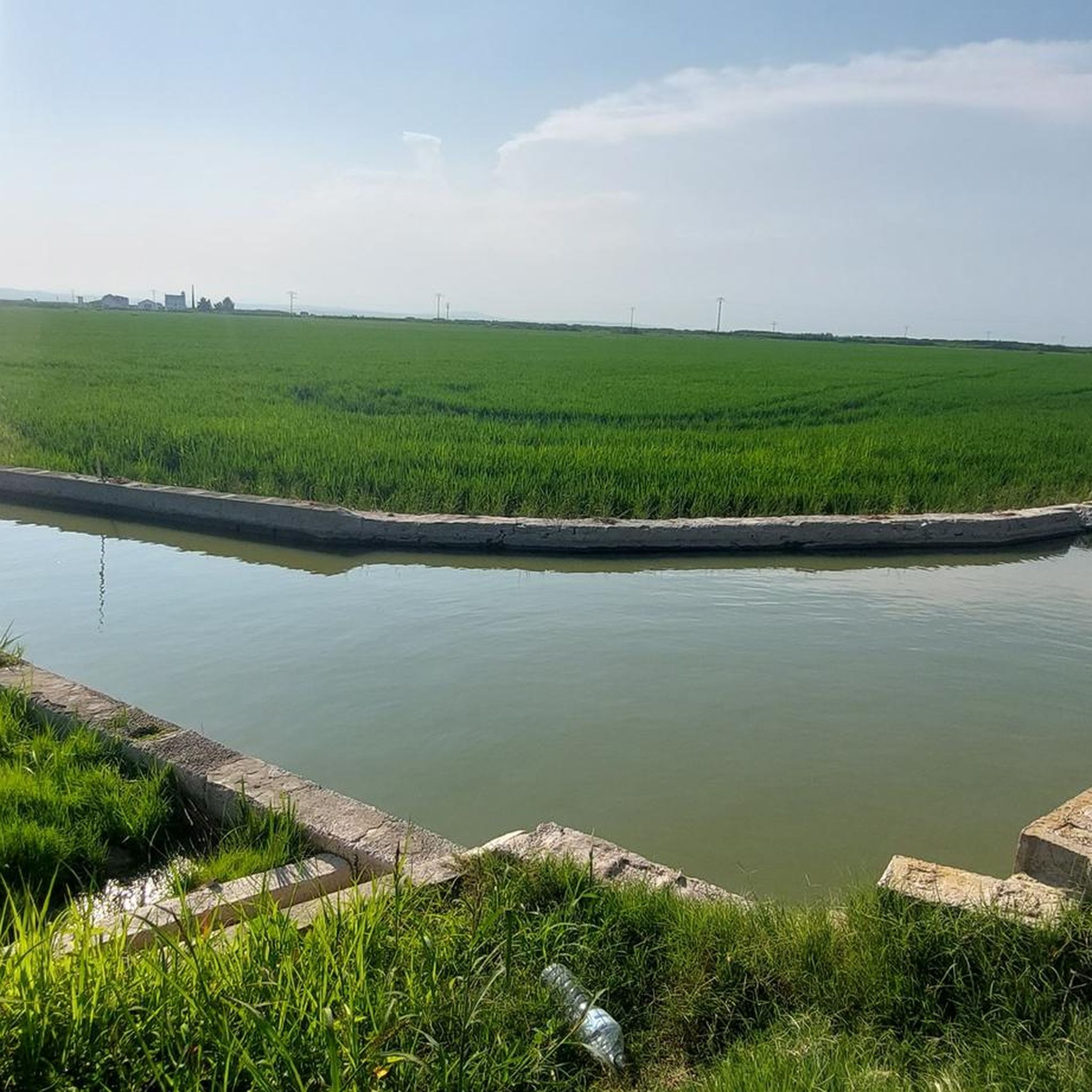
Road cycling routes around Sueca are characterized by the flat terrain of the Valencian coastal plain. The region features extensive rice fields and the Albufera Natural Park, which includes Spain's largest lake. These natural features provide scenic, mostly paved routes with minimal elevation changes, ideal for road cycling. Coastal areas also offer tranquil paths, connecting various points of interest.
Best road cycling routes around Sueca
- The most popular road cycling route is Cullera Lighthouse – La Visteta Viewpoint loop from…
Last updated: October 15, 2026
5.0
(5)
381
riders
98.6km
04:07
550m
550m
Moderate road ride. Good fitness required. Mostly well-paved surfaces and easy to ride.
4.5
(4)
245
riders
50.9km
02:07
230m
230m
Moderate road ride. Good fitness required. Mostly well-paved surfaces and easy to ride.

4.6
(5)
215
riders
51.6km
02:08
200m
200m
Moderate road ride. Good fitness required. Some segments of this route may be unpaved and difficult to ride.
178
riders
114km
05:08
990m
990m
Hard road ride. Very good fitness required. Some segments of this route may be unpaved and difficult to ride.
139
riders
100.0km
04:20
500m
500m
Moderate road ride. Good fitness required. Mostly well-paved surfaces and easy to ride.
Get access to more routes and recommendations from other explorers.
Already have an account?
Our route recommendations are based on thousands of hikes, rides, and runs completed by other people on komoot.
Start today with a free account
Your next adventure awaits.

Tips from the Community

La Font de la Drova is a traditional fountain and washhouse surrounded by nature and mountains, located in the municipality of Barx (Valencia). The place stands out for its large, greenish-toned water basin and its historic supply facilities, making it an ideal and very popular point of interest among hiking and outdoor route enthusiasts.
0
0
El Puerto de La Drova is a Valencian mountain pass located 382 meters above sea level on the CV-675 road between Gandía and Barx, famous for its beautiful views of the Mondúver surroundings and very popular with cyclists and hikers.
1
0

It is very beautiful, the peace that is there and the natural beauty
1
0

The port of Barx is a Valencian classic. Its horseshoe bends run over the panorama of the surrounding mountains and the Mediterranean coast.
3
0

Tram del riu Xúquer entre el poble vell de Gavarda i el poble nou, que va ser construït després del desastre de la pantanada de Tous de 1982.
1
0

Mareny Barraquetes (in Valencian and officially, Mareny de Barraquetes) is a minor local entity of the Valencian Community, Spain, belonging to the province of Valencia. Formerly a district of the municipality of Sueca, since 1999 it has been an entity of territorial scope below the municipality (EATIM) belonging to said municipal term. Mareny de Barraquetes is located in the heart of the Albufera natural park and next to the sea. The nearest towns are Sueca 7 km (kilometers) away, 28 km from Valencia and 9 km from Cullera. Its toponym mareny means ‘marshland’, that is, an area very close to the sea and easily flooded. For its part, the term barraquetes indicates the type of habitat that was frequent throughout the area, huts built with reeds and mud, materials from the marshes and the dune cordon. The historical origin of the first human settlements in this area dates back to the period of Roman domination, when the Phocaean colonies were established near Sicania, with El Mareny de Barraquetes being one of them. It survived through the centuries, as an alquería, thus reaching the first historical antecedents, which are found in the first census of inhabitants that was made in Sueca in 1795, by governmental order for the preparation of the conscription, as Spain was at war against Revolutionary France of the Directory (1793-1795). Likewise, until the 1845 census, we do not have a specific list of residents from El Mareny, with nine huts. Its inhabitants are mainly engaged in agriculture. In the last century, the population nucleus based its economy mainly on fishing. There were three fishing settlements where families lived who were dedicated to freshwater fishing (in the canals coming from the Júcar). Until recently, there was a fishing settlement where this work continued, but with modern facilities.
0
0

The Albufera lake was formed by the sinking of an approximately 30 km long coastal strip. The saltwater lake then became a freshwater lake due to the inflows. In the Estany del Pujol lagoon you can observe various water birds.
2
1
One of the best landscape views very close to Valencia capital.
0
0
Frequently Asked Questions
How many road cycling routes are available around Sueca?
There are over 45 road cycling routes around Sueca, offering a wide range of options for different skill levels. You'll find 15 easy routes, 31 moderate routes, and 1 difficult route, ensuring there's something for everyone.
What kind of terrain can I expect on road cycling routes in Sueca?
Road cycling routes in Sueca are primarily characterized by the flat terrain of the Valencian coastal plain. You'll cycle through extensive rice fields and along the edges of the Albufera Natural Park, which features Spain's largest lake. Many routes are paved and offer minimal elevation changes, with some coastal paths providing tranquil rides.
What natural features or landmarks can I see along the road cycling routes in Sueca?
Many routes offer views of the stunning Albufera Natural Park and its vast rice fields. You might also encounter the picturesque Pujol Pond, a coastal lagoon within pine woods, or cycle near La Creu Beach. The Albufera Viewpoint is another notable spot for scenic vistas.
Are there challenging road cycling routes in Sueca?
While many routes are flat, Sueca does offer some moderate to challenging options. For instance, the Cullera Lighthouse – La Visteta Viewpoint loop from Sueca is a 63.2-mile route with over 1800 feet of elevation gain, providing a more demanding ride with coastal views.
Are there circular road cycling routes in Sueca?
Yes, many road cycling routes in Sueca are circular, allowing you to start and end in the same location. An example is the Ateneo Sueco del Socorro loop from Sueca, which takes you through rice fields and local towns.
What is the best time of year for road cycling in Sueca?
Sueca's climate makes it suitable for road cycling for much of the year. The flat terrain and coastal influences mean pleasant conditions are common. Spring and autumn generally offer the most comfortable temperatures, avoiding the peak heat of summer while still providing ample daylight.
Are the road cycling routes in Sueca suitable for beginners?
Absolutely. With 15 easy routes available, Sueca is very beginner-friendly. The predominantly flat terrain, especially through the rice fields and parts of the Albufera Natural Park, provides excellent conditions for those new to road cycling or looking for a relaxed ride.
Is parking available for cyclists near the road cycling routes in Sueca?
Sueca, being a regional hub, offers various parking options within the town and at popular starting points for routes. Specific parking availability can vary by route, but general public parking is usually accessible in and around the main areas.
Can I access road cycling routes in Sueca using public transport?
Sueca is connected by public transport, including train services, which can facilitate access to the region for cyclists. It's advisable to check local train or bus schedules and their bicycle policies to plan your journey effectively.
Are there family-friendly road cycling options in Sueca?
Yes, the flat and often quiet roads through the rice fields and along designated paths within the Albufera Natural Park are ideal for family cycling. These routes typically have minimal traffic and offer scenic, easy rides suitable for all ages.
Can I find places to eat or drink along the road cycling routes?
Many routes pass through or near small towns and villages where you can find cafes, restaurants, and shops to refuel. The areas around the Albufera Natural Park are also known for their local cuisine, offering opportunities to enjoy a meal or a coffee break during your ride.
What do other cyclists say about the road cycling routes in Sueca?
The road cycling routes around Sueca are highly rated by the komoot community, with an average score of 4.8 stars from over 30 reviews. Cyclists often praise the unique scenery of the rice fields and the Albufera Natural Park, as well as the generally flat and well-maintained paths perfect for road biking.
Most popular attractions around Sueca

Get inspired with the komoot mobile app


Explore more
Browse the best Road cycling routes in other regions.
