Attractions and Places To See around Villalbarba - Top 13
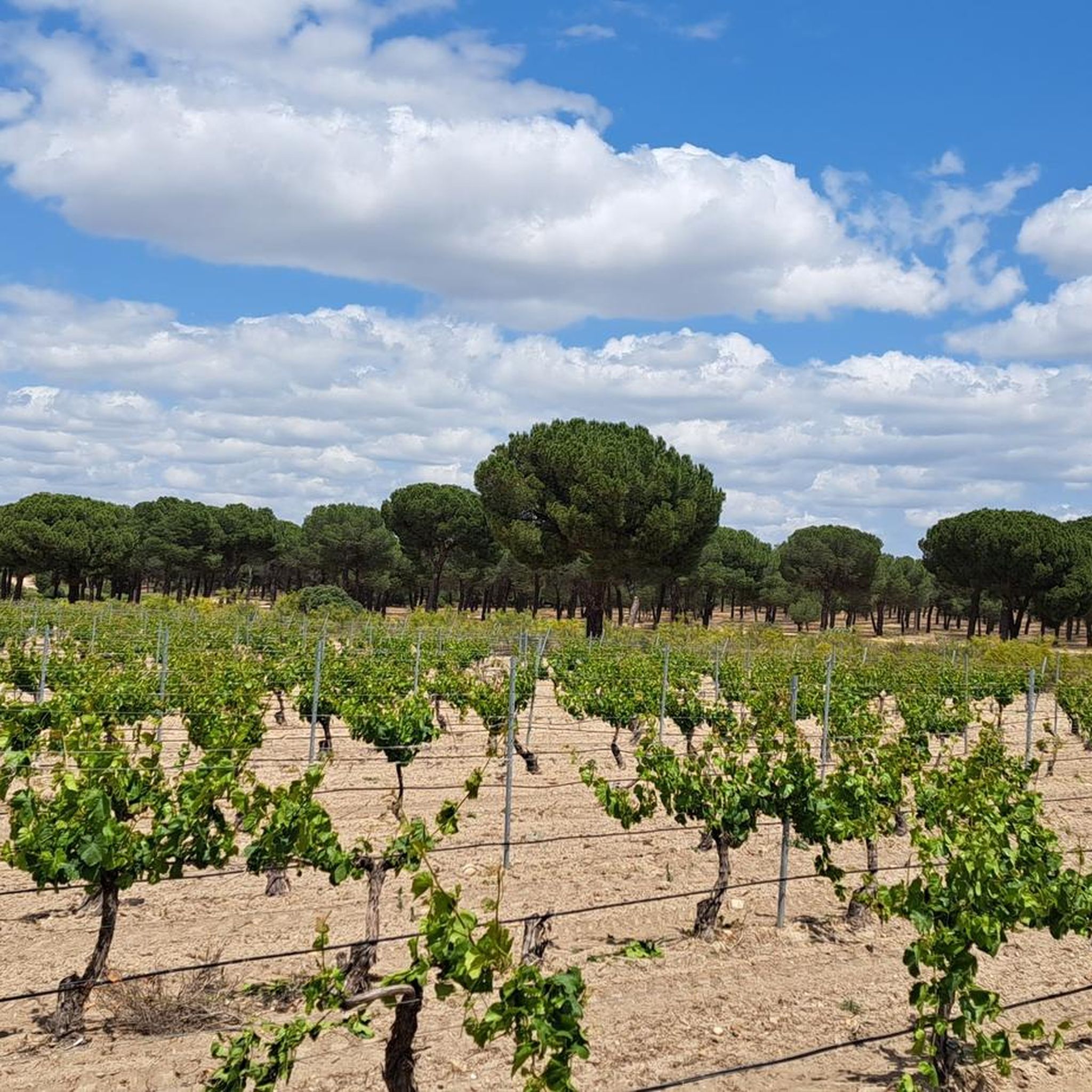
Best attractions and places to see around Villalbarba include historical landmarks and cultural sites. This municipality in Valladolid offers a glimpse into traditional Spanish village life, characterized by its tranquil ambiance and traditional architecture. The area is set within an agricultural landscape, with broader natural beauty like lavender fields found in the surrounding province.
Best attractions and places to see around Villalbarba
- The most popular attractions is Church of San Cipriano of San Cebrián de Mazote, a religious building…
Last updated: July 1, 2026
Hermitage of Our Lady of the Annunciation
Highlight • Religious Site
Built in the …
Translated by Google •
Tip by

Tiedra Lavender Fields
Highlight • Natural
In the small town of Tiedra, this beautiful plant has been cultivated since 2006 and …
Translated by Google •
Tip by

Sign up now to discover places like this
Get recommendations on the best single tracks, peaks, & plenty of other exciting outdoor places.
Sign up for free
Villalonso Castle
Highlight • Castle
Translated by Google •
Tip by
Church of San Cipriano of San Cebrián de Mazote
Highlight • Religious Site
Translated by Google •
Tip by

Mota del Marqués
Highlight • Settlement
Translated by Google •
Tip by
Sign up for free to discover even more attractions around Villalbarba.
Sign up for free
Already have an account?
Start today with a free account
Your next adventure awaits.
Login or Signup
Popular around Villalbarba
Tips from the Community

Located on a plain near the village of Villalonso (population approximately 75), 11 km from Toro and about 47 km from Zamora. It is a typical square-plan castle-palace with a high moat (now filled in), corner towers, crenellated walls, and a keep crowned by a machicolation.
1
0
The current castle was built in the 15th century on the site of an earlier 13th-century fortification, which belonged to the Order of Alcántara. In 1470, Juan de Ulloa and his wife, María de Sarmiento, rebuilt it in a palatial style, placing their coats of arms above the entrance. Juan supported the Portuguese cause in the War of the Castilian Succession and died defending the castle in 1476; his widow then defended it for a time.
1
0

High on a hill near Urueña stands this Romanesque hermitage of Mozarabic origin, one of the most unique in Castile and León. What few know is that beneath its floor were found Visigothic pottery fragments and a small well used to collect rainwater, considered blessed. Local shepherds said that this water cured eyesight if applied at dawn. Today, the well remains, covered by a slab, and the hermitage continues to hold its air of mystery among the golden stones of the moor.
0
0
The Hermitage of Our Lady of the Annunciation is located in Urueña, in the province of Valladolid and is an outstanding example of Romanesque-Lombard art in Spain. Built in the 12th century by order of the Infanta Sancha Raimúndez, on the site of a previous Mozarabic church. It is the only complete example of Romanesque-Lombard art in Castile and León. The hermitage is located in a small valley a few kilometres from the town of Urueña, offering a magnificent view of the wall that surrounds the town.
4
0
In Tiedra, a beautiful corner of the province of Valladolid in Castilla y León, the lavender fields unfold like a violet mantle that intoxicates the senses. Here, lavender blooms intensely, creating a visual and olfactory spectacle that attracts visitors from all over. If you ever want to immerse yourself in the beauty and fragrance of lavender fields, Tiedra is the perfect place to do so. 🌿💜
2
0

On the old road between Madrid and Benavente on the banks of the Bajoz River is the small historic town of Mota del Marqués. The remains of a fortified castle dominate the hill overlooking the village and the surrounding landscape. If you want to stop to rest, go to the gardens of the Palacio de los Ulloa.
1
1
Pedaling along the VP-5606 road towards Urueña, you will find the hermitage of Nuestra Señora de la Anunciada. The magnificent and grand hermitage was built in the 12th century. There is a nice shaded seating area if you need a break.
1
1
San Cebrián de Mazote is a small town of great historical importance on the banks of the Brazos River surrounded by cereal fields. As you cycle through the area, visit the Church of San Cipriano and the Convent of Santa María de las Dueñas.
1
1
Frequently Asked Questions
What historical and cultural sites can I visit in Villalbarba and its surroundings?
Villalbarba is rich in history. You can explore the 16th-century Church of San Miguel Arcángel, known for its Gothic-Mudejar style and bell tower. Nearby, don't miss the Church of San Cipriano of San Cebrián de Mazote, a significant religious building surrounded by cereal fields. Another notable site is the Hermitage of Our Lady of the Annunciation, an 11th-century Lombard Romanesque structure near Urueña. The restored Caño de Villalbarba, an emblematic fountain, also offers a glimpse into the village's past.
Are there any castles or ancient fortifications to see near Villalbarba?
Yes, the region features impressive historical fortifications. The most prominent is Villalonso Castle, a 15th-century castle-palace with a square plan, high moat, and crenellated walls. Additionally, the small historic town of Mota del Marqués features the remains of a fortified castle dominating the hill overlooking the village.
What natural attractions are there around Villalbarba?
While Villalbarba itself is nestled in an agricultural valley, the broader Valladolid province offers natural beauty. A highlight is the Tiedra Lavender Fields, which bloom vibrantly, typically in July, creating a stunning purple landscape.
What is the best time of year to visit Villalbarba?
The best time to visit depends on your interests. If you wish to see the Tiedra Lavender Fields in full bloom, July is ideal. For cultural experiences, consider visiting during the local festivities, such as the "Pascuas" after Pentecost, the "Semana Cultural del Trapero" in August, or the patron saint festivities around September 14th.
Are there family-friendly activities or attractions in the area?
Yes, several attractions are suitable for families. The Hermitage of Our Lady of the Annunciation and the Tiedra Lavender Fields are categorized as family-friendly. Exploring the traditional urban landscape of Villalbarba with its wide streets and old-fashioned houses can also be an enjoyable experience for all ages.
What kind of outdoor activities can I do near Villalbarba?
The area around Villalbarba is excellent for road cycling. You can find various routes, including the challenging "Urueña y Wamba desde Tiedra – circular por los castillos" (over 100 km) or the easier "Comuneros Loop" (around 40 km). For more options, explore the Road Cycling Routes around Villalbarba guide.
What is the traditional urban landscape of Villalbarba like?
Villalbarba is characterized by its network of wide streets and traditional houses. These homes are typically constructed with adobe and rough brick, offering a charming and authentic village aesthetic that reflects its historical and cultural heritage.
Are there any local events or festivities in Villalbarba?
Yes, Villalbarba hosts several traditional celebrations. Key events include the "Pascuas" festivities on the Monday following Pentecost, the "Semana Cultural del Trapero" in the second week of August, and the patron saint festivities in honor of Santo Cristo del Socorro around September 14th. These events offer a great way to experience the local culture and community spirit.
Where can I find amenities like shops or bars near the attractions?
While Villalbarba itself is a tranquil village, the nearby historic town of Mota del Marqués offers shops and bars where you can stock up or take a break. You can also find gardens at the Palacio de los Ulloa there if you wish to rest.
What makes the Church of San Miguel Arcángel in Villalbarba unique?
The Church of San Miguel Arcángel is unique for its 16th-century Gothic-Mudejar architecture. Its bell tower, with medieval motifs, resembles a fortress. The interior features three naves with modern wooden armatures, a transept with a barrel vault, and chapels with elaborate vaults. It was built on the site of a former medieval watchtower, adding to its historical significance.
What do visitors appreciate most about the attractions around Villalbarba?
Visitors appreciate the rich historical significance and architectural beauty of the religious buildings and castles, such as the Hermitage of Our Lady of the Annunciation and Villalonso Castle. The tranquil ambiance of the traditional villages and the unique natural spectacle of the Tiedra Lavender Fields also receive high praise from the komoot community.
Most popular routes around Villalbarba
Most popular attractions around Villalbarba

Get inspired with the komoot mobile app


Explore more
Still not found the Highlight you’re looking for? See guides of the top attractions in other regions:
