The best road cycling routes around Begíjar
5.0
(6)
696
riders
11
rides
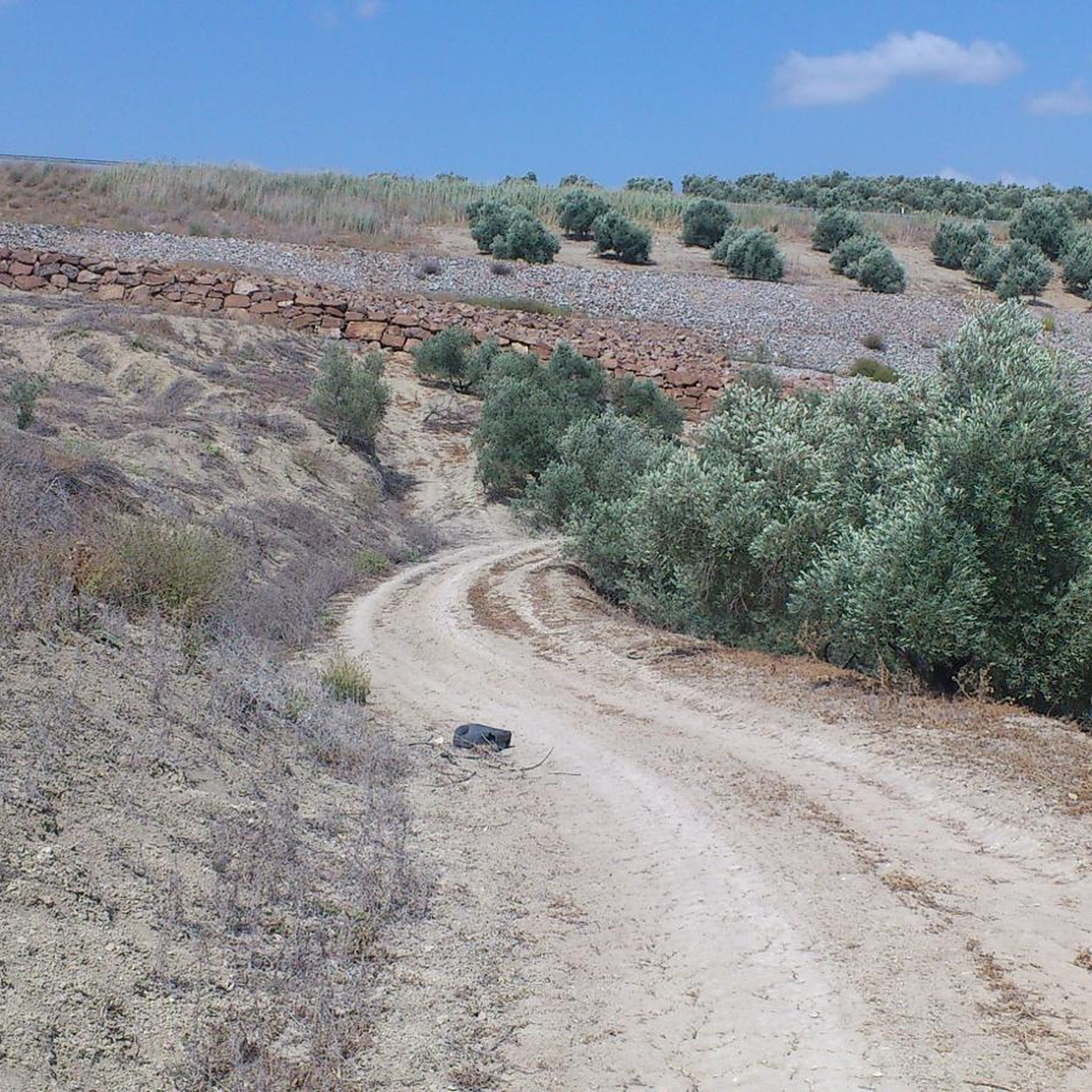
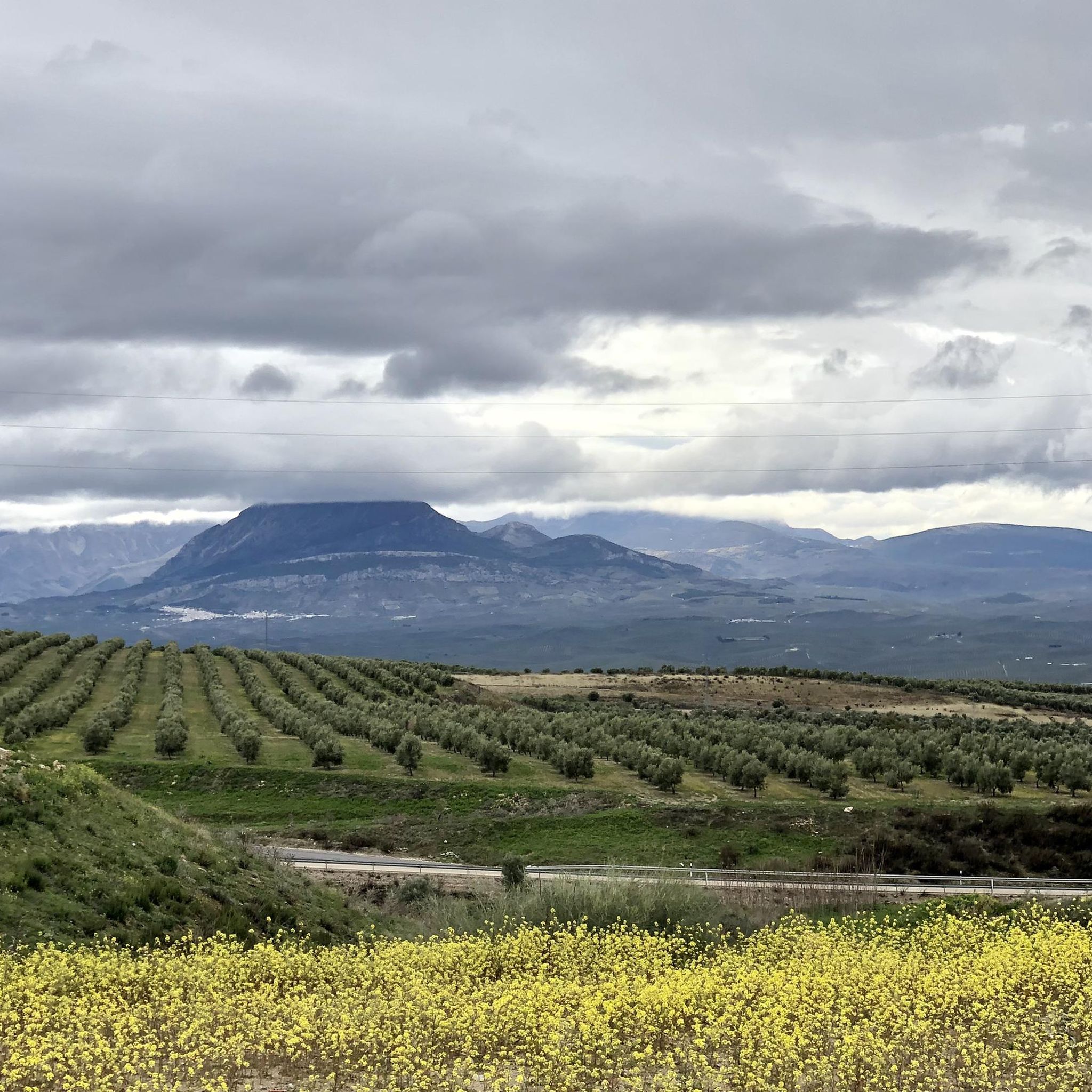
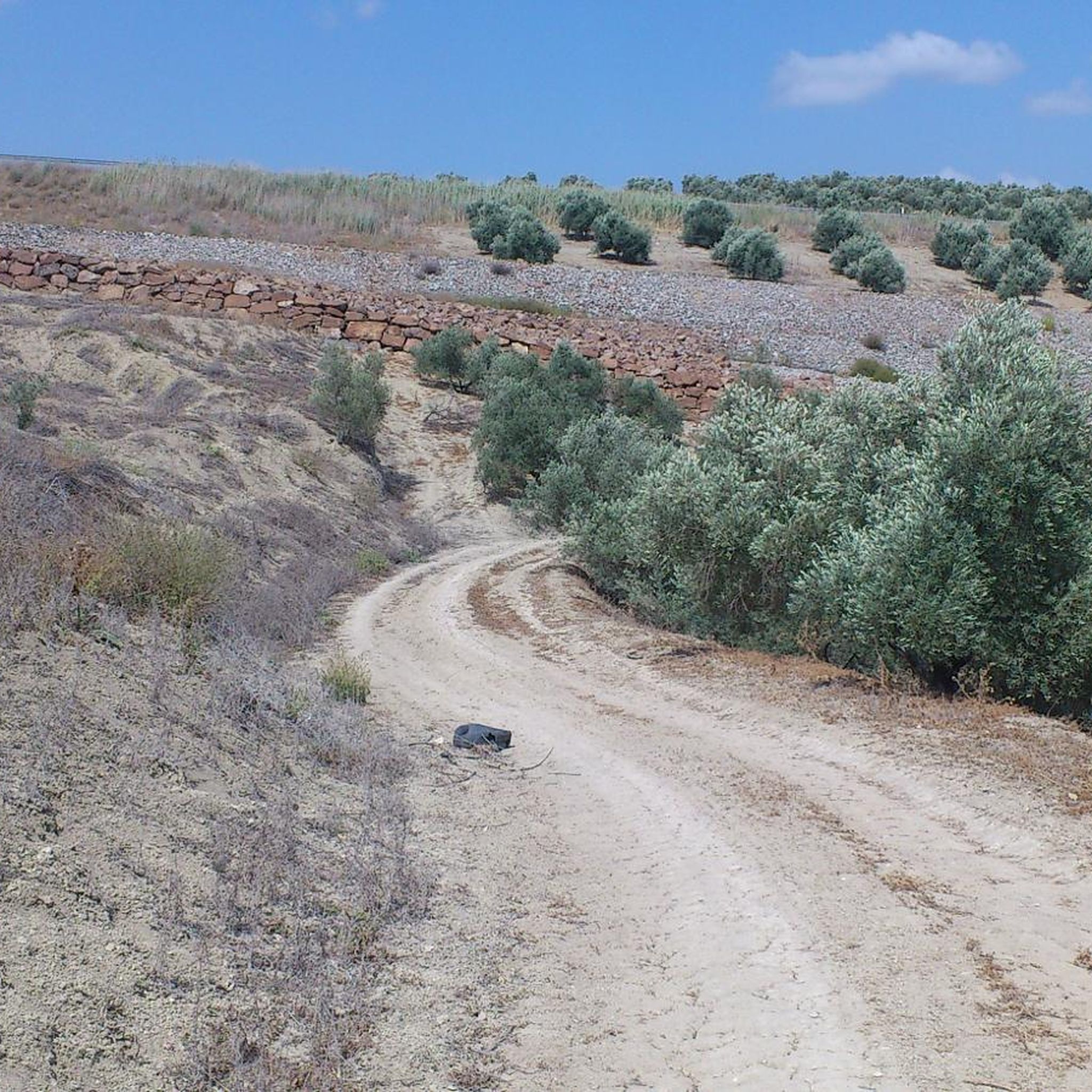
Road cycling routes around Begíjar are set within the "sea of olives" in Jaén province, offering a diverse landscape for cyclists. The region features extensive olive groves, rolling hills, and access to more challenging mountain terrain in nearby natural parks. Roads are generally quiet, providing a suitable environment for various cycling experiences.
Best road cycling routes around Begíjar
- The most popular road cycling route is Castillo de Canena y Embalse del Giribaile — circular desde Baeza, a 28.3 miles…
Last updated: July 11, 2026
43
riders
48.9km
02:42
840m
840m
Moderate road ride. Good fitness required. Some segments of this route may be unpaved and difficult to ride.
5.0
(1)
30
riders
110km
05:32
1,530m
1,530m
Hard road ride. Very good fitness required. Some segments of this route may be unpaved and difficult to ride.

Sign up for free
19
riders
91.6km
04:23
1,180m
1,180m
Hard road ride. Very good fitness required. Some segments of this route may be unpaved and difficult to ride.
10
riders
Hard road ride. Very good fitness required. Some segments of this route may be unpaved and difficult to ride.
10
riders
151km
08:10
2,780m
2,780m
Hard road ride. Very good fitness required. Some segments of this route may be unpaved and difficult to ride.
Get access to more routes and recommendations from other explorers.
Sign up for free
Already have an account?
Our route recommendations are based on thousands of hikes, rides, and runs completed by other people on komoot.
Start today with a free account
Your next adventure awaits.
Login or Signup


Tips from the Community

The Church of Santa María de los Reales Alcázares is located opposite the Palacio de las Cadenas, in Plaza Vázquez de Molina. Declared a National Monument and part of the UNESCO World Heritage Site, this collegiate church was built on the remains of the Great Mosque after the Reconquista (13th century). It is notable for its superimposition of styles, including Gothic, Mudéjar, Renaissance, Baroque, and Neo-Gothic. Visiting hours: Monday to Saturday, 10:00 AM to 2:00 PM and 5:00 PM to 8:00 PM; Sundays, 11:00 AM to 2:00 PM and 5:00 PM to 8:00 PM.
1
0
Declared a National Monument in 1931, the cathedral stands on the site of an ancient Roman temple, later transformed into a Visigothic structure and then into a mosque after the arrival of the Muslims. In 1227, it became the cathedral seat under the Marian patronage of the Nativity. It acquired its Renaissance character in the 16th century, after more than half of the building collapsed in 1567. Andrés de Vandelvira and other important Andalusian architects imbued the cathedral with the classical style then prevalent in religious art. Until the end of the century, the temple was transformed piecemeal. The main portal was designed in 1587 by Juan Bautista Villalpando, featuring a relief of the Nativity of the Virgin, sculpted by the Jesuit Jerónimo del Prado from Baeza. The Puerta de la Luna (Moon Gate) is one of the oldest elements of the cathedral, with its distinctive 13th-century polylobed arch. Above it stands the 14th-century Gothic rose window, one of the few elements that survived the collapse of the cathedral in 1567. Therefore, the reconstruction was entrusted to Andrés de Vandelvira, who contributed his mastery to give the cathedral the Renaissance richness it boasts today. The combination of Mudéjar, Gothic, and Renaissance styles allows one to observe the passage of time through its walls, telling its story through each of its architectural styles. In addition to visiting the interior of the cathedral, it is highly recommended to climb the tower, from where you will be rewarded with spectacular views of the town and its surrounding countryside.
1
0
Opposite the Jabalquinto Palace stands the Church of Santa Cruz, one of the few Romanesque churches in all of Andalusia. Built in the 13th century, after the conquest of the Upper Guadalquivir Valley by Ferdinand III, it preserves remnants of 15th and 16th-century frescoes.
1
0


The Pópulo square, also known as Plaza de los Leones (Lions' square), is one of the most emblematic and picturesque corners of Baeza. This square is part of the monumental Renaissance complex that led to the city being declared a UNESCO World Heritage Site in 2003.
6
0

Jimena is a small town in the south of the province, on the northern side of the Sierra Mágina, located in a landscape of olive groves, fruit trees, allotments and sierra. The town is particularly known for its figs and brebas. The municipality is divided into two very different areas: there is the mountainous south-eastern area that is part of the Sierra Mágina Natural Park, and the rest of the municipality is agricultural land dedicated to olives.
8
0

It's fun to climb the tower: 196 steps to a beautiful view.
0
0
The Catedral de la Asunción de Jaén, also known as the Cathedral of the Holy Resurrection of the Virgin, is an impressive Renaissance building in the centre of Jaén. It was built to replace a 15th-century Gothic church and is one of the city's most important architectural gems. The cathedral is located in the Plaza de Santa María, opposite the Town Hall and the Bishop's Palace. The interior is richly decorated with beautiful works of art, and the building houses the famous relics of the Holy Face. Note its imposing towers and elegant façade.
9
2
Frequently Asked Questions
How many road cycling routes are available around Begíjar?
There are over 20 road cycling routes around Begíjar, offering a variety of experiences. These include 10 moderate routes and 13 difficult routes, catering to different skill levels.
What is the best time of year for road cycling in Begíjar?
The optimal seasons for road cycling in Begíjar and the wider Jaén province are spring (March-May) and autumn (September-November). During these periods, you'll experience pleasant temperatures and beautiful scenery, making for ideal riding conditions.
Are there challenging climbs for experienced road cyclists near Begíjar?
Yes, the region offers challenging climbs. While Begíjar itself is surrounded by rolling olive groves, its proximity to natural parks like Sierra Mágina provides access to more mountainous terrain. The wider Jaén province is known for iconic climbs such as La Pandera, offering significant challenges for experienced riders.
What kind of scenery can I expect on road cycling routes around Begíjar?
Road cycling routes around Begíjar are primarily characterized by the vast 'sea of olives' – endless scenic routes through rolling hills covered in olive trees. You'll also find agricultural landscapes and, depending on the route, views towards the dramatic mountain scenery of nearby natural parks.
Are there any family-friendly cycling options in the Jaén province?
While the routes directly around Begíjar are mostly moderate to difficult, the wider Jaén province offers family-friendly options like the Vía Verde del Aceite (Olive Oil Greenway). This traffic-free path follows a former railway line for 128 kilometers through olive groves, offering gentle slopes suitable for all levels of cyclists.
What do other road cyclists say about the routes in Begíjar?
The road cycling routes in Begíjar are highly rated by the komoot community, with an average score of 5.0 stars from over 4 reviews. More than 800 road cyclists have used komoot to explore the varied terrain, often praising the scenic olive groves and quiet roads.
Can I find quiet roads for cycling around Begíjar?
Yes, many roads traversing the extensive olive groves and connecting smaller villages around Begíjar experience low traffic. This provides a safer and more enjoyable experience for road cyclists seeking tranquil rides.
Are there any notable landmarks or attractions to see along the road cycling routes?
Yes, several routes pass near historical towns and sites. For instance, the route Plaza del Pópulo, Baeza – Baeza Cathedral loop from Baeza takes you past significant attractions like Baeza Cathedral and Plaza del Pópulo, Baeza. Nearby towns like Úbeda and Baeza (both UNESCO World Heritage sites) offer rich historical townscapes to explore.
Are there any circular road cycling routes starting from Begíjar?
Yes, there are circular routes available. A popular option is the Castillo De Canena – Baeza Bullring loop from Begíjar, which is a moderate 27.9-mile (44.9 km) trail leading through olive groves and agricultural landscapes.
What is the difficulty level of road cycling routes in Begíjar?
The routes around Begíjar offer a mix of difficulty levels. You can find moderate rides, such as Castillo de Canena y Embalse del Giribaile — circular desde Baeza, which covers 28.3 miles with a significant elevation gain. There are also more difficult options, like the Church of the Holy Cross – Plaza del Pópulo, Baeza loop from Baeza, which is 55.5 miles long with substantial climbs.
Is it possible to find cafes or accommodation in Begíjar or along the routes?
Begíjar itself, as well as nearby historical towns like Baeza and Úbeda, offer various cafes, pubs, and accommodation options. While specific cafes directly on every route are not listed, these towns serve as excellent hubs for refreshments and overnight stays, often integrated into cycling circuits.
Are there any easy road cycling routes for beginners near Begíjar?
While many routes around Begíjar are moderate to difficult, there is at least one easy route available. For instance, the Baeza Bullring – Plaza del Pópulo, Baeza loop from Baeza is a moderate 14.7-mile (23.6 km) route with less elevation, which could be suitable for beginners looking for a shorter ride.
Most popular attractions around Begíjar

Get inspired with the komoot mobile app


Explore more
Browse the best Road cycling routes in other regions.
