Attractions and Places To See around Valdeprado - Top 20
Best attractions and places to see around Valdeprado offer a blend of medieval history and unique natural landscapes. Located in the province of Soria, this region features mountains with a distinctive "lunar" appearance, contrasting with areas rich in juniper, beech, and walnut groves. The Valdeprado River flows through the municipality, which is situated at a lower altitude within its region. Visitors can explore historical sites and enjoy the diverse natural surroundings.
Best attractions and places to see around Valdeprado
- The…
Last updated: July 6, 2026
Castle of la Nava del Marqués de Magaña
Highlight • Castle
Translated by Google •
Tip by

Celtiberian Archaeological Site of Contrebia Leucade
Highlight • Historical Site
The pelendones, a Celtiberian people, settled in Contrebia Leukade in the Iron …
Translated by Google •
Tip by

Sign up now to discover places like this
Get recommendations on the best single tracks, peaks, & plenty of other exciting outdoor places.
Sign up for free
Matalebreras
Highlight • Settlement
It was established as a constitutional municipality with the name of Matalebrera, with 90 homes and 269 neighbors in 1842.
Translated by Google •
Tip by
Church of Nuestra Señora de la Blanca, Montenegro de Ágreda
Highlight • Religious Site
Translated by Google •
Tip by

San Pedro Manrique
Highlight • Settlement
Translated by Google •
Tip by

Sign up for free to discover even more attractions around Valdeprado.
Sign up for free
Already have an account?
Start today with a free account
Your next adventure awaits.
Login or Signup

Tips from the Community

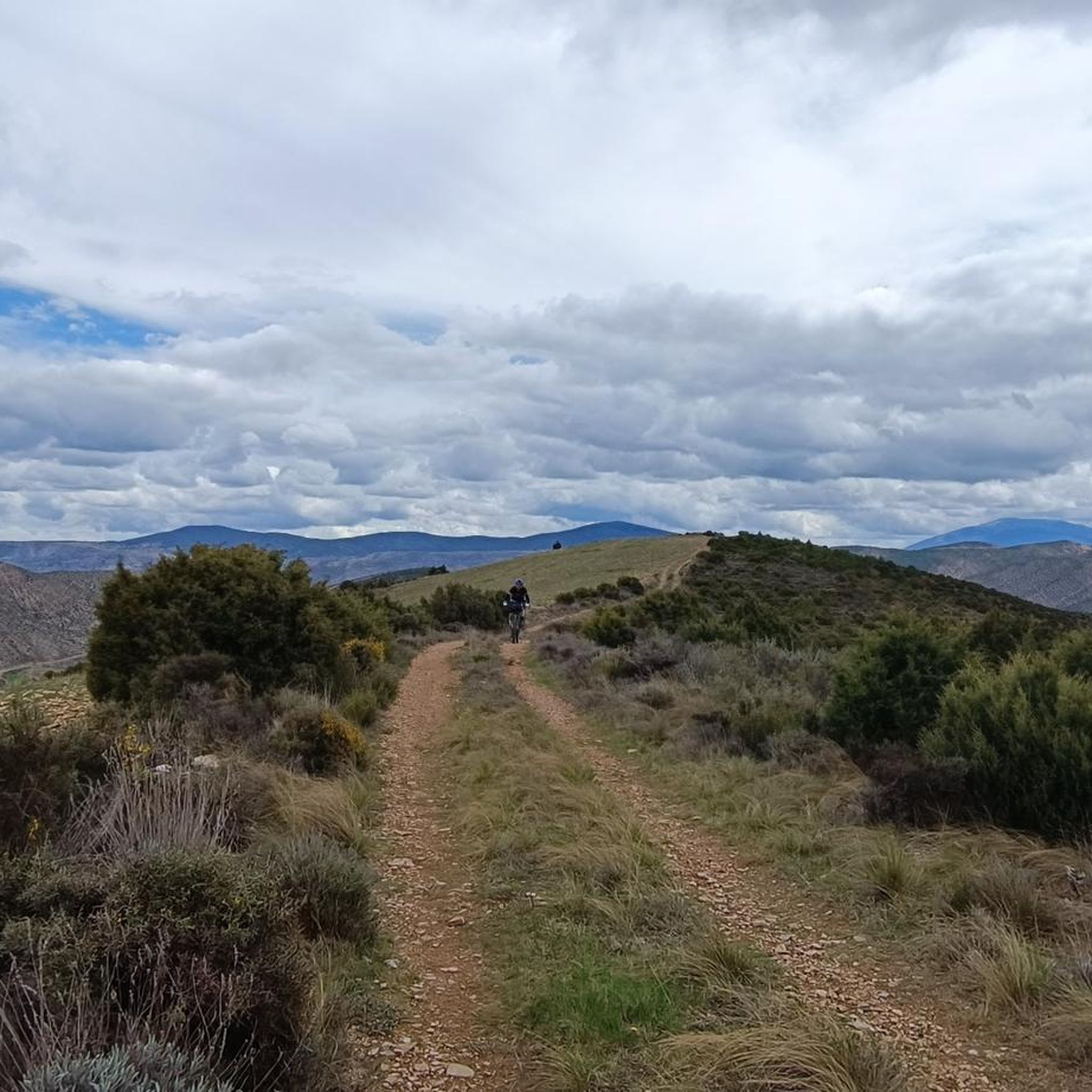
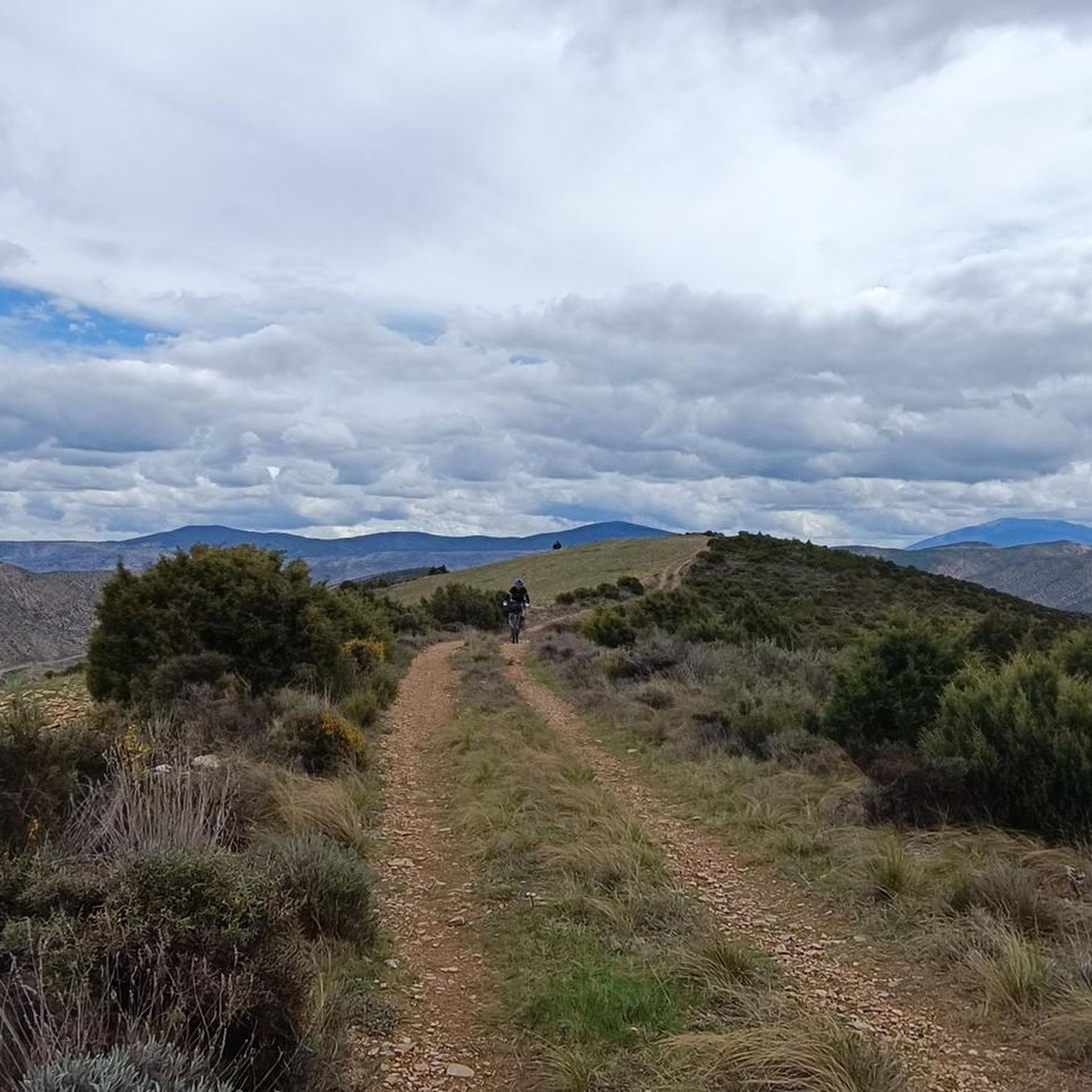
Small and pretty town, area with lots of interesting mountain bike trails
0
0

San Pedro Manrique is a municipality in Soria in the Tierras Altas region, in the community of Castilla y León. Its origin dates back to the Celts, Vascones, Iberians and Romans. With the passage of time, other neighboring towns such as Sarnago, Las Fuentes de San Pedro, Matasejún, Palacio de San Pedro, Taniñe, Valdenegrillos and Ventosa de San Pedro have been incorporated into the municipal area. San Pedro Manrique is well known for his particular way of celebrating San Juan Day. On the night of San Juan the well-known "paso del fuego" is carried out, in which the embers of a bonfire are stepped on by the town's natives, barefoot and carrying someone on their backs. Among its heritage, the hermitage of the Virgen de la Peña, the church of San Miguel, the remains of a castle on the outskirts and the ruins of the convent of San Pedro el Viejo stand out.
0
0
Magaña Castle is a medieval fortress located on a hill overlooking the town of the same name, in the province of Soria, Tierras Altas region, community of Castilla y León. It is believed to have been built during two stages throughout the 15th century. The inner enclosure would be built in the first stage, and the outer barrier in a second. Due to its architectural characteristics, it belongs to the typology of stately castle of the Valladolid school, very common in the north of Castile in the second half of the 15th century.
2
0
Montenegro de Ágreda is a town belonging to the municipality of Matalebreras, in the province of Soria, region of Moncayo, in the community of Castilla y León. It stands out for the church of Nuestra Señora de la Blanca, a proto-Gothic fortified church from the 13th century that took advantage of the structure of an old Berber tower in its construction.
0
0
Matalebreras is a municipality in the province of Soria, in the Moncayo region, in the community of Castilla y León. It was established as a constitutional municipality with the name of Matalebrera, with 90 homes and 269 neighbors in 1842. Of its heritage, the Gothic church of San Pedro Apóstol from the 18th century stands out, although it preserves a chapel and the nave from the 16th century. Another unique building is the Mozarabic tower, today in ruins, in addition to three emblazoned houses from the 17th-18th centuries, one of them belonging to the Marquis of Velamazán.
2
0

Magaña is one of those towns that surprises you greatly the first time you go. It is located on a promontory above the Alhama River valley and at the highest part stands the Nava del Marqués castle, built in the 15th century from a 10th century Berber tower. From the castle wall you can see a beautiful panoramic view of the town, in the foreground the church of San Martín de Tours stands out, built in the 16th century on a Romanesque hermitage.
1
0
In Montenegro de Ágreda, the ancient fortified church of Nuestra Señora de la Blanca remains standing, built at the end of the 12th century, attached to a Berber defensive tower, from the 10th century. Another jewel of the Romanesque style that spread throughout the medieval border lands .
1
0

Remains of the oldest population settlements in La Rioja, located on the right bank of the Alhama river. The pelendones, a Celtiberian people, settled in Contrebia Leukade in the Iron Age and built a fortification, urbanizing the land and building their houses carved into the rock. Later, during the second half of the 4th century B.C. Different tribes arrived that expanded the town and reinforced it with a deep ditch dug into the rock and a wall that surrounded the entire city. This spectacular archaeological site can be toured with a guided tour. It is mandatory to book by phone (941 19 71 19) or by email (contrebialeucade@gmail.com).
2
0
Frequently Asked Questions
What historical sites can I explore in Valdeprado?
Valdeprado and its surroundings offer a rich historical tapestry. You can visit the medieval fortress of the Castle of la Nava del Marqués de Magaña, which provides excellent views. Another significant site is the Church of Nuestra Señora de la Blanca, Montenegro de Ágreda, a proto-Gothic fortified church from the 13th century built upon an older Berber defensive tower. In Valdeprado village itself, the 16th-century Iglesia Parroquial de San Pedro retains medieval elements.
Are there any ancient settlements or archaeological sites to visit?
Yes, a must-see is the Celtiberian Archaeological Site of Contrebia Leucade. This impressive site features remains of ancient population settlements, including fortifications and houses carved into the rock. Guided tours are available, but booking in advance is mandatory.
What natural landscapes and features can I discover around Valdeprado?
Valdeprado is known for its unique natural features. The region is surrounded by mountains with a distinctive "lunar" appearance, contrasting with areas rich in juniper, rosemary, beech, and walnut groves. The Valdeprado River, an affluent of the Lama River, flows through the municipal territory, contributing to the diverse landscapes.
Are there opportunities for hiking near Valdeprado's attractions?
Absolutely! The area around Valdeprado offers several hiking trails. You can explore routes like the "Despoblado de Vea by the río Linares" from San Pedro Manrique, or the "Cervera del Río Alhama and Contrebia Leucade Loop." For more options, check out the Hiking around Valdeprado guide.
Can I go cycling around Valdeprado?
Yes, cycling is a popular activity. There are various routes for both road cycling and general touring. You can find challenging routes like the "Sierra de Alcarama – Cornago Loop" for road cyclists, or the "Valdemadera and Alhama Greenway Loop" for touring bicycles. Discover more routes in the Road Cycling Routes around Valdeprado and Cycling around Valdeprado guides.
Are there family-friendly attractions in Valdeprado?
Yes, the village of Matalebreras is considered family-friendly, offering historical sites like the Gothic church of San Pedro Apóstol and emblazoned houses. The nearby settlement of San Pedro Manrique also has family-friendly aspects, including its unique cultural traditions.
What do visitors particularly enjoy about the attractions in Valdeprado?
Visitors appreciate the blend of medieval history and unique natural landscapes. The Castle of la Nava del Marqués de Magaña is praised for its excellent views, while the Celtiberian Archaeological Site of Contrebia Leucade is described as surprising and spectacular. The komoot community has shared 32 photos and given 12 upvotes, indicating a positive experience overall.
Are there any charming villages or settlements to visit?
Beyond the main attractions, you can explore the municipality of Matalebreras, known for its Gothic church, Mozarabic tower ruins, and 17th-18th century emblazoned houses. San Pedro Manrique is another notable settlement with a rich history dating back to Celtiberian times and unique traditions.
When is the best time to visit Valdeprado to enjoy its attractions?
While specific seasonal recommendations for Valdeprado (Soria) are not detailed, the region's diverse landscapes, including juniper, beech, and walnut groves, suggest that spring and autumn would offer pleasant temperatures and beautiful scenery for exploring historical sites and natural features. Summer would be ideal for outdoor activities, though it might be warmer.
Are there any specific cultural events or traditions in Valdeprado?
The nearby municipality of San Pedro Manrique is well-known for its unique way of celebrating San Juan Day. On the night of San Juan, the traditional "paso del fuego" (fire walk) is performed, where locals walk barefoot over bonfire embers while carrying someone on their backs.
Most popular attractions around Valdeprado

Get inspired with the komoot mobile app


Explore more
Still not found the Highlight you’re looking for? See guides of the top attractions in other regions:
