Attractions and Places To See around Dehesa de San Felices - Top 11
Best attractions and places to see around Dehesa de San Felices include historical sites, natural landmarks, and charming settlements. This region features a mix of mountainous terrain, river valleys, and forested areas, offering diverse landscapes for exploration. Visitors can discover ancient castles, significant historical centers, and natural viewpoints. The area provides opportunities to explore both cultural heritage and natural beauty.
Best attractions and places to see around Dehesa de San Felices
- The most popular attractions is Palacios de la Sierra…
Last updated: October 15, 2026
Palacios de la Sierra
Highlight • Settlement
Translated by Google •
Tip by

Salas de los Infantes Historic Center
Highlight • Historical Site
Translated by Google •
Tip by

Sign up now to discover places like this
Get recommendations on the best single tracks, peaks, & plenty of other exciting outdoor places.
Pico Las Torres or La Calvilla
Highlight • Summit
Translated by Google •
Tip by
Castrovido Castle
Highlight • Castle
Translated by Google •
Tip by
Fuentepeña Wetland
Highlight • Lake
Translated by Google •
Tip by

Sign up for free to discover even more attractions around Dehesa de San Felices.
Already have an account?
Start today with a free account
Your next adventure awaits.




Tips from the Community

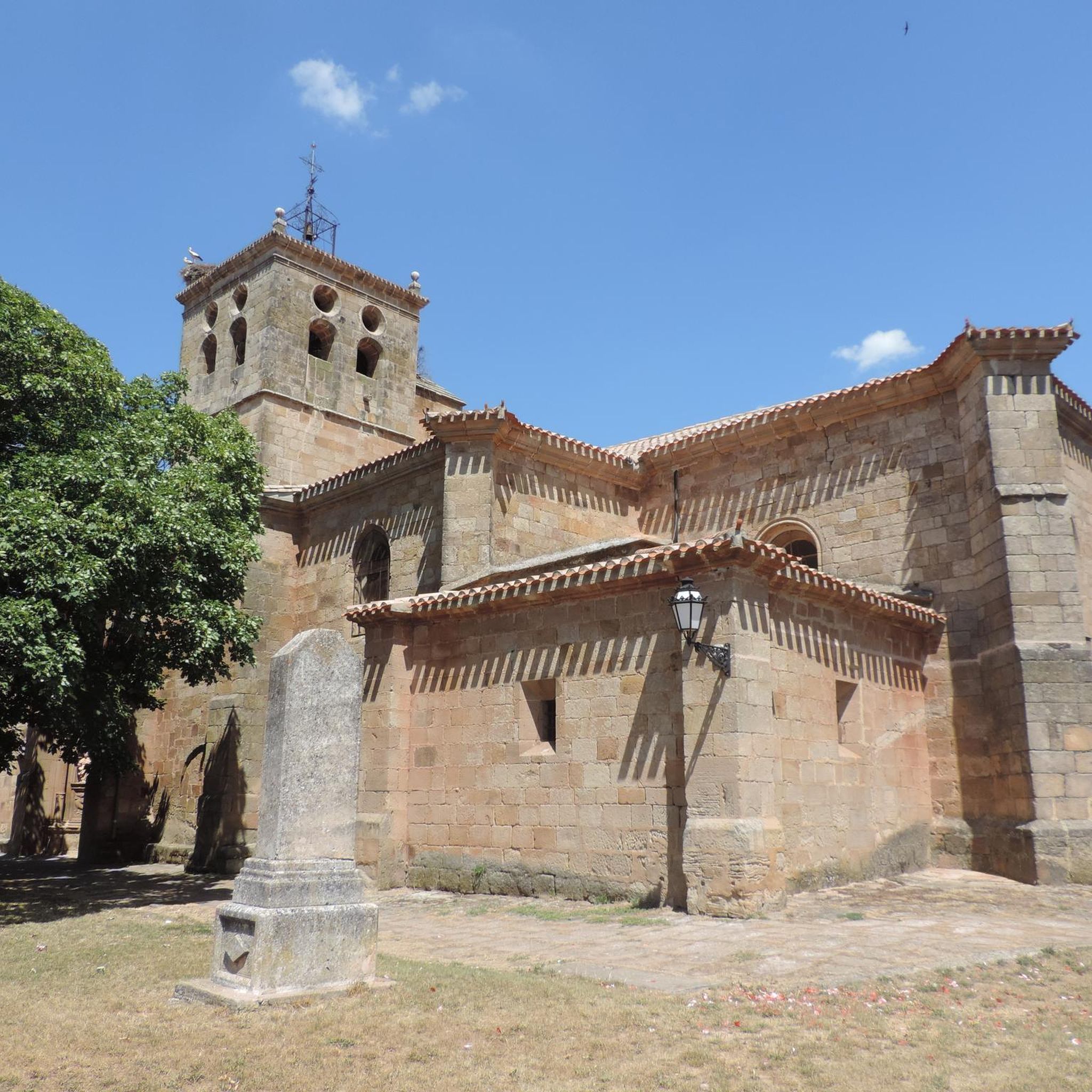
Salas de los Infantes is the capital of the Sierra de la Demanda region and is located in the valley of the Arlanza river. The origin of the town dates back to the 10th century. Among its main attractions are the church of Santa María, church of Santa Cecilia, the palace of the Infantes de Lara and Plaza Mayor.
1
0

Castrovido castle is one of the emblems of Salas de los Infantes. Its Celtiberian and Roman origin is possible. It is located at the top of a small hill and has been restored inside.
1
0
Mountain that reaches almost 1400 meters high and where at the top there are a set of rocks that form a peak where you can observe the landscape and its panoramas.
1
0
Population that is crossed by the Río Arlanza in what is called the Sierra de Pinariega. Core surrounded by green mountains of rocks that rise to more than a thousand meters.
1
0

It is a beautiful wetland that is ideal for observing waterfowl and there are also several hiking trails from Hacinas.
1
0
Frequently Asked Questions
What are the most popular attractions around Dehesa de San Felices?
Visitors particularly enjoy Palacios de la Sierra, a picturesque settlement nestled by the Río Arlanza and surrounded by green mountains. Other highly-rated spots include the historic Salas de los Infantes Historic Center, known for its ancient churches and palace, and the impressive Castrovido Castle, offering historical insights and panoramic views.
Are there family-friendly attractions in the Dehesa de San Felices region?
Yes, several attractions are suitable for families. Palacios de la Sierra and Salas de los Infantes Historic Center are both marked as family-friendly settlements. Additionally, the Fuentepeña Wetland is an excellent spot for families to observe waterfowl and enjoy easy trails.
What natural features can I explore around Dehesa de San Felices?
The region offers diverse natural beauty. You can ascend Pico Las Torres or La Calvilla for stunning panoramic views from nearly 1400 meters. The Fuentepeña Wetland is ideal for birdwatching and enjoying a tranquil lake environment. The broader Dehesa ecosystem itself is characterized by open woodlands of holm and cork oaks, interspersed with grasslands, supporting rich biodiversity.
What historical sites are there to visit?
The area is rich in history. Explore the Salas de los Infantes Historic Center, which dates back to the 10th century and features ancient churches and the palace of the Infantes de Lara. Don't miss Castrovido Castle, an emblem of the region with possible Celtiberian and Roman origins, restored and perched on a hill.
Can I go hiking near the attractions?
Absolutely. The region provides numerous hiking opportunities. For example, you can take the moderate 'Pico Las Torres (La Calvilla) Ascent Trail' or explore routes like 'Aldea del Pinar y Rabanera del Pinar'. You can find more hiking trails and detailed information on the Hiking around Dehesa de San Felices guide.
Are there opportunities for cycling in the area?
Yes, the Dehesa de San Felices region is great for cycling. Road cyclists can enjoy routes like the 'Lagunas de Neila Climb Loop' or the challenging 'Sierra de la Demanda Loop'. Discover more options on the Road Cycling Routes around Dehesa de San Felices guide.
What kind of wildlife can I expect to see?
The Dehesa ecosystem is known for its biodiversity. At the Fuentepeña Wetland, you can observe various waterfowl. The broader dehesa landscape, particularly in areas like Dehesa de Abajo (Seville), is home to flamingos, black terns, spoonbills, and even raptors like black kites. The holm and cork oak woodlands also support iconic animals such as the Iberian lynx and Spanish imperial eagle, and are crucial for the Iberian pig.
What do visitors enjoy most about the Dehesa de San Felices region?
Visitors appreciate the blend of historical depth and natural beauty. The charm of settlements like Palacios de la Sierra, the historical significance of Salas de los Infantes Historic Center, and the stunning views from Pico Las Torres are frequently highlighted. The opportunity for birdwatching at the Fuentepeña Wetland is also a favorite.
Are there any unique cultural events or traditions in the wider Dehesa region?
Yes, the Dehesa region, particularly in places like San Felices de Bilibio (La Rioja), is famous for the annual 'Wine Battle' (Batalla del Vino) on June 29th, a unique festival with ancient origins. In San Felices de los Gallegos (Salamanca), the 'El Noveno Festival' commemorates the town's release from a historical tax and is of Regional Tourist Interest.
Where can I find information about running trails?
For those interested in running, there are several trails available. You can find routes like 'Castillo de Castrovido — circular from Salas de los Infantes' or 'Salas de los Infantes loop'. More detailed information and a variety of running trails can be found on the Running Trails around Dehesa de San Felices guide.
What is the significance of the 'Dehesa' ecosystem?
The 'Dehesa' is a unique agroforestry ecosystem prevalent across the Iberian Peninsula, characterized by open woodlands of holm and cork oaks interspersed with grasslands. It's a prime example of sustainable land management, supporting high biodiversity and traditional activities like extensive livestock farming and cork extraction. It's particularly vital for raising Iberian pigs, whose acorn-rich diet contributes to the production of high-quality Iberian ham.
Are there any museums or cultural centers in the vicinity?
In the broader Dehesa region, specifically in San Felices de los Gallegos (Salamanca), you can visit the Olive Oil Museum 'El Lagar del Mudo' and the Interpretation Room of the Quarry. The Salas de los Infantes Historic Center itself acts as a living museum, showcasing civil architecture from the 16th to 18th centuries.
Most popular routes around Dehesa de San Felices

Get inspired with the komoot mobile app


Explore more
Still not found the Highlight you’re looking for? See guides of the top attractions in other regions:
