The best cycling routes around Pesquera
5.0
(6)
118
riders
14
rides
Touring cycling routes around Pesquera offer a varied landscape, characterized by diverse topography, from moderate elevation gains to significant climbs. The region features natural parks, dense beech forests, and river areas, providing a picturesque backdrop for rides. These routes often combine paved and unpaved surfaces, catering to different cycling preferences. The terrain includes both challenging segments and areas suitable for less strenuous rides.
Best touring cycling routes around Pesquera
- The most popular touring cycling route is Ebro Reservoir Loop,…
Last updated: October 7, 2026
12
riders
66.4km
06:29
1,790m
1,790m
Hard bike ride. Very good fitness required. You may need to push your bike for some segments of this route.
4
riders
41.1km
03:45
1,290m
1,290m
Hard bike ride. Very good fitness required. Mostly paved surfaces. Suitable for all skill levels.

5
riders
76.9km
06:03
1,480m
1,480m
Hard bike ride. Very good fitness required. You may need to push your bike for some segments of this route.
4
riders
30.4km
03:21
1,180m
1,180m
Hard bike ride. Very good fitness required. Mostly paved surfaces. Suitable for all skill levels.
2
riders
26.1km
02:00
700m
700m
Hard bike ride. Very good fitness required. Mostly paved surfaces. Suitable for all skill levels.
Get access to more routes and recommendations from other explorers.
Already have an account?
Our route recommendations are based on thousands of hikes, rides, and runs completed by other people on komoot.
Start today with a free account
Your next adventure awaits.
Tips from the Community

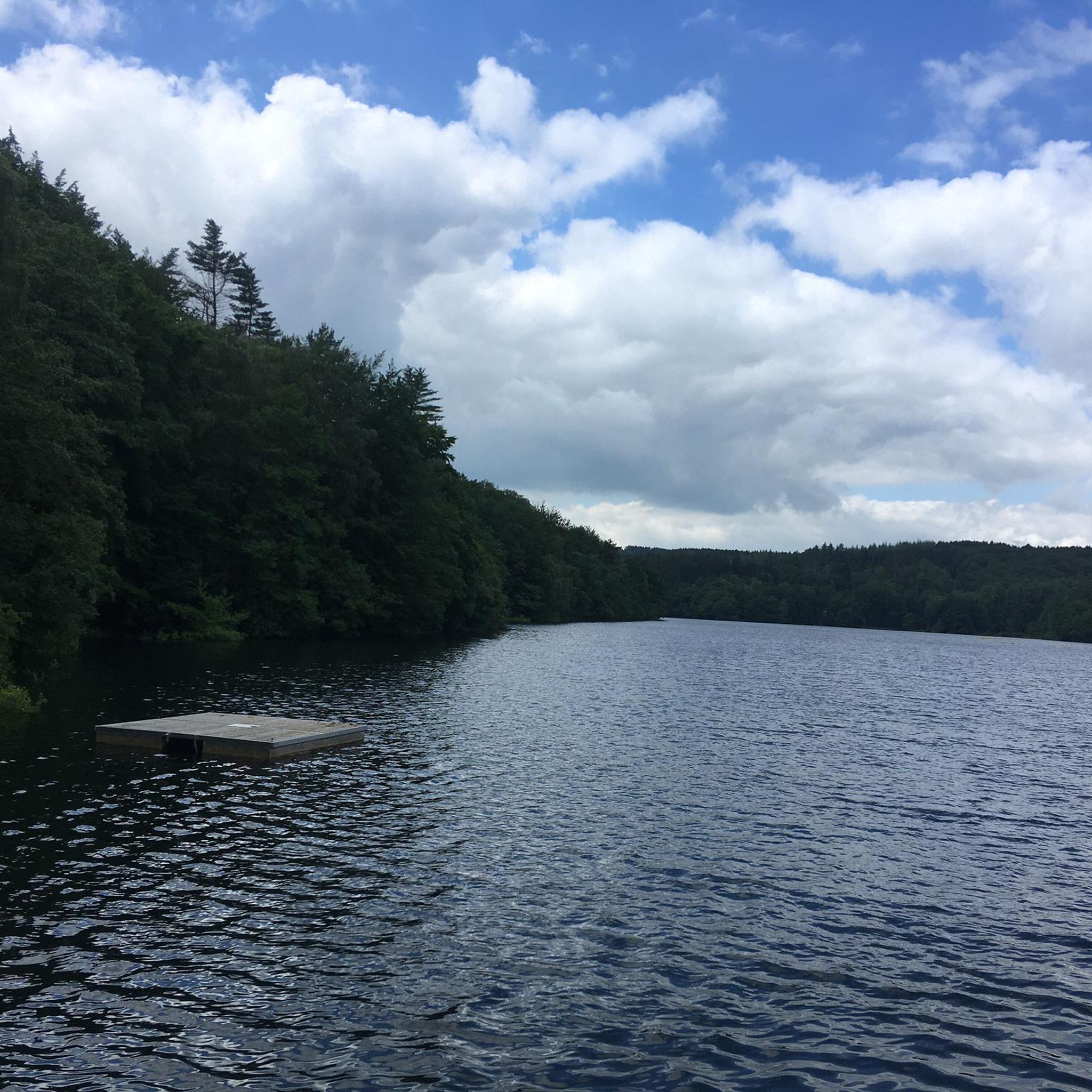
Very quiet green area, where you can take a bath and sleep peacefully
0
0

From Ucieda, past the hardest ramps and before reaching the top of Venta de Tordías.
0
0

The Roman road known as Calzada de los Blendios connected Pisoraca (Herrera de Pisuerga, in Palencia) and Portus Blendium (Suances, in Cantabria). It was the main means of communication between the Castilian plateau and the Cantabrian coast. It runs through a mountain area and is covered by oak, chestnut and beech groves.
0
0

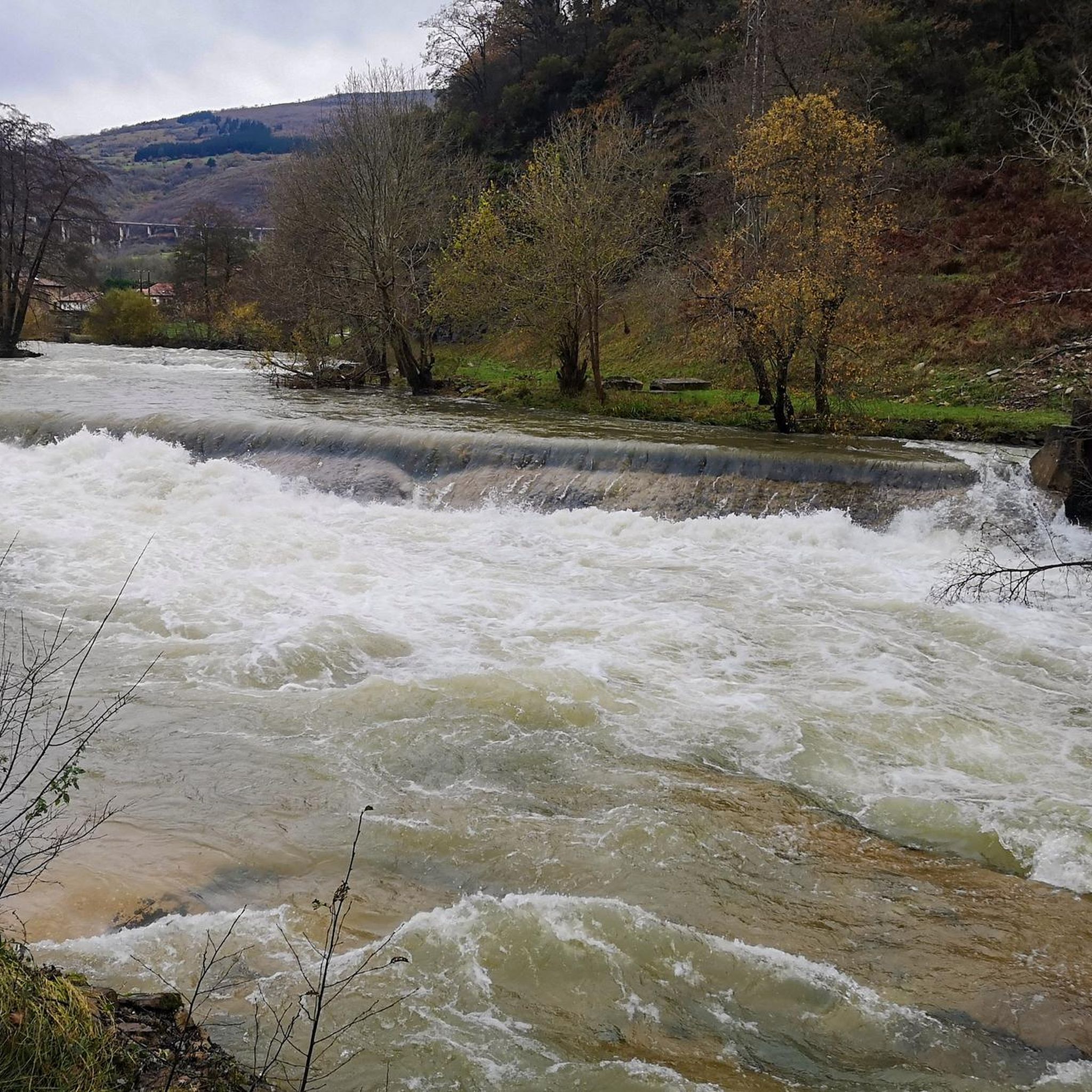
There are several recreational areas with tables and barbecues, almost all with grills. There is also a huge children's playground and a bar that is open in summer. It has bathrooms, independent of the opening hours of the bar. Along the route of the Bayones River you will find the Ucieda pools where you can bathe.
1
0
The church of San Jorge, popularly known as El Partenón, is a few meters from the Palacio de los Hornillos. Built in 1890 as a chapel near his palace, it was donated by the dukes to the town of Las Fraguas to serve as a parish church. It was used during the Civil War as a prison. It is a purely neoclassical building.
1
0
The Palacio de los Hornillos or Palacio de las Fraguas is a large estate in which two palaces are located. The oldest called Casona de las Fraguas (from the 18th century) and the largest of both, called de los Hornillos (late 19th century). It has been the setting for several movies. The Palace of the Hornillos is a private property, owned by the Duke of San Carlos, and cannot be visited. La Casona de las Fraguas is currently a catering business that organizes banquets and celebrations.
0
0

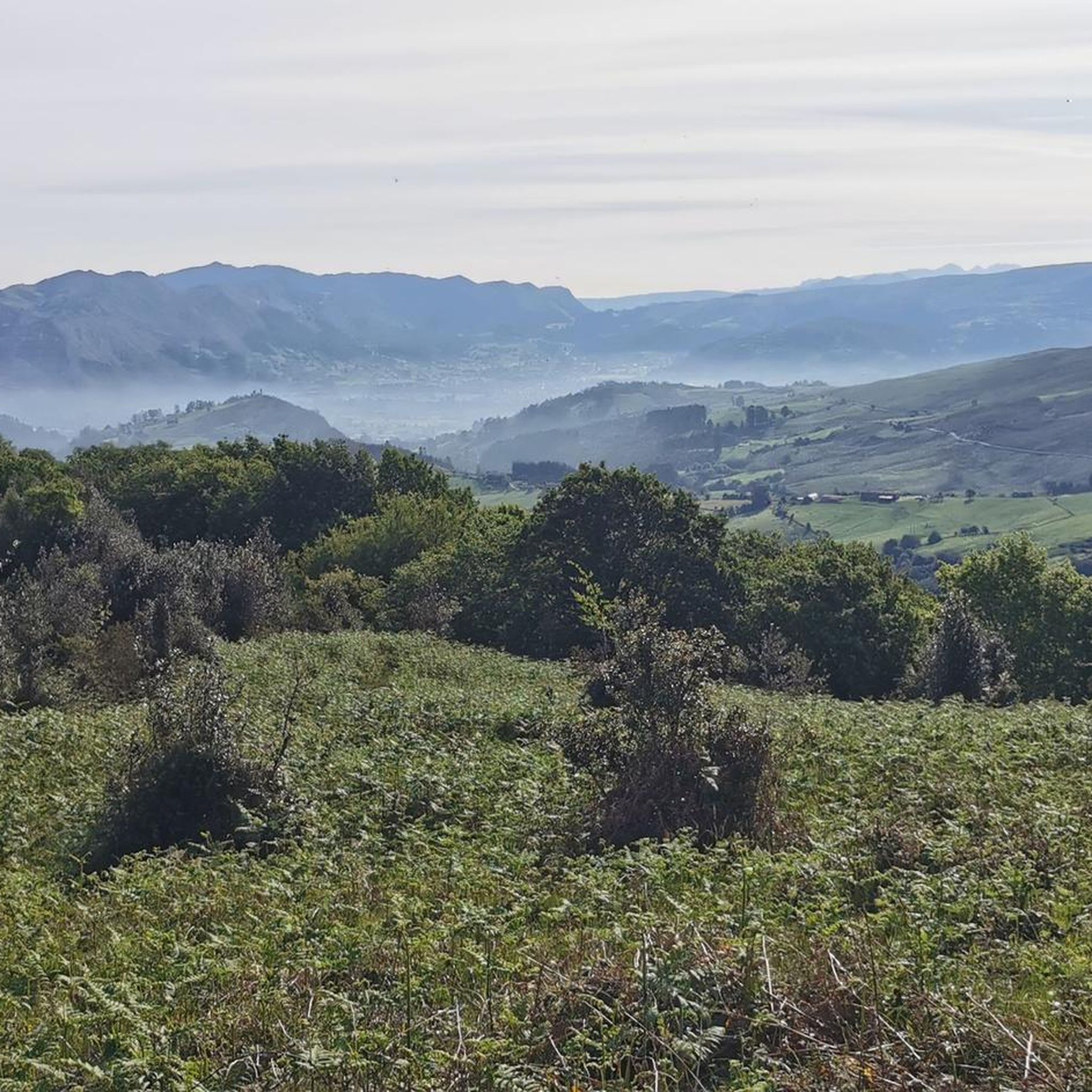
The geodesic vertex of Pico Jano is located at 1,343 meters above sea level and although reaching it can be a real challenge, the views you will have will be your great reward. With good visibility you can have some beautiful postcards of the Cantabrian interior and the Mediajo reservoir that is located at the foot of the peak.
2
0
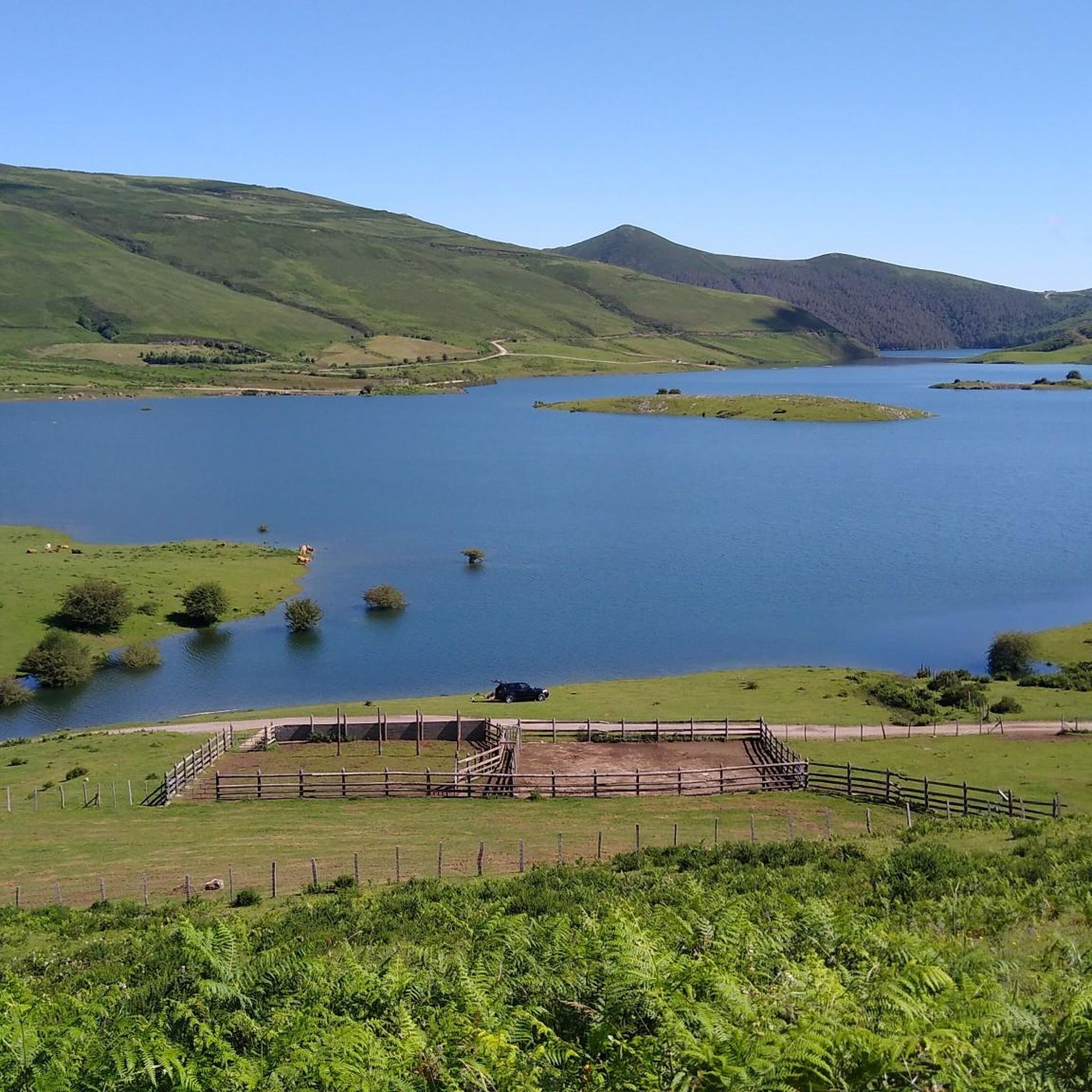
A wonderful and very quiet place with a gravel track that runs next to the reservoir that is a real blast!
1
0
Frequently Asked Questions
How many touring cycling routes are available in Pesquera?
There are 8 touring cycling routes around Pesquera documented on komoot. These routes offer a diverse range of experiences for cyclists exploring the region.
What is the general difficulty level of touring cycling routes in Pesquera?
Most touring cycling routes in Pesquera are classified as difficult, featuring significant elevation gains and varied terrain. For example, the Via Verde del Pas Bridge – Wooden bridge loop from Bárcena involves over 1700 meters of ascent. However, there is also an easier option, such as the Bike loop from Centro Ornitológico del Embalse del Ebro, which is shorter and has minimal elevation.
What kind of terrain can I expect on touring cycling routes around Pesquera?
The routes in Pesquera typically feature a mix of paved and unpaved surfaces. This varied terrain, combined with diverse topography, from moderate climbs to significant ascents, provides a dynamic cycling experience through natural parks, dense beech forests, and river areas.
Are there any family-friendly touring cycling routes in Pesquera?
While many routes are challenging, the Bike loop from Centro Ornitológico del Embalse del Ebro is an easy 7.4 km loop with minimal elevation gain, making it a suitable option for families or those looking for a more relaxed ride.
What natural features or landmarks can I see along the touring cycling routes?
Cyclists can enjoy diverse natural landscapes and historical points of interest. Highlights include a Beautiful section through the beech forest, the Pool area in the Argonza River, and the Cruz de Fuentes mountain pass. Some routes also pass through historical areas, such as the Roman Road sections on the Alsa Reservoir – Roman Road Trail loop from Bárcena.
What do other touring cyclists enjoy most about cycling in Pesquera?
The area is highly rated by the komoot community, with an average score of 5.0 stars from over 5 reviews. Cyclists often praise the varied topography, the scenic views around the Ebro Reservoir, and the opportunity to explore natural parks and historical sections like the Via Verde del Pas.
Are there any circular touring cycling routes in Pesquera?
Yes, many of the touring cycling routes in Pesquera are designed as loops. Examples include the popular Ebro Reservoir Loop, the Bike loop from La Costana, and the Alsa Reservoir – Roman Road Trail loop from Bárcena, offering convenient starting and ending points.
What is the best time of year to go touring cycling in Pesquera?
The region's diverse terrain, including dense beech forests, suggests stunning autumnal colors, which would make for a picturesque backdrop for rides. However, the presence of rivers and opportunities for cooling off also indicates that spring and early summer could be pleasant, before the peak heat, or in late summer/early autumn.
Are there any historical sites or villages to explore near the cycling routes?
Yes, for those interested in combining cycling with cultural exploration, the Historic Center of Reinosa, with its medieval origins and 16th-17th century buildings, is a notable attraction. Additionally, you might encounter the Mediaconcha Abandoned Village along some routes.
What are the longest touring cycling routes available?
The longest touring cycling route is the Via Verde del Pas Bridge – Wooden bridge loop from Bárcena, spanning 85.8 km. Another substantial option is the Ebro Reservoir Loop, which covers 62.6 km.
Are there any rest areas or facilities along the touring cycling routes?
Yes, some routes pass by facilities such as the Peña Pea Rest Area, which can be a convenient stop during your ride. Additionally, the region offers various natural spots like the Pool area in the Argonza River for a refreshing break.
Can I find routes that offer extensive views?
Absolutely. The Ebro Reservoir Loop is particularly known for offering extensive views around the Ebro Reservoir, providing a scenic backdrop for your ride. The varied topography of the region ensures many panoramic viewpoints.
Most popular attractions around Pesquera

Get inspired with the komoot mobile app


Explore more
Browse the best Cycling routes in other regions.
