Attractions and Places To See around Argañín - Top 20
Best attractions and places to see around Argañín, a locality in Zamora, Spain, offers a combination of historical landmarks, natural settings, and cultural traditions. Situated within the Arribes del Duero Natural Park, the area features landscapes of rolling hills and riverbanks. Its history, from Roman times through medieval repopulation, is evident in its architecture and sites.
Best attractions and places to see around Argañín
- The most popular attractions is Yellow Rock Viewpoint, a viewpoint that offers wide panoramic views…
Last updated: July 1, 2026
The ruin
Highlight • Castle
Translated by Google •
Tip by

The monastery
Highlight • Religious Site
Translated by Google •
Tip by

Sign up now to discover places like this
Get recommendations on the best single tracks, peaks, & plenty of other exciting outdoor places.
Sign up for free
Hermitage of the Virgen del Castillo and Barrancas Viewpoint
Highlight • Religious Site
Translated by Google •
Tip by

Yellow Rock Viewpoint
Highlight • Viewpoint
It offers wide panoramic views of the Douro River surrounded …
Translated by Google •
Tip by
Mirador de las Barrancas
Highlight • Viewpoint
Translated by Google •
Tip by
Sign up for free to discover even more attractions around Argañín.
Sign up for free
Already have an account?
Start today with a free account
Your next adventure awaits.
Login or Signup
Tips from the Community

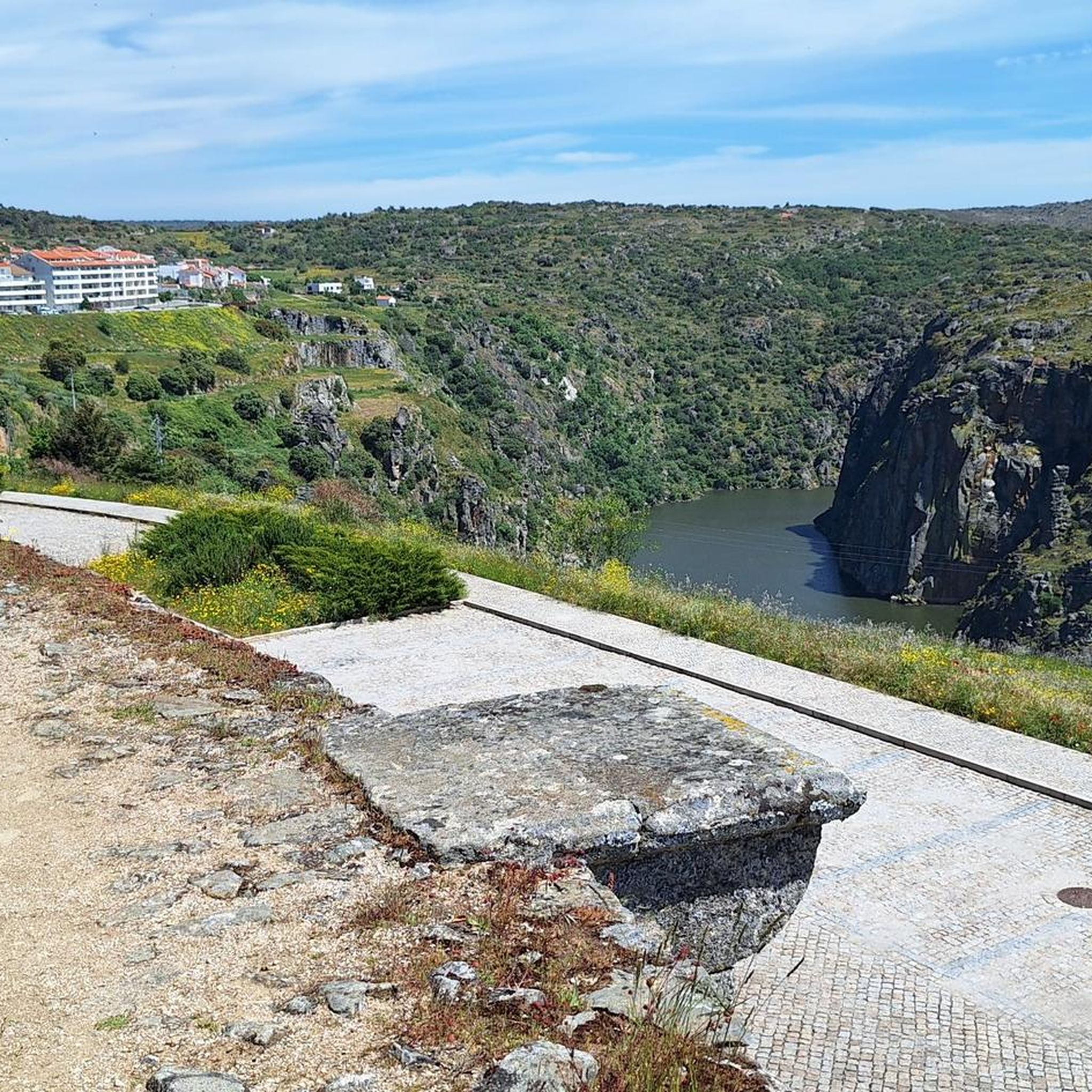
Mirador do Penedo Amarelo. It is located on Rua do Penedo Amarelo, in the urban area of Miranda do Douro. It offers wide panoramic views of the Douro River surrounded by green hills, the dam, the historic center and the co-cathedral of Miranda do Douro. It is one of the most outstanding urban viewpoints in the area.
3
0
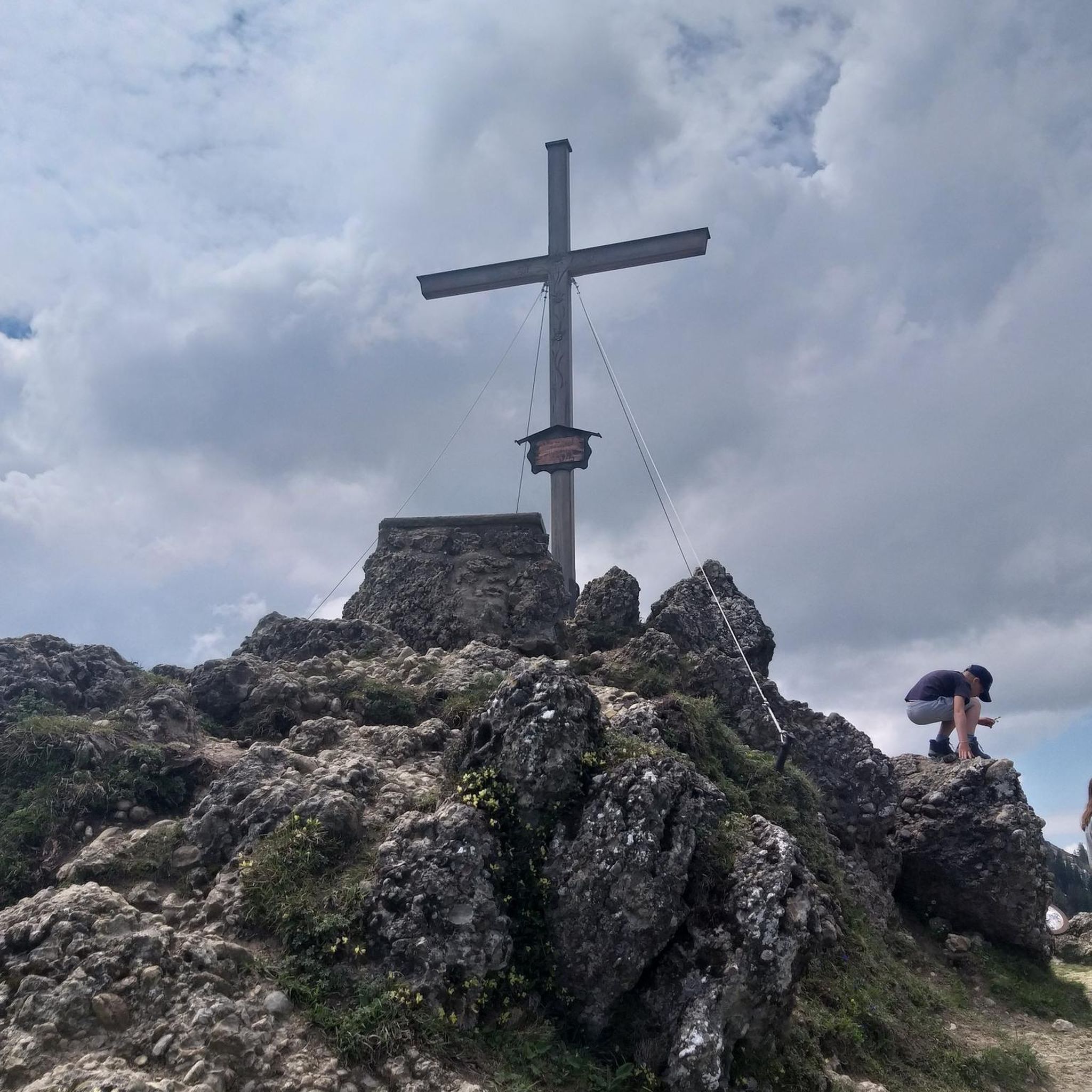
The Hermitage of the Virgen del Castillo in Fariza, Zamora, is a place of great historical, spiritual, and scenic value, nestled in the heart of the Arribes del Duero Natural Park. It sits atop a hill, offering spectacular views of the Duero canyon, right on the natural border between Spain and Portugal. Nearby is the Mirador de la Virgen del Castillo, considered one of the most beautiful in the Arribes.
1
0
The Mirador de las Barrancas, located in Fariza, in the province of Zamora, is one of the most spectacular spots in the Arribes del Duero Natural Park. It offers stunning views of the Duero River canyon, which marks the natural border between Spain and Portugal. A granite landscape with unique rock formations and a microclimate that favors Mediterranean crops such as olive trees, vineyards, and almond trees. Spot birds of prey, such as the griffon vulture and the golden eagle, which are very common in the area.
1
0

The first bishops of Miranda had to live in the Castle. It was only in 1601 that construction began on the Episcopal Palace and the Seminary. When it was completed, more than a century later, its opulence was no less than that of the Cathedral, whose Renaissance style it imitated. The Palace was built around a central courtyard, surrounded by a cloister with lowered arcades, on monolithic columns. And, although badly damaged by successive fires during the 17th and 18th centuries, it was the definitive transfer of the seat of the Diocese to Bragança, in 1780, that caused it to fall into rapid ruin. The shadow of its monumentality can still be seen today in the cloister and on the portico of the Seminary. However, despite its state of ruin, its symbolic power remains because the bishops always continued to engrave their names on the respective memorial, at the entrance to the Renaissance portico of the first Episcopal Palace of the Diocese.
2
1
The castle of Miranda do Douro was built during a second period of settlement and ordering in Trás-os-Montes, which occurred during the reign of King Dinis. The first kings had provided this vast region with administrative units protected by Romanesque castles, called Terras, whose mission was to establish royal authority in an area of the kingdom that was notoriously peripheral. Over time, this power structure proved to be inadequate and King Afonso III initiated a different policy, the most visible of which was the founding of new urban towns. In the territory of Miranda do Douro, the new town was founded by King Dinis in 1286, thus culminating in the transfer of power from the old castle of Algoso, which had been the capital of the land until that date.
1
1

This beautiful viewpoint is located in the urban centre of Miranda do Douro, at the end of the street closest to the river, specifically on the street of the same name.
0
1
Beautiful views of the Duero and its Arribes.
1
0
The Episcopal Palace, where the Bishop of Miranda do Douro resided, was once an imposing construction. Today, only the arches of the old cloister remain, which have been integrated into a garden area ideal for strolling and relaxing. The Co-Cathedral, also known as the Sé de Miranda do Douro, was built in the 16th century and served as a cathedral until 1780, when the episcopal seat was moved to Braganza. This building stands out for its Renaissance architecture and its impressive Baroque altarpiece. It also houses a locally beloved figure, the Menino Jesus da Cartolinha.
10
0
Frequently Asked Questions
What natural features and viewpoints can I explore near Argañín?
Argañín is situated within the Arribes del Duero Natural Park, offering stunning landscapes. You can visit the Yellow Rock Viewpoint for panoramic views of the Douro River and surrounding hills. Another excellent spot is the Mirador de las Barrancas, which provides spectacular views of the Duero canyon and is ideal for birdwatching, with species like black storks and griffon vultures.
Are there historical sites to visit in and around Argañín?
Yes, Argañín has a rich history. You can explore the ruins of old water mills along the riverbanks and discover ancient Roman fountains. The village also features traditional architecture, including a granite 'Crucero' and the notable Church of San Pelayo (or San Bartolomé) with its 17th-century altarpiece. Further afield, the The ruin, a 13th-century military fortification, and The monastery, a 16th-century religious building, offer insights into the region's past.
What kind of hiking trails are available near Argañín?
The area around Argañín offers a variety of hiking trails suitable for different skill levels. You can find easy routes like the 'Ribera de los Molinos Trail' or more challenging options such as the 'São João das Arribas Trail (PR1 MDR)'. Many trails provide impressive views of the rural landscape and the Duero canyon. For more details and route options, check out the Hiking around Argañín guide.
Are there any family-friendly attractions or activities in Argañín?
The natural beauty of Argañín and the Arribes del Duero Natural Park offers family-friendly outdoor experiences. The Yellow Rock Viewpoint is considered family-friendly, offering accessible panoramic views. Exploring the traditional architecture, ancient Roman fountains, and the stone bridge over Arroyo del Pisón can also be engaging for families. Easy hiking trails, like the 'Ribera de los Molinos Trail', are also suitable for families.
What cultural events or traditions are unique to Argañín?
Argañín is known for its deep-rooted cultural traditions. A significant event is the Romería to Ermita de la Virgen del Castillo in Fariza, held on the first Sunday of June. This pilgrimage involves residents carrying enormous, over 7-meter-tall banners called 'viriatos'. The village also celebrates its patron saint festivities in honor of San Bartolomé from August 22nd to 24th.
Can I find mountain biking or road cycling routes near Argañín?
Yes, the region provides excellent opportunities for both mountain biking and road cycling. You can find moderate MTB trails like the 'Arribes and Mills of Sayago Loop' or more difficult road cycling routes such as the 'International Douro Park Loop'. These routes often feature stunning views of the natural park. For a comprehensive list of routes, refer to the MTB Trails around Argañín and Road Cycling Routes around Argañín guides.
What is the Peña del Gato and its significance?
The Peña del Gato is a significant paleolithic monument near Argañín, considered one of the oldest human testimonies in the region. It is believed to be a rock altar dating back 15,000 years, featuring carved steps and over 60 cup marks etched into the granite, possibly forming a lunar calendar.
Where can I find impressive views of the Duero canyon?
For breathtaking views of the Duero canyon, visit the Hermitage of the Virgen del Castillo and Barrancas Viewpoint in Fariza, which is perched above the deep course of the Duero River. The nearby Mirador de las Barrancas also offers a spectacular panoramic vista of the canyon, where you can observe unique rock formations and diverse birdlife.
What is the best time of year to visit Argañín for outdoor activities?
The region's landscapes change beautifully with the seasons. Spring is particularly lush, with riverbanks full of water, making it an excellent time for nature lovers and hikers. The weather is generally pleasant for outdoor activities from spring through early autumn, allowing you to fully enjoy the trails and viewpoints.
Are there any unique architectural features in Argañín?
Argañín preserves well-preserved examples of popular architecture. Beyond the Church of San Pelayo, you can find a traditional 'potro' (a structure for shoeing animals) and a stone bridge made of large granite slabs crossing the Arroyo del Pisón. The Fuente Concejo also stands out with its beautiful architecture and historical significance as a community gathering point.
What makes the Argañín Cemetery notable?
The Argañín Cemetery is notable for its ancient and egalitarian practice. Graves are not privately owned, and each deceased person is buried where space is available, reflecting a unique community tradition.
What do visitors particularly enjoy about the attractions around Argañín?
Visitors appreciate the blend of historical sites, natural viewpoints, and religious buildings. The stunning panoramic views from spots like the Yellow Rock Viewpoint and the rich history embedded in structures like the 13th-century The ruin are frequently highlighted. The area's tranquil escape and rich heritage within the Arribes del Duero Natural Park are also highly valued.
Most popular attractions around Argañín

Get inspired with the komoot mobile app


Explore more
Still not found the Highlight you’re looking for? See guides of the top attractions in other regions:
