The best cycling routes around Camporrobles
5.0
(3)
47
riders
12
rides
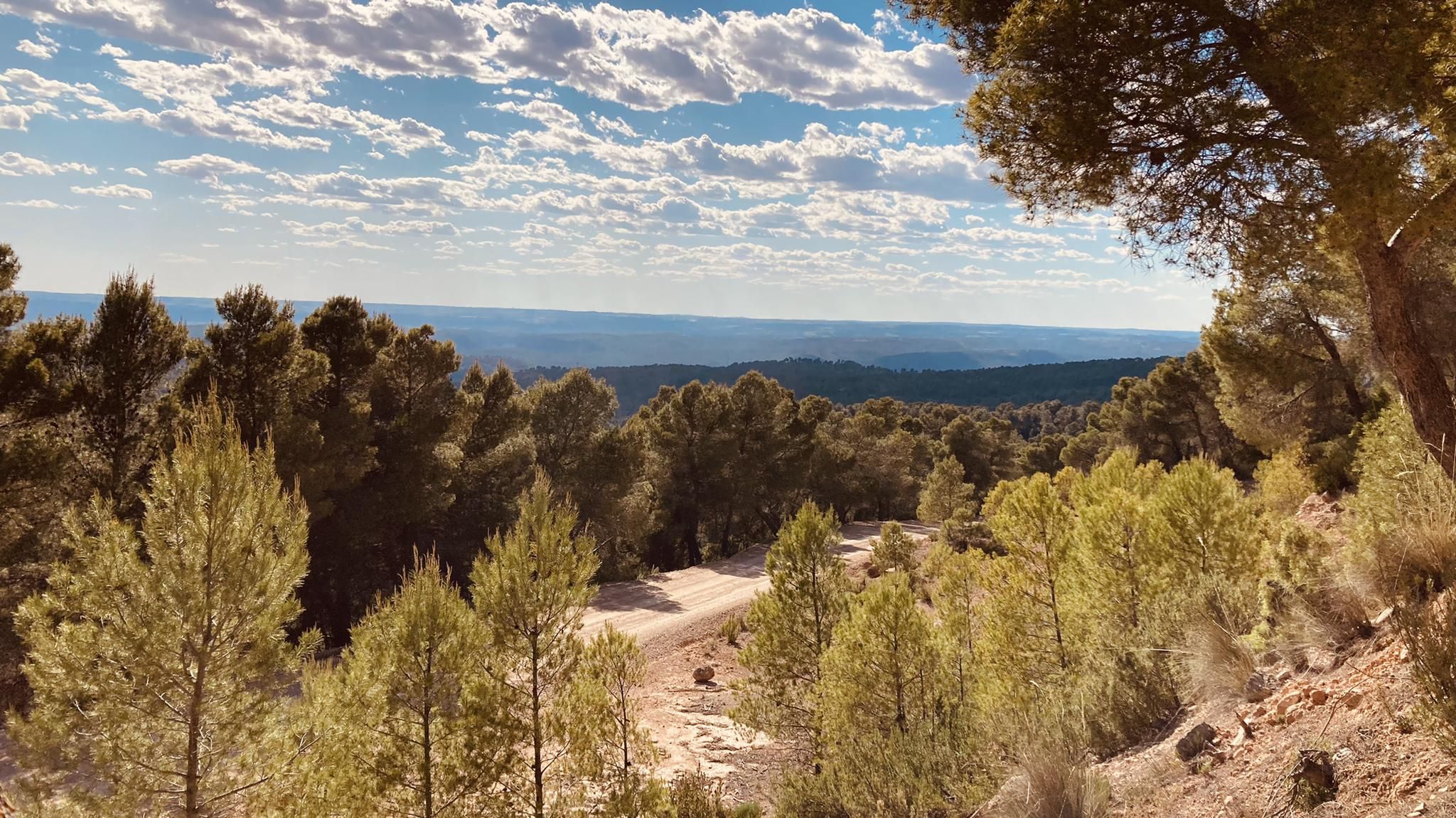
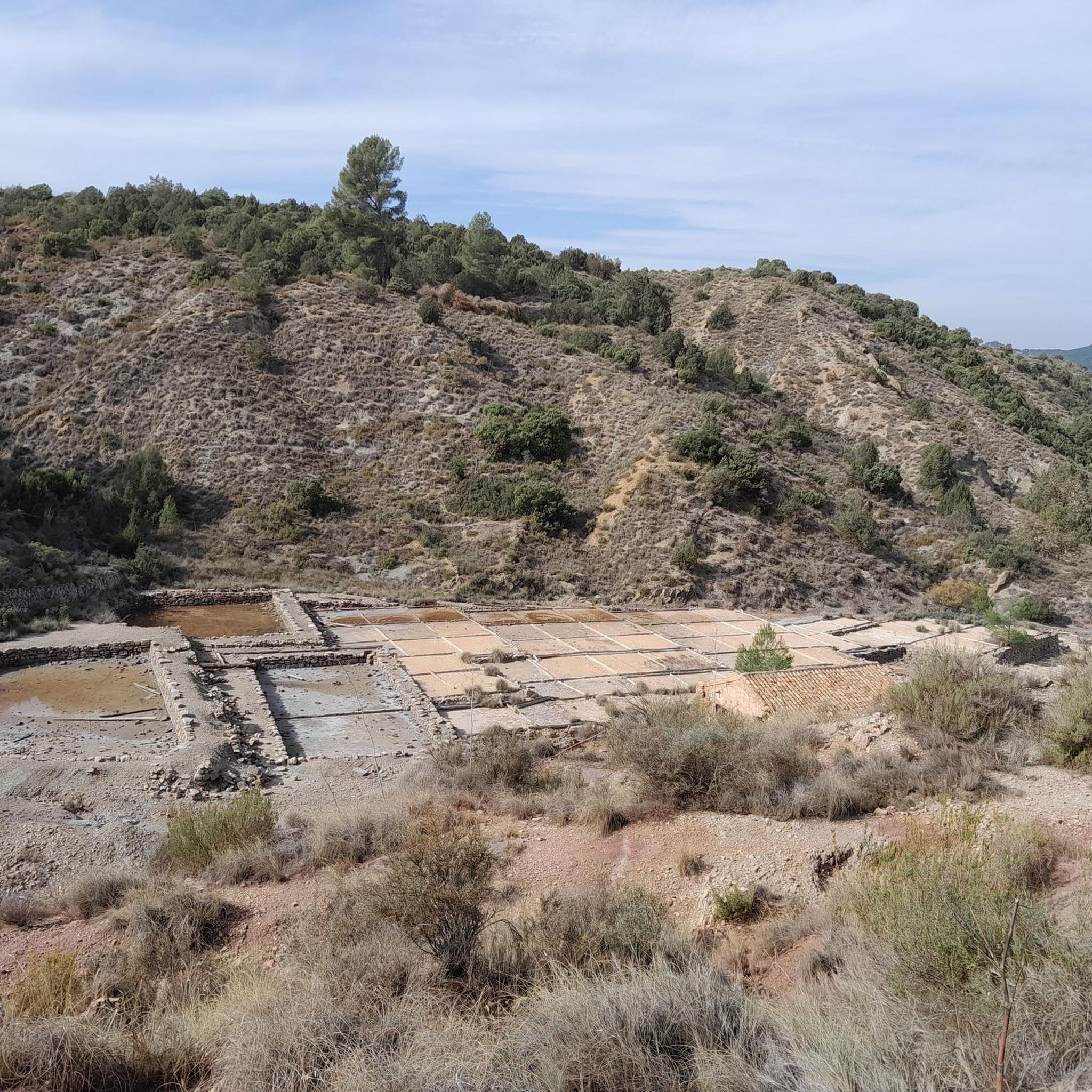
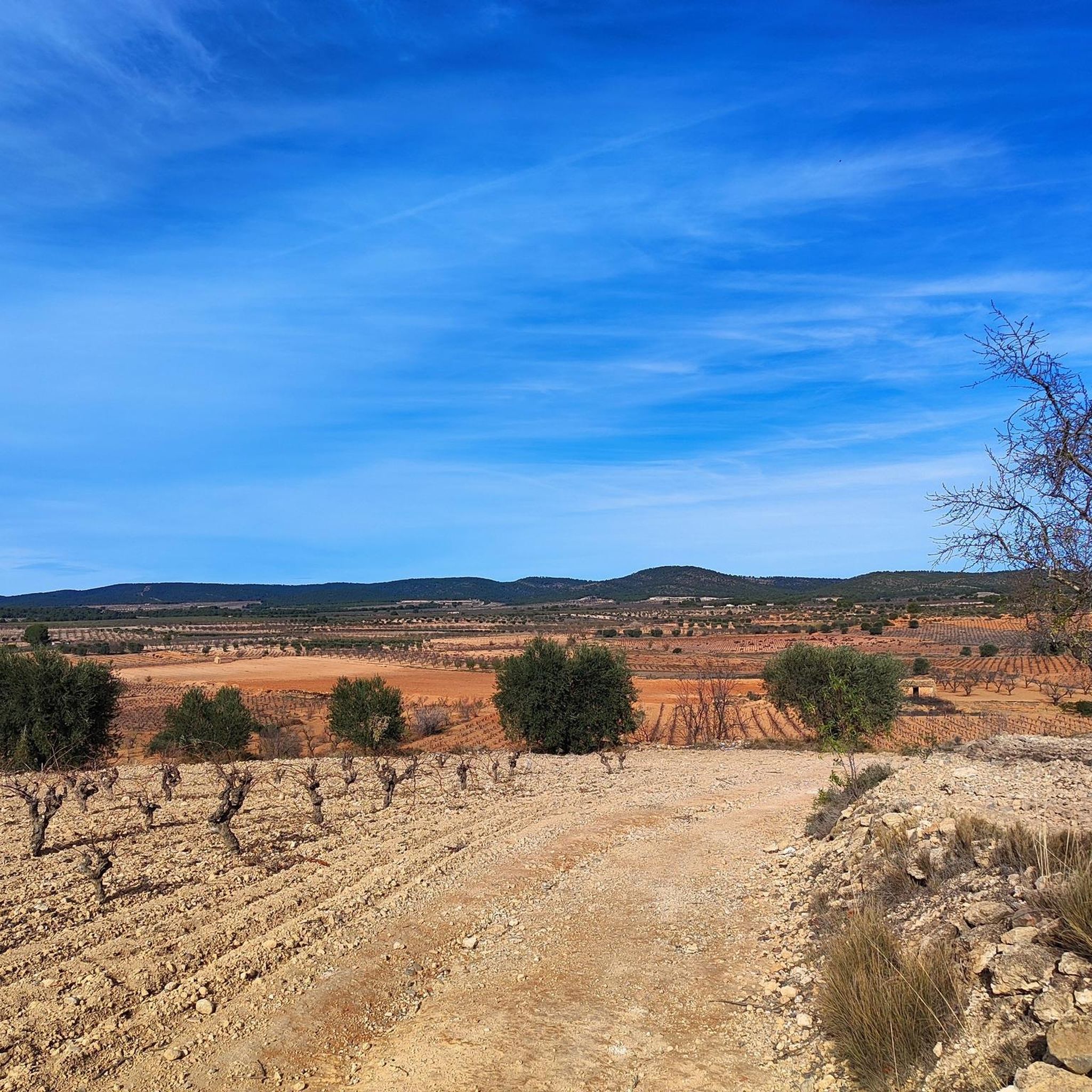
Touring cycling around Camporrobles offers a diverse landscape, situated at an altitude of 900 meters above sea level. The region features a striking contrast between cultivated fields, including cereal crops, vineyards, and almond groves, and rugged mountains. Cyclists can traverse hills, ravines, and small valleys covered in aromatic plants, holm oaks, pines, and junipers. This varied topography provides natural viewpoints and a rich backdrop for outdoor exploration.
Best touring cycling routes around Camporrobles
- The most popular touring cycling route is Cuchillos de Contreras and Moluengo Peak Loop, a 20.8 miles (33.5 km) trail that takes 3 hours 15 minutes to complete. This difficult gravel route offers stunning views of the Cabriel River within the Parque Natural Hoces de Cabriel.
- Another top favourite among local touring cyclists is Contreras Dam – Cabriel Valley Viewpoint loop from Villargordo del Cabriel, a difficult 17.7 miles (28.5 km) path. This route provides views of the Contreras Reservoir and the scenic Cabriel Valley.
- Local touring cyclists also love the Hoces de Mira Botanical Walk loop from Camporrobles, a 21.8 miles (35.0 km) trail leading through the canyon carved by the Mira River, often completed in about 2 hours 55 minutes.
- Touring cycling around Camporrobles is defined by cultivated fields, rugged mountains, and pine forests, offering natural viewpoints. The network provides options for various ability levels, from moderate rides to more challenging routes.
- The routes in Camporrobles are highly rated by the komoot community with an average score of 5.0 stars from over 2 reviews. More than 45 touring cyclists have used komoot to explore Camporrobles's varied terrain.
Last updated: April 30, 2026
1
riders
33.5km
03:15
760m
760m
Hard bike ride. Very good fitness required. You may need to push your bike for some segments of this route.
5.0
(3)
14
riders
29.0km
02:03
550m
550m
Hard bike ride. Very good fitness required. Mostly paved surfaces. Suitable for all skill levels.

Sign up for free
6
riders
35.0km
02:55
420m
420m
Moderate bike ride. Good fitness required. Mostly paved surfaces. Suitable for all skill levels.
5
riders
31.7km
02:37
580m
580m
Hard bike ride. Very good fitness required. Mostly paved surfaces. Suitable for all skill levels.
5
riders
39.8km
03:27
750m
750m
Hard bike ride. Very good fitness required. Mostly paved surfaces. Suitable for all skill levels.
Get access to more routes and recommendations from other explorers.
Sign up for free
Already have an account?
Our route recommendations are based on thousands of hikes, rides, and runs completed by other people on komoot.
Start today with a free account
Your next adventure awaits.
Login or Signup

Other adventures around Camporrobles

Tips from the Community

The Hoces de Mira Botanical Walk is one of the most special natural areas in the Serranía Baja region of Cuenca. It's a short, accessible route, perfect for enjoying the flora, fauna, and spectacular views of the canyon carved by the Mira River.
1
0

Near Sinarcas, the path that skirts the Carpio hill winds through a pine forest and offers a stretch of welcoming shade under the pine treetops, with the path curving gently between the trees and creating natural spots to stop and rest.
0
0
It is located in a quiet rural area surrounded by pine forests and Mediterranean scrubland, with trails and nature all around, and retains a typical atmosphere of the Valencian interior.
0
0
Viewpoint next to the old N-III highway After passing the engineer's house, a turnoff leads to the viewpoint located above the old N-III highway. Sweeping views of the reservoir from a high, accessible point.
4
0
Hiking: Popular routes, such as the "Engineer's House" trail, offer viewpoints overlooking the reservoir and the Cabriel River gorges. Guided tours: Occasionally, the Hydrographic Confederation and the Villargordo Town Council organize tours and talks in the village of Contreras. Historic roads: The abandoned section of the old N-III highway and the Contreras Hills attract engineering enthusiasts, with their original 20th-century asphalt and signage.
2
0
Contreras Dam (Contreras Reservoir), located on the border between Cuenca and Valencia provinces. It lies between Villargordo del Cabriel (Valencia) and the Cuenca municipalities of La Pesquera, Mira, Enguídanos, and Minglanilla, spanning the Cabriel and Guadazaón rivers. Below the dam is the historic Contreras Bridge, built between 1845 and 1851 by Lucio del Valle, part of the old zigzag mountain pass.
2
0

It was built in 1972 at the confluence of the Cabriel and Guadazaón rivers. The dam height is 129 metres. Its purpose is, among other things, to supply water to the city of Valencia. The Contreras Bridge was built between 1845 and 1851 by the engineer Lucio del Valle. To descend the ravine, he had to build a zigzag road that formed the port of Contreras.
1
0

You cannot pass this path, since it has been closed with a 3m high fence. Today, Saturday, June 8, 2024, we had to turn around when we came across this fence.😐
0
0
Frequently Asked Questions
What is the general difficulty level of touring cycling routes in Camporrobles?
Camporrobles offers a range of touring cycling routes, with the majority being classified as difficult. Out of approximately 12 routes, 10 are considered challenging, while there is also one moderate and one easy option available. This diverse offering ensures that both experienced cyclists and those looking for a less strenuous ride can find suitable paths.
Are there circular touring cycling routes available in Camporrobles?
Yes, many of the touring cycling routes around Camporrobles are designed as loops, allowing you to start and finish in the same location. Examples include the Cuchillos de Contreras and Moluengo Peak Loop, the Contreras Dam – Cabriel Valley Viewpoint loop from Villargordo del Cabriel, and the Hoces de Mira Botanical Walk loop from Camporrobles.
What natural viewpoints or attractions can I see along the touring cycling routes?
The region around Camporrobles is rich in natural beauty. You can expect stunning views of the Cabriel River, especially along routes like the Cuchillos de Contreras and Moluengo Peak Loop. Other notable viewpoints include Peña Azul Viewpoint, Hoz del Rabo de la Sartén Viewpoint, and Cabriel Valley Viewpoint. The area also features the Contreras Reservoir and the unique rock formations of Los Dientes del Quijar.
What is the best time of year for touring cycling in Camporrobles?
The diverse landscape of Camporrobles, with its cultivated fields, vineyards, and almond groves, offers beautiful variations throughout the year. Spring and autumn are generally ideal, providing pleasant temperatures and vibrant scenery, whether it's blooms or changing leaf colors. The recreational zone within El Molón also provides shaded areas, making it suitable for outdoor enjoyment in both winter and summer, though summer rides might be best planned for cooler parts of the day.
Can I expect to see wildlife while cycling in Camporrobles?
Yes, the varied topography of Camporrobles, with its hills, ravines, and forests, serves as a habitat for a rich array of wildlife. Cyclists might spot ocellated lizards, genets, pine martens, weasels, Iberian hedgehogs, garden dormice, roe deer, and wild boars. Birdwatchers can also enjoy spotting royal eagles, kestrels, and peregrine falcons soaring above the rocky crests, particularly in areas like Los Dientes del Quijar.
Are there any long-distance cycling routes that pass through Camporrobles?
Yes, Camporrobles is part of significant long-distance routes. The GR-238 route, known as the 'Wine Landscapes,' connects the Requena-Utiel region and passes through Camporrobles in three sections. Additionally, Camporrobles is included in the Camino de la Vera Cruz, specifically within the Teruel–Alcalá del Júcar section, offering a historical journey for cyclists.
What historical or cultural sites can be explored by bike in Camporrobles?
Beyond its natural beauty, Camporrobles offers opportunities to explore history and culture. You can cycle near the 'El Molón' Archaeological Park, which features an Iberian settlement and an interpretive center. The Raúl Gómez Museum Collection, showcasing archaeology, malacology, and optokinetic painting, is also a notable site in the area. You might also encounter historical structures like the Peñas Blancas Path Trench or the Contreras Trench.
What do other touring cyclists enjoy about the routes in Camporrobles?
The touring cycling routes in Camporrobles are highly rated by the komoot community, with an average score of 5.0 stars. Cyclists often praise the diverse landscape, which offers a striking contrast between cultivated fields, vineyards, and rugged mountains. The natural viewpoints and the well-maintained network of roads and tracks are also frequently highlighted as enjoyable aspects of cycling in the region.
Are permits required for cycling in natural parks like Hoces del Cabriel?
While the region offers stunning routes within areas like Parque Natural Hoces de Cabriel, specific permit requirements for cycling can vary. It's always advisable to check the official regulations for natural parks before your visit to ensure compliance, especially for activities within protected zones.
Is parking available near the touring cycling routes in Camporrobles?
Camporrobles is well-equipped for outdoor activities, and parking is generally available in and around the town, as well as at common starting points for routes. For example, the recreational zone within El Molón Municipal Natural Park provides facilities that could include parking, making it convenient for cyclists to access the trails.
Are there cafes or places to stop for refreshments along the routes?
While specific cafes directly on every route might be limited, the town of Camporrobles itself offers amenities. Additionally, the recreational zone within El Molón Municipal Natural Park provides shaded areas, tables, and fire pits, which are ideal for a picnic or a break. For routes passing through villages like Villargordo del Cabriel or Sinarcas, you may find local establishments for refreshments.
Are there any family-friendly touring cycling routes in Camporrobles?
While many routes are rated as difficult, the region does offer options for varying skill levels. The 'Hoces de Mira Botanical Walk loop from Camporrobles' is classified as moderate, and there is also one easy route available. These less challenging paths, often traversing serene agricultural fields and small valleys, can be more suitable for families looking for a gentler cycling experience.
Most popular attractions around Camporrobles

Get inspired with the komoot mobile app


Explore more
Browse the best Cycling routes in other regions.
