The best cycling routes around Chilluévar
4.7
(10)
333
riders
35
rides
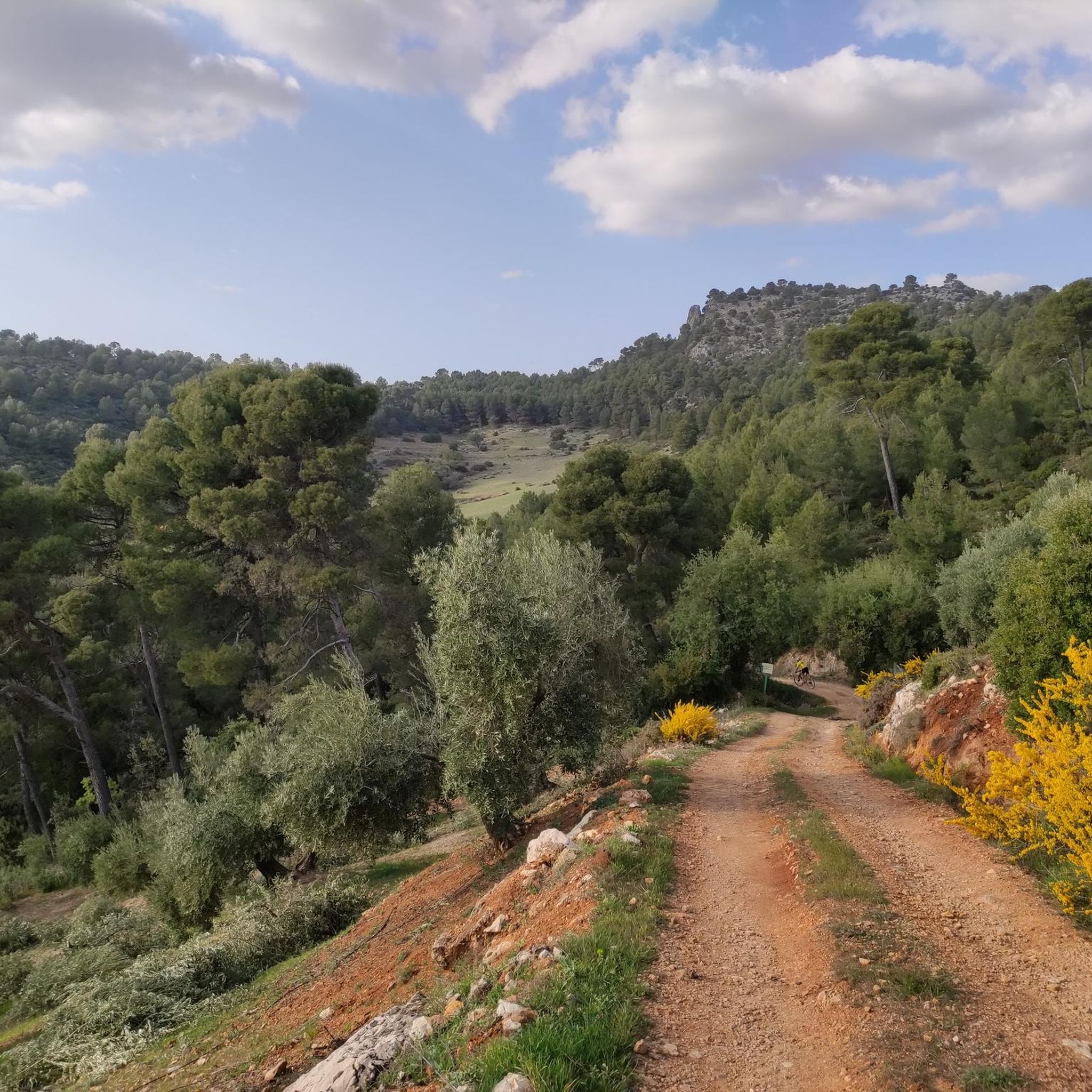
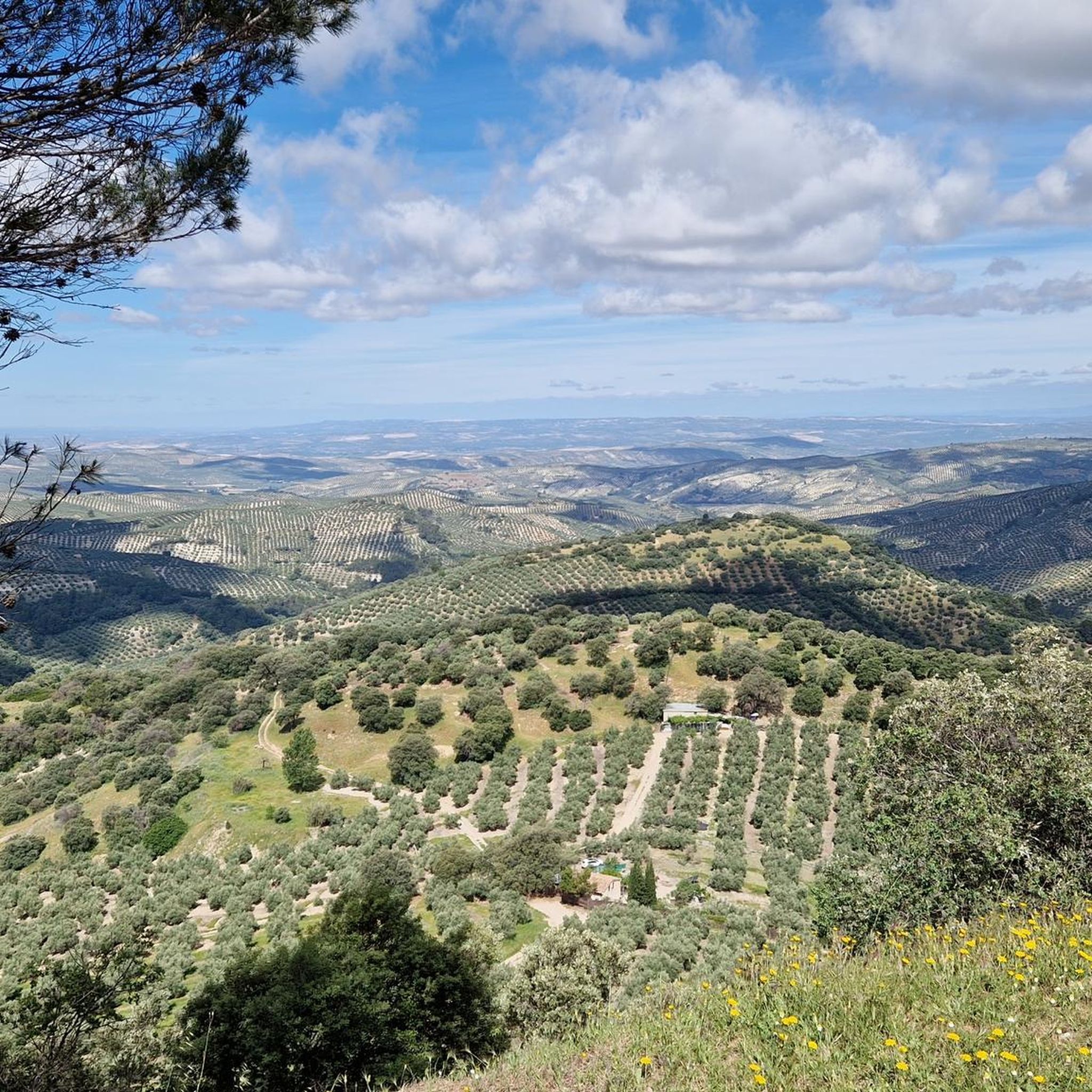
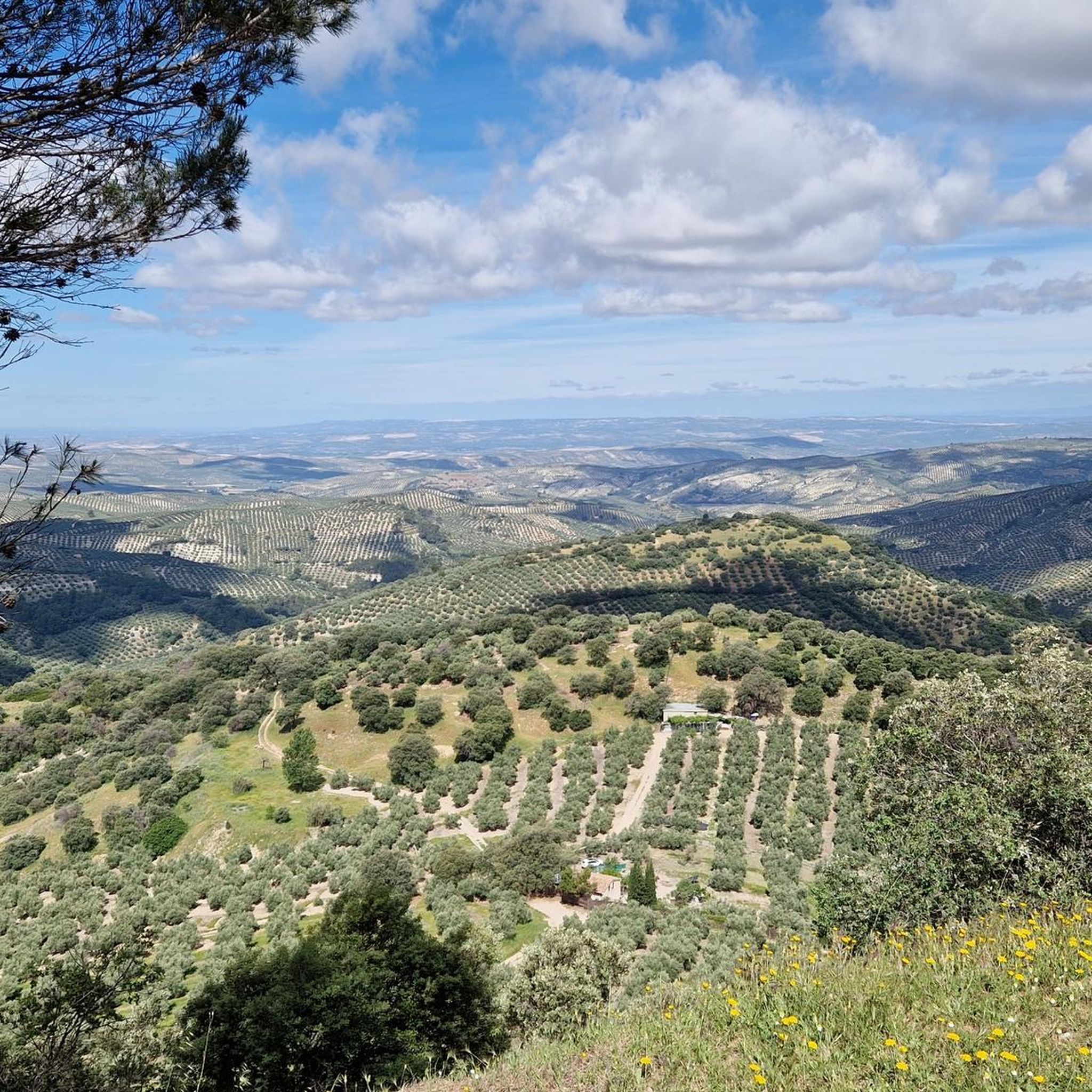
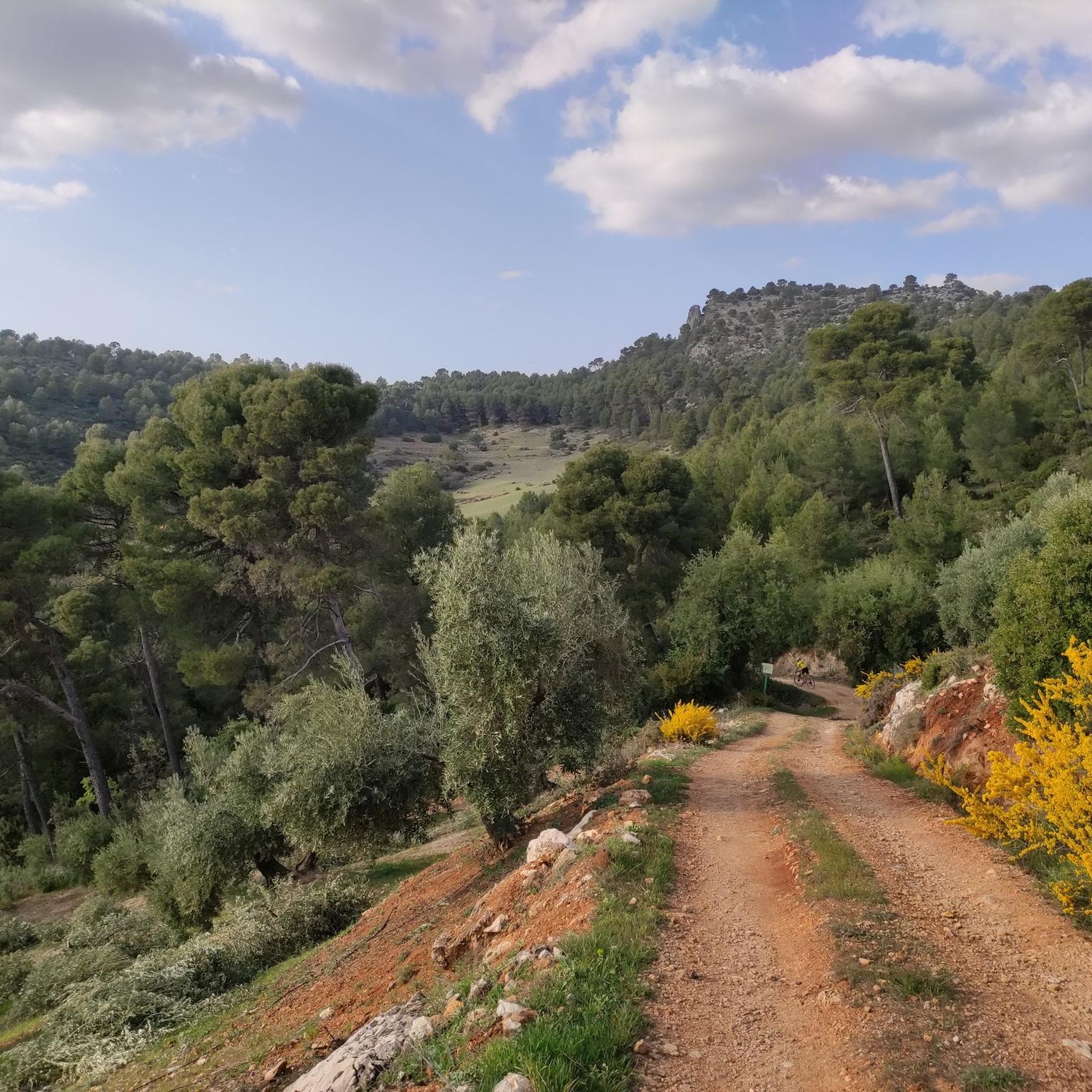
Touring cycling around Chilluévar offers routes through a diverse landscape, characterized by valleys, limestone plateaus, and mountains. The region is integrated with the Sierra de Cazorla, Segura y las Villas Natural Park, providing varied terrain for cyclists. Expect to encounter rolling olive groves, numerous rivers, and significant elevation changes. This area provides a dynamic environment for exploring Andalusia's natural features.
Best touring cycling routes around Chilluévar
- The most popular touring cycling route is Cazorla - Gilillo Loop, a 20.1…
Last updated: April 28, 2026
10
riders
32.4km
03:04
920m
920m
This difficult 20.1-mile gravel touring cycling route through Cazorla y la Iruela offers stunning mountain views and historic landmarks.
20.7km
01:35
130m
130m
Easy 12.9-mile touring cycling route along the Guadalquivir River in Parque Natural de las Sierras de Cazorla, Segura y Las Villas.

Sign up for free
42
riders
41.3km
04:15
1,200m
1,200m
Hard bike ride. Very good fitness required. Mostly paved surfaces. Suitable for all skill levels.
5.0
(1)
19
riders
40.1km
03:20
930m
940m
Hard bike ride. Very good fitness required. Mostly paved surfaces. Suitable for all skill levels.
5.0
(1)
9
riders
48.6km
04:33
1,290m
1,290m
Hard bike ride. Very good fitness required. Mostly paved surfaces. Suitable for all skill levels.
Get access to more routes and recommendations from other explorers.
Sign up for free
Already have an account?
Our route recommendations are based on thousands of hikes, rides, and runs completed by other people on komoot.
Start today with a free account
Your next adventure awaits.
Login or Signup
Tips from the Community

From this viewpoint, we will have the opportunity to contemplate a beautiful panorama in which the castle of Las Cinco Esquinas stands out on the left, located on the Loma del Castillo. In front is the castle of La Yedra together with the urban center of Cazorla. And to the right, Pollos de la Escaleruela, Cerro de la Laguna, and Peña de los Halcones can be seen.
0
0
El Refugio del Collado Zamora (often associated with the route to Gilillo) is a rehabilitated forest refuge located in the Sierra de Cazorla, key to the GR-247 trail. It is frequently used as a starting point or stopover to ascend to Gilillo or connect to areas such as Cuerda del Gilillo.
0
0


Cazorla is a gateway to the vast Sierras de Cazorla, Segura y Las Villas Natural Park, renowned for its natural beauty, rich biodiversity and the Guadalquivir River which rises there
15
0

The ruins of the Church of Santa María in Cazorla are one of the town's most emblematic and unique monuments, both for their history and their location and architecture. Work began in the 16th century, probably under the direction of the Renaissance architect Andrés de Vandelvira, although it was never fully completed. It was built over the Cerezuelo River, which necessitated channeling the river beneath the church through a large vault.
5
0

The Iglesia de San Pedro y San Pablo in Quesada has a rich history dating back to the 14th century. The church was built on the site of an old Visigothic church that was later converted into a mosque under the Moors. After the definitive reconquest of Quesada by the Christians on 29 June 1310, the church was given its current name in honour of the apostles San Pedro and San Pablo. The church is built in the neoclassical style and has a plan in the form of a Latin cross. The interior consists of three naves, of which the central nave is higher. The cross arch of the transept is an oval dome, and there is a high choir at the bottom. The church also has a tower with four sections, of which the first two are made of masonry and the last two of tombstones. Interior: The interior of the church is richly decorated with baroque elements and neoclassical details. The wooden cross arches and the famous wall decorations are beautifully preserved. Exterior: The exterior of the church is less striking, but the 18th century bronze-hinged entrance gate is a highlight.
8
0
The Restos de Columnas in Quesada refer to the ruins of an ancient Roman temple found in the city. These ruins are located around the Plaza de la Lonja and the Iglesia de San Pedro y San Pablo. The area is known for its rich archaeological finds and offers a glimpse into the Roman history of the region.
10
0
The Arco de la Mantita de Utrera is a historical monument in Quesada, Jaén. This arch is one of the gateways to the old fortified city of Quesada. It is an important symbol of the city and offers a glimpse into its rich history. The arch dates back to the 14th century and is built in the Gothic style. It was originally a gateway to the city walls. The arch is named after a statue of the Virgen de la Consolación de Utrera, which was originally placed in the arch. The name "Mantita de Utrera" comes from a woman from Utrera who placed a statue of the saint in the arch. The arch is built in the Gothic style, with a pointed arch and decorative elements such as modillions.
2
0
Frequently Asked Questions
How many touring cycling routes are available around Chilluévar?
There are over 35 touring cycling routes around Chilluévar documented on komoot. These routes cater to various skill levels, with options ranging from easy paths to challenging mountain ascents within the Sierra de Cazorla, Segura y las Villas Natural Park.
Are there any easy touring cycling routes suitable for beginners or families?
Yes, for a gentler experience, the Pasillo de Vida Trail is an easy 20.7 km path that often follows river courses, offering a pleasant ride through the region's natural surroundings. It features minimal elevation gain, making it ideal for those seeking a less strenuous outing.
What kind of challenging routes can I find for touring cycling in Chilluévar?
Chilluévar offers several challenging routes for experienced touring cyclists. For instance, the Cazorla - Gilillo Loop is a difficult 32.4 km route with significant elevation gain, taking you through mountainous terrain. Another demanding option is the Cazorla – Cazorla loop, which spans 48.5 km with over 1290 meters of ascent.
Are there circular touring cycling routes available?
Yes, many routes around Chilluévar are circular, allowing you to start and end in the same location. A notable example is the Cazorla – Collado Zamora Refuge loop from Cazorla, a 41.3 km trail that takes you through the stunning Sierra de Cazorla Natural Park.
What are the best times of year to go touring cycling in Chilluévar?
The region around Chilluévar, being part of Andalusia, generally offers pleasant cycling conditions for much of the year. Spring and autumn are often ideal, with milder temperatures and lush landscapes. Summers can be hot, especially in July and August, so early morning or late afternoon rides are recommended during these months. Winters are generally mild but can bring cooler temperatures and occasional rain, particularly at higher elevations within the natural park.
What natural features or landmarks can I expect to see along the routes?
The touring cycling routes around Chilluévar are rich in natural beauty and historical sites. You can encounter diverse scenery from rolling olive groves to river valleys and mountainous backdrops. Notable landmarks include the Ruins of the Church of Santa María, the impressive La Yedra Castle, and the scenic Pico Gilillo. The area is also home to the sources of major rivers like the Guadalquivir and Segura.
Are there any waterfalls accessible by touring bike routes?
Yes, the region boasts several beautiful waterfalls. You might encounter the Malena Waterfall or the Linarejos Waterfall. Some routes also pass near the Borosa trail and tunnels, which features stunning water formations.
What do other touring cyclists say about the routes in Chilluévar?
The touring cycling routes around Chilluévar are highly regarded by the komoot community, holding an average rating of 4.7 out of 5 stars from over 10 reviews. Cyclists frequently praise the diverse scenery, from olive groves to mountain views, and the varied terrain that offers something for every skill level.
Is it possible to access the cycling routes using public transport?
While Chilluévar is well-integrated into the natural park, public transport options directly to trailheads with bike carriage facilities can be limited. It's advisable to check local bus services for routes connecting to larger towns like Cazorla, which might offer more transport links. Planning your journey in advance is recommended.
Where can I find parking for my car when cycling in Chilluévar?
Parking is generally available in and around Chilluévar, particularly in the main village areas. When starting a route that delves into the Sierra de Cazorla, Segura y las Villas Natural Park, look for designated parking areas near popular trailheads or visitor centers. Always ensure your parking spot is legal and safe, especially in natural park areas.
Are there any permits required for cycling within the Sierra de Cazorla, Segura y las Villas Natural Park?
Generally, touring cycling on established roads and marked trails within the Sierra de Cazorla, Segura y las Villas Natural Park does not require specific permits for individual recreational use. However, for certain restricted areas, large group events, or specific activities, permits might be necessary. It's always best to consult the official website of the Natural Park or local tourist information centers for the most up-to-date regulations before your trip.
Are there cafes or places to stop for refreshments along the touring cycling routes?
While some routes venture into more remote natural areas, many pass through or near small villages and towns where you can find cafes, restaurants, and local shops. Larger towns like Cazorla, often a starting point for many routes, offer ample options for refreshments and meals. It's always a good idea to carry sufficient water and snacks, especially on longer or more isolated sections.
Most popular attractions around Chilluévar

Get inspired with the komoot mobile app


Explore more
Browse the best Cycling routes in other regions.
