Attractions and Places To See around Llanera - Top 20
Best attractions and places to see around Llanera, a municipality in Asturias, Spain, are primarily characterized by their rich historical and religious significance. The region is home to several pre-Romanesque monuments and important religious buildings, many of which are recognized as UNESCO World Heritage sites. These landmarks are often situated amidst the natural landscape, offering both cultural exploration and scenic views.
Best attractions and places to see around Llanera
- The most popular attractions is Cathedral of San Salvador in Oviedo…
Last updated: June 22, 2026
Cathedral of San Salvador in Oviedo
Highlight • Religious Site
Translated by Google •
Tip by

Saint Mary of Naranco
Highlight • Historical Site
Translated by Google •
Tip by
Sign up now to discover places like this
Get recommendations on the best single tracks, peaks, & plenty of other exciting outdoor places.
Sign up for free
Ponte de Galiñeiro
Highlight • Bridge
Translated by Google •
Tip by
Church of San Miguel de Lillo
Highlight • Religious Site
Translated by Google •
Tip by
Sacred Heart of Jesus Monument (Monte Naranco)
Highlight • Monument
Translated by Google •
Tip by

Sign up for free to discover even more attractions around Llanera.
Sign up for free
Already have an account?
Start today with a free account
Your next adventure awaits.
Login or Signup
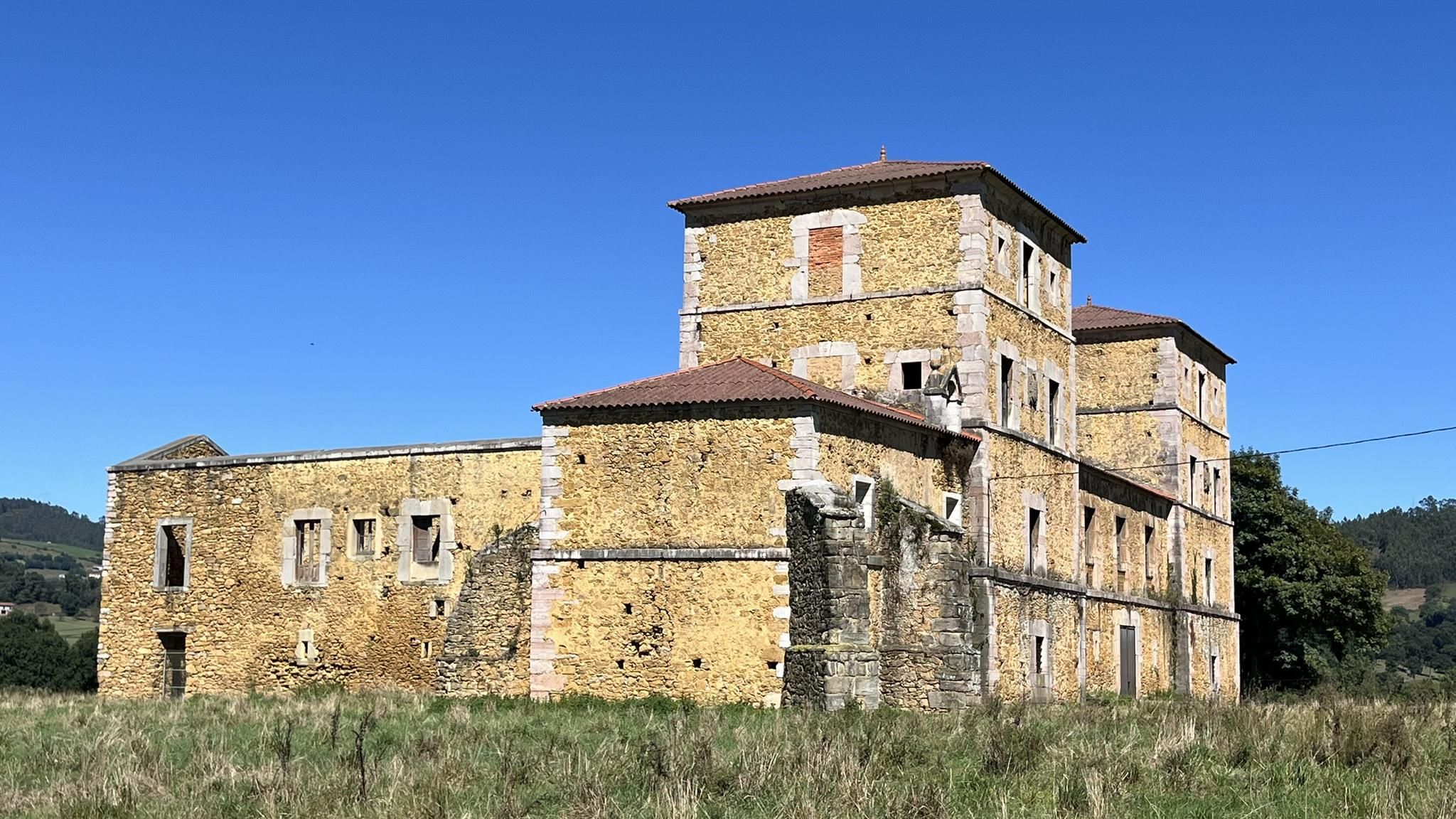
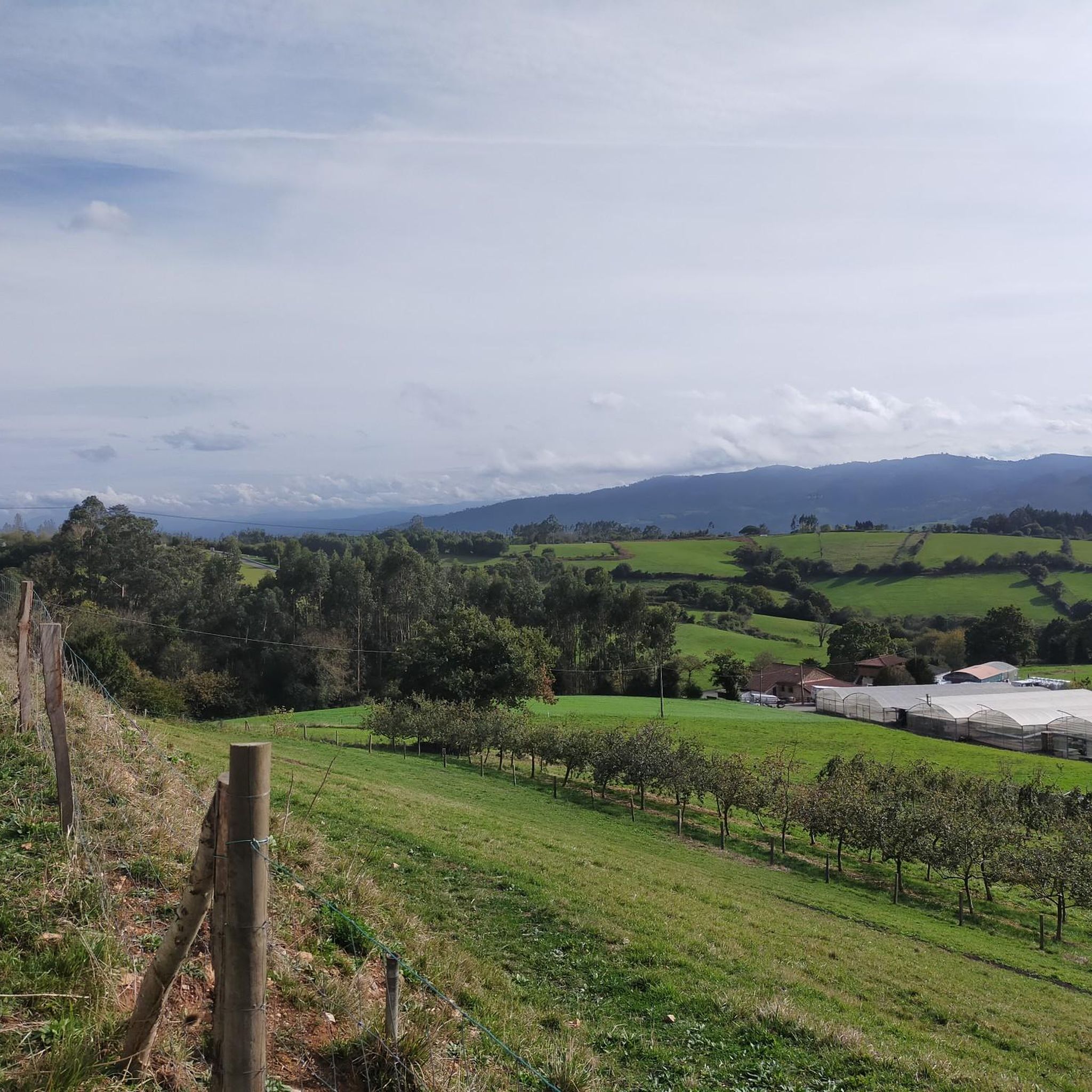
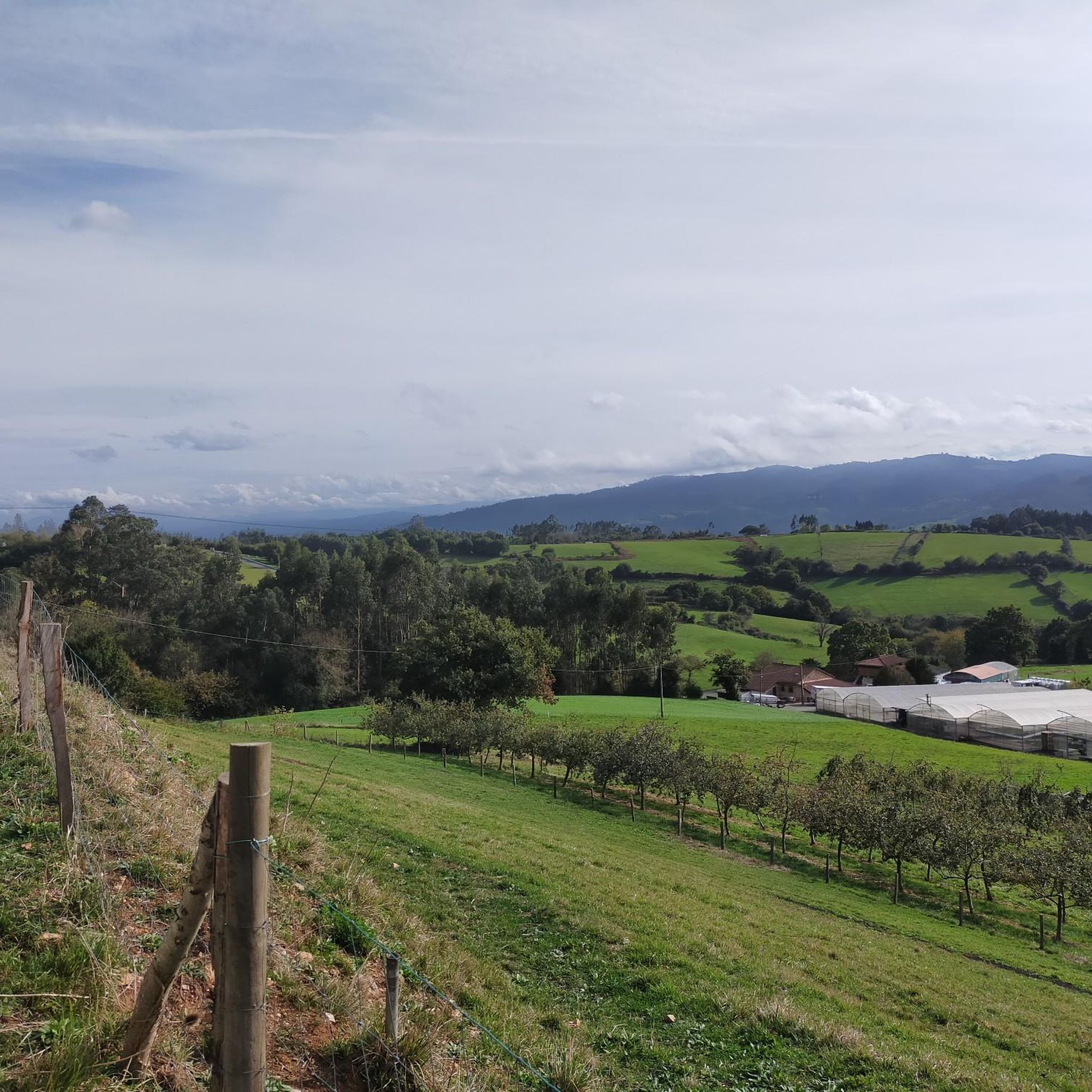
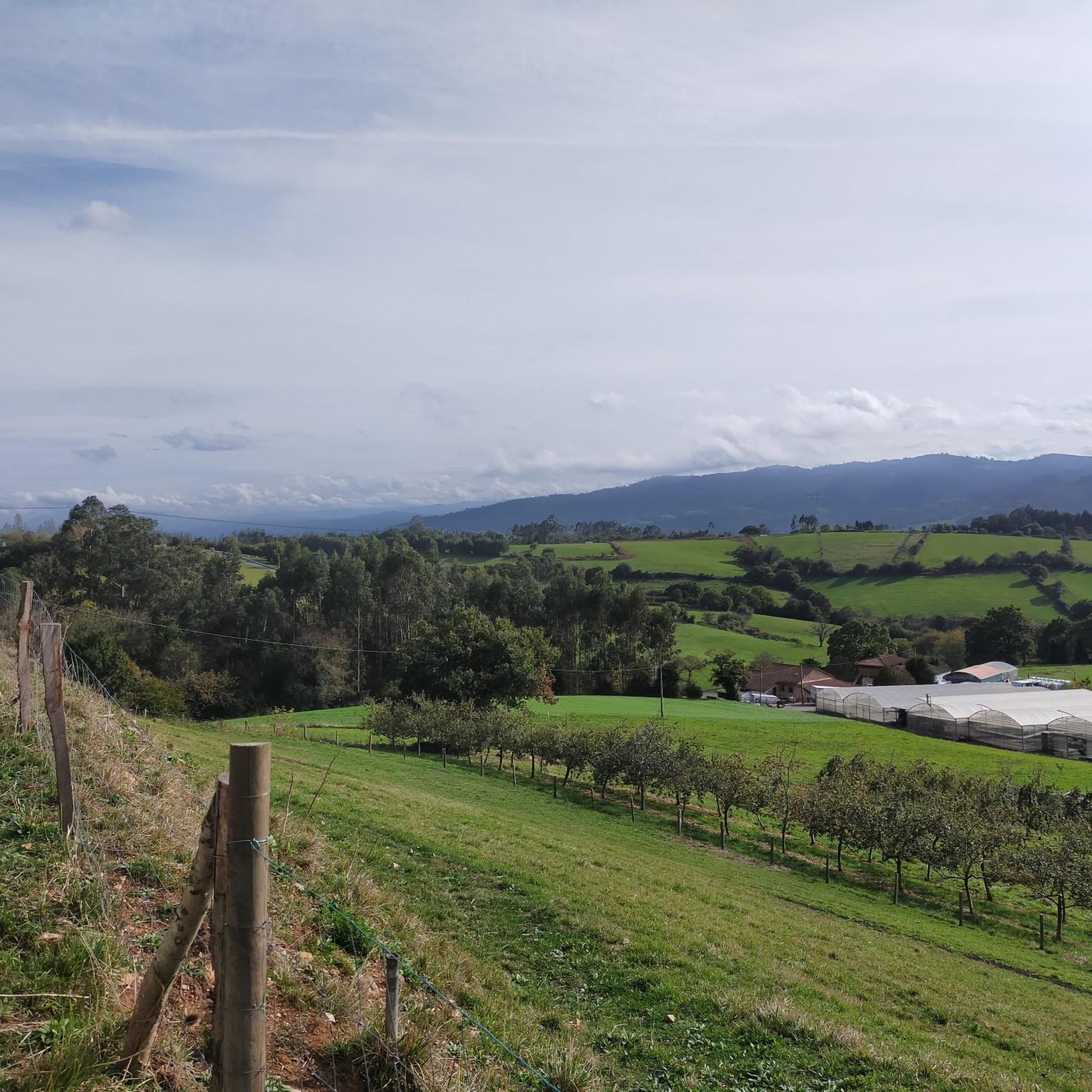
Other adventures around Llanera

Tips from the Community

This important place of worship—as a cathedral, the most important church not only in the city but in the entire archdiocese—bearing the title "San SALVADOR" was not dedicated to one of the many people we venerate as blessed or saints and ask for their heavenly intercession with God. Rather, it is dedicated to the incarnate Son of God, Jesus Christ, our Redeemer and Savior.
1
1


A classic within everyone's reach
0
0

Construction of the current cathedral began in the 14th century on this historically significant square. The magnificent towers that characterize the cathedral were completed by the middle of the 14th century, which is why the cathedral has many Gothic elements.
3
0

Currently, the Cathedral of El Salvador is experiencing a golden age, with the strong dynamism experienced in recent times by the Camino Primitivo, which maintains a constant flow of pilgrims and tourists throughout the year.
2
0

Los gets an der Catedral de San Salvador de Oviedo.
1
1

Most pilgrims go to the Cathedral of San Salvador and very few go up to the 35-meter-high sculpture of Jesus. There is a beautiful path from here to Ules, from where you can return to the Camino Primitivo. The view over Oviedo from up here is definitely worth it.
2
0

Beautiful view of Oviedo from Mount Narranco, near the statue of Christ.
0
0
Frequently Asked Questions
What historical and religious sites can I visit around Llanera?
The region around Llanera is rich in historical and religious significance, particularly with pre-Romanesque monuments. You can explore the magnificent Cathedral of San Salvador in Oviedo, known for its important relics like the Shroud of Oviedo. Also, visit Saint Mary of Naranco and the Church of San Miguel de Lillo, both unique pre-Romanesque structures and UNESCO World Heritage sites.
Are there any family-friendly attractions in the area?
Yes, several attractions are suitable for families. Saint Mary of Naranco and the Church of San Miguel de Lillo are both marked as family-friendly historical sites. The Ponte de Galiñeiro, a 13th-century bridge, is also a family-friendly historical spot. Additionally, the Sacred Heart of Jesus Monument on Monte Naranco offers impressive views that families can enjoy.
Where can I find the best viewpoints around Llanera?
For stunning panoramic views, head to the Sacred Heart of Jesus Monument on Monte Naranco. From this elevated location, you can enjoy beautiful vistas of Oviedo and the surrounding landscape.
What outdoor activities can I do near these attractions?
The area around Llanera offers various outdoor activities. You can explore numerous hiking trails, with options ranging from easy to moderate, such as the 'Covarones de Tuernes Cave loop' or the 'Friera Peak loop'. For cyclists, there are extensive road cycling routes and gravel biking opportunities. You can find more details on specific routes in the hiking guide, road cycling guide, and gravel biking guide for Llanera.
Are there any easy walking routes suitable for all abilities?
Yes, there are easy walking routes available. For instance, the 'Covarones de Tuernes Cave loop from Río Nora' is an easy 4.8 km hike. Another accessible option is the 'La Morgal Airfield Circuit loop from Lugo de Llanera', which is about 5.7 km. You can find more details in the hiking guide for Llanera.
What is special about the Cathedral of San Salvador in Oviedo?
The Cathedral of San Salvador in Oviedo is a significant religious building whose construction spanned three centuries. It is particularly notable for housing important relics, including the Shroud of Oviedo, which historically made it a crucial pilgrimage destination. Medieval pilgrims often visited Oviedo, even if it was not on their direct route to Santiago de Compostela, due to the cathedral's spiritual importance.
What is the history behind Saint Mary of Naranco?
Saint Mary of Naranco is a unique pre-Romanesque structure, originally built in the mid-9th century under Asturian King Ramiro I. Its initial purpose is debated, possibly serving as a palace, royal hall, or belvedere. It is now part of a UNESCO World Heritage site, recognized for its distinctive architecture and historical significance.
Can you tell me more about the Church of San Miguel de Lillo?
The Church of San Miguel de Lillo is a pre-Romanesque religious building, also constructed by King Ramiro I on Mount Naranco. Unfortunately, only about a third of its original structure remains today, as parts of it collapsed, possibly due to land displacement. Despite this, it is a UNESCO World Heritage site and stands as a testament to early Asturian architecture.
What do visitors enjoy most about the attractions around Llanera?
Visitors particularly appreciate the rich historical and religious significance of the area. The pre-Romanesque monuments, many of which are UNESCO World Heritage sites, offer a deep dive into the region's past. The blend of cultural exploration with scenic views, especially from viewpoints like the Sacred Heart of Jesus Monument, is also highly valued by the komoot community.
Are there any historical bridges to see?
Yes, you can visit the Ponte de Galiñeiro. This bridge, which crosses the Nora river, dates back to the 13th century. Although it was destroyed in 1934 and later rebuilt, it retains its historical charm and is an interesting landmark.
What kind of cycling routes are available near Llanera?
Llanera is a great base for cycling enthusiasts. You can find a variety of routes for both road cycling and gravel biking. Road cyclists can explore routes like the 'Trubia, Dosango, and Alto del Escamplero Loop' or the 'Alto de la Miranda – Embalse de Trasona loop'. For gravel biking, options include the 'Stone Bridge of Proaza – Mine Railway Tunnel loop'. More details are available in the road cycling guide and gravel biking guide.
Most popular routes around Llanera
Most popular attractions around Llanera

Get inspired with the komoot mobile app


Explore more
Still not found the Highlight you’re looking for? See guides of the top attractions in other regions:
