Attractions and Places To See around Pantón - Top 20
Best attractions and places to see around Pantón include a rich array of historical, cultural, and natural sites. Located in the Lugo province of Spain, Pantón is defined by the Miño, Cabe, and Sil rivers, earning it the moniker "Galician Mesopotamia." The region is particularly noted for its Romanesque heritage and the dramatic river landscapes of the Ribeira Sacra. Visitors can explore ancient monasteries, historic churches, and natural features like waterfalls and viewpoints.
Best attractions and places to see around…
Last updated: June 23, 2026
Monastery of Santa Cristina
Highlight • Religious Site
Translated by Google •
Tip by

Belesar Bridge
Highlight • Bridge
Translated by Google •
Tip by
Sign up now to discover places like this
Get recommendations on the best single tracks, peaks, & plenty of other exciting outdoor places.
Sign up for free
Monastery of Santo Estevo de Ribas de Sil
Highlight • Religious Site
Translated by Google •
Tip by

Monastery of San Pedro de Rocas
Highlight • Religious Site
Translated by Google •
Tip by

Augacaída Waterfall
Highlight • Waterfall
Translated by Google •
Tip by
Sign up for free to discover even more attractions around Pantón.
Sign up for free
Already have an account?
Start today with a free account
Your next adventure awaits.
Login or Signup
Tips from the Community

It is a magnificent example of rural Galician Romanesque architecture. The original building is from the 12th century, and preserves carvings from the 16th century and baroque altarpieces from the 18th century. The entrance to the cloister has a Romanesque doorway with lobed arches and a magnificent sculptural pantheon. The economic power of the monks of the Sil reached a notable splendour in the 12th century, when they received royal privileges and papal protection to expand the monasteries and sanctuaries on both banks of the Sil, a territory with a strong historical and cultural personality, called Rivoyra Sacrata at that time and known since then as Ribeira Sacra.
1
0

The Monastery of San Pedro de Rocas is one of the oldest and most unique monasteries in Galicia, located in the municipality of Esgos, in the province of Ourense. This monastery stands out for being partially excavated in the rock, which gives it a unique and mysterious character. The foundation of the monastery dates back to the 6th century, although most of the structures visible today date from the 9th and 10th centuries. The monastery church is composed of three naves excavated in the rock, with a series of anthropomorphic tombs also carved in the stone. Outside, you can see a bell tower that was added in the 15th century. San Pedro de Rocas is known not only for its architecture, but also for its natural environment, surrounded by forests and mountains, making it a place of great beauty and tranquility. The monastery has been declared a Historic-Artistic Monument and is an important tourist and pilgrimage destination.
6
2
The Belesar Bridge is a significant construction in the Ribeira Sacra region of Galicia. This bridge crosses the Miño River and connects the towns of Chantada and O Saviñao. Originally, there was a Roman bridge at this location, but the Fenosa company built the current bridge on the large and strong pillars of the original, which can still be seen in times of high drought. The village of Belesar, divided on both sides of the Miño River, is known for the beauty of its landscape, its vineyards and as a historical crossing point between the Chantada region and the Tierras de Lemos. In addition, it is a prominent place in the production of cherries and has a pier from where river routes depart along the Miño River. The bridge is also part of the Winter Way to Santiago de Compostela, an alternative route to the traditional French Way that was used by the Romans to avoid mountainous areas during the harshest months of winter. 🚶♀️🌄😎🌉
19
0

Perfect view of the Miño River. Some people dare to jump into the river from above 🤩👏
7
0


The monastery of Santo Estevo de Ribas de Sil is one of the most outstanding and spectacular complexes of the rich monumental heritage of Galicia. It was built between the 12th and 18th centuries. This monastery was important, because nine bishops retired to it and renounced their episcopal sees and chose the monastery to end their days throughout the 10th century and perhaps part of the 11th. The monastery kept his remains and as a souvenir it carried the nine miters on its shield. The church has a basilica plan, spacious and proportioned. It preserves the Romanesque apse with three apses, the central one being lower than the lateral ones, an unusual case in Galician Romanesque. The façade of the church is from the end of the 16th century or beginning of the 17th century. At the top there is a simple oculus that gives light to the interior and ends in a niche inside which is the image of Saint Stephen.
1
0

The walk is generally relatively easy - apart from the last 100m - where there are stairs and rocky steps to climb. Not suitable for people with walking difficulties!
2
0
The Augacaída fervenza is located in the Ribeira Sacra of Lugo, in the parish of Marce in the municipality of Pantón. This fervenza, a word that in Galician designates a waterfall, is largely unknown, even to people from Galicia, but the truth is that it is one of the highest in the community, since its waters fall from more than 40 meters Tall.
11
0
Frequently Asked Questions
What historical and religious landmarks can I visit in Pantón?
Pantón is rich in historical and religious sites. You can explore the Monastery of Santa Cristina, a significant example of rural Galician Romanesque architecture with 12th-century origins. Another notable site is the Monastery of Santo Estevo de Ribas de Sil, known for its Romanesque apse and centuries of architectural development. The region also boasts the Cistercian Monastery of Divino Salvador de Ferreira de Pantón, which has continuously maintained its monastic function, and numerous other Romanesque churches like San Miguel de Eiré and San Vicente de Pombeiro.
What natural features and viewpoints can I explore in Pantón?
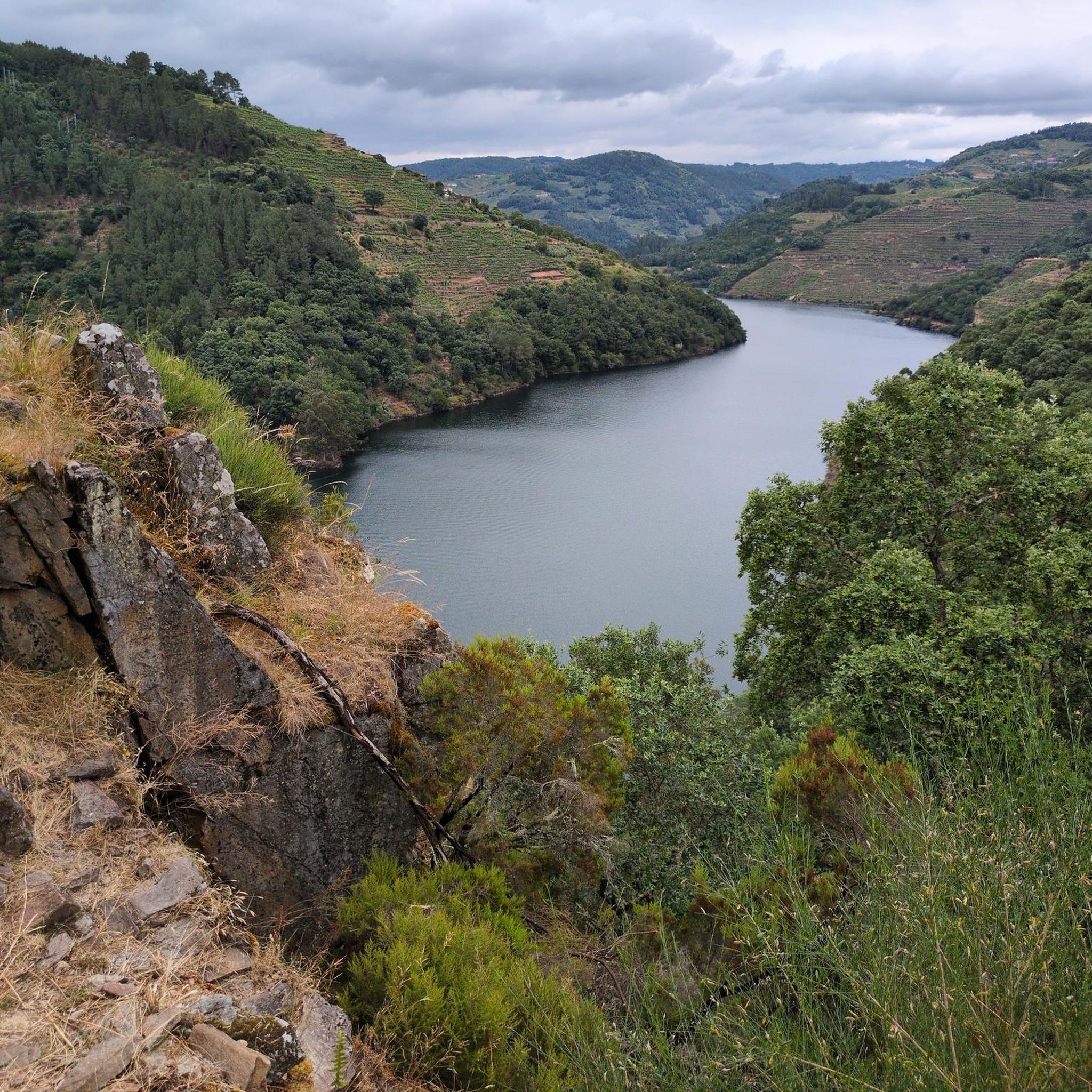
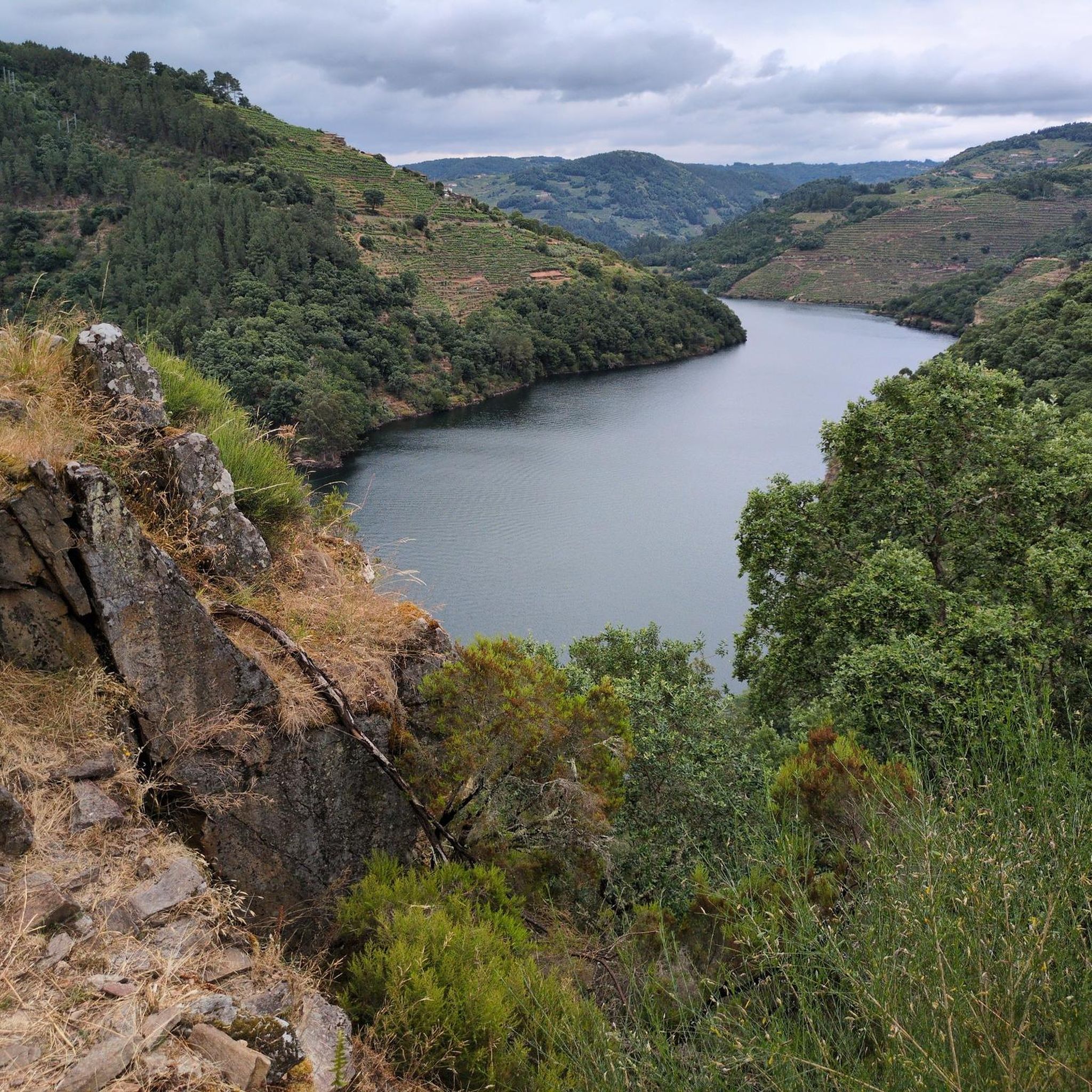
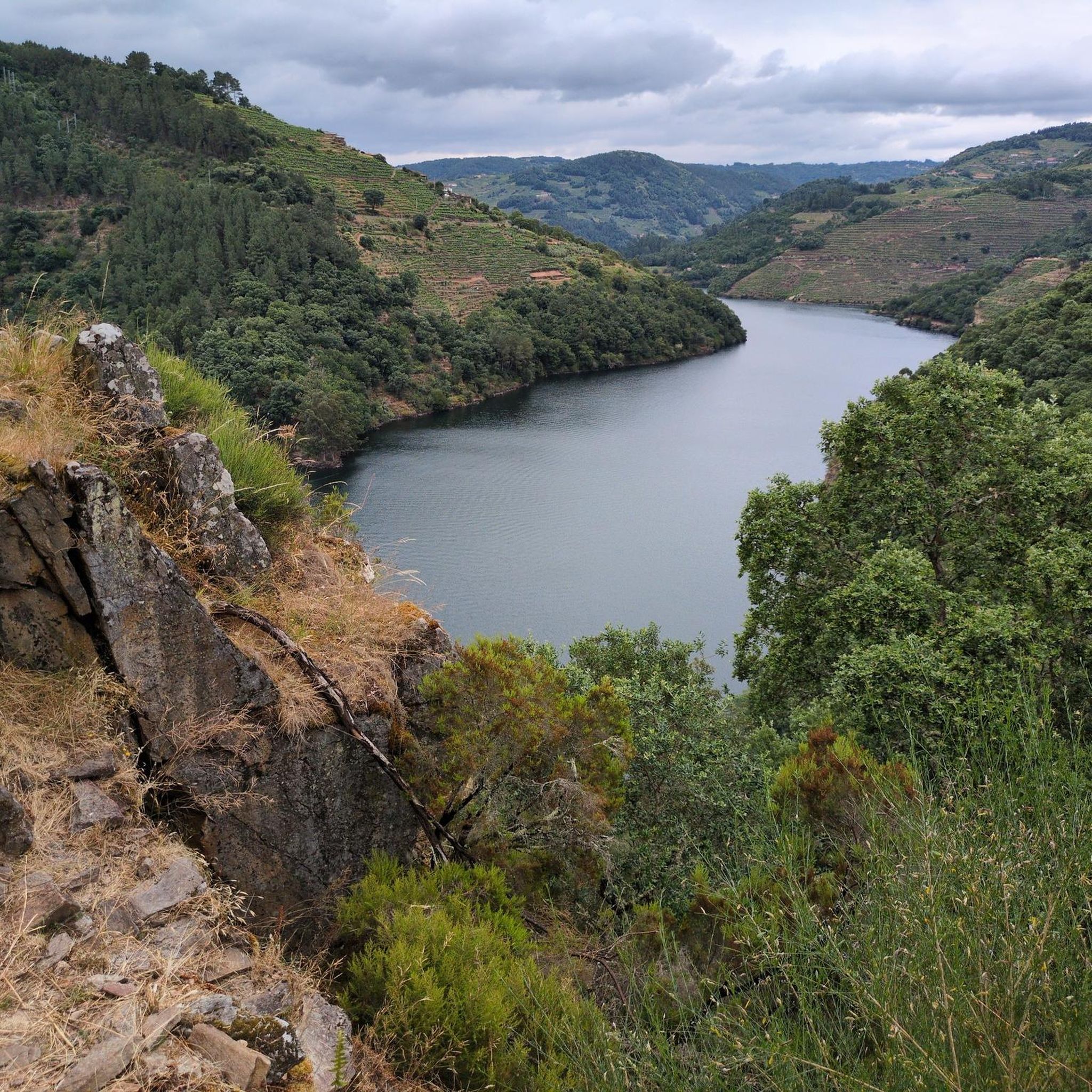
Pantón offers stunning natural beauty, particularly within the Ribeira Sacra. The Augacaída Waterfall is a must-see, with its impressive 40-meter drop. For panoramic views, visit the Cividade Viewpoint, which offers spectacular vistas of the Ribeira Sacra landscape, including the Cabe River valley and terraced vineyards. The area is also defined by the Miño, Cabe, and Sil rivers, providing picturesque river landscapes.
Are there hiking opportunities near Pantón's attractions?
Yes, Pantón is an excellent destination for hiking, with diverse landscapes from riverbanks to forest trails. You can find several routes, including the 'Augacaída Waterfall and Castro de Marce – circular from Marce' which is an easy 4.9 km hike. For more options, explore the Hiking around Pantón guide, which features routes of varying difficulties.
What is the best time of year to visit Pantón?
The best time to visit Pantón generally depends on your preferred activities. For hiking and enjoying the natural landscapes, spring and autumn offer pleasant temperatures and lush scenery. The region's vineyards are particularly beautiful during harvest season in late summer/early autumn. Summer is ideal for water activities in the rivers, though it can be warmer.
Are there any easy or family-friendly walks around Pantón?
Yes, there are easy walking routes suitable for families. The 'Augacaída Waterfall and Castro de Marce – circular from Marce' is an easy 4.9 km route that takes you through native forests to the impressive Augacaída Waterfall and the remains of a pre-Roman hillfort. You can find more easy routes in the Hiking around Pantón guide.
What cycling routes are available near Pantón?
Pantón and its surroundings offer various cycling routes. For road cycling, you can find challenging routes like the 'Mao Walkways – Cabezoás Viewpoint loop from Os Peares'. If you prefer touring, an easy option is the 'Monforte de Lemos - Loop along the' route. Discover more options in the Road Cycling Routes around Pantón and Cycling around Pantón guides.
What do visitors enjoy most about the attractions in Pantón?
Visitors particularly appreciate the blend of historical richness and natural beauty. The ancient monasteries and Romanesque churches offer a deep dive into Galician heritage, while the dramatic river landscapes of the Ribeira Sacra, including viewpoints and waterfalls, provide breathtaking natural spectacles. The komoot community has shared over 36 photos and given more than 40 upvotes, highlighting the area's appeal.
Are there opportunities for swimming or water activities in Pantón?
Yes, the rivers that define Pantón, especially the Cabe River, offer opportunities for water activities. There is a designated bathing area in Areas along the Cabe River, perfect for cooling off during warmer months.
What kind of local cuisine and wine can I experience in Pantón?
Pantón's gastronomy emphasizes authentic local products. The region is part of the Ribeira Sacra Designation of Origin, famous for its Mencía and Godello wines, which you can taste at local wineries. Traditional dishes include 'lacón con grelos' (pork shoulder with turnip greens), artisan 'empanadas' (savory pies), roasted goat, and fresh river trout.
Are there any lesser-known attractions worth discovering in Pantón?
Beyond the main highlights, Pantón is dotted with numerous smaller Romanesque churches, each with unique architectural details, offering a deeper exploration of the region's heritage. The Pazo de Ferriroa, a 19th-century manor house, though typically closed to the public, offers a glimpse into Galician nobility from the outside, preserving its original decoration and furniture.
What is the significance of the Ribeira Sacra region to Pantón?
Pantón is an integral part of the Ribeira Sacra, a region renowned for its spectacular river landscapes, particularly the steep, terraced vineyards along the Sil and Miño rivers. This area is not only visually stunning but also culturally significant for its viticulture and concentration of ancient monasteries and churches, earning it the name 'Sacred Riverbank'.
Most popular attractions around Pantón

Get inspired with the komoot mobile app


Explore more
Still not found the Highlight you’re looking for? See guides of the top attractions in other regions:
