Attractions and Places To See around Moneva - Top 6
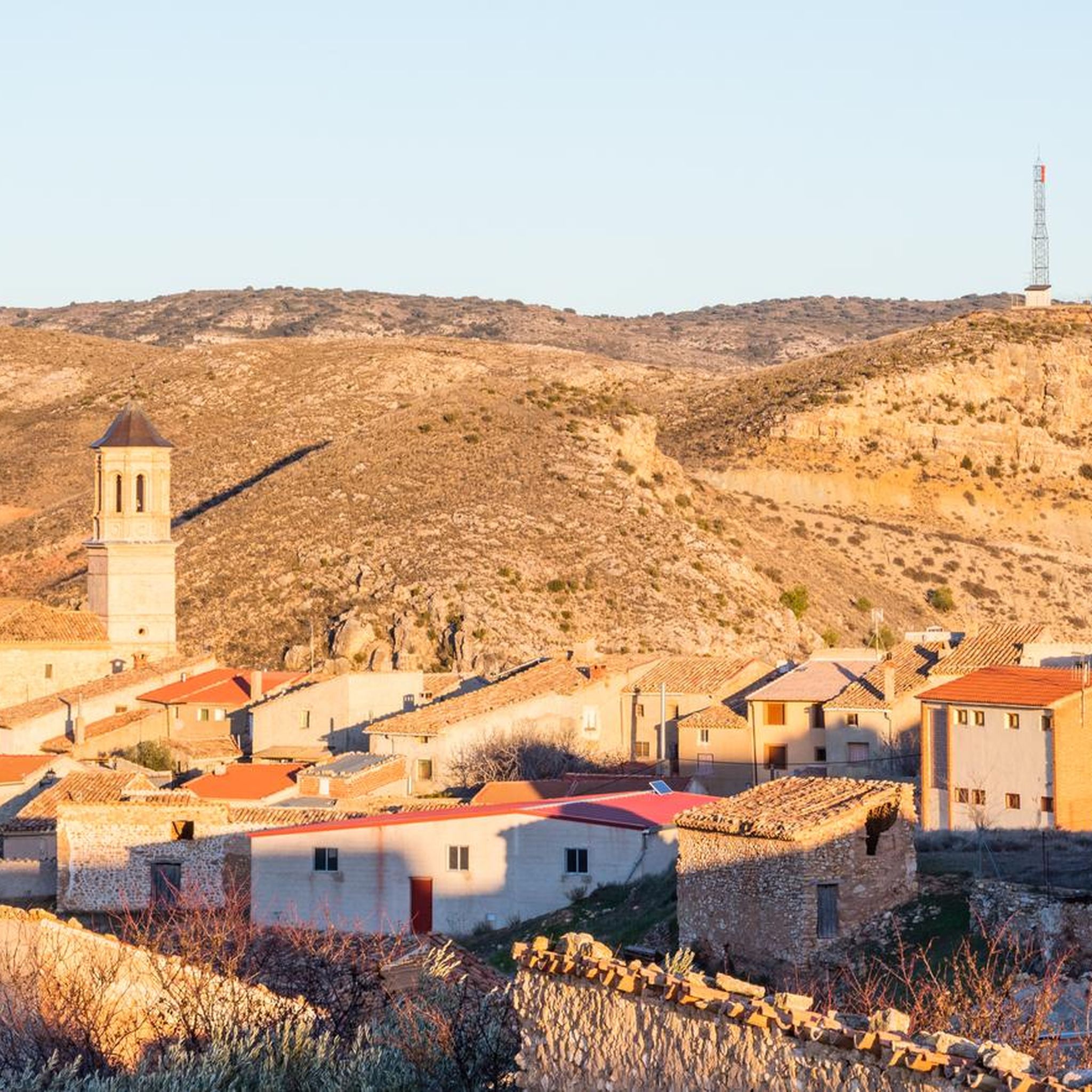
Best attractions and places to see around Moneva, a municipality in Zaragoza, Spain, include a mix of historical sites and natural features. The town is characterized by narrow streets and whitewashed houses, with the Church of St. Eulalia at its highest point. The area is crossed by the Aguasvivas river and features the Moneva reservoir to the north. Visitors can explore geological interests, cultural landmarks, and scenic routes within the region.
Best attractions and places to see around Moneva
- The…
Last updated: June 29, 2026
Moyuela watering trough
Highlight • Monument
Translated by Google •
Tip by

Estrecho de la Parada
Highlight • Trail
Translated by Google •
Tip by

Sign up now to discover places like this
Get recommendations on the best single tracks, peaks, & plenty of other exciting outdoor places.
Sign up for free
Muniesa
Highlight • Settlement
Translated by Google •
Tip by

Mortero Ravine Viewpoint
Highlight • Viewpoint
Translated by Google •
Tip by

Moneva
Highlight • Settlement
Translated by Google •
Tip by
Sign up for free to discover even more attractions around Moneva.
Sign up for free
Already have an account?
Start today with a free account
Your next adventure awaits.
Login or Signup
Popular around Moneva

Tips from the Community

The Mortero ravine viewpoint is accessible via a paved path. It has a guide plinth, a rest area with adapted benches, a gazebo, an interpretive panel with Braille and a QR code that links to online audiovisual resources.
0
0

Precious pictures that we see while we roll along the roads between the towns of Muniesa and Huesa del Común. A show for lovers of two wheels.
1
0

The municipality of Moneva is part of the Camp de Belchite region and is crossed by the Aguasvivas river, in an area with little vegetation and arid heaths. The municipality is also known for the Moneva reservoir, located to the north of the town.
0
0
Muniesa is a town that is located at the gates of the Iberian System, with small mountains around the town. As a curiosity, the term Muniesa comes from the Arabic MUNYA 'IṢA', the country house (with land) of Jesus.
0
0

Set consisting of a public fountain, water trough and laundry, following the Renaissance model. The fountain is a singular construction of seated and carved stone, with a vault arch, under which there are three pipes, which pour water to connect with the adjoining trough The trough presents a solid construction of sandstone ashlars, formed by a front wall and a long channel through which the water flows. In its upper central part you can see an old inscription on the stone that dates it to the second half of the 18th century.
1
0
Frequently Asked Questions
What natural features and landscapes can I explore around Moneva?
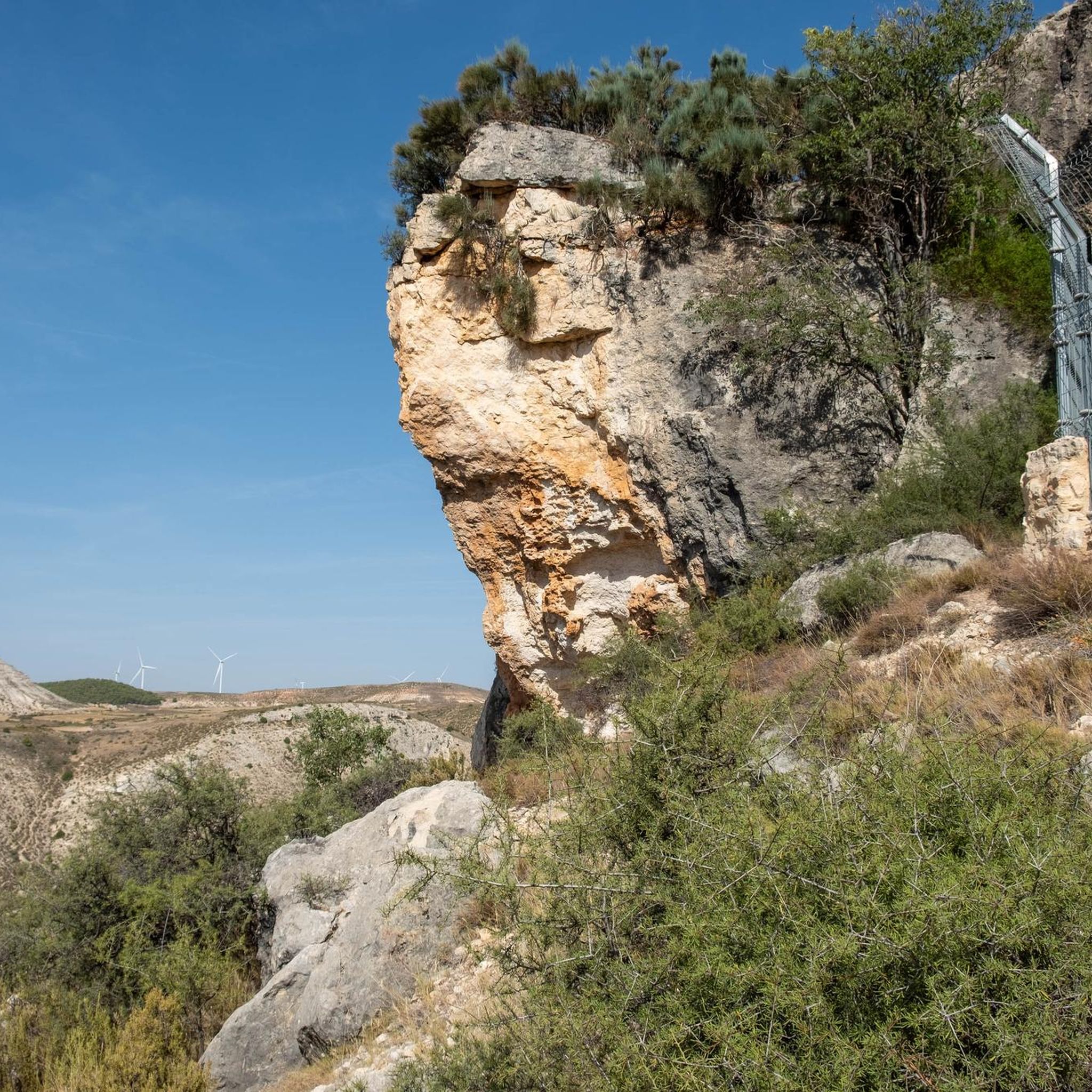
Moneva offers a variety of natural landscapes. You can visit the picturesque Moneva Reservoir, explore the unique geological formation known as the "Volcán de Moneva" (Hoya Espartera), or discover the stunning Barranco del Mortero near Alacón, which features a 20-meter waterfall during rainy periods and prehistoric cave paintings. Further afield, the impressive Sima de San Pedro sinkhole near Oliete is a significant geological and biodiversity refuge.
Are there any historical or cultural sites to visit in Moneva?
Yes, Moneva is rich in history. The town's urban core itself is charming, with narrow streets and whitewashed houses. The prominent Church of St. Eulalia, built between the 16th and 17th centuries, is a notable landmark. You can also find the traditional Moyuela watering trough, a Renaissance-model structure dating back to the 18th century, and the ancient Hermitage of Sanched with its rock-carved caves.
What are some family-friendly attractions near Moneva?
For families, exploring the town's urban core and its traditional elements like the local fountain and washing place can be an engaging activity. The Moyuela watering trough is a unique historical monument that can spark curiosity. Additionally, the Mortero Ravine Viewpoint is accessible via a paved path and includes adapted benches, making it suitable for visitors of all ages to enjoy scenic views.
What outdoor activities can I do near Moneva?
The area around Moneva is ideal for outdoor enthusiasts. You can enjoy cycling with routes like the 'Muniesa – Stone Gateposts on Dirt Road loop' or the 'Moyuela watering trough – Huesa del Común loop'. For mountain biking, options include the 'Cámaras – Balsa del Mercadal loop' or the 'Muniesa loop'. You can find more details on these and other routes in the Cycling around Moneva, Road Cycling Routes around Moneva, and MTB Trails around Moneva guides.
Are there any accessible viewpoints or trails?
Yes, the Mortero Ravine Viewpoint is designed for accessibility. It features a paved path, a guide plinth, a rest area with adapted benches, and an interpretive panel with Braille and a QR code for online audiovisual resources, making it suitable for a wide range of visitors.
What are some notable historical engineering marvels in the region?
Less than an hour from Zaragoza, you can visit the Presa Romana de Almonacid de la Cuba. This Roman gravity dam, dating back to the 1st century AD, is the tallest Roman dam preserved in the world, standing at 34 meters high. It's a Site of Cultural Interest and offers guided tours.
Where can I find scenic trails for walking or cycling?
The Estrecho de la Parada offers a scenic trail with picturesque views between the towns of Muniesa and Huesa del Común, perfect for those exploring the area on foot or by bike. Additionally, the area around the Moneva Reservoir provides beautiful natural settings for walks.
What is the best time to visit Moneva and its attractions?
Moneva and its surrounding attractions can be enjoyed throughout the year. Spring and autumn generally offer pleasant temperatures for outdoor activities like hiking and cycling. Summer can be warm, ideal for exploring the reservoir or shaded historical sites. Winter provides a different, quieter charm, though some natural features might be less accessible depending on weather conditions.
Are there any unique geological sites near Moneva?
Beyond the "Volcán de Moneva," the Barranco del Mortero near Alacón is a geological marvel, formed by the erosion of superficial waters on Upper Jurassic limestones, creating a karst landscape with shelters and fissures. The Sima de San Pedro, a massive sinkhole near Oliete, is another unique geological feature, boasting a depth of over 100 meters and a lake at its bottom.
What are some nearby towns or villages worth exploring?
The town of Moneva itself, with its traditional urban core, is worth exploring. Nearby, Muniesa is another charming town at the gates of the Iberian System. For a poignant historical experience, the Pueblo Viejo de Belchite, approximately 49 kilometers from Zaragoza, offers ruins preserved as a reminder of the Spanish Civil War, with guided tours available.
What can I expect to see in Moneva's urban core?
Moneva's urban core is characterized by its narrow streets and whitewashed houses, nestled around a hill with the Church of St. Eulalia at its highest point. Visitors can explore charming corners like the passage on Calle Alta, traditional houses on Calle Dula and Calle Batán, and discover the local fountain and washing place. Various chapels, a traditional wayside shrine (peirón Bajo), and ancient crosses from a Stations of the Cross procession can also be found.

Get inspired with the komoot mobile app


Explore more
Still not found the Highlight you’re looking for? See guides of the top attractions in other regions:
