Attractions and Places To See around La Olmeda De Jadraque - Top 20
Best attractions and places to see around La Olmeda De Jadraque include historical sites, unique natural features, and cultural heritage in this traditional Castilian village. The area is characterized by its rugged rural landscapes, ancient salt pans, and serves as a stop on the Ruta de la Lana. Visitors can explore a blend of historical architecture and natural environments, including the valleys of the Salado River. This region offers insights into traditional life and opportunities for outdoor exploration.
Best attractions…
Last updated: July 7, 2026
Sigüenza Cathedral
Highlight • Religious Site
Inside, the sepulcher and Chapel of …
Translated by Google •
Tip by

Sigüenza Castle
Highlight • Castle
Translated by Google •
Tip by
Sign up now to discover places like this
Get recommendations on the best single tracks, peaks, & plenty of other exciting outdoor places.
Sign up for free
Hermitage of the Humilladero
Highlight • Religious Site
Translated by Google •
Tip by
Casa del Doncel de Sigüenza
Highlight • Historical Site
Translated by Google •
Tip by
Puerta del Hierro of Sigüenza
Highlight • Monument
Translated by Google •
Tip by
Sign up for free to discover even more attractions around La Olmeda De Jadraque.
Sign up for free
Already have an account?
Start today with a free account
Your next adventure awaits.
Login or Signup

Tips from the Community


It is, together with the Church of San Vicente, the Center of the old Aragonese Neighborhood after the conquest of the city of Sigüenza by Alfonso I the Battler, King of Aragon, on January 22, 1024. It is an extraordinary place full of History to the which Doncel de Sigüenza also contributed.
1
0

This majestic Cathedral, origin and foundation of the greatness of Sigüenza, is a living museum of art: Romanesque, Cistercian, Gothic, Renaissance, Plateresque, Baroque, Neoclassical... Inside, the sepulcher and Chapel of his Maiden stand out, a beautiful semi-recumbent alabaster sculpture. Work on this cathedral began in the 12th century, in the year 1124, at the request of the first bishop and lord of Sigüenza, after the Reconquest, D. Bernardo de Agén. The works continued through the Late Middle Ages, the building being completed in the 15th century and, then proceeding to the erection of other dependencies (sacristies, ambulatory, etc.) and all the ornamentation, altars, etc.
8
0
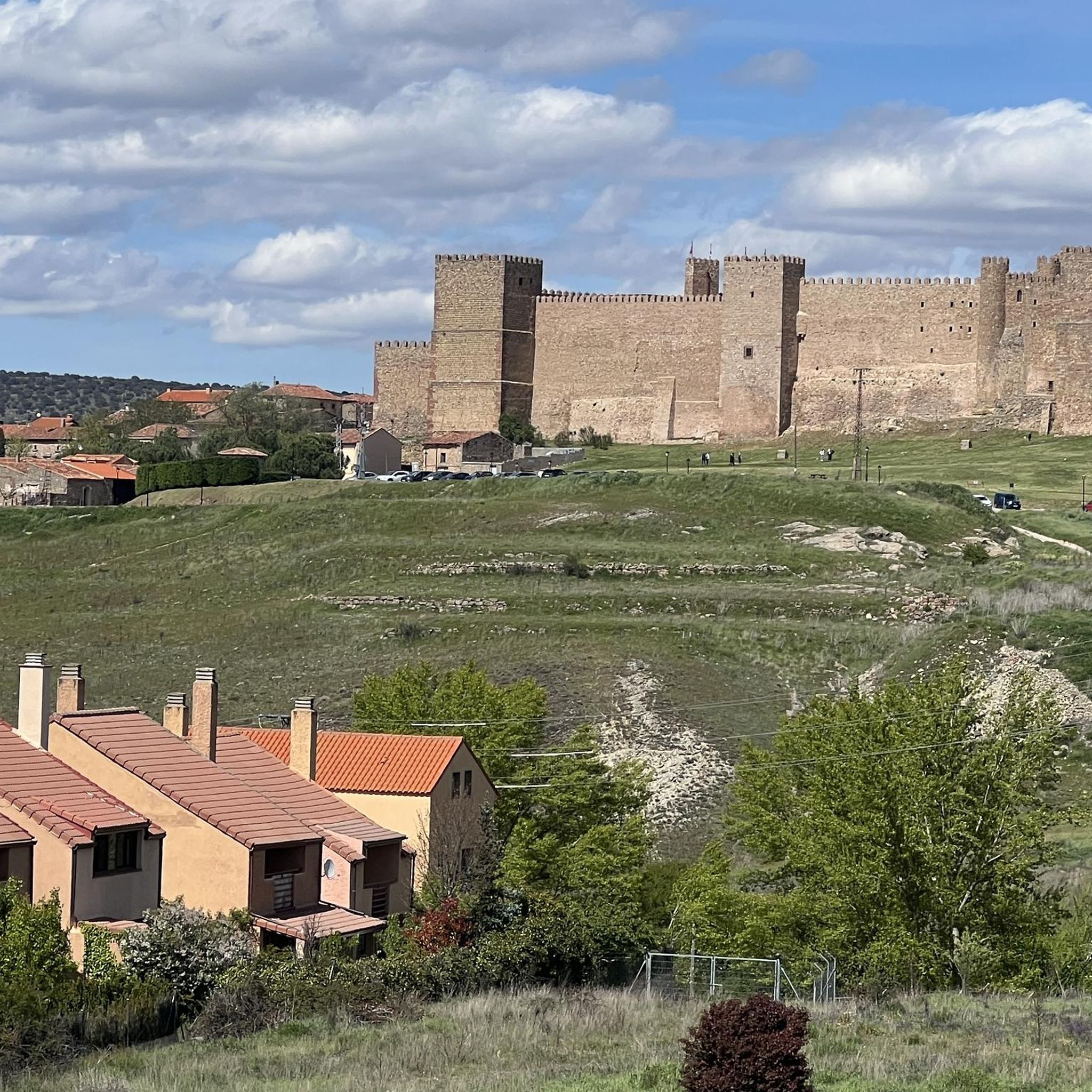
What was originally an Arab citadel, an extension of a small Visigothic castle and a Roman fort, is located at the top of Sigüenza. Construction began in the year 1123 to serve as a palace-fortress and residence of the bishops who were lords of the city for seven centuries. It has a beautiful chapel and a cell where some say that Doña Blanca de Borbón lived, until the moment of her exile, wife repudiated by Pedro I the Cruel.
11
0

Fortress located in the Spanish municipality of Sigüenza, erected in the first quarter of the 12th century on another previous Muslim one from the beginning of the 8th century.
1
0

Beautiful cathedral of the town
1
0

Located on the western edge of the city, this hermitage exemplifies the small temples that stood at the entrances of cities in the 15th and 16th centuries for travelers and hikers to rest and escape. In 1568, construction began as a closed hermitage with a Renaissance portal and Gothic vaults. This architectural anachronism is normal, as it is understood as a desire to preserve artistic traditions. At present, the Ermita del Humilladero has become a tourist information center. As it remains open all year round, you can admire the ribbed vault and the niches where the old stairs were placed all year round.
9
0
In the first medieval Sigüenza it was the main entrance of the city. In addition, in the space between the 12th century wall that houses this gate and the 15th century wall where the Portal Mayor is located, the Jewish quarter was located. Home of the artisans and merchants of Sigüenza, with the streets of Bajada del Portal Mayor, Sinagoga and Herreros.
23
0
Frequently Asked Questions
What historical sites can I explore around La Olmeda De Jadraque?
The region is rich in history. You can visit the ancient Salinas de La Olmeda de Jadraque, a Site of Cultural Interest with 18th-century salt pans and structures. The village itself features the 13th-century Church of San Mateo with Romanesque and Gothic elements, and the Hermitage of La Soledad. Nearby, the historic town of Sigüenza offers the majestic Sigüenza Cathedral, Sigüenza Castle, and the Casa del Doncel de Sigüenza.
Are there any natural attractions or landscapes to discover?
Yes, La Olmeda De Jadraque is nestled in the rugged and beautiful rural landscapes of La Alcarria. You can explore the Valleys of the Salado River, which offer hiking opportunities and panoramic views. The area is part of the Natura 2000 network, known for its significant landscape, geological, and faunal value, where sightings of roe deer and large birds of prey are common.
What kind of hiking trails are available near La Olmeda De Jadraque?
The area provides diverse hiking experiences. A notable trail connects the salt flats of La Olmeda de Jadraque with the unique village of Santamera, traversing rural tracks, cultivated fields, ravines, and river gorges along the Salado River. For more options, you can find various routes, including easy walks like the "Ruta de la Cuerda and city tour of Singüenza," and more challenging ones like the "El Atance Reservoir Loop Trail." Explore more hiking trails in the area on the Hiking around La Olmeda De Jadraque guide.
Can I find family-friendly activities or attractions?
Many historical sites in the region are suitable for families. For instance, the Sigüenza Cathedral, Sigüenza Castle, and the Hermitage of the Humilladero are all marked as family-friendly. Exploring the traditional houses in La Olmeda De Jadraque or walking along the ancient salt pans can also be an engaging experience for all ages.
What is the Ruta de la Lana and is La Olmeda De Jadraque part of it?
The Ruta de la Lana, or Wool Route, is a historic pilgrimage path that stretches from Alicante to Burgos and connects with the Camino Francés to Santiago de Compostela. La Olmeda de Jadraque serves as a stopping point for pilgrims on this significant route, offering a glimpse into its rich heritage.
Are there opportunities for cycling or mountain biking?
Yes, the varied terrain around La Olmeda De Jadraque is suitable for both cycling and mountain biking. You can find routes ranging from moderate to difficult, such as the "Palazuelos from Sigüenza — circular by the Castles" for touring bikes or the "Siguenza - Medinaceli - circular by the Castillo de Guijosa" for MTB. Discover more routes in the Cycling around La Olmeda De Jadraque guide and the MTB Trails around La Olmeda De Jadraque guide.
What is the best time of year to visit La Olmeda De Jadraque?
While specific seasonal weather details are not provided, the region's rural landscapes and outdoor activities suggest that spring and autumn would be ideal for comfortable exploration, hiking, and cycling, avoiding the potential heat of summer or colder winter conditions.
What are the traditional houses like in La Olmeda De Jadraque?
The village features charming señorial houses from the 19th century, including those that once belonged to the Saltworks Administrator and the old inn. These houses are characterized by their distinctive wooden eaves, soft pink walls, and decorative geometric patterns of wheels and flowers, making for an interesting stroll through the village streets.
Are there any viewpoints or panoramic spots nearby?
The natural environment around La Olmeda De Jadraque, particularly the low mountain areas connected by hiking paths, offers elevated panoramic views of the surrounding rural landscapes of La Alcarria and the Salado River valleys.
What is the Hermitage of the Humilladero?
The Hermitage of the Humilladero, located in nearby Sigüenza, is a religious building and historical site built in 1568. It features a Renaissance portal and Gothic vaults. Today, it serves as a tourist information center, allowing visitors to appreciate its unique architecture year-round.
What is the significance of the salt pans in La Olmeda de Jadraque?
The Salinas de La Olmeda de Jadraque are ancient salt pans that have been historically significant since the Middle Ages. Declared a Site of Cultural Interest, they feature structures from the 18th century, including meticulously stone-paved channels and approximately 800 pools used for salt production. Remains of warehouses, waterwheels, and worker housing also provide insight into past salt-making practices.
What is the Jadraque Castle?
Jadraque Castle, also known as the Castle of the Moors, is a prominent landmark that dominates the skyline of the wider area. While not directly in La Olmeda de Jadraque, it is a major historical reference point for surrounding villages and a significant site to visit in the region.
Most popular routes around La Olmeda De Jadraque

Get inspired with the komoot mobile app


Explore more
Still not found the Highlight you’re looking for? See guides of the top attractions in other regions:
