Attractions and Places To See around Constantí - Top 20
Best attractions and places to see around Constantí include a blend of historical sites, cultural experiences, and natural surroundings. The municipality, located in the province of Tarragona, Spain, is situated west of the Francolí River and features several streams and hills. Its rich Roman past has left significant landmarks that are now key attractions.
Best attractions and places to see around Constantí
- The most popular attractions is Tarragona Roman Amphitheatre, a historical site that was built in the 2nd…
Last updated: June 22, 2026
Tarragona Roman Amphitheatre
Highlight • Historical Site
Tip by

Les Ferreres Aqueduct (Devil's Bridge)
Highlight • Bridge
Translated by Google •
Tip by

Sign up now to discover places like this
Get recommendations on the best single tracks, peaks, & plenty of other exciting outdoor places.
Sign up for free
Cathedral of Tarragona
Highlight • Religious Site
Translated by Google •
Tip by

Cala Roca Plana
Highlight • Beach
Translated by Google •
Tip by
Salou Lighthouse
Highlight • Monument
Translated by Google •
Tip by

Sign up for free to discover even more attractions around Constantí.
Sign up for free
Already have an account?
Start today with a free account
Your next adventure awaits.
Login or Signup
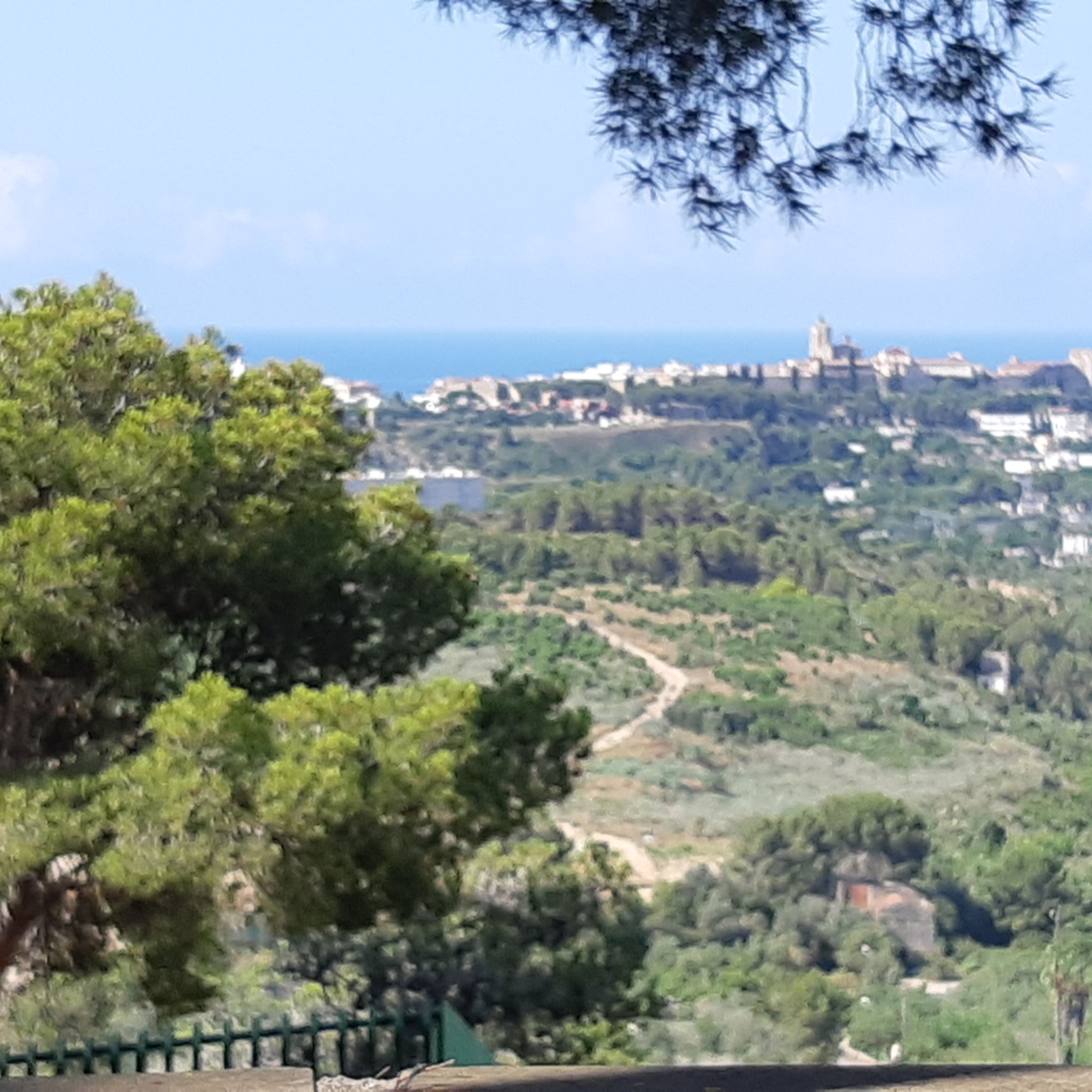
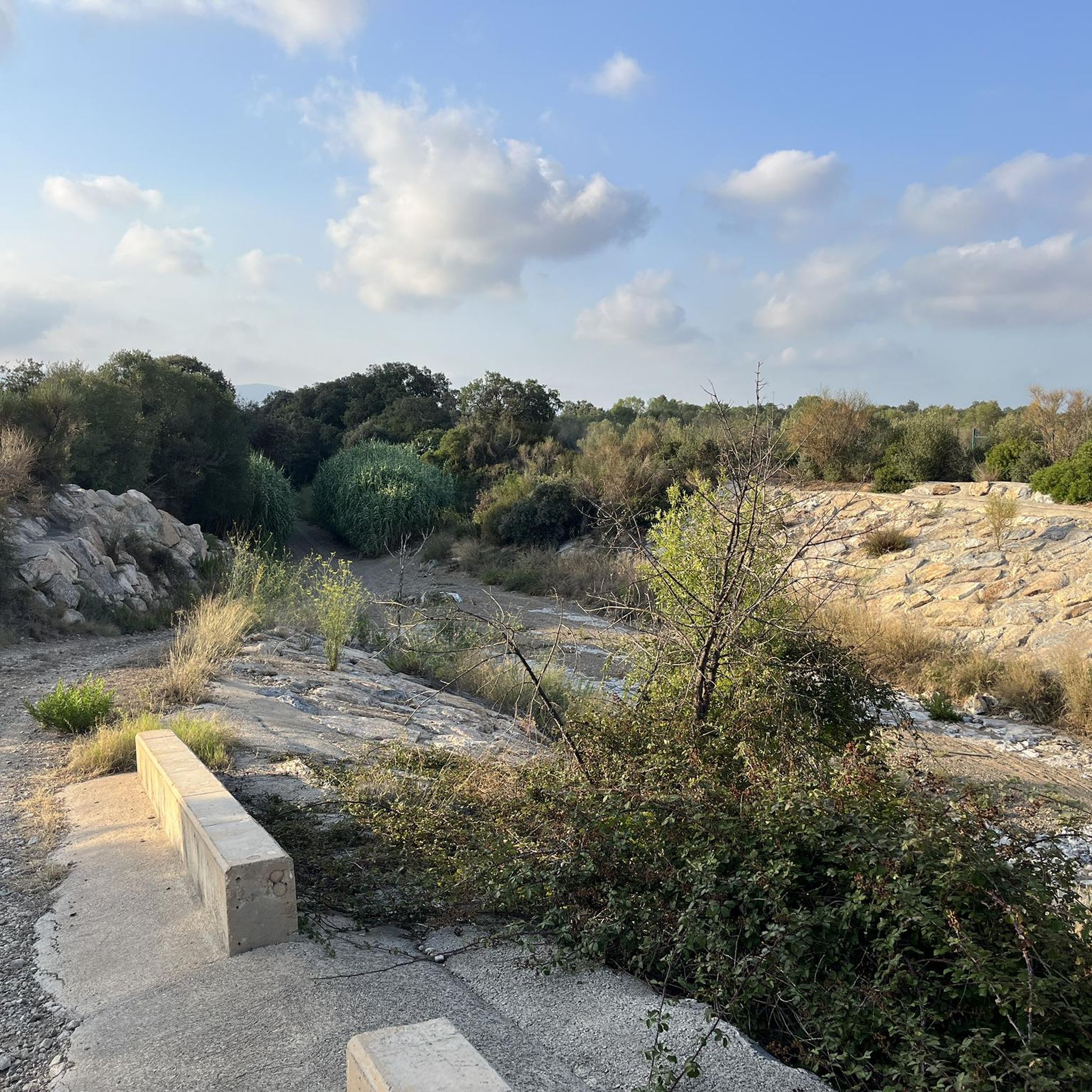
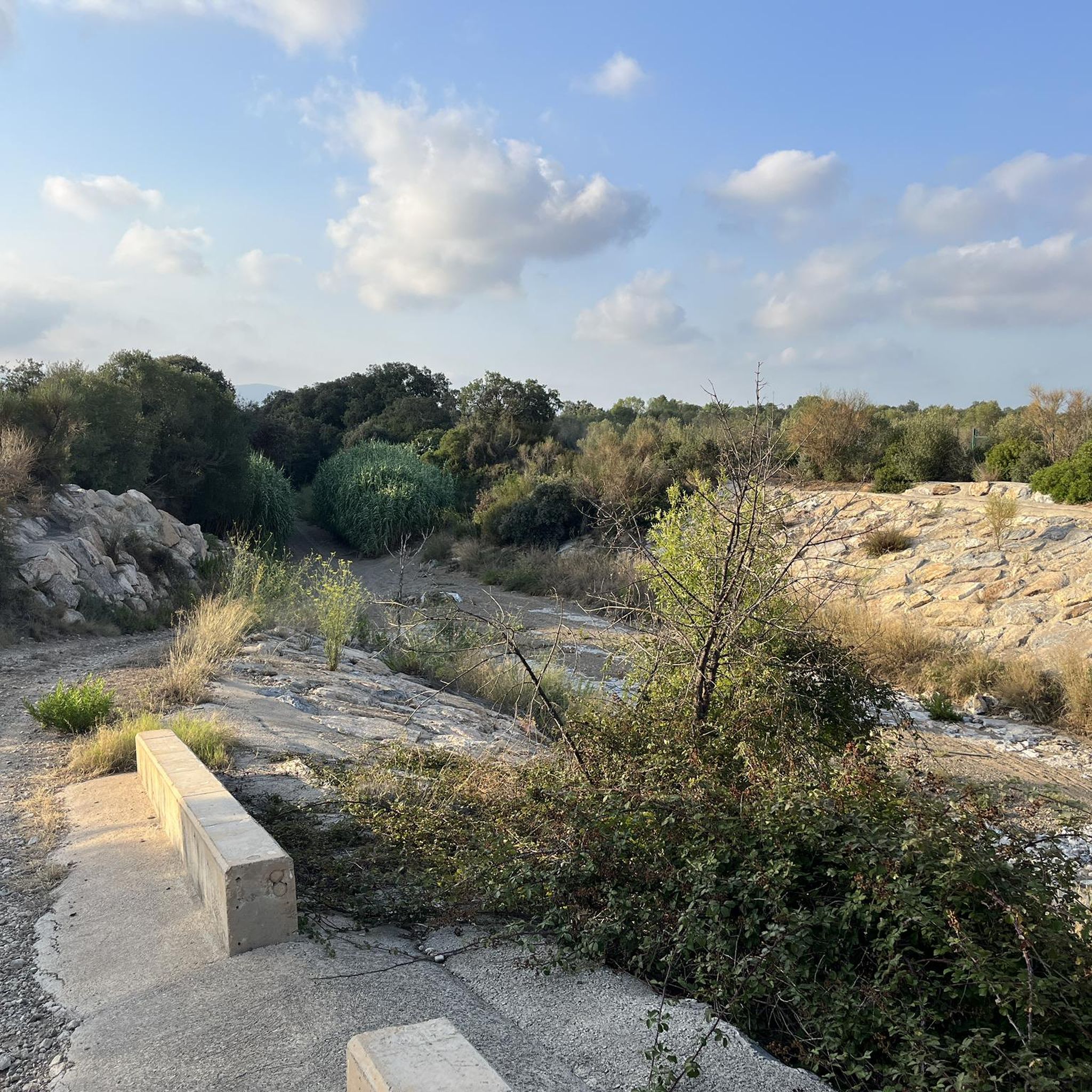
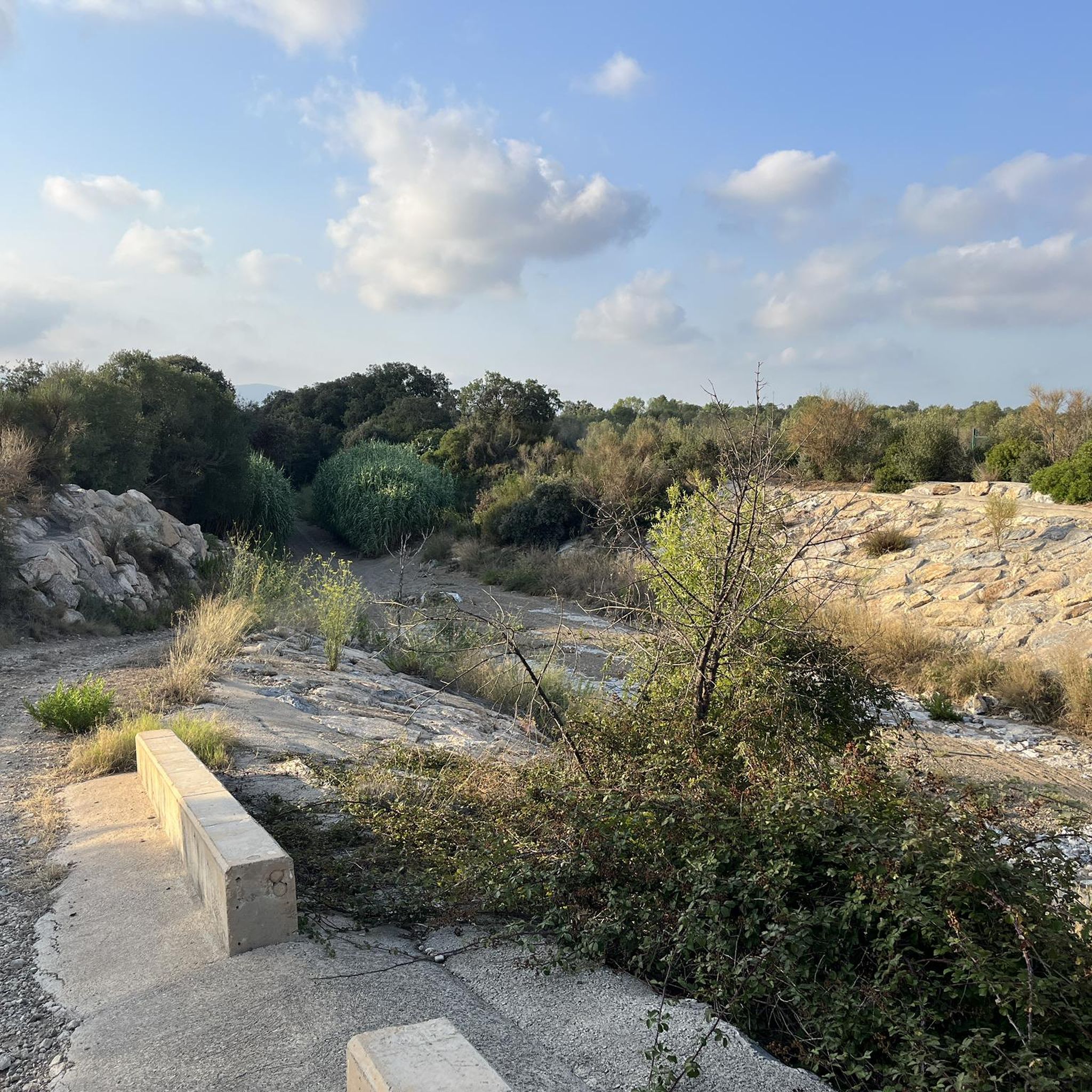
Tips from the Community

It was opened in April 1858 and has a red central tower that still illuminates the Gulf of Sant Jordi on the Costa Daurada today. It had a white light powered by olive oil and can be seen from 14 miles away. https://www.visitsalou.eu/de/entdecken-sie-salou/was-finden-sie/der-leuchtturm-von-salou
0
0

Great building, very well preserved. You can cross it at the top. It's definitely worth a visit 🤩
2
1
Super beautiful building. Very well preserved. Definitely worth a visit 🤩
2
0


From the street of William J. Bryan, which connects the beach with the historic center and upper area of Tarragona, you have a privileged view of the amphitheater of Tarraco, ruins of the Roman town.
1
0

Unfortunately the museum was closed... Very nice hiking along the cliffs
3
0

Very beautiful, natural beach. The rocks of the bay have an impressive yellow color. You can only get to the beach on foot (through the forest).
1
0
It is undoubtedly the most important historical monument in Tarraco, at the foot of the beach and overlooking the sea. A fine end point for a legendary route. We'll be back.
0
0
Frequently Asked Questions
What Roman historical sites can I explore around Constantí?
Constantí and its surroundings are rich in Roman history. You can visit the UNESCO World Heritage site of the Tarragona Roman Amphitheatre, which once hosted up to 15,000 spectators. Another significant site is the Les Ferreres Aqueduct (Devil's Bridge), an impressive Roman construction over 200 meters long that supplied water to Tarragona. Additionally, the Roman Villa of Centcelles, known for its well-preserved remains, and the Pont de les Caixes, another Roman aqueduct still in operation, are key historical landmarks in the area.
Are there any natural attractions or viewpoints near Constantí?
Yes, the area offers several natural features and viewpoints. You can visit Cala Roca Plana, a scenic beach with rocks and shady trees. For panoramic views, consider a challenging hike to Puig d'en Cama (717 m), which offers spectacular 360-degree vistas. The Francolí River, along with various streams and local hills like El Puig and La Gavarra, also contribute to the natural landscape.
What kind of outdoor activities can I do near Constantí?
Constantí is a great base for outdoor activities. You can explore numerous hiking trails, including easy loops around the Les Ferreres Aqueduct. For more options, check out the Hiking around Constantí guide. Mountain biking enthusiasts can find various trails, from easy to difficult, as detailed in the MTB Trails around Constantí guide. Road cyclists also have a selection of routes, including moderate and difficult options, which you can find in the Cycling around Constantí guide.
Are there family-friendly attractions in the Constantí area?
Absolutely. The Tarragona Roman Amphitheatre and the Les Ferreres Aqueduct are both excellent family-friendly historical sites where children can learn about Roman history while exploring. Many of the easy hiking trails around the aqueduct are also suitable for families.
What cultural landmarks are there in Constantí itself?
Within Constantí, you can discover the remains of the medieval Constantí Castle, built in 1215, which served as a summer residence for Archbishops. The Church of Sant Feliu is another key historical building. You can also find remnants of the town's original defensive walls. Annually, around World Poetry Day, the town hosts a 'Poetic Walk' where literary banners are displayed at emblematic spots, offering a unique cultural experience.
Can I find easy walking routes suitable for beginners or short strolls?
Yes, there are several easy walking routes, particularly around the Les Ferreres Aqueduct. These include short loops like the 'Les Ferreres Aqueduct loop from Ferreres Aqueduct' which is just over 1 km. The 'Ruta de l'aigua' also offers gentle paths along irrigation channels and the Francolí River, perfect for a relaxed exploration of the local landscape. More options can be found in the Hiking around Constantí guide.
What is the significance of the Statue of King Jaume I?
The Statue of King Jaume I holds significant historical importance, particularly in the history of Salou and the wider Catalan region. King Jaume I was a pivotal figure, known as the first great promoter and patron of Catalan folk literature, and is considered the 'first Catalan prose writer' for his chronicle, 'Llibre dels fets'.
Are there any accessible attractions for visitors with mobility needs?
The Statue of King Jaume I is noted as wheelchair accessible, offering an opportunity for all visitors to appreciate this historical monument and its beautiful setting.
What are the local natural water features around Constantí?
Constantí is situated west of the Francolí River, which is a significant natural boundary. The municipality is also traversed by several streams and torrents, most notably the Riera de la Boella and the Riera de la Sénia, along with the torrents of Sant Ramon and Mas Blanc. These water features are integral to the local landscape and can be explored via the 'Ruta de l'aigua'.
What do visitors enjoy most about the attractions around Constantí?
Visitors particularly appreciate the rich historical context, especially the well-preserved Roman architecture like the Tarragona Roman Amphitheatre and the Les Ferreres Aqueduct. The natural beauty, including coastal spots like Cala Roca Plana and the scenic trails around the aqueduct, also receives high praise. The area's blend of ancient monuments and natural exploration opportunities makes it a popular destination, reflected in the numerous photos and upvotes from the komoot community.
Can I find trails with varying difficulty levels for hiking or cycling?
Yes, the trails around Constantí cater to various skill levels. For hiking, you'll find easy routes, particularly around the Les Ferreres Aqueduct. If you're looking for more challenging terrain, the hike to Puig d'en Cama (717 m) offers a steep climb with rewarding views. Similarly, cycling and MTB routes range from easy to difficult, allowing you to choose based on your experience. Refer to the specific hiking, MTB, and cycling guides for detailed difficulty ratings.
Most popular routes around Constantí
Most popular attractions around Constantí

Get inspired with the komoot mobile app


Explore more
Still not found the Highlight you’re looking for? See guides of the top attractions in other regions:
