Attractions and Places To See around Palomares Del Río - Top 20
Best attractions and places to see around Palomares Del Río include a blend of historical heritage, cultural sites, and natural beauty in the Aljarafe region of Seville. The town's history dates back to Roman and Muslim times, known for its traditional olive-growing past. Visitors can explore ancient landmarks, cultural institutions, and diverse natural landscapes, including riverine ecosystems and olive groves. The area offers accessible paths for walking and cycling, connecting historical sites with scenic routes.
Best attractions and places to…
Last updated: October 9, 2026
Seville Cathedral
Highlight • Religious Site
Showing Translation
Tip by

Plaza of Spain
Highlight • Monument
Translated by Google •
Tip by
Sign up now to discover places like this
Get recommendations on the best single tracks, peaks, & plenty of other exciting outdoor places.
The Giralda and the cathedral
Highlight • Religious Site
Translated by Google •
Tip by
Torre del Oro
Highlight • Monument
Translated by Google •
Tip by
Metropol Parasol (Las Setas de Sevilla)
Highlight • Monument
Translated by Google •
Tip by
Sign up for free to discover even more attractions around Palomares Del Río.
Already have an account?
Start today with a free account
Your next adventure awaits.
Tips from the Community

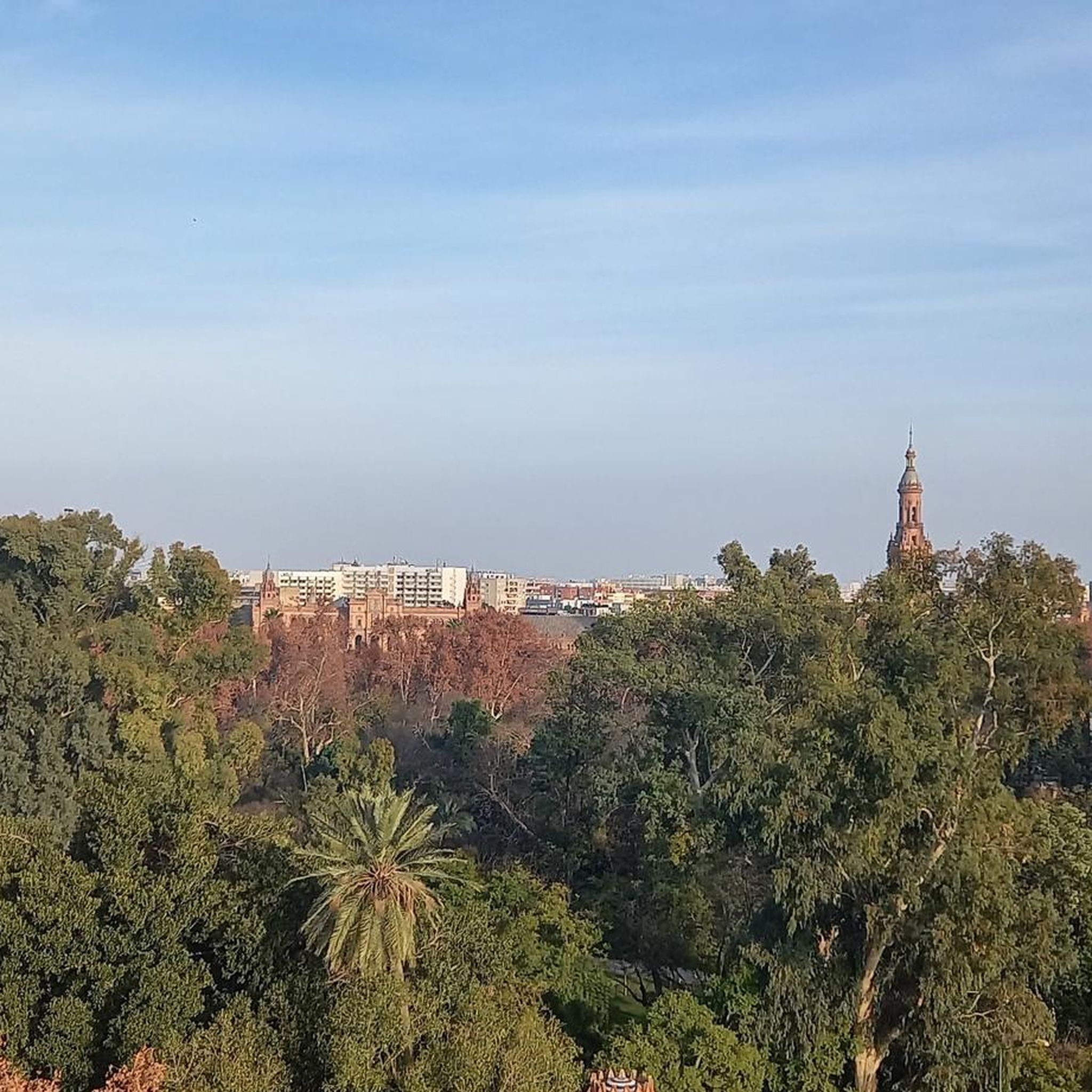
A truly impressive tower. It was actually a minaret before being converted into a bell tower after the Christian reconquest of Spain.
5
0

Seville Cathedral, also known as the Cathedral of Saint Mary of the See, is one of the largest Gothic cathedrals in the world. Built on the site of a former mosque, its construction began in 1401 and was completed in 1507. Some highlights include: La Giralda: The bell tower, originally a minaret of the mosque, is one of Seville's most recognizable symbols. Royal Chapel: Houses the remains of several monarchs, including Ferdinand III of Castile. Main Altarpiece: Considered one of the largest altarpieces in Christendom, with an impressive collection of sculptures and reliefs. The cathedral also houses a rich art collection, including works by Murillo and Goya.
15
0

This former minaret serves as the church tower of the cathedral. From the top you have a beautiful view of the cathedral and the Real Alcazar. Strange is its staircase that is not really one, it is a steeply sloping path, numbered from 1 to 34. Unfortunately, you can only visit the Giralda in combination with the cathedral. So you have to queue there first before you can visit the Giralda.
4
0

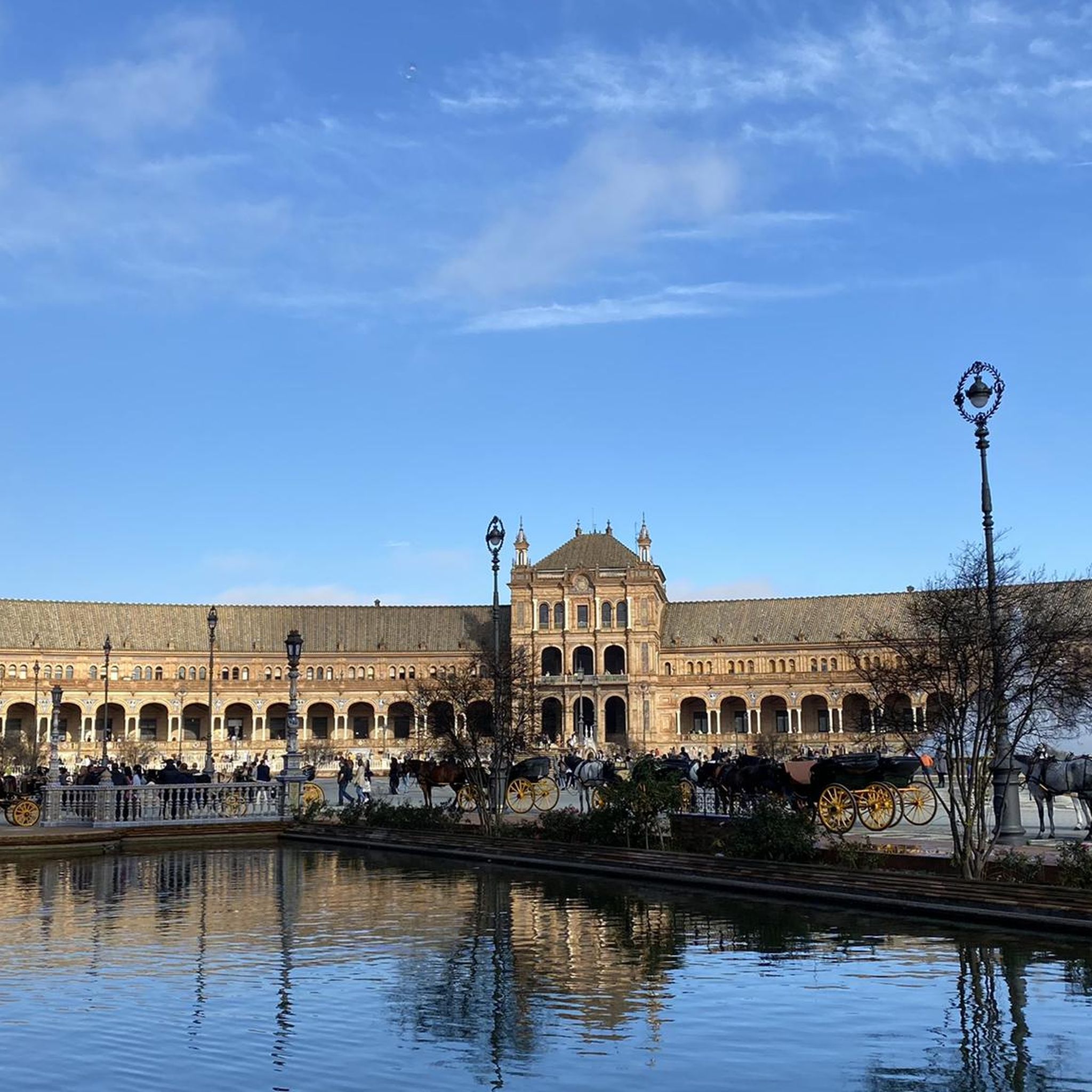
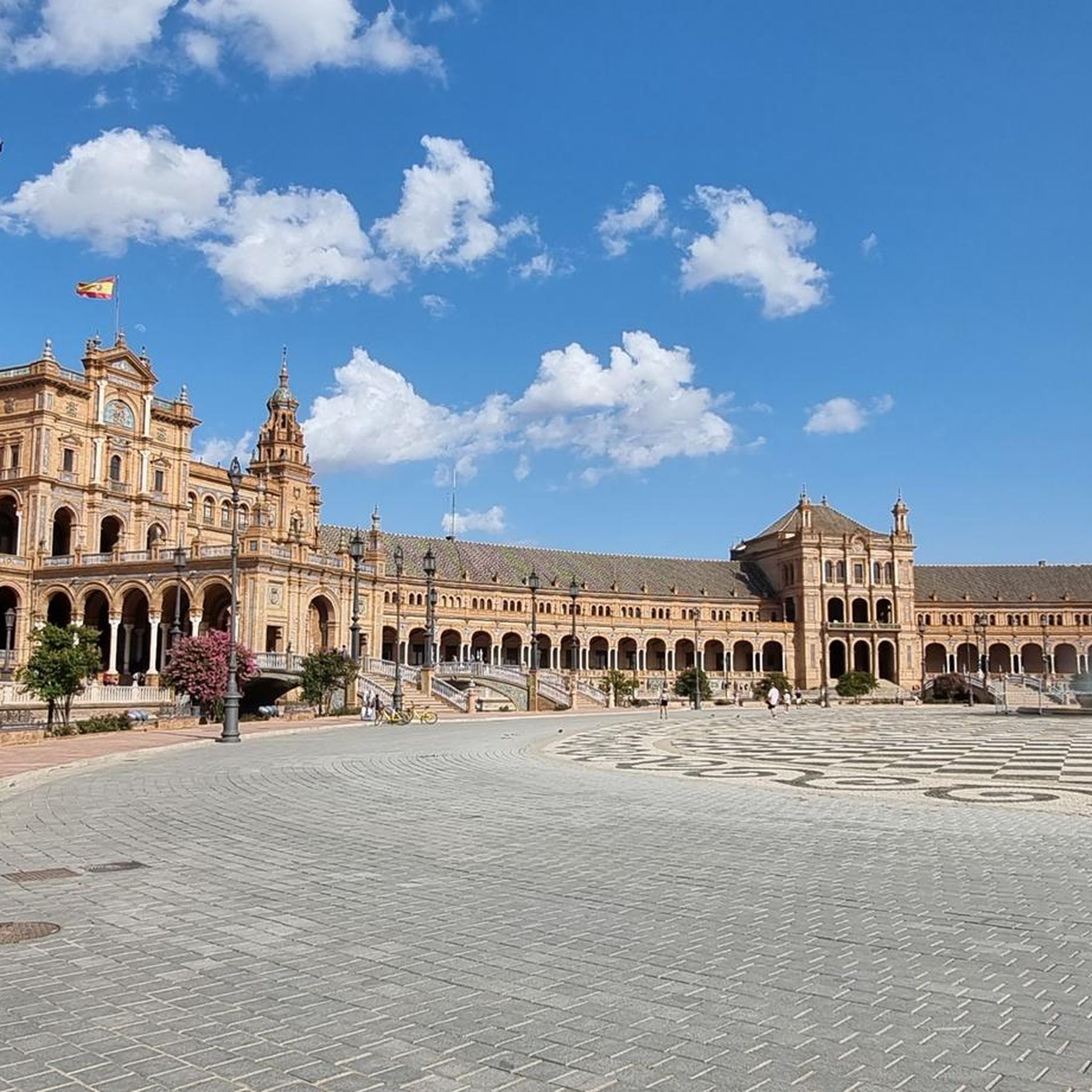
The Plaza de España is one of the most famous squares in Seville. It was built in 1929 for the Ibero-American Exhibition
18
0
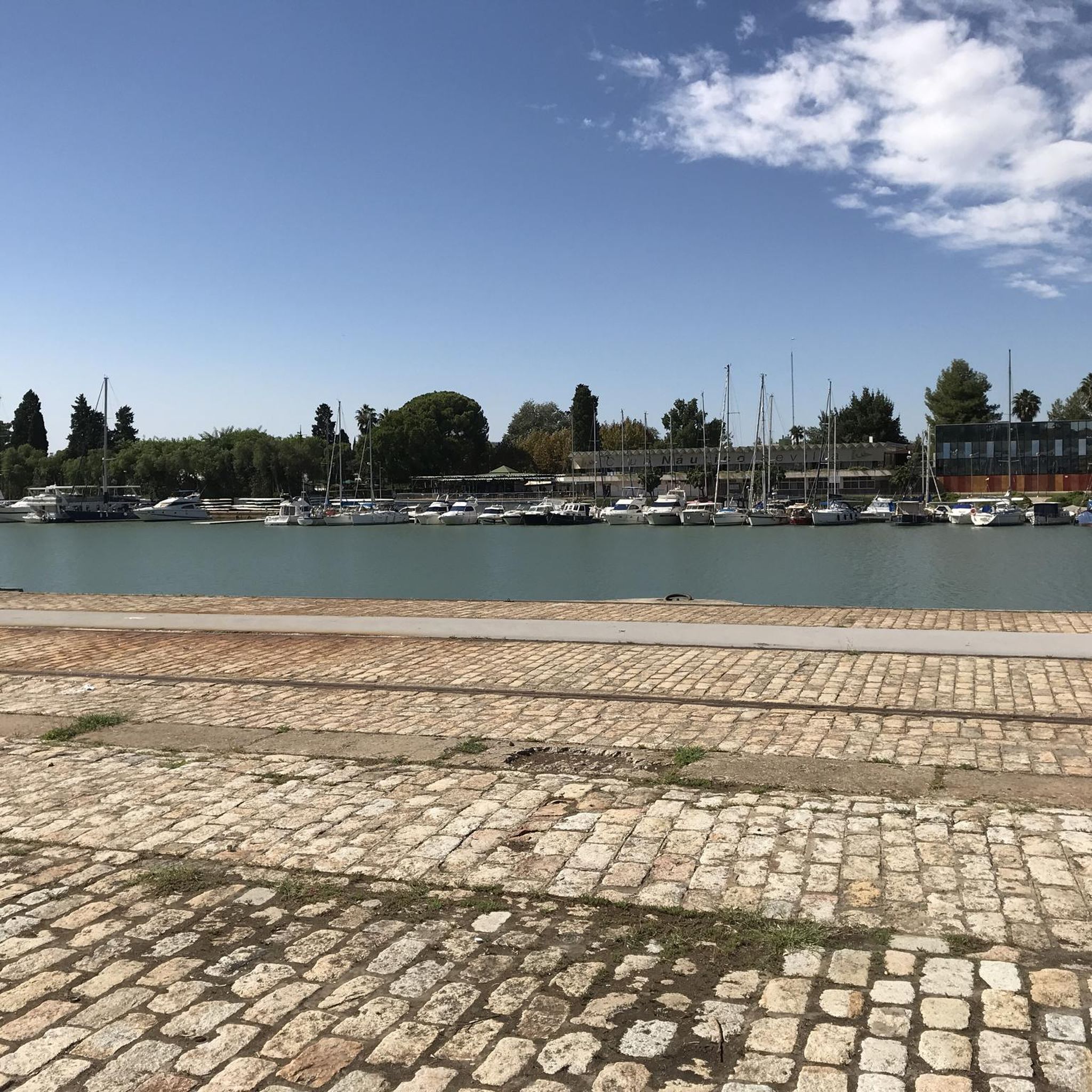
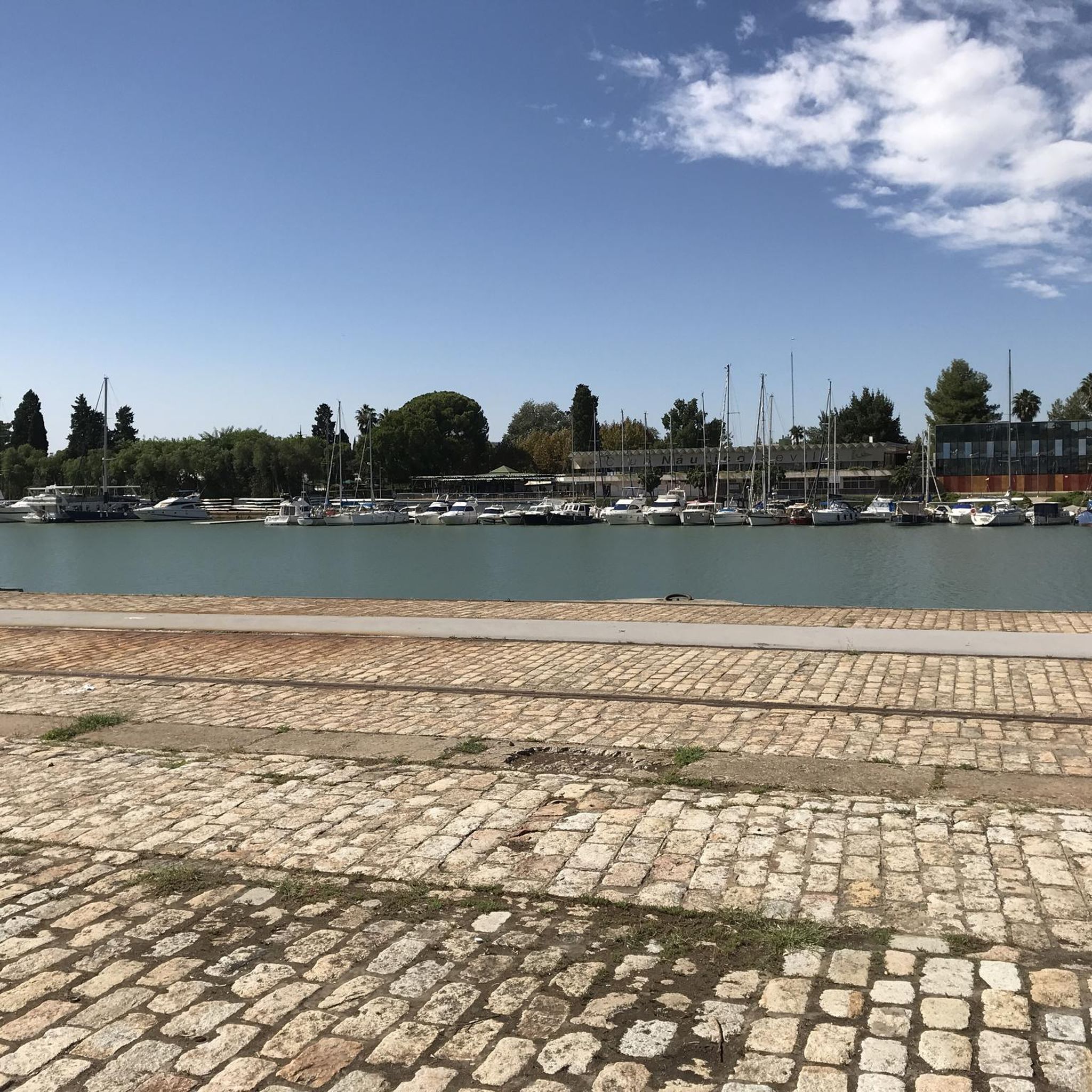
The Torre del Oro in Seville is an iconic historical monument that houses the Maritime Museum. This 13th-century defensive tower, located on the banks of the Guadalquivir River, was built by the Almohads and has had various uses over the centuries, including a chapel, prison and gunpowder store.
18
0
The Plaza de España in Seville, located in the María Luisa park, is an impressive and unique architectural complex. It was designed by architect Aníbal González and built between 1914 and 1929. This semicircular plaza houses a large central building, which serves as the Army headquarters, and is surrounded by galleries with monumental stairs. In addition, at the ends, there are two buildings with towers that house state agencies. If you want to explore this magnificent place, I recommend considering a guided tour to discover all its details and history. I hope you enjoy your visit! 🌟
29
0
The Metropol Parasol is the largest wooden structure in the world. It is composed of two concrete columns that house the elevators leading to the observation deck. Its shape, resembling giant mushrooms, has led to its popular nickname, the Encarnación Mushrooms. It was designed by architect Jürgen Mayer and opened in 2011.
23
0
The Setas de Sevilla, also known as Metropol Parasol, are an iconic structure located in the Plaza de la Encarnación in Seville. Designed by architect Jürgen Mayer, this impressive construction resembles enormous mushrooms and is the largest wooden structure in the world.
24
0
Frequently Asked Questions
What historical and cultural sites can I explore in Palomares Del Río?
Palomares Del Río boasts a rich history. You can visit the Iglesia de Nuestra Señora de la Estrella, a beautiful 13th-century church showcasing Gothic Mudejar architecture. Don't miss the unique 12th-century Baños Árabes (Arab Baths), a well-preserved Site of Cultural Interest. The town also features several historic haciendas, such as Hacienda de Ulloa, now the Casa de la Cultura, and the visible lookout tower of Hacienda San Rafael. The Torreón de Aníbal González, an ancient watchtower, also offers a glimpse into the past.
Are there any natural areas or green spaces to enjoy in Palomares Del Río?
Yes, Palomares Del Río offers several natural spots. The Corredor Verde del Río Pudio provides ideal paths for walking and cycling along the Pudio River, characterized by riverine ecosystems and olive groves. You can also explore the rehabilitated channel of the Arroyo Caño Real, which features a peri-urban park. The Ruta del Agua (Water Route) is a circular path combining natural beauty with historical mills and opportunities for birdwatching.
What kind of outdoor activities can I do near Palomares Del Río?
The region around Palomares Del Río is excellent for outdoor activities. You can find numerous routes for cycling, road cycling, and mountain biking. For example, there are easy to moderate cycling routes like the 'Green Corridor of Seville – San Juan Bridge loop' or 'Tower of Gold – San Telmo Palace loop'. Mountain bikers can explore trails such as 'Corredor del Pudio – Cortijo La Juliana loop'. For more details on these and other routes, visit the Cycling around Palomares Del Río, Road Cycling Routes around Palomares Del Río, and MTB Trails around Palomares Del Río guides.
Are there family-friendly attractions in the area?
Many attractions in the broader Seville area are family-friendly. For instance, the iconic Plaza of Spain is a wonderful place for families to explore, with its grand architecture and boat rentals. The Tower of Gold, now a Maritime Museum, can also be an engaging visit for children. Within Palomares Del Río, the green spaces like the Corredor Verde del Río Pudio and Parque de Razo de Ugena are great for family walks and enjoying nature.
What is the best time of year to visit Palomares Del Río?
The best time to visit Palomares Del Río is typically during the spring (March to May) and autumn (September to November) months. During these periods, the weather is mild and pleasant, ideal for exploring historical sites, walking the natural trails, and enjoying outdoor activities. Summers can be very hot, while winters are generally mild but can be cooler and wetter.
Can I find any unique architectural features in Palomares Del Río?
Absolutely. Palomares Del Río is notable for its Gothic Mudejar architecture, particularly evident in the bell tower and poly-lobed horseshoe arches of the Iglesia de Nuestra Señora de la Estrella. The 12th-century Baños Árabes are also a significant architectural treasure, unique in the rural province of Seville. Additionally, the town's historic haciendas, like Hacienda de Ulloa with its traditional olive mill and counterweight tower, offer insights into traditional agricultural architecture.
What are some lesser-known or 'hidden gems' to discover in the region?
Beyond the main highlights, exploring the narrow streets and whitewashed houses of Palomares Del Río's Old Town (Casco Antiguo) can reveal hidden charms and traces of its agricultural past. The Ruta del Agua, while mentioned, is a great way to discover restored historical mills and observe native birds away from more crowded spots. The various historic haciendas, even those converted or with only remnants like Hacienda San Rafael's lookout tower, offer a sense of the town's unique heritage.
Are there opportunities for hiking or walking in Palomares Del Río?
Yes, the gentle topography and diverse riverine ecosystems around Palomares Del Río offer a range of accessible hiking and walking opportunities. The Corredor Verde del Río Pudio is perfect for leisurely strolls, and the Ruta del Agua provides a circular route combining nature and history. The surrounding fields of crops and olive groves are also ideal for relaxing walks.
What do visitors enjoy most about the attractions around Palomares Del Río?
Visitors frequently appreciate the blend of historical heritage and natural beauty. The grand scale and intricate details of sites like the Seville Cathedral and Plaza of Spain are often highlighted. The unique design of Metropol Parasol (Seville's Mushrooms) also draws considerable interest. Within Palomares Del Río itself, the well-preserved Baños Árabes and the peaceful natural corridors are highly valued for their cultural and scenic appeal.
Does Palomares Del Río have any connections to local gastronomy or festivals?
Yes, Palomares Del Río is part of the 'Ruta del Mosto' (Must Route) and the 'Ruta del Arroz' (Rice Route), highlighting its local gastronomy, including its famous 'arroz caldoso con pollo de campo' (soupy rice with free-range chicken). The town also celebrates local festivals, notably the Feria de Palomares del Río in September, which coincides with the festival honoring its patron saint, the Virgen de la Estrella.
Are there any viewpoints or scenic spots in the area?
While Palomares Del Río itself offers charming street views and natural landscapes along the Pudio River, for more expansive viewpoints, you might consider nearby attractions. The Tower of Gold in Seville offers views from the banks of the Guadalquivir River, and the Metropol Parasol provides panoramic views of Seville from its observation deck. The lookout tower of Hacienda San Rafael also offers a local scenic point within Palomares Del Río.
Most popular routes around Palomares Del Río
Most popular attractions around Palomares Del Río

Get inspired with the komoot mobile app


Explore more
Still not found the Highlight you’re looking for? See guides of the top attractions in other regions:
