The best cycling routes around La Puebla De Cazalla
3.0
(6)
97
riders
13
rides
Touring cycling around La Puebla de Cazalla is characterized by its diverse landscapes, situated between the Campiña and the Southern Highlands of Seville province. The area features the River Corbones, which creates a scenic environment, and extensive olive groves that define much of the terrain. Natural assets include the La Puebla de Cazalla reservoir and the El Pinarejo natural area, known for its stone pine forests and Mediterranean vegetation. Cyclists can also encounter views of the Peñón de Peñaguas along…
Last updated: October 7, 2026
11
riders
47.4km
04:43
920m
920m
Hard bike ride. Very good fitness required. You may need to push your bike for some segments of this route.
3.0
(1)
4
riders
43.8km
02:33
240m
240m
Moderate bike ride. Good fitness required. Mostly paved surfaces. Suitable for all skill levels.

6
riders
Hard bike ride. Very good fitness required. Mostly paved surfaces. Suitable for all skill levels.
2
riders
46.2km
04:31
990m
990m
Hard bike ride. Very good fitness required. Mostly paved surfaces. Suitable for all skill levels.
3
riders
33.8km
02:29
450m
450m
Hard bike ride. Very good fitness required. Mostly paved surfaces. Suitable for all skill levels.
Get access to more routes and recommendations from other explorers.
Already have an account?
Our route recommendations are based on thousands of hikes, rides, and runs completed by other people on komoot.
Start today with a free account
Your next adventure awaits.
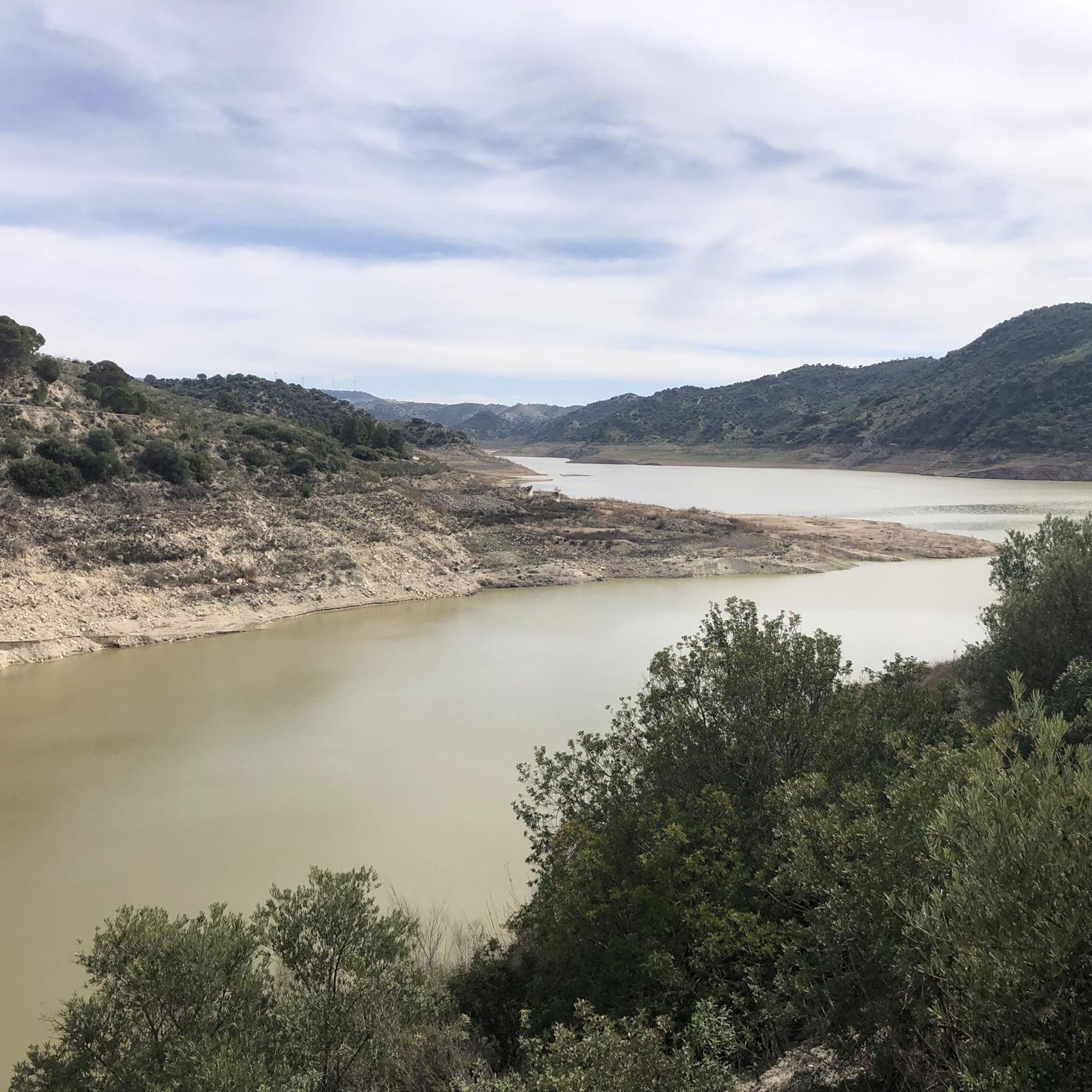
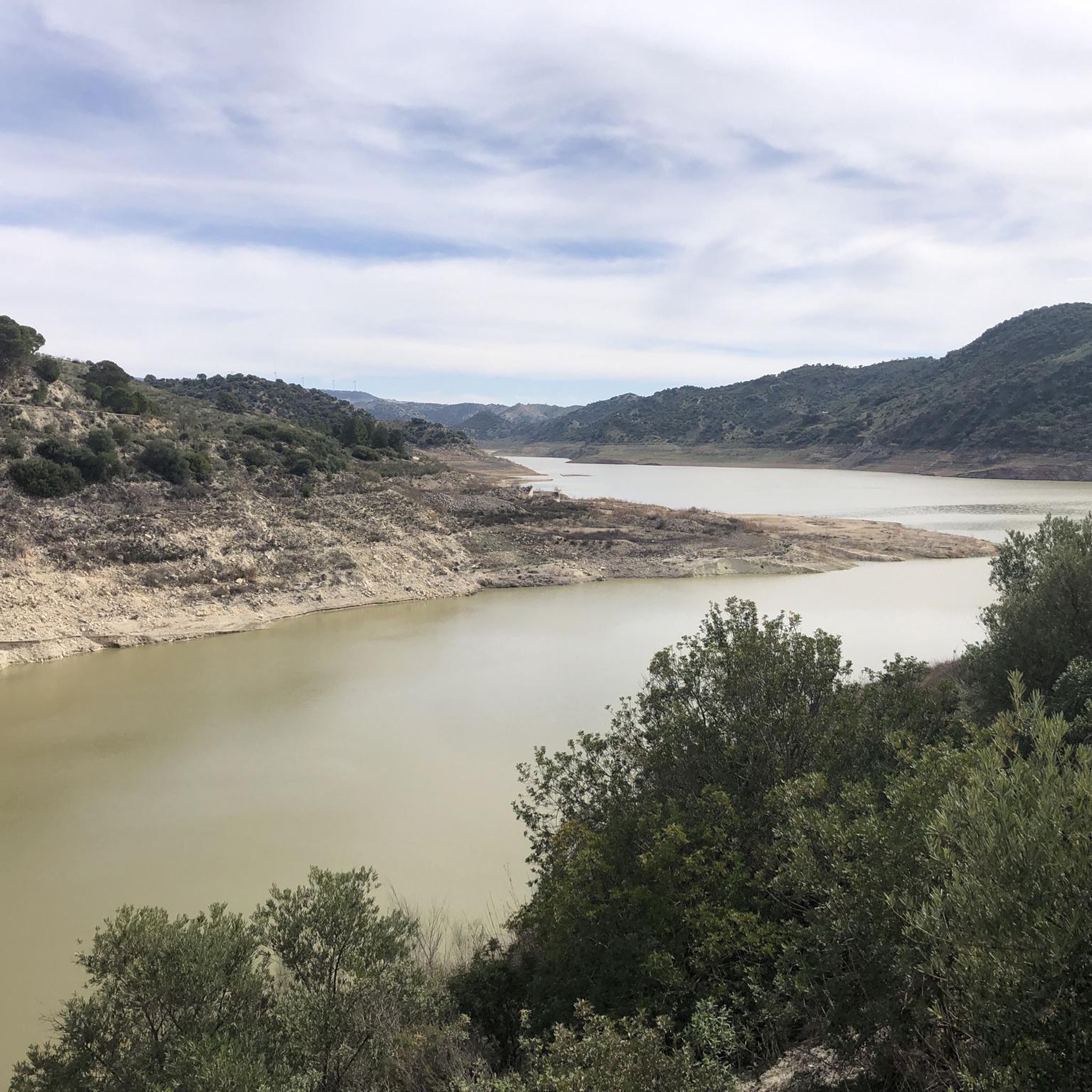
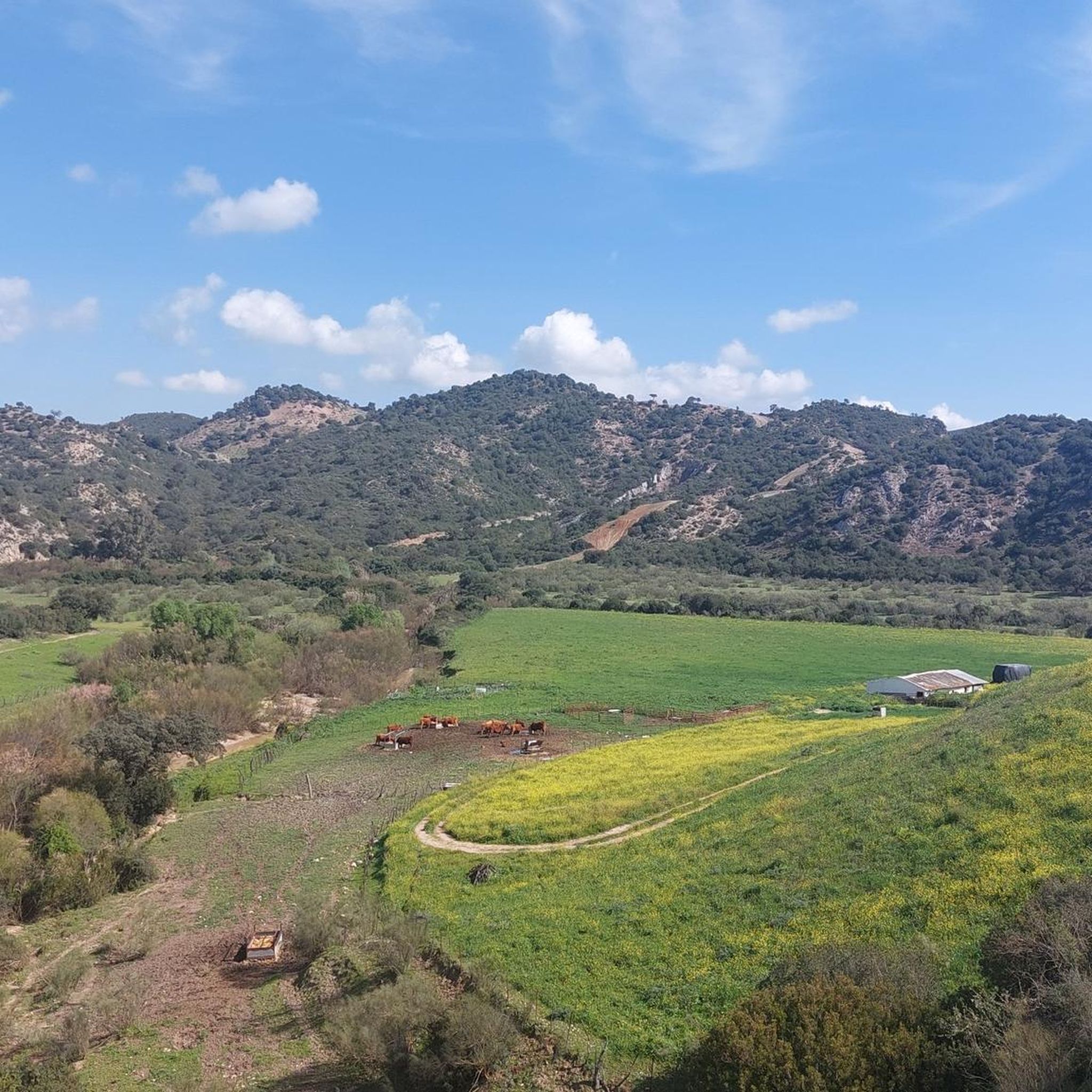
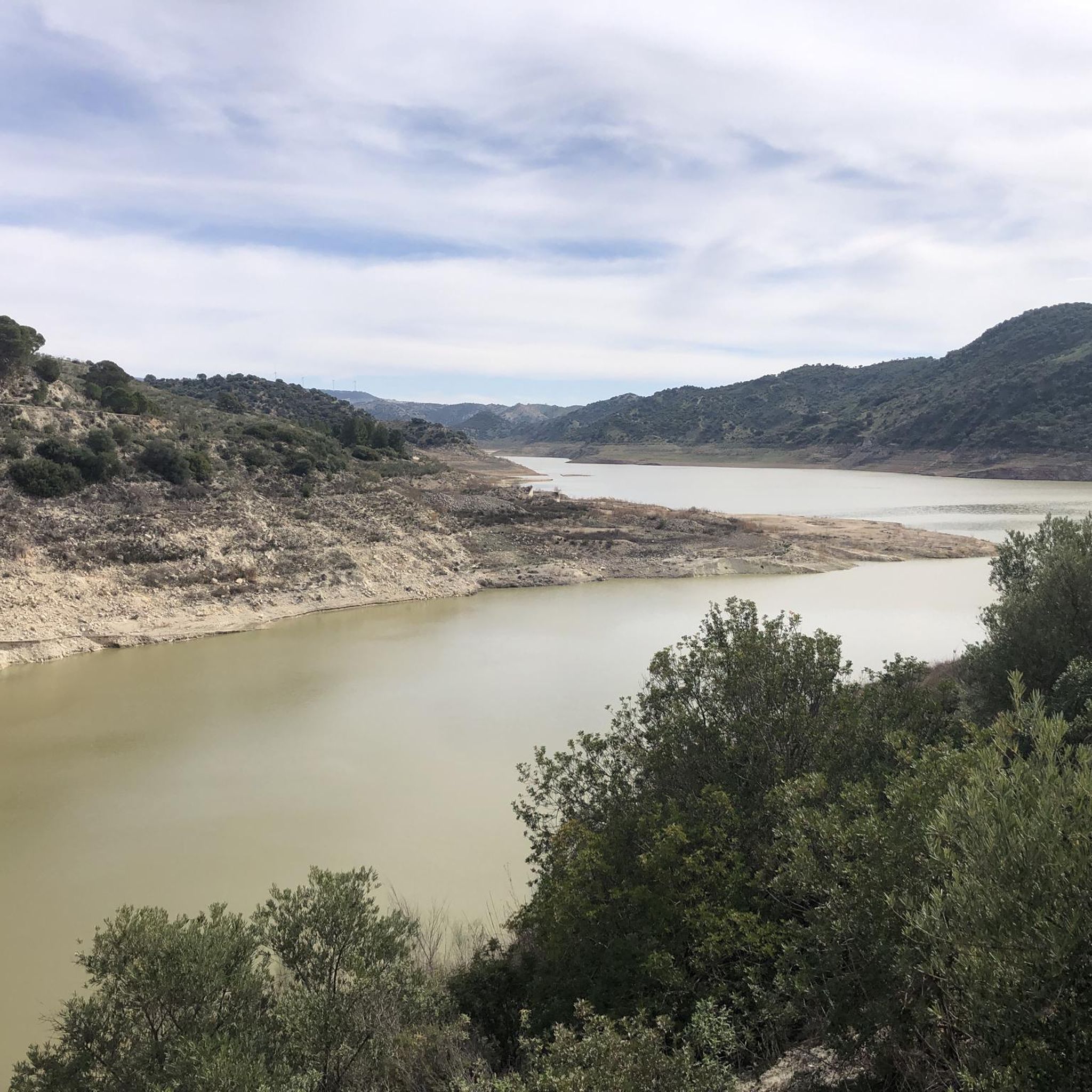
Tips from the Community

Olvera Castle is one of the most iconic monuments in the White Villages of Cádiz, offering a stunning historical and visual experience. It was built in the late 12th century by the Arabs as part of the defensive system of the Nasrid Kingdom of Granada. After the Christian conquest, the castle was renovated several times, incorporating Christian architectural elements. It was declared a Site of Cultural Interest in 1985 and is part of the Olvera Historic-Artistic Complex.
1
0

The Castillo de Olvera is a historic fortress in the Andalusian town of Olvera (province of Cádiz). It was built by the Moors in the late 12th century and served as part of the defense system of the Nasrid Kingdom of Granada. The castle sits atop a 623-meter-high cliff and offers sweeping views of the surrounding landscape. The castle has an irregular, elongated-triangular floor plan that follows the shape of the cliff. Particularly striking is the rectangular Torre del Homenaje (Keep) in the southern part of the complex. It has two stories with barrel vaults and was the central element of the defense. Other features of the fortress include a barbican-protected entrance gate, battlements, towers, an underground vault, and two cisterns for the water supply. After its conquest by Castilian troops under King Alfonso XI in 1327, the Moorish fortress was extensively rebuilt. This is where many of the Christian elements visible today were created. Since 1985, the Castillo de Olvera has been listed as a "Bien de Interés Cultural" (Cultural Property of Special Interest). Opening Hours: Summer (approx. April–October): Tuesday to Sunday, 10:30 a.m.–2:00 p.m. & 4:00 p.m.–7:00 p.m. Winter (approx. November–March): Tuesday to Sunday, 10:30 a.m.–2:00 p.m. & 4:00 p.m.–6:00 p.m. Closed on Mondays Admission: €2 per person. Tickets are available at the Tourist Office. (As of May 2025)
0
1

An entrance fee is €2 and a visit certainly does not take long. The bike can wait in the bike rack.
4
0
One of the most beautiful cycling routes in Europe
5
0
Hostal Estación Vía Verde is located 1 km from the centre of Olvera, via Calle Estación (next to the bus station) to Vía Verde de la Sierra. It is an old train station that has been rehabilitated as a hotel-restaurant and is part of the Sierra Greenway. It has 6 bedrooms, all with bathrooms. In addition to the restaurant and accommodation, bicycles can be rented.
8
1
Railway Tunnel No. 5 of the Sierra Greenway Nature Trail. Located 1,030 meters from the previous tunnel, it is 200 meters long and artificially lit; however, a flashlight is recommended. This tunnel crosses a hilly terrain of Triassic clays and sandstones (180 million years old), shaped by water. These are the dominant lithologies along much of the route. Half a kilometer before the tunnel entrance, the trail crosses the Cordel del Morón cattle trail, just 500 meters from the CA-9102 road that connects the town of Olvera with the Antequera A-384 road. This cattle trail will cross again along the trail at the junction of the Guadalporcún and Guadalete rivers.
7
0
Railway tunnel no. 14 of the Sierra Greenway Nature Trail. Located 920 meters from the previous tunnel, it is 105 meters long and has no artificial lighting, so a flashlight is recommended. This tunnel is excavated in clay and sandstone.
7
0
After cycling for about twenty kilometres, you will arrive at the Peñon de Zaframagón mountain point. The mountain is inhabited by the griffon vulture. You can recognise the bird – if you see it up close – by its ‘fur collar’ around its otherwise bare neck. Entire families live on this 600-metre-high mountain. Dozens of birds soar high through the air in search of prey. They have chosen the location cleverly, because the mountain is situated on a gorge with a river. Sometimes a huge shadow of a bird falls over you when it is hovering just above you. That gives a strange feeling that makes you quickly look up. A little further on is a small nature museum that is particularly proud of its special camera with which you can spy on the birds. You can zoom in, which allows you to count almost every feather.
4
0
Frequently Asked Questions
What kind of landscapes can I expect to see while touring cycling around La Puebla de Cazalla?
The region offers a diverse landscape, transitioning between the Campiña and the Southern Highlands of Seville province. You'll encounter the scenic River Corbones, extensive olive groves, and natural areas like the La Puebla de Cazalla reservoir and El Pinarejo, known for its stone pine forests. Cyclists can also enjoy impressive views of the Peñón de Peñaguas along various trails.
Are there any circular touring cycling routes available in La Puebla de Cazalla?
Yes, there are several circular routes. For example, the Cool – La Puebla de Cazalla loop from La Puebla de Cazalla is a moderate 44.7 km path that showcases the local terrain. Another option is the La Puebla de Cazalla loop from La Puebla de Cazalla, a more challenging 33.8 km route.
What is the difficulty level of touring cycling routes in La Puebla de Cazalla?
The routes around La Puebla de Cazalla cater to various skill levels. While there is one moderate route, the majority of the touring cycling trails are considered difficult, featuring significant elevation changes. For instance, the La Puebla de Cazalla – Seville loop from La Puebla de Cazalla is a difficult 47.4 km trail with over 900 meters of elevation gain.
What natural features or landmarks can I see along the touring cycling routes?
Beyond the scenic River Corbones and vast olive groves, you can explore the El Pinarejo natural area with its tall stone pine forests. Keep an eye out for the impressive Peñón de Peñaguas. For specific points of interest, you might consider visiting Pico del Terril or Peñón de Algámitas, both notable summits in the wider area.
Is La Puebla de Cazalla suitable for family-friendly touring cycling?
While the guide primarily features routes rated moderate to difficult, the general area around La Puebla de Cazalla, with its extensive olive groves and relatively low-difficulty asphalt roads connecting to places like Morón de la Frontera, can offer sections suitable for families. It's advisable to check the specific route profiles for elevation and distance to ensure they match your family's capabilities.
Are there any dog-friendly touring cycling routes in the area?
Many of the natural trails and rural roads through the olive groves and along the River Corbones are generally dog-friendly, allowing you to enjoy the ride with your canine companion. However, always ensure your dog is well-behaved, on a leash where required, and that you carry water for both of you, especially during warmer months.
What is the best time of year for touring cycling in La Puebla de Cazalla?
The region experiences warm summers, so spring and autumn are generally the most pleasant seasons for touring cycling. During these times, temperatures are milder, and the natural landscapes, including the olive groves and riverine areas, are particularly inviting. Winter can also be suitable, though days are shorter.
What cultural attractions can I visit in La Puebla de Cazalla after a bike ride?
La Puebla de Cazalla has a rich cultural heritage. You can explore its strong flamenco tradition, visit a museum dedicated to its olive-growing history, or admire architectural gems like the picturesque Pasaje del Arquillo. The old winery of bullfighter Antonio Fuentes also offers a glimpse into local history.
How do other cyclists rate the touring cycling experience in La Puebla de Cazalla?
The touring cycling routes in La Puebla de Cazalla are generally well-regarded by the komoot community, holding an average rating of 3.0 stars. Over 60 touring cyclists have used komoot to explore the varied terrain, appreciating the diverse landscapes between the Campiña and the Southern Highlands.
Are there any routes that follow the River Corbones?
Yes, the River Corbones flows through the municipal district, creating a scenic natural environment. The Río Corbones loop from Villanueva de San Juan is a difficult 25 km route that allows you to experience the river's surroundings, which are rich in diverse flora and fauna.
Where can I find parking for touring cycling routes in La Puebla de Cazalla?
As La Puebla de Cazalla serves as a starting point for many routes, you can typically find parking within the town itself. Look for public parking areas or consult local signage. For routes starting outside the town, such as the Olvera – Castillo de Olvera loop from Los Llanos de Castilla, parking would be available near the designated starting points in those smaller settlements.
Most popular attractions around La Puebla De Cazalla

Get inspired with the komoot mobile app


Explore more
Browse the best Cycling routes in other regions.
