Attractions and Places To See around Pruna - Top 20
Best attractions and places to see around Pruna include historical landmarks, natural features, and cultural experiences in the Sierra Sur of Seville. This rural town offers a blend of traditional Andalusian life and picturesque landscapes. Pruna is situated at the foothills of the Sierra del Tablón, providing a setting for outdoor activities. The area features a variety of sites, from ancient fortresses to natural springs and green routes.
Best attractions and places to see around Pruna
- The most popular attractions…
Last updated: October 10, 2026
Vía Verde de la Sierra Tunnels and Peñón de Zaframagón
Highlight • Cycleway
Translated by Google •
Tip by

Zaframagón Viaduct
Highlight • Bridge
It was built to span the Guadalporcún River crossing …
Translated by Google •
Tip by
Sign up now to discover places like this
Get recommendations on the best single tracks, peaks, & plenty of other exciting outdoor places.
Hermitage of San Benito
Highlight • Religious Site
Tip by

Via Verde de la Sierra (90% gravel)
Highlight (Segment) • Cycleway
Translated by Google •
Tip by
Castillo de Olvera
Highlight • Castle
Translated by Google •
Tip by
Sign up for free to discover even more attractions around Pruna.
Already have an account?
Start today with a free account
Your next adventure awaits.
Tips from the Community

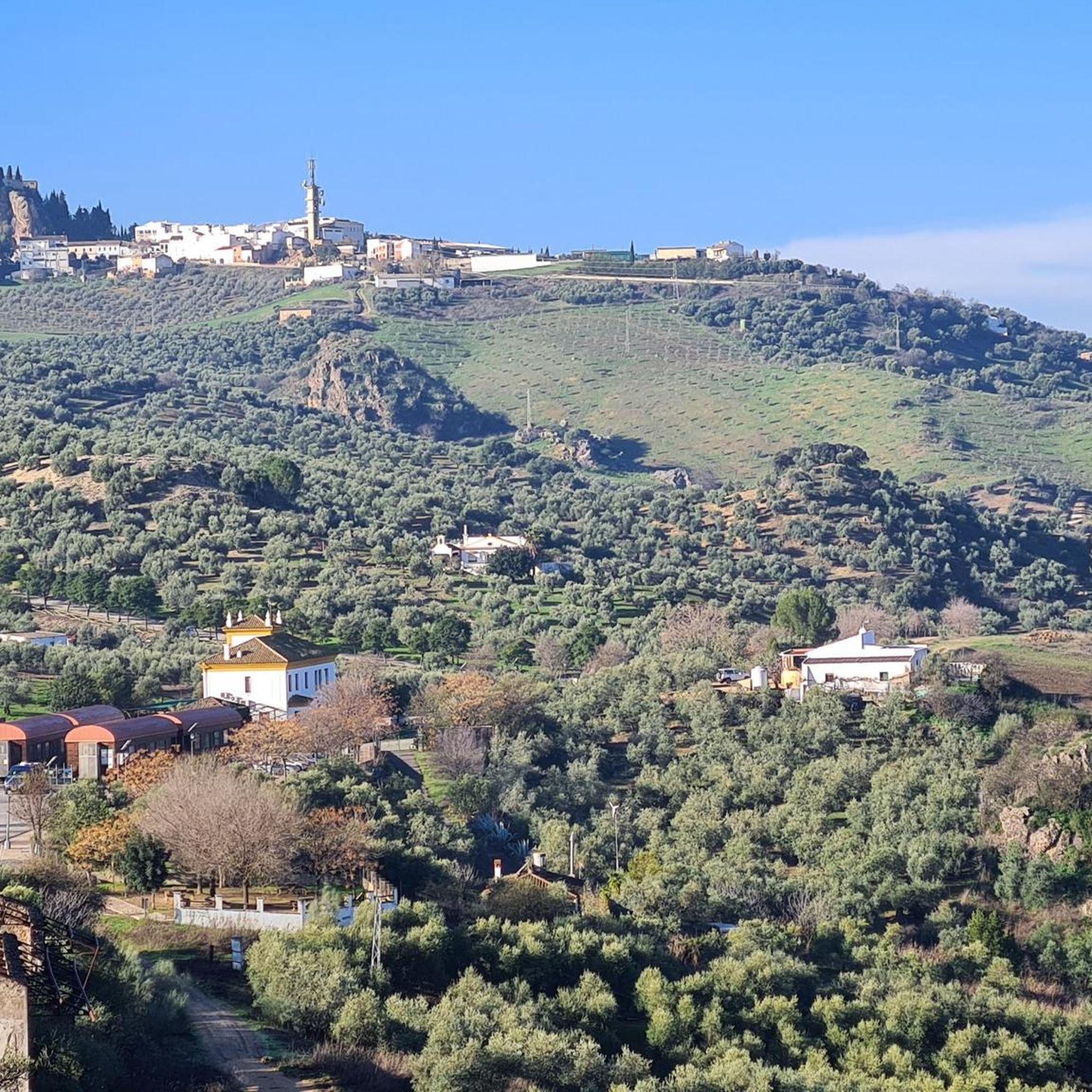
The Olvera Greenway is very beautiful and highly recommended for cycling. As it follows a former railway line, it doesn't have any steep slopes. Along the way, there are some old train stations that have been renovated and converted into restaurants, perfect for a stop to recharge your batteries.
0
0

Olvera Castle is one of the most iconic monuments in the White Villages of Cádiz, offering a stunning historical and visual experience. It was built in the late 12th century by the Arabs as part of the defensive system of the Nasrid Kingdom of Granada. After the Christian conquest, the castle was renovated several times, incorporating Christian architectural elements. It was declared a Site of Cultural Interest in 1985 and is part of the Olvera Historic-Artistic Complex.
1
0
The Hermitage of San Benito is one of the most representative temples in the historic center of Setenil de las Bodegas, both for its religious significance and its architecture. Its façade is classically inspired, with a small bell gable and a symmetrical design reminiscent of the neoclassical style. On the side of the façade are ceramic plaques that pay tribute to the Spanish Legion and the 52nd Melilla Regulars Group, for their participation in the processions since 1957 and 1973, respectively.
4
0

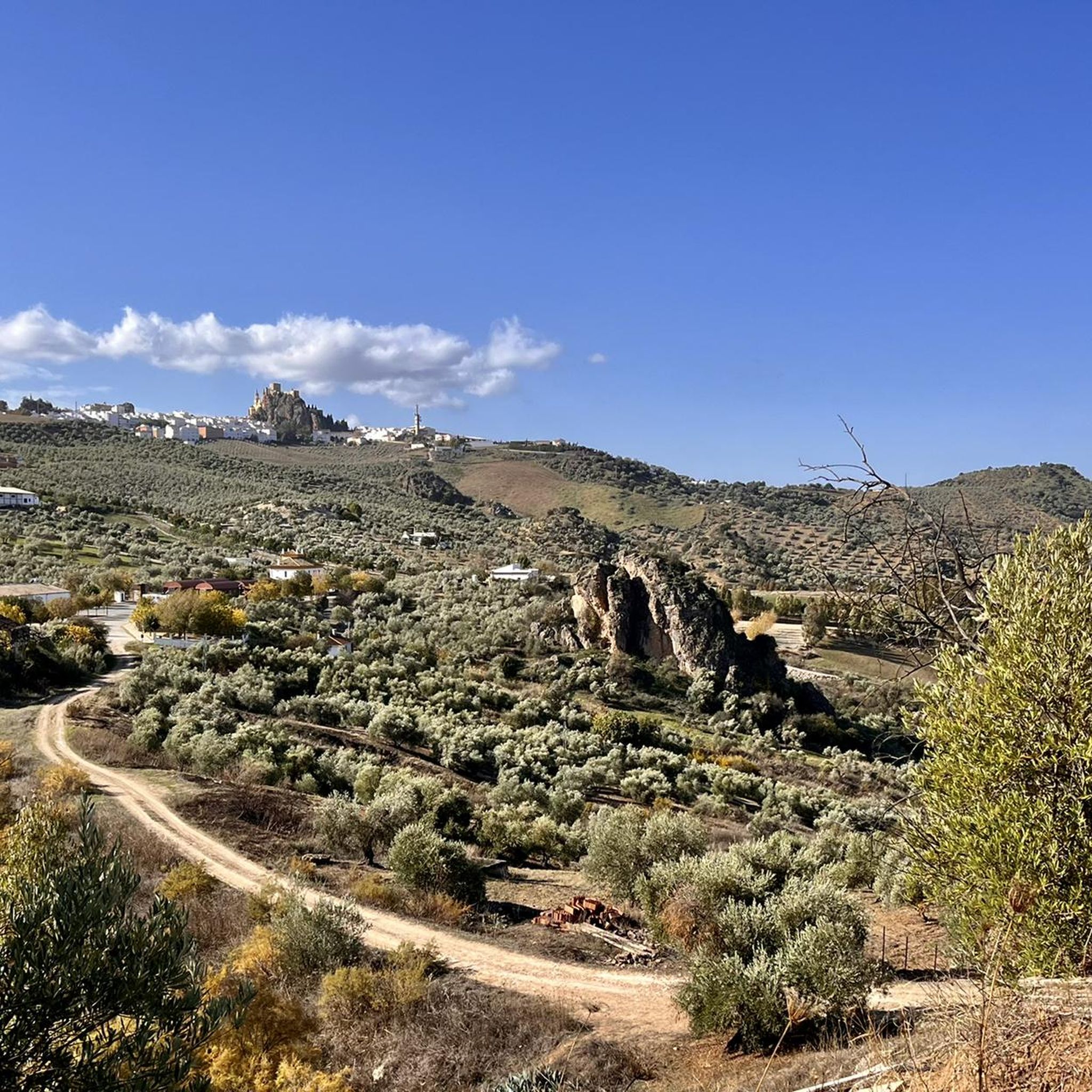
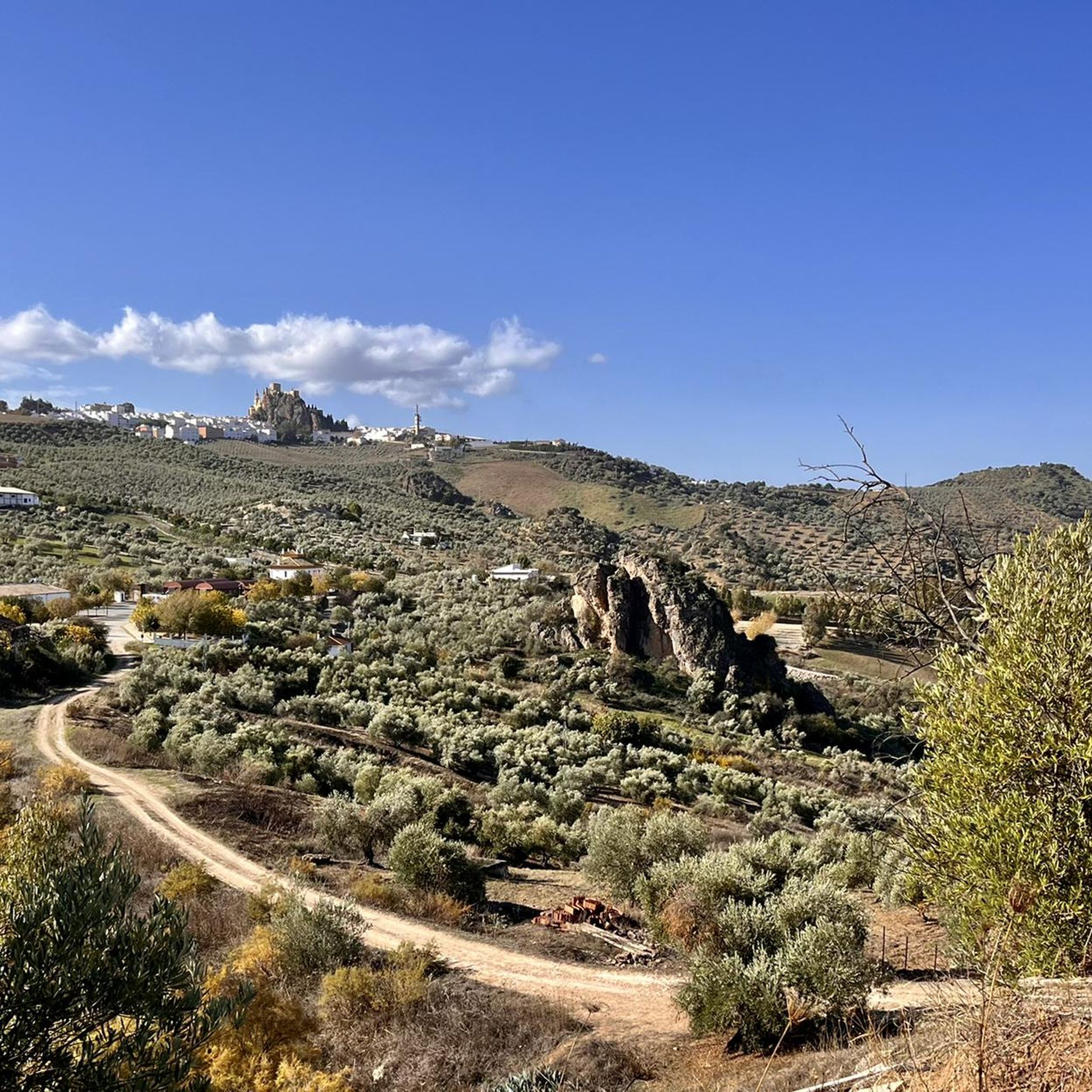
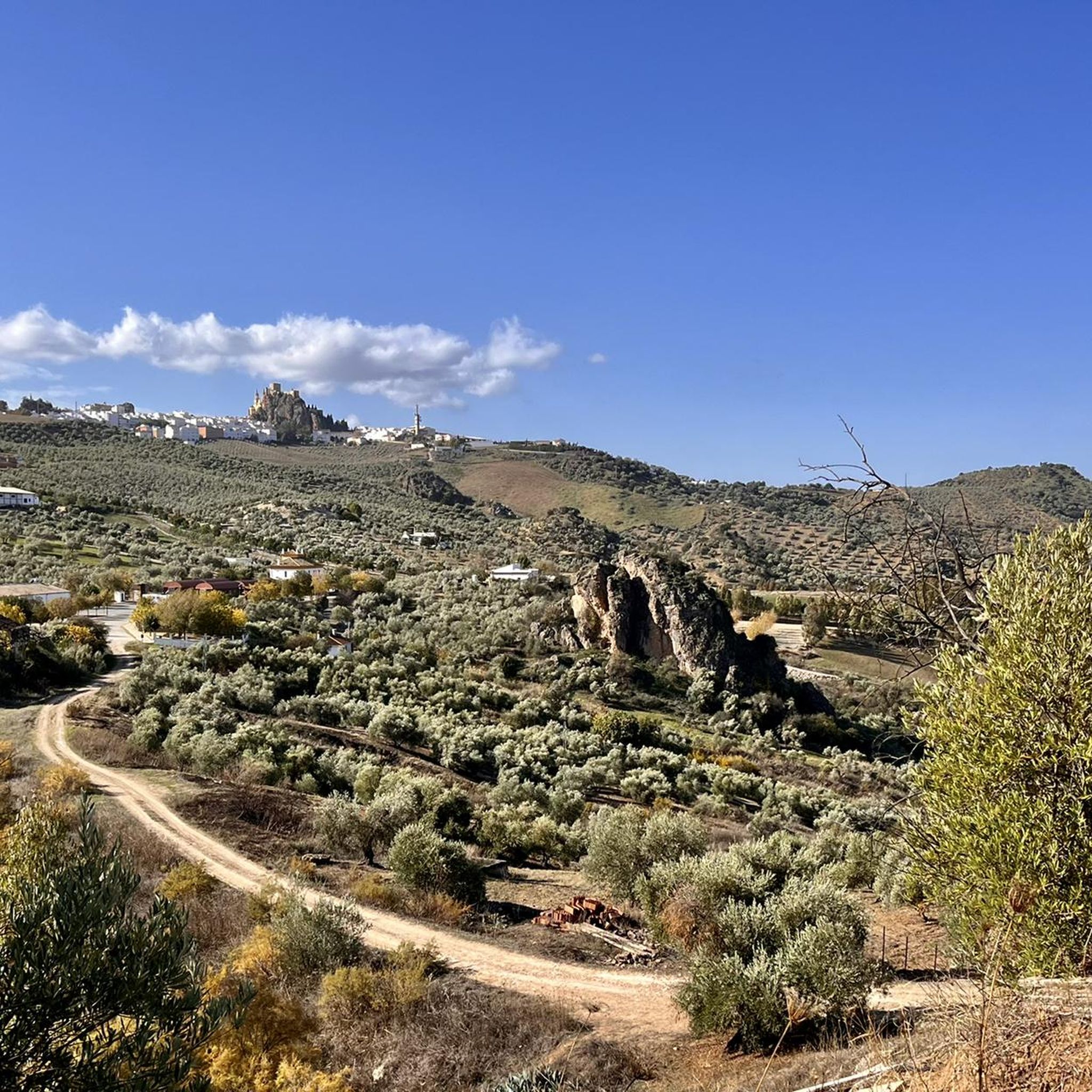
The Castillo de Olvera is a historic fortress in the Andalusian town of Olvera (province of Cádiz). It was built by the Moors in the late 12th century and served as part of the defense system of the Nasrid Kingdom of Granada. The castle sits atop a 623-meter-high cliff and offers sweeping views of the surrounding landscape. The castle has an irregular, elongated-triangular floor plan that follows the shape of the cliff. Particularly striking is the rectangular Torre del Homenaje (Keep) in the southern part of the complex. It has two stories with barrel vaults and was the central element of the defense. Other features of the fortress include a barbican-protected entrance gate, battlements, towers, an underground vault, and two cisterns for the water supply. After its conquest by Castilian troops under King Alfonso XI in 1327, the Moorish fortress was extensively rebuilt. This is where many of the Christian elements visible today were created. Since 1985, the Castillo de Olvera has been listed as a "Bien de Interés Cultural" (Cultural Property of Special Interest). Opening Hours: Summer (approx. April–October): Tuesday to Sunday, 10:30 a.m.–2:00 p.m. & 4:00 p.m.–7:00 p.m. Winter (approx. November–March): Tuesday to Sunday, 10:30 a.m.–2:00 p.m. & 4:00 p.m.–6:00 p.m. Closed on Mondays Admission: €2 per person. Tickets are available at the Tourist Office. (As of May 2025)
0
1

An entrance fee is €2 and a visit certainly does not take long. The bike can wait in the bike rack.
4
0
A 135-meter-long viaduct, built using rectangular truncated pyramidal pilasters with mortared ashlars, is formed by the repetition of seven identical arches. It was built to span the Guadalporcún River crossing before it meets the Guadamanil River. The latter originates in the Sierra de la Lebrona mountain range in the municipality of Pruna (Seville) and flows into the Guadalporcún River just a few meters from the viaduct. The confluence of the rivers has created a wide floodplain. From this railway infrastructure, there is a privileged view of the Estrechón Canyon, a natural passage carved by the Guadalporcún River to traverse the foothills of the Zaframagón Rock. Just below, on the left bank of the Guadalporcún, we find the ruined building of what was once the Zaframagón mill. A little further west, other ruins can be seen. It is a small town built for workers on the railway line construction site.
8
0
The Castillo de Olvera was built at the end of the 12th century as part of the defence system of the Emirate of Granada. The castle stands on a rock at 623 metres above sea level, which is the highest point in the city. The castle has an irregular triangular shape that matches the shape of the rock. It has an entrance gate protected by a barbican and a shelter for a shield. The castle consists of a main tower, a wall with a walkway, an underground recinct, and two water tanks. The castle has been a Bien de Interés Cultural monument since 1982.
9
0
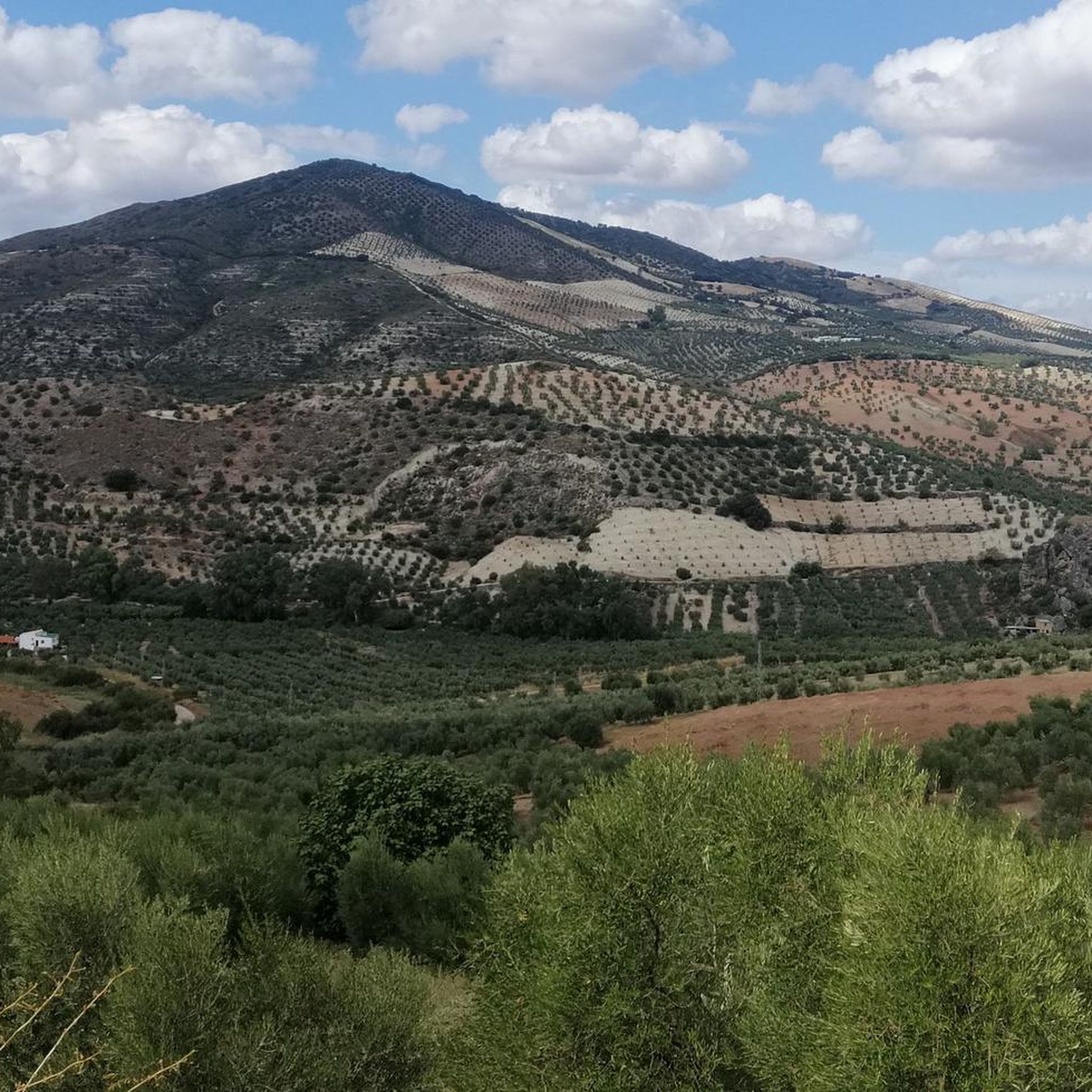
The Via Verde de la Sierra is a beautiful green route in Andalusia that starts in Puerto Serrano and ends in Olvera. This 36-kilometre route follows an old railway line that was built in the early 20th century between Jerez de la Frontera and Almargen. The route offers a unique combination of beautiful nature and historical sights, including the impressive Sierra de Cádiz and a large colony of Griffon Vultures. The route is ideal for both walking and cycling and passes through several tunnels and viaducts, making it a unique experience. Along the way you will pass through smaller villages and peaceful landscapes, making it perfect for a relaxing adventure in nature.
9
0
Frequently Asked Questions
What are some of the most popular attractions to visit around Pruna?
Visitors frequently enjoy the Vía Verde de la Sierra Tunnels and Peñón de Zaframagón, a cycle path following an old railway line through tunnels and viaducts. Another highly appreciated spot is the Zaframagón Viaduct, offering views of the Estrechón Canyon. The Hermitage of San Benito, a 15th-century religious building, is also a beloved historical site.
Are there any historical sites or landmarks in Pruna?
Pruna boasts several historical sites. The remains of the 15th-century Castillo de Hierro (Iron Castle) offer panoramic views and are notable as the only Nasrid-style castle in the province. The 17th-century San Antonio Abad Church in Plaza de la Libertad is a central cultural site, and the Hermitage of San Benito is a well-maintained 15th-century church.
What natural features can I explore near Pruna?
Pruna is rich in natural beauty. You can visit La Cascada, an impressive 30-meter-high waterfall about one kilometer from town. The Sierra del Tablón provides fresh air and numerous routes for walking or biking, with Terril Peak as its highest point. The area is also known for its natural springs like Fuente del Molino Cegato and Fuente del Duque, and the Puerto de la Ventana Viewpoint offers stunning views of the Sierra Sur.
Are there family-friendly activities or attractions around Pruna?
Yes, several attractions are suitable for families. The Vía Verde de la Sierra Tunnels and Peñón de Zaframagón is a great option for walking or cycling, offering a unique experience through tunnels and viaducts. The Hermitage of San Benito and the charming Typical Setenil, with its houses built into rocks, are also considered family-friendly.
What kind of outdoor activities can I do near Pruna's attractions?
The region around Pruna is excellent for outdoor enthusiasts. You can enjoy cycling and walking along the Vía Verde de la Sierra, a 36-kilometer green route following an old railway line. For more specific routes, you can explore various MTB Trails, Cycling routes, and Road Cycling Routes, many of which pass through scenic landscapes and historical points of interest.
What is the best time of year to visit Pruna for outdoor activities?
While specific weather data isn't provided, the Sierra Sur region generally experiences pleasant conditions for outdoor activities during spring and autumn. These seasons offer milder temperatures, ideal for exploring the Vía Verde de la Sierra, hiking in the Sierra del Tablón, or visiting natural springs and viewpoints.
What cultural experiences does Pruna offer?
Pruna provides a glimpse into traditional Andalusian life. You can stroll through the old town with its whitewashed houses, visit the San Antonio Abad Church, or experience local festivals like the Inmaculada Concepción Pilgrimage in May or the 'Villa de Pruna' Flamenco Festival. The town is also known for its local cuisine, olive oil production, and artisanal drinks from Distilería Reguera.
Where can I find unique views of the surrounding area?
For unique and stunning views of the Sierra Sur, head to the Puerto de la Ventana Viewpoint. Additionally, the remains of the Castillo de Hierro offer panoramic vistas of the valleys, and the Zaframagón Viaduct provides a privileged view of the Estrechón Canyon and the Zaframagón Rock.
What do visitors enjoy most about the Vía Verde de la Sierra?
Visitors consistently praise the Vía Verde de la Sierra for its beautiful and varied landscape, unique experience of passing through tunnels and viaducts, and the opportunity to spot Griffon Vultures. It's considered ideal for a relaxing adventure in nature, combining natural beauty with historical sights.
Are there any specific local products or cuisine to try in Pruna?
Pruna is known for its excellent cuisine, particularly its olive oil from the local cooperative, which also offers guided tours. Popular dishes include moraga de pimientos, and local artisanal drinks like anís and pacharán. Traditional sweets such as rosco de San Antón and torta de bellota are also local delights.
Is the Vía Verde de la Sierra accessible for walking and cycling?
Yes, the Vía Verde de la Sierra is ideal for both walking and cycling. This 36-kilometer route follows an old railway line, making it relatively flat and suitable for a wide range of abilities. It passes through several tunnels and viaducts, offering a unique and engaging experience.
What is the significance of the Shrine to El Navazo?
The Shrine to El Navazo (Ermita de la Pura y Limpia Concepción), located a few kilometers from Pruna, was built in 1968. It is significant as the host site for the Virgen Inmaculada during the eagerly anticipated Inmaculada Concepción Pilgrimage, a major annual event in May.
Most popular attractions around Pruna

Get inspired with the komoot mobile app


Explore more
Still not found the Highlight you’re looking for? See guides of the top attractions in other regions:
