Attractions and Places To See around Luyego - Top 20
Best attractions and places to see around Luyego include traditional villages, historical sites, and natural landscapes within the Maragatería comarca of León, Spain. The area is characterized by its authentic atmosphere, traditional Maragato architecture, and proximity to the Montañas del Teleno. Visitors can explore cultural heritage and natural beauty, including pine forests and the Duerna river.
Best attractions and places to see around Luyego
- The most popular attractions is Rabanal del Camino — Village and Church, a settlement that…
Last updated: October 11, 2026
Rabanal del Camino — Village and Church
Highlight • Settlement
Translated by Google •
Tip by

Trail to Foncebadón
Highlight (Segment) • Trail
Translated by Google •
Tip by
Sign up now to discover places like this
Get recommendations on the best single tracks, peaks, & plenty of other exciting outdoor places.
El Ganso Village
Highlight • Settlement
El Ganso has a rich Jacobean tradition, having had a female monastery of the Order of Cluny and a hospital of Saint Catherine, both from the 12th century and …
Translated by Google •
Tip by

Hermitage of the Vera Cruz
Highlight • Religious Site
Translated by Google •
Tip by

Santa Catalina de Somoza
Highlight • Settlement
Translated by Google •
Tip by

Sign up for free to discover even more attractions around Luyego.
Already have an account?
Start today with a free account
Your next adventure awaits.

Tips from the Community

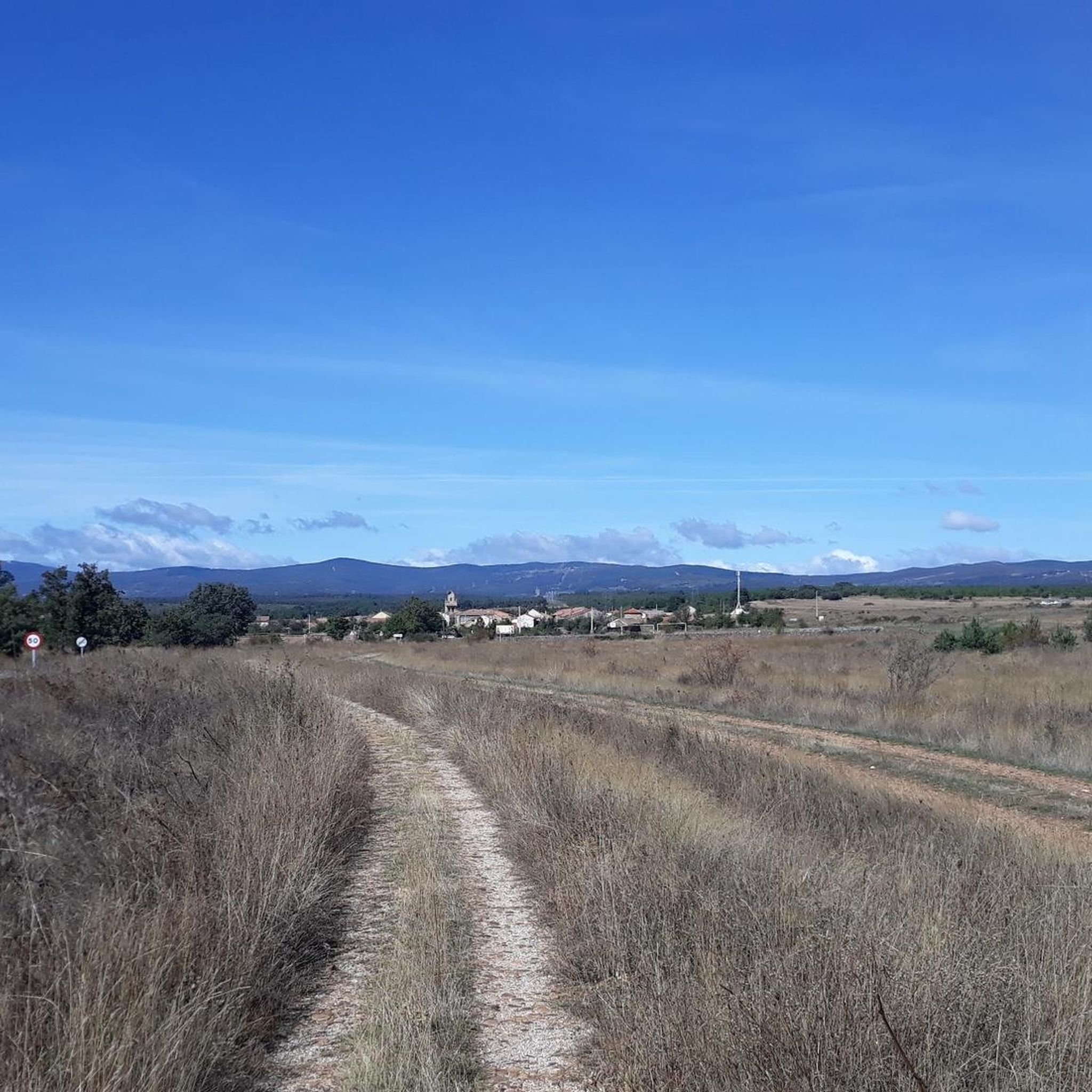
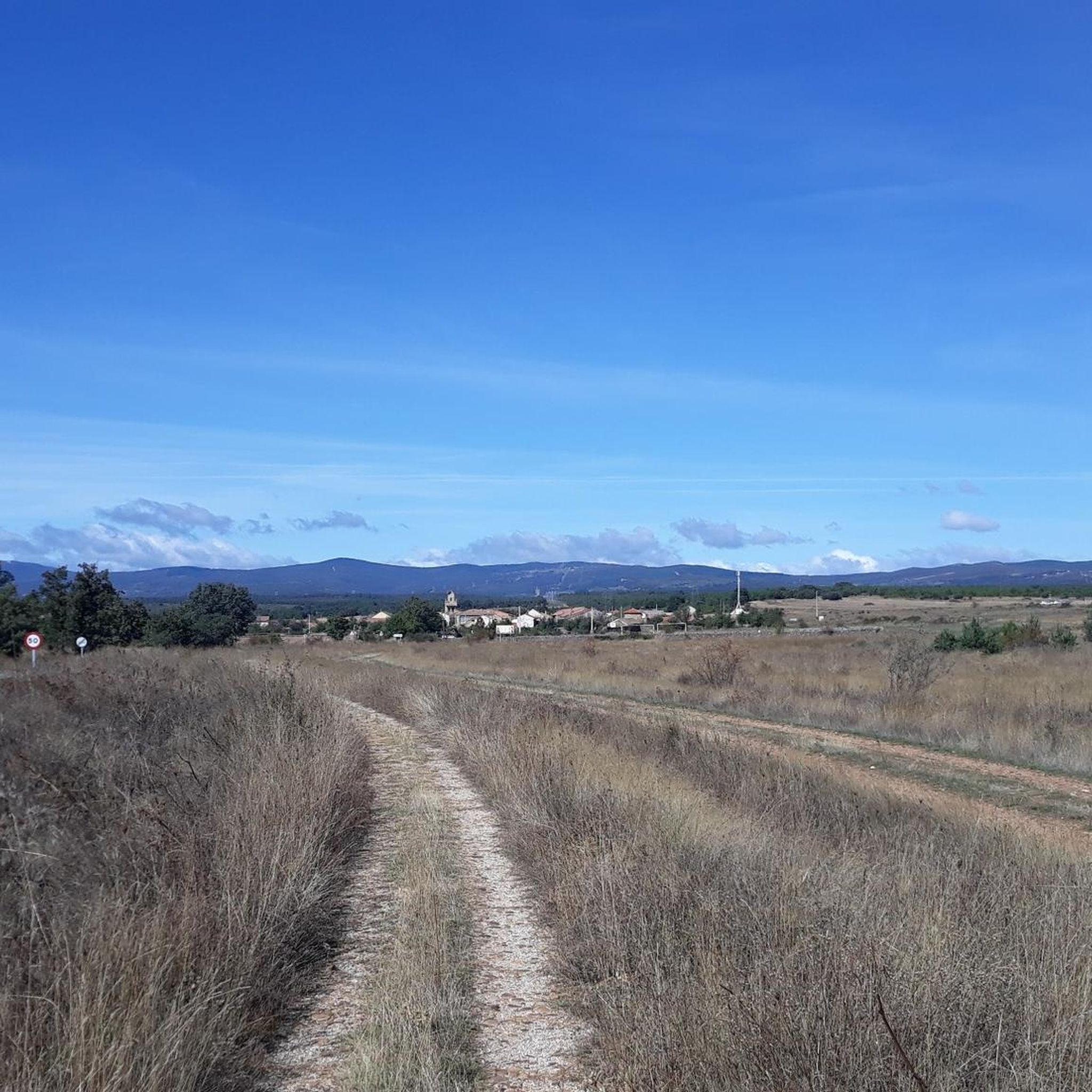
It seems like we've landed in the Wild West, all that's missing is Tex Willer arriving
1
0

The Church of Nuestra Señora de la Asunción in Rabanal del Camino is a beautiful architectural gem along the Camino de Santiago. This church, located in the small village of Rabanal del Camino in the province of León, was built in the 12th century and has undergone several renovations and extensions over the centuries. The church is of Romanesque origin and is believed to have been built by the Knights Templar, who protected the pilgrims who crossed the Montes de León on their way to Santiago de Compostela.
6
0

Nice little town to drive through. Very good for taking a break.
2
0
Santa Catalina de Somoza is a small Spanish village belonging to the municipality of Astorga. It is one of the villages on the Camino de Santiago Francés. The village is located about 9 kilometers from the town of Astorga and has just over 50 inhabitants. The village originates from Hospital de Yuso, whose ruins still remember the place called Orchard Hospital. In this village you will also find the Parish Church of Santa María.
5
0
The Ermita del Cristo de la Vera Cruz is located in Rabanal del Camino, a small village in the Bierzo region, in the province of León. Built in Baroque style, this hermitage was founded in the 18th century and is one of the main tourist attractions of Rabanal del Camino, as it is part of the Camino de Santiago. According to tradition, this hermitage contains a relic of Vera Cruz, making it a place of pilgrimage for many believers. In addition to its religious value, the Ermita del Cristo de la Vera Cruz stands out for its architecture, with a simple but elegant facade and an interior decorated with paintings and sculptures of great artistic value. The history of the Ermita de la Vera Cruz dates back to the 18th century, when it was built at the initiative of the Franciscan monks who inhabited the nearby Monasterio de San Salvador. During the War of Independence, the hermitage suffered serious damage and had to be rebuilt in the 19th century. Over the years it has been restored and improved several times, preserving its beauty and artistic value.
3
0

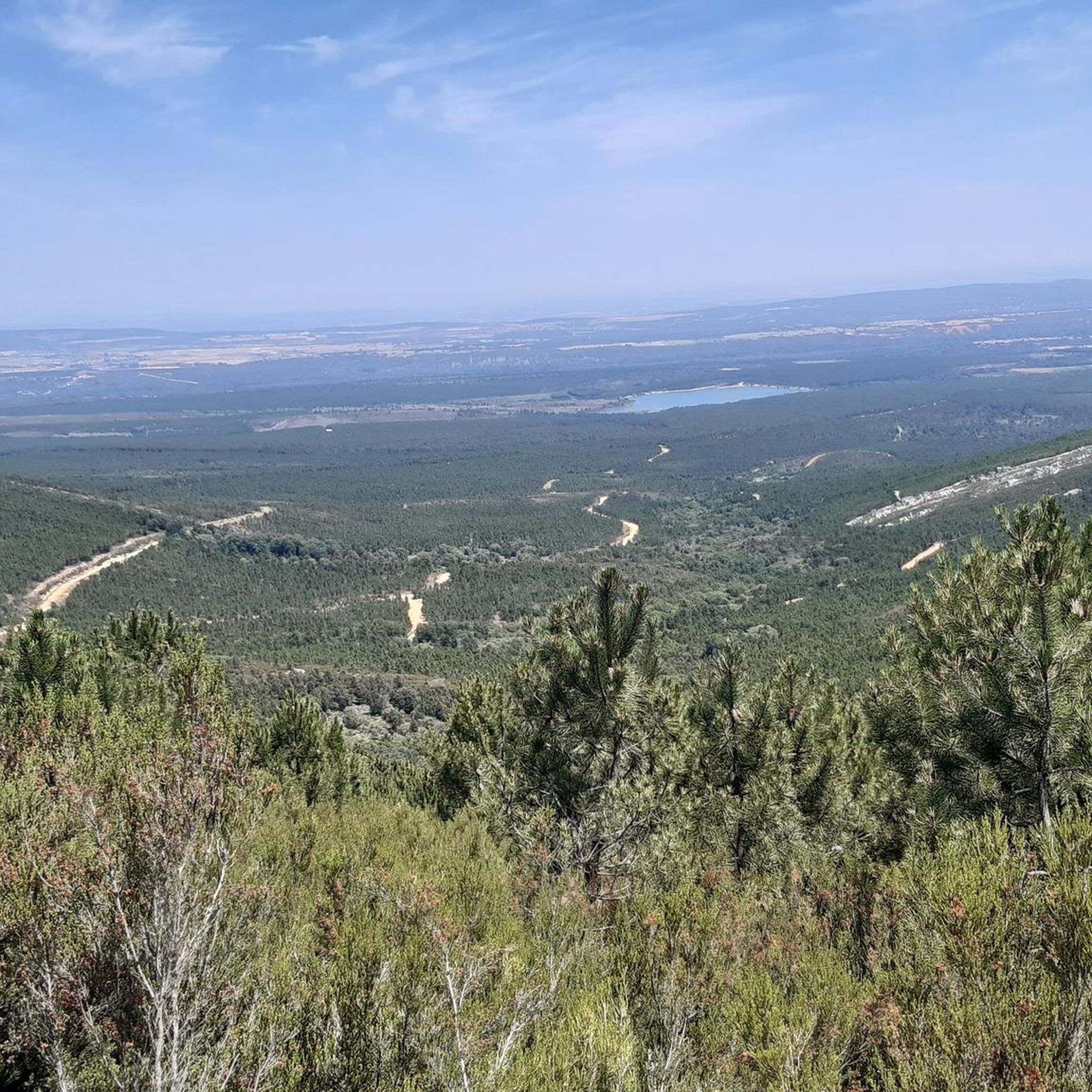
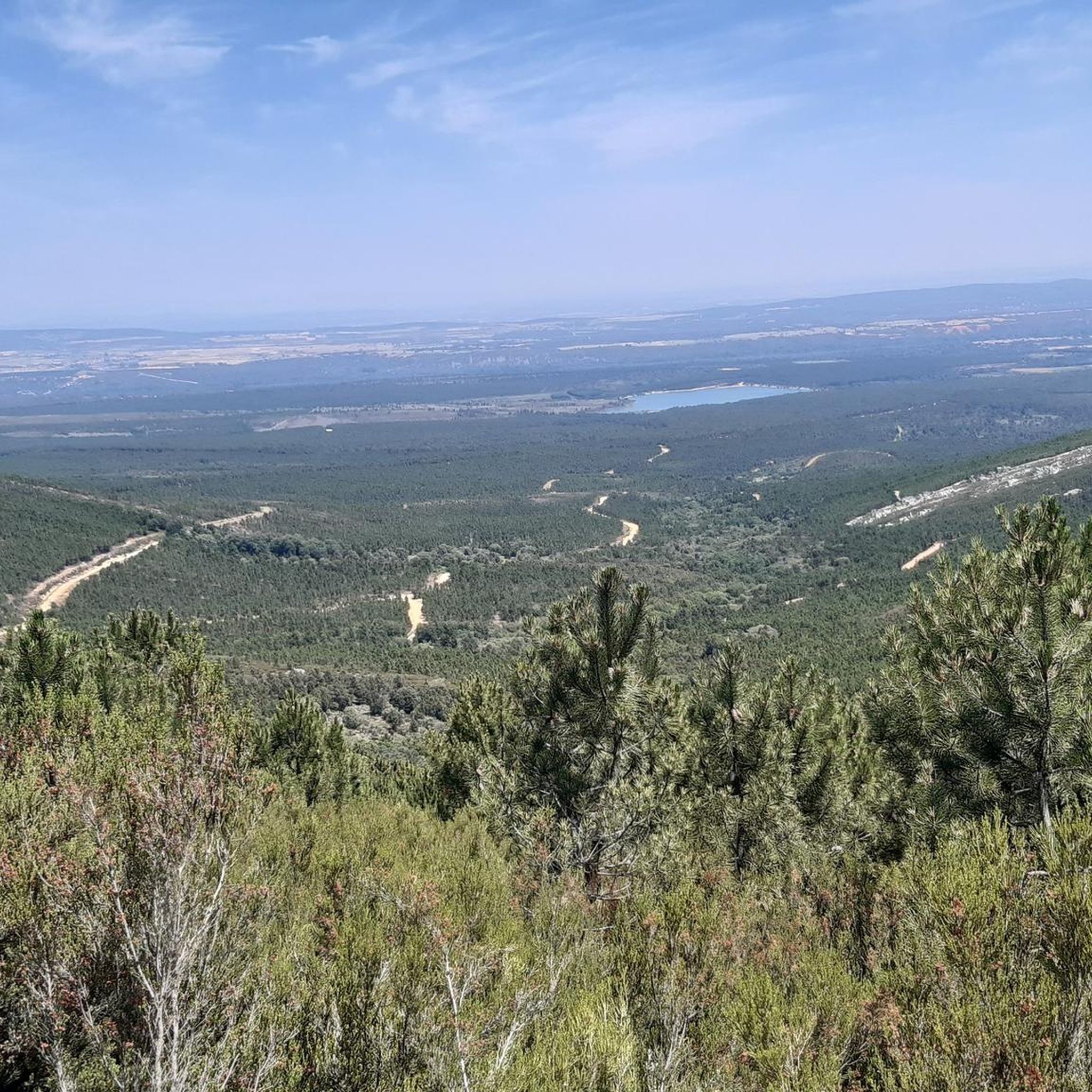
Long, steep climb up to the Cruz de Ferro, as the track can be very rough, especially in poor weather. Be sure to recover at one of the albergues once you reach Foncebadón.
2
0

https://www.youtube.com/watch?v=yjMbL4zYjok El Ganso has a rich Jacobean tradition, having had a female monastery of the Order of Cluny and a hospital of Saint Catherine, both from the 12th century and now gone. The name of El Ganso already appeared in documents from the 14th century, and the town was under the lordship of the Marquises of Astorga in Turienzo de los Caballeros. Its traditional architecture includes the so-called “tinted houses”, with thatched roofs, which are a clear indication of the Celtic substratum that inhabited this region. These characteristics make El Ganso a place with a deep historical and cultural connection with the region and the Camino de Santiago. The population of El Ganso was 23 inhabitants in 2017, reflecting a significant decrease since the beginning of the 20th century when it had more than 200 residents. Regarding its festivities, El Ganso celebrates two main events: the Festival of Santiago on July 25 and the Festival of Our Lady of the Assumption on August 15. During the Festival of Santiago, it is a tradition for the young people of the town to decorate the porch of the Church and the town's Christ with ivy, and at the mass that day, castanets and drum music plays.
5
0

Rabanal del Camino is a small town on the Way of St. James in the province of León in the autonomous community of Castile and León. The place belongs to the municipality of Santa Colomba de Somoza. For a long time, the place was very important for the Way of St. James because of its location before the crossing over Monte Irago, several hospices and churches in the small place prove the importance of the village at that time. https://de.m.wikipedia.org/wiki/Rabanal_del_Camino
6
0
Frequently Asked Questions
What historical and cultural sites can I explore near Luyego de Somoza?
The region around Luyego de Somoza is rich in history and culture. You can visit the traditional village of Rabanal del Camino — Village and Church, known for its unique bell tower structure. Another significant site is the Hermitage of the Vera Cruz in Rabanal del Camino, an 18th-century Baroque building. Further afield, the charming village of Castrillo de los Polvazares, with its reddish stone houses, offers a glimpse into traditional Maragato architecture. Astorga, a short drive away, boasts the impressive Palace of Gaudí and the historic Cathedral of Santa María.
Are there any significant natural features or viewpoints to discover around Luyego de Somoza?
Yes, Luyego de Somoza is nestled within the captivating Montañas del Teleno region, offering beautiful natural landscapes. You can explore pine forests and the verdant flora along the Duerna river. A notable historical natural feature is Fucochico, a gigantic Roman mining vestige over 200 meters in diameter, located between Luyego and Priaranza de la Valduerna, which was used for gold extraction.
What kind of traditional architecture can I see in Luyego de Somoza and the surrounding area?
Luyego de Somoza and the Maragatería region are known for their distinctive traditional Maragato architecture. You'll find houses with unique designs, often featuring slate roofs, arches, mud plaster, and Arab tiles. The village of Castrillo de los Polvazares, for example, is a prime example with its well-preserved reddish stone houses.
Are there family-friendly attractions or activities around Luyego de Somoza?
Several villages in the area offer a family-friendly atmosphere and historical interest. El Ganso Village is considered family-friendly and has a rich Jacobean tradition. The Hermitage of the Vera Cruz is also noted as family-friendly. Exploring the traditional architecture in villages like Castrillo de los Polvazares or visiting the Museo del Chocolate in Astorga can also be engaging for families.
What outdoor activities can I do near these attractions?
The region offers a variety of outdoor activities. You can find numerous hiking trails, including the scenic Trail to Foncebadón. For more options, explore the hiking routes around Luyego, which include trails like Pico Teleno from Filiel or the circular route by the Embalse de Valtabuyo. There are also cycling routes and running trails available in the area.
What is the Camino de Santiago's connection to Luyego de Somoza?
Luyego de Somoza is located near significant points on the Camino de Santiago. Villages like Santa Catalina de Somoza and El Ganso Village are directly on the Camino Francés. The famous Cruz de Ferro (Iron Cross), a traditional stopping point for pilgrims, is also in the vicinity, making the area a popular spot for those following the pilgrimage route.
Are there any specific villages worth visiting for their unique character near Luyego de Somoza?
Absolutely. Beyond Luyego itself, Rabanal del Camino is a notable settlement with its distinctive church. Santa Catalina de Somoza is a small village with historical origins, including the ruins of Hospital de Yuso. Castrillo de los Polvazares is renowned for its well-preserved traditional architecture, making it feel like 'time has frozen'. El Ganso Village also offers a rich Jacobean tradition and unique 'tinted houses' with thatched roofs.
What is the Romería de los Remedios?
The Romería de los Remedios is a deeply rooted tradition in Luyego de Somoza, reflecting the rich heritage of its inhabitants. It is a pilgrimage associated with the sanctuary dedicated to the Virgen de los Remedios, who is considered the patron saint of the Maragatería comarca. This event offers a unique cultural experience for visitors.
What is the best time to visit Luyego de Somoza for outdoor activities?
The Montañas del Teleno region, where Luyego de Somoza is located, offers a captivating natural environment. While specific best times for hiking permits are not mentioned, generally, spring and autumn provide pleasant weather for exploring the trails and natural beauty. Summer can also be suitable, especially in the mornings or late afternoons, to avoid the midday heat.
Where can I find places to eat or drink in the Luyego de Somoza area?
While specific establishments are not detailed in the provided information, Luyego de Somoza and nearby villages like Rabanal del Camino, Castrillo de los Polvazares, and Astorga are likely to offer local cafes, restaurants, and pubs where you can experience regional cuisine and hospitality. Astorga, being a larger town, will have a wider selection.
Are there any specific hiking trails recommended for scenic views?
Yes, the Trail to Foncebadón is a section just over 5 km long that offers beautiful views towards Foncebadón, a village known for its scenic location. Many pilgrims on the Camino Francés appreciate such sections for enjoying 'God's beautiful nature'.
What makes Astorga a significant nearby town to visit?
Astorga, located just 14 km from Luyego de Somoza, is a significant town with several landmarks. It is home to the impressive modernist Palace of Gaudí and the historic Cathedral of Santa María. Additionally, Astorga has a rich chocolate-making heritage, celebrated at the Museo del Chocolate. The Ayuntamiento de Astorga in the Plaza Mayor also features a unique municipal clock with figures dressed in traditional Maragato attire.

Get inspired with the komoot mobile app


Explore more
Still not found the Highlight you’re looking for? See guides of the top attractions in other regions:
