The 11 Most Amazing Peaks around Sant Feliu De Codines
Best mountain peaks around Sant Feliu De Codines are found in the Vallès Oriental comarca of Catalonia, Spain. This region provides diverse mountain routes and natural areas, known for their hiking opportunities. The landscape combines natural features with historical sites, offering panoramic views from various summits. Sant Feliu De Codines serves as a base for exploring these elevated points.
Best mountain peaks around Sant Feliu De Codines
- The most popular mountain peaks is Puig de la Creu Summit and the…
Last updated: July 7, 2026
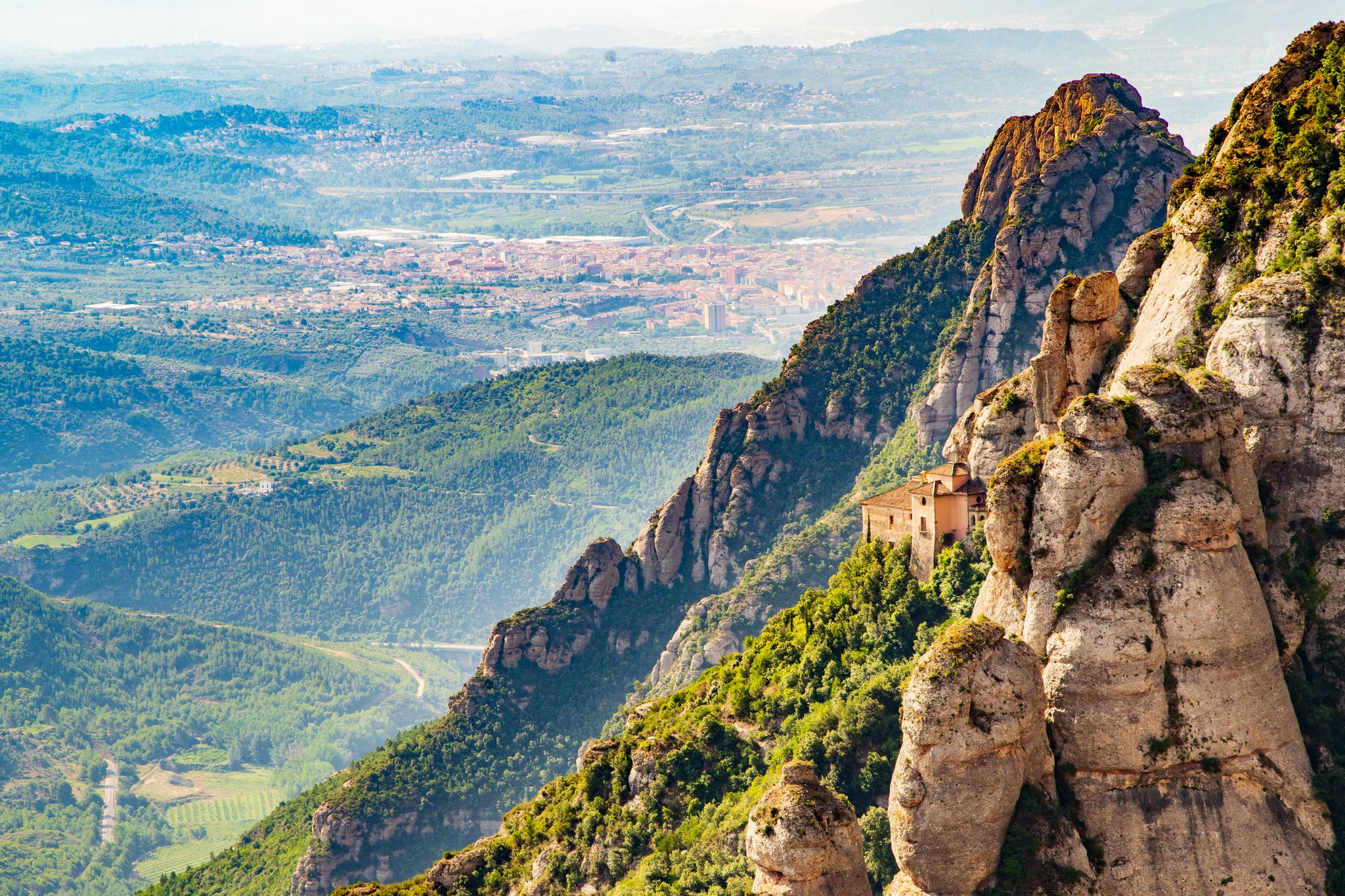
Puig de la Creu Summit and the Santa Maria Chapel
Highlight • Summit
Translated by Google •
Tip by

Puiggraciós Optical Telegraph Tower
Highlight • Monument
Translated by Google •
Tip by
Sign up now to discover places like this
Get recommendations on the best single tracks, peaks, & plenty of other exciting outdoor places.
Sign up for free
Turó de Tagamanent and the Church of Santa Maria de Tagamanent
Highlight • Summit
Translated by Google •
Tip by

La Trona (Bertí Cliffs)
Highlight • Climb
Translated by Google •
Tip by

Pic del Vent Summit
Highlight • Summit
Translated by Google •
Tip by
Sign up for free to discover even more peaks around Sant Feliu De Codines.
Sign up for free
Already have an account?
Start today with a free account
Your next adventure awaits.
Login or Signup
Popular around Sant Feliu De Codines

Other adventures around Sant Feliu De Codines

Tips from the Community

Built during the Napoleonic era, this tower was part of the optical telegraph network that connected Barcelona with Vic using light signals and mirrors. Interestingly, according to local chroniclers, it never fully functioned: the wind and fog from Puiggraciós made it impossible to see the next station. Even so, it remains a symbol of a time when messages traveled at the speed of the sun, long before the telephone and fiber optic cable.
0
0

Beautiful views
0
0

A place with excellent views of the entire southern part of Barcelona, including the Tibidabo antenna and the Ciudad Meridiana and Torre Baró neighborhoods.
2
0

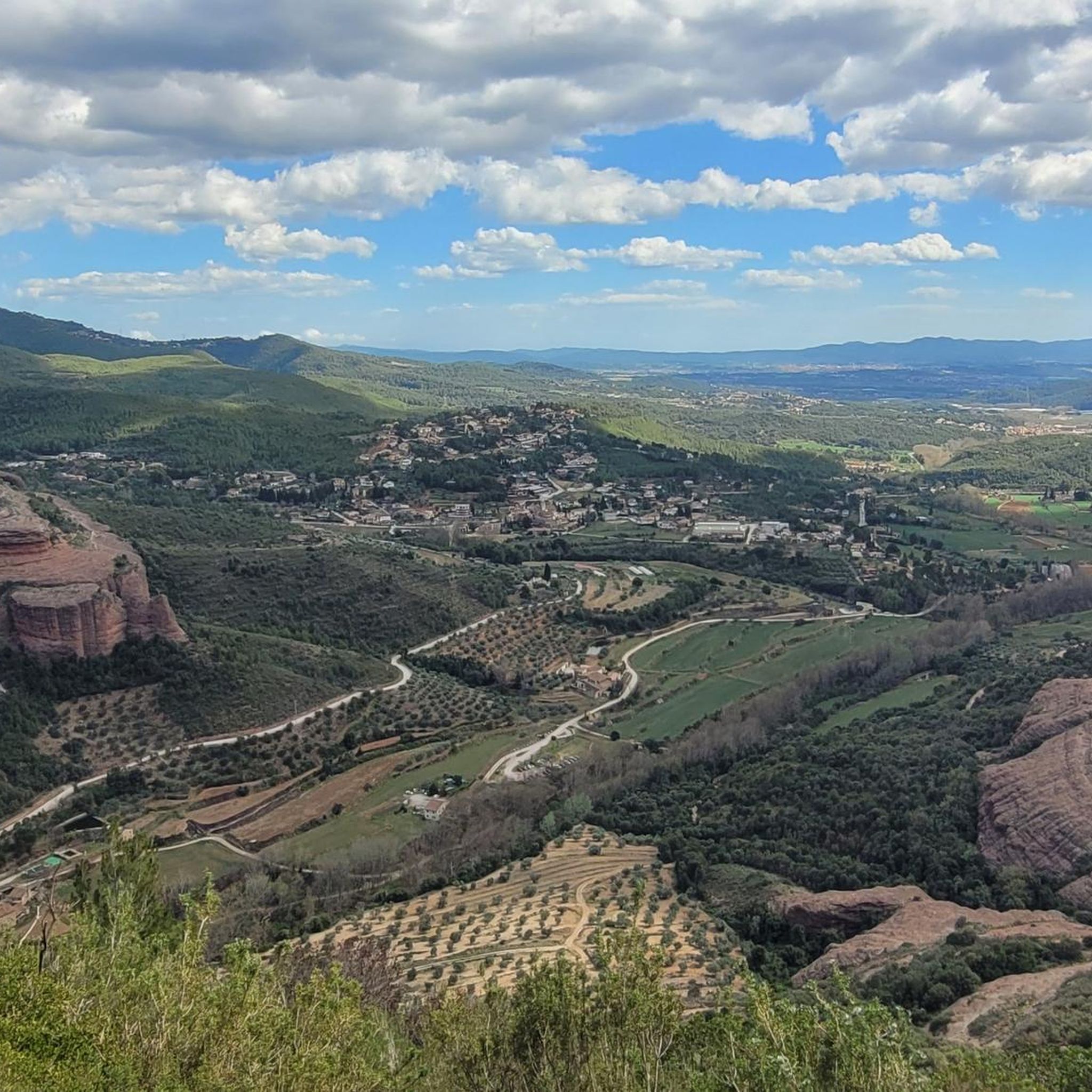
Arriving at the Cim del Puiggraciòs you will find this telegraph tower, which can be reached by mountain bike or gravel, by road you can only reach the Sanctuary. You can enjoy exceptional views of the Congost River Valley and Montseny, with the Tagamanent right in front. The ascent will not leave you indifferent.
2
0

At the top of Puiggraciós, 807 meters high, there is an old optical telegraph tower in excellent condition, built in 1854 and currently used by forest rangers. It is declared as a Cultural Property of National Interest.
1
0

The mountain bike tour to Puig de la Creu near Castellar del Vallès offers a varied combination of nature, culture, and impressive views. The route leads over forest and gravel tracks through the region's hilly landscape up to the 668-meter-high summit. Once at the top, there are expansive panoramic views over the Vallès, the striking San Llorenç del Munt massif with La Mola, and the Montseny mountains. A special highlight of the tour is the small 12th-century Romanesque chapel of Santa Maria del Puig de la Creu, located just below the summit. Its simple natural stone architecture reflects the spiritual significance of this place and invites you to take a short rest. The summit plateau itself is marked with a metal cross, and next to it is a simple refuge that can provide shelter in case of bad weather. The last few meters to the summit are marked by cairns, as the trails are not always clearly signposted. GPS assistance or a good map is recommended, especially if you want to extend the tour as a circular route via Sentmenat or Sant Llorenç Savall. Overall, Puig de la Creu is a worthwhile destination for anyone seeking a harmonious blend of physical activity, scenic beauty, and cultural discovery.
7
1
Mandatory stop. At the top of Puiggraciós, 807 meters high, there is an old optical telegraph tower in optimal condition, built in 1854 and currently used by forest guards. It is declared a Cultural Asset of Interest. National.https://www.youtube.com/watch?v=DfxckxyuQHE
3
0

Mountain of 1056 m at the western end of Pla de la Calma included in the list of 100 peaks of the F.E.E.C. https://www.feec.cat/activitats/100-cims/cim/tagamanent/ At its peak was the Castle of Tagamanent, already mentioned in 945. The castle was under the rule of the counts of Barcelona. Currently there is the church of Santa Maria, a 12th century Romanesque building with many subsequent modifications. Although more than likely an Iberian settlement, the first signs of construction belong to the castle and the church and date from the 10th century, at the beginning of the process of feudalization of Catalan society. The continued use as a control center first, and as a municipal and religious center later, places the hill as the social center of the municipality. The evolution of the medieval common leads to the construction of the Town Hall already in the present day, as well as a hostel and small housing at the end of the 19th century. Rectory, cemetery, small church, laundry and water tanks are other relevant elements. It is also necessary to highlight the existence of a permanent Orientation circuit: https://www.tagamanent.cat/wp-content/uploads/2018/03/defcircuit.pdf
2
0
Frequently Asked Questions
What are some easily accessible mountain peaks with great views near Sant Feliu de Codines?
For an easily accessible summit with excellent panoramic views, consider Puig de la Creu Summit and the Santa Maria Chapel. Standing at 668 meters, it offers perspectives of the Vallès Occidental, Collserola, Montseny, the San Lorenzo massif, and Montserrat. The route to the summit is generally considered intermediate.
Are there any mountain peaks with historical significance in the area?
Yes, several peaks combine natural beauty with history. The Puiggraciós Optical Telegraph Tower is a cultural asset of national interest, offering expansive views from a historical monument. Another is Turó de Tagamanent and the Church of Santa Maria de Tagamanent, a 1,055-meter peak that was historically a castle site and features a 12th-century Romanesque church. Additionally, the Puig de la Creu Summit is home to the 12th-century Romanesque hermitage of Santa María del Monte de la Cruz.
Which mountain peaks offer challenging climbs or are part of peak-bagging lists?
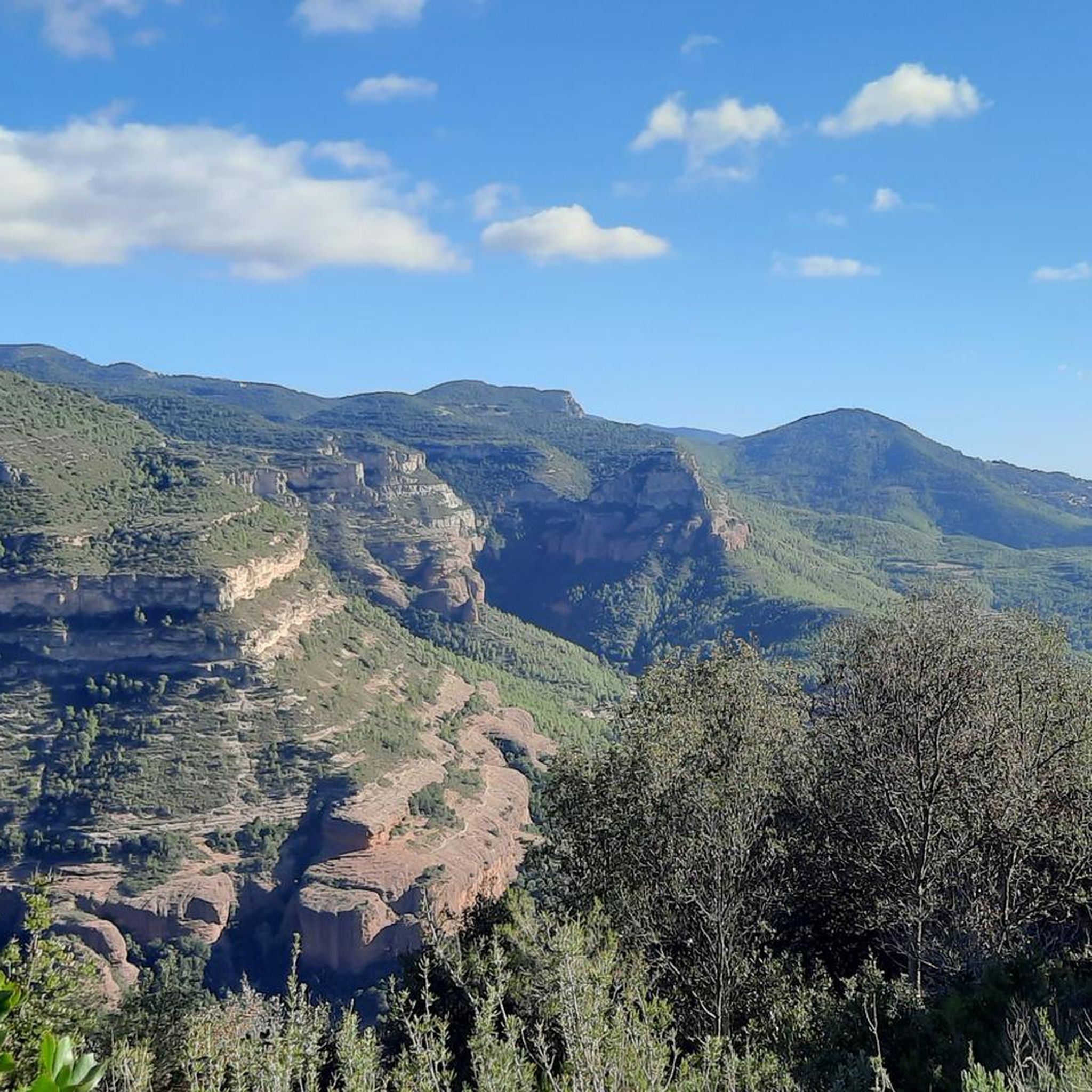
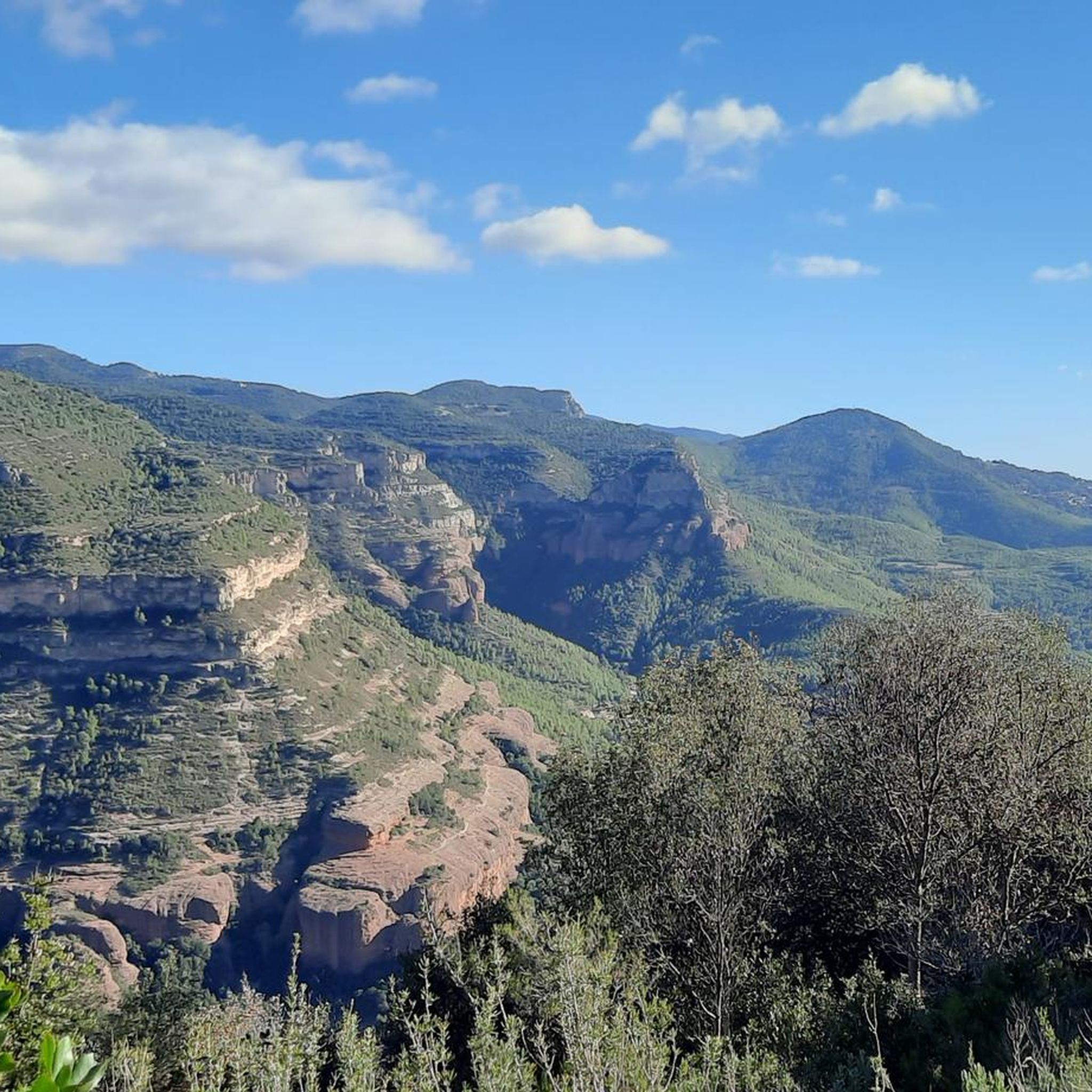
For those seeking a challenge, La Trona (Bertí Cliffs) is an 805.9-meter rock known for its verticality, making it a popular spot for climbing. The Pic del Vent Summit, at 815 meters, is the highest point of the Sierra del Farell and is recognized on the FEEC list as part of the 'hundred peaks' challenge. Turó de Tagamanent (1,055m) is also included in the FEEC's 100 peaks list.
What kind of panoramic views can I expect from the mountain peaks around Sant Feliu de Codines?
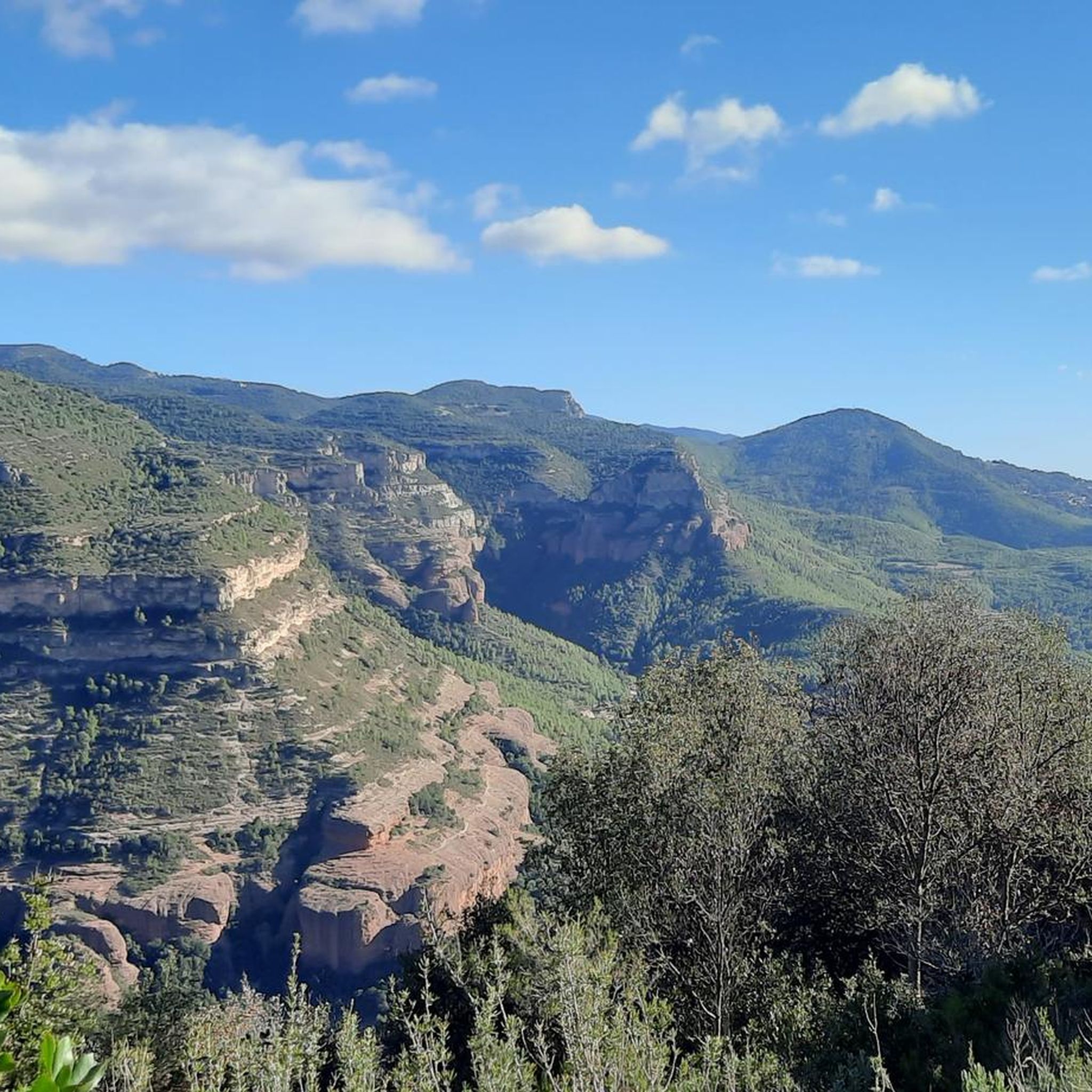
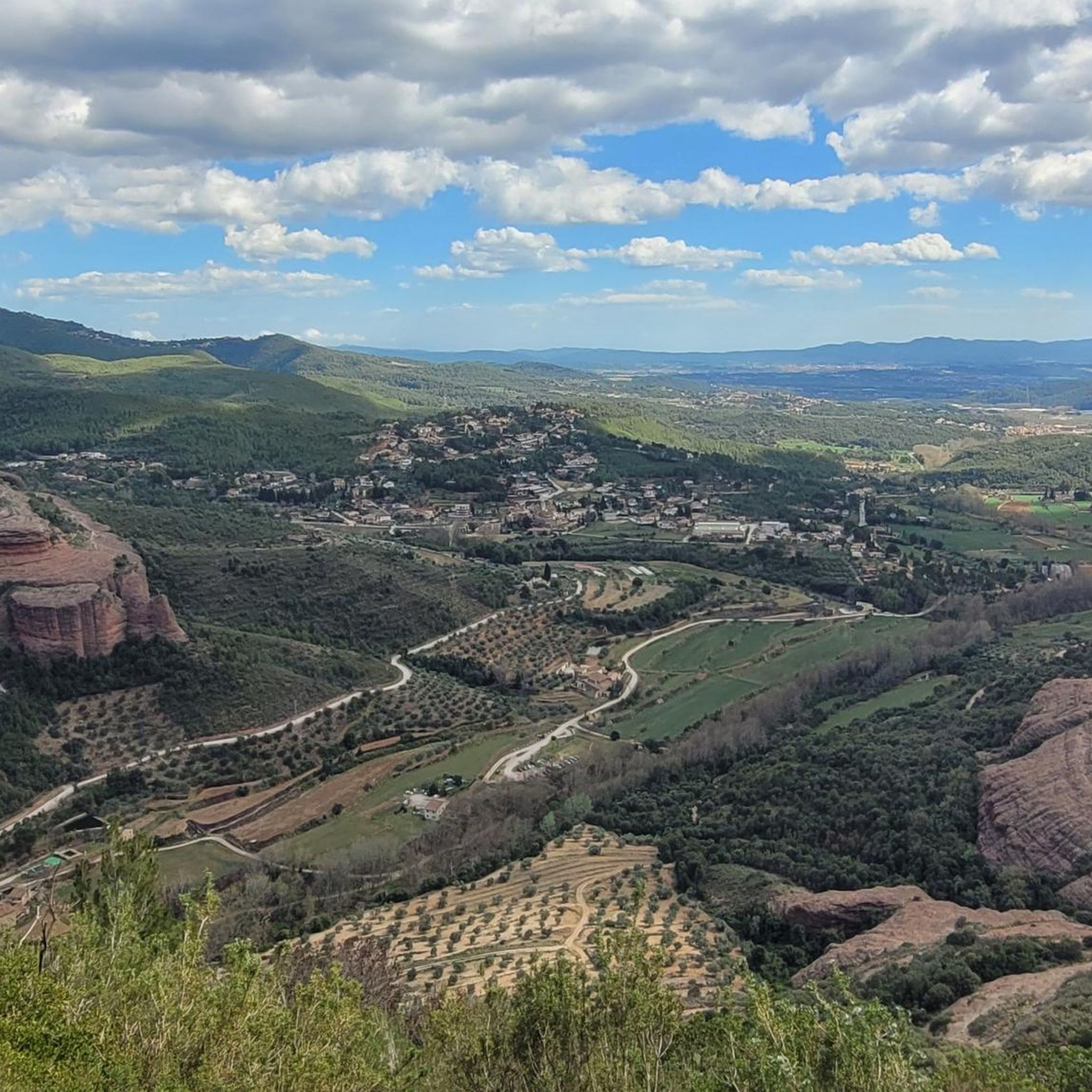
The mountain peaks in this region offer diverse and impressive panoramic views. From Puig de la Creu, you can see the Vallès Occidental, Collserola, Montseny, San Lorenzo massif, and Montserrat. Puiggraciós Optical Telegraph Tower provides expansive views of the surrounding region. From La Trona, you get a broad circular view including the prominent Montseny and Matagalls mountains. The Pic del Vent offers impressive views of all the mountains within the province of Barcelona.
Are there family-friendly hiking options to reach mountain peaks?
Yes, Puig de la Creu Summit is considered easily accessible and offers a rewarding experience for families. While the final meters to the summit might require some navigation, the overall route is manageable. For general family-friendly hiking, you can explore the 'Hiking around Sant Feliu De Codines' guide, which features moderate routes like the Sender dels Miradors Loop.
What is the best time of year to hike the mountain peaks in this region?
Spring is often highlighted as an excellent time to hike the peaks, offering pleasant temperatures and vibrant natural scenery. However, the region generally provides good hiking conditions throughout much of the year. Always check local weather forecasts before heading out, especially during summer for heat or winter for potential snow at higher elevations.
What outdoor activities can I do near these mountain peaks?
Beyond hiking to the summits, the area around Sant Feliu de Codines is excellent for various outdoor activities. You can find numerous mountain biking trails, such as those listed in the MTB Trails around Sant Feliu De Codines guide, including routes like the 'Vallès Viewpoint – Pla del Bado residential area loop'. There are also gravel biking opportunities, with routes like the 'Torre Marimon – Hostal del Fum Park loop' available in the Gravel biking around Sant Feliu De Codines guide. For hikers, the Hiking around Sant Feliu De Codines guide offers several moderate routes like the 'Ronda Codinenca Trail'.
Are there specific hiking trails near these mountain peaks?
Yes, there are many hiking trails that lead to and around these mountain peaks. For instance, you can hike to the Puiggraciós Optical Telegraph Tower or the Puig de la Creu Summit. The Hiking around Sant Feliu De Codines guide provides details on routes like the 'Sender dels Miradors Loop' and the 'Sant Feliu de Codines – Gorg Negre loop', which offer diverse experiences in the natural landscape.
What do visitors enjoy most about the mountain peaks around Sant Feliu de Codines?
Visitors consistently highlight the exceptional panoramic views from the summits, the blend of natural beauty with historical sites, and the variety of outdoor activities available. The opportunity to explore cultural assets like the Torre de Puiggraciós or the ancient chapels on peaks like Puig de la Creu and Turó de Tagamanent, combined with rewarding hikes, makes the region particularly appealing. The komoot community has shared 77 photos and given 169 upvotes across the highlights, reflecting a strong appreciation for the area's scenic and historical value.
Are there any less crowded mountain trails or peaks to explore?
While popular peaks like Puig de la Creu and Turó de Tagamanent attract visitors, the broader region of Vallès Oriental offers many trails. To find potentially less crowded options, consider exploring the extensive network of routes in the Hiking around Sant Feliu De Codines guide, which includes various moderate trails. Exploring routes that are not directly leading to the most prominent highlights might offer a quieter experience.
Can I find circular hiking routes that include mountain peaks?
Yes, many hiking routes in the region are designed as circular paths, allowing you to experience diverse landscapes and return to your starting point. For example, the Hiking around Sant Feliu De Codines guide features circular routes like the 'Sender dels Miradors Loop' and the 'Ronda Codinenca Trail'. While not all directly summit a specific peak, they often offer views of them and traverse the mountainous terrain.
Most popular routes around Sant Feliu De Codines
Most popular attractions around Sant Feliu De Codines

Get inspired with the komoot mobile app


Explore more
See even more amazing summits around Sant Feliu De Codines with these guides:
