Attractions and Places To See around El Redal - Top 20
Best attractions and places to see around El Redal offer a glimpse into traditional Spanish rural life within the Ocón Valley, La Rioja. This region is characterized by its agricultural landscapes, including vineyards and olive groves, alongside significant historical and cultural landmarks. Visitors can explore ancient religious sites, archaeological remains, and traditional architecture that reflect the area's rich past. The natural surroundings provide a backdrop for discovering various El Redal attractions and natural features.
Best attractions and places to see…
Last updated: July 7, 2026
Ocón Windmill
Highlight • Monument
Translated by Google •
Tip by

Ventas Blancas
Highlight • Settlement
The parish church of Santa Cruz, whose altar …
Translated by Google •
Tip by
Sign up now to discover places like this
Get recommendations on the best single tracks, peaks, & plenty of other exciting outdoor places.
Sign up for free
Providencia Mine
Highlight • Cave
Translated by Google •
Tip by

Los Molinos de Ocón
Highlight • Settlement
Translated by Google •
Tip by
Lagunilla de Jubera
Highlight • Settlement
Translated by Google •
Tip by

Sign up for free to discover even more attractions around El Redal.
Sign up for free
Already have an account?
Start today with a free account
Your next adventure awaits.
Login or Signup
Tips from the Community

A perfect place to take a break and take a cool photo.
0
0

A beautiful little village, but you'll have to climb some inclines to get here. Don't get confused, the windmills are not actually in this village!
1
0

How good it is to make a stop on a long route
1
0

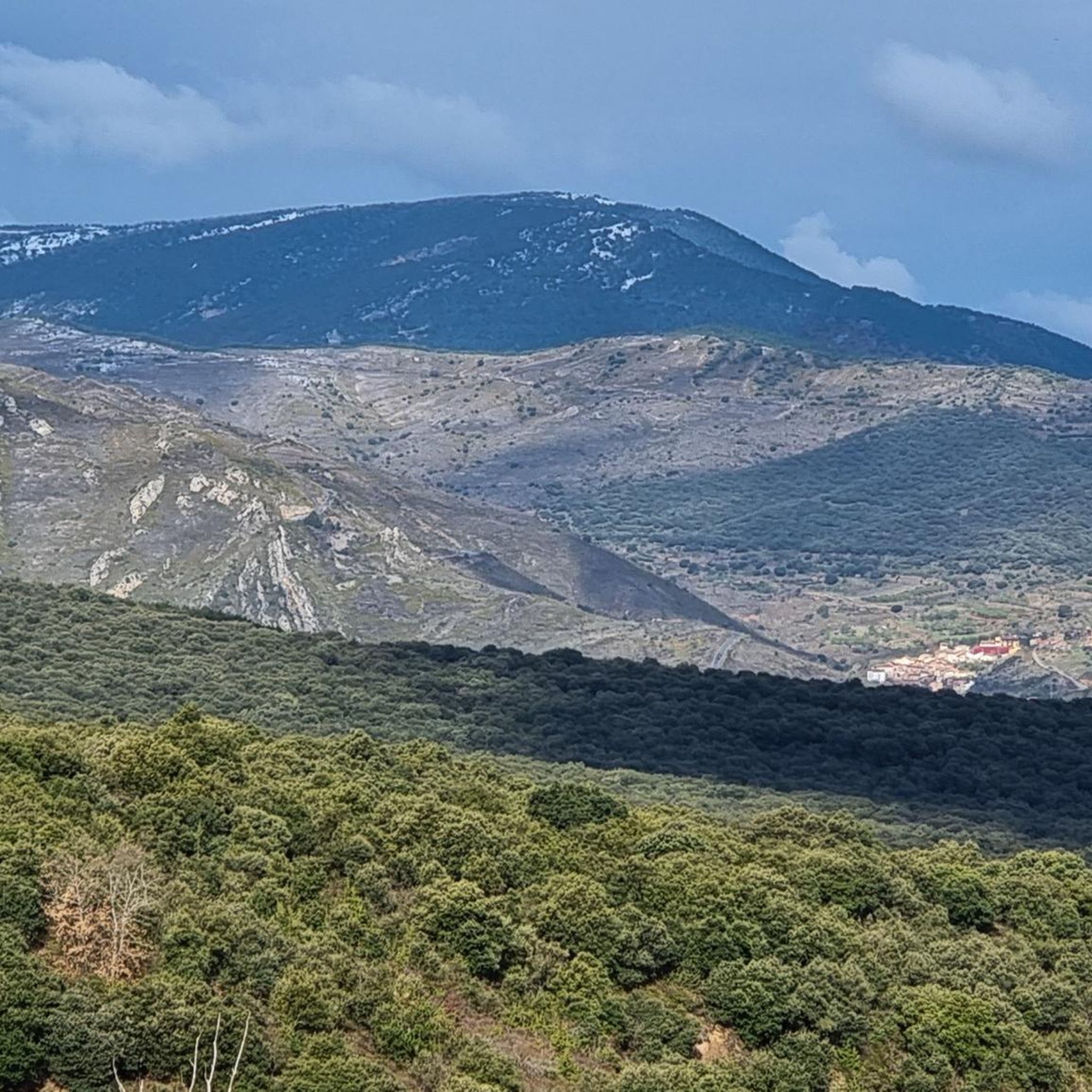
Ventas Blancas is a village belonging to the municipality of Lagunilla del Jubera, in the province and autonomous community of La Rioja. The parish church of Santa Cruz, whose altar was restored in 2018, and also three hermitages are part of its cultural heritage. The hermitage of San Gregorio, from the 18th century, contains a Romanesque image of San Gregorio. Of the Visigothic hermitage of Santa María de Rute, only a semicircular arch and some walls remain. It dates from the 6th century and hardly had any decoration. In the 12th century it became a Cistercian monastery, adding some rooms, which were described in archaeological excavations carried out in the 1970s. The hermitage of Santa Juliana, located to the south of the village, is a humble construction with a gabled roof that is currently in a dilapidated state.
1
0
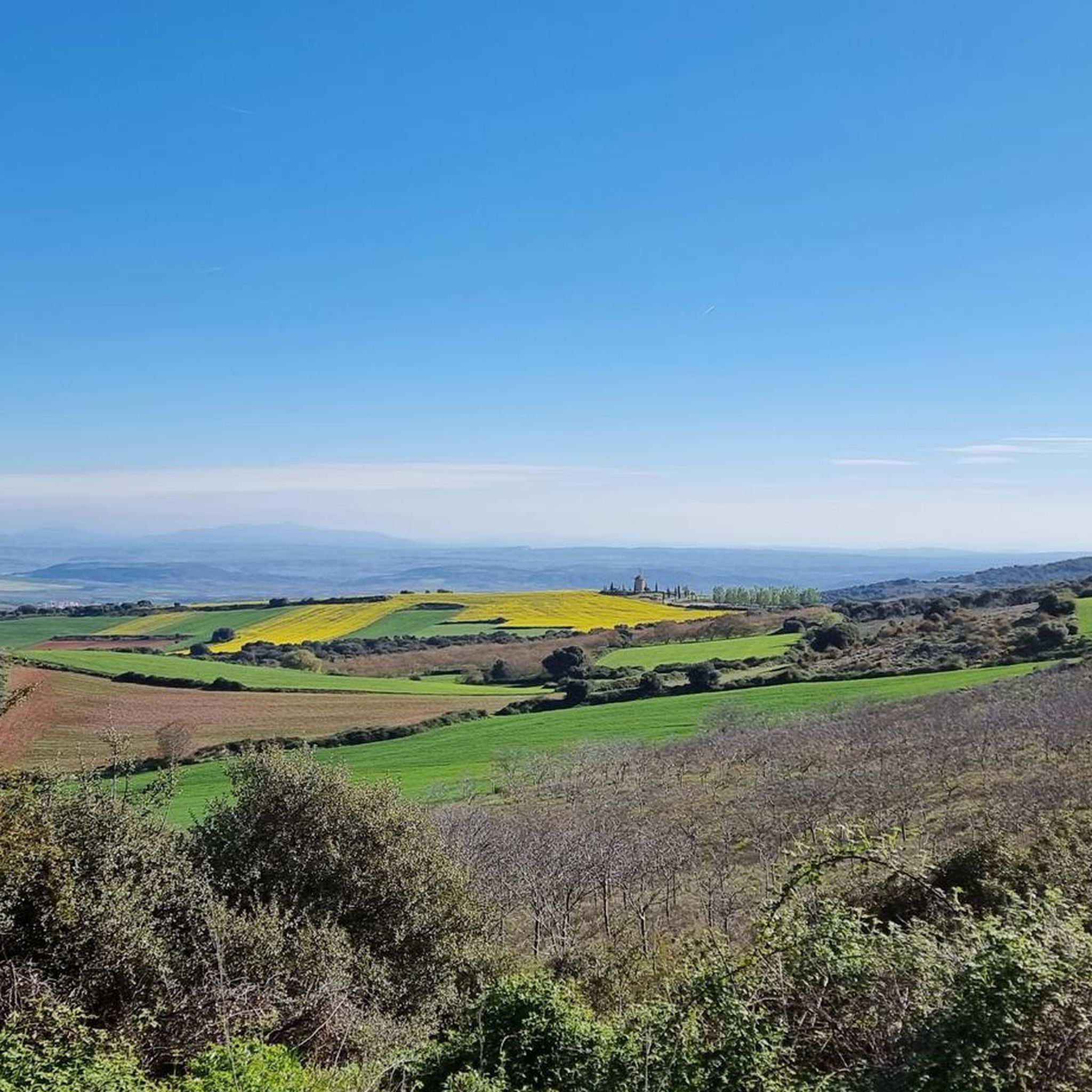
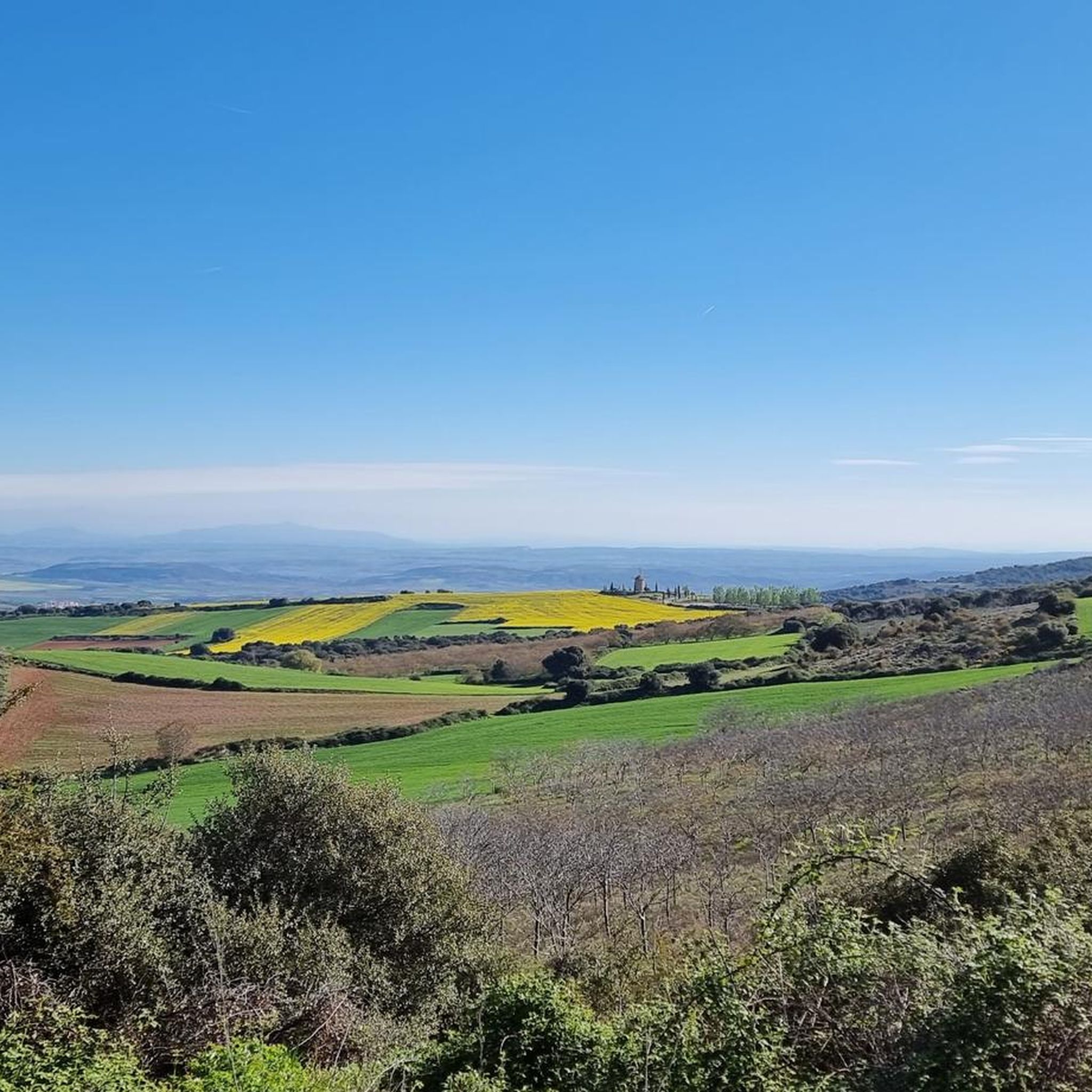
The story of that flour windmill begins on a hill near the town, where a thick curved stone wall had been found. Despite the fact that these constructions were not common in the area (the proximity of the Ebro was a source of motor energy important enough to rule out windmills), the nearby place name of Los Molinos allowed us to guess that, indeed, there was a mill in that place before. The restoration work, started in 2003, ended with the conservation of the original wall and the construction of a replica of the old 14th century mill.
1
0
Los Molinos de Ocón is a village located in the Ocón valley, in La Rioja. It belongs to the municipality of Ocón, which includes the municipalities of La Villa, Pipaona, Santa Lucía, Las Ruedas, Aldealobos and the unpopulated area of Oteruelo. Los Molinos is the seat of the town hall. Its cultural heritage includes the church of San Babil, from the 16th century, and the hermitage of Santa María de Velilla, from the 15th century. Other places of interest are the Fuente Grande, now used for the leisure and recreation of the residents, and which was formerly a meeting place for farmers and ranchers. There the irrigation shifts, the distribution of pastures, sidewalks, etc. were decided. The old laundry and the trujal (oil mill) are two other typical traditional constructions of the area.
1
0

Beautiful restored windmill. It's just a mill,... but it's worth it, ...since in La Rioja it's an exception.
1
0

Lagunilla del Jubera is a municipality located on the slopes of Camero Viejo, between the Zenzano mountain range and the Jubera valley. The town is located at an altitude of 612 meters and is crossed by the Salado River.
2
0
Frequently Asked Questions
What historical sites can I explore in and around El Redal?
El Redal and its surroundings are rich in history. You can visit the significant 15th-century Nuestra Señora de Las Virtudes Church, observe 16th-century emblazoned ashlar buildings throughout the village, and explore the ancient Ventas Blancas settlement with its parish church and three hermitages, including remains of a 6th-century Visigothic hermitage. The Los Molinos de Ocón village also features the 16th-century San Babil church and the 15th-century Santa María de Velilla hermitage.
Are there any archaeological sites near El Redal?
Yes, the Archaeological Site of Partelapeña offers a fascinating glimpse into the past, with vestiges dating back to the Bronze Age, specifically around the 10th century B.C. Additionally, the Ventas Blancas settlement contains remains of a 6th-century Visigothic hermitage, providing further archaeological interest.
What natural features are prominent in the El Redal area?
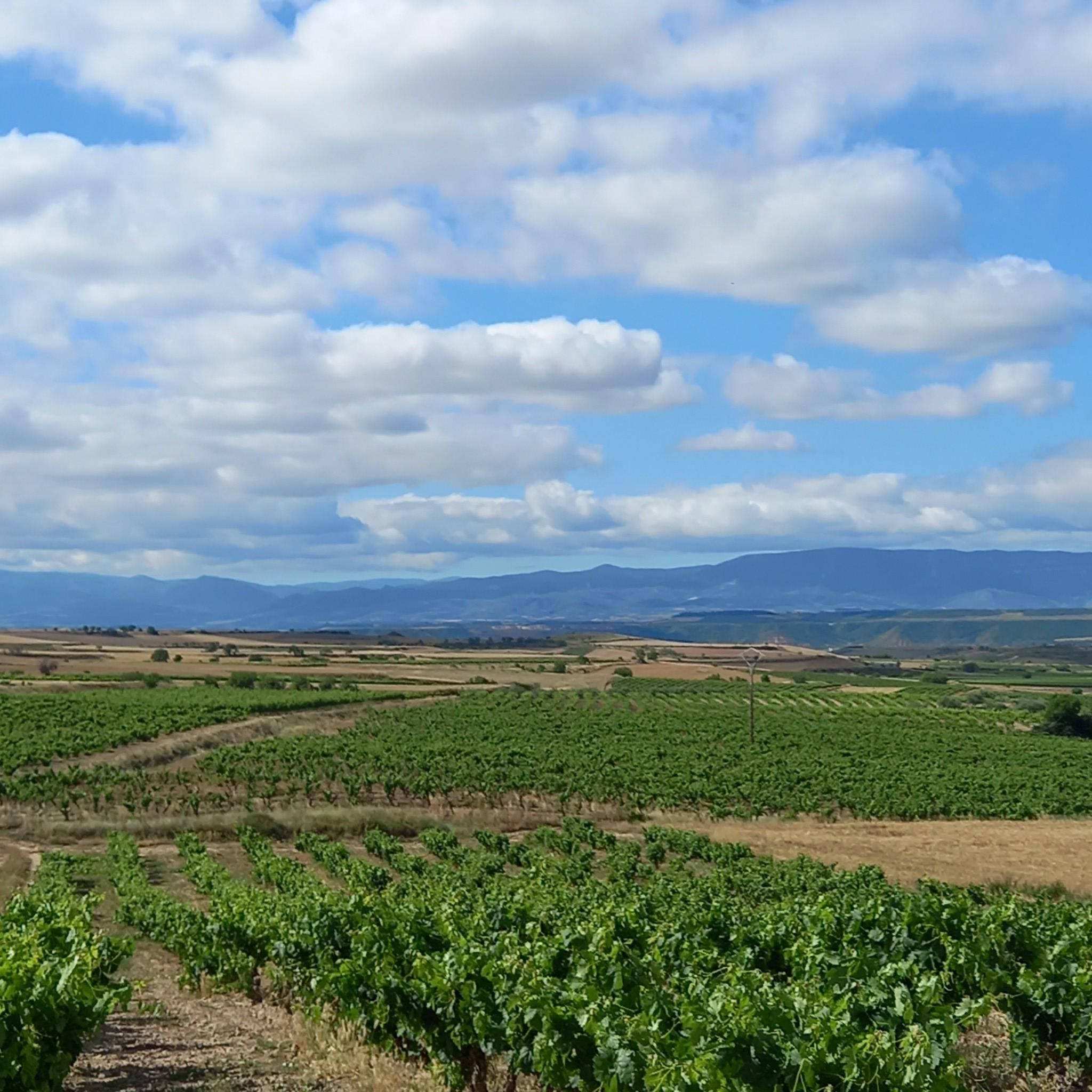
El Redal is nestled within the beautiful Ocón Valley, characterized by its agricultural landscape of vineyards, olive groves, and fields of barley. The region also features large pastures where sheep graze. You can also discover the Providencia Mine, which, despite its name, includes a natural cave with a huge cavity, a small lake, and a waterfall.
What kind of outdoor activities can I do near El Redal?
The area around El Redal is excellent for various outdoor activities. You can find numerous hiking trails, including the 'Mines Trail' and routes exploring the Providencia Mine and Lead Mines. For cycling enthusiasts, there are both MTB Trails and Road Cycling Routes available. Explore more options on the Hiking around El Redal guide.
Are there any family-friendly attractions in El Redal?
Yes, several attractions are suitable for families. The Ocón Windmill is a family-friendly man-made monument that offers historical insight and great views. The settlement of Ventas Blancas, with its cultural heritage and religious sites, is also considered family-friendly.
Where can I find panoramic views of the Ocón Valley?
For privileged views of the Ocón Valley, head to the Ocón Windmill. This historical landmark, a replica of an old 14th-century mill, is situated on a hill and offers expansive vistas of the surrounding agricultural landscapes.
What is the best time to visit El Redal for outdoor activities?
The Ocón Valley, where El Redal is located, experiences a Mediterranean climate with continental influences. Spring and autumn generally offer pleasant temperatures for hiking and cycling, allowing you to enjoy the agricultural landscapes and historical sites comfortably. Summers can be warm, while winters are cooler but still offer opportunities for walks.
Can I learn about the region's industrial history?
Yes, the area has a history of lead extraction. You can visit the Providencia Mine, a cave that provides insight into this past industry. Nearby, the Lead Mines site also features caves and remains of old mine buildings, offering a very cool environment to explore this aspect of local heritage.
What traditional architecture can be seen in El Redal?
Strolling through El Redal's narrow streets, you can appreciate the traditional stone architecture, including 16th-century buildings adorned with ashlar stonework. The village preserves the serene ambiance of rural tourism in La Rioja, showcasing its deep connection to agricultural traditions and historical building styles.
Are there any unique local features in the villages around El Redal?
In Los Molinos de Ocón, a village within the Ocón valley, you can find unique traditional constructions like the Fuente Grande, which was historically a meeting place for farmers and ranchers, as well as an old laundry and a trujal (oil mill), reflecting the area's agricultural heritage.
What do visitors enjoy most about the attractions around El Redal?
Visitors particularly appreciate the historical significance and scenic beauty. The Ocón Windmill is loved for its restoration and privileged views. The Providencia Mine is highly recommended for its landscape value and insight into lead extraction. Many also enjoy the cultural heritage and traditional atmosphere found in settlements like Ventas Blancas.

Get inspired with the komoot mobile app


Explore more
Still not found the Highlight you’re looking for? See guides of the top attractions in other regions:
