Attractions and Places To See around Nájera - Top 20
Best attractions and places to see around Nájera include a blend of historical landmarks, cultural sites, and natural features within the La Rioja region of Spain. This historic town, situated on the Camino de Santiago, is bisected by the Najerilla River and surrounded by hills. Its rich history as a former capital of the Kingdom of Navarre contributes to a diverse array of points of interest.
Best attractions and places to see around Nájera
- The most popular attractions is Poyo de Roldán Stone Hut, an other man-made structure with a legendary past. This site offers panoramic views of the surroundings.
- Another must-see spot is Former hospital of San Juan de Acre, a historical site that served as a hostel for pilgrims along the Camino de Santiago. Archaeological excavations have revealed the walls of the former hospital and a large church.
- Visitors also love Suso and Yuso Monasteries (San Millán de la Cogolla), a religious building complex declared a World Heritage Site. These monasteries are significant for their architectural heritage and cultural importance, housing codices with early Spanish writings.
- Nájera is known for its historical sites, religious buildings, and viewpoints. Visitors can explore ancient pilgrim hostels, impressive monasteries, and structures with local legends.
- The attractions around Nájera are appreciated by the komoot community, with over 150 upvotes and 33 photos shared by visitors.
Last updated: October 11, 2026
Poyo de Roldán Stone Hut
Highlight • Structure
Translated by Google •
Tip by

Former hospital of San Juan de Acre
Highlight • Historical Site
Translated by Google •
Tip by
Sign up now to discover places like this
Get recommendations on the best single tracks, peaks, & plenty of other exciting outdoor places.
Church of Nuestra Señora de la Asunción
Highlight • Religious Site
According to the account in the first chapter of the Gospel of Luke, this happened in Nazareth (Israel). There is a large church on the spot where this happened - according to a tradition of around two thousand years - which can therefore be used as the 'origin patronal church' for the title of this church here.
Translated by Google •
Tip by

San Vicente de la Sonsierra Fortress Castle
Highlight • Castle
Translated by Google •
Tip by

Church of the Assumption in Navarrete
Highlight • Religious Site
Translated by Google •
Tip by

Sign up for free to discover even more attractions around Nájera.
Already have an account?
Start today with a free account
Your next adventure awaits.
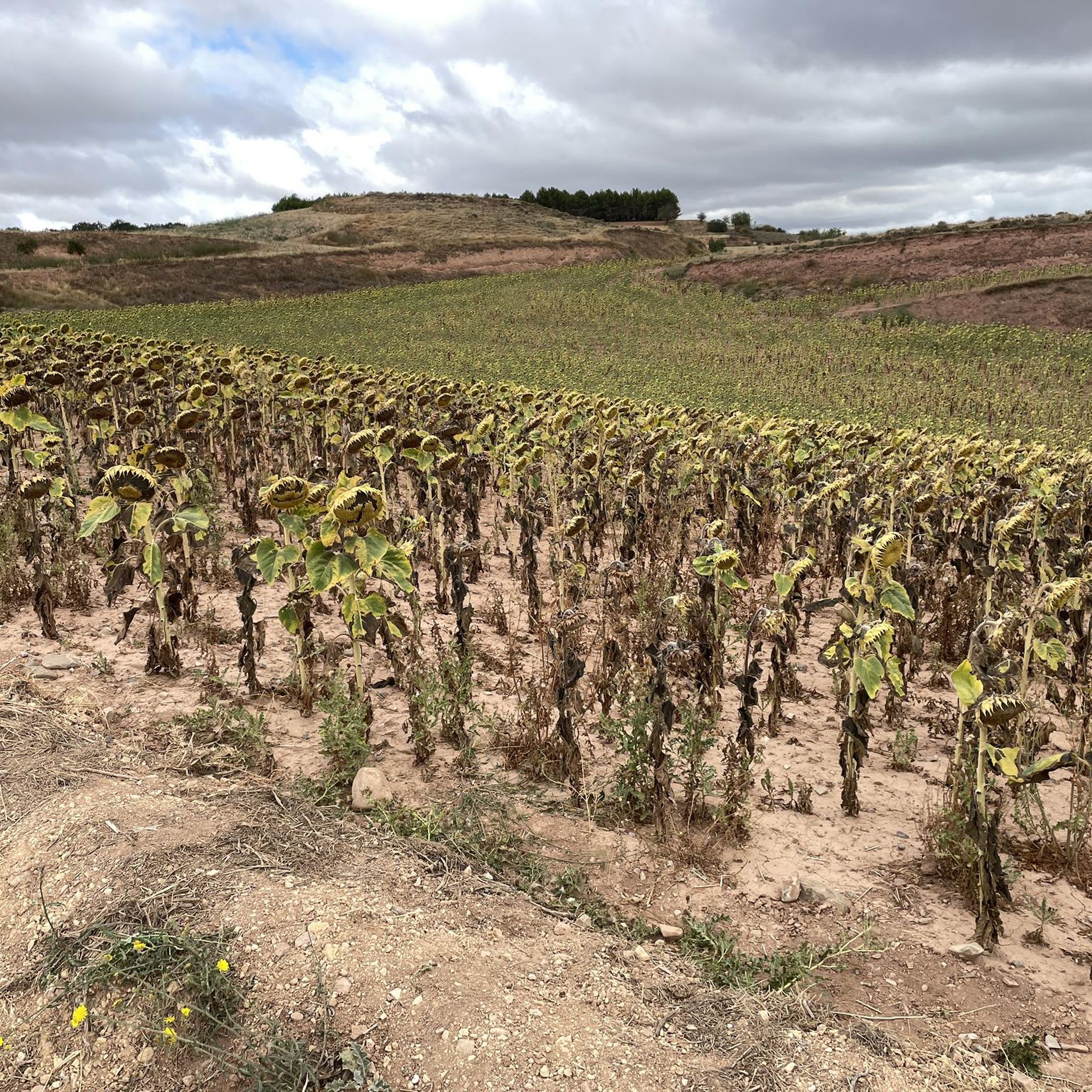
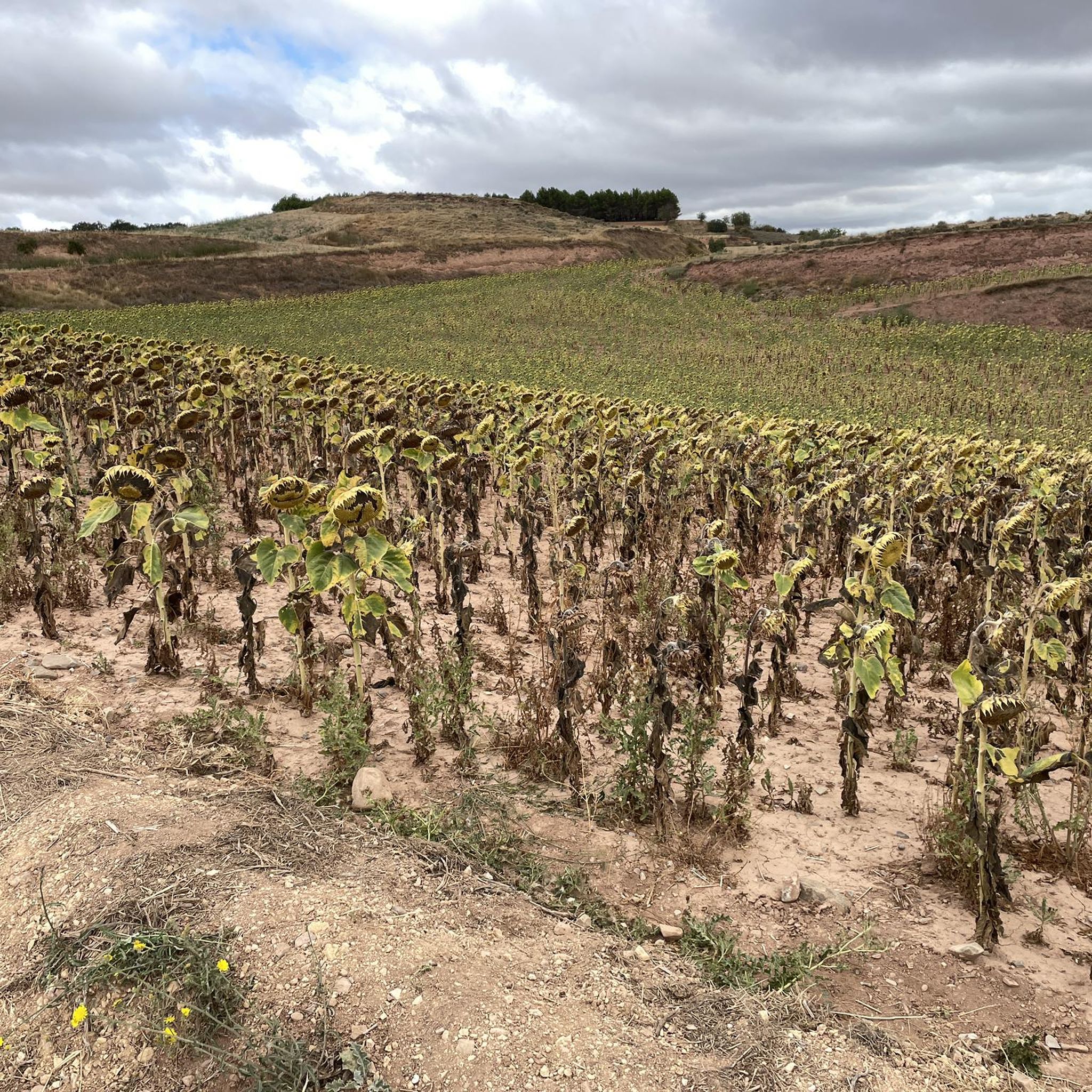
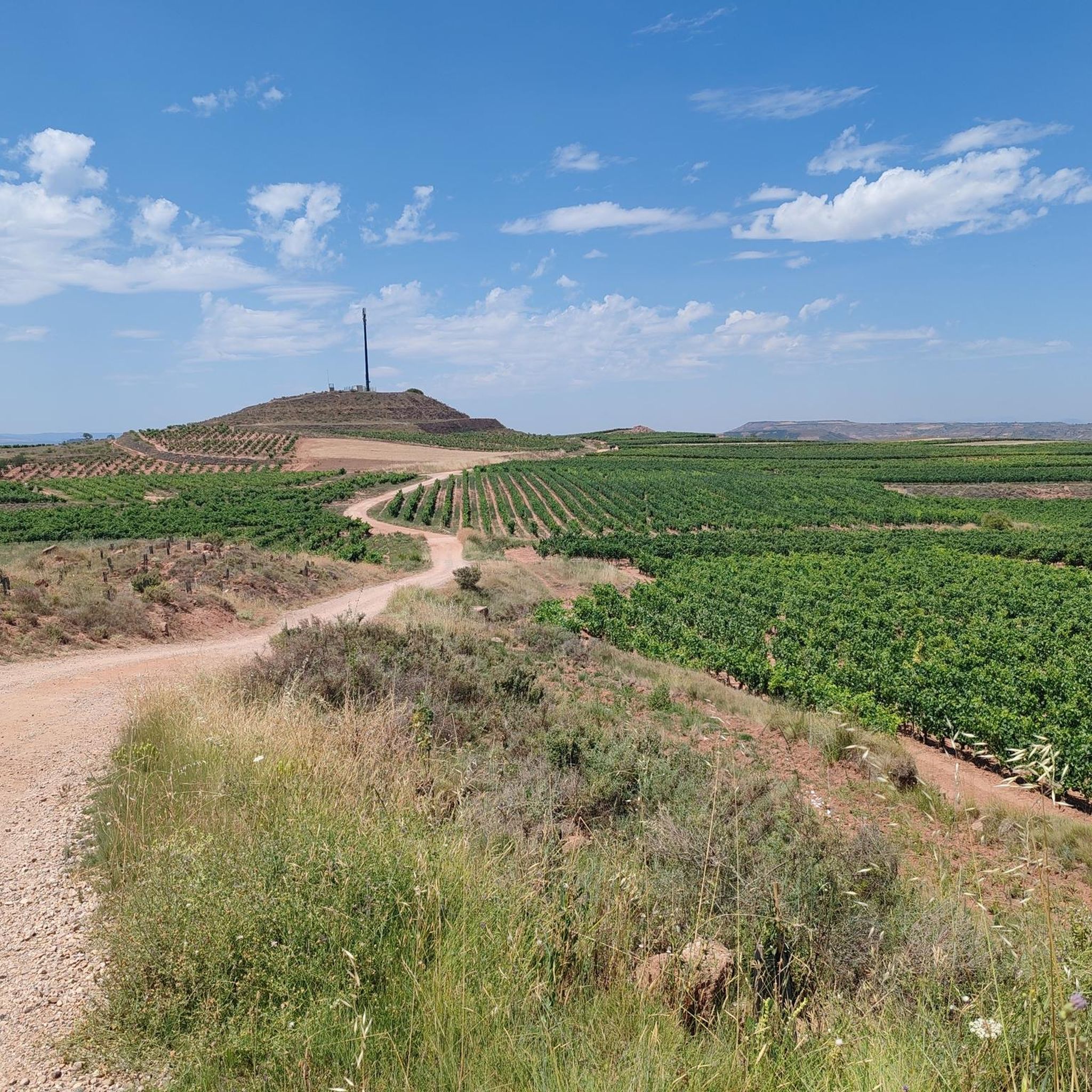
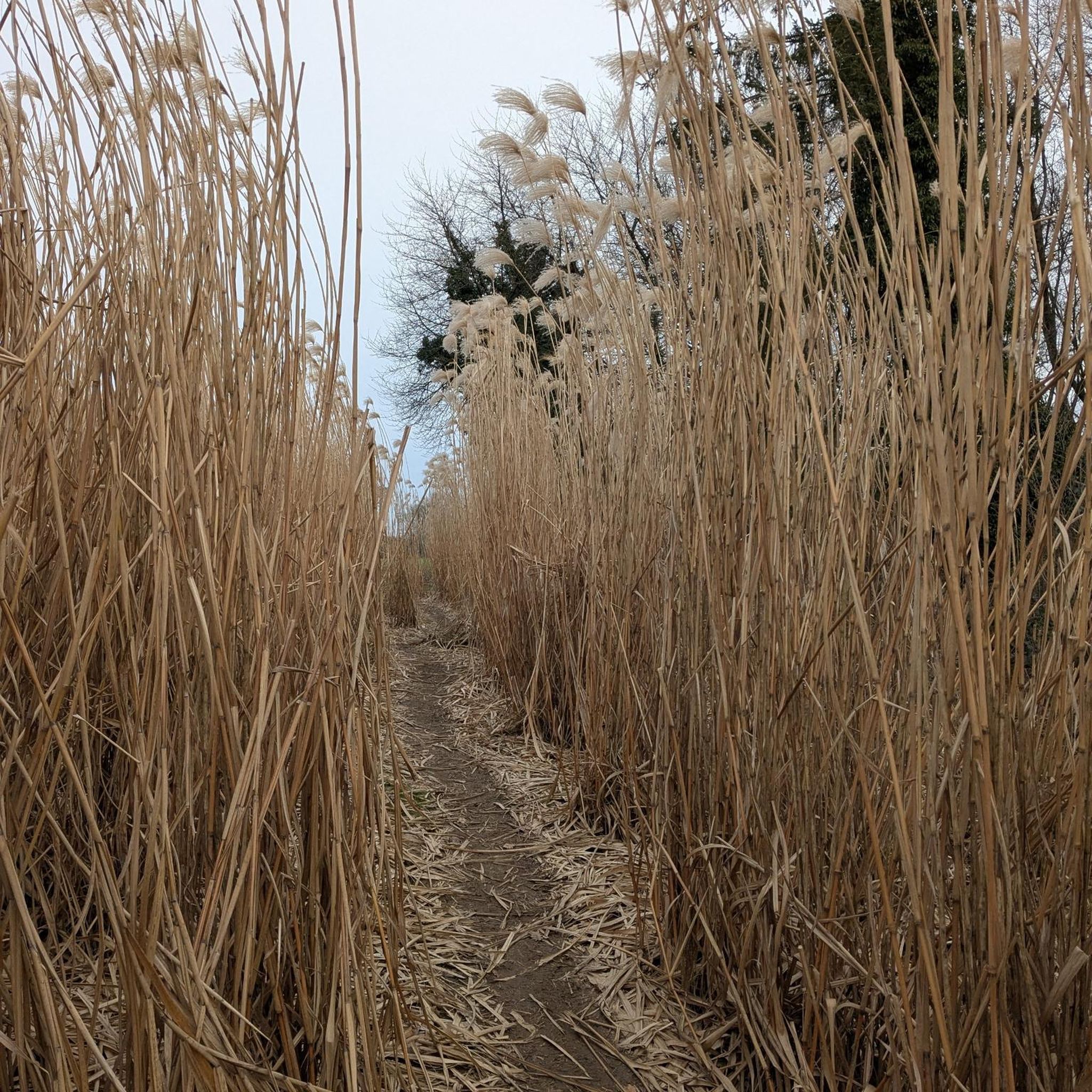
Tips from the Community

The Church of Santa María de la Asunción is a parish church in the historic center of the municipality of Navarrete (La Rioja). The Renaissance-style church is located in the highest area of the town. One of the church's notable elements is the Baroque-style main altar. [2] The church has a three-aisled floor plan.
0
0
The Hospital of Saint John of Acre was a medieval pilgrims' hostel in the municipality of Navarrete in La Rioja (Spain). [1] It was founded in 1185 and was a hostel for pilgrims on their way to Santiago de Compostela.
0
0

It's always amazing what huge churches were built in these small towns along the Camino. It's definitely worth taking a look inside the church.
2
0

A hill that has its own legend: in the castle of Nájera lived Farragut or Ferragut, a Syrian giant descended from Goliath and stronger than him, who fought and defeated the best warriors of Charlemagne except Roldán, who one day from the poyo spotted the giant sitting at the door of his castle. Roldán picked up a round stone weighing two arrobas (~22kg) and threw it in the direction of the giant, whom he hit in the forehead, knocking him down. Since then the hill has been called Poyo de Roldán.The stone hut is likely a traditional stone vineyard shelter.
2
0

And here hangs a Boutafumeiro!!!!
2
0
Well preserved ruins of an ancient pilgrims hospital, adjacent to the Don Jacobo bodega, and by the side of the route
0
0

The Church of Santa Maria de la Asunción is a parish church located in the historic centre of the municipality of Navarra (La Rioja). One of the most notable elements of the church is the large altar in the Baroque style.
1
0
The building was built in 1185 and served as a hostel for pilgrims. Archaeological excavations began in 1990 and uncovered the walls of the former hospital and a large church with a Latin cross floor plan and a cylindrical tower with a spiral staircase. One of the most important finds are four graves.
2
0
Frequently Asked Questions
What historical and cultural sites can I explore in Nájera?
Nájera is rich in history, particularly due to its role on the Camino de Santiago and as a former capital of the Kingdom of Navarre. Key sites include the emblematic Monastery of Santa María la Real, known for its royal pantheon and impressive Knights' Cloister. You can also visit the Nájera History and Archaeological Museum (Museo Najerillense) and the Church of Santa Cruz, which houses the relics of San Prudencio. Don't miss the medieval defensive remains atop La Mota hill for historical insights and panoramic views.
Are there any unique natural features or viewpoints around Nájera?
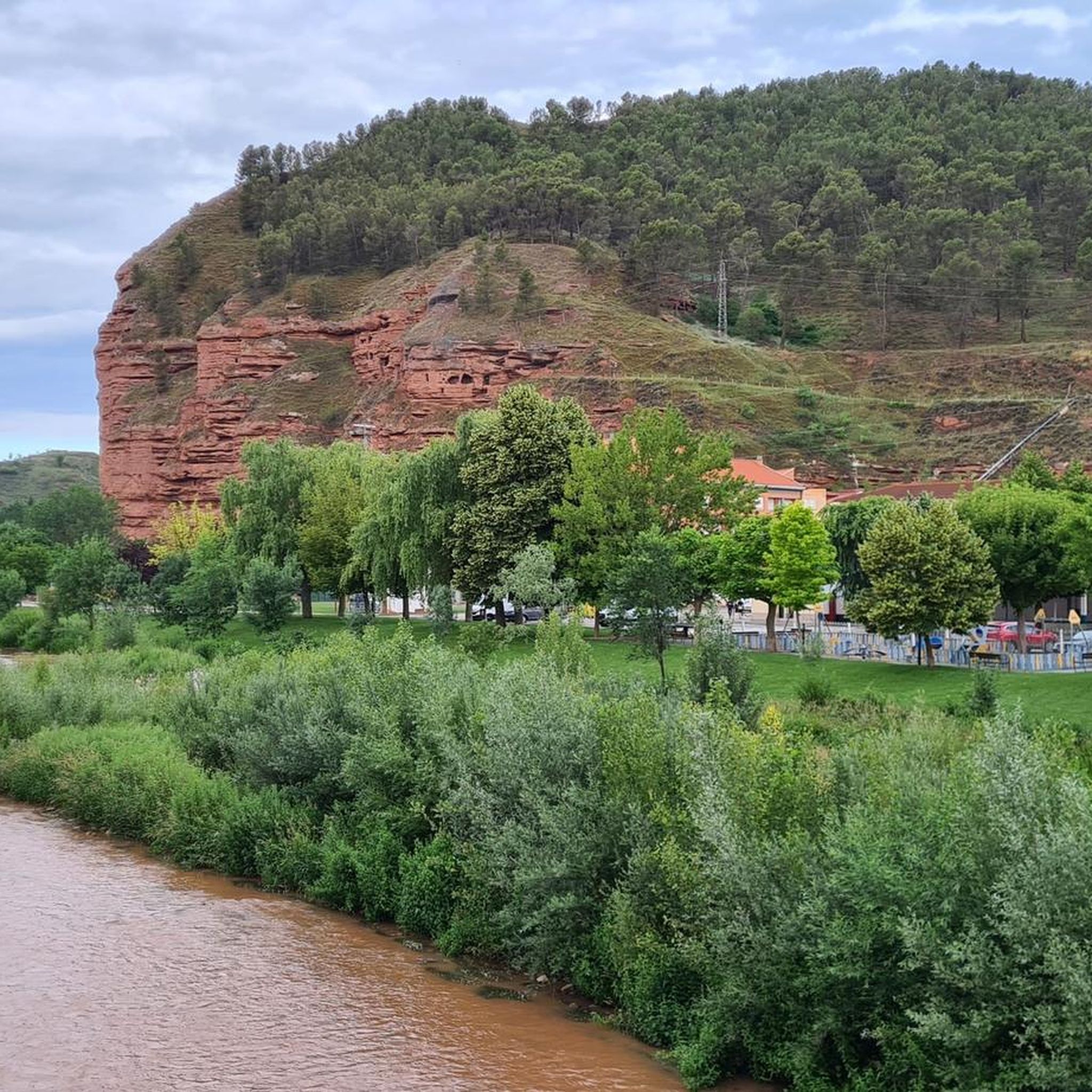
Yes, Nájera offers several interesting natural features and viewpoints. The extraordinary Nájera Caves, visible on the red rock outcrop behind the Najerilla River, are man-made and have been documented since the 11th century. For panoramic views, the medieval defensive remains on La Mota hill provide excellent vistas of the valley. Additionally, the Poyo de Roldán Stone Hut is a viewpoint with a legendary past, offering beautiful views of the surroundings.
What family-friendly attractions are available in the Nájera area?
Families can enjoy several historical and cultural sites. The Former hospital of San Juan de Acre, a historical site that served pilgrims, is suitable for all ages. The Church of Nuestra Señora de la Asunción and the Church of the Assumption in Navarrete are also family-friendly religious buildings with significant history. Further afield, the Suso and Yuso Monasteries (San Millán de la Cogolla), a UNESCO World Heritage site, offer an engaging historical experience for families.
What outdoor activities can I do near Nájera?
Nájera is an excellent base for outdoor activities, especially cycling and hiking. You can find numerous routes for different sports. For road cycling, explore routes like the 'Vineyards of La Rioja Alta' or the 'Anguiano – Valvanera Monastery loop'. If you prefer touring cycling, consider the 'Route through Rioja Alta' or the 'Rollo de Azofra – Red Rocks of Nájera loop'. Hikers can enjoy trails such as 'Najera, Monastery of Santa Helena, Poyo de Roldan - circular route' or the 'Bridge over the Najerilla loop'. You can find more details on these and other routes in the Road Cycling Routes around Nájera, Cycling around Nájera, and Hiking around Nájera guides.
Are there specific hiking trails around Nájera that offer historical insights?
Yes, many hiking trails around Nájera incorporate historical elements. The 'Najera, Monastery of Santa Helena, Poyo de Roldan - circular route' takes you past the Convent of Santa Elena and the legendary Poyo de Roldán Stone Hut. Given Nájera's position on the Camino de Santiago, many local paths follow or cross this historic pilgrimage route, allowing you to experience a part of its ancient journey. You can explore these and other routes in the Hiking around Nájera guide.
What is the significance of the Suso and Yuso Monasteries near Nájera?
The Suso and Yuso Monasteries (San Millán de la Cogolla) are a UNESCO World Heritage Site of immense cultural and historical importance. They are significant not only for their architectural heritage, including a Gothic cloister and royal sarcophagi, but also for housing codices with the first written words in Spanish. The complex has evolved over centuries, offering a profound glimpse into the region's religious and linguistic history.
Where can I learn more about the local history and archaeology of Nájera?
To delve deeper into Nájera's past, visit the Nájera History and Archaeological Museum (Museo Najerillense). Located directly opposite the Monastery of Santa María la Real, this museum is housed in the former Palace of the Abbot. It features extensive collections spanning archaeology, art, and ethnography from prehistoric times to more recent periods, including the 16th-century Puerta de la Huerta.
What is the best time to visit Nájera for exploring its attractions?
Nájera can be enjoyed throughout much of the year. Spring (April-May) and autumn (September-October) generally offer pleasant weather for exploring historical sites and engaging in outdoor activities like hiking and cycling, with comfortable temperatures and beautiful scenery. Summers can be warm, but mornings and evenings are still suitable for sightseeing. Winter offers a quieter experience, though some outdoor activities might be less appealing.
Are there any attractions related to the Camino de Santiago in Nájera?
Absolutely. Nájera is a significant stop on the Camino de Santiago. The Former hospital of San Juan de Acre was founded in 1185 to provide rest and care for pilgrims. The Bridge over the Najerilla River (San Juan de Ortega Bridge) also stands on the site of an earlier medieval bridge that facilitated the passage of pilgrims. The entire town's history is intertwined with the Camino, making it a fascinating stop for those interested in the pilgrimage route.
What do visitors particularly enjoy about the attractions around Nájera?
Visitors frequently appreciate the rich historical context and the blend of cultural and natural beauty. The legendary tales associated with sites like the Poyo de Roldán Stone Hut, the impressive architecture of the monasteries, and the well-preserved ruins like the Former hospital of San Juan de Acre are often highlighted. The panoramic views from various points and the opportunity to experience a part of the Camino de Santiago are also highly valued.
Can I find any religious buildings of note in Nájera besides the main monastery?
Beyond the prominent Monastery of Santa María la Real, Nájera features other significant religious structures. The Church of Santa Cruz, though predominantly Baroque, holds the relics of San Prudencio. The Convent of Santa Elena, founded in the mid-16th century, also has a church open to visitors. These sites offer further insight into the region's deep religious heritage.
Are there any specific cycling routes recommended for exploring the Nájera region?
Yes, the Nájera area is popular for cycling. For road cycling, you could try the 'Vineyards of La Rioja Alta – Laguardia loop from Nájera' or the 'Anguiano – Valvanera Monastery loop from Nájera'. If you prefer touring, consider the 'Route through Rioja Alta – circular from Nájera via Azofra and Cirueña'. These routes allow you to experience the scenic landscapes and vineyards of La Rioja. More options can be found in the Road Cycling Routes around Nájera and Cycling around Nájera guides.
Most popular attractions around Nájera

Get inspired with the komoot mobile app


Explore more
Still not found the Highlight you’re looking for? See guides of the top attractions in other regions:
