The best cycling routes around Uña De Quintana
16
riders
4
rides
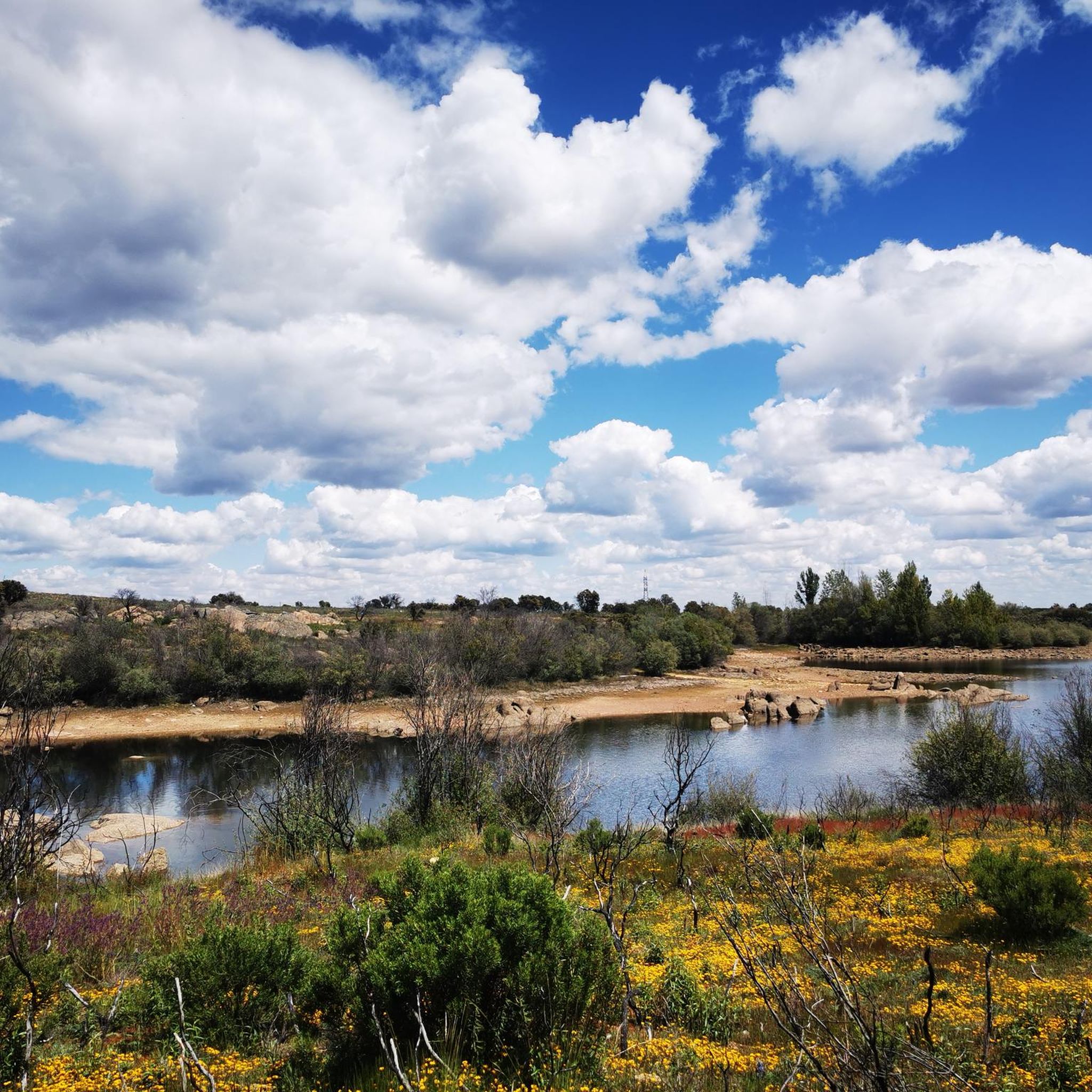
Touring cycling around Uña De Quintana, located in the province of Zamora, Castilla y León, Spain, offers routes through varied terrain. The municipality features mostly flat plains, irrigated by the Tera River and other streams, which are suitable for less strenuous cycling. Some areas, such as "El Monte" and "Pico El Cuerno," present low mountainous relief, providing gentle ascents and descents. The region's landscape includes fertile riverbanks and agricultural lands, ideal for exploring by bicycle.
Best touring cycling routes around…
Last updated: July 4, 2026
74.4km
05:05
510m
510m
Hard bike ride. Very good fitness required. Mostly paved surfaces. Suitable for all skill levels.
6
riders
Hard bike ride. Very good fitness required. Mostly paved surfaces. Suitable for all skill levels.

Sign up for free
4
riders
31.1km
02:45
310m
310m
Moderate bike ride. Good fitness required. Mostly paved surfaces. Suitable for all skill levels.
2
riders
27.6km
02:35
230m
230m
Moderate bike ride. Good fitness required. Mostly paved surfaces. Suitable for all skill levels.
2
riders
Hard bike ride. Very good fitness required. You may need to push your bike for some segments of this route.
Our route recommendations are based on thousands of hikes, rides, and runs completed by other people on komoot.
Start today with a free account
Your next adventure awaits.
Login or Signup
Popular around Uña De Quintana

Tips from the Community

Castrocalbón is a place with a rich history and several points of interest that you can visit. Castrocalbón Castle: Although in ruins, it is a fascinating testimony to the medieval architecture and history of the region. San Pedro Church: A church with Romanesque and Gothic elements, which houses interesting altarpieces and sculptures. Hermitage of the Virgin of the Rosary: A place of local devotion, with simple architecture and a peaceful setting.
0
0
Castrocalbón Castle is an ancient fortress located in the town of Castrocalbón, in the province of León. Built in the Middle Ages, the castle has gone through various phases of construction and destruction over the centuries. Today, only a few remains remain, such as a rammed earth wall plastered with mortar and an ashlar arch. In the past, the castle had several archways and walls that have been compared to the Berber kasbahs of the High Atlas.
2
0

Another iconographic reference of Castrocalbón is this iron bridge over the Eria River built in the 1920s and which, despite the inconveniences it causes at this time, being quite narrow, already changes its image has become a symbol of Castrocalbón. A new bridge is currently in use a short distance from the old one, which is (for the time being) maintained due to its historical value.
1
0

An important archaeological site of a Roman Legion, the Petavonium Camp on the outskirts of the town of Santibáñez de Vidriales.
2
0
Arrabalde is a small town located between the Eria River and the Sierra de Carpurias that rises above it at 1000 meters above sea level. Head to the main square to admire the local church.
1
0
At an altitude of 1000 meters above sea level, there is a rocky outcrop, used to house animals and smugglers. Spectacular views of Arrabalde below.
1
1
Ruin of a palace and defensive settlement on the town of Castrocalbón of which only a restored arch remains.
1
1

Right next to the road you will find these Roman ruins. From what I read, it was a Roman outpost protecting trade routes in the area.
0
0
Frequently Asked Questions
What kind of terrain can I expect on touring cycling routes in Uña De Quintana?
The region of Uña De Quintana offers a diverse landscape for touring cyclists. You'll find mostly flat plains, particularly along the Tera River and other streams, which are ideal for relaxed rides. There are also areas with low mountainous relief, such as "El Monte" and "Pico El Cuerno," providing gentle ascents and descents that add variety without being overly challenging.
Are there any circular touring cycling routes in the Uña De Quintana area?
Yes, several touring cycling routes around Uña De Quintana are designed as loops. For example, you can explore the historical area with the Roman Camp of Petavonium from Castrocontrigo - circular by the Eria River, or enjoy the scenic Playa de Valparaíso loop from Rionegro del Puente.
What are some notable landmarks or attractions I can see along the touring cycling routes?
As you cycle, you can encounter various points of interest. The Monument to the Pilgrim of Rionegro del Puente is a significant cultural stop. Natural features include the Nuestra Señora del Agavanzal Reservoir and sections of the Tera River Trail. The area also features historical sites like the 15th-century Church of San Justo y Pastor in Uña de Quintana itself, and traditional underground wineries.
Are there touring cycling routes suitable for families or beginners?
While the routes listed in this guide are generally moderate to difficult, the predominantly flat plains and gentle hills of Uña De Quintana make it suitable for less strenuous cycling. For families or beginners, we recommend looking for shorter, flatter sections along the riverbanks or through agricultural lands, which offer a pleasant and accessible experience. The Playa de Valparaíso loop from Rionegro del Puente is a moderate option that might be suitable for those looking for a less challenging ride.
What is the best time of year for touring cycling in Uña De Quintana?
The region's climate, typical of Castilla y León, generally offers pleasant conditions for cycling during spring and autumn. These seasons provide milder temperatures, making long rides more comfortable. Summer can be warm, especially in the plains, while winter might bring cooler temperatures and occasional rain.
Are there any long-distance touring cycling routes in the area?
Yes, for those seeking longer rides, the Roman Camp of Petavonium from Castrocontrigo - circular by the Eria River is a challenging route spanning over 74 kilometers. Another substantial option is the El Villar Picnic Area – Muelas de los Caballeros loop from El Empalme, which covers nearly 50 kilometers.
What are the difficulty levels of touring cycling routes around Uña De Quintana?
The touring cycling routes in this guide range from moderate to difficult. You'll find options like the Embalse de Congosta loop from Nogarejas which is moderate, alongside more challenging rides such as the Roman Camp of Petavonium – Petavonium Roman Camp Ruins loop from Santibáñez de Vidriales.
What do other touring cyclists enjoy the most about cycling in Uña De Quintana?
Cyclists who have explored Uña De Quintana often appreciate the tranquil rural experience and the diverse scenery. The mix of fertile plains, gentle hills, and river valleys provides a pleasant backdrop for touring, allowing riders to immerse themselves in the natural beauty and local heritage of Zamora at a leisurely pace.
Is there public transport available to reach the cycling trailheads in Uña De Quintana?
Uña De Quintana is a rural municipality. While local bus services might connect it to larger towns in the province of Zamora, direct public transport to specific trailheads may be limited. It's advisable to check local bus schedules or consider driving to the starting points, especially for routes that begin outside the main village.
Where can I find parking for my car when starting a touring cycling route?
In Uña De Quintana and surrounding villages, you can typically find public parking areas within the village centers. For routes starting from specific points like Castrocontrigo or Rionegro del Puente, look for designated parking near local amenities or public spaces. Always ensure you park responsibly and respect local regulations.
Are there any cafes or places to stop for refreshments along the routes?
As Uña De Quintana is a rural area, amenities like cafes and pubs might be found primarily within the main villages or larger towns along or near your chosen route. It's recommended to plan your stops in advance and carry sufficient water and snacks, especially on longer or more remote sections of your touring cycle.
Most popular attractions around Uña De Quintana

Get inspired with the komoot mobile app


Explore more
Browse the best Cycling routes in other regions.
