Attractions and Places To See around Valle Del Retortillo - Top 14
Best attractions and places to see around Valle Del Retortillo include a collection of historical churches and traditional architecture spread across its villages. This municipality in Palencia, Spain, is characterized by its rural charm and agricultural landscapes. The Retortillo River defines the area, offering scenic routes through the villages of Abastas, Abastillas, Añoza, Villalumbroso, and Villatoquite. Visitors can explore cultural sites and natural features that reflect the region's heritage.
Best attractions and places to see around Valle Del Retortillo
- The…
Last updated: July 12, 2026
Ledigos
Highlight • Settlement
Translated by Google •
Tip by

Camino de Santiago 405 km Marker (Castilla y León)
Highlight • Monument
Yellow arrows: These arrows will guide you throughout the entire route. They indicate the direction to follow, especially at crossroads. …
Translated by Google •
Tip by

Sign up now to discover places like this
Get recommendations on the best single tracks, peaks, & plenty of other exciting outdoor places.
Sign up for free
Calzadilla de la Cueza
Highlight • Settlement
Translated by Google •
Tip by
Trail marker
Highlight • Trail
Translated by Google •
Tip by
Meseta Landscape
Highlight • Natural
Translated by Google •
Tip by

Sign up for free to discover even more attractions around Valle Del Retortillo.
Sign up for free
Already have an account?
Start today with a free account
Your next adventure awaits.
Login or Signup
Popular around Valle Del Retortillo


Tips from the Community

There are so many types of signposts! Drawn! Stacked! Symbolic! ...made of metal... ...made of stone... ...made of shells... ...made of paint... And on the Camino, they are "responsible" for the feeling of safety. ...We follow, rejoicing when a place is no longer nameless... ...We are safe!
1
0

Ledigos, in the province of Palencia, is a small town with about 60 inhabitants, located on the French Way of St. James, between Calzadilla de la Cueza and Terradillos de los Templarios. Its history, architecture, and natural surroundings make it an interesting stop for pilgrims and travelers.
1
0
Calzadilla de la Cueza is a small town in the province of Palencia, with just 50 inhabitants, located in the Tierra de Campos region and part of the municipality of Cervatos de la Cueza. It is a major stop on the French Way of St. James and is also linked to the ancient Via Aquitania, a Roman road whose sections are still visible.
1
0
The Via Aquitaine, along its stretch through the Castilian plateau, offers a unique landscape that combines history, spirituality, and nature. It's a less traveled route than the French Way, but with a special charm for those seeking a more authentic and peaceful experience.
1
0
The Via Aquitaine, along its stretch through the Castilian plateau, offers a unique landscape that combines history, spirituality, and nature. It's a less traveled route than the French Way, but with a special charm for those seeking a more authentic and peaceful experience.
1
0

Ledigos is a small village in the province of Palencia, located in the region of Castilla y León, Spain. It lies on the Camino Francés, the popular pilgrimage route to Santiago de Compostela. Despite having a population of only around 66, the village offers three albergues for pilgrims who choose to stay here instead of continuing on to Sahagún. The village has a beautiful church, the Iglesia Parroquial de Santiago Apóstol, with altars from the 17th and 18th centuries and a modern brick bell tower. It also offers beautiful views of the surrounding area due to its hilltop location.
1
0


Take enough water with you, there are hardly any villages
2
0
Frequently Asked Questions
What historical and cultural sites can I explore in Valle del Retortillo?
Valle del Retortillo is rich in history. You can visit several historical churches, such as the 17th-century Iglesia de San Miguel Arcángel in Villalumbroso, the Iglesia de Santiago in Abastas, and the 16th-century Iglesia de Santa María in Añoza, each featuring unique altarpieces and sculptures. The area also boasts traditional architecture, including characteristic "palomares" (dovecoats) and "bodegas excavadas" (underground wineries). Additionally, archaeological remains from the Paleolithic era and Roman roads have been found in villages like Abastas and Añoza.
Are there any significant religious sites in the area?
Yes, the municipality is home to several notable religious sites. Besides the parish churches in each village, such as the Iglesia de San Miguel Arcángel in Villalumbroso and the Iglesia de Santa María in Añoza, you can also visit the Iglesia Parroquial de Santiago Apóstol in nearby Ledigos, which is on the Camino Francés. Villalumbroso also has the Ermita de Nuestra Señora de las Nieves, housing a restored 14th-century carving of the Virgin.
What kind of traditional architecture can I see in Valle del Retortillo?
Valle del Retortillo offers a glimpse into traditional Castilian architecture. You'll find well-preserved traditional houses throughout the villages. A unique feature of the region is the presence of "palomares" (traditional dovecotes) and "bodegas excavadas" (excavated wineries), which are integral to the local heritage and agricultural history.
What natural features define the landscape of Valle del Retortillo?
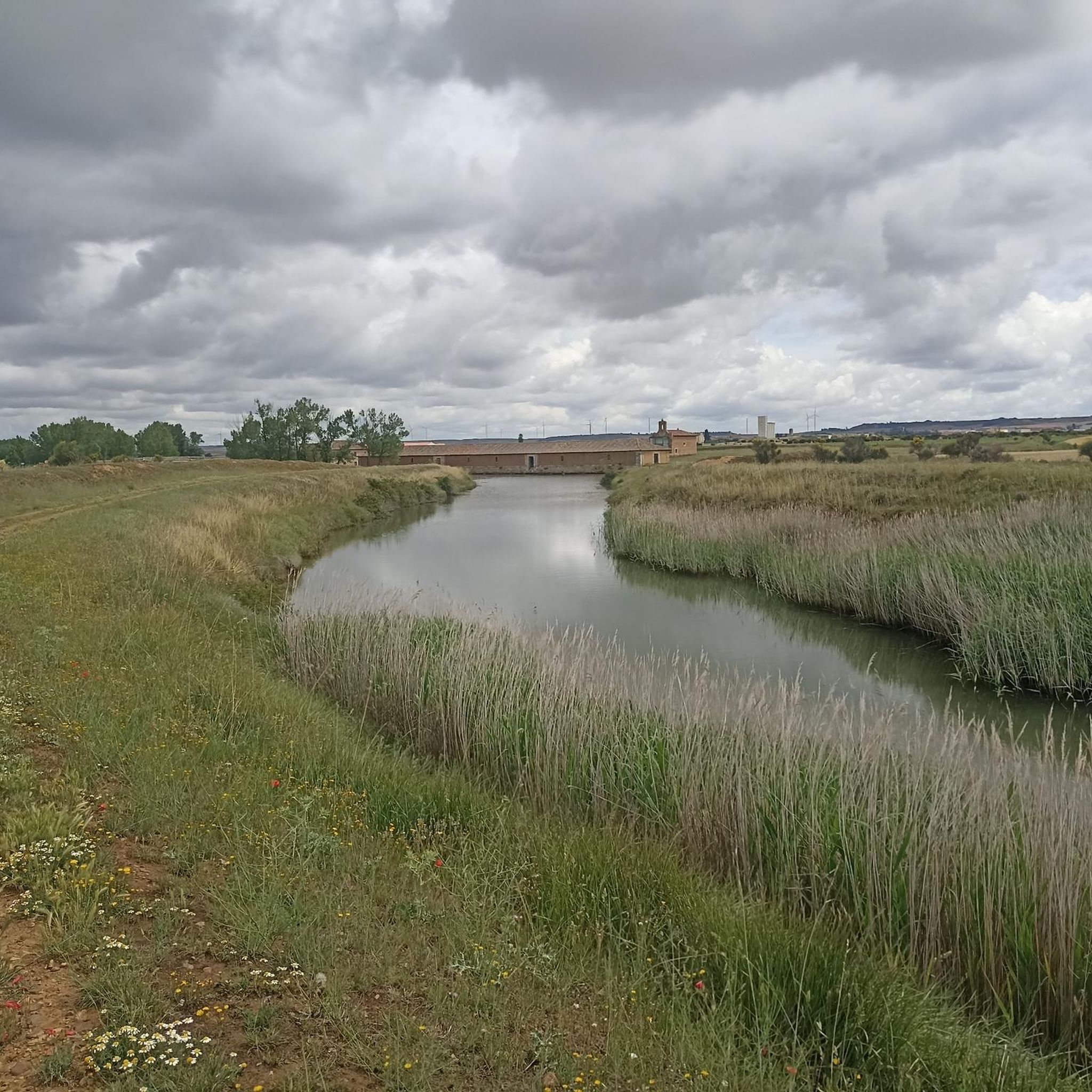
The landscape of Valle del Retortillo is primarily defined by the Retortillo River, which flows through the municipality and provides a scenic backdrop for routes connecting the villages. The area is also part of the Tierra de Campos region, characterized by vast agricultural landscapes with extensive cereal and sunflower fields, offering picturesque views that change beautifully with the seasons.
Are there family-friendly attractions around Valle del Retortillo?
While Valle del Retortillo is more focused on historical and rural exploration, several nearby settlements on the Camino de Santiago are considered family-friendly. For instance, Ledigos and Calzadilla de la Cueza offer a chance to experience a part of the famous pilgrimage route, which can be an engaging activity for families. Exploring the traditional villages and their churches can also be an educational experience for children.
Can I experience the Camino de Santiago near Valle del Retortillo?
Yes, while not directly within Valle del Retortillo, the renowned Camino de Santiago (French Way) traverses the broader province of Palencia. Nearby villages like Ledigos and Calzadilla de la Cueza are located directly on the Camino Francés. You can walk sections of this historic pilgrimage route, observe the characteristic yellow arrows and scallop shells, and even see preserved cobbled paths of the ancient Roman road, Via Aquitana, in Calzadilla de la Cueza.
What kind of outdoor activities can I do near these attractions?
The region around Valle del Retortillo is ideal for outdoor activities, especially hiking and cycling. You can explore the scenic agricultural landscapes and follow routes along the Retortillo River. For specific routes, consider checking out the Hiking around Valle Del Retortillo guide, which includes moderate trails like "Santuario Nuestra Señora de Carejas — circular desde Paredes de Nava" or the more challenging "Ledigos – Bodegas de Moratinos loop from Población de Arroyo." Cyclists can find routes in the Cycling around Valle Del Retortillo guide, such as the "Laguna de la Nava Loop" or the "Via Aquitana Gravel Road – Monastery of San Zoilo loop."
Are there hiking trails near Valle del Retortillo?
Absolutely! The rural setting of Valle del Retortillo and its surroundings offers various hiking opportunities. You can find trails that take you through the agricultural plains and along the Retortillo River. For detailed options, refer to the Hiking around Valle Del Retortillo guide, which lists routes like "We leave from Población de Arroyo — circular by the Camino de Santiago Francés" and "Hermitages of Tierra de Campos from Frechilla," catering to different difficulty levels.
What is the Meseta Landscape and how can I experience it?
The Meseta Landscape refers to the unique, expansive plateau of the Castilian region, characterized by vast, open fields and a sense of tranquility. It offers a blend of history, spirituality, and nature, especially along the less-traveled Via Aquitaine. To experience it, you can embark on a hike or cycle through this area, taking in the serene views and the historical significance of the ancient routes. Remember to carry enough water as villages can be sparse.
What do visitors enjoy most about the attractions around Valle del Retortillo?
Visitors particularly appreciate the historical and cultural richness, especially the charming villages and their ancient churches. The connection to the Camino de Santiago, through nearby settlements like Ledigos and Calzadilla de la Cueza, is also a significant draw. Many enjoy the peaceful, authentic rural experience offered by the Meseta Landscape and the opportunity to explore traditional architecture and archaeological sites.
Are there any ancient Roman sites or roads to explore?
Yes, the region has a connection to ancient Roman history. Archaeological sites from the Paleolithic and Late Bronze Age have been found in villages like Abastas and Abastillas. Notably, a Roman road once passed through Abastas, connecting Carrión de los Condes to Zamaba. In Calzadilla de la Cueza, you can still see preserved cobbled paths of the old Roman road, Via Aquitana, offering a tangible link to the past.
What are some unique or 'hidden gems' to discover in Valle del Retortillo?
Beyond the main churches, the true 'hidden gems' of Valle del Retortillo lie in its authentic rural character. Explore the traditional architecture, including the distinctive "palomares" (dovecoats) and "bodegas excavadas" (underground wineries) scattered throughout the villages. The archaeological sites, such as those in Abastas and Añoza with Paleolithic and Roman remnants, offer a deeper dive into the region's ancient past for those interested in history off the beaten path.
Most popular routes around Valle Del Retortillo

Get inspired with the komoot mobile app


Explore more
Still not found the Highlight you’re looking for? See guides of the top attractions in other regions:
